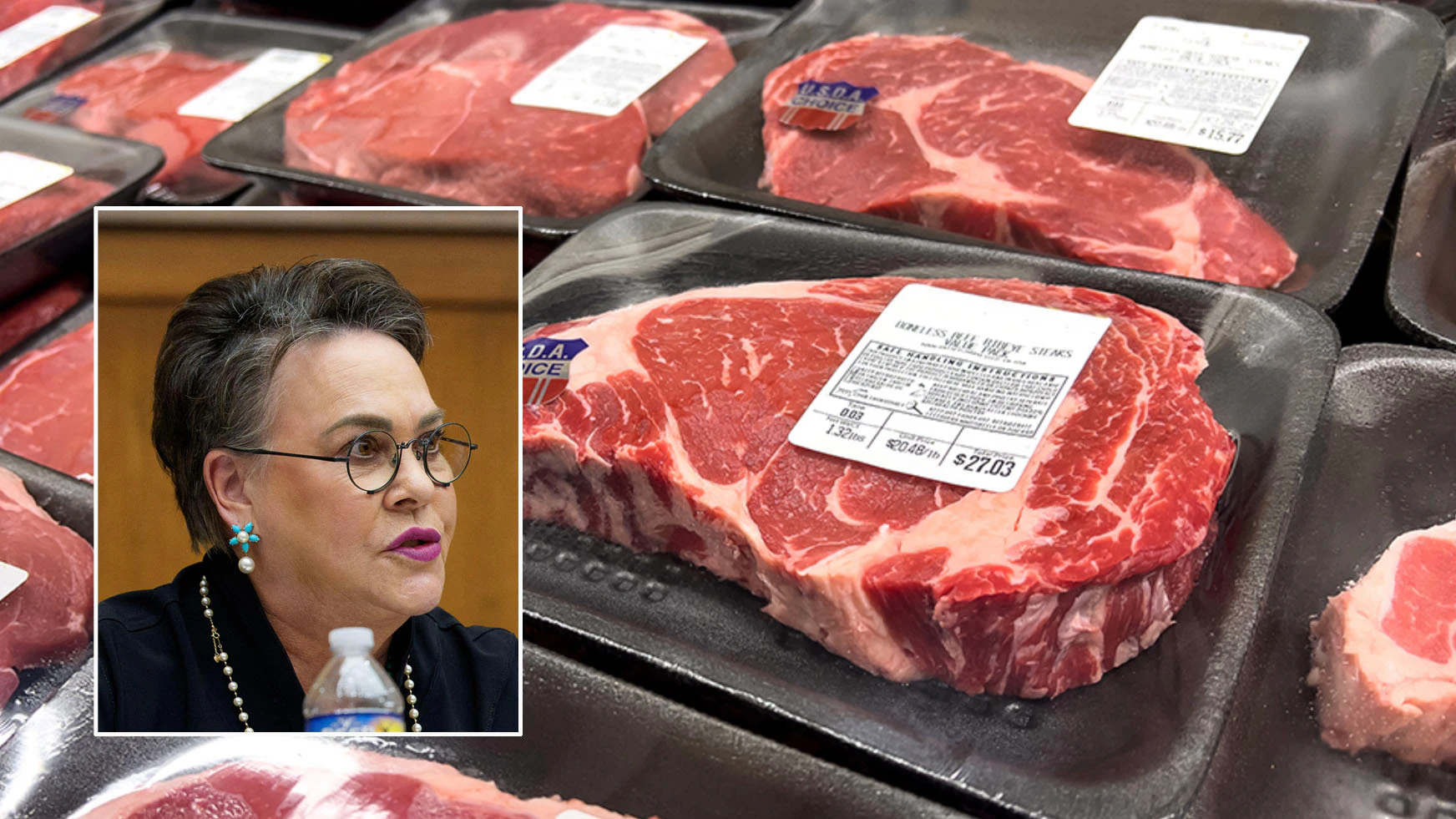
Mandatory country-of-origin labeling for beef appears increasingly unlikely to make it into the 2026 Farm Bill after a draft released this week by Senate Agriculture Committee Chairman Sen. John Boozman (R-Ark.) omitted the provision.
This follows a similar setback in the House earlier this year, when the House Rules Committee rejected an amendment that would have added mandatory country-of-origin labeling, commonly known as MCOOL, to sweeping farm legislation.
Had the bill become law, it would require meat labels to clearly state where an animal was born, raised and slaughtered. It would have also reinstated the labeling requirements for beef that were rolled back a decade ago, and raise fines for those falsely labeling their beef as "Made in the U.S.A."
Country-of-origin labeling for products was required by Congress in the early 2000s, but in 2016 the World Trade Organization deemed the law to be in violation of its rules.
Uphill Battle
For supporters, the latest development suggests the proposal faces an uphill battle despite continued backing from some western lawmakers and producers.
U.S. Rep. Harriet Hageman introduced MCOOL legislation in October 2025, arguing American consumers deserve to know exactly where their beef comes from and ranchers deserve fair competition.
Sen. Cynthia Lummis has strongly supported reinstating the country-of-origin labeling.
Hageman reiterated her support for the amendment in a statement emailed to Cowboy State Daily on Thursday, saying, "I continue to believe transparency is critical in the marketplace to increase national cattle herd numbers and protect America's proud agricultural heritage."
Like Hageman, Sen. John Barrasso said he believes in increasing transparency in the beef industry, saying in a statement, “Everyone in Wyoming who eats beef has a right to know where their food comes from.”
But, Barrasso said, the Trump administration has already taken steps to improve transparency for American beef consumers.
“I fully support the voluntary ‘Product of the USA’ label,” he said.
The “Product of the USA” label differs from the mandatory country-of-origin labeling in that it is a voluntary label companies can put on meat, poultry and egg products. By contrast, MCOOL would be a legal requirement enforced by the USDA requiring retailers to disclose the country of origin on every package of meat.
The voluntary approach is favored by the Wyoming Stock Growers Association. Executive Vice President Jim Magagna previously told Cowboy State Daily the “Product of the USA” label should only be allowed if the product was born, raised, slaughtered and processed in the U.S.
Supporters And Skeptics
The proposal has exposed divisions within the cattle industry, with ranchers finding themselves on opposite sides of the issue.
Farm groups such as the Montana Farmers Union say the bill creates truthful labels for consumers and fair markets for ranchers. According to the Rocky Mountain Farmers Union, multinational packers profit from a lack of clarity in product labeling and blend foreign and domestic beef freely.
But others, like Magagna, argue that MCOOL would create more government oversight where it is not needed. They say the costs and bureaucracy associated with mandatory reporting outweigh the benefits.
Critics of MCOOL also say mandatory reporting could require additional animal tracking measures, such as identification ear tags, and raise questions about who ultimately pays for compliance costs — packers, producers or consumers.
The crux is whether such reporting should be mandatory or voluntary.
Writing On The Wall?
As in Wyoming, lawmakers in neighboring states are divided on the issue.
In Montana, Sen. Steve Daines (R) supports the amendment and has advocated for ranchers to clearly label U.S.-raised beef.
Sen. Tim Sheehy (R) opposes the amendment, arguing that labeling should be at the state rather than federal level.
Rep. Ryan Zinke (R), who represents western Montana, co-sponsored Hageman's bill.
Some lawmakers have already suggested MCOOL might not have enough support to survive Farm Bill negotiations.
During the National Association of Farm Broadcasting's 2026 Washington Watch event, Sen. Mike Rounds, R-S.D., acknowledged the political challenges facing the proposal.
"I wish I could say mandatory country-of-origin labeling would be part of (the 2026 Farm Bill), but I think it would be unfair to lead people that direction," Rounds said. "Until such time as the ag community itself has a united voice on it, it's going to be difficult to get it on the ag bill."
Rounds said the nation's largest meatpackers remain opposed to mandatory labeling requirements.
"They don't like the idea of beef that they control from outside having to be identified separately from the beef we raise here in the United States," he said.
Congress continues to actively negotiate the 2026 farm bill. Lawmakers will hold markups in July to address key sticking points. While MCOOL is not included in the main text of the draft bill, it remains a major battleground.
Hageman continues to fight for the legislation.
“Americans want to know where their meat comes from and our home ranchers deserve fair compensation for their year-round labor,” she said. “Monopolistic meat packers, however, are processing and selling foreign beef labeled as 'Product of America' in direct competition with our own domestic family ranchers.”
Kate Meadows can be reached at kate@cowboystatedaily.com.