
Some of Wyoming’s 1860s prospectors would be rolling over in their graves if they knew just how narrowly they might have missed striking it rich in South Pass City and other 19th-century gold hotspots.
Gold was there in those arid hills. All those poor pioneers really needed to find it was a helicopter and some artificial intelligence.
Not to mention modern geological science, which has led Relevant Gold founder and CEO Rob Bergmann down a multi-billion-year-old channel called the Abitibi Belt, to what he believes is a hidden gold belt underneath Wyoming.
“We can’t promise anything,” Bergmann told Cowboy State Daily. “But we do believe that all of the data indicates there’s a lot of opportunity that has really just never been tested in Wyoming — especially along these Archean belts that were once connected to the Abitibi.”
The hypothesis that those were once connected is the geological theory that’s brought Bergmann to Wyoming.
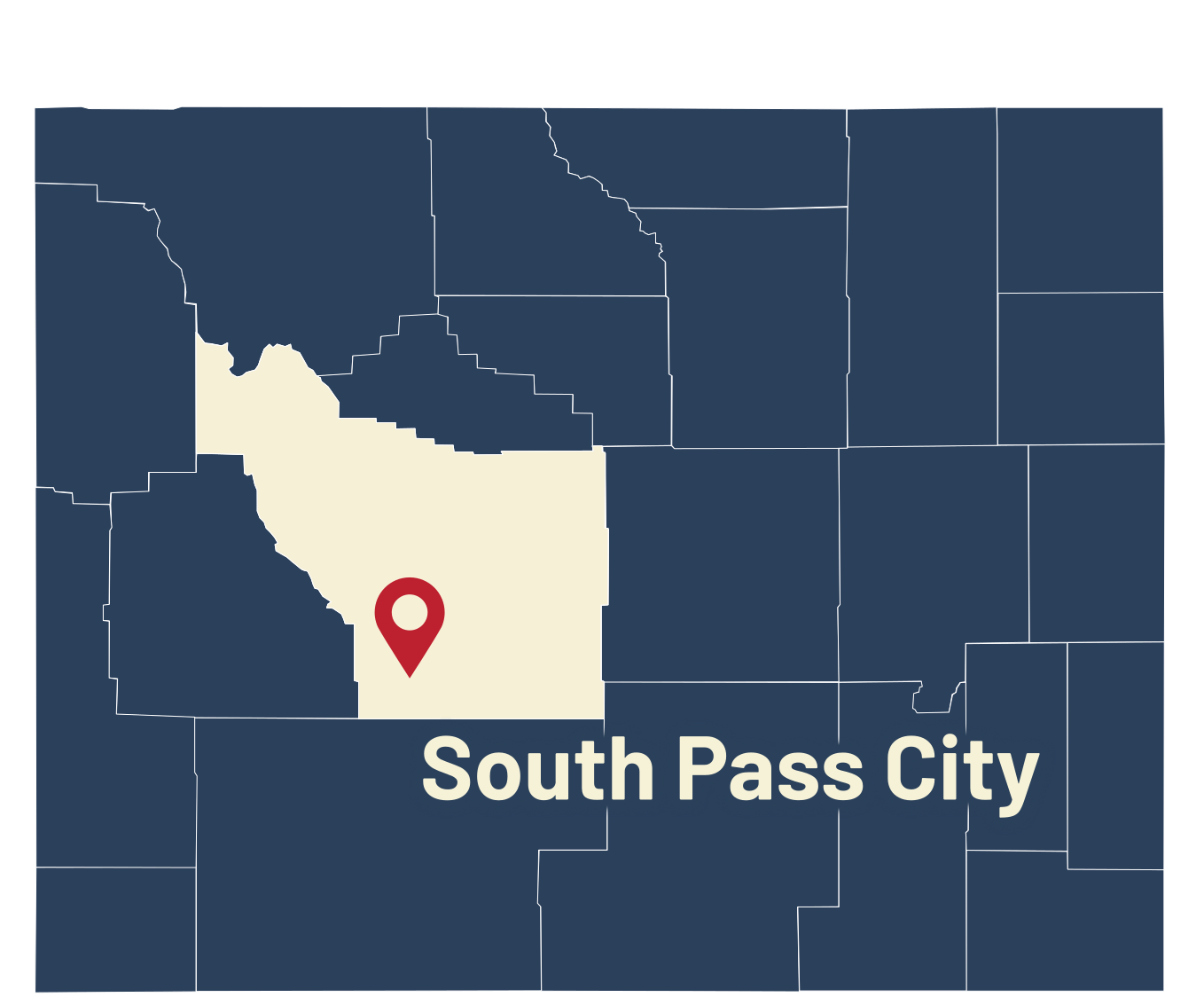
The Archean belts arc from the CK Gold Project in southeast Wyoming, sweep through South Pass near Lander, and continue on to Bradley Peak near Rawlins.
All three areas once drew gold seekers when the West was still untamed, from about 1867 to 1881. Each fizzled long before living up to their hype — even at the comparatively successful Carissa Mine in South Pass City, where tourists can still pan for gold every year during Gold Rush Days.
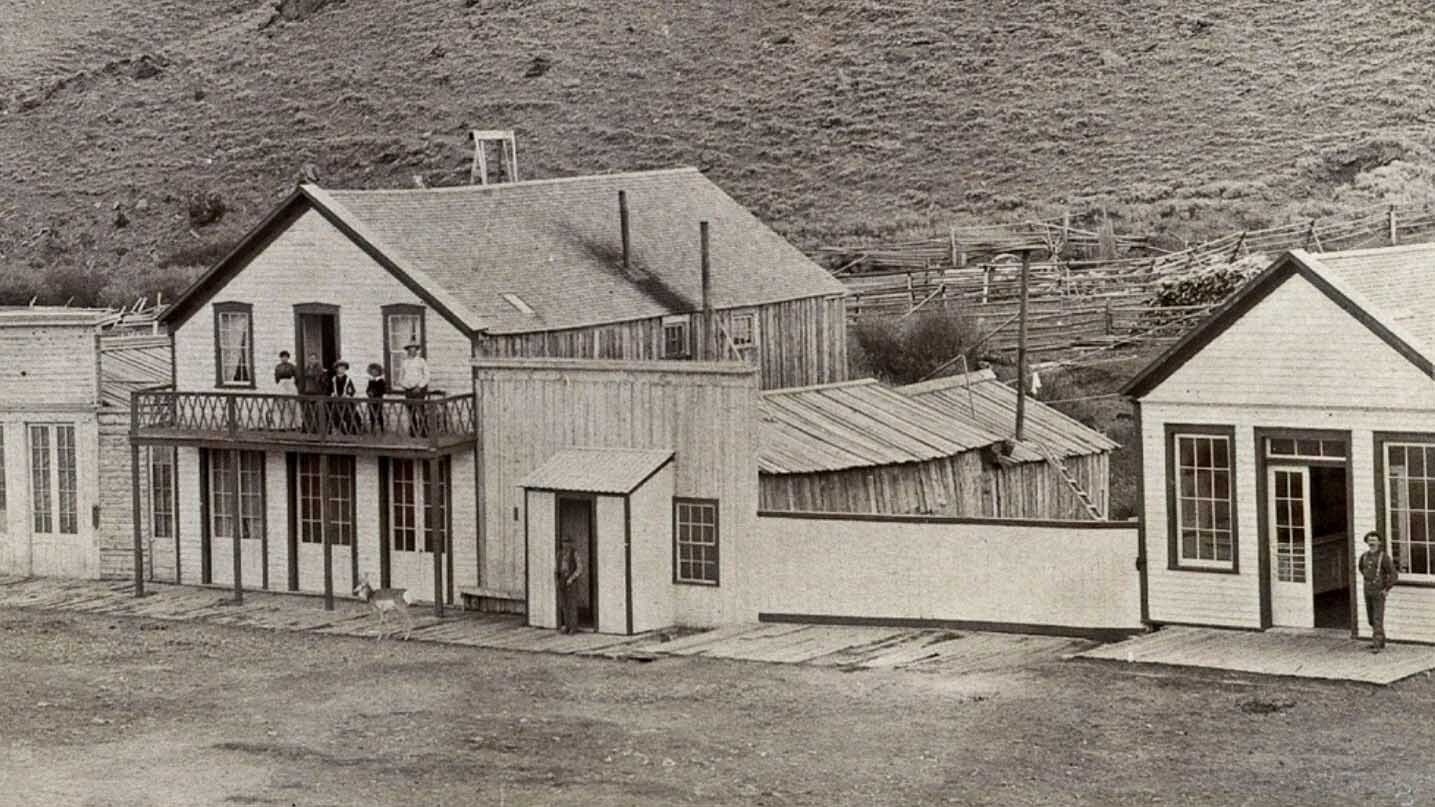
South Pass City, Wyoming, was a short-lived gold town in the late 1800s. In 1867, the richest mine in the mining district was discovered by a gambler and hard drinking miner by the name of Frank McGovern. He spent time in South Pass and was considered a terror although his pockets were lined with gold. In 1870, he murdered another miner at South Pass and was sent away to prison. He visited his old stomping grounds for the last time in 1883 before heading to the gold fields in Rock Springs. (Courtesy Friends of South Pass City) 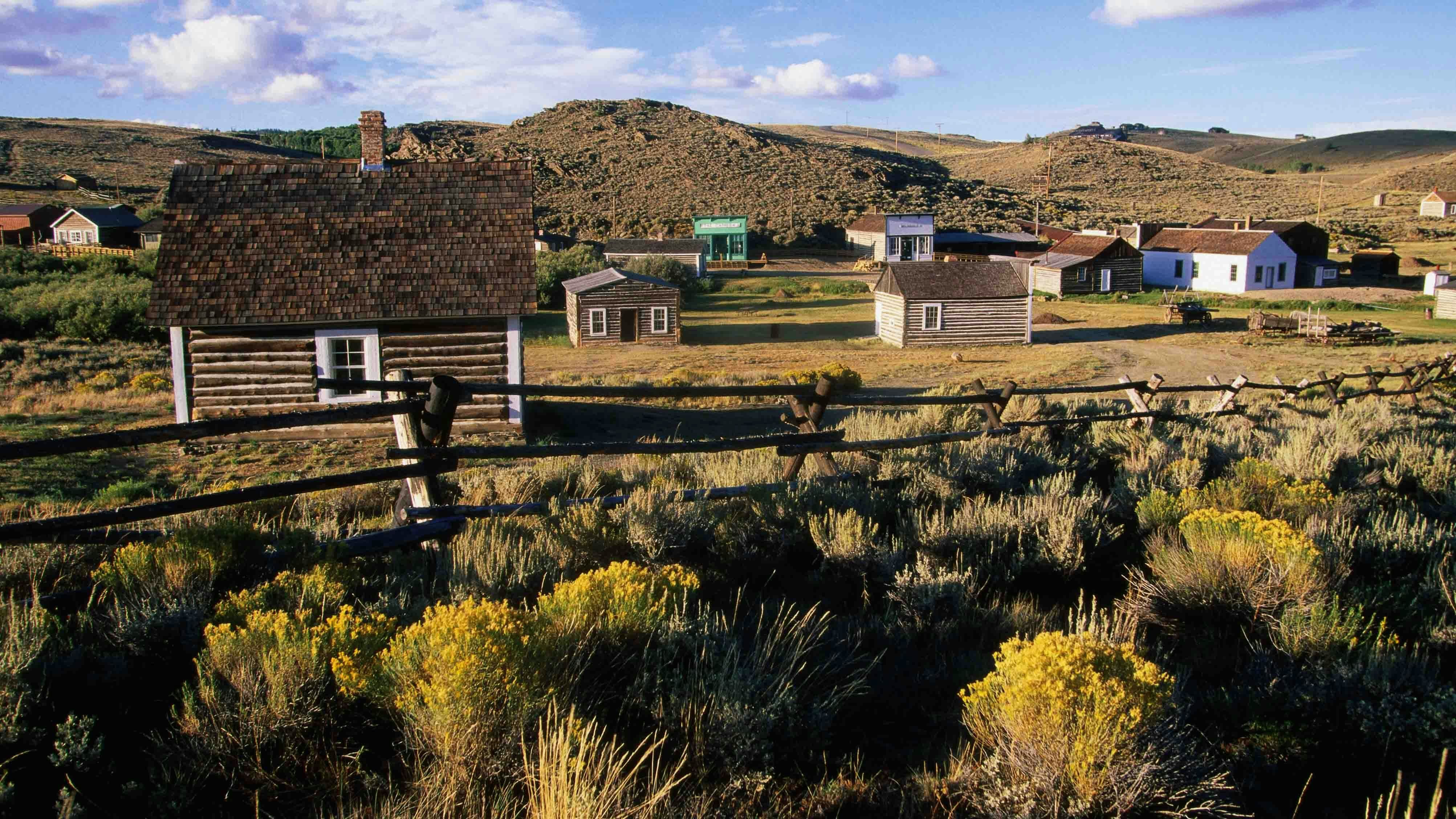
South Pass City State Historic Park, Wyoming. (Getty Images) 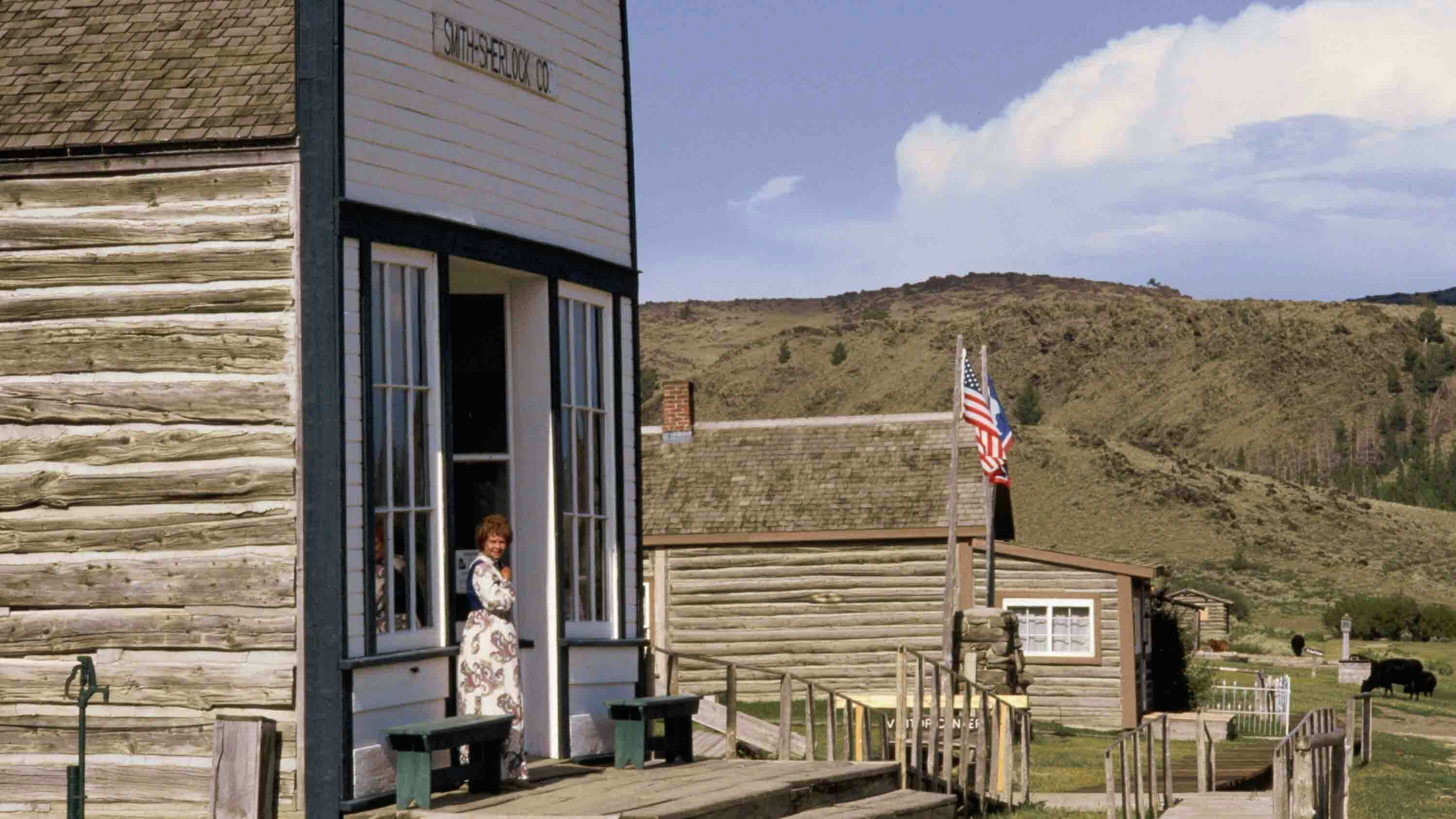
A general store stands much as it did at the time of pioneer migrations on the Oregon Trail in South Pass City, the last post on the Trail before it crossed into the Rockies. South Pass City, Wyoming. (Getty Images)
What’s In A Modern Gold Rush Toolkit?
Relevant Gold is now revisiting those old gold-rush locations with a toolkit the state’s pioneer miners could scarcely have imagined.
Instead of panning streams and digging random holes in the rock to find gold veins they could mine with hand tools and dynamite, Bergmann’s crews are flying helicopters to conduct geophysical surveys over the company’s projects at South Pass and Bradley Peak.
The surveys can see hundreds of meters beneath the surface, mapping out rock types and identifying structures that commonly travel with gold and other precious metals.
“It’s an incredible data set that’s never existed in the state of Wyoming before,” Bergmann said. “It allowed us to see up to 400 meters below the surface of some of these rock characteristics. It doesn’t necessarily find the gold, but it helps us find the things that might be associated with the gold.”
A Wyoming state grant helped fund the airborne surveys at Bradley Peak and South Pass, creating the new, high-resolution, geophysical picture of grounds that have been prospected off and on for more than 150 years.
Big Drilling Plans
This summer, Relevant Gold will stage large drilling programs at Bradley Peak and in the South Pass area, fresh off raising more than $12 million in Canadian dollars.
The drilling is about collecting sample cores from likely areas to map out where a mine might be economically feasible.
The company will focus on two targets this summer, but there are 17 targets in all. That’s a multi-year runway of possible follow-up work if the results remain encouraging.
High-grade ore samples have already been collected, Bergmann added — samples that also contained significant percentages of silver, copper and lead.
“We’ve already drilled gold, found gold,” he said. “What we have to start defining is whether there’s something over, say, a million ounces. We’re really targeting larger-scale gold and critical metal opportunities.”
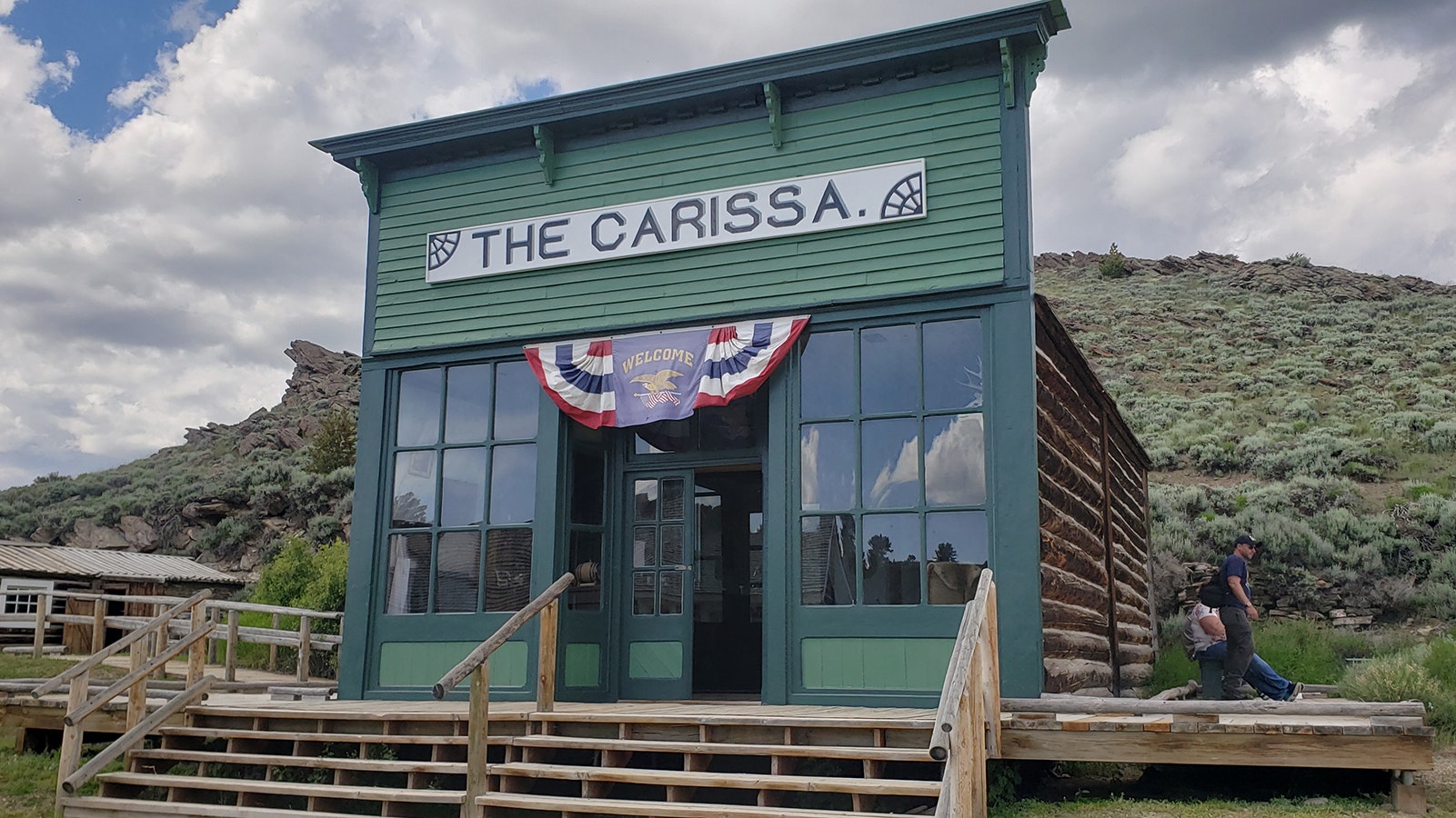
The Carissa Mine Store. (Renée Jean, Cowboy State Daily) 
(CSD File) 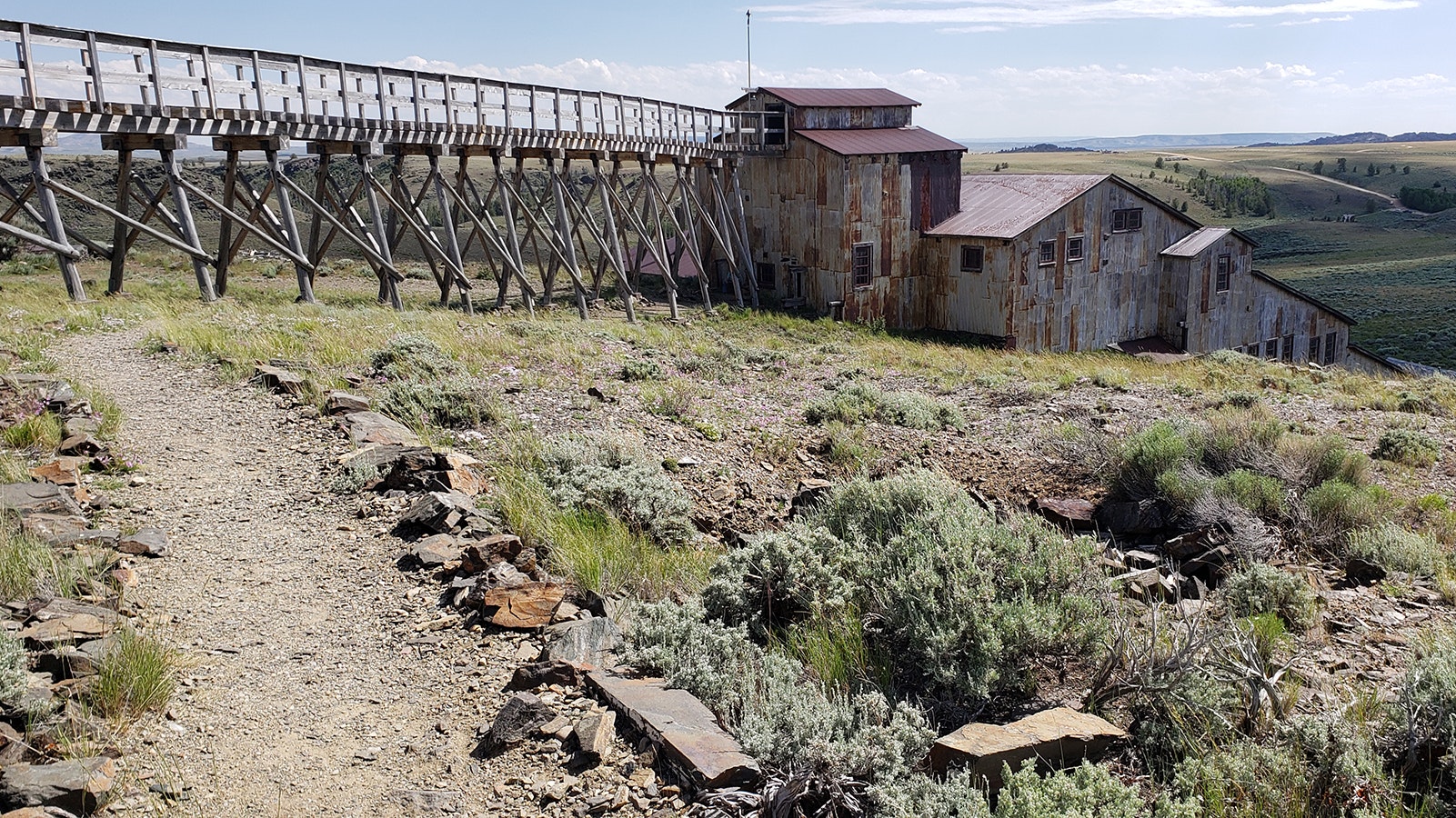
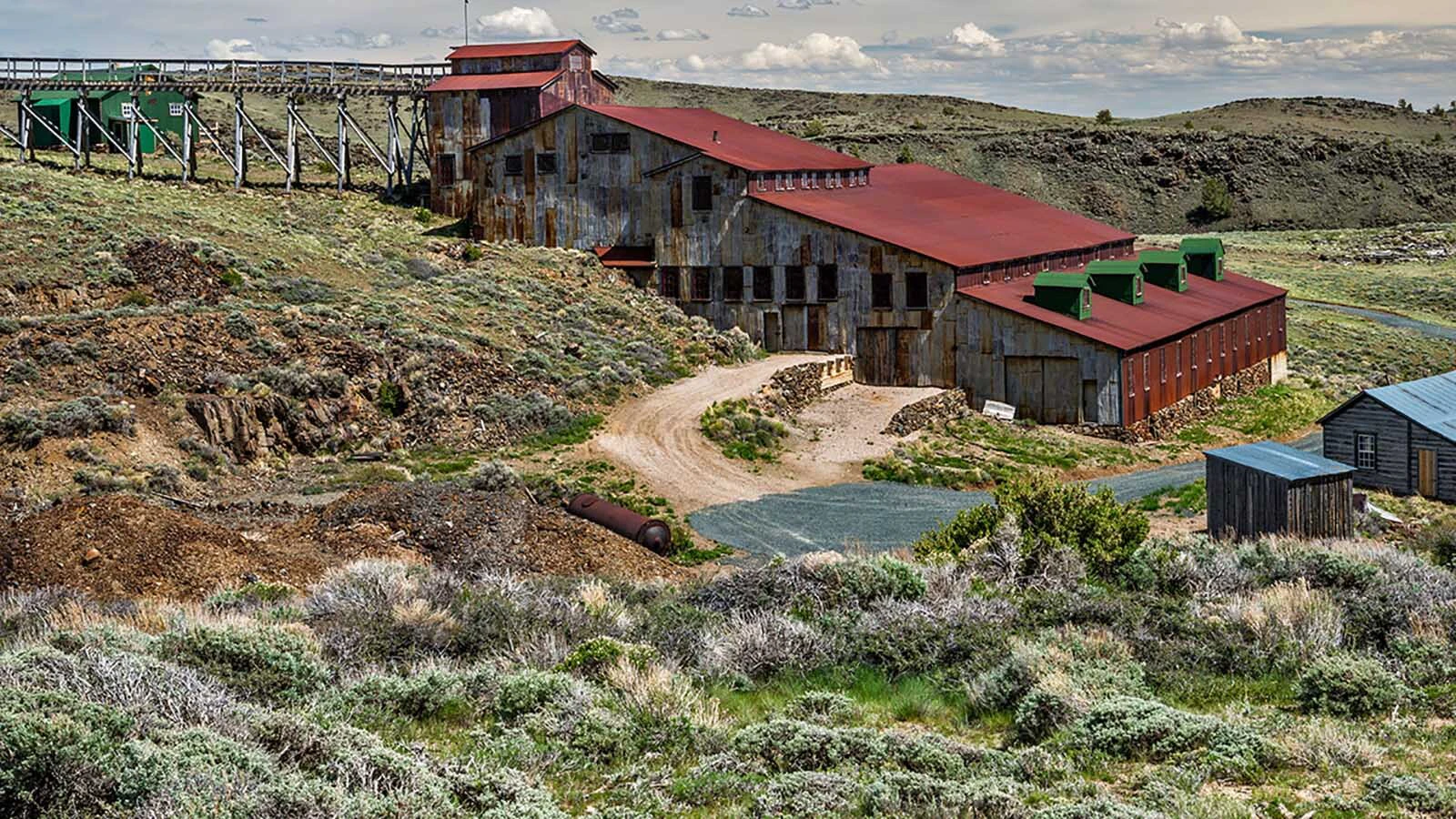
The Carissa Gold Mine in South Pass City. (Renée Jean, Cowboy State Daily)
Smaller Footprint Than Trona, Coal Mines
While the word “mining” might conjure images of vast coal pits or cavernous trona operations, Relevant Gold’s footprint will look different.
“Gold can be mined a lot of different ways,” Bergmann said. “But underground mining is the most common type.”
Those tunnels will likely be much narrower than trona or coal-mining tunnels.
The company has set up a field office in Riverton, and has been working extensively with local contractors for drill-pad construction and reclamation. Its headquarters is in Canada, and it has an operational office in Minnesota.
Under state rules and bonding requirements, all the baseball-sized drill holes must be reclaimed and reseeded within a year, which will make it difficult to tell a rig was ever there.
Right now, Bergmann has a staff of between six to 12 local workers in Wyoming, along with support from three outside geologists and a small array of local suppliers and services.
Ultimately, if a mine is realized, that could balloon to a hundred or more workers.
Renée Jean can be reached at renee@cowboystatedaily.com.


