The mosquitoes arrive every summer like clockwork. They hatch from stock ponds, irrigation ditches and muddy tire ruts left behind on Wyoming backroads.
By July, they're whining through campgrounds, buzzing around backyard barbecues and driving anglers half-crazy along the state's rivers and reservoirs.
Most people are delighted when mosquito-control crews show up.
For beekeepers, however, spraying season can trigger a scramble.
"It's a mad rush," said Wyoming beekeeper Michael Jordan, who spends much of the year moving thousands of bees between states to help pollinate crops that end up on grocery store shelves across America.
Another Wyoming apiary owner, Beth Missel, said that despite being registered with the state, she's never personally received notice before a nearby spray event.
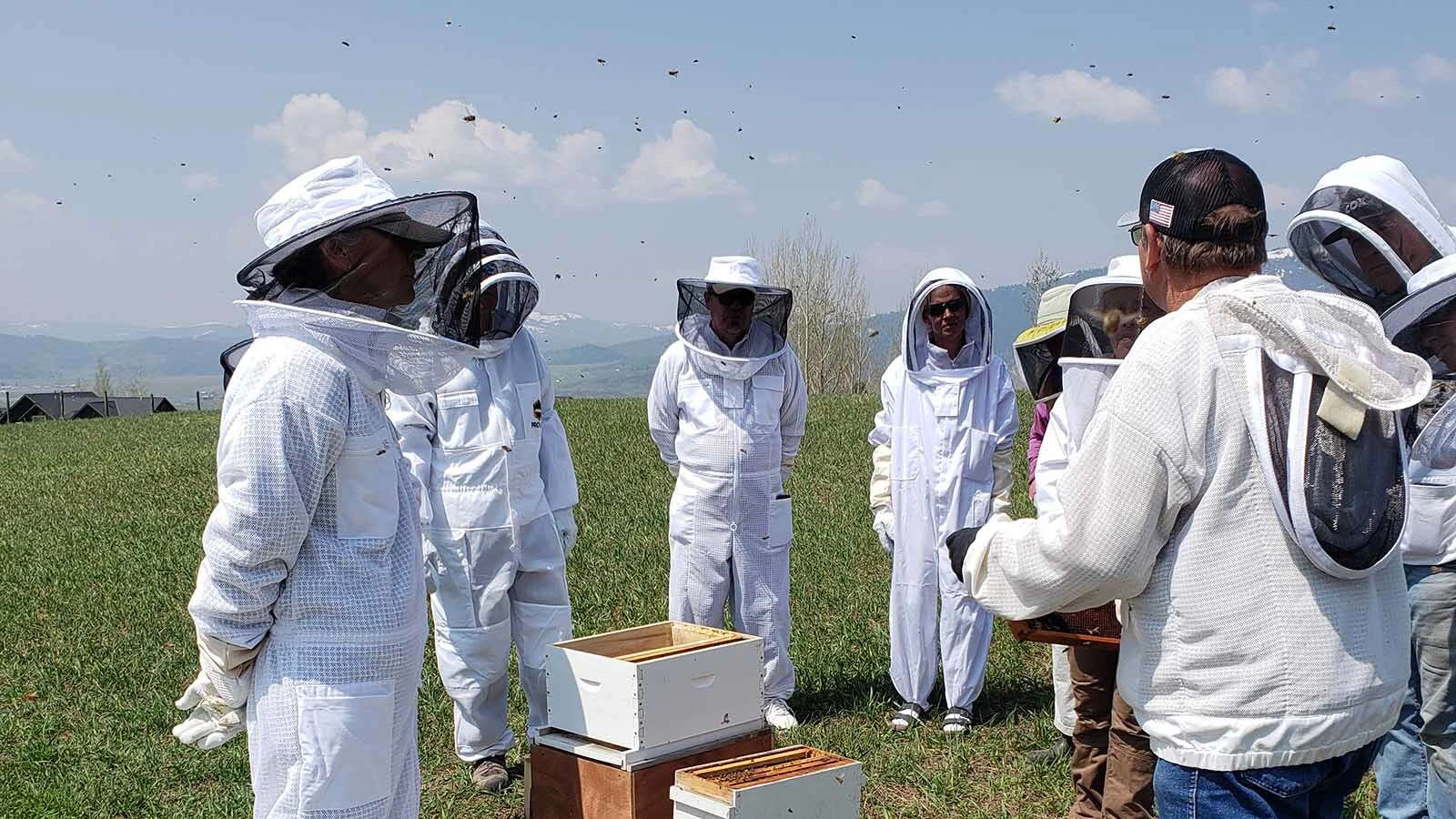
She has spent years promoting pollinator education through High Mountain Pollinators and Bees, helping establish teaching apiaries throughout the state and encouraging fellow beekeepers to register their hives.
Like many beekeepers, she assumed registration would help create a line of communication when spraying occurred nearby.
Wyoming's Department of Agriculture says that's a common misunderstanding.
Wrong Assumption
Missel said pesticides can wreak havoc on a hive.
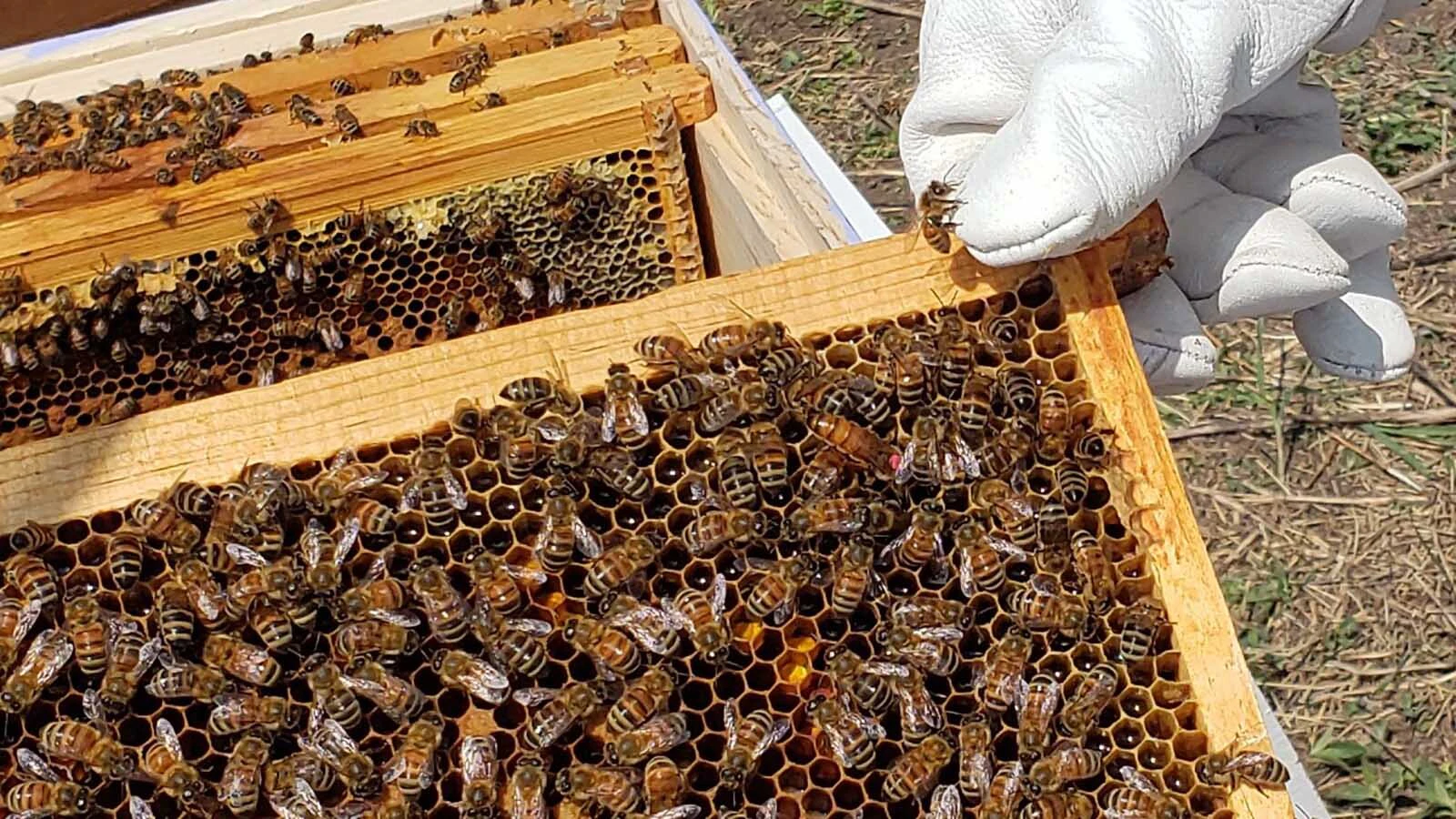
Telltale signs include piles of dead bees at the entrance, workers staggering as if drunk, failing queens, sudden aggression and dead bees lying with their tongues extended.
"You can't protect yourself from something you do not know about," she added.
The state's apiary registration system is primarily designed to protect bee health, track disease outbreaks and help pesticide applicators identify hive locations — not to guarantee notification before spraying begins.
That distinction was a surprise to longtime beekeeper Missel, who thought agencies were supposed to notify beekeepers before spraying.
It also helps explain why she has never received the kind of warning she thought registration was intended to provide.
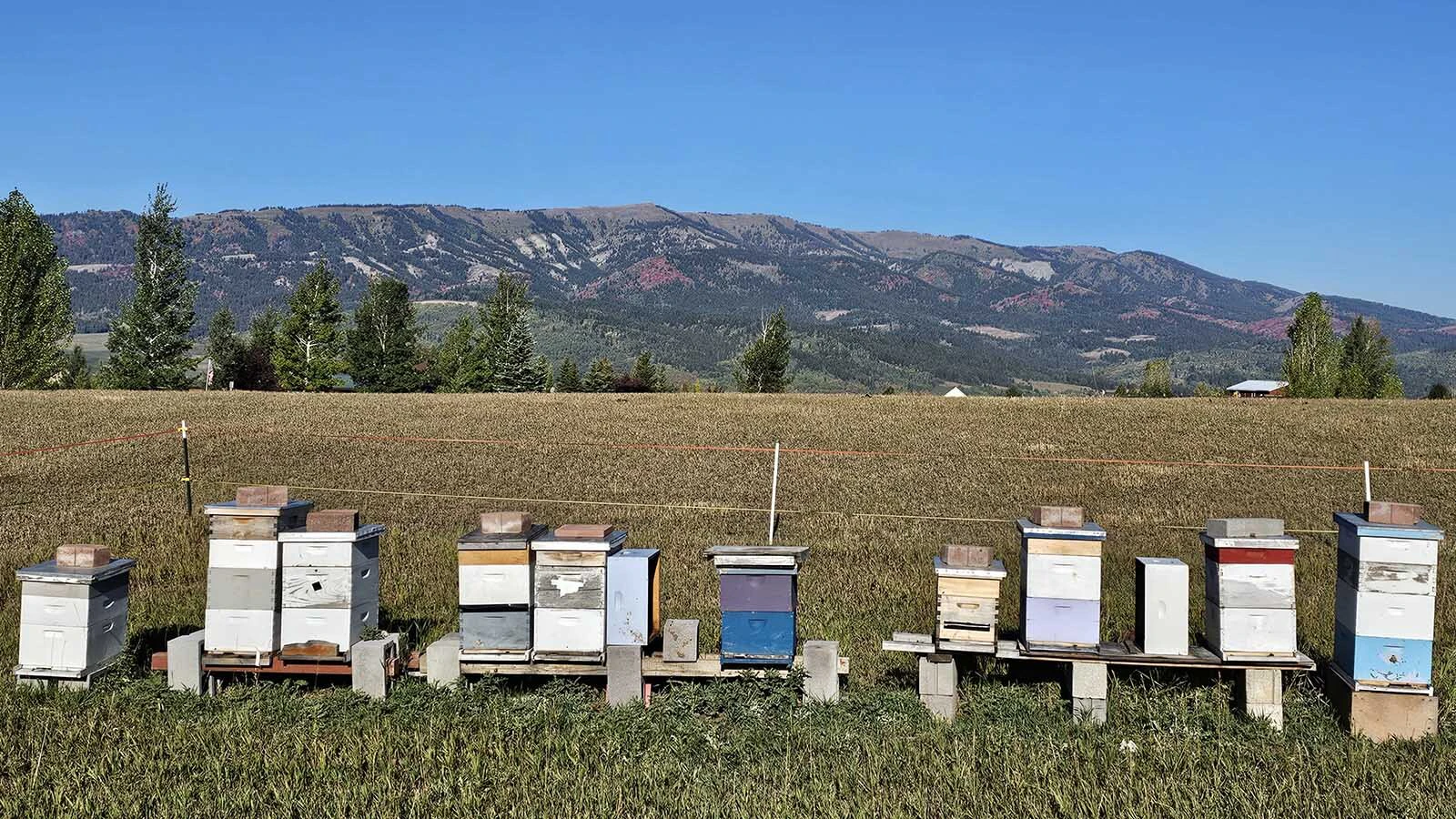
Every year, Wyoming beekeepers fill out paperwork, mark hive locations on maps and hand over GPS coordinates showing exactly where tens of thousands of bees call home.
Some do it reluctantly. Others skip it altogether.
Jordan said many beekeepers worry about privacy, government involvement or theft.
Hives start around $500 apiece, and a productive one can be worth as much as $2,000, he said.
"For someone managing 10 colonies, that's $20,000 worth of livestock sitting in a field."
What many hope they'll get in return, however, is a little warning when chemicals are about to start flying.
Producer Law
"The apiary law in Wyoming is what we refer to as a producer law," said Derek Grant, public information officer for the Wyoming Department of Agriculture.
"Meaning that it was put together by the beekeepers of the state for the benefit of all beekeepers."
According to Grant, registration exists primarily to protect bee health.
The system helps inspectors monitor diseases, parasites, and pests that can spread between colonies.
It also helps prevent conflicts between apiaries and provides a way to alert beekeepers when outbreaks threaten nearby hives.
The state also maintains a public map showing registered apiaries. The Wyoming Department of Agriculture shows the state has roughly 48,000 bee colonies.
Pesticide applicators, weed-and-pest districts and mosquito-control programs can access that information before spraying.
When asked whether registered beekeepers are notified before nearby pesticide applications, Grant said, "In general, no."
Unless a pesticide label specifically requires notification, Wyoming law does not mandate it.
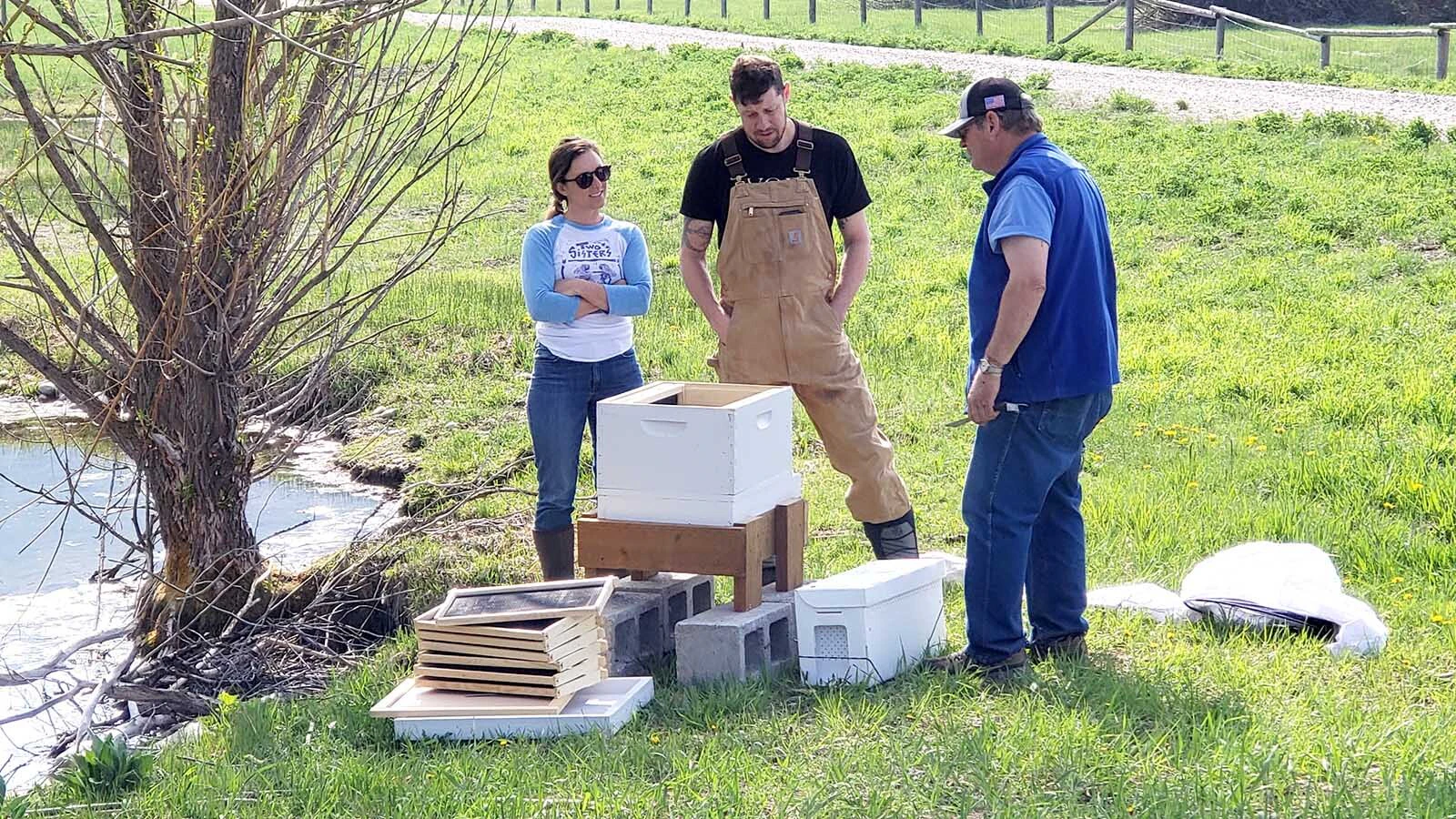
Tiny Livestock
That helps explain why many beekeepers feel caught in limbo.
Missel argues that bees occupy a strange place in Wyoming agriculture.
The Department of Agriculture says about 80% of food crops rely on honeybees for pollination.
"Apiary bees are regarded as livestock in Wyoming, but they aren't treated with the same importance as sheep and cattle," she said.
Jordan, known around Wyoming beekeeping circles as the "Bee Whisperer," agrees.
His bees travel thousands of miles each year, pollinating crops from California almond orchards to Washington cherry trees, Montana huckleberries and Texas cotton fields.
Then they come home to Wyoming to rest.
By the time some Wyoming bees drift through a summer patch of clover, they've logged enough miles to qualify as the truckers of the insect world.
To Jordan, that annual migration is proof that bees aren't simply a hobby.
They're agricultural workers.
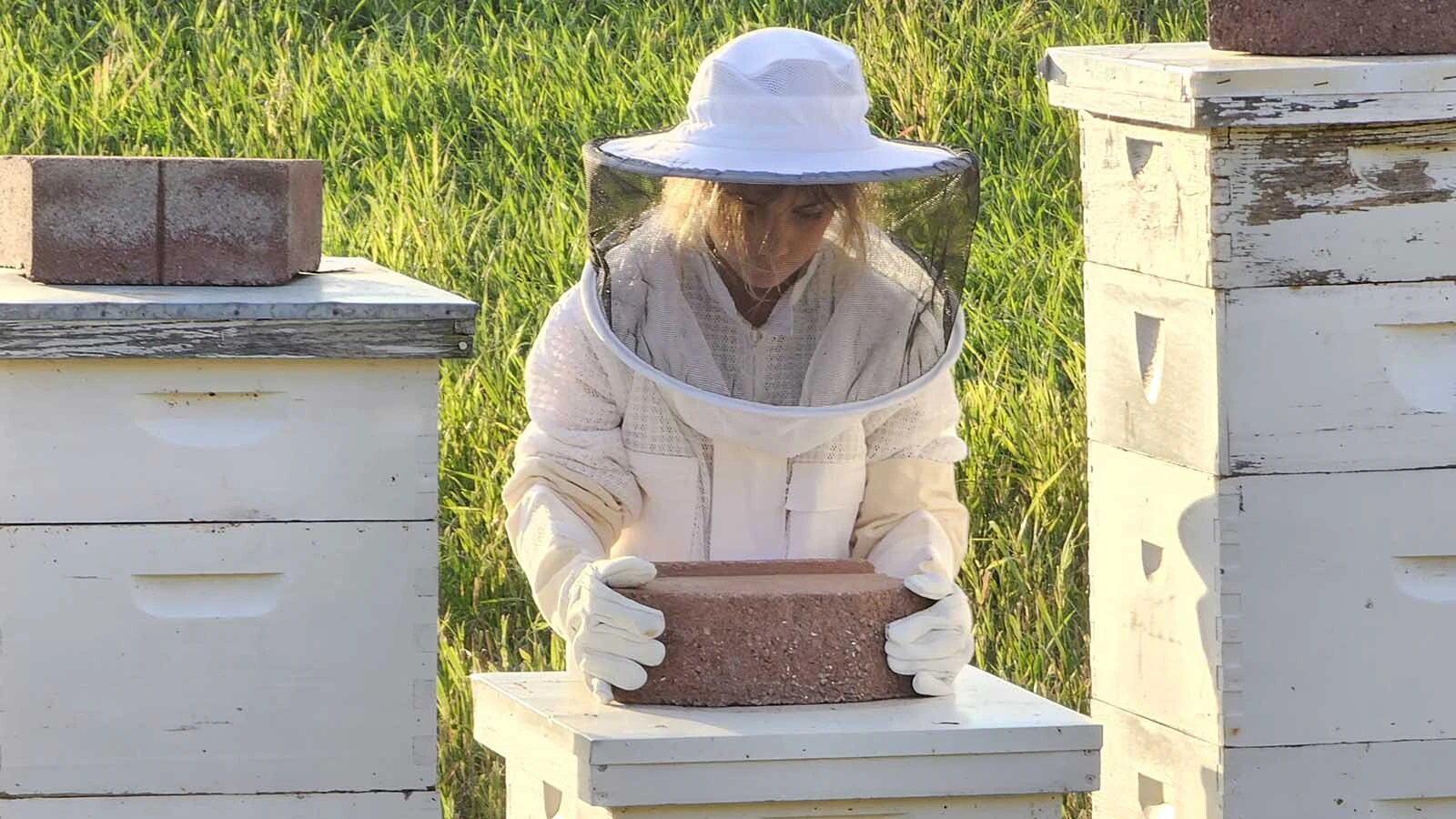
Mad Rush
Even when beekeepers learn about spraying, Jordan said novices often don't have enough time to react.
Many Wyoming beekeepers aren't retirees tending a few backyard hives.
They're ranchers, farmers, teachers and busy business owners.
People juggling dozens of colonies alongside full-time jobs.
At a bare minimum, Jordan estimates most beekeepers need around 10 days to put a protection plan in place.
That may involve ordering fondant or other supplemental feed, preparing hives for confinement, arranging transportation and locating a safe place to move the colonies.
Even then, he said, the process can be chaotic. Especially for novices.
"You'd still be in a mad rush," Jordan said.
For larger operations like his, a month of advance notice would be ideal.
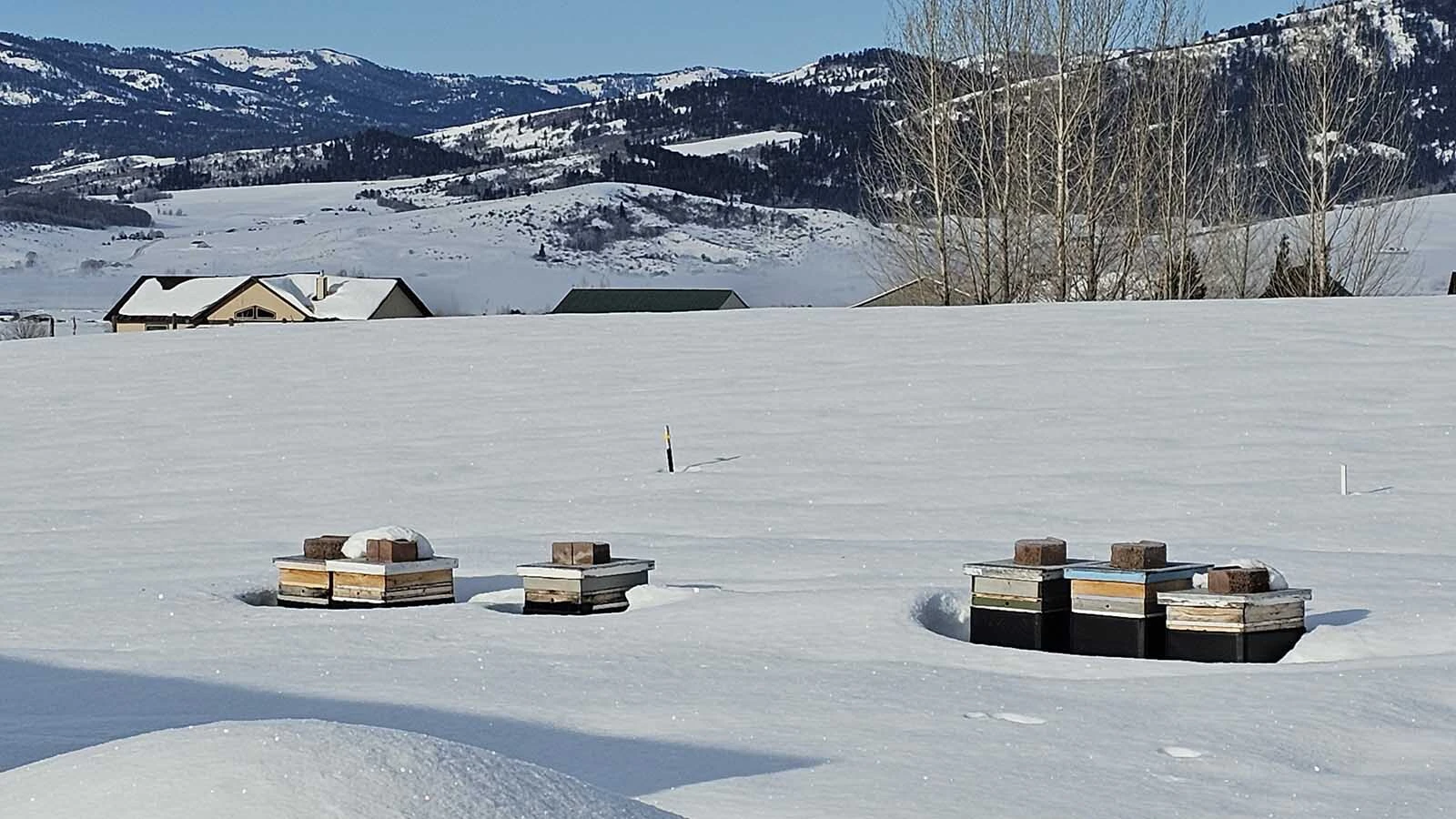
Wishy-Washy System
Jordan doesn't think Wyoming's registration system is broken, he thinks it's inconsistent.
Beekeepers register with the state.
Notifications, when they happen, often occur through local agencies.
Some counties send emails and others send letters.
Some communicate frequently. Others less so.
"It's a wishy-washy thing," Jordan said.
If everyone does their part, he believes the system can work.
• Beekeepers register.
• Applicators check maps.
• Counties communicate.
"Neighbors talk to neighbors," Missel said.
Swarms And Sickness
Jordan said registration serves another purpose many people overlook.
Disease control.
"Bees are not solitary. They have a swarm mentality," he said.
Unlike cattle or sheep, bees don't stay where they're put.
Foraging bees routinely mingle with neighboring colonies, creating opportunities for diseases, parasites and other problems to spread.
He doesn't particularly enjoy sharing exact GPS coordinates of his hives.
He understands why some people refuse.
But he still thinks participation matters.
"Help your fellow man," he said.
For Jordan, the solution isn't more regulations or more paperwork.
It's better communication between beekeepers, applicators, and neighbors before problems start buzzing across property lines.
Kolby Fedore can be reached at kolby@cowboystatedaily.com.