
After 64 years, Casper’s real-life version of the “Little Engine That Could” will return to its hometown to help put the spotlight on the city’s railroad and refinery legacy.
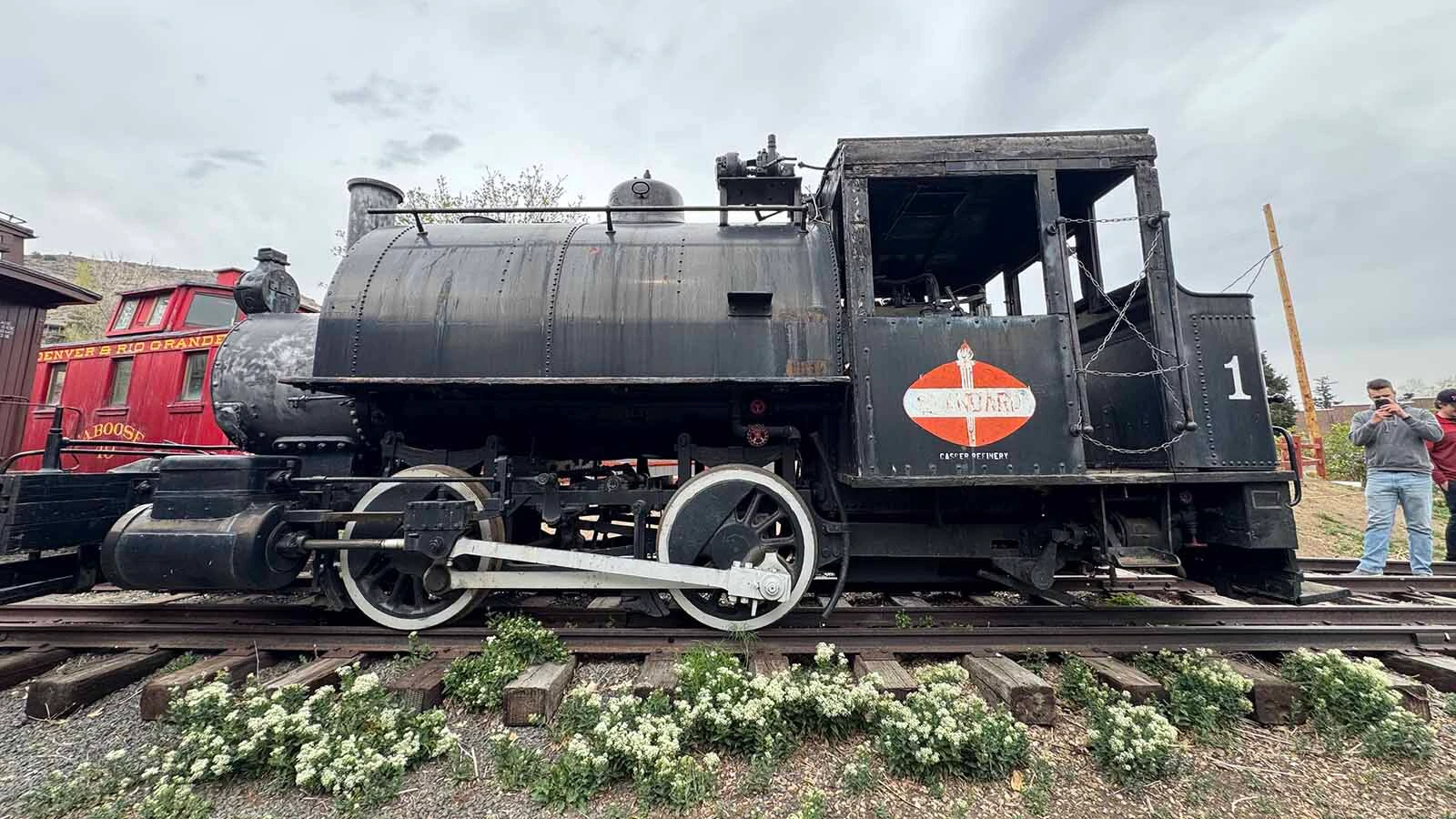
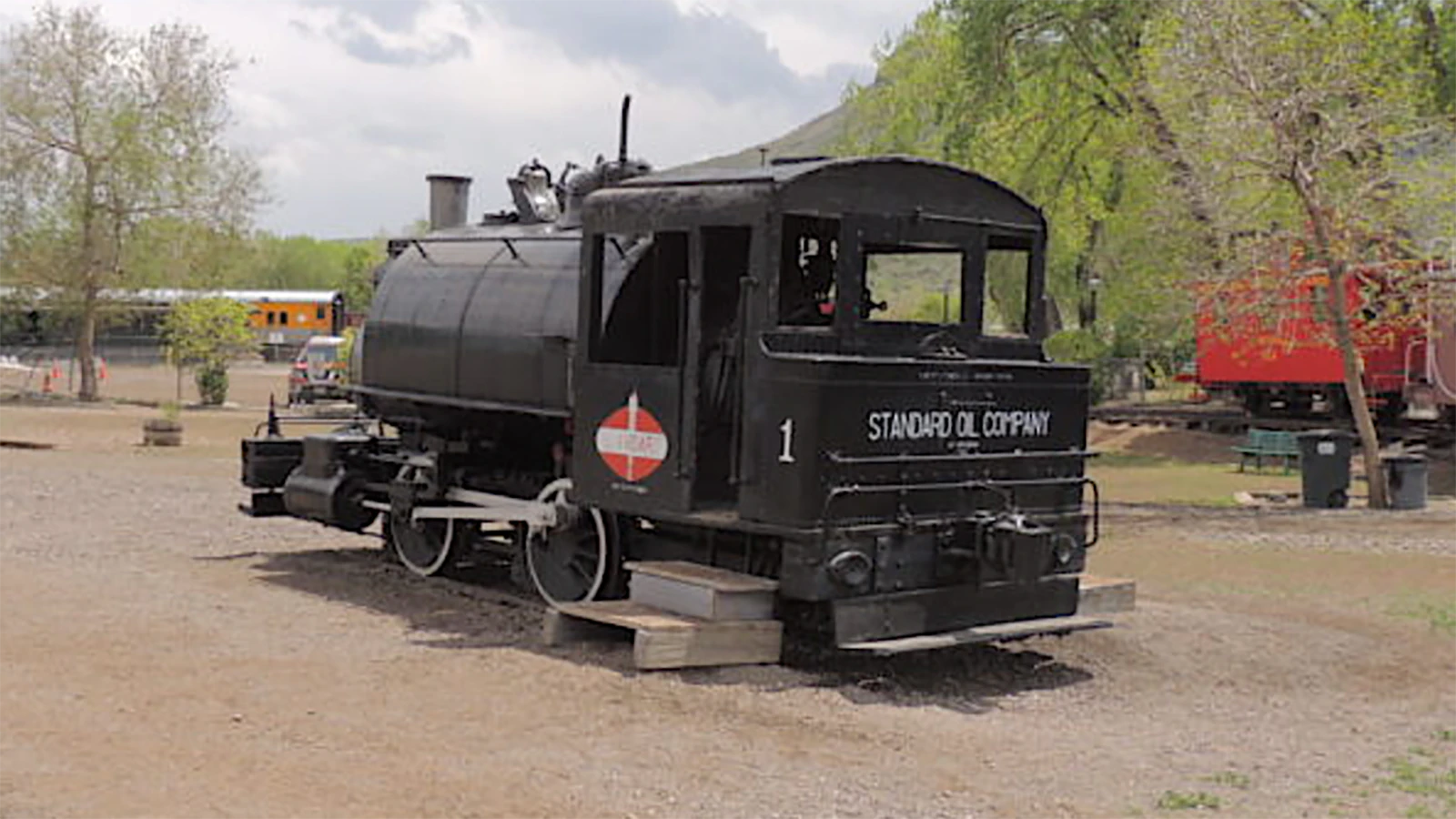
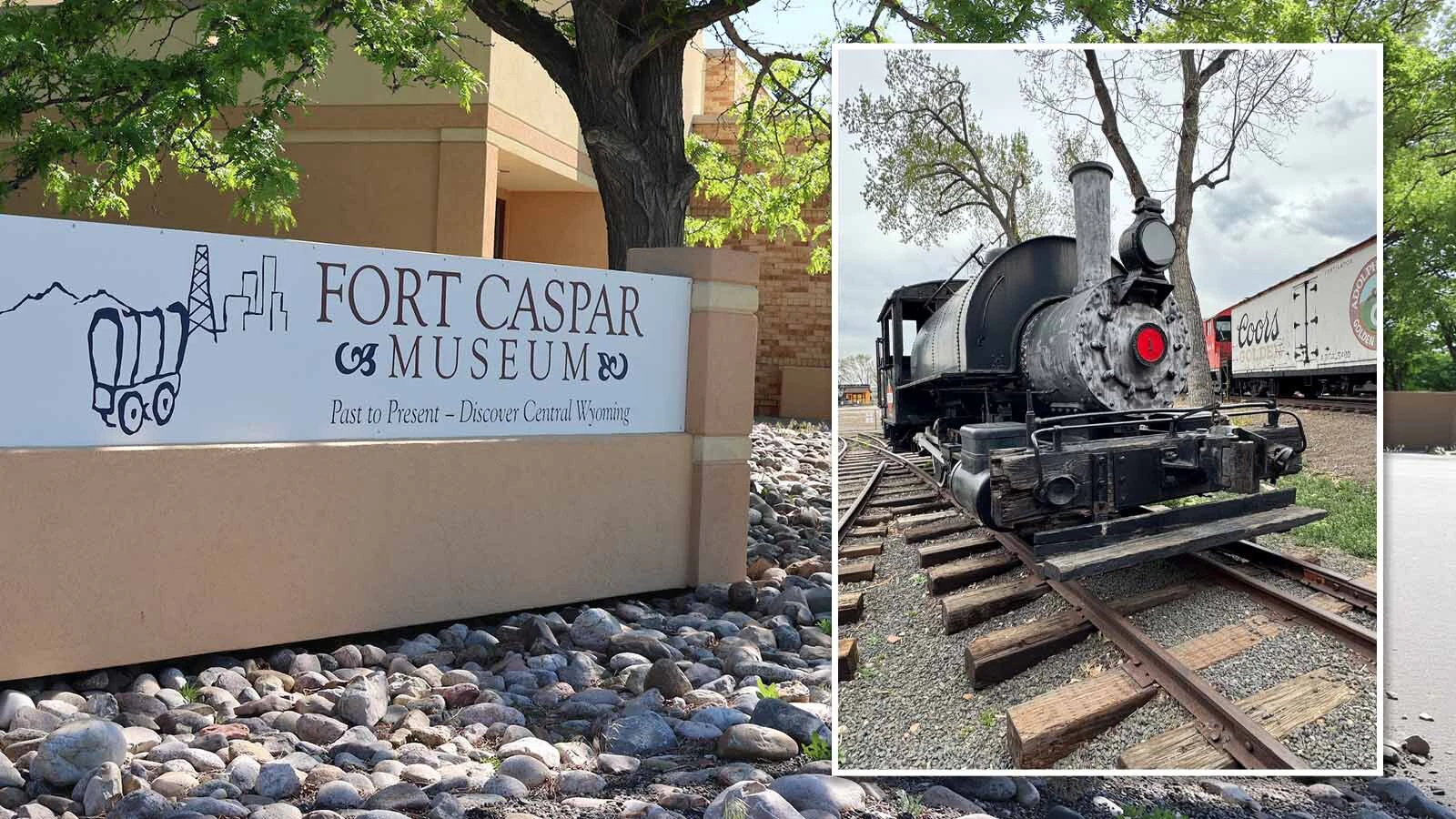
Fort Caspar Museum has announced that the muscular little 0-4-0 steam locomotive known as “Standard Oil No. 1” that once chugged along the miles of rails at the Standard Oil Refinery starting in 1920 will soon be on display at the museum.
In Colorado, they renamed the machine “Lulu Belle” for a time.
Colorado Railroad Museum Executive Director Paul Hammond said the return of the locomotive comes after the Golden, Colorado, facility re-evaluated its collection and identified items it wanted to get rid of that are not connected to Colorado’s rail past.
“By moving Standard Oil No.1 to the grounds of the Fort Caspar Museum, we will be returning an important piece of Casper’s history and displaying it less than a mile from the center of the refinery where it spent its lengthy career,” he said.
Local historian and Fort Caspar Museum volunteer Con Trumbull has been working with the Colorado Railroad Museum to bring the transfer about, Hammond said.
Trumbull, who has chronicled the state’s rail past and works as a steam locomotive engineer in Nevada, said the acquisition began with a conversation he had with Hammond more than a year ago.
He said the director was talking about how the locomotive was taking up space that could be better used for Colorado artifacts and needed to “go home” so there could be more Colorado equipment displayed.
As a kid, Trumbull said his grandparents would take him down to the Colorado Railroad Museum when they went down to Denver.
“I’ve always loved trains and loved railroading and that little locomotive hit close to home because it said ‘Casper, Wyoming,’ on it,” he said. “I got to crawl on it as a kid, I got to ring the bell, I got to see it and I always thought that it should come back to Casper.”
Rail History Void
While many of Wyoming’s towns, including Gillette, Rock Springs, Sheridan, and Douglas have some sort of display featuring a locomotive or caboose paying homage to their railroad past, Casper has never had something to tie to its rail history.
The little 0-4-0 will allow the Fort Caspar Museum to do that, Trumbull said.
Hammond told Cowboy State Daily that when his museum purchased the locomotive in 1962 they used it as a “billboard” to advertise the museum.
“It got dolled up a little bit with paint and was placed on some tracks to attract attention,” he said. “That’s where it picked up a name that it’s had ever since at this museum called the ‘Lulu Belle.’”
After some years, the billboard role became unnecessary and the locomotive was given back its Standard Oil logos and placed as a centerpiece of an area of the museum used for picnicking.
He said when the museum announced the train was returning to Casper their social media had several comments about people remembering it as a child.
Hammond said with the museum’s reconfiguration and dispersed picnic areas, it meant the timing is right for the engine to find a new home.
The engine was made in 1920 by the American Locomotive Company of Paterson, New Jersey, which was one of the largest manufacturers of steam locomotives at the turn of the past century.
Trumbull said the locomotive was built to last and it worked around the refinery for 42 years before being put up for sale.
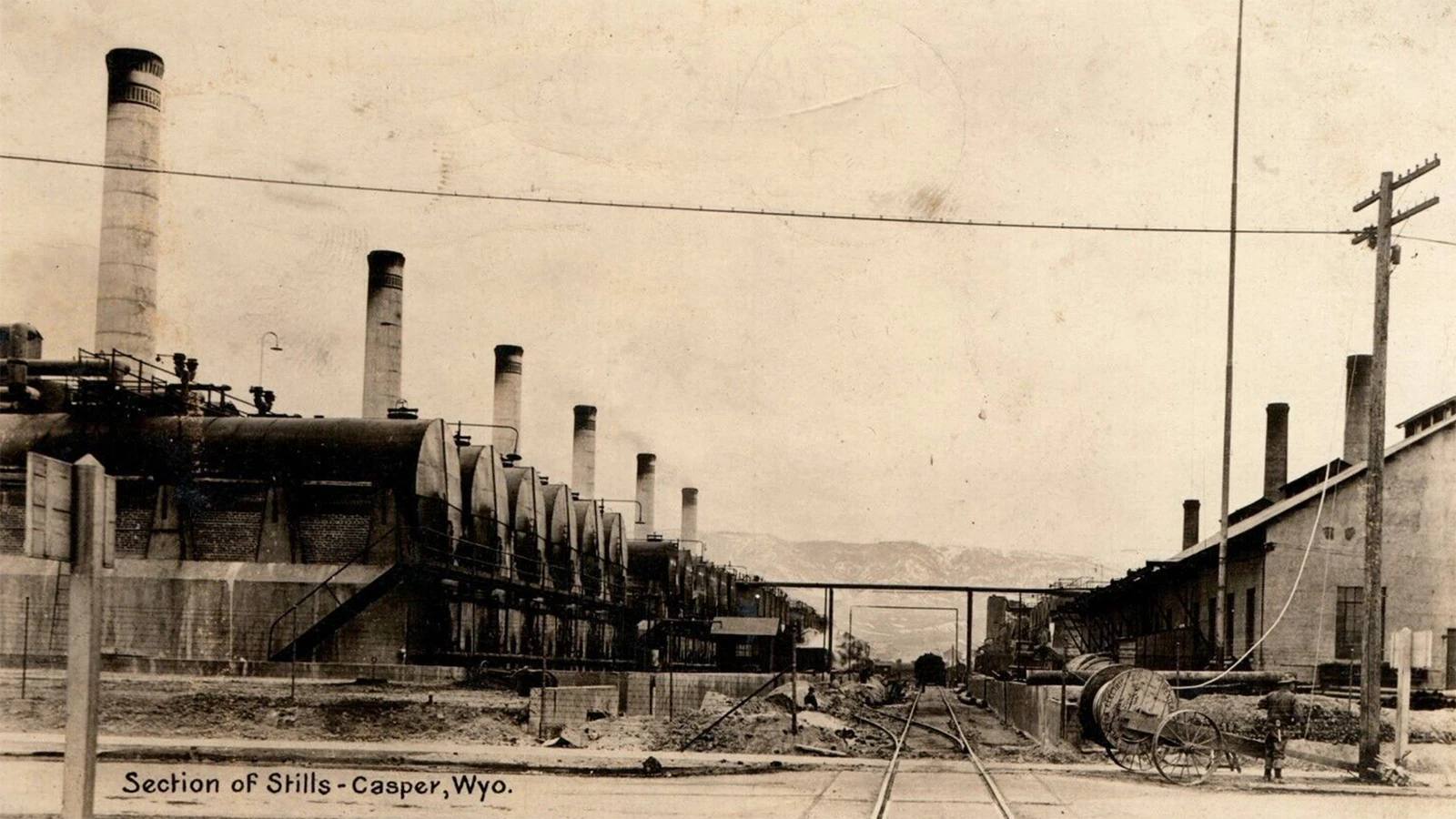
“Even though it’s just a small switching engine, it’s still a testament to that engineering prowess and stuff that American railroads were known for,” he said. The Standard Oil Refinery for a time was the largest one in the world and there were a “maze” of tracks throughout the refinery.
Hauling Tank Cars
Trumbull said it probably mostly “banged tank cars around” but also would have been used to haul other freight cars bringing in supplies or other materials for the refinery.
The current look of the locomotive does not reflect its bulk when it was sold to the Colorado museum.
Trumbull said switchers were very “utilitarian” and tank locomotives were boxy and often museums would alter them to make them look more like a traditional locomotive.
In the case of Standard Oil No. 1, its tank was cut back from the front to give it a different appearance.
“They didn’t cut this one up as bad as I’ve seen others do,” he said.
Trumbull said well-known Casper railroad retiree Chuck Eckerson, who has built and periodically runs his own little steam locomotive with rail cars around his yard in Casper, has offered to help restore the locomotive.
When the engine went up for sale in 1962, a young Eckerson wanted to buy it and had the option to do so, but he was living with his parents and they would not let him put it in their yard, Trumbull said.
“He is extremely excited that this is coming back and he is already making plans to completely redo the woodworking in the cab and get the windows and doors fixed and repaint it,” Trumbull said. “We are talking about possibly taking the tank back to how it would look like when it was here.”
The goal is to get the locomotive to a place where people can climb back in the cab and see the throttle and gauges and ring the bell to make it more of a “touchable history piece,” he said.
Fundraising Campaign
A $15,000 fundraising campaign has been launched to bring the locomotive back to Casper. Trumbull said the funds will cover some of the moving expenses as well as cosmetic restoration, interpretive signs, and other things.
The city of Casper’s Public Works Department has agreed to go pick up the locomotive, making the moving costs much cheaper than if a contractor hauled it back to the city.
The plan now calls for the less than 30-foot-long locomotive to just be rolled onto a “low-boy trailer” and trucked back to its hometown.
“The nice thing about this locomotive is that it’s small enough that you can just load it on a trailer and go,” he said.
Some of the original parts of the 50,000-pound machine are missing. The locomotive will need a bell and headlight and in the future, gauges restored.
There is no date yet for when the locomotive will be brought back up. Donations to help with the fundraiser to bring it back can be made at the museum’s website.
Trumbull said the locomotive is going to be placed in the yard outside the museum’s front door. He said looking to the future, a tank car, and possibly other items that reflect the region’s “rich industrial history” are some things that may be added to the display.
The response to the news of the locomotive’s return has generated enthusiasm among people connected to the museum and history lovers in the community. Trumbull’s phone has been ringing from people excited about the acquisition.
“Everybody loves trains,” he said.
Dale Killingbeck can be reached at dale@cowboystatedaily.com.


