
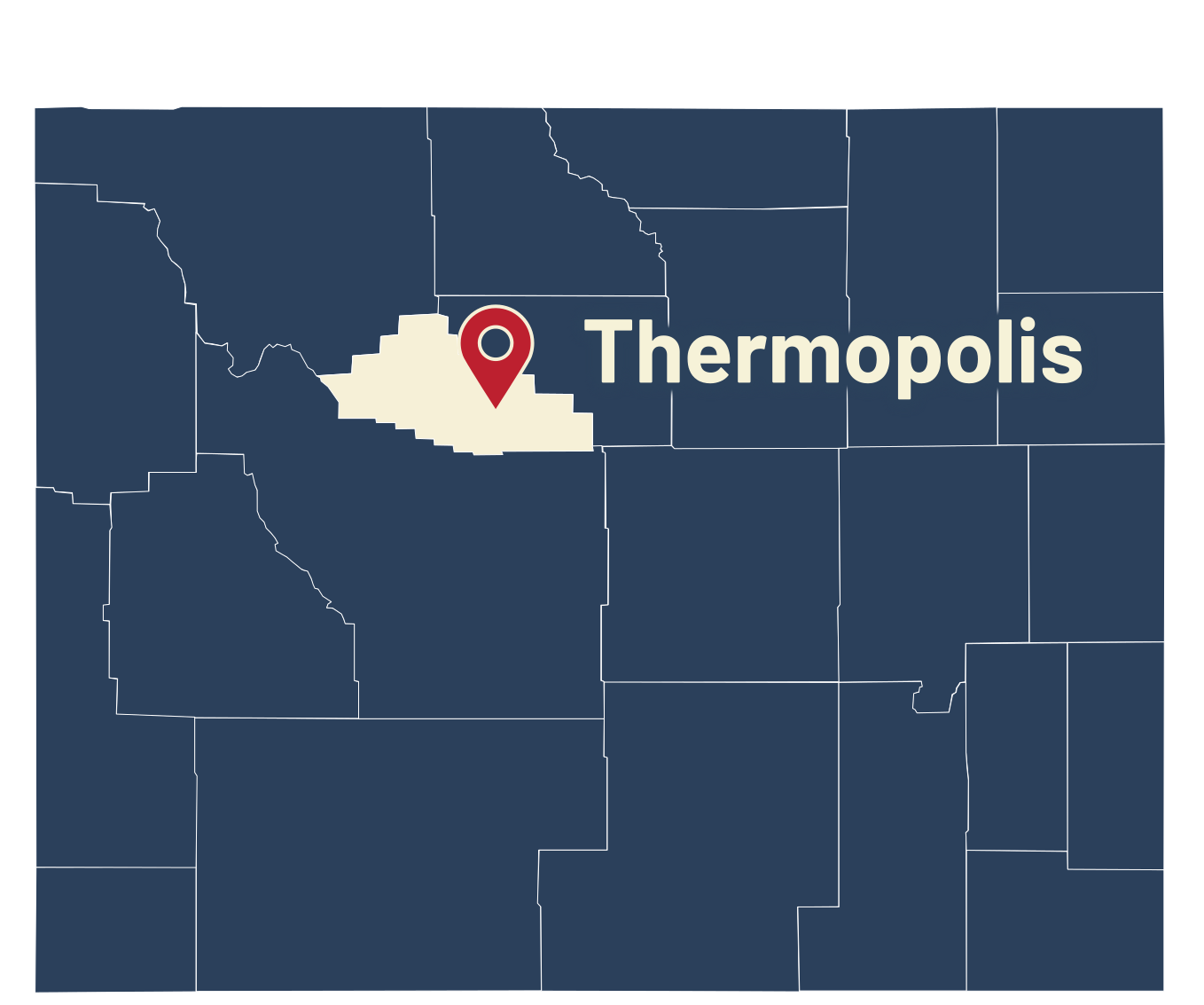
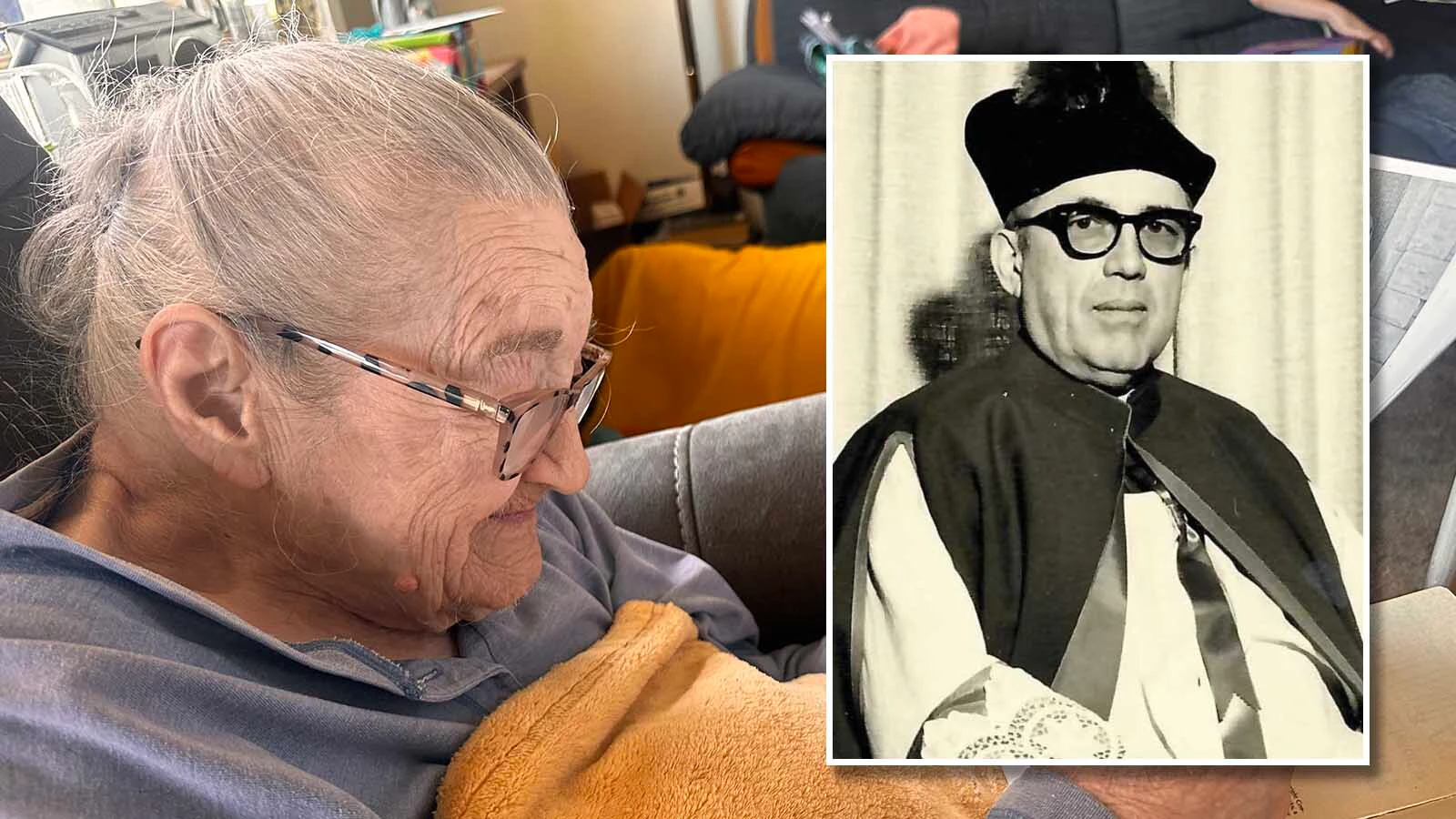
Monsignor Philip Krass was known throughout the Big Horn Basin for his sense of humor and a love for bridge and good cigars.
He was the priest for both Thermopolis and Worland from 1934 to 1975 and would drive more than 100 miles just to join in a game of bridge.
“He was a champion bridge player,” said Iris Cavalli, now 90. “He would go clear to Meeteetse if there was a game he was invited to.”
Parishioner Dee Arps, 108, everyone knew if they were planning a night of bridge and needed that extra player, they could count on Krass to be there.
“If you needed to get a hold of him for an emergency, you had to figure out who was hosting that night’s bridge game,” Arps said. “He would get up, leave the game and take care of what he had to do. Then, he'd come back to continue playing.”
Krass had a large area that he pastored over the years, including several small towns, two oil camps, the Gebo coal camp, Wyoming Industrial Institute and the World War II Prisoner-of-war camp for Italian and German prisoners.
“When he started out in Wyoming as a new priest, he was in Rock Springs, because he could speak German, and English, and they had a lot of foreign people there,” Cavalli said.
Both Monsignor Krass and his younger sister, Sister Norena, passed away in the 1980s but left behind a lasting legacy of laughter, love, and bridge.
Summer Nun
When not working as a high school English teacher in Detroit, Sister Mary Norena Krass would come to Thermopolis and Worland to help care for her brother and his parish.
She would teach catechism and taught several generations of kids in both towns during the summer.
“She would help the women in their homes and show them how they can teach their kids,” Arps said. “Everybody, the Protestants and Catholics, were crazy about her and Father Krass.”
After teaching her class in Worland, Sister Norena would go back to Thermopolis to help her brother.
Once the classes were done for the summer, Father Krass and other parishioners would take the Dominican nun on sightseeing trips around Wyoming, including Yellowstone.
“She had a lot of friends here because she came every year since the 1930s,” Cavalli said.
The kids also loved it when they realized that class with Sister Norena meant that they would be playing games.
When she first held a class, only about three to five kids showed up but by the end of the summer, she would have classes of 30 or more, and not just Catholic kids but their friends as well.
She would hold one hour of religious instruction, and the rest of the time played games pertaining to their faith.
“She had to ask for help, because there were so many kids, she couldn't handle all of them,” Arps said. “She really had a smiling face and she always looked happy.”
The Cadillac
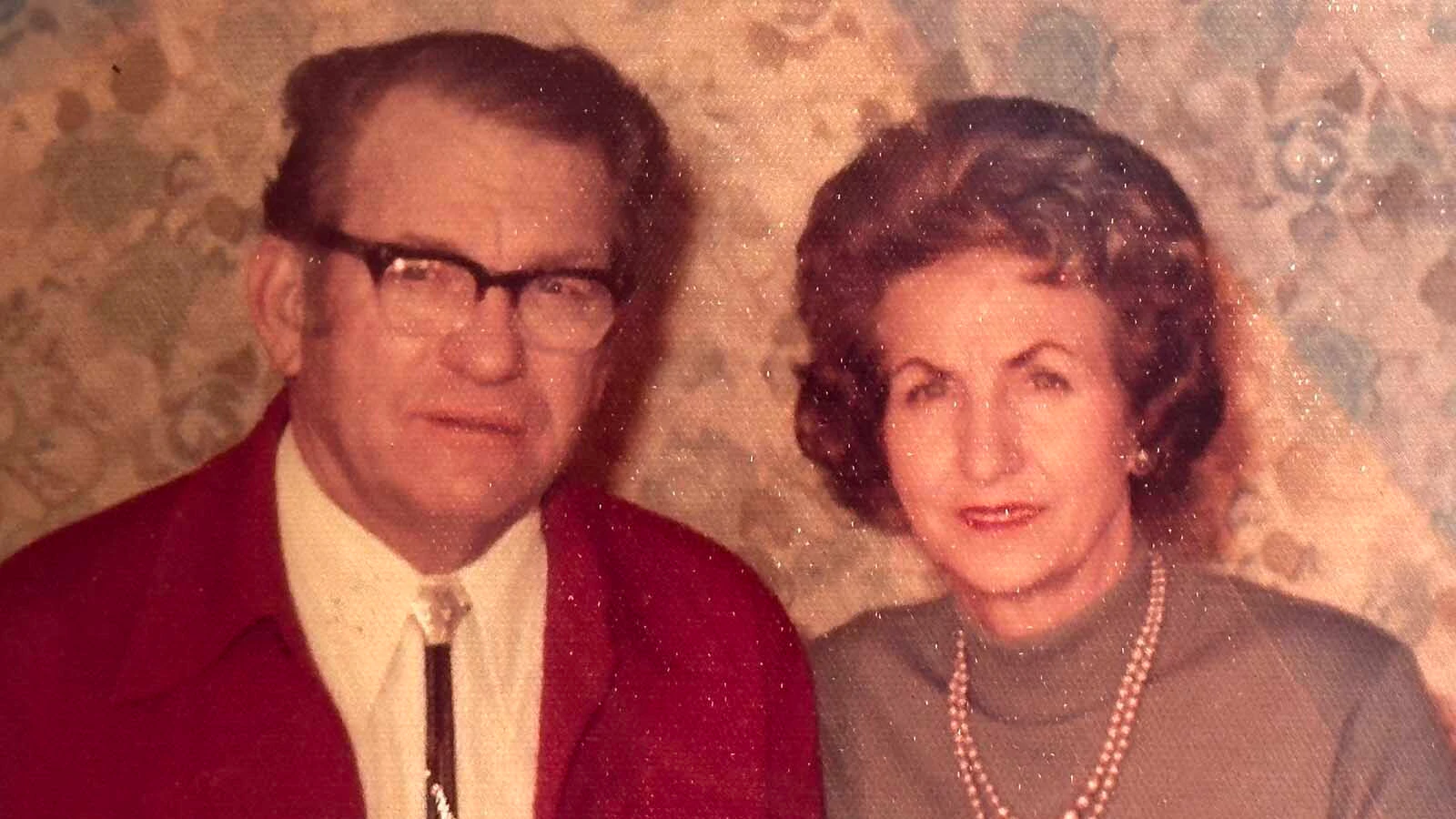
To teach classes in Worland and Thermopolis, Sister Norena finally decided that she needed a car rather than being shuttled around. Arps said that her husband, Leonard, lent the nun their new Cadillac.
“I don't think she ever had a driver's license,” Arps said. “Len did take her out a few times and showed her how to do different things in the car. She was very careful.”
Arps said that the first time they lent their car to Sister Norena, she started off at dusk and got home to Thermopolis in the dark.
“We both held our breath because I knew sister hadn't been driving too long, but we just said, well, she will get there,” Arps said.
The couple got a phone call from Monsignor Krass the next day who said they needed to come get their car and get it fixed.
When they asked if Sister Norena had been in an accident, he responded that no, she was fine, but the lights on their car were much too dim. It was then that Len realized he had forgotten how to show Sister Norena how to put on the high beams.
Sister Norena had driven the entire way without headlights.
“Of course, there was no traffic on the road but Father was beside himself,” Arps said. “He was so worried because he thought we let her have a car that didn't have lights on it.”
After that, the couple helped Sister Norena get her own car.
The Things Of This World
According to Cavalli, when you invited Sister Norena to lunch, you had to make sure that you did it on her time. While she was not the avid bridge player her older brother was, she had one small vice she cherished.
“She wouldn't leave the house before her soap operas were over,” Cavalli said. “She wouldn't go with you ever before her program ended.”
Cavalli said that Sister Norena had a very good sense of humor. The sister loved to take trips and when her order no longer required her to wear a habit, Sister Norena was one of the first nuns to adopt modern clothing.
According to the convent law, Sister Norena never left Detroit alone and would always arrive with at least one other nun for safety. This other nun could help teach the class and attend to the needs of the widespread church.
Sister Norena had such an impact on her students that there were those, like Sharon Smith, Arps' daughter, who thought they would join the Dominican order and become a nun, too.
“I remembered being in Thermopolis and talking to her about it,” Smith said. “I changed my mind not too long afterwards but I still went to a Catholic boarding school in Boulder, Colorado because of her influence.”
“Her whole life was devoted to her church, kids, and to Father Krass,” Arps said. “When she left to go back to Detroit, he was at loss.”
While his sister taught school during the winter and fall months, Father Krass kept busy beyond his bridge games as a writer and broadcaster.
Krass had been examiner of junior clergy, a member of Marriage Tribunal, columnist for the Wyoming Catholic Register, member of Priests' Senate, Diocesan and Parish Council and dean of the diocese's Northwest District.
He broadcast a religious program on local radio stations and was a member of Thermopolis Ministerial Association.
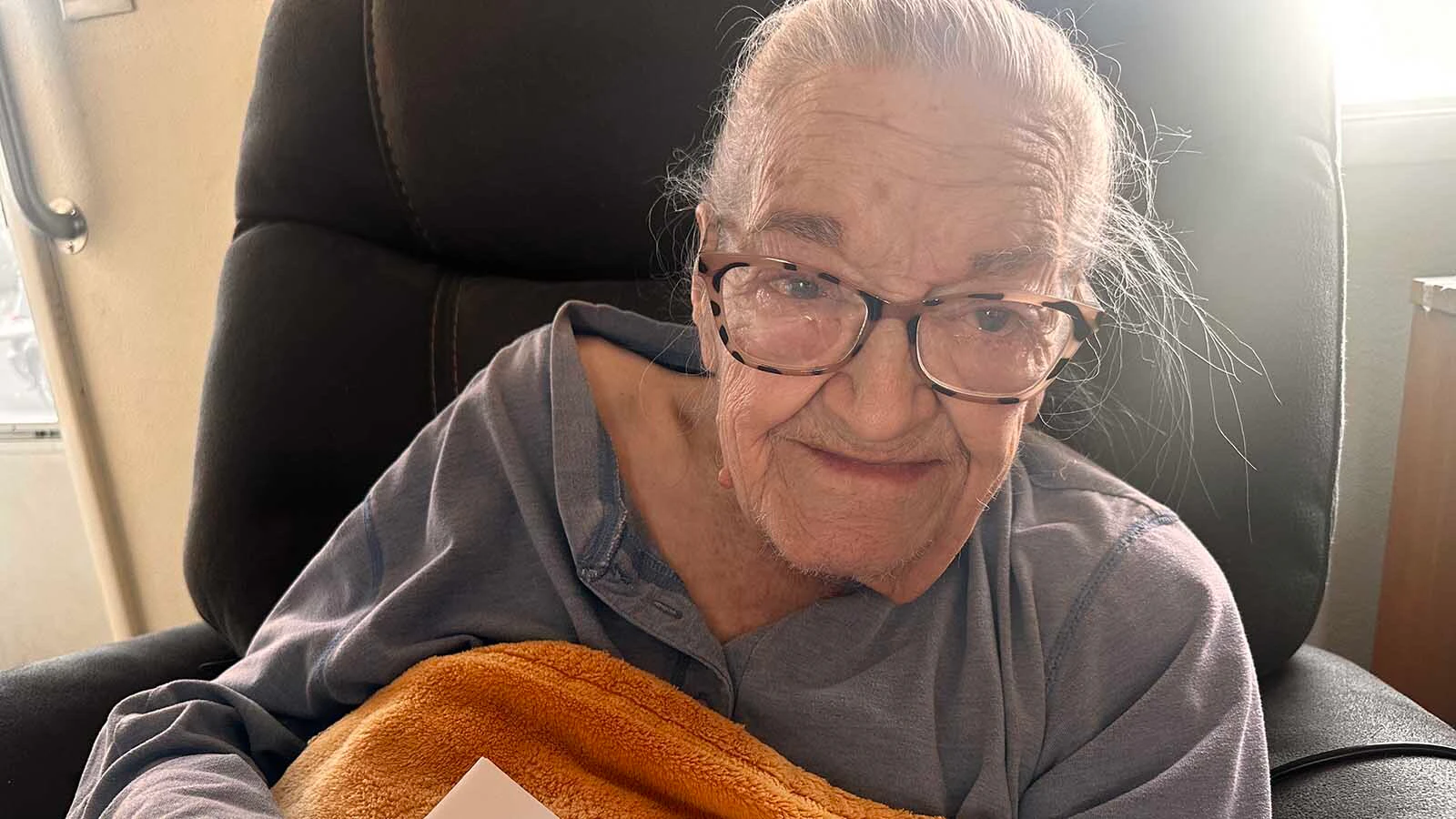
Iris Cavalli of Thermopolis, 90, was the secretary and executor of estate for Monsignor Philip Krass and knew him and his sister well. She remembered how much the Father loved bridge and how the Sister loved her soap operas. (Jackie Dorothy, Cowboy State Daily) 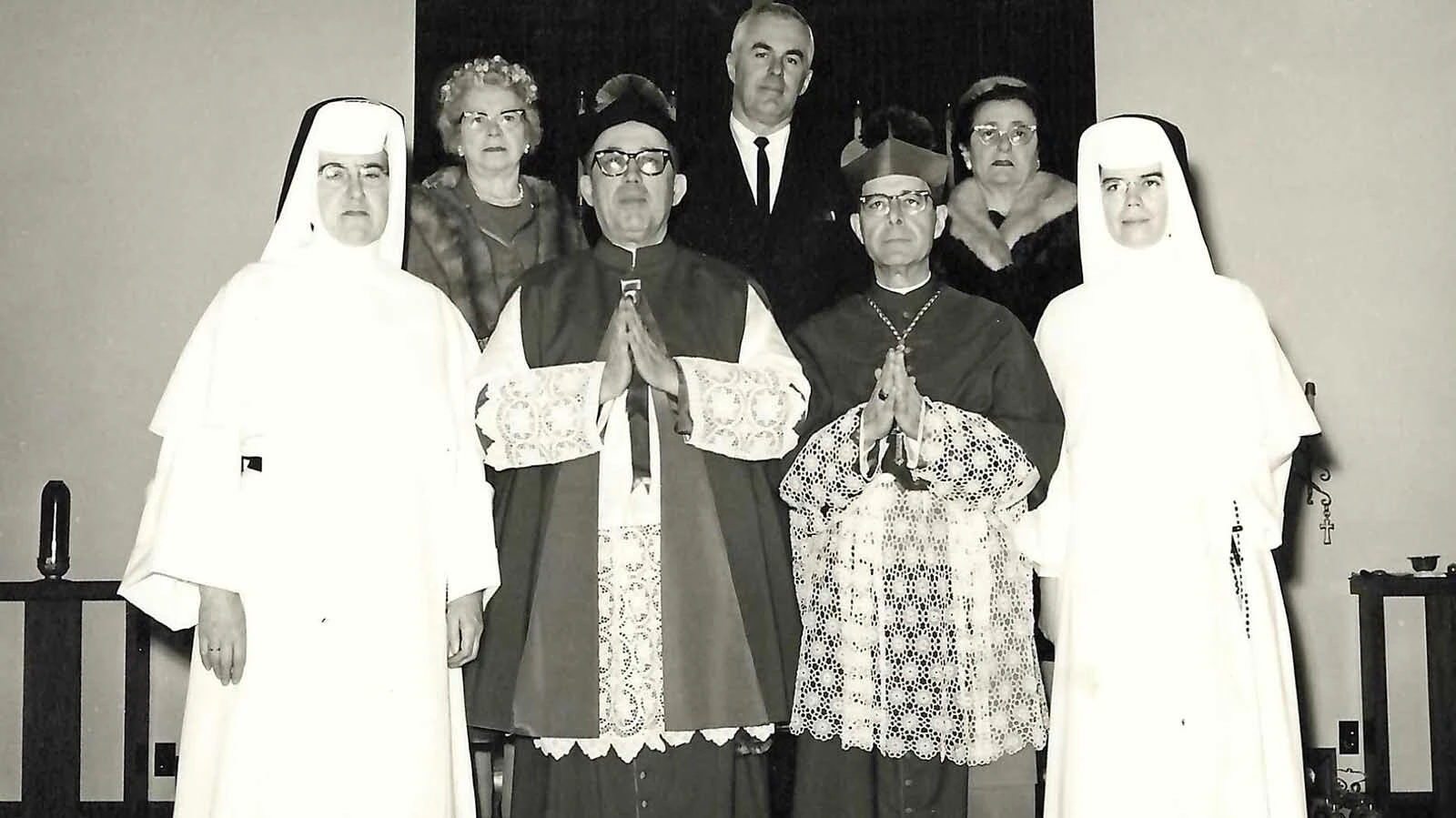
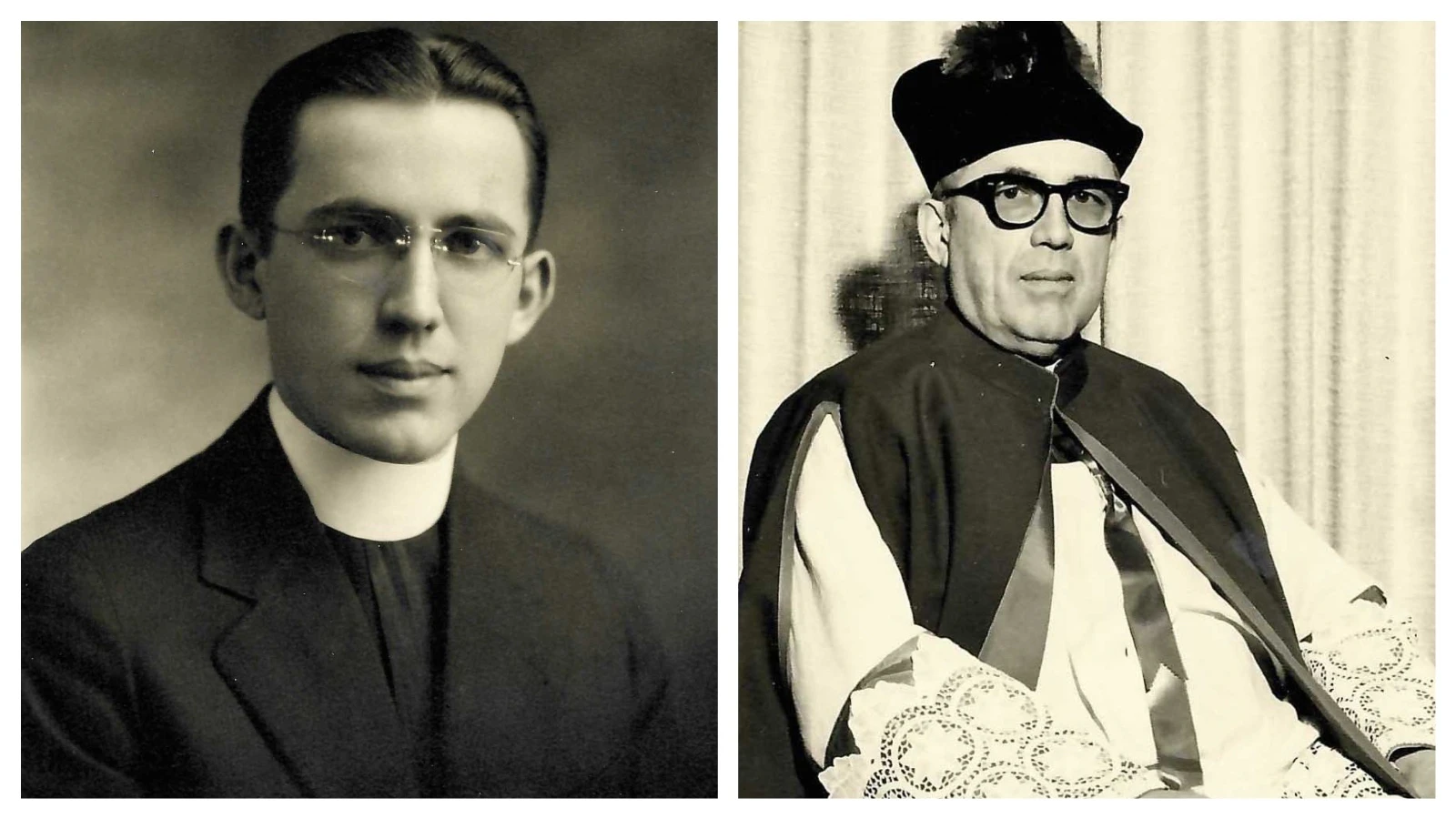
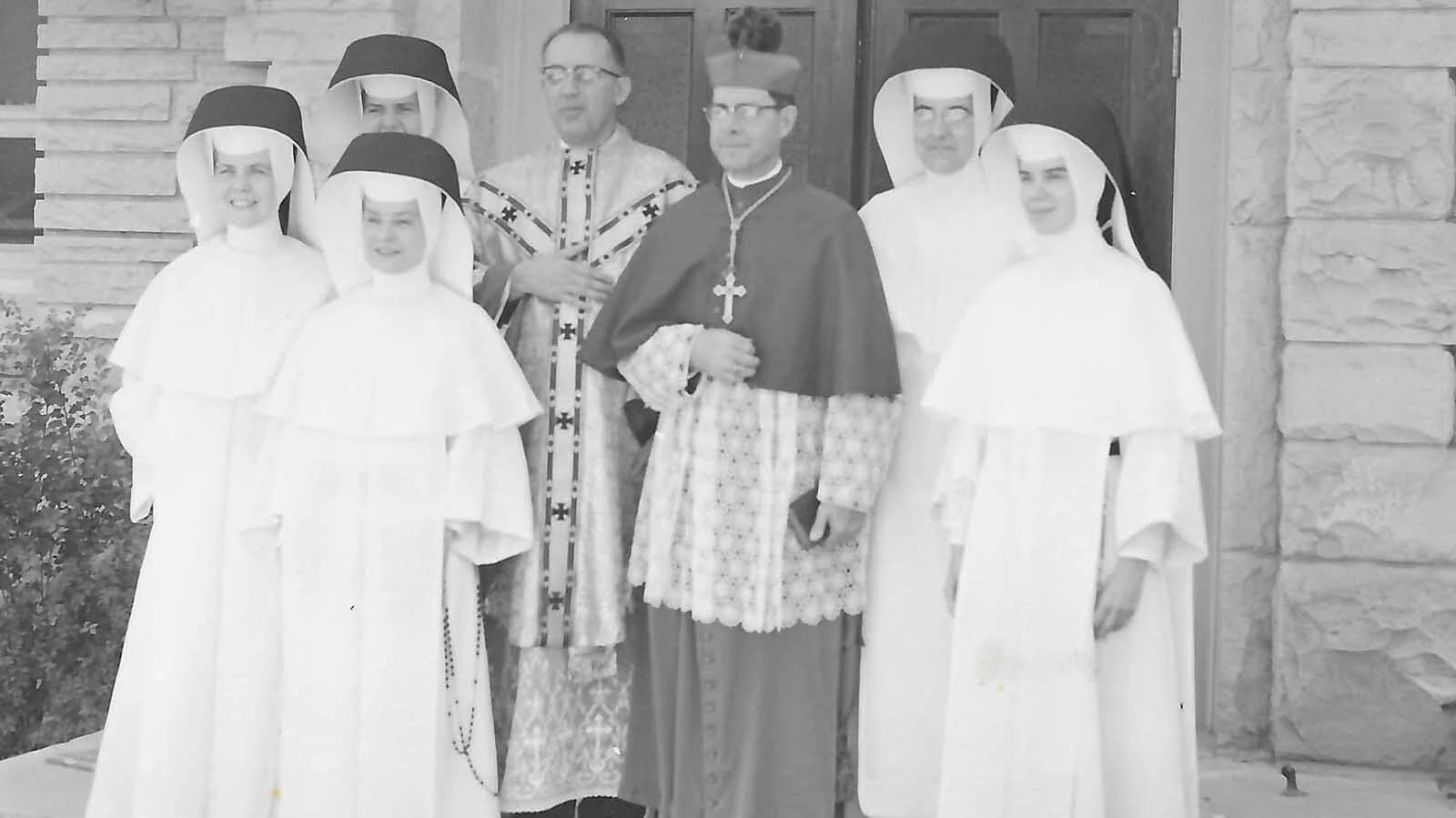
Monsignor Philip Krass and Sister Mary Norena Krass were a brother and sister from Michigan who came to Wyoming in the 1930s to the St. Francis Church in Thermopolis. While Father Krass was in Thermopolis and Worland year-round, serving the towns and camps of the Big Horn Basin, his younger sister only came in the summer since she taught school the rest of the year in Detroit. (Courtesy St. Francis Church)
Jackie Dorothy can be reached at jackie@cowboystatedaily.com.


