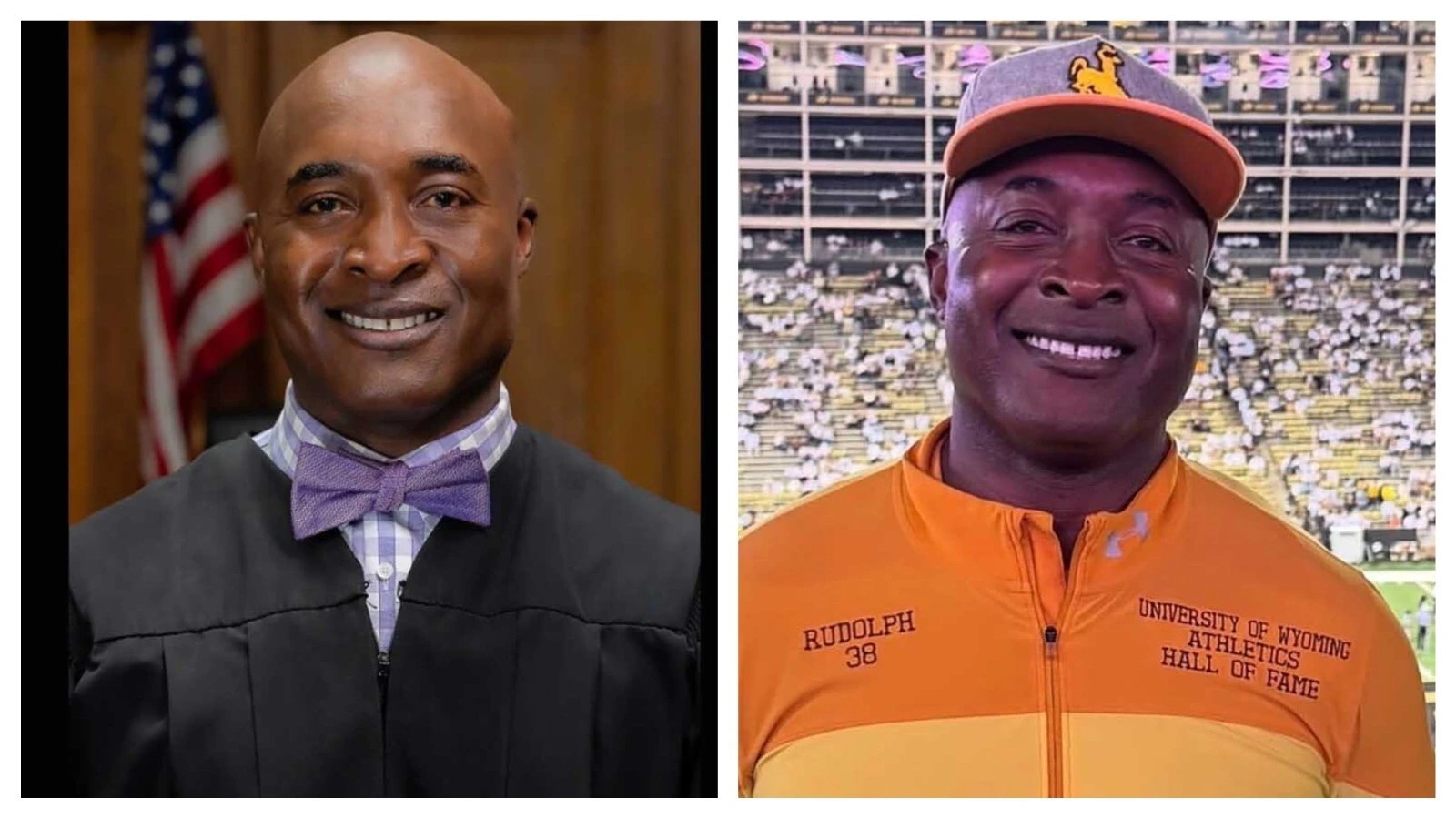
In nearly three decades on the bench, Judge Andre Rudolph had heard every excuse and seen every kind of defendant.
He learned to manage the churn of personalities with an authority that was both expressive and energetic.
But one defendant really got his blood pumping.
The man was what the legal community calls a “frequent flyer,” someone who cycles in and out of court on recurrent offenses. Rudolph had shown him leniency before. This time, he didn’t.
As the sentence came down, the man began inching his chair out awkwardly, and then stood up.
“Sit down. Don’t you do it. Don’t do it. Don’t run,” Rudolph told the man, said Brendan Ames, Rudolph’s son, who spent his childhood summers in the courtroom with his father.
The guy didn’t listen and ran.
But he didn’t know he was fleeing from a judge who’d once played running back for the University of Wyoming.
Rudolph vaulted from the bench and gave chase, his dark juris robe rippling like a flag behind him. He captured the escapee halfway down a stairwell.
“They nicknamed him Batman, because the sheriffs said his robe was flying through the air like Batman’s cape as he was chasing this guy down the hallway of the city and county building,” said Ames.
He said his father was superheroic in other ways, too.
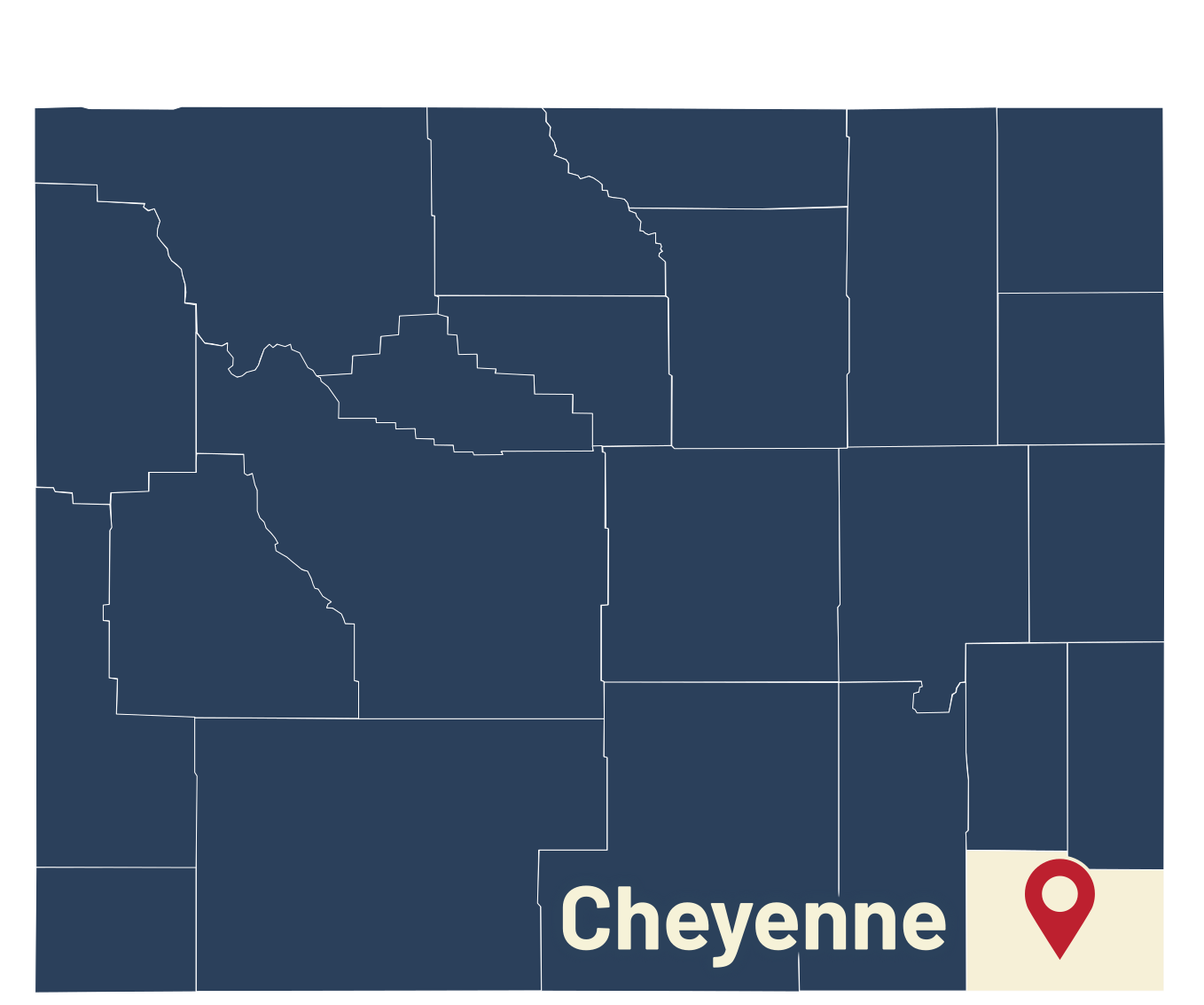
Raised by his grandmother and without the support of his biological parents in a Cheyenne home of meager means, he nonetheless thrived as a star athlete, honor-roll law student, and then became among the youngest judges appointed in Colorado.
But this month he proved he was not superhuman.
Andre Rudolph died on Friday, May 15. He was 59.
The suddenness of his death has made the loss especially hard to process.
“He was fine at work on Friday (the day of his death),” said Heather Abeyta, his clerk of 15 years. "We did our docket, we joked around, he told me his plans for the weekend and then said, 'OK, I’m out.’
“They found him that night. It was completely unexpected.”
For now, there is no clear understanding of what caused his death. But what is clear is the life he lived and the mark he left behind.
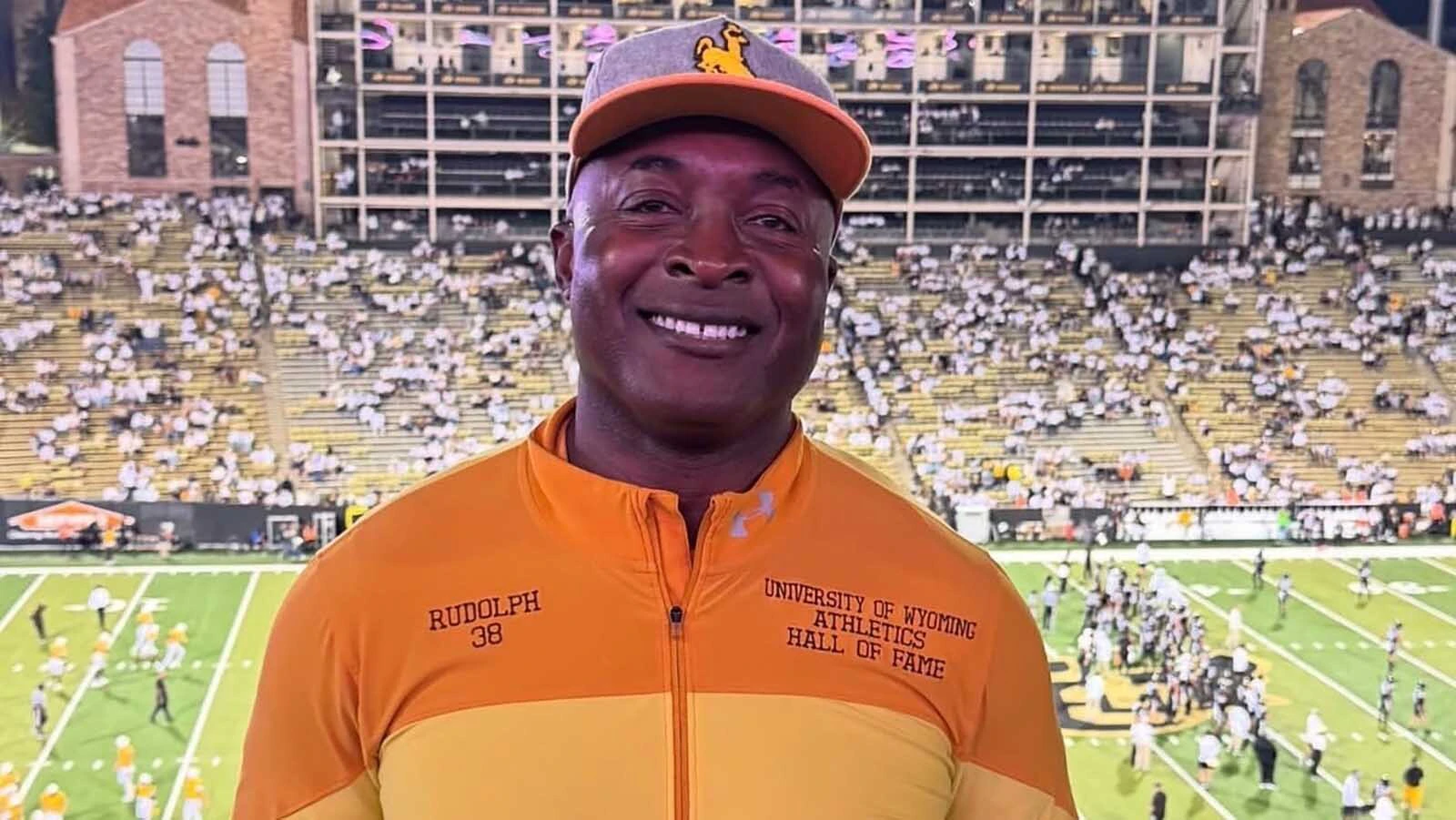
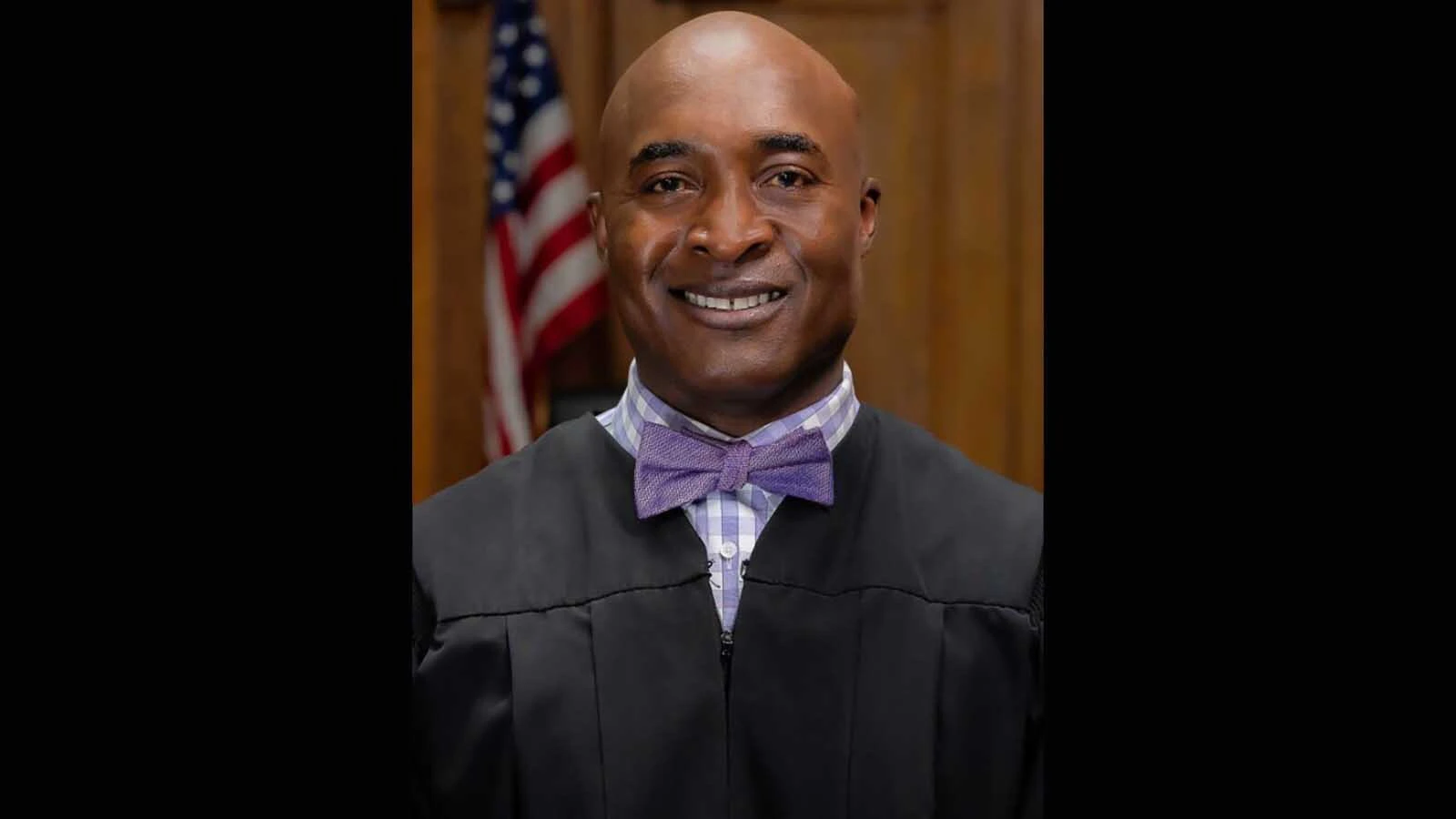
Judge Andre Rudolph grew up in Cheyenne, played running back for UW and once ran down a defendant to earn the nickname “Batman.” Before his sudden death this month, he also changed the lives of lawbreakers willing to take his help and accountability. (Courtesy Brendan Ames) 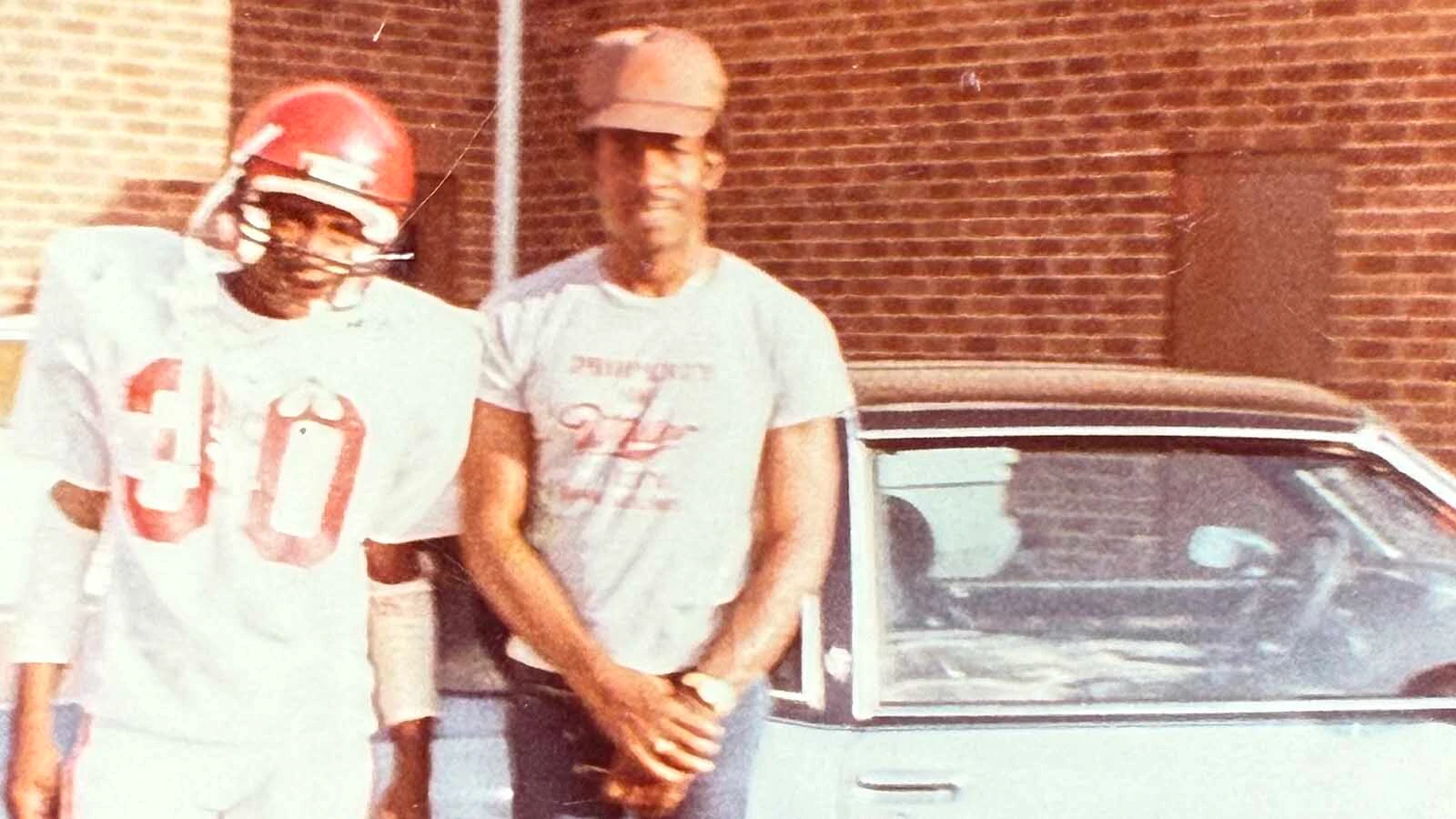
Before he became a judge, Andrew Rudolph was a football star at Cheyenne Centeral High School. (Courtesy Brendan Ames) 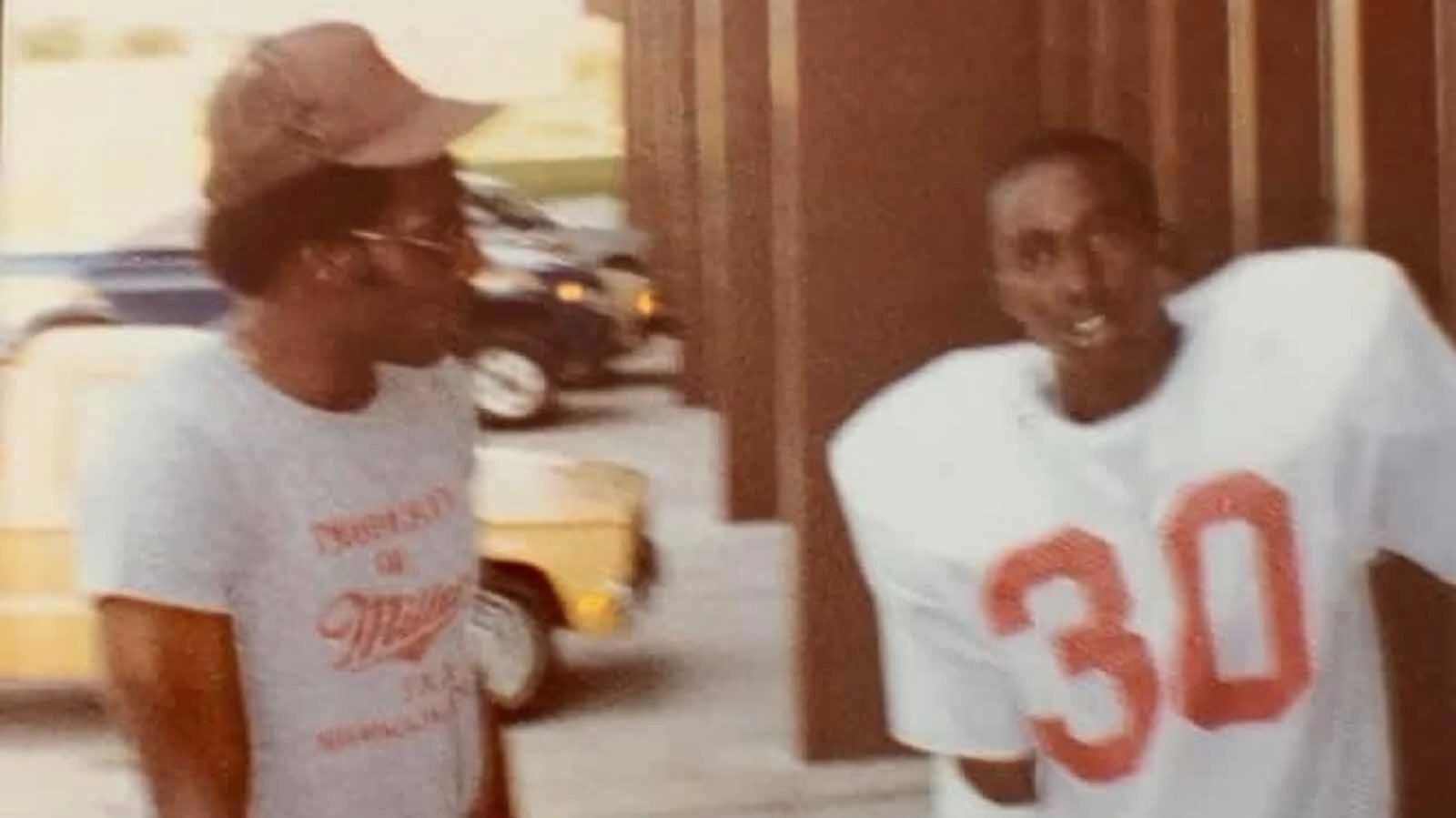
Before he became a judge, Andrew Rudolph was a football star at Cheyenne Centeral High School. (Courtesy Brendan Ames) 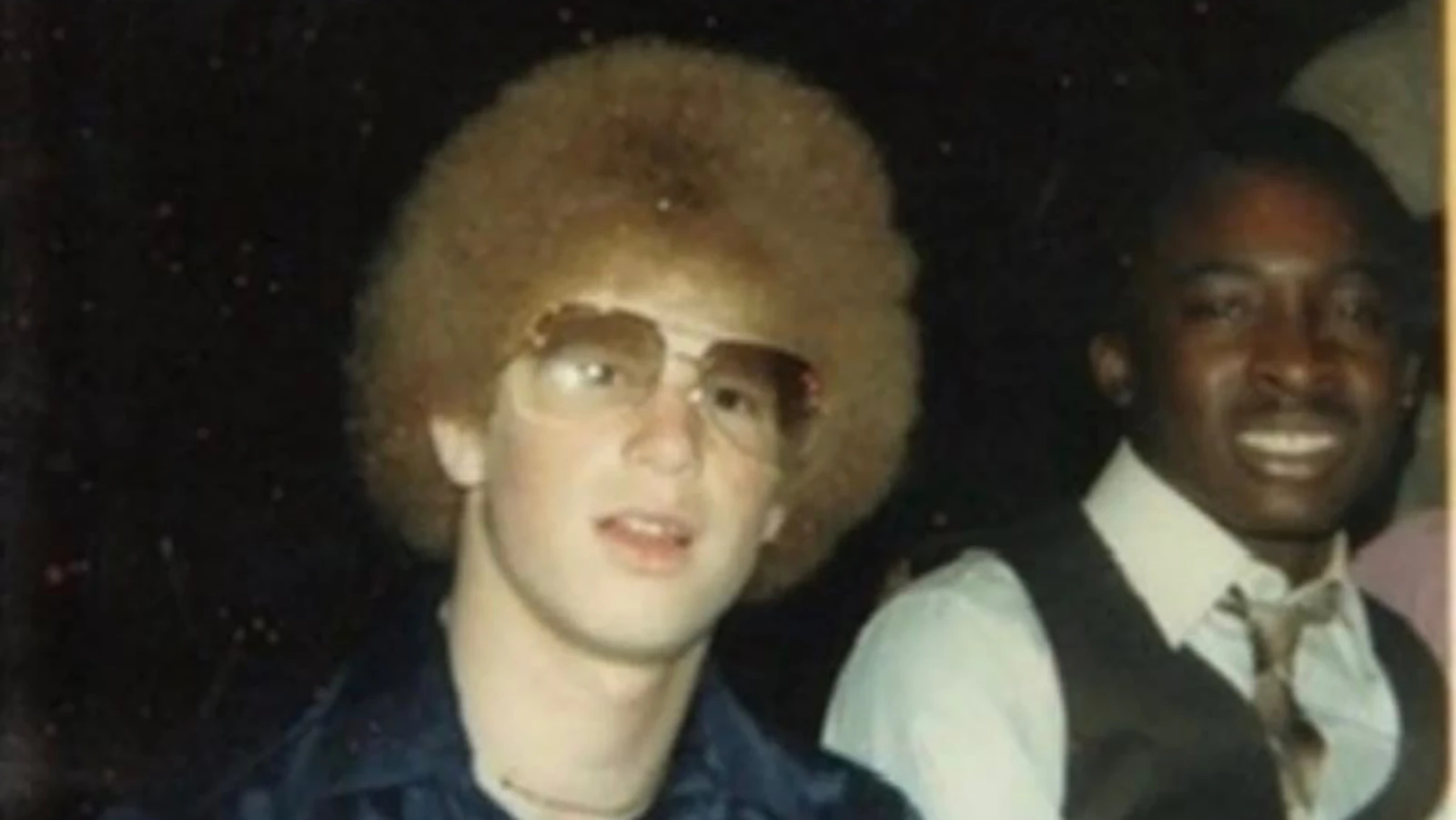
Beaver James, left, was best friends with André Rudolph, right, when they were children growing up in Cheyenne. (Courtesy Brendan Ames)
‘The Judge Dre Show’
Andre Rudolph believed people were more than their worst decisions.
That belief shaped the way he judged, and as a result his courtroom could feel more like a conversation than a legal proceeding.
It could also feel like a talent show, as defendants felt comfortable opening up about their dreams of music, art, or making rap albums.
“Show me what you got,” he’d say to an aspiring rapper, said Abeyta. “Throw it down. Give me a rap, the mic’s yours.”
He was blunt in his appraisals.
“He’d tell them if they weren’t good,” Abeyta said, adding how he encouraged people while still demanding more, always insisting, “What’s your backup plan?”
Rudolph was a born performer himself.
He’d record himself in his car, singing and dancing along to the radio, then send the videos to his staff in a group chat each Friday, a small ritual that boosted morale and marked the start of the weekend.
He was dancing whether or not a camera was rolling.
“As soon as we got in the car, the first thing he did was find something to listen to, then we’d roll the windows down and play the music full blast all the way to the office,” said Ames, recalling morning commutes with his father.
“At the mall, a ball game, restaurant, event — it literally did not matter where we were,” Ames said. “If there's music playing, he’d just start dancing."
The judge liked to joke that he’d one day star in reality television: “The Judge Dre Show.”
For those who knew him, it didn’t seem far-fetched.
His outsized personality showed up in how he dressed. He wore loud sneakers, bright gingham shirts and a bow tie — always a bow tie. It didn’t stop there.
He held chair races in the back hallway. When his staff was sassy, he teased, “We’re gonna put the gloves on.”
Abeyta took him at his word and brought a pair of boxing gloves to the courthouse. They duked it out in his chambers.
“His arm reach was too long, so I couldn't get any punches in,” she said.
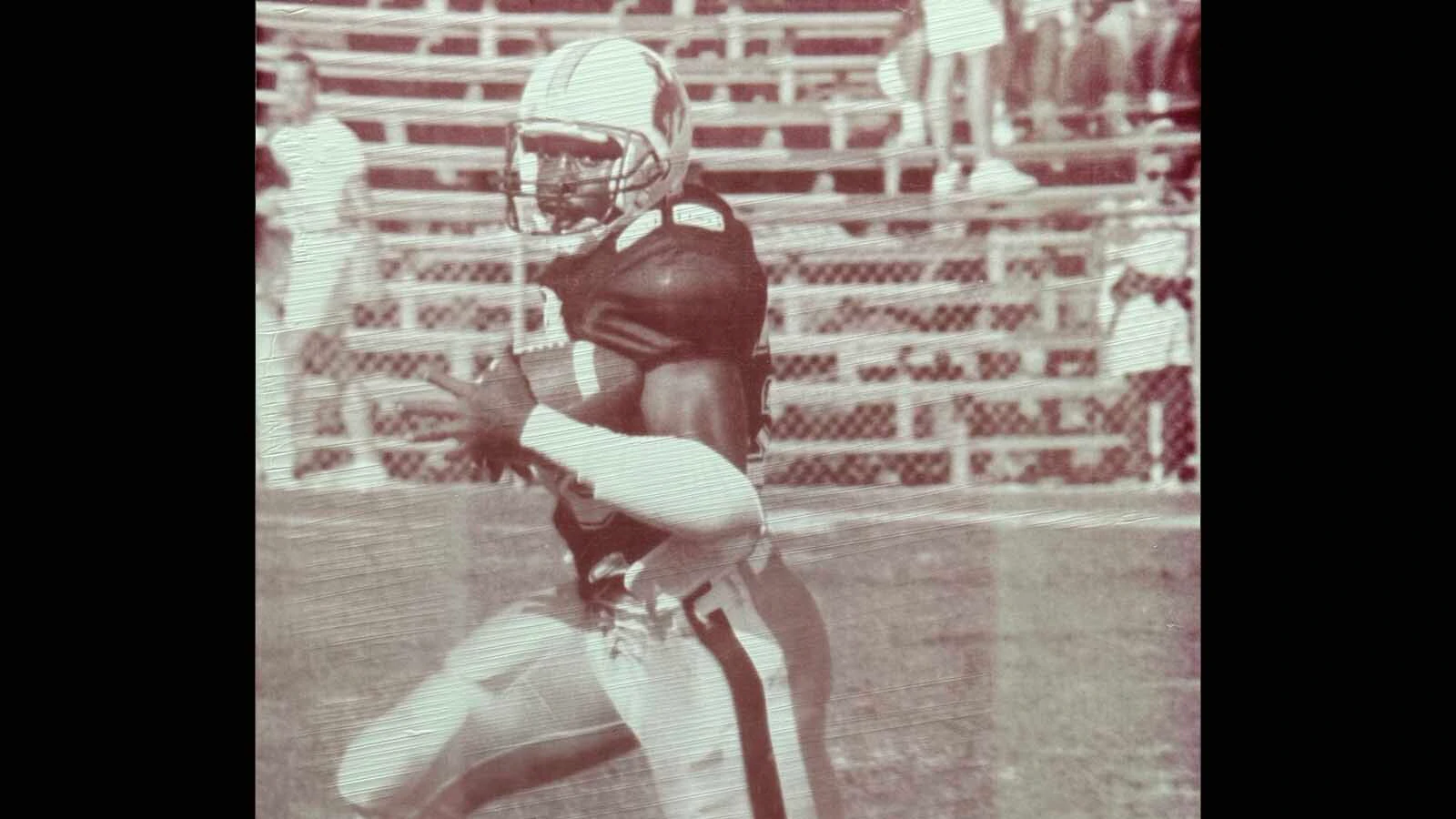
Before he earned a law degree and became a judge, Andre Rudolph was a running back for the University of Wyoming Cowboys. (Courtesy Brendan Ames) 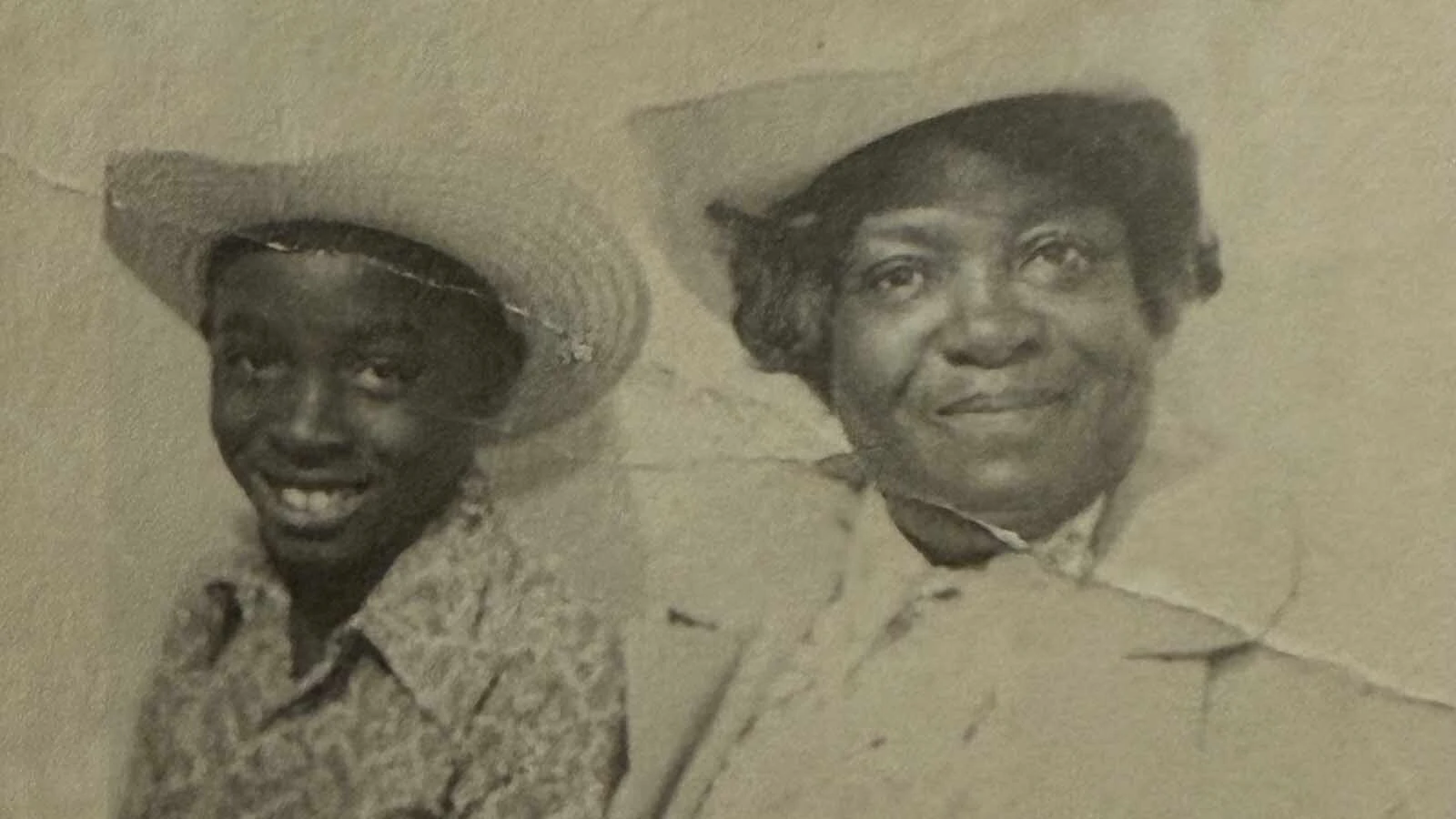
André Rudolph was raised in Cheyenne by his grandmother. (Courtesy Brendan Ames) 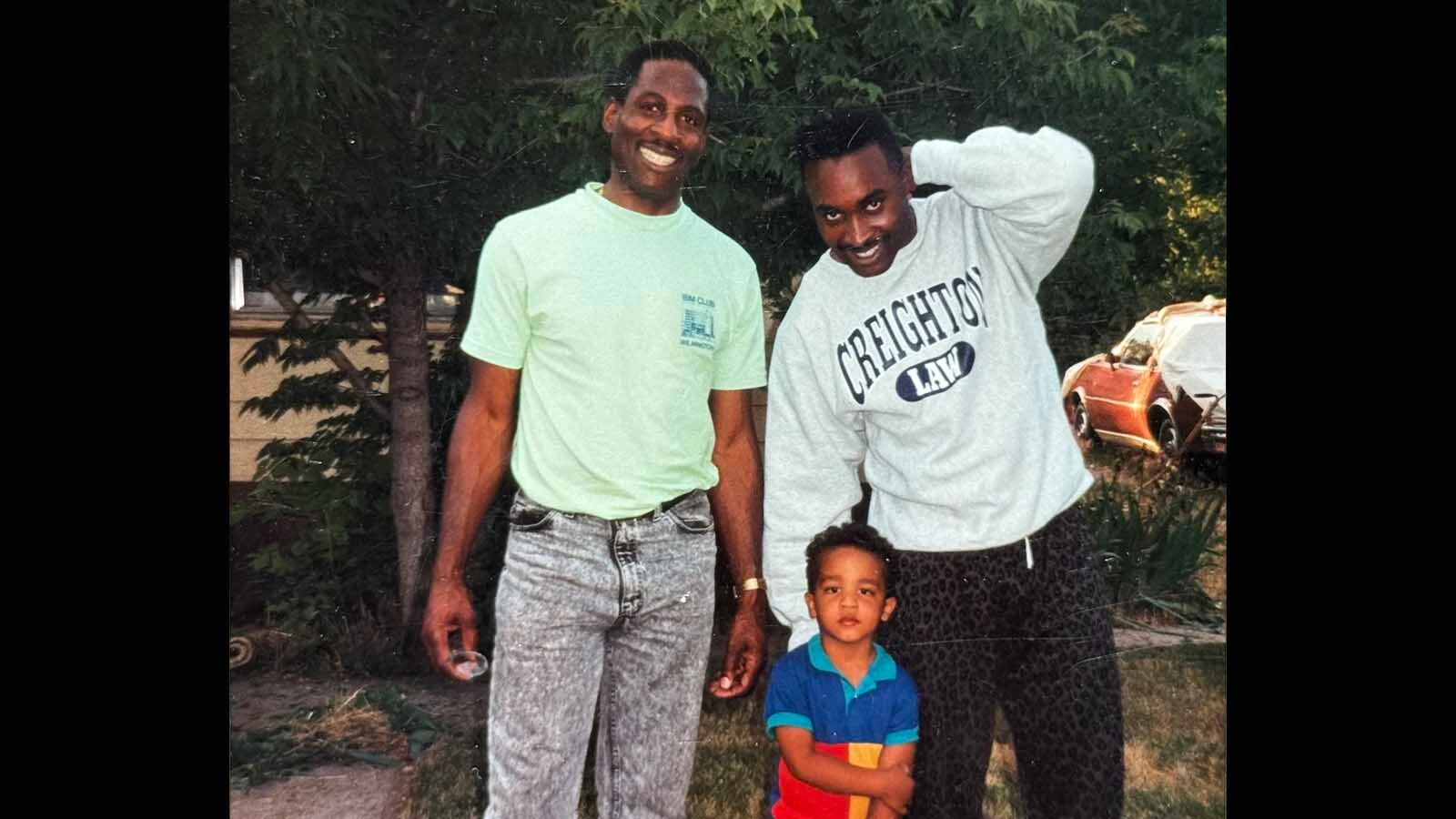
Andere Rudolph, right, and his then-young son Brendan Ames. (Courtesy Brendan Ames) 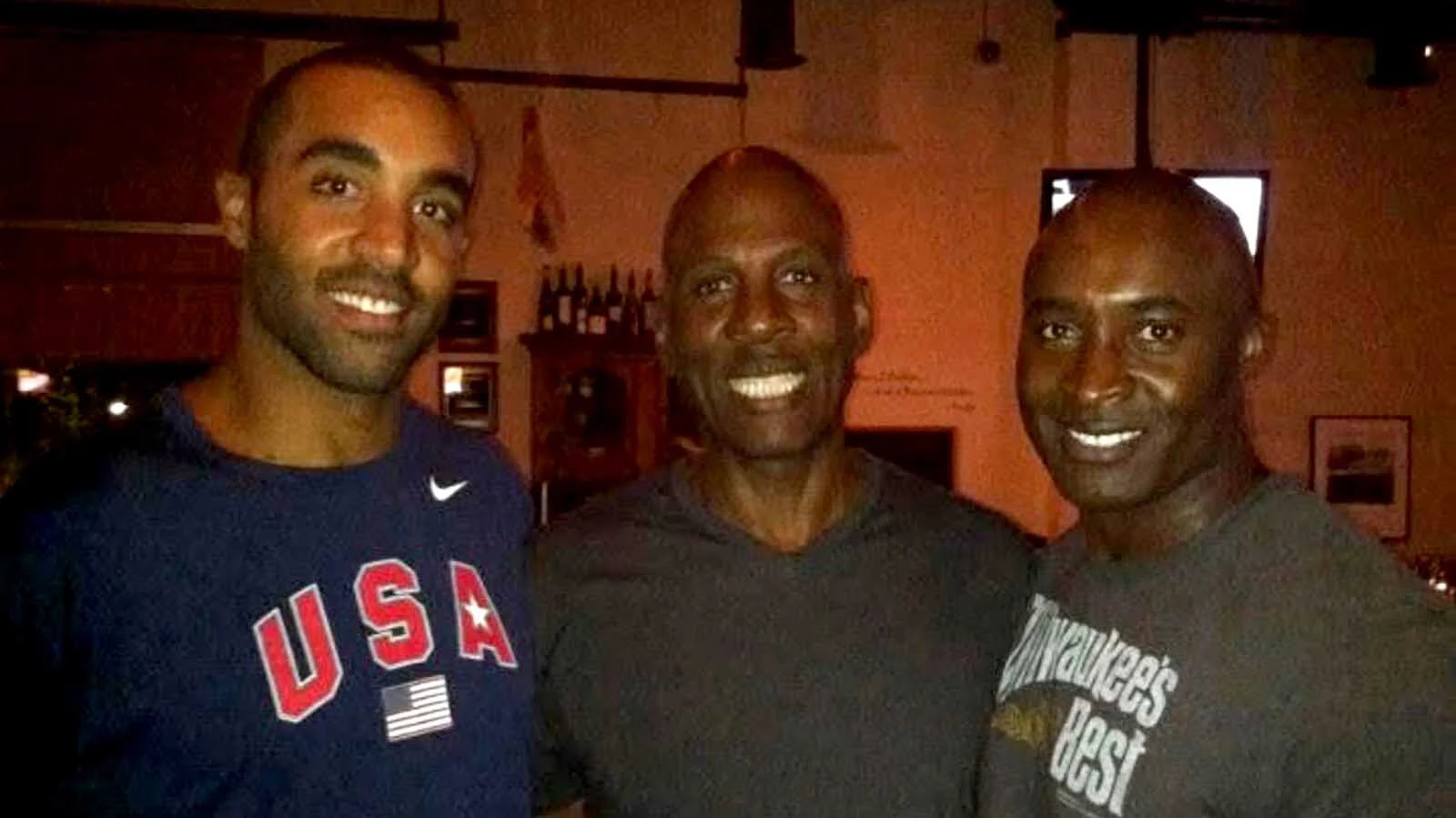
Judge Andre Rudolph, right, grew up in Cheyenne, played running back for UW and once ran down a defendant to earn the nickname “Batman.” Before his sudden death this month, he also changed the lives of lawbreakers willing to take his help and accountability, said his son, Brendan Ames, left. (Courtesy Brendan Ames)
A Friend To Everyone
Rudolph’s charisma extended well beyond the courthouse. He moved easily between crowds that didn’t naturally overlap.
He offered weightlifting advice at his local 24 Hour Fitness. He shared personal stories while volunteering with the nonprofit group Pints for Prostates. He attended Nuggets games with two old friends and left with five new ones.
“It was rare that he’d go anywhere and not run into someone he knew,” Ames said. “But he never met a stranger either, because he’d spark a conversation, find some commonality and carry on and all of a sudden he had a new friend.
“He wouldn’t call it networking. It’s just who he was. He wanted to connect with people.”
His ability to relate to people was more than a personality trait. It shaped outcomes and changed lives.
Unlike Any Other Judge
According to Abeyta, juvenile caseloads dropped in his court. Frequent flyers did too. And defendants would sometimes leave in tears, because he’d help them see that their bad choices didn’t have to define them.
"I don't think there's any other judge in Denver County, past or present, that had the type of relationship with defendants or could talk to defendants the way he did," said Abeyta, who’s worked in the county court system for close to three decades.
Ames saw it outside the courtroom.
He recalled a time at the 16th Street Mall when a man approached his father and began to cry.
It was a former defendant, who admitted he was still using drugs and had failed to follow through on the steps Rudolph had urged in drug court.
The judge didn’t scold him. He listened, talked, and sent him away with numbers to call for help.
The man appeared back in his courtroom weeks later.
This time, Rudolph sentenced him to prison and ordered that he remain there until he was ready to do the work of rehabilitation.
More than a year later, the same man approached them again at the 16th Street Mall.
He was sober. He was employed. He introduced his family, then hugged the judge and said thank you.
“Even if he was known for being this big personality, and successful, and an important judge, my dad didn't have barriers between people,” said Ames. “The door was effectively always open to have a conversation with anyone.”
That quality had been with him for a long time, going back to his upbringing on the south side of Cheyenne.
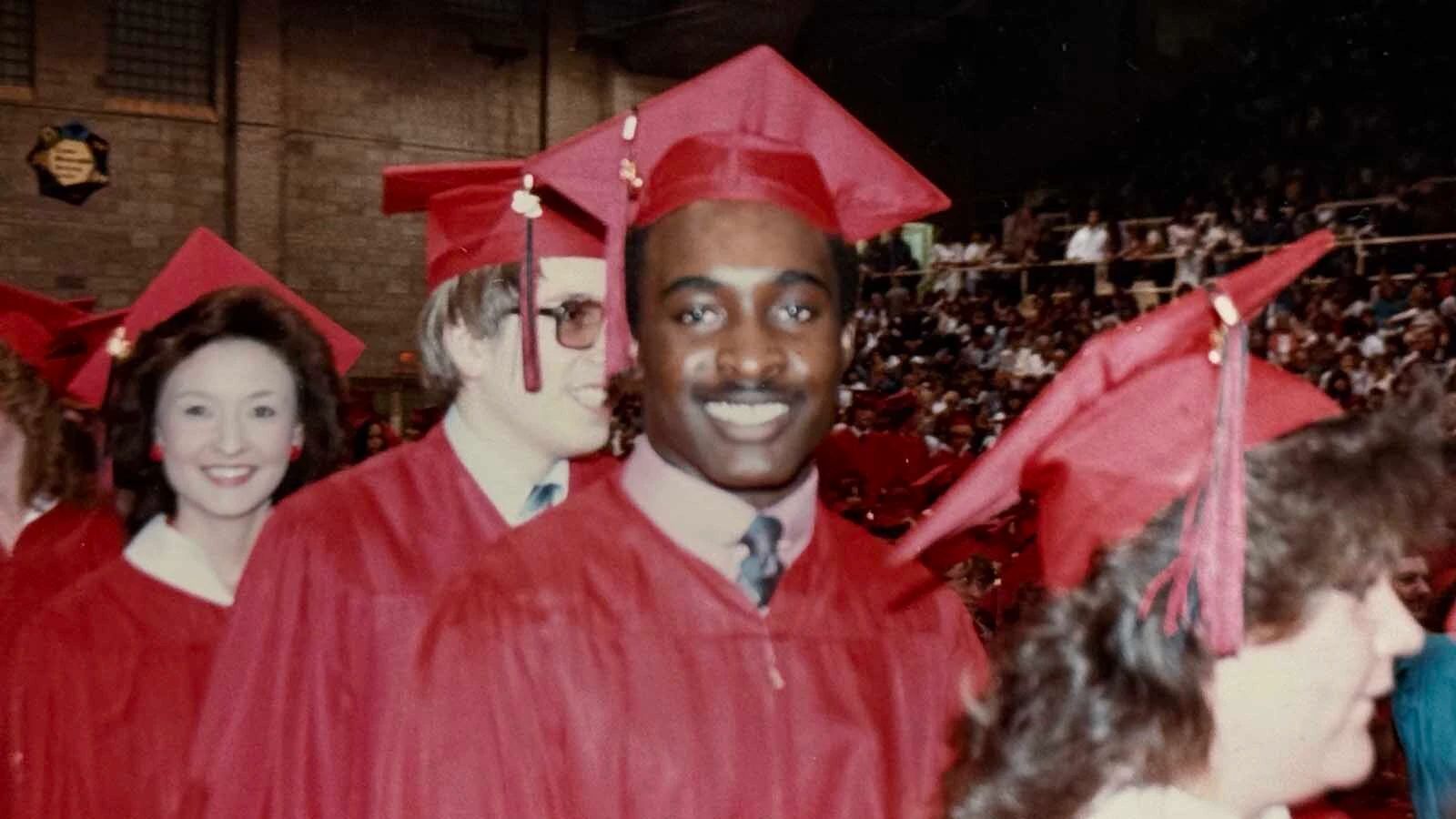
André Rudolph graduates with a law degree. (Courtesy Brendan Ames) 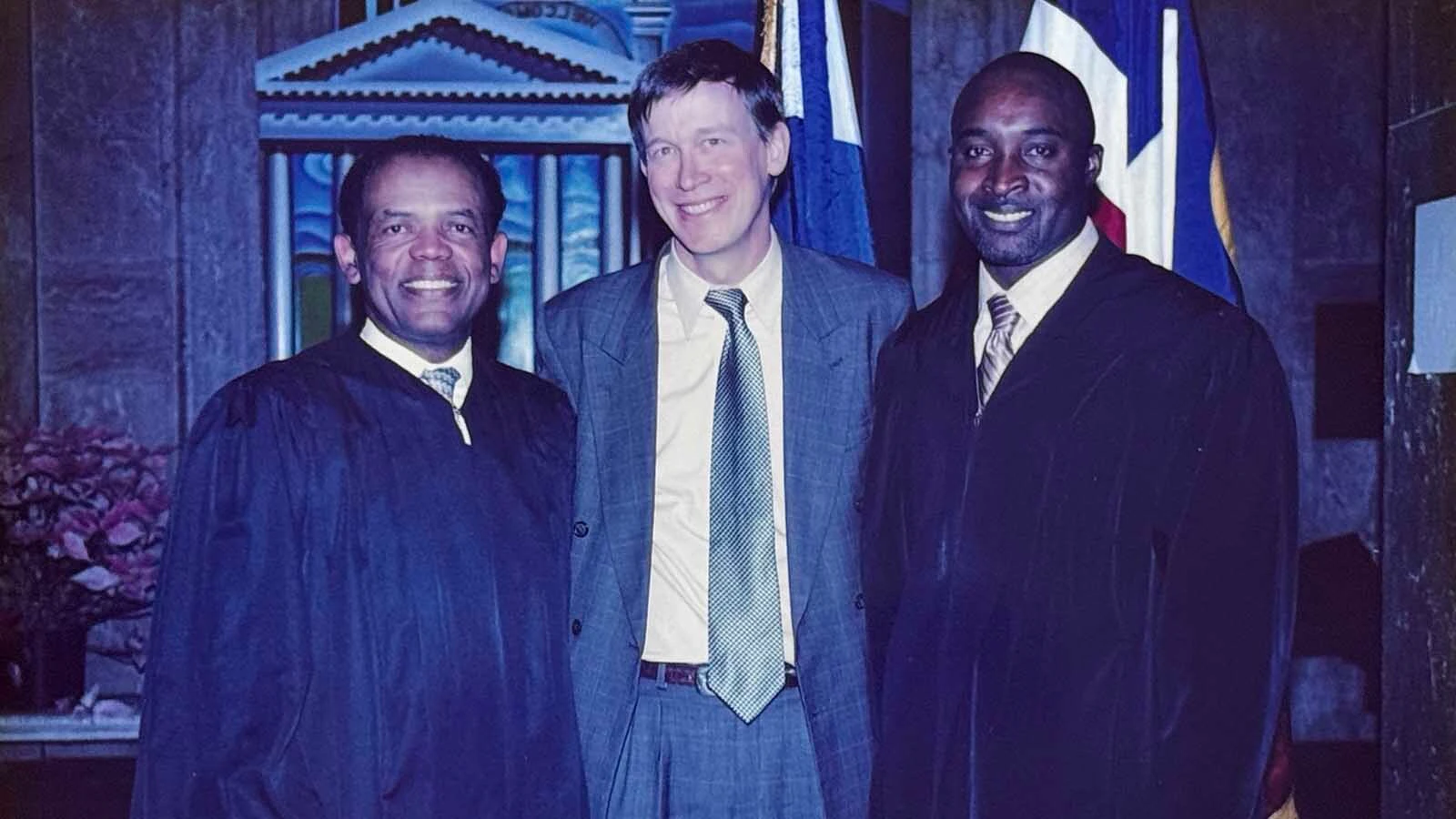
Judge Andre Rudolph, right in a photo with former Colorado Gov. John Hickenlooper, grew up in Cheyenne, played running back for UW and once ran down a defendant to earn the nickname “Batman.” Before his sudden death this month, he also changed the lives of lawbreakers willing to take his help and accountability. (Courtesy Brendan Ames) 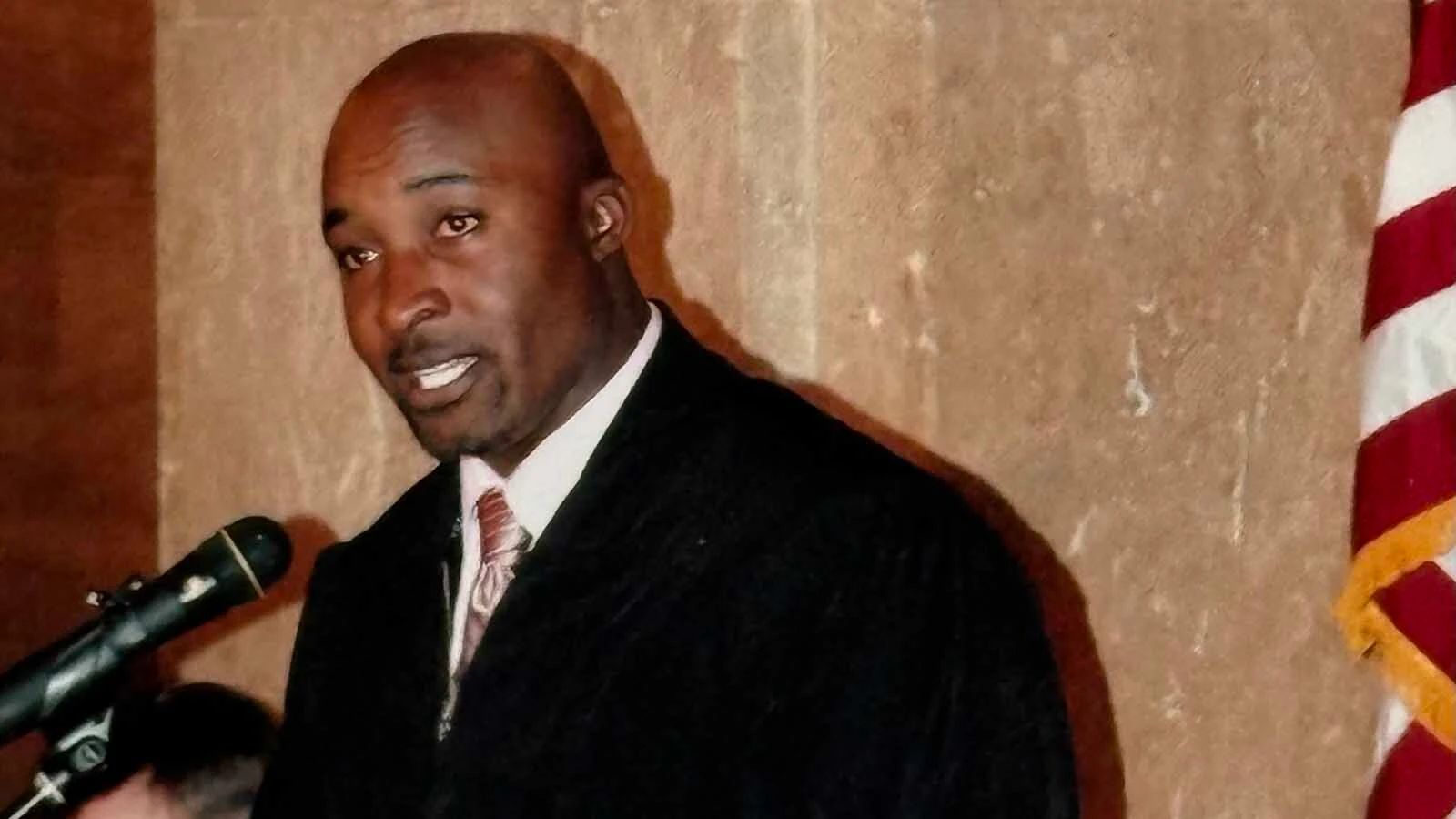
Judge Andre Rudolph grew up in Cheyenne, played running back for UW and once ran down a defendant to earn the nickname “Batman.” Before his sudden death this month, he also changed the lives of lawbreakers willing to take his help and accountability. (Courtesy Brendan Ames)
Boy From Cheyenne
Andre Rudolph was 16 when he first met his father, and he was the one who made the introduction.
His father, Paul Chambers, was living in Kansas City and had come back to Cheyenne intent on meeting his son. He went to Central High, hoping to pick him out of the lineup at football practice.
Andre spared him the guesswork. He walked up after practice and said, “Are you Paul Chambers? Hi, I’m Andre,” according to Ames.
“He introduced himself to his own father,” Ames said. “He wasn’t afraid to talk to anyone. That’s just who he’s always been.”
Before his father became a presence in his life, Rudolph grew up with his maternal grandmother in a southside Cheyenne neighborhood where you learned early how to hold your own and hustle for a buck.
“You had to fend for yourself in our part of town,” said Beaver James, Rudolf’s best friend from childhood.
The two knocked on doors to solicit work like shoveling snow and odd jobs.
“Dre was the hardest worker I ever knew,” James said.
His drive showed also up on the football field.
Rudolph was a standout multi-sport athlete. He set records each year in school fitness tests and went on to earn a scholarship to the University of Wyoming, where he was part of two WAC Championship football teams in 1987 and 1988.
“Football was his love, but he was good at everything. Baseball, track, he was like Bo Jackson,” said James, referring to the famous two-sport professional athlete.
He was senior class president at Central High, and had a natural leadership style that inspired others to be better, push harder, and try new styles with their hair.
“He talked me into getting a big old afro, and then he told me to put a pick in it,” James said. “I used to walk around with that thing in the back of my hair, and Andre would laugh his ass off at me.
“I had an afro one day and a Jheri curl the next. Around town they’d say, ‘Oh, that’s the guy that acts Black,’ and we’d just laugh, because we knew they didn’t understand.”
Those distinctions didn’t matter to Rudolph, James said.
He was drawn to people, not identity groups, and he moved easily between cultures simply by following his curiosity and treating people with respect.
He brought that same attitude into adulthood and onto the bench, but he demanded a level of respect in return. If respect wasn’t given, he didn’t mince words.
Abeyta remembers a frequent flyer named Eric Brandt, an anti‑police agitator who seemed to have it out for Rudolph.
The judge had sentenced Brant’s fellow agitator, after which Brandt and a crew marched into the courtroom and theatrically “posted bond” by dropping plastic bags of loose coins on the clerk’s desk.
Rudolph grabbed the bags, put them in the trash and then said, “You are not allowed back in my courtroom,” said Abeyta.
Final Chapter
For Rudolph, justice was not about punishment. It was about direction. He spent his career prompting people to consider what life they intended to build when they left his courtroom.
In recent years, he’d been asking himself that same question.
As he talked about his life after the bench, it became clear that there was one thing he still wanted to succeed at most.
"My dad thought about his life like chapters in a book, and he's proud of each of those chapters equally,” said Ames, pausing to clear away tears. “For this last chapter, he just wanted to be the best grandpa in the entire world.”
Zakary Sonntag can be reached at zakary@cowboystatedaily.com.