
CASPER — Discarded rocks thrown outside the geology department at an upstate New York college in the 1920s became gems in the eyes of the boy who picked them up.
They were also stepping stones to a career and life that led to 68 years of leading the growth of Wyoming’s — and America’s — mining industry.
Politics and philanthropy also helped John Wold earn accolades like Wyoming Man of the Year in 1968 and Oil/Gas and Mineral Man of the 20th Century in 1999.
But the longtime Casper resident left that century behind and kept going to work in his downtown office, pursuing new ideas and enterprises nearly until his death on Feb. 19, 2017, at age 100.
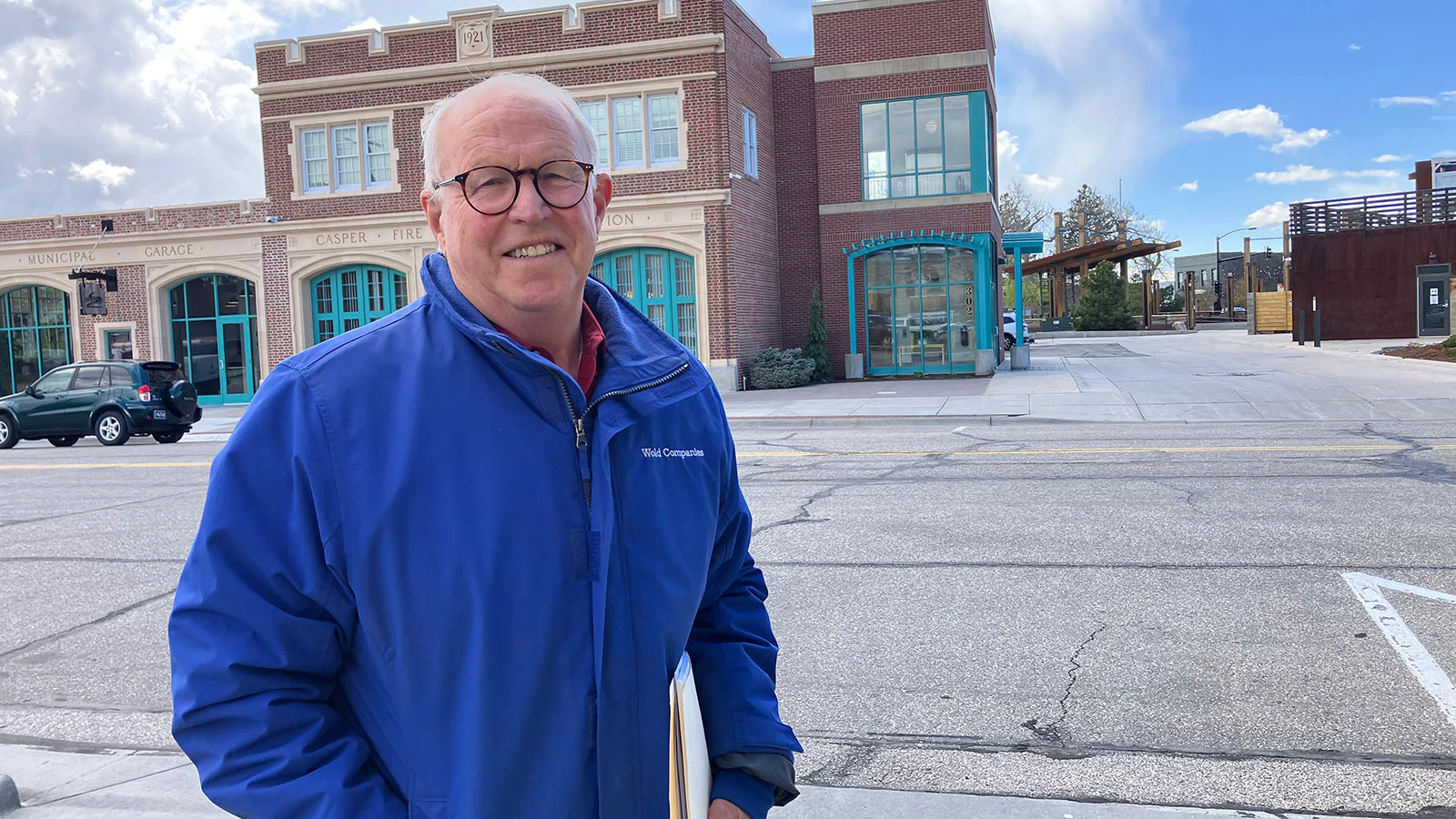
Peter Wold, 78, remembers his dad as a man who was “driven” and focused, but who always made time for his wife and children.
As he co-leads the oil and gas business started by his father back in 1950, Peter said his dad’s portrait on the wall reminds him of the principles and “purpose” that guided his life.
“I think that he motivated me, and I would say the same for my brother and my sister,” he said. “We’ve all tried to stay engaged in community activities and philanthropy and be good fathers and a mother.”
He not only contributed to the evolution of Wyoming's energy industries, his financial generosity endowed a geology chair and two chairs of religion at Union College in Schenectady, New York.
He also endowed the Centennial Chair of Energy at the University of Wyoming and his lead 1994 donation to Casper College became the Wold Physical Science Center.
U.S. Sen. John Barrasso, who characterized Wold as a “legend” when he died in 2017, said even though nearly a decade has passed since then, his legacy is all over the Cowboy State — even if younger generations now don’t recognize his name.
“As a professional geologist, John’s contributions to the mining industry revolutionized the way our nation extracts minerals today,” Barrasso said. "Casper College students continue to benefit from John’s generosity and are reminded of him every time they walk through the Wold Physical Science Center.
"John passed on his love for Wyoming and his energy expertise to his family,” the senator added. "He would be so proud of how his children and grandchildren carry on the family business and his tradition of giving back to the state and people he loved so much.”
Big Into Rock
Peter Wold said his dad’s successes in part came from his education, continuous learning and ability to compartmentalize and head for the goal — something he loved to do on the hockey rink as well.
Born in New Jersey, John Wold grew up on the Union College campus where his father, Peter I. Wold, was a distinguished physics professor. The family lived on campus.
While growing up, a young Wold became fascinated with the excess rocks being tossed out by the college’s geology department and started his own mineral collection.
Following graduation from high school, the Eagle Scout attended Union College and became an exchange student at St. Andrews University in Scotland.
While at Union College, he played on the hockey team, and he graduated with a bachelor of arts in geology and went on to Cornell University to earn a master’s degree in geology as well.
Prior to World War II, Wold worked in Oklahoma and Texas for an oil company, but in 1941 he volunteered to help the U.S. Navy’s Bureau of Ordinance researching magnetic mines.
After the bombing of Pearl Harbor, he was sent to Midway Island as a physicist involved in degaussing or demagnetizing submarines to protect them from magnetic Japanese mines.
Navy Man And Inventor
Although he never officially attended Navy officer training school, Wold was given a commission and went on after his Midway assignment to serve as a gunnery officer and executive officer on destroyer escorts.
Peter Wold said his dad’s wartime ship assignments did not involve any significant battles.
It was while in the Navy that Wold had an idea to improve the masks of divers while watching them work.
He applied for a patent in July 1946 for his improved “underwater goggle.”
“The purpose of this invention is to provide an efficient underwater goggle, simple of manufacture, which is of such form that it will fit with water-tightness the contours of most faces without alteration or tailoring by the wearer,” he wrote on the application.
Wold wrote that the design was meant to be flexible enough that it could be worn “across or below the nose of the diver with equal water-tight integrity.”
The inventor received his patent in Casper on Oct. 3, 1950, and it was something he was always proud of.
Peter Wold said he kept it framed on his office wall during his business career.
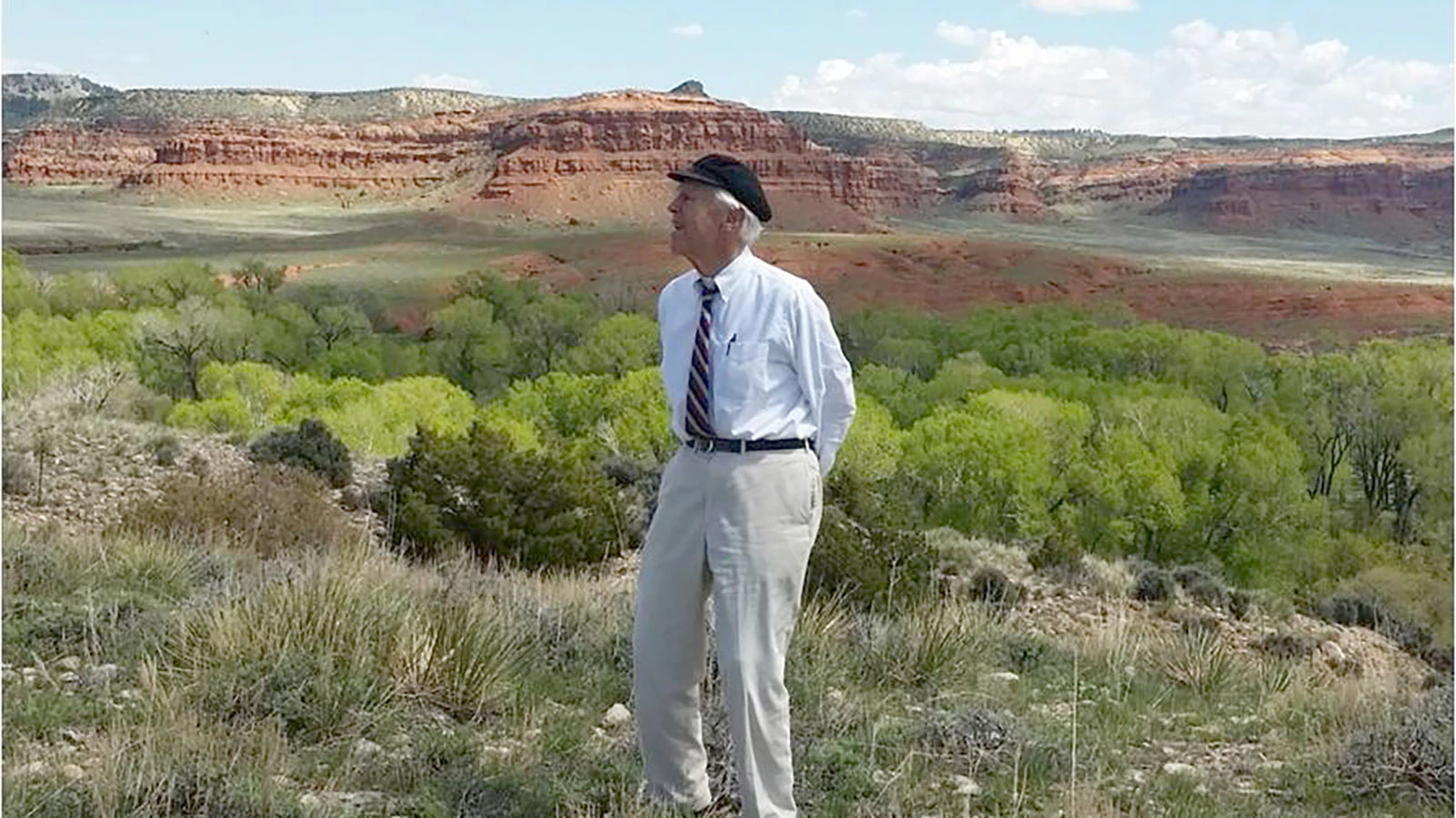
John Wold loved Wyoming and enjoyed fishing, skiing, and outdoor activities. (Courtesy Peter Wold) 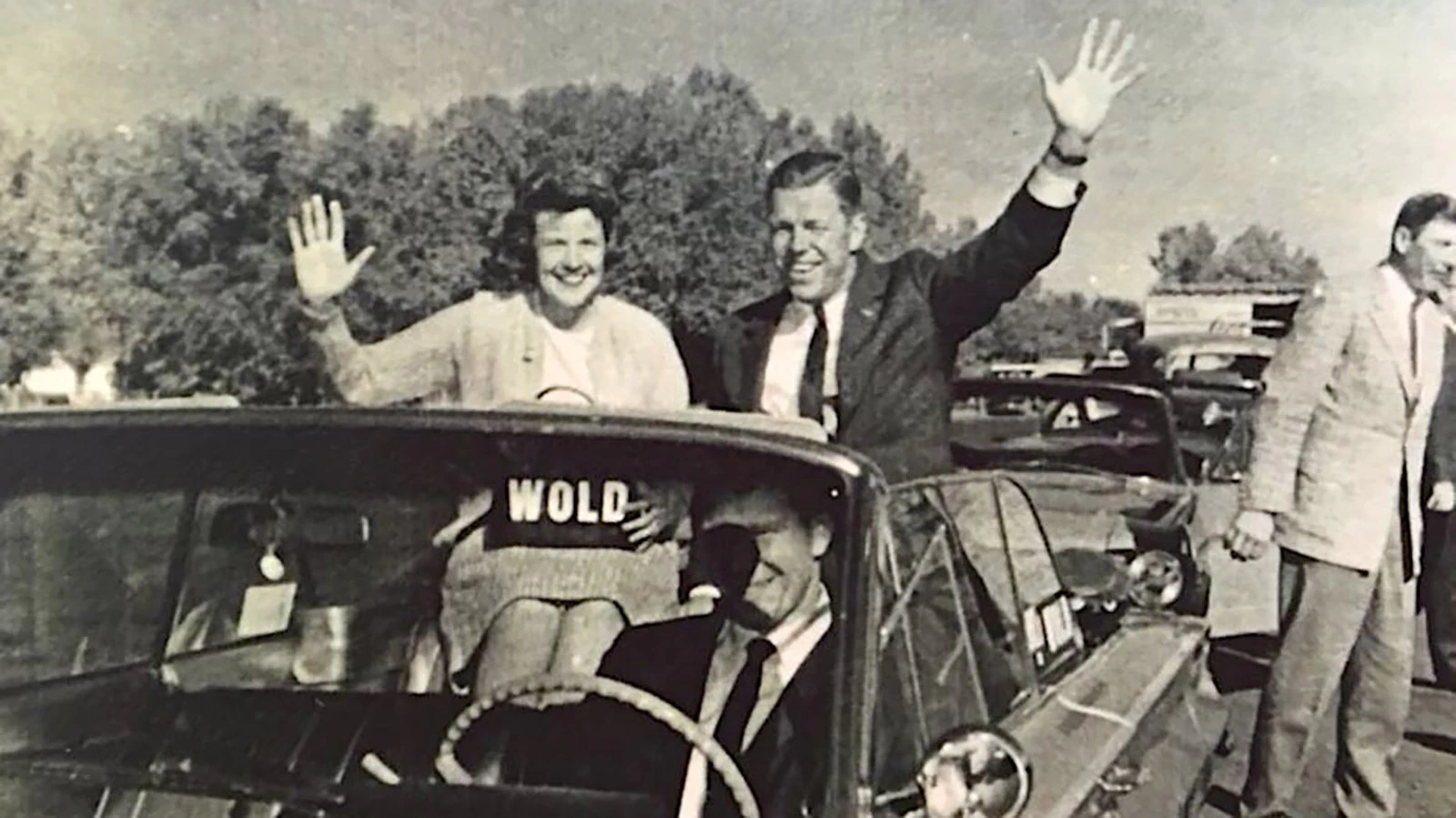
John and Jane Wold on parade during his political career. (Courtesy Peter Wold) 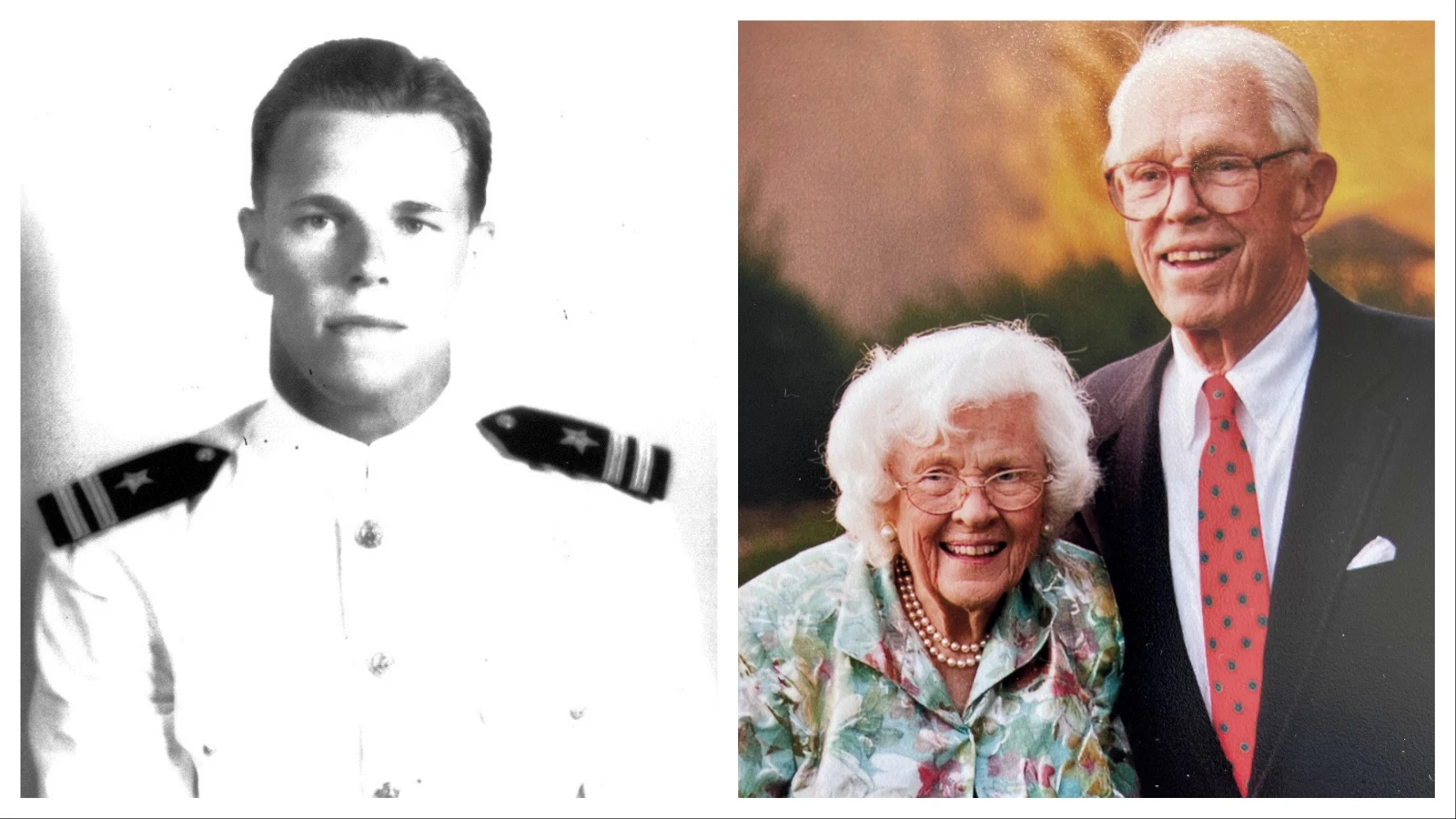
John Wold served in the U.S. Navy during World War II and worked demagnetizing submarines as well as serving as an officer on destroyer escorts. John Wold and his wife Jane in their later years. (Courtesy Peter Wold)
The Oil Field Calls
After the war, John Wold married his wife, Jane, and worked for Barnsdall Oil on the Gulf Coast.
By 1949, Peter was born, and that winter the Wold family was sent to Casper to establish an office for Barnsdall Oil.
The family drove from Houston to Denver and found the roads north had been blocked by the infamous blizzards of 1949 for the previous two weeks.
Peter Wold said his dad liked to tell the story of how he only had enough money for one night in a Denver hotel.
The next day, his dad said it was like a “miracle” and the road opened, allowing them to reach Casper. The highway shut the next day and stayed closed for two more weeks.
In 1950, Wold launched his own firm, Wold Oil Properties, as a consulting petroleum geologist, and never looked back.
A search of Wold in old newspapers shows his progression of accomplishments in both his business life and Republican politics in Wyoming.
Ahead Of His Time
In 1953, in addition to growing his new business, he was a member of the Natrona County Republican Party Executive Committee.
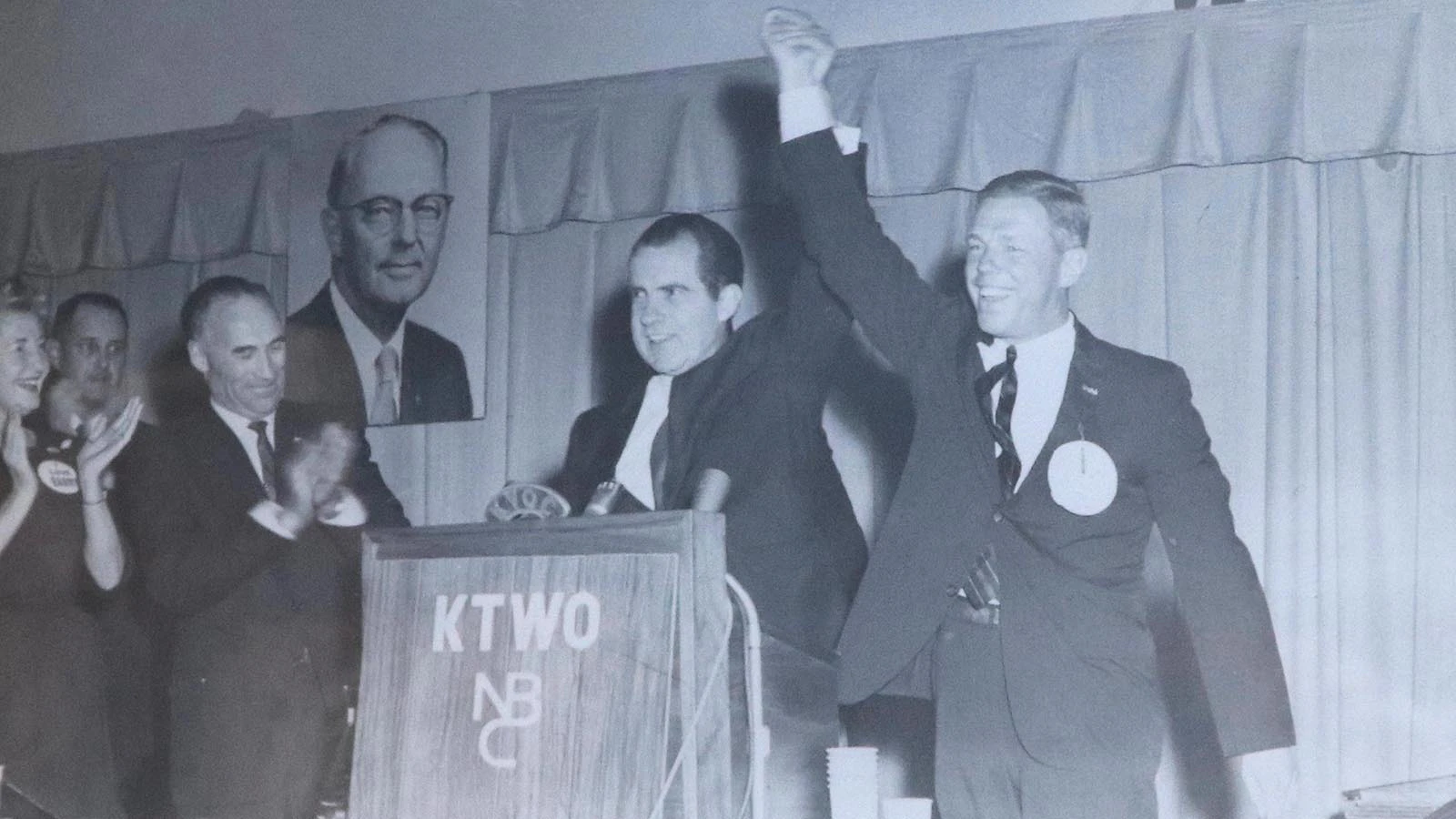
He ran for and won a state House seat in 1956. In 1960, he became the state Republican chairman, as well as a member of the nation’s Republican National Committee.
In 1964, he was the Republican nominee for Wyoming’s U.S. Senate seat to run against Sen. Gale McGee.
His political office high point culminated in his election as Wyoming’s U.S. House representative in 1968 as Richard Nixon was winning the White House.
He was the first professional geologist ever elected to the U.S. House. While there, he authored and sponsored the National Mining and Minerals Policy Act of 1970.
That legislation was instrumental in laying the groundwork for Wyoming’s and the nation’s mining industry.
It directed the U.S. to develop a stable domestic mining industry that’s economically sound and encourages private investment. It also called for standards to dispose of and reclaim mining waste and land to mitigate environmental impacts.
While he was proud of his time in Congress, the scientist and businessman who liked to get things done was stymied there.
“He recognized that he was one of 435 congressmen and that frustrated him,” Peter Wold said. “He said, 'I’m going to go for the Senate.'”
In 1970, he took on McGee again and lost, as Republicans took a beating in the Nixon midterm election.
Peter Wold said his dad never ran for office again but stayed interested in politics.
On the business side of his life, John Wold excelled and was able to use his geology, chemistry and economics savvy to see opportunities that others might miss.
He also could see when those opportunities were turning south.
During his lifetime, Wold started companies that got involved in pursuing coal, uranium, trona, and coal gasification. But each of those sectors came at different times of his life and career.
“When he focused on something he focused primarily on that project,” Peter Wold said. “He was active in the coal business, in the uranium business. But he did those separately, compartmentalized.
"You have to be really good at what you are doing.”
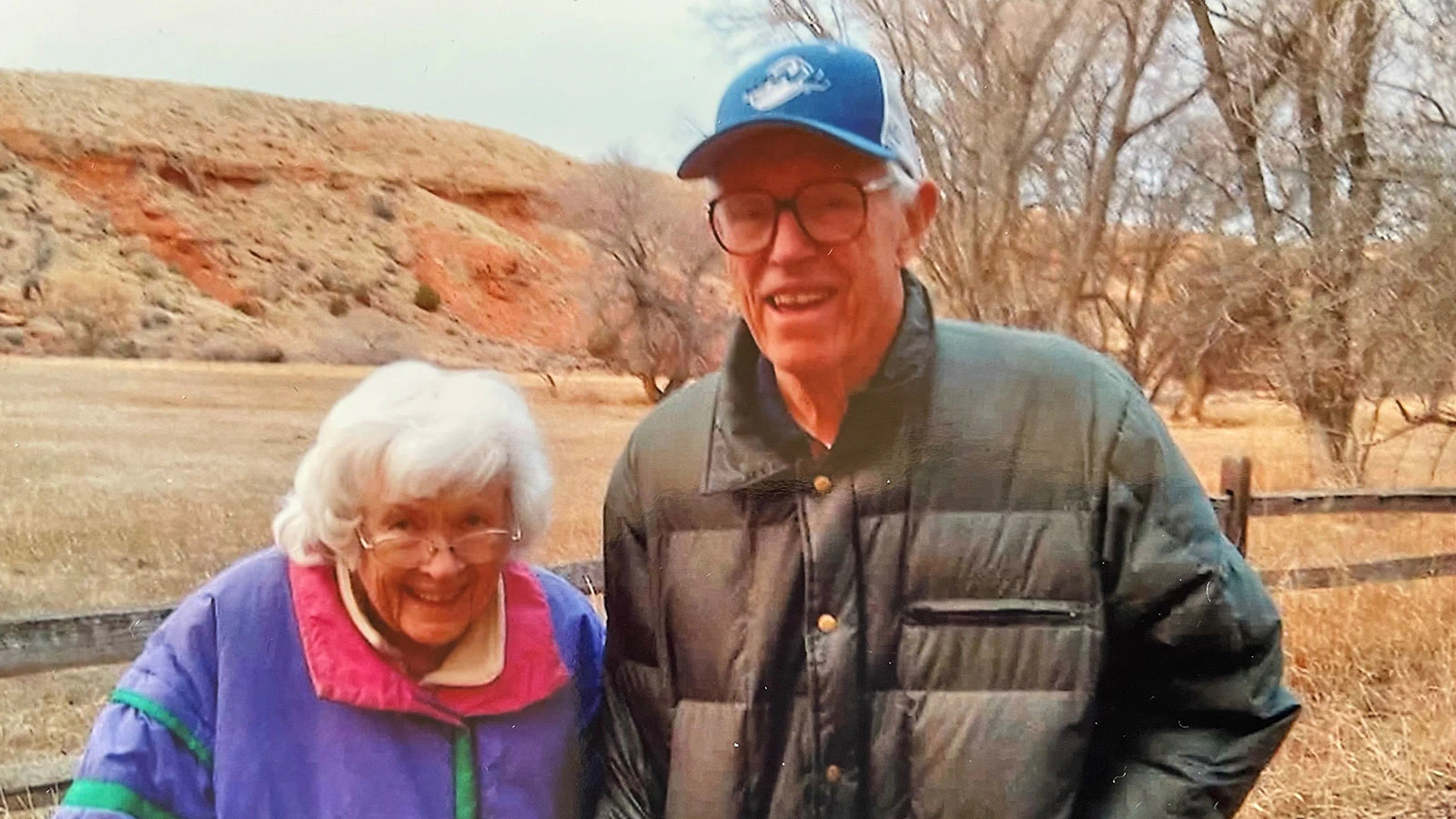
John and Jane Wold at their ranch property. (Courtesy Peter Wold) 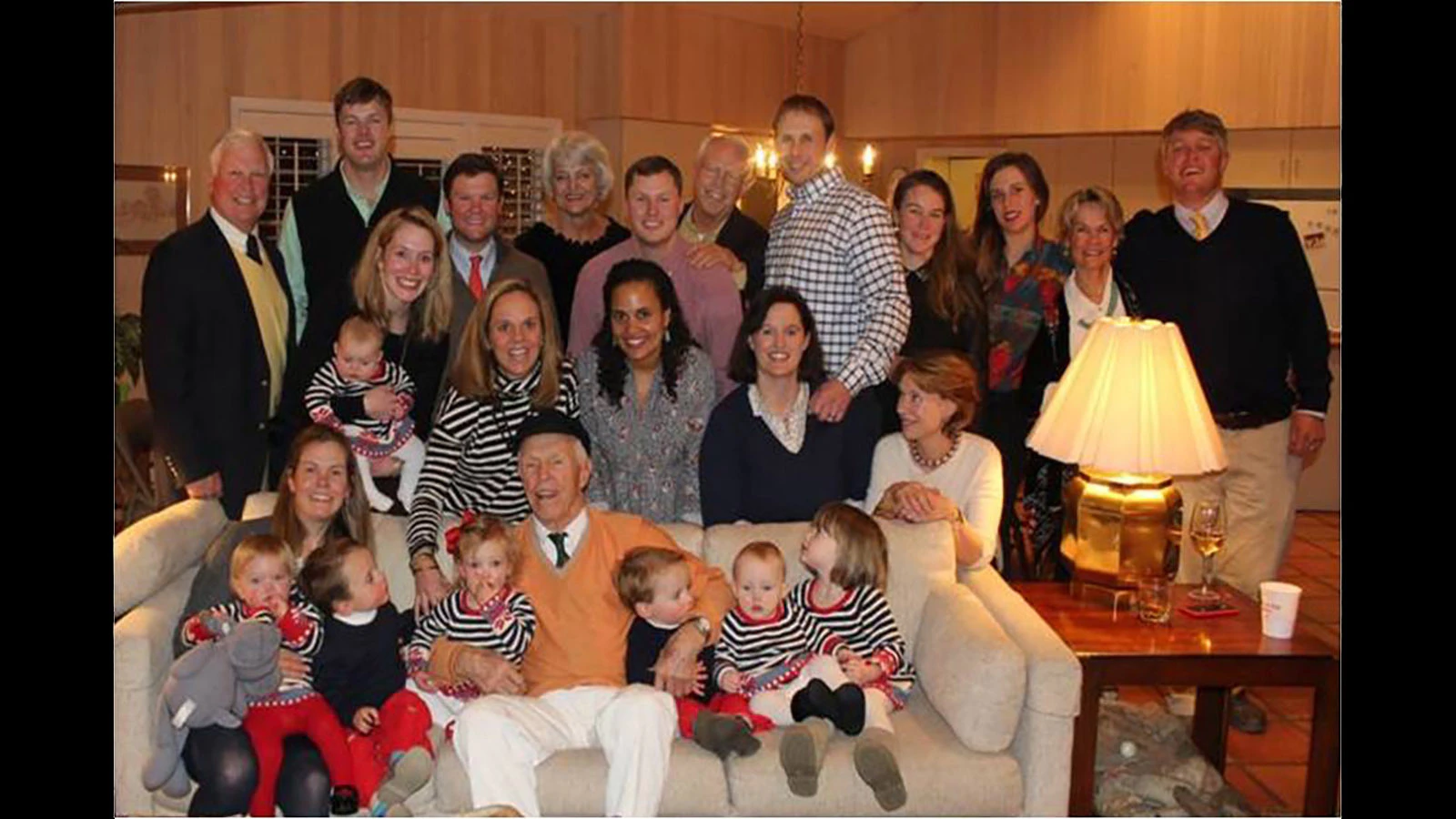
John Wold poses with his extended family. (Courtesy Peter Wold) 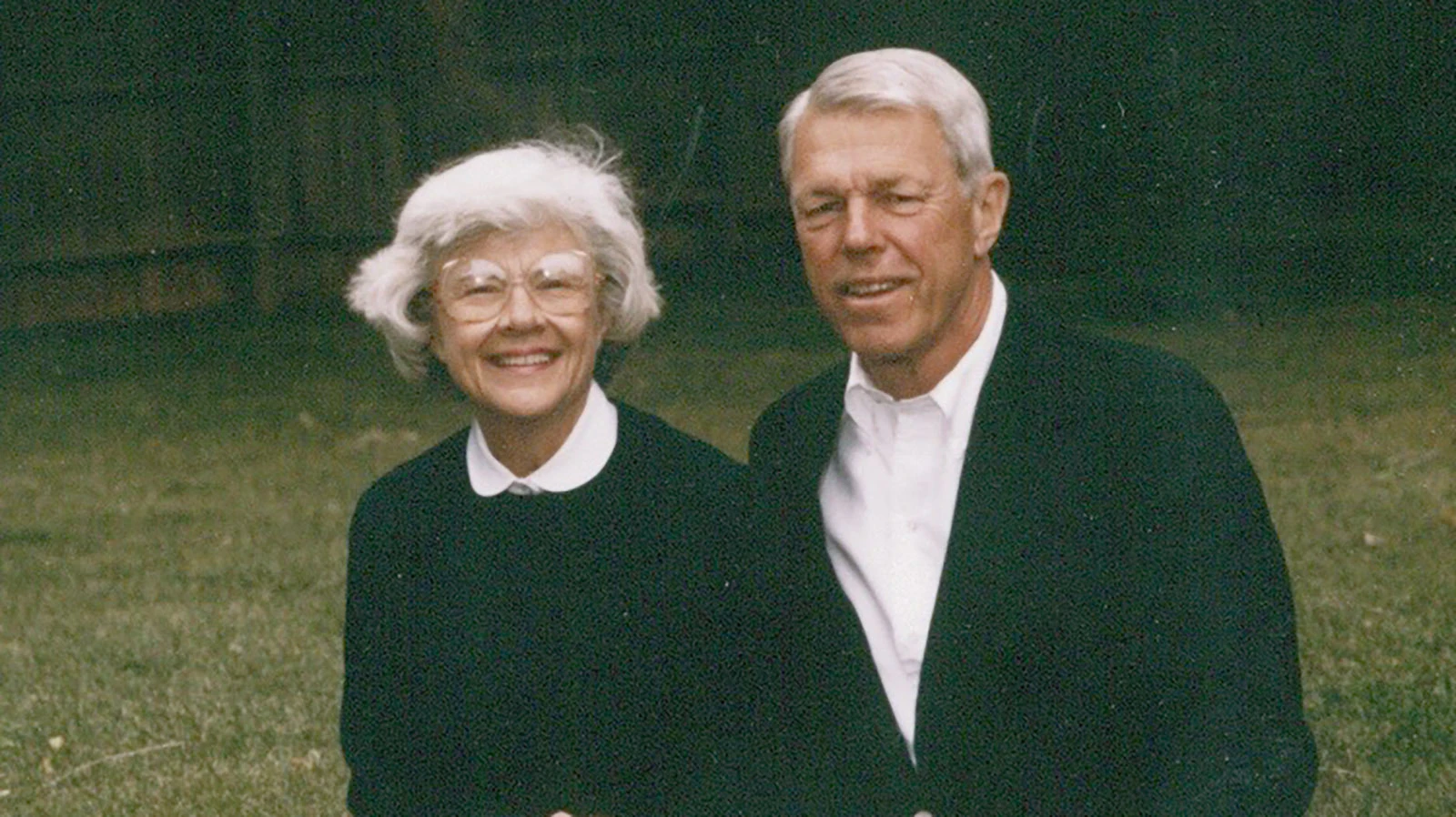
John and Jane Wold left a legacy that continues through the next generations of the their family. (Courtesy Peter Wold)
Business Ventures
A joint venture with Peabody Energy and Consolidation Coal Co. (now CONSOL Energy) put Rocky Mountain coal in the spotlight.
In 1973, he started Wold Nuclear Co. and was a co-discoverer of the Christensen Ranch uranium ore deposit in the Powder River Basin.
He also became the principal in the development of the Highland uranium mine in Converse County, which once was the largest uranium production operation in the U.S.
Peter Wold said his dad used a technique with paper cups and a tiny piece of film on the bottom of each cup that would be buried for a few days on potential uranium lands.
While he did not invent the technique to detect radon gas, he used it on a huge scale.
“They wanted to see what radiation penetrations there were,” Peter Wold said. “They laid thousands of those cups all over Wyoming, New Mexico, and Texas.
"With that information they were able to determine there were uranium ore bodies.”
Wold’s holdings of potential uranium lands in south Texas led to an unforeseen talc mining opportunity, so he created American Talc Co., which became one of the largest talc operations in North America. It was sold to Daltile in 2017.
Wold’s interest in trona mining in the southern Green River Basin led to patents on solutions-based mining processes that he worked to create and develop with a Colorado firm.
But several years of work and roadblocks led him to sell the reserves he bought. The technology he helped develop, however, helped transform the trona industry.
Wold also bought a coal gasification idea during the first decade of this century and became chairman and CEO of GasTech.
The company sought to develop gas from deep layers of coal in the Powder River Basin through pumping oxygen down into the beds and setting them on fire.
He worked with an Australian company that had pioneered a similar concept in Australia.
A demonstration plant never came to development.
Peter Wold said his dad’s efforts to develop coal and coal gasification in Campbell County came from his understanding that the coal, natural gas, and oil in the county held more BTUs of energy than all of Saudi Arabia’s oil.
During his life, John Wold’s expertise was sought by many companies that recruited him for their boards.
Hole In The Wall Ranch
Outside of energy, Wold enjoyed Wyoming’s outdoors and sports.
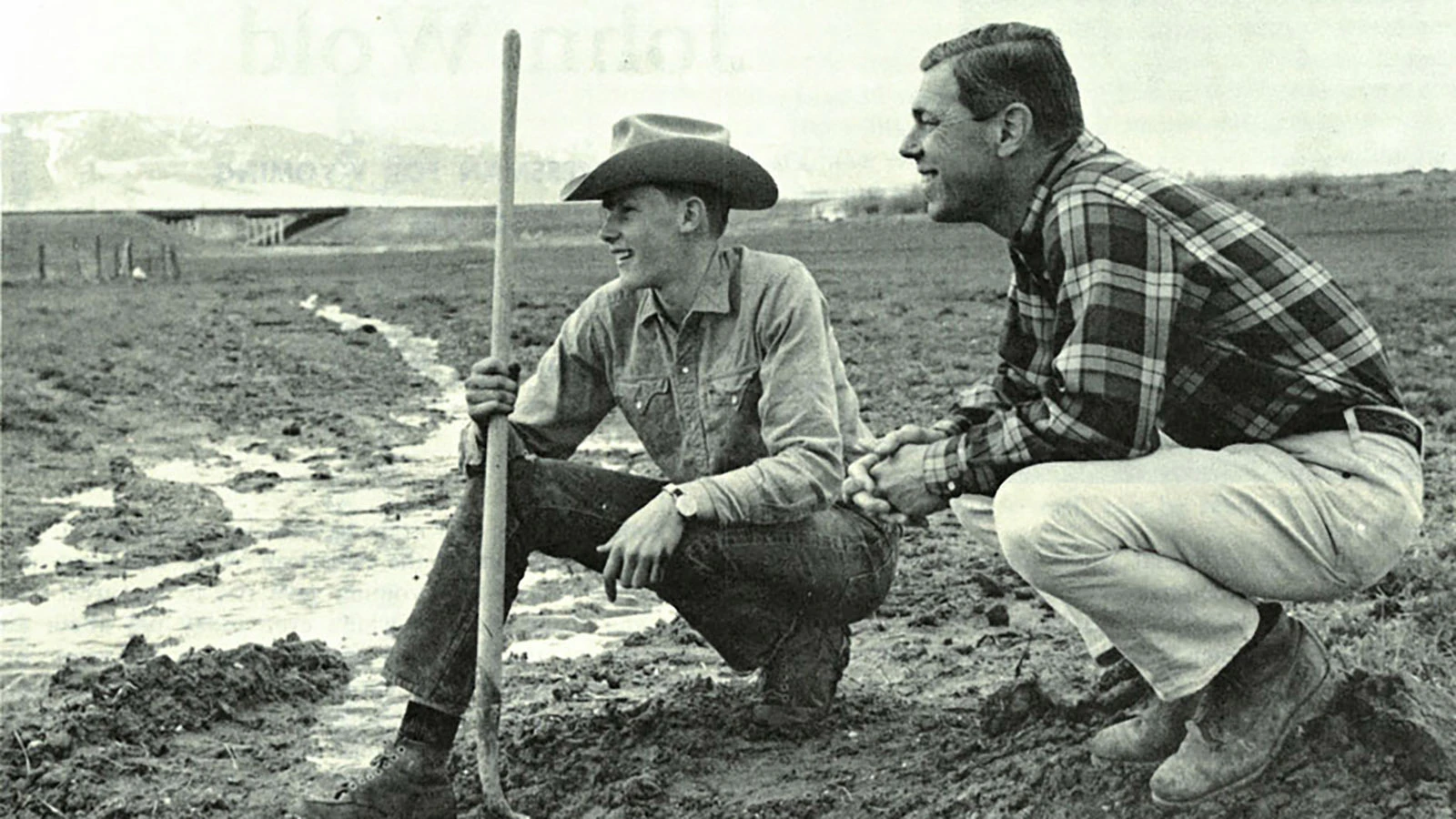
In 1977, he bought the Hole in the Wall Ranch southwest of Kaycee where the notorious Hole in the Wall Gang left their hoofprints fleeing the law.
Peter Wold said his dad did not buy the land because of the history.
“It was because of the fishing,” he said. “The Hole in the Wall Ranch has the Middle Fork of the Powder River as it comes out of the Bighorn Mountains and it runs through the ranch. And it is really good fishing.
"Dad loved to recreate and he loved fishing and one thing led to another and he said, ‘We ought to buy this place,' so we did.”
While his dad was not that interested in cattle ranching, Peter Wold is.
Today, the ranch runs 600-800 head of Black Angus cattle.
Wold also was key to the development of the Hogadon Basin Ski Area on Casper Mountain and helped support the building of the Casper Ice Arena, where he coached young hockey players.
As he grew older, macular degeneration, a trait that ran in his family, started to take Wold’s eyesight.
Peter Wold said his dad’s loss of vision frustrated him. Even though he couldn’t see well, he kept driving a car into his mid-90s.
“He didn’t like being dependent on someone to take him to the grocery store or bring him down to the office,” Peter Wold said. “The macular degeneration was very discouraging to him.”
Before he died, John Wold put money toward finding a cure for his blindness that became the Wold Family Macular Degeneration Center at Oregon Health & Science University’s Casey Eye Institute at Oregon Health and Science University.
The institute touts the center as a "central hub" for ongoing research and clinical care efforts as well as a "catalyst for further discovery and innovation by having research, clinical care and clinical trials all in one place."
Throughout his life, the former college athlete never stopped moving and working to stay fit.
Wold would do leg lifts and stomach crunches before getting out of bed. In his 90s, he was still running down his street even on ice and snow.
He continued to challenge himself mentally and never retired.
Legacy Of Giving
As Peter Wold and his brother Jack continue to work in the oil business started by their father, they and their sister, Priscilla Longfield, also continue the legacy of giving launched by their parents.
Peter Wold said the family foundation donates about $3 million a year.
The foundation’s directors include his brother, sister and himself, but John Wold’s eight grandchildren are now involved in choosing who the benefactors will be as well.
While his dad could be a “taskmaster” who wanted his children to have purpose and goals, Peter Wold said he also instilled a desire for them to make a difference in their time.
Peter Wold agrees he feels a “weight” and responsibility that flow from his dad’s accomplishments, and he thinks about that.
“How can I live up to his expectations? What should I be doing that would have him proud?” Peter Wold said. “He left a wonderful legacy that our whole family is proud of.”
When John Wold died at 100, the Casper Star-Tribune dubbed him Wyoming's “citizen of a century."
Dale Killingbeck can be reached at dale@cowboystatedaily.com.


