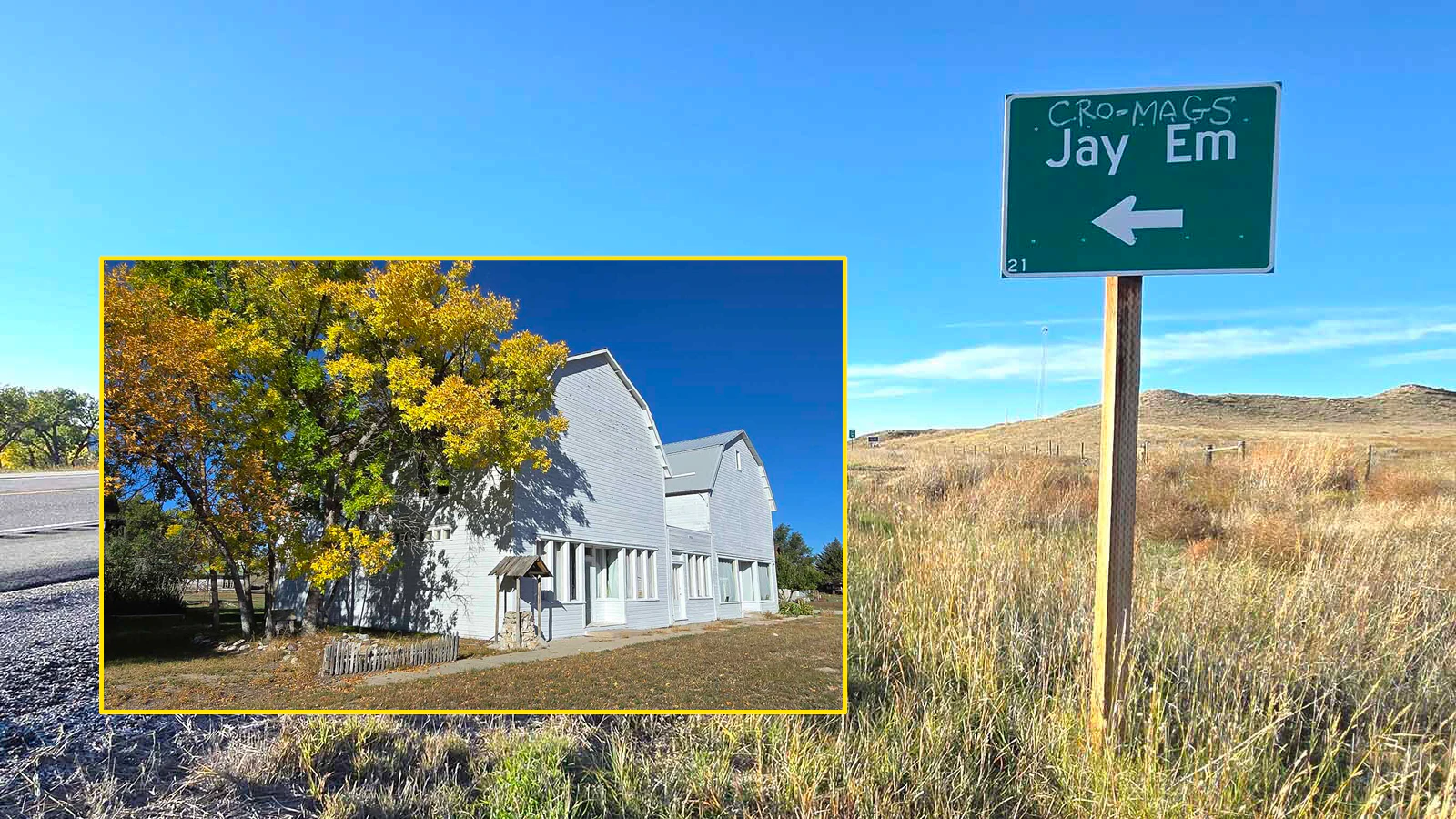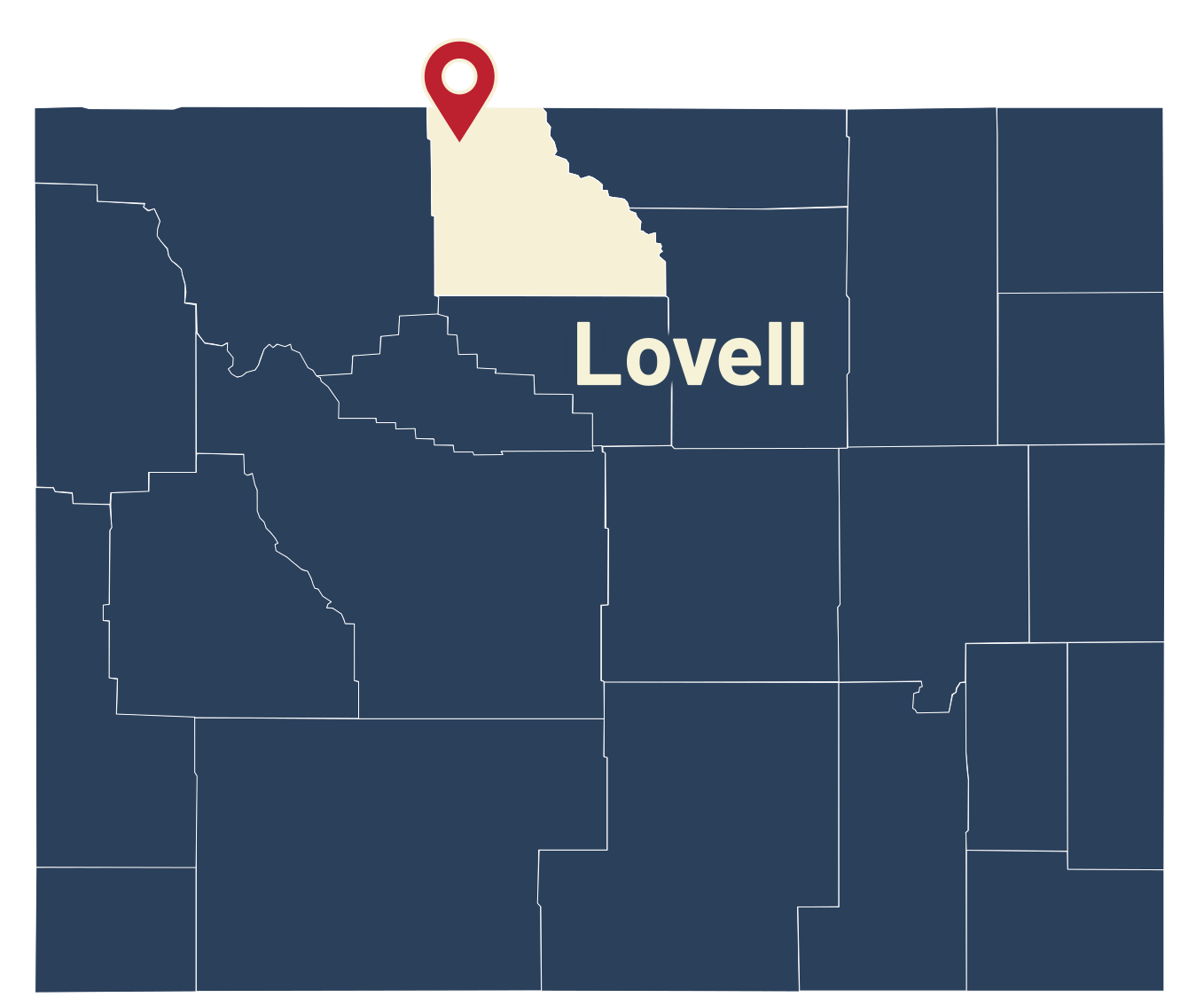
Following your dreams can take you to places that take your breath away.
That’s what Lovell, Wyoming’s Kyle Leithead and Pete Baxendale found on a 17-day trek through Mount Everest’s base camp and eventually to the top of another 20,000-foot Himalayan peak.
Experiencing the beauty, adventure, poverty and friendliness of that part of the world has changed him, Leithead said after the pair wrapped up the mountain part of their adventure and settled into a hotel in Katmandu.
“More than the scenery, the people are amazing,” Leithead told Cowboy State Daily from his hotel on April 24. “They are so humble, they have next to nothing — and they are happy with it.”
Social media posts from the pair show them interacting with the locals and their guides from the time they landed in Nepal’s capital, Kathmandu, about three weeks earlier.
Around “every corner” of their itinerary from Lukla, Nepal, to Everest’s base camp and the summit of 20,075-foot Labouche East southwest of Mount Everest, “there was something new to see, Leithead said.
Leithead, 46, said he had explored the possibility of trying to climb Everest back in 2005, but he had a young family, and the price of the trip was way beyond his budget.
Over the years, he would think about it again, but did not know of anyone who he could do it with.
That changed when Baxendale, 39, a longtime friend, posted on social media after watching something about Everest.
“He was kicked back in his recliner eating a bowl of soup and said, ‘This can’t be that hard’ — you know, joking around,” Leithead said. “And I responded, I’m like, ‘Let’s go!’ And he was on board. That kind of kicked it off.”
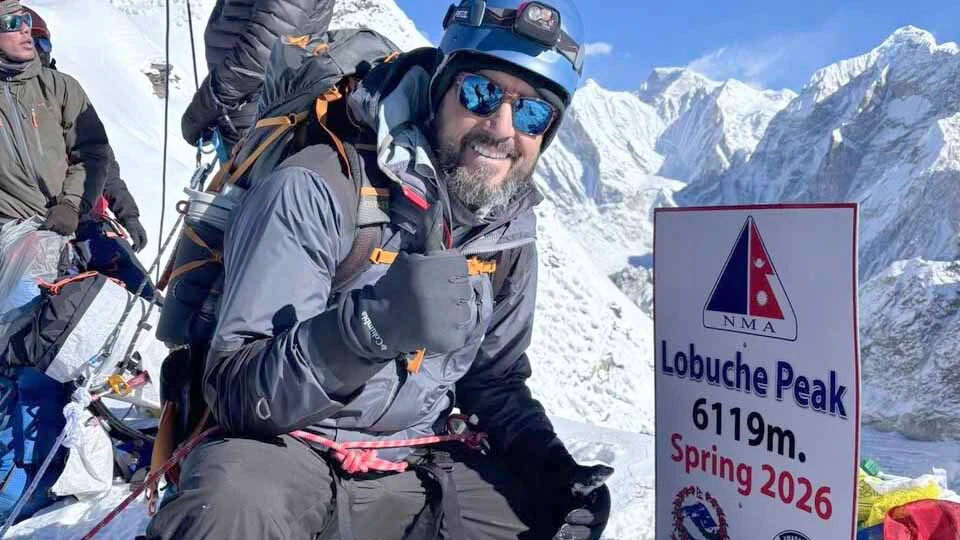
Keith Leithead with a sign of accomplishment. (Courtesy Keith Leithead) 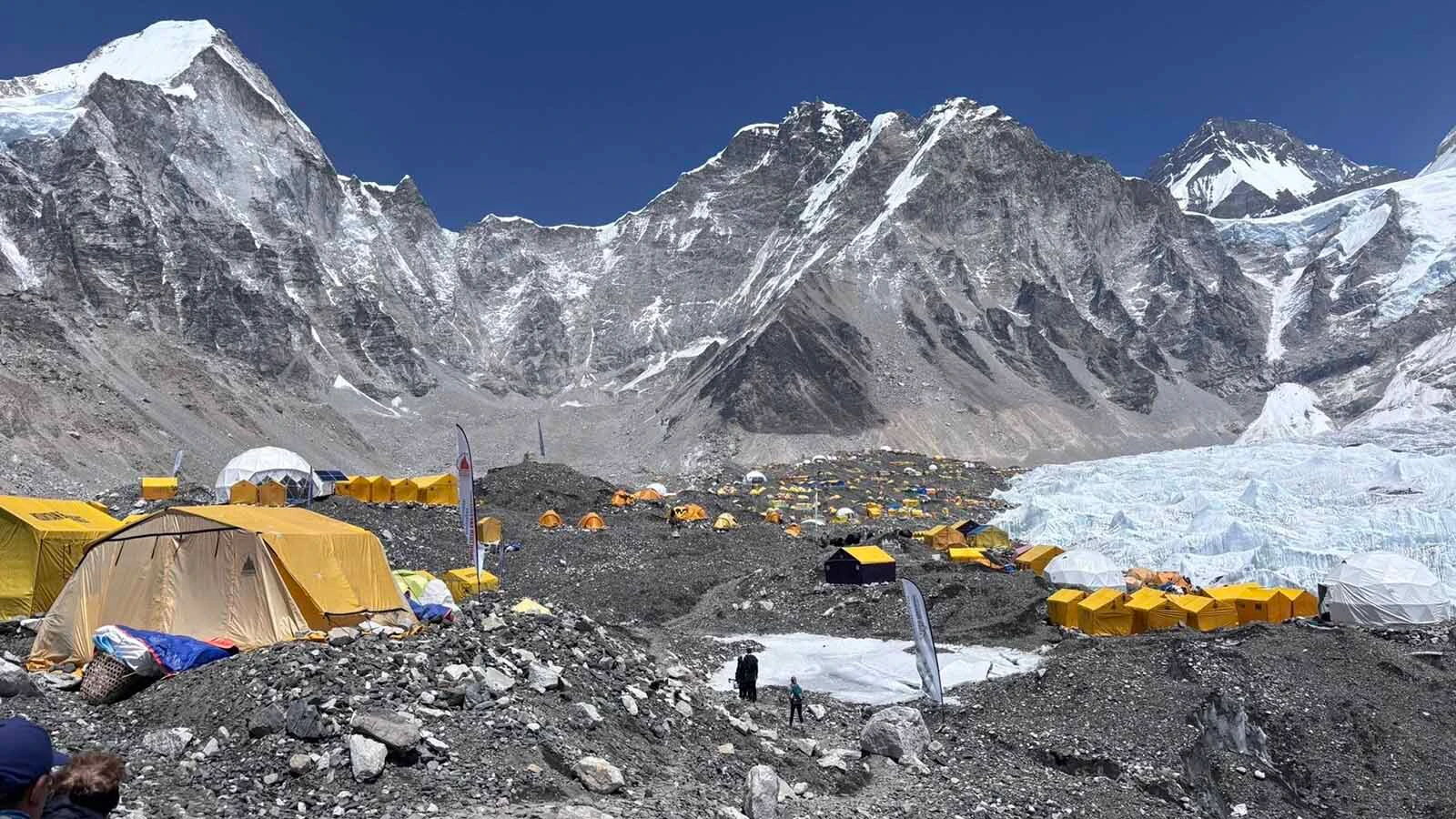
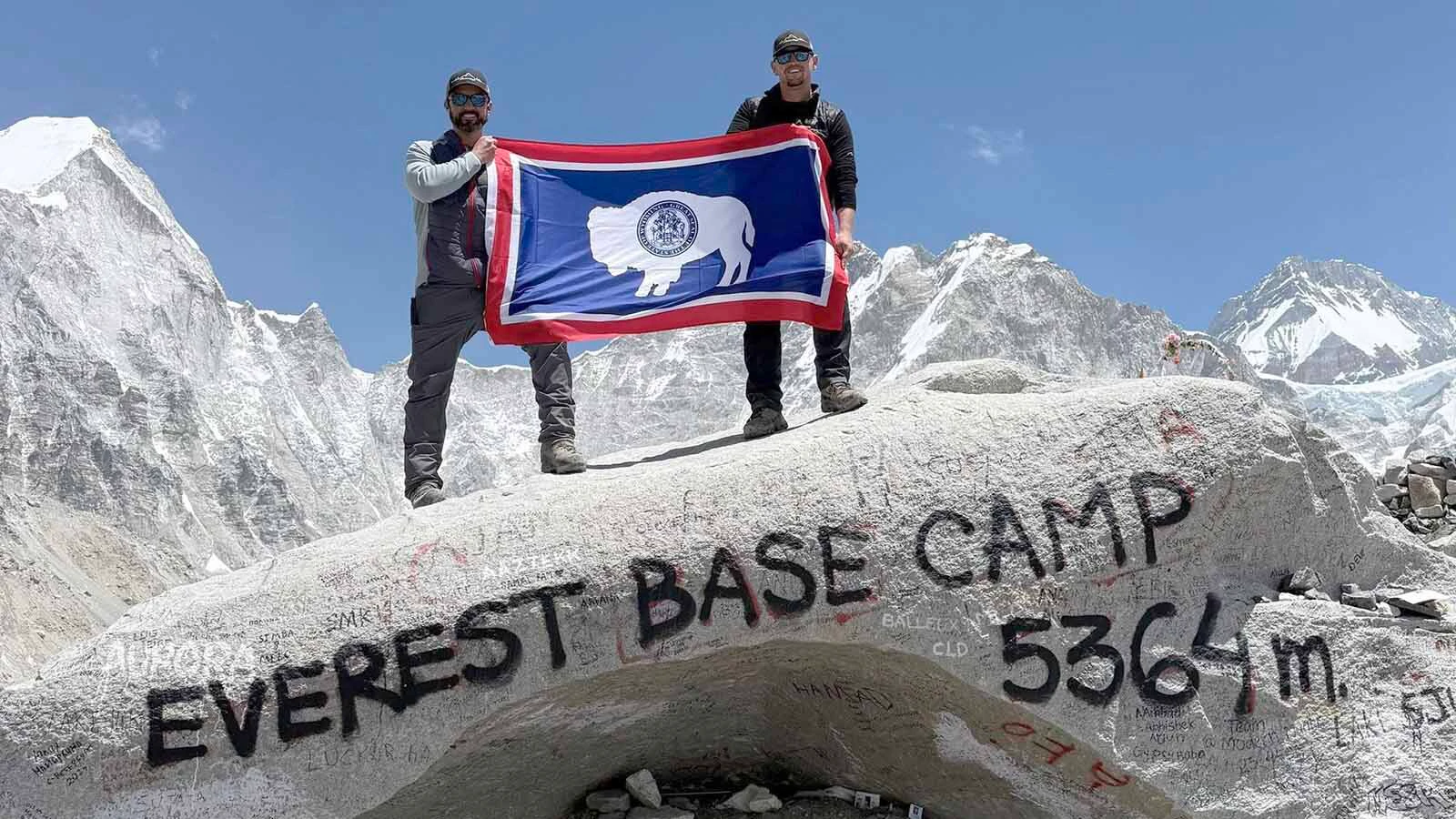
Mount Everest’s base camp was a definite destination for the Lovell pair on the trip. (Courtesy Keith Leithead) 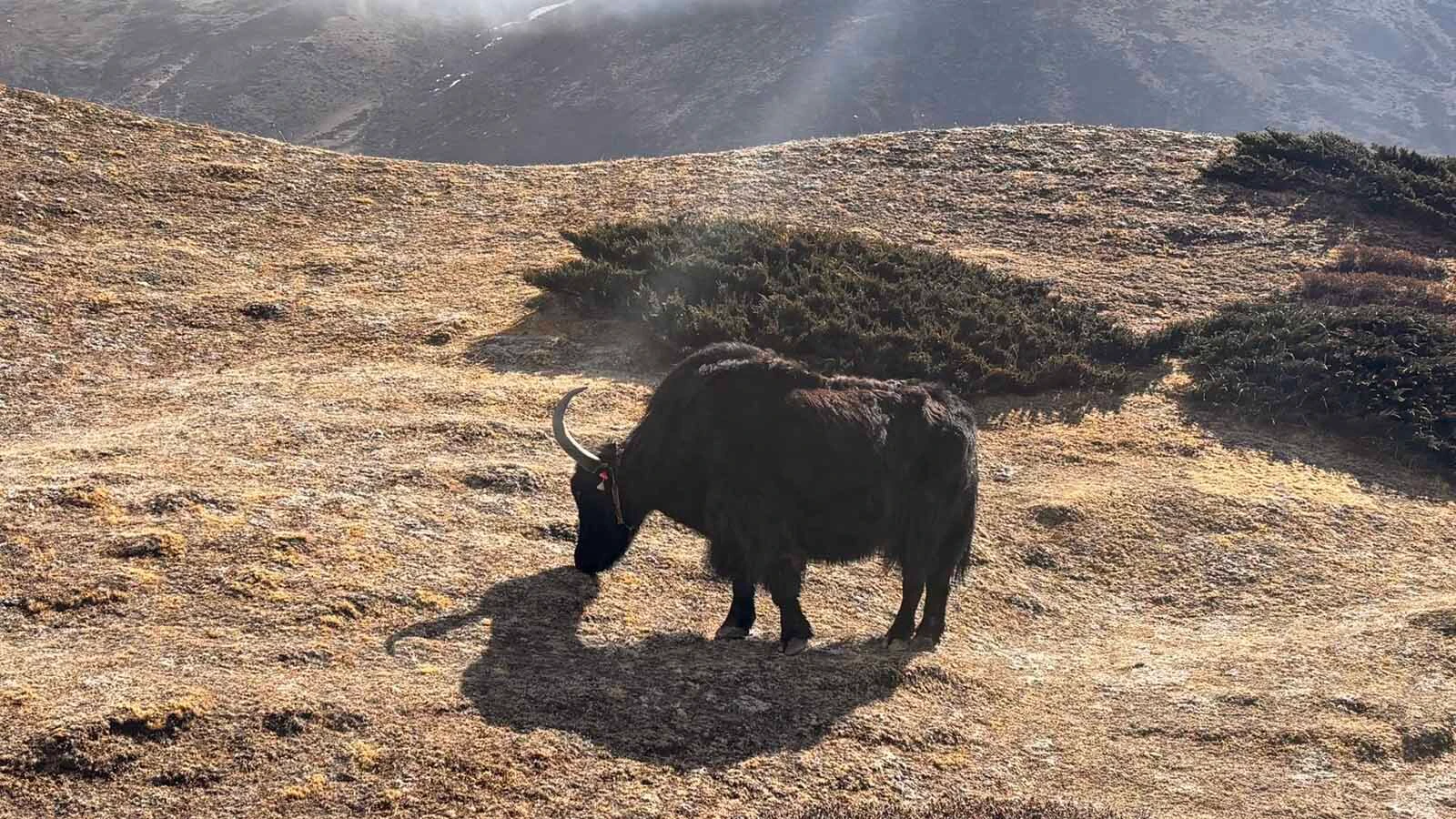
One of the sights along their trek including a yak grabbing a meal on a mountainside. (Courtesy Keith Leithead) 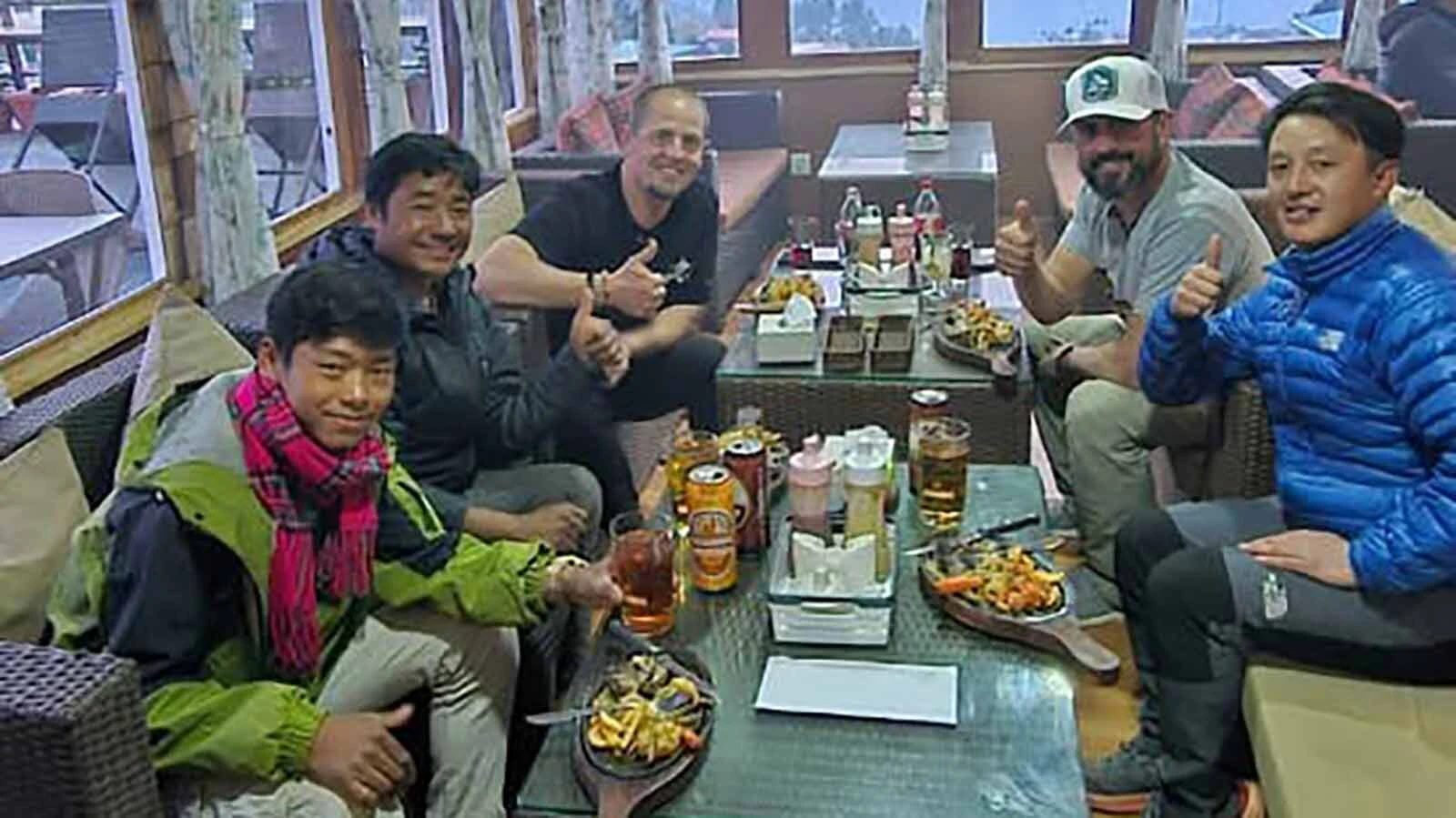
Pete Baxendale and Keith Leithead celebrated the end of their trek with their two porters and guide. (Courtesy Keith Leithead)
Making It Happen
The pair then started training and researching about the kind of trip they could put together.
Leithead said both of them did some weight training and body workouts, but the main focus in their three-months of prep was on stair mills at the gym that involved climbing rotating stairs on a machine. Leithead said he started out doing the stairs with a 30-pound vest and worked up to a 50-pound vest.
A typical workout three or four times a week involved doing 150-200 floors each session.
Their main planning for the trip was to spend a night at Everest base camp, but they quickly learned that a lot of guide companies do not have the permits to take people there or stay at the camp.
They found a company that did.
But they also found it was possible to take a trek called the Gokyo loop that took them to five lakes and gave them great views of Everest and other peaks. Then they added a trek through Cho La pass at 17,782 feet above sea level and summit on Lobouche East.
“We were just trying to the make the most of our time,” he said.
On day two in Kathmandu they witnessed bodies being cremated in the open on piles of wood and straw at a Hindu temple along the Bagmati River.
Leithead wrote in a social media post that the experience was “raw, unfiltered, and crazy to witness.”
Their actual trek started on April 6 with an unplanned helicopter flight from Kathmadu to Lukla in the Everest region.
Plane flights were canceled due to weather, so they chartered a helicopter.
Their itinerary took them up toward Mount Everest base camp through beautiful mountain scenery and lakes.
Much of the journey meant nights in tea houses along the way.
Before arriving at Everest base camp on trek day 12, they had already summited 17,600-foot peak Goyko Ri, crossed the second largest glacier in the world and climbed through Cho La Pass at 17,782 feet.
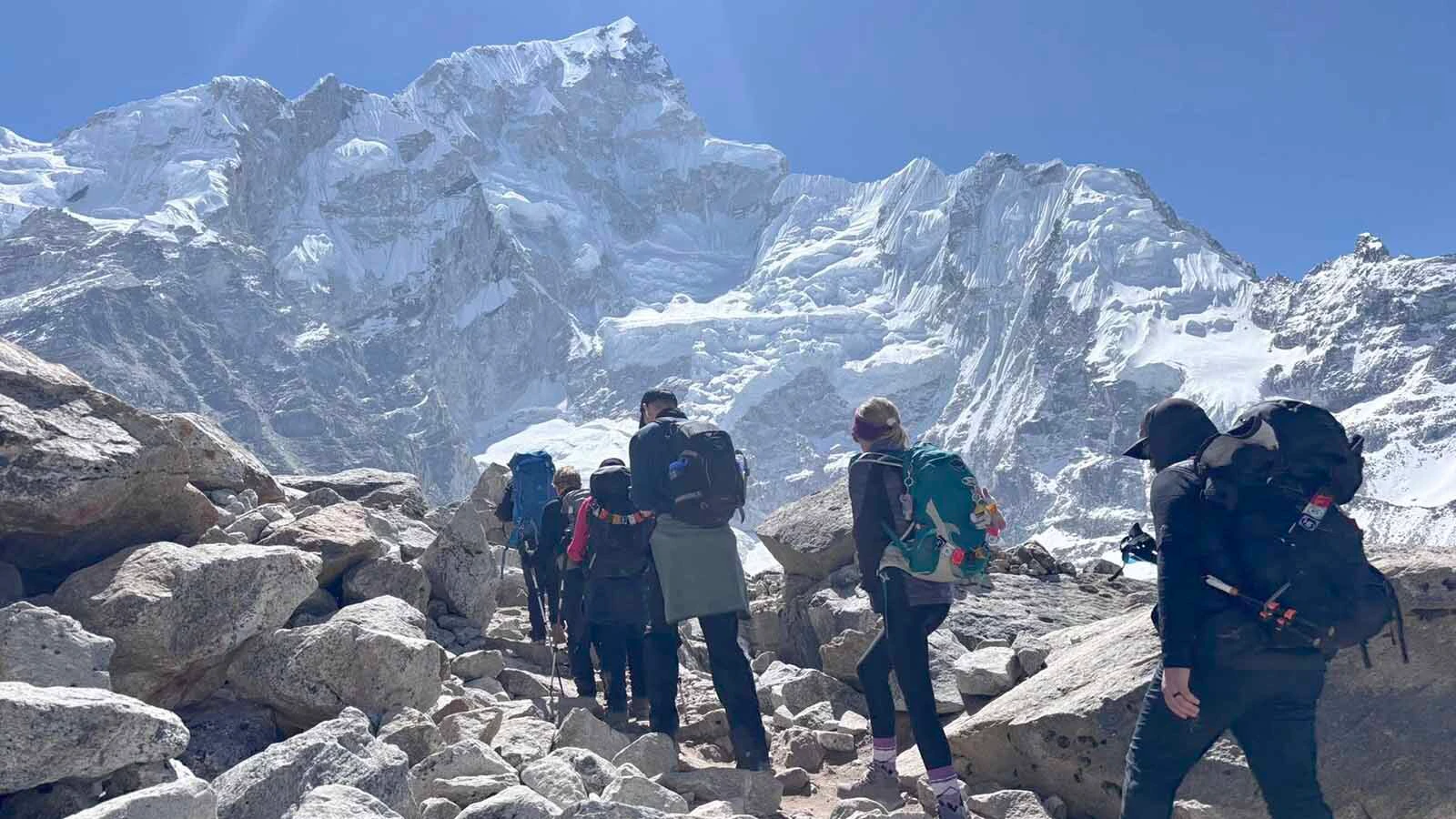
Keith Leithead and Pete Baxendale experience the beauty of the Everest region. (Courtesy Keith Leithead) 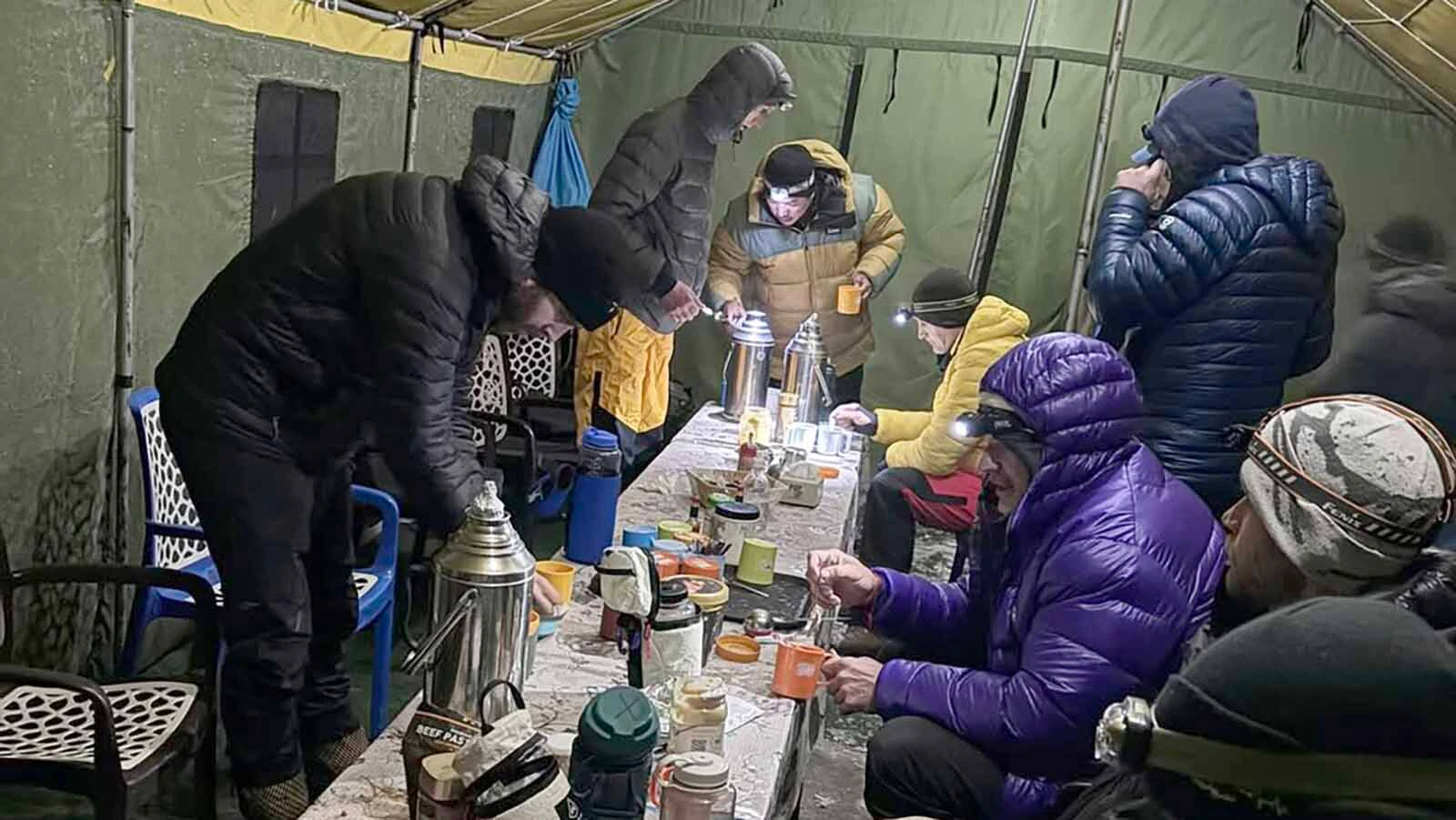
Climbers fuel up in preparation for their summit of Lobouche East. (Courtesy Keith Leithead) 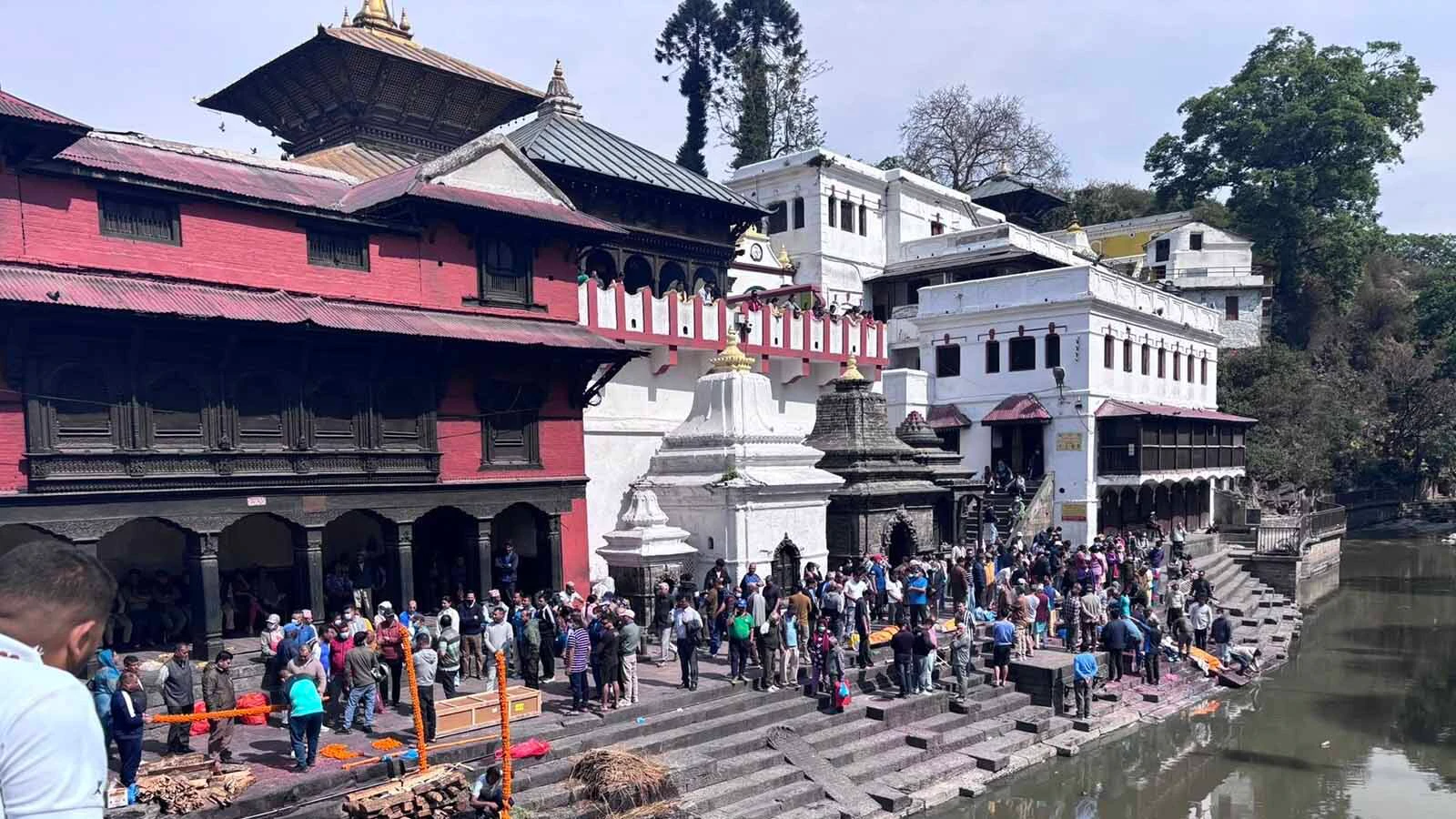
One of the more cultural sights in the Lovell pair’s journey involved witnessing the cremation of bodies in the open air outside a Hindu temple in Kathmandu. (Courtesy Keith Leithead) 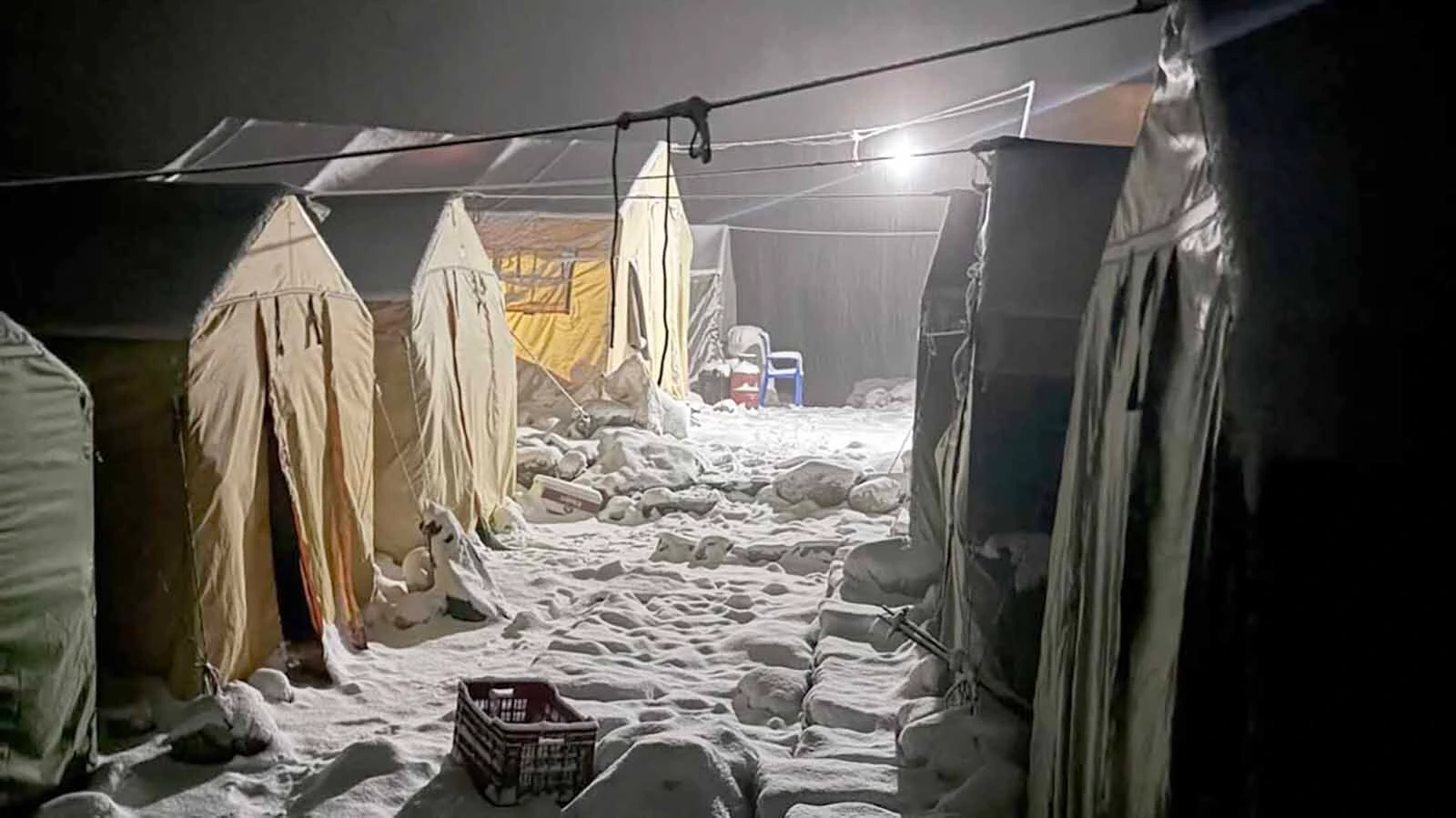
Tents and snow were part of the experience of the Lovell friends as they prepared to make the summit of Lobouche East. (Courtesy Keith Leithead)
At Everest’s Base Camp
Everest base camp was a real highlight, with Leithead doing a live broadcast and posting it on social media.
“It was super awesome. You could hear the Khumbu Icefall cracking and popping because it is constantly moving,” Leithead said. “And just to see the work that goes on up there in setting it up.
"Because base camp is built every year and tore down every year at the end of climbing season to provide jobs for the locals.”
The camp is built on a glacier, so the workers have to flatten spots for tents. Leithead said they were not allowed to go past the camp, but did get to walk down to the edge of the glacier and see the river running underneath it.
Leithead said that the route across the ice fall for those trying to summit Everest that involves ladders and ropes still had not been established when they were there.
He said he talked to the team who set the ropes and ladders and they said what normally takes 20 days has already been two months this year.
“They are waiting on a big ice wall up there to fall,” he said. “It’s been kind of difficult for them.”
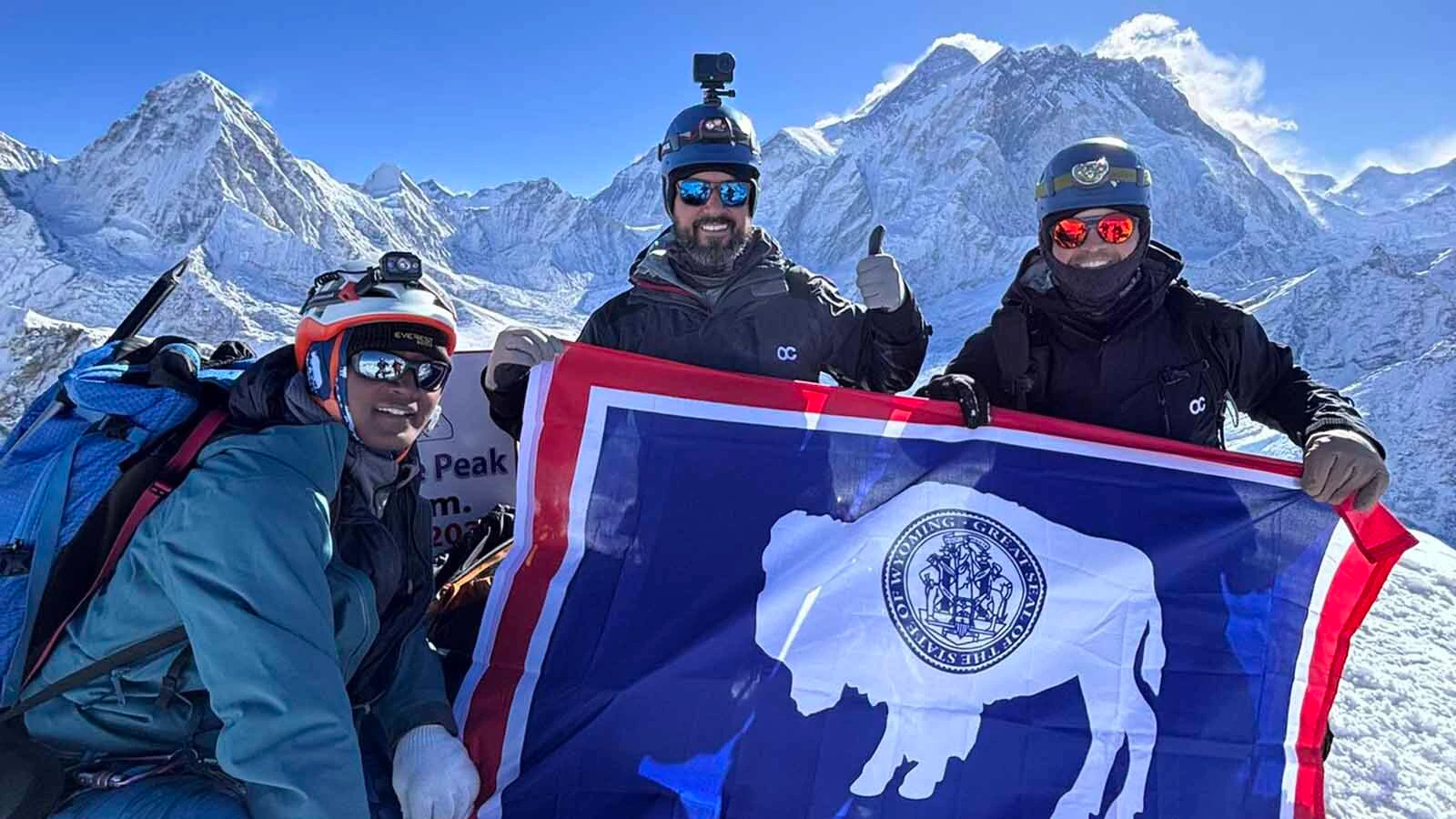
After Everest base camp, the duo hiked back down the mountain and then over and up to summit Lobouche East three days later at 20,075 feet,
While the trek involved ropes, crampons, and double-layer mountaineering boots, there was no oxygen involved.
Despite all his stair training, Leithead said the challenge with the lack of O2 was “as real as could be.”
His legs on the summit, though strong throughout all the other days of trekking “were just starving for oxygen.”
“Once you get past that 18,000 to 19,000 feet up to 20,000 you can feel it,” he said. “It’s super thin.”
At The Top
Despite the challenge, the pair summited unfurling a Wyoming flag at the top.
They were able to come down safely, although two others in their party had to be evacuated due to altitude sickness.
Back in Kathmadu, the pair enjoyed long hot showers. They had just three during the 17-day trek.
In the tea houses, showers may not be warm if the water is heated using solar panels. The water is hot if the tea house has propane-fired heaters.
But the Lovell fire department volunteer knows the dangers of having a propane heater in the room as you shower.
“You have to crack a window. They recommend only staying in there for five or 10 minutes,” Leithead said.
Food during the effort was good, although they stayed away from any meat in the tea houses on the mountains because the meat is brought in raw in bags on the back of a yak.
This year’s trek has stirred up an interest to return and a thankfulness for the opportunity, he said.
Already, the pair are talking about returning. Leithead already has thoughts about a more technical climb to summit Ama Dablam, a 22,349-foot mountain, and another trekking mountain, Manaslu, at 26,781 feet.
He said Baxtelhead is not interested in the technical climbing but would consider doing Manaslu.
As a member of the fire department as well as at the oil company where he works, Leithead said he has had rope rescue training but has not tried tackling a technical climb on a mountain. He wants to do it while he can.
Leithead said he learned things on this trip.
A guide asked them about the “roses, thorns and buds” they experienced. The roses represent the enjoyable things, the thorns the unenjoyable, and the buds are the things one looks forward to experiencing.
“The trek was full of roses along the way,” Leithead said. “My hope would be that people don’t push off their dreams, they just go ahead and make them happen.”
Dale Killingbeck can be reached at dale@cowboystatedaily.com.