
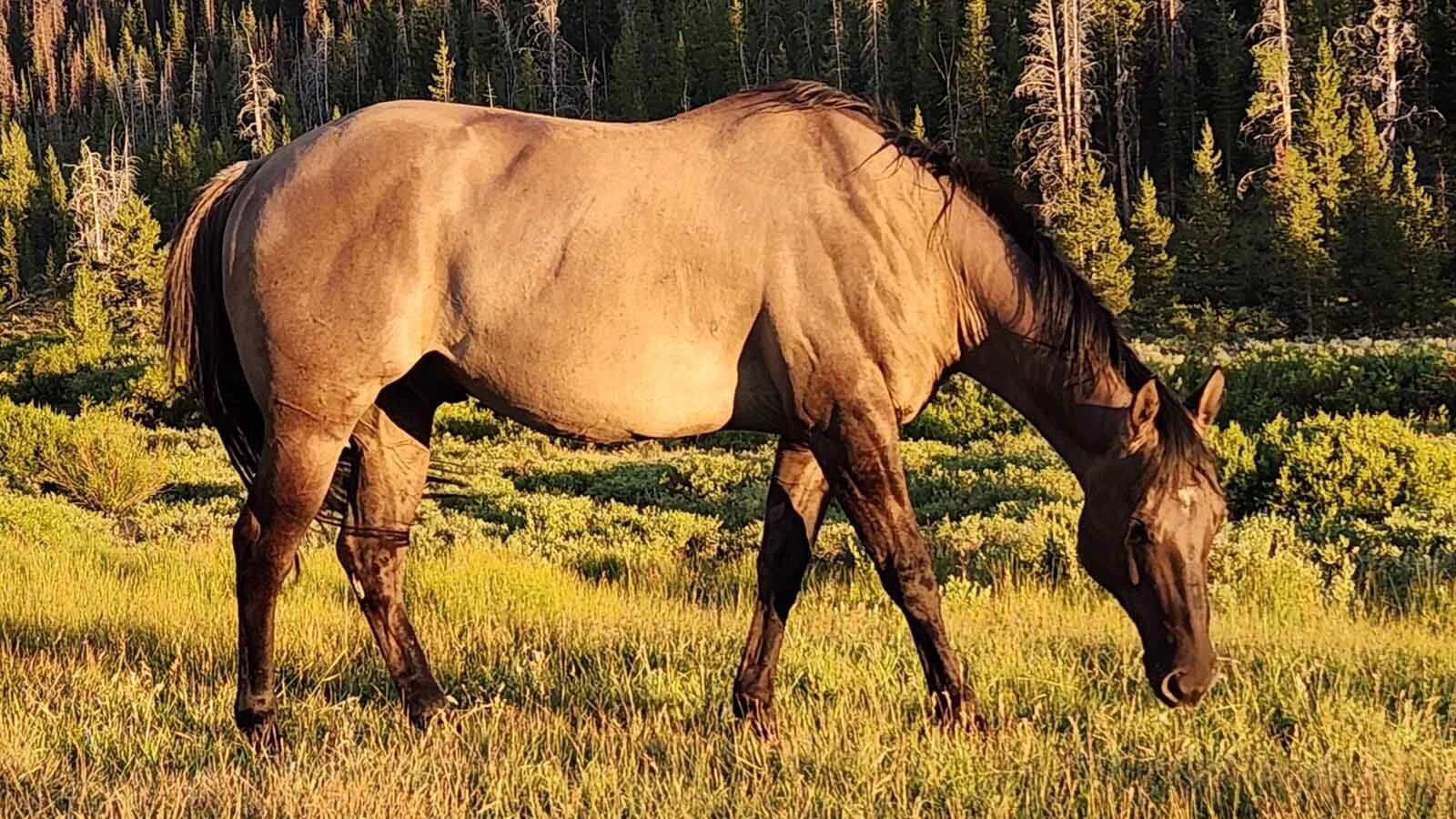
In January, a horse that had been lost and alone in the snow-covered Wind River Mountains for nearly seven months was rescued by a team of determined Wyomingites.
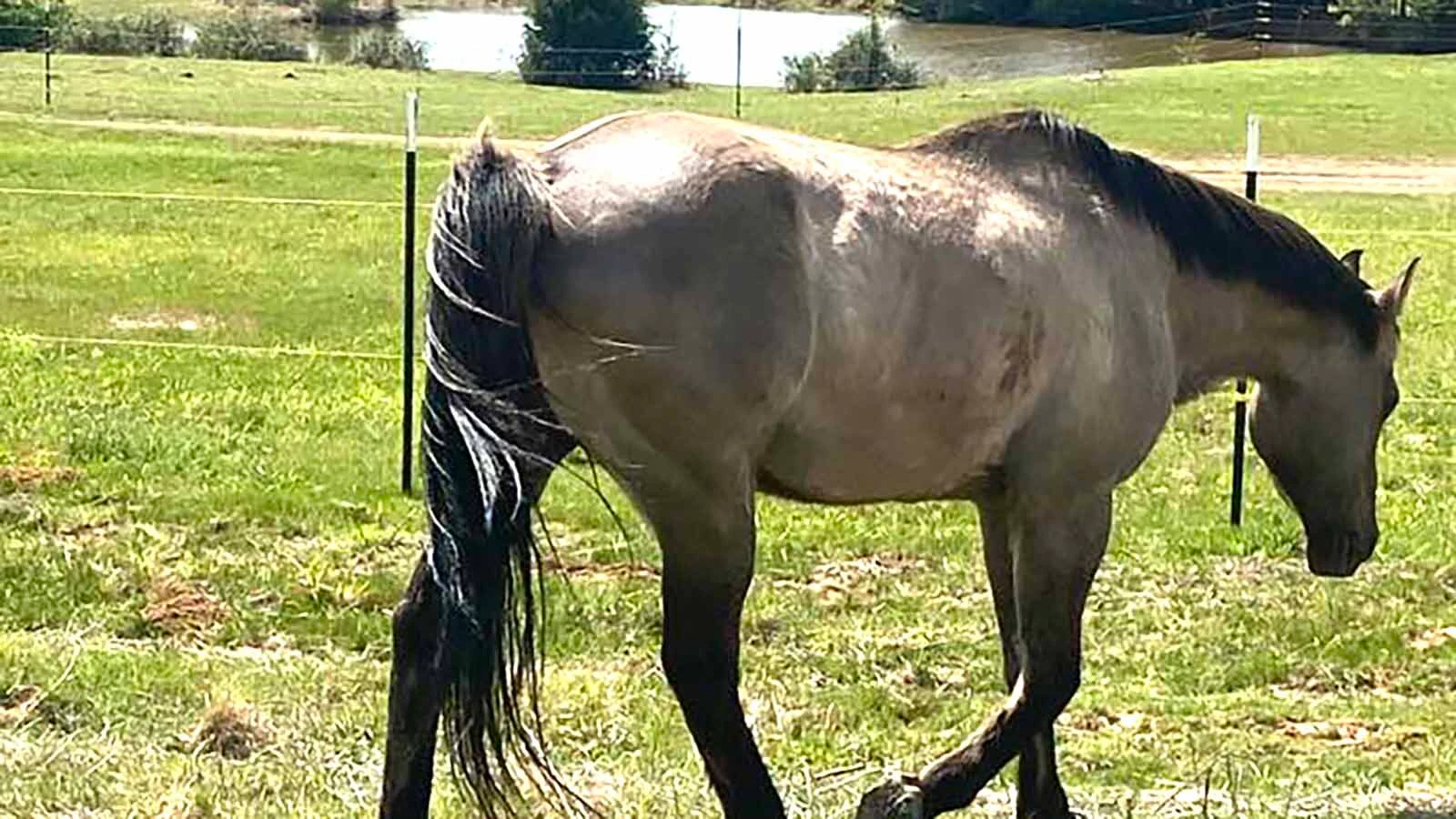
Three months later, the horse — named Mouse — had made a full and miraculous recovery on a ranch in Oklahoma.
Emiliano Lettiere, the horse’s owner, gave Cowboy State Daily an update on Mouse’s health. With some rest, warmer weather, and miraculous feed, his grulla is doing better than anyone could have guessed.
“He's making a great comeback,” Lettiere said. “He's pretty much made it from walking death back to full condition, and he’ll be back in the Wyoming mountains this summer.”
Always A Loner
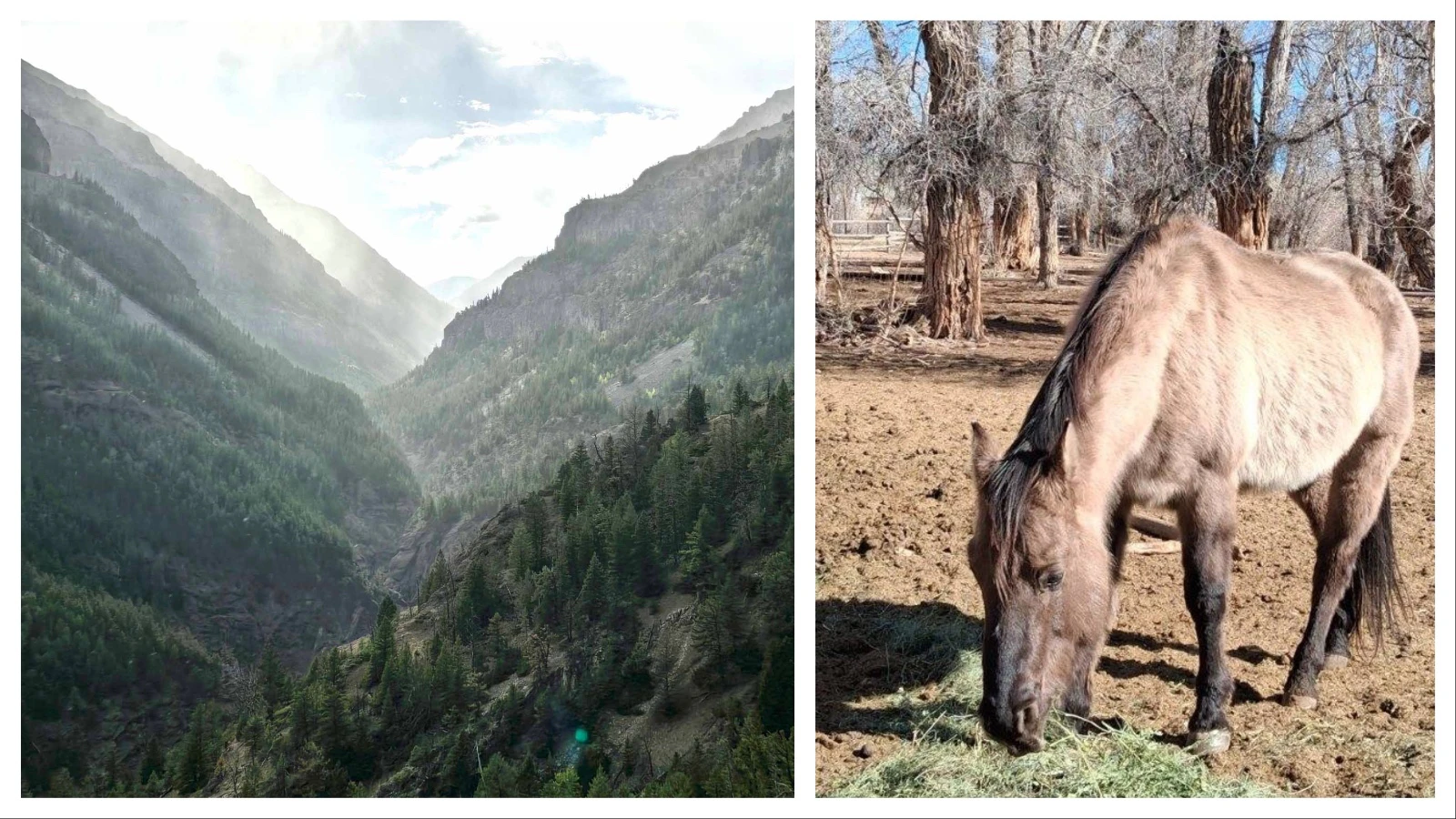
Mouse got lost during a backcountry packing trip in July 2025. The horse simply walked away from the rest of the group near Moon Lake Union Pass in the middle of the night.
“I had him dead-headed in the middle of the night, and he walked off," Lettiere said. "We just couldn’t find him. That’s the whole reason I named him Mouse. He never really cared about being around other horses or people."
Lettiere spent a month and a half looking for Mouse in the Wind River Mountains, but there was no sign of him. Eventually, he had to stop looking and start hoping.
“It's such big country up there, and he’s a natural loner,” he said. “A horse just disappears up there.”
There was no sign or sighting of Mouse for almost seven months. Tighe Krutel, a snowmobile mechanic with Union Pass Rentals, finally spotted Mouse alive in the mountains on Jan. 18.
“He probably had a couple weeks left in him, but not much more than that,” Tim Koldenhoven, owner of Union Pass Rentals, told Cowboy State Daily. “If we had another big snowstorm, I think it would have been the end of the horse. With more cold weather coming in, he needed to come out of there.”
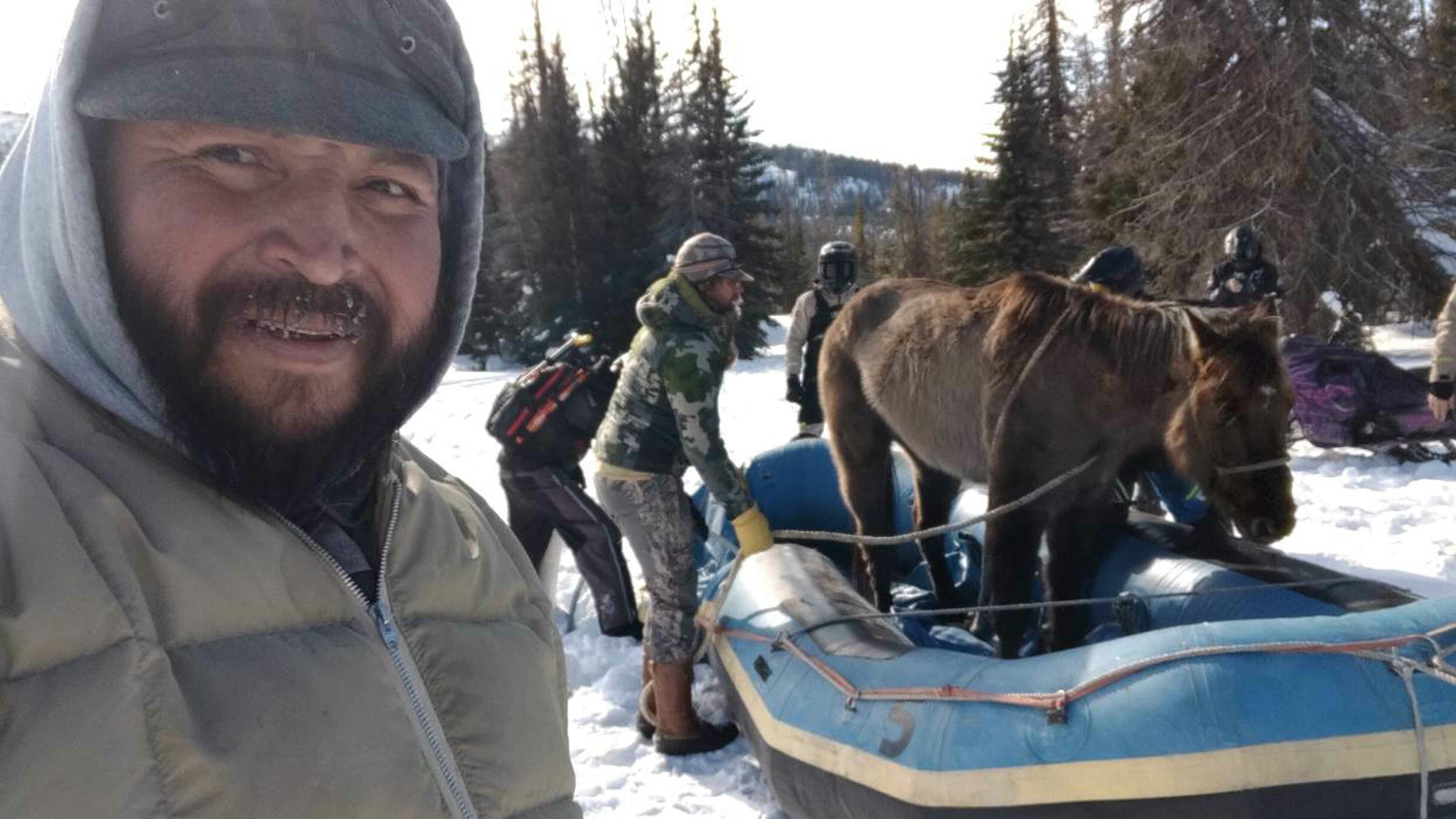
Several people brought food to the spot where Mouse was seen to keep him alive while they devised a plan to rescue him. The next week, they got the horse out of the mountains using several snowmobiles, a Snow Cat, and a whitewater river raft.
Lettiere was on the scene of the rescue but couldn’t head all the way up to reach Mouse.
“I was on crutches at the time, so I got my trailer up on the mountain as far as we could get it, and they brought him to me,” he said.
Lettiere was ecstatic to have Mouse back, but admitted he wasn’t too surprised that his horse had managed to survive almost seven months in the Wind River Mountains.
“He's a mountain-bred and raised horse,” he said. “We can only guess what he went through up there, but it was just a will to survive. He had no other choice.”
Road To Recovery
When Mouse was safely rescued and put in a pasture near Dubois, he was not in a good way. Lettiere said his six-year-old grulla “looked like a gutted snowbird.”
“He was walking death when we pulled him off the mountain,” he said. “You could feel every bone in his body, and he had a big, open cut across his back. I don't even know how that happened.”
Mouse was so weak that Lettiere filled buckets of water and carried them over to him so he could drink.
“He couldn't even walk 50 feet to get water,” he said. “He had a rough go up there.”
Lettiere quickly decided to put Mouse back in the trailer and get him to the Hard Pan Hideout, a peaceful pasture in Oklahoma, where he could recuperate.
“It was just the best place for him to make a comeback,” he said. “It was still winter in Dubois, and in Oklahoma he could eat as much as he wanted, and had plenty of room to run, buck, and work himself and his muscles back out.”
Lettiere believed Mouse could recover, but he knew he needed to help however he could. He also knew to temper his expectations.
“I've been through this before with horses that get ridden down so hard, they lose their muscle mass,” he said. “That atrophy is really hard to get back. That was going to be the biggest part of his comeback.”
Extreme Equine Supplements
Many people might credit Mouse and Lettiere’s horse husbandry for Mouse’s recovery. While Mouse deserves the bulk of the credit, Lettiere says the unsung hero of this story is the family-owned Extreme Equine Supplements in Oregon City, Oregon.
Several companies reached out to Lettiere, offering to donate their supplements to assist with the horse’s recovery. Nothing seemed right until Extreme Equine Supplements reached out to him.
“They donated a whole bunch of supplemental feed to him, and he's been on that since day one,” he said. “I promise you, that was what brought him back to life. It wasn't us or anybody else. It was that Extreme Equine feed.”
Lettiere’s astonished by how much health, energy, and muscle mass he’s recovered over the last three months. He credits most of that to Extreme Equine Supplements.
“I've used a whole bunch of stuff in my lifetime, and nothing works like this,” he said. “I hope everybody out there in the world who ever has a horse that needs a comeback will use their stuff. That’s what saved Mouse’s life.”
'My Horse, My Responsibility'
When Mouse was found and rescued, his story of survival gained a worldwide audience. Soon, people were flooding Lettiere with donations to assist with the horse’s recovery.
“I got so many $5 and $10 donations so quickly that U.S. Bank shut my account down,” he said. “That’s why I immediately put an end to it.”
Lettiere has immense gratitude to everyone who has or offered to donate towards Mouse’s recovery, but he “feels funny” accepting money. The important thing he immediately accepted was responsibility.
“It's my horse, my responsibility,” he said. “We appreciate all the help and everything, but I felt really funny accepting anything. That’s why I didn’t partake in any of the media coverage, but I damn sure want to give those people who did donate a shout-out.”
A Classic Comeback
Has Mouse learned anything from his harrowing seven-month ordeal in the snow-covered mountains? It’s hard to tell, but Lettiere said he’s definitely changed since his rescue.
“He's way more personable,” he said. “He wants to be around me, people, and other horses. He’s had enough of solitary.”
Last summer, Mouse was just another horse that seemed hopelessly lost. This summer, he’ll be back where his story started and getting the celebrity treatment.
Mouse was born and bred to be a mountain horse, and that’s exactly where he’s headed. Lettiere has an entire summer of mountain adventures planned with Mouse and the rest of his pack horses.
“I do all my mountain work in Wyoming, so he'll be getting pulled back up there in June,” he said. “The magazine Cowboys and Indians is going to do a front-cover feature article on him when he’s back.”
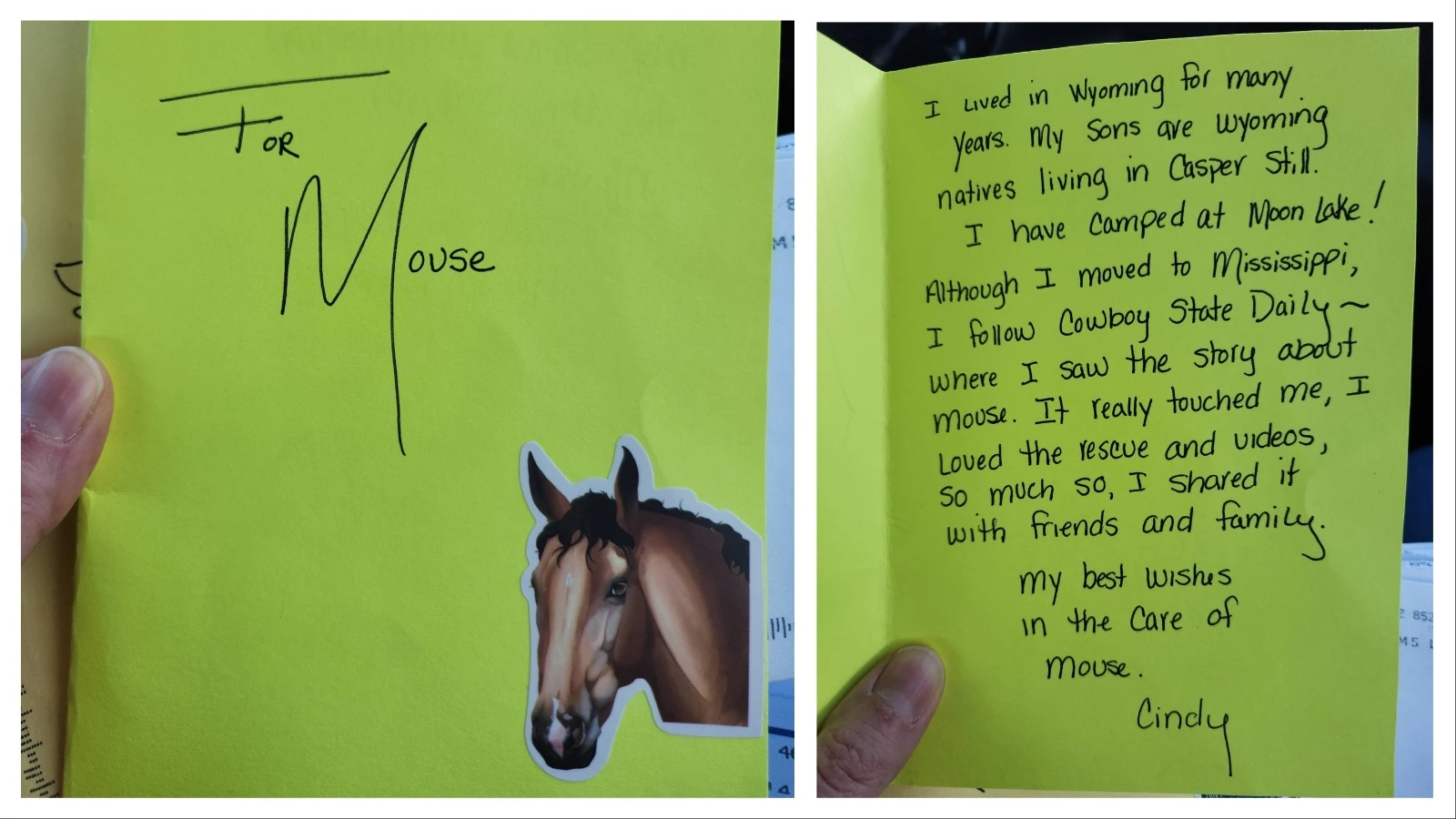
Lettiere is still receiving calls and messages from people seeking updates on Mouse’s health. He’s amazed by how Mouse’s rescue and miraculous recovery have profoundly impacted so many people around the world.
“He really touched a lot of people,” he said. “He used to that big country, hard falls, and hunting, but he just had something inside him to survive.”
Andrew Rossi can be reached at arossi@cowboystatedaily.com.


