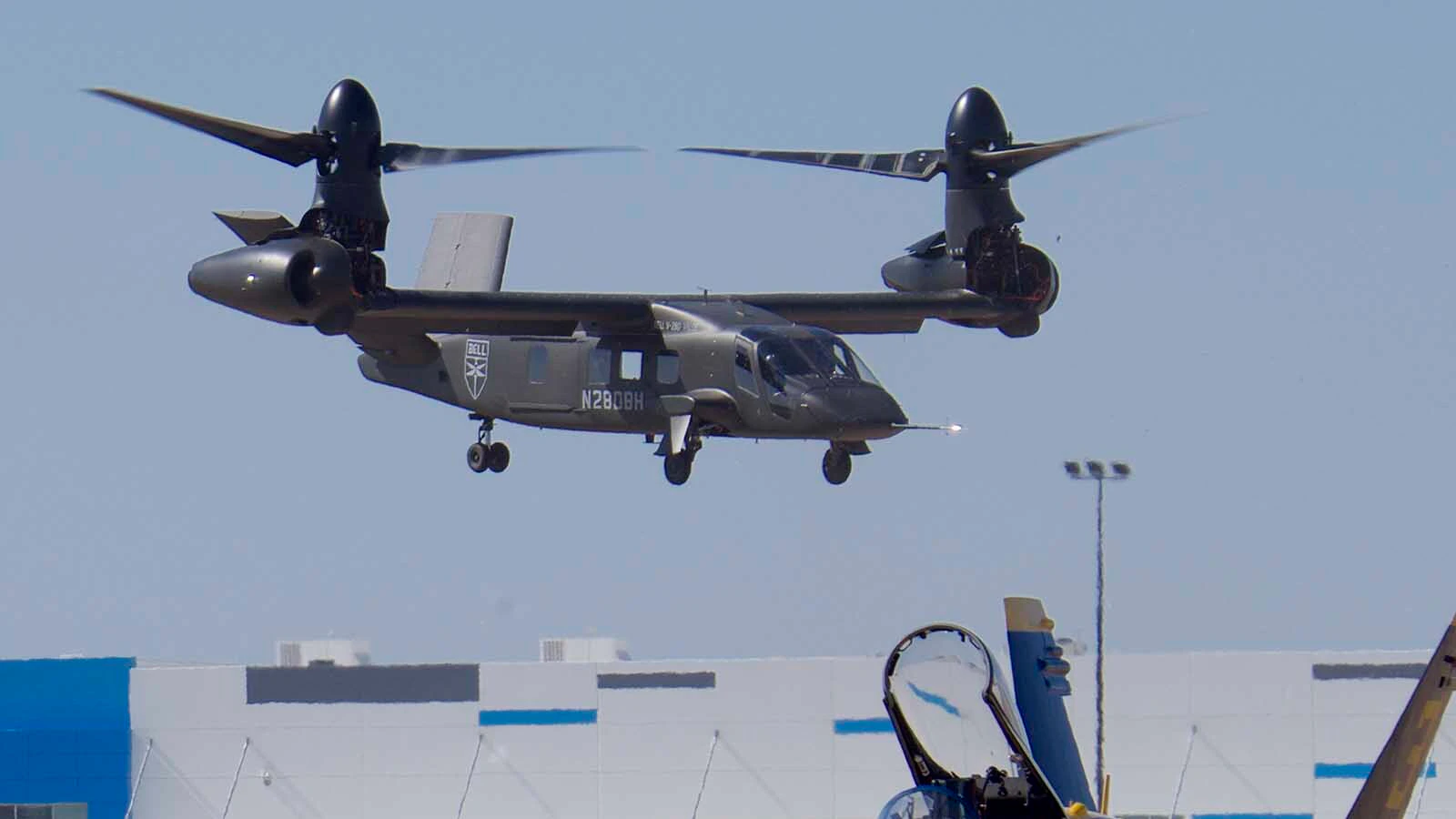
The U.S. Army’s newest aircraft — a next-generation helicopter designed to fly faster and farther than today’s models — will carry a name with deep historical and cultural roots: Cheyenne II.
Army officials say the decision to revive the name was deliberate, tying the future of military aviation to both the legacy of a canceled Cold War-era helicopter and the enduring identity of the Cheyenne people.
“The MV-75 Cheyenne represents a leap forward in technology and capability,” said Army media representative Jennifer Ivey-Harper. “By reusing the ‘Cheyenne’ name, the Army honors its commitment to innovation and its ability to overcome historical challenges to field a new generation of aircraft.”
The name was officially announced on April 15, and Bell Textron is building and testing the aircraft now with delivery to the Army set for next year in advance of a 2030 scheduled rollout of putting the aircraft into service.
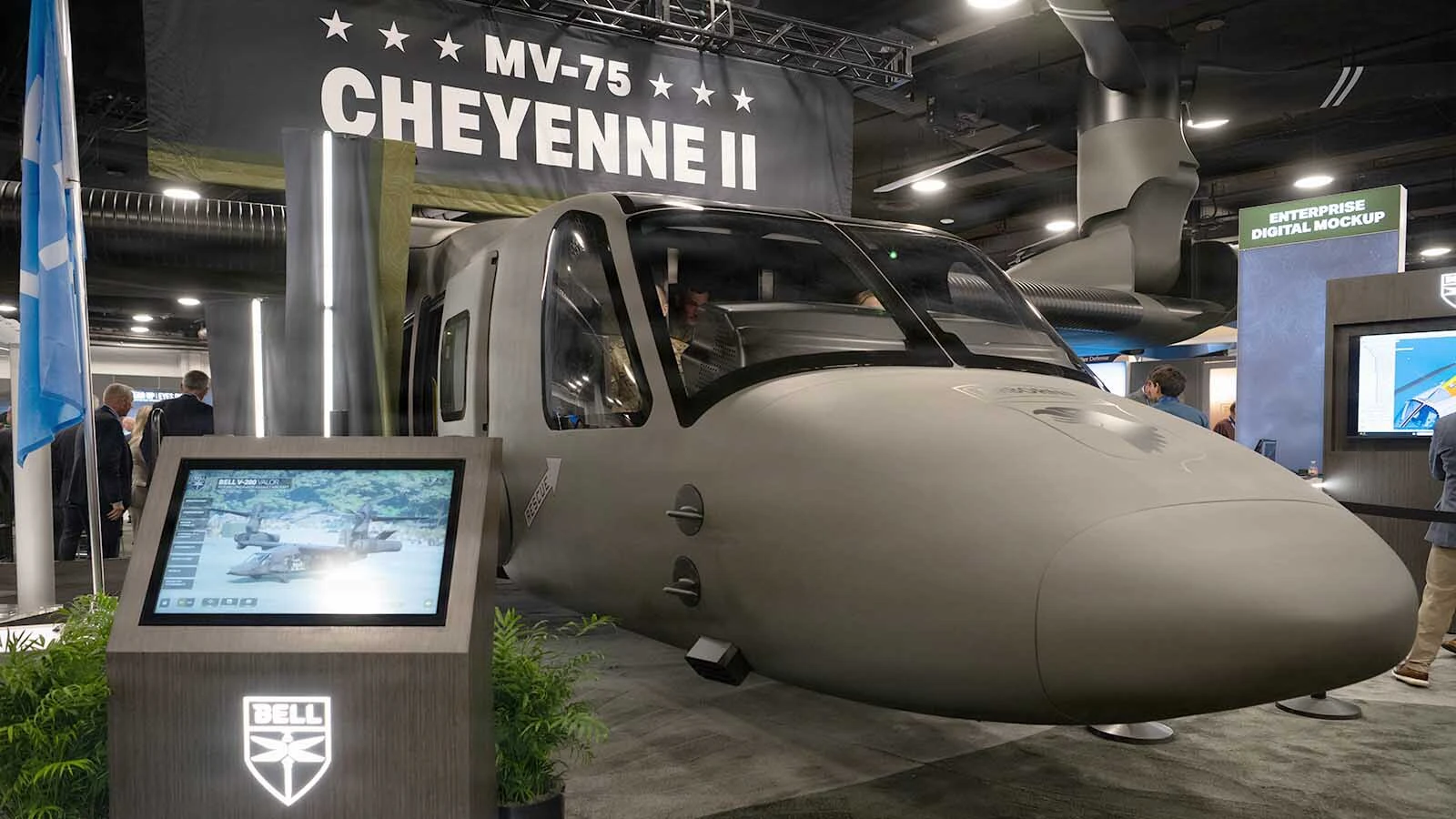
U.S. Army soldiers tour the new MV-75 Cheyenne II Aircraft during the Cheyenne Tribal visit to the Cheyenne II Aircraft unveiling at the Army Aviation Warfighting Summit at the Army Aviation Association of America in Nashville, Tennessee, April 15, 2026. (U.S. Army photo by Cpl. Jesus Menchaca) 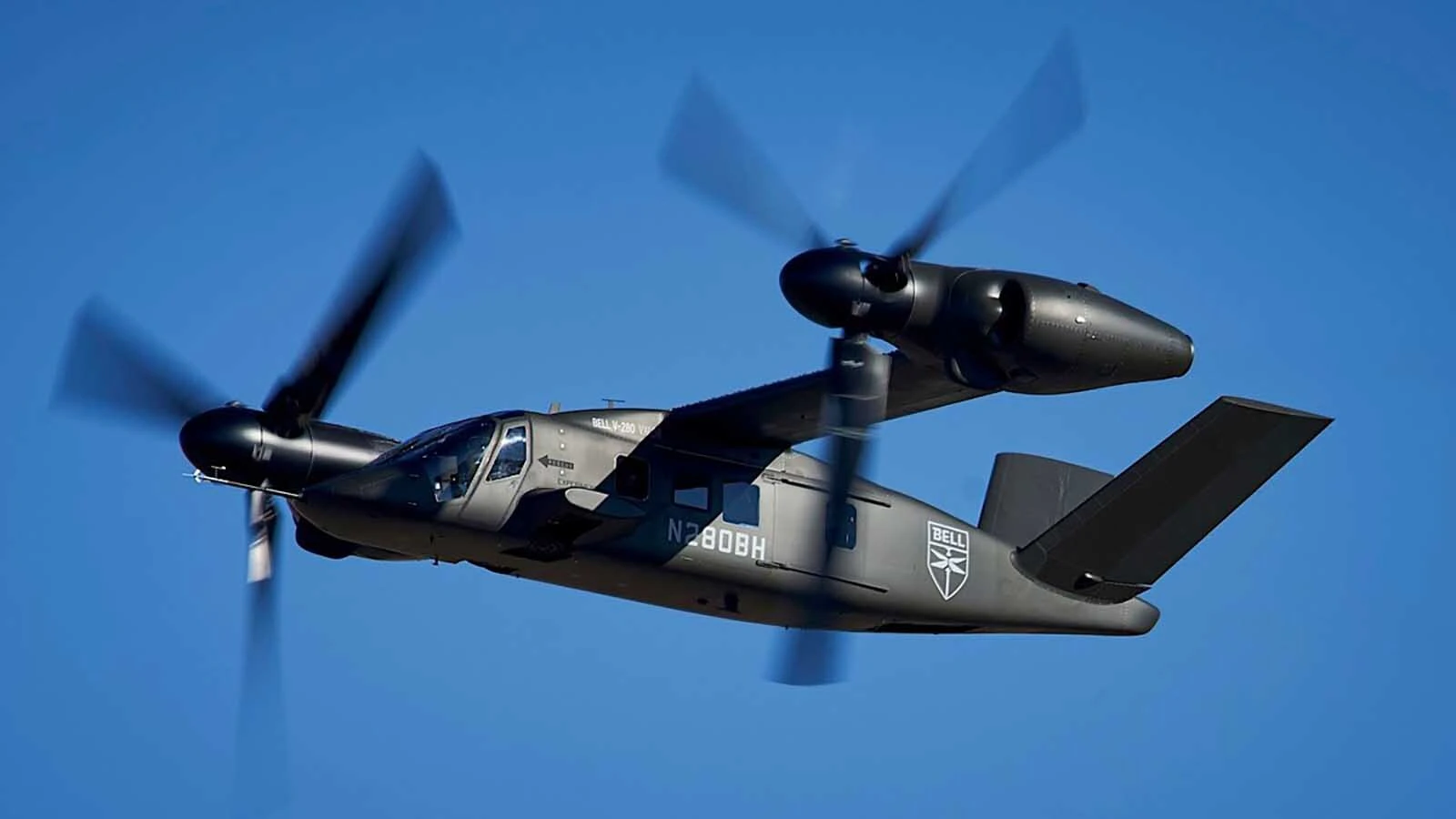
The Army’s newest war machine — a next-generation helicopter designed to fly faster and farther — will carry a name with deep historical and cultural roots: Cheyenne II. The Army says it “immortalize the formidable warrior spirit” that comes with the name. (Courtesy U.S. Army) 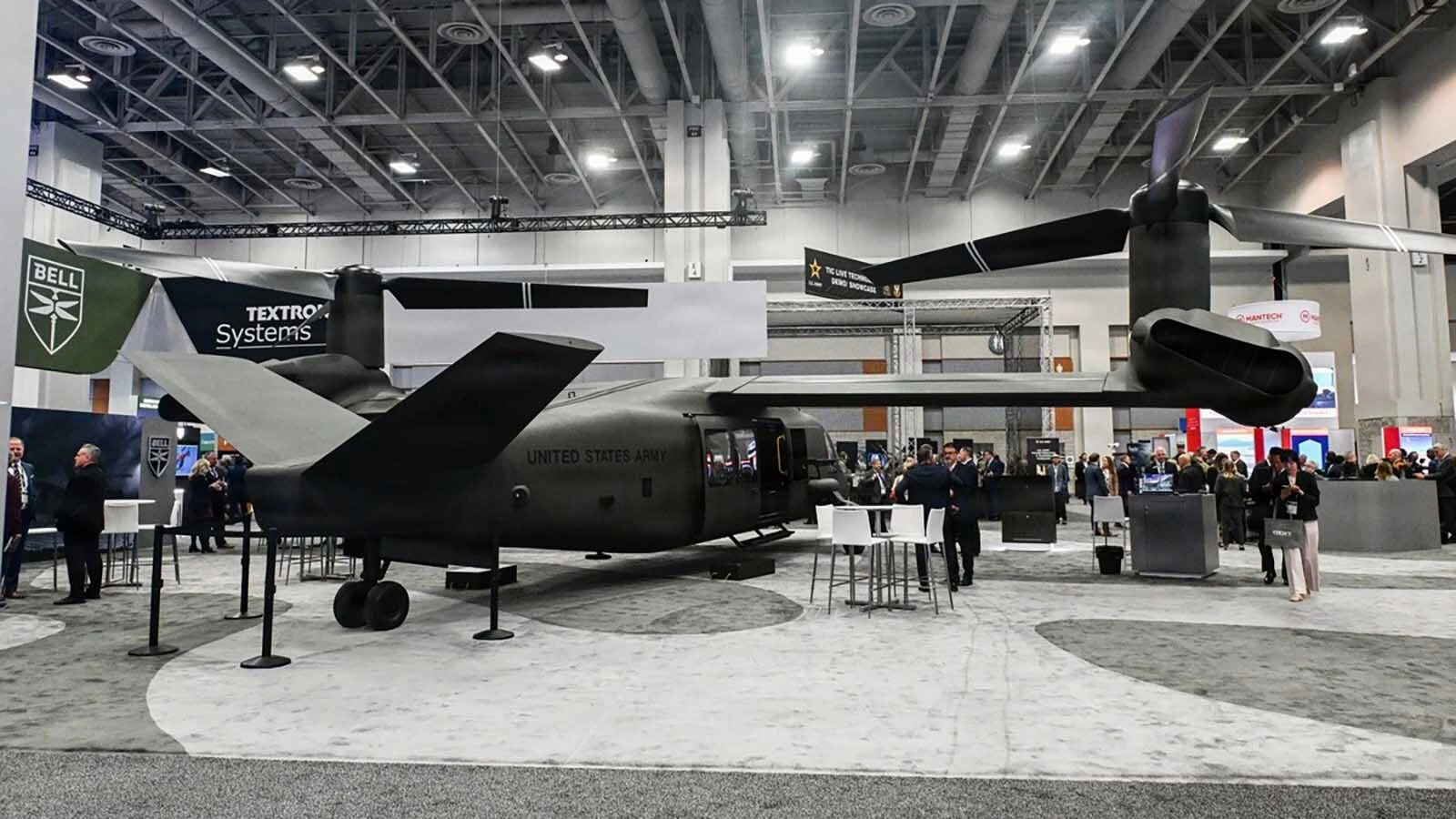
The Army’s newest war machine — a next-generation helicopter designed to fly faster and farther — will carry a name with deep historical and cultural roots: Cheyenne II. The Army says it “immortalize the formidable warrior spirit” that comes with the name. (Courtesy U.S. Army) 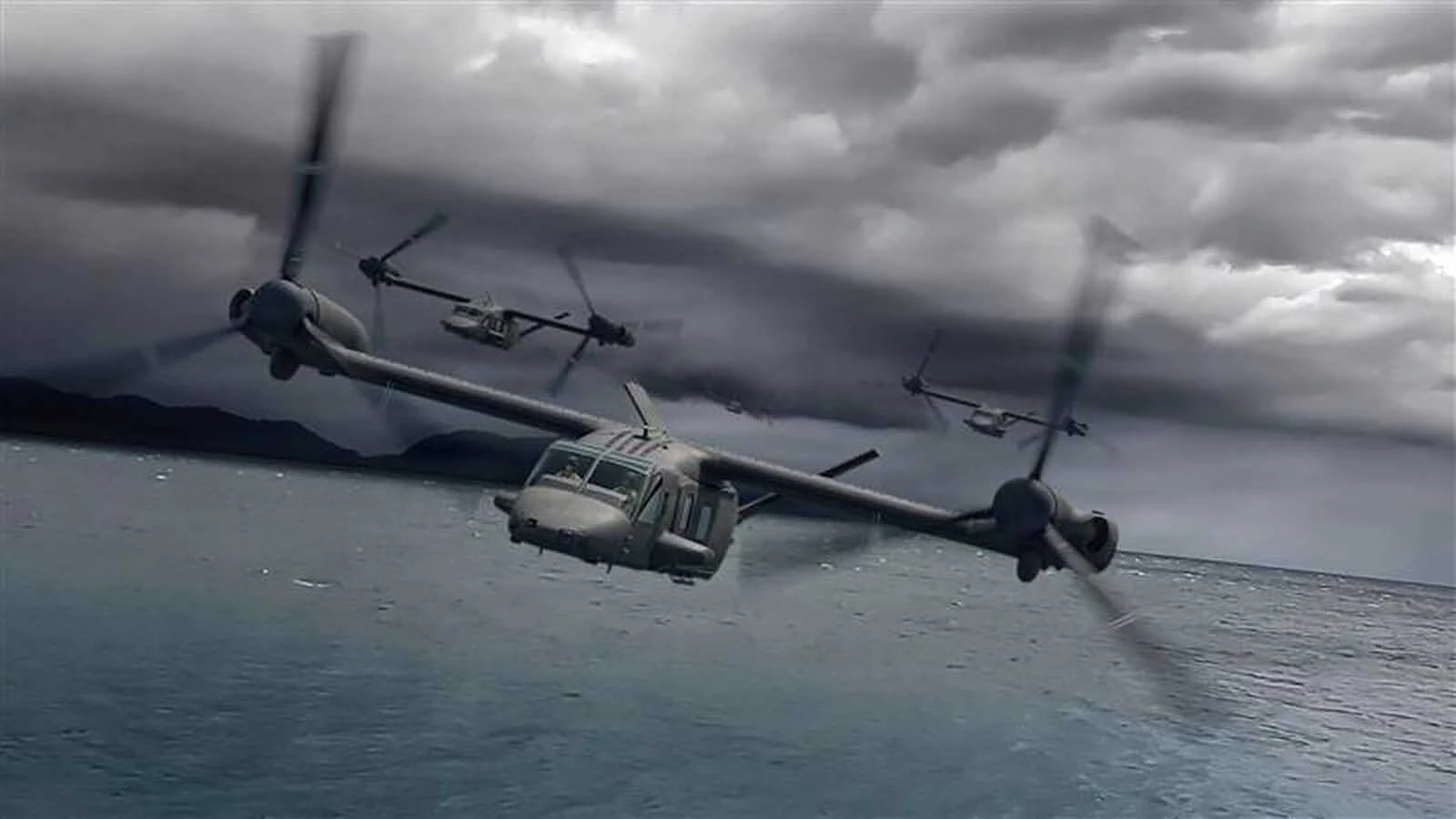
The Army’s newest war machine — a next-generation helicopter designed to fly faster and farther — will carry a name with deep historical and cultural roots: Cheyenne II. The Army says it “immortalize the formidable warrior spirit” that comes with the name. (Illustration by Courtesy U.S. Army) 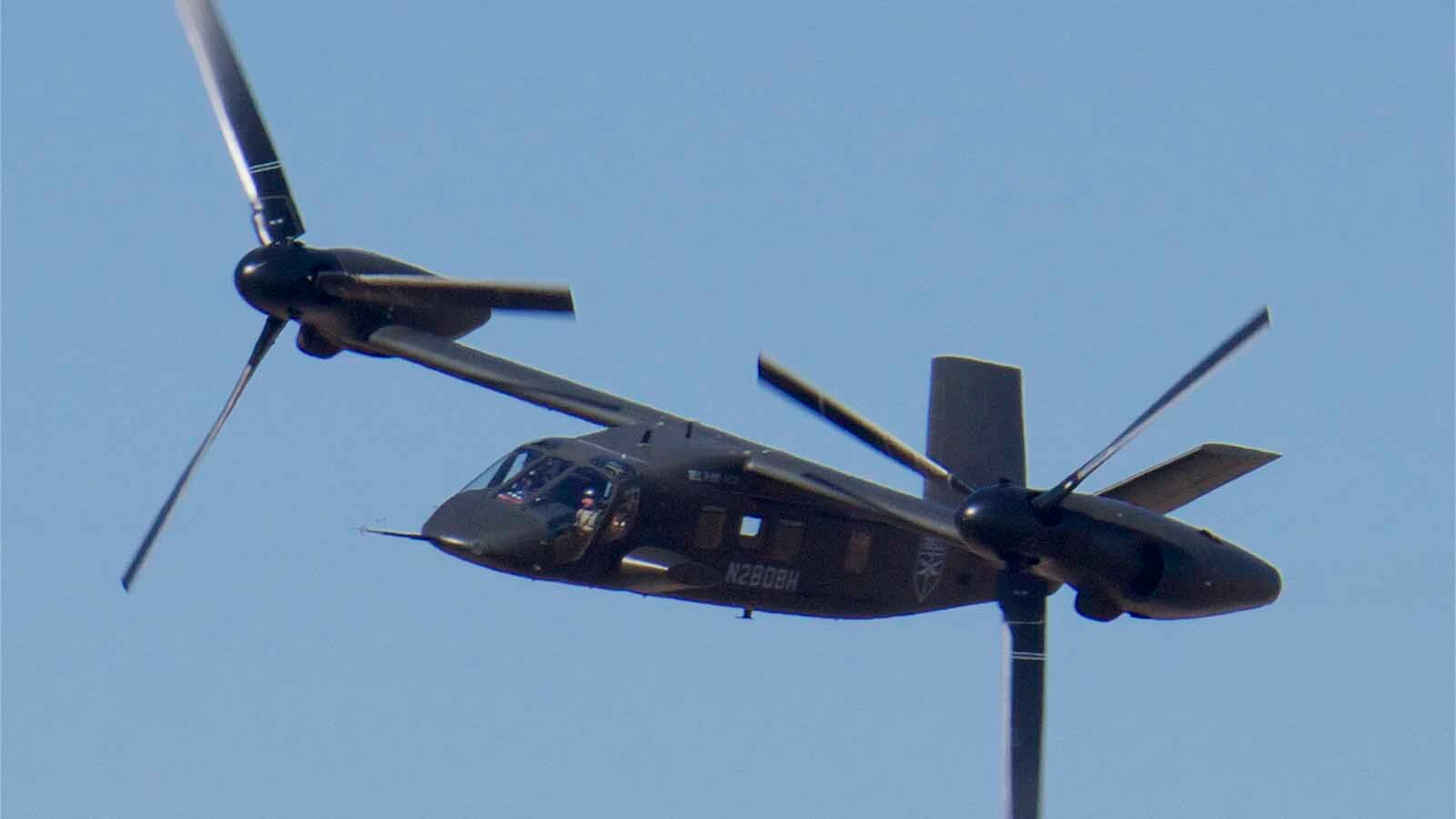
The Army’s newest war machine — a next-generation helicopter designed to fly faster and farther — will carry a name with deep historical and cultural roots: Cheyenne II. The Army says it “immortalize the formidable warrior spirit” that comes with the name. (Courtesy U.S. Army)
A Name With History — And Lessons Learned
The original Lockheed AH-56 Cheyenne was an ambitious helicopter developed in the 1960s that promised revolutionary speed and firepower but was ultimately canceled in the early 1970s after technical and budget challenges.
Army officials say that earlier program was directly considered when naming the new aircraft.
Though the original aircraft never reached full production, its bold design pushed the boundaries of vertical flight and helped shape modern aviation concepts still used today.
The new MV-75, officials say, builds on decades of lessons learned from platforms such as the Bell Boeing V-22 Osprey, combining airplane-like speed with helicopter-style takeoff and landing.
Army leaders say the name is intended to reflect strength, resilience and endurance — qualities they associate with both the aircraft and the Cheyenne people.
According to Ivey-Harper, the Army’s intent was to “immortalize the formidable warrior spirit that has long defined the Cheyenne people,” drawing parallels between historical mobility across the plains and the aircraft’s ability to travel long distances quickly.
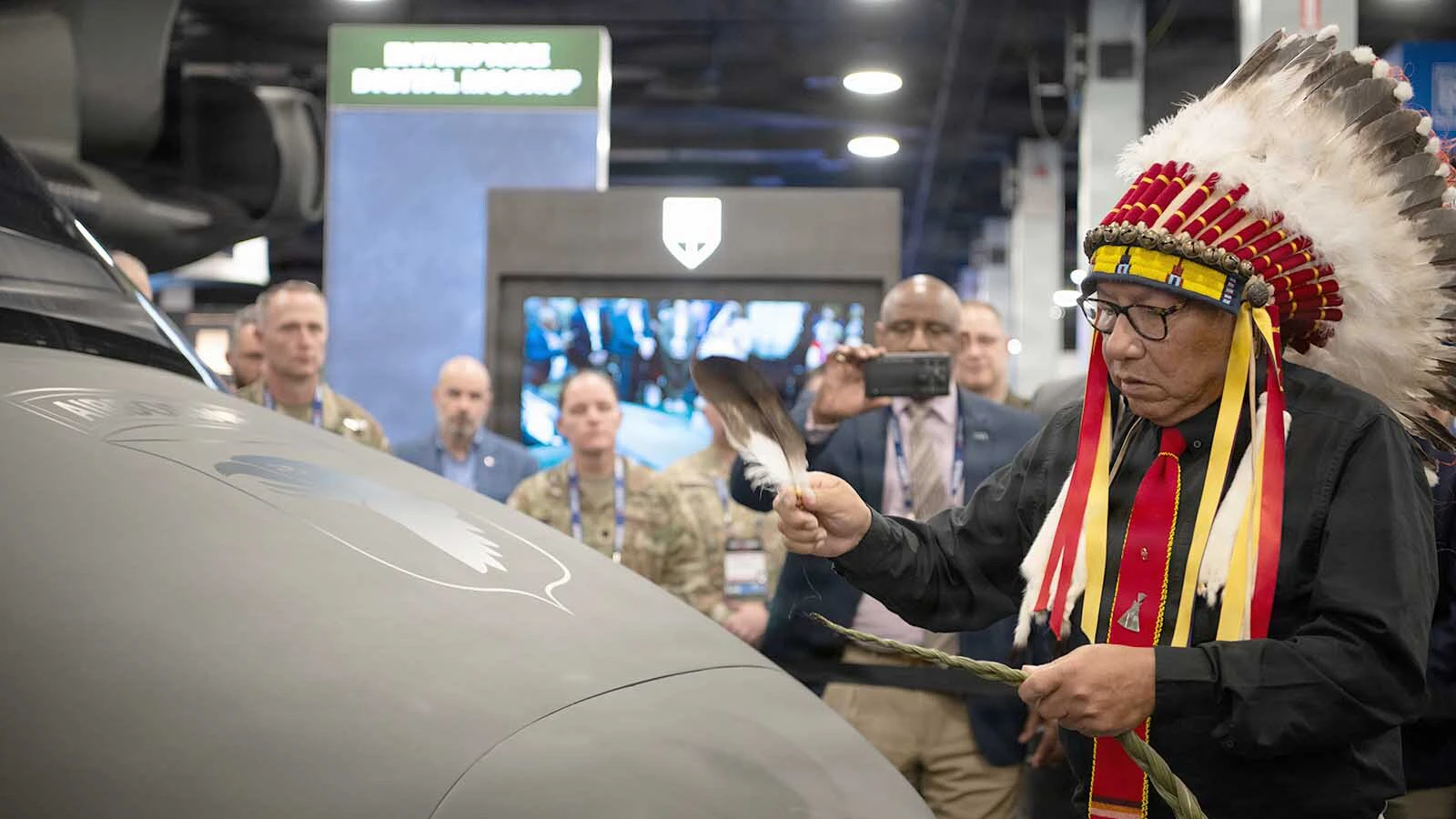
The Army also contacted Cheyenne tribal leaders before finalizing the name, officials said.
Those leaders expressed that they were honored to have their legacy recognized as the inspiration for the aircraft, according to the Army.
Officials say that the consultation process is how the military seeks to balance honoring Native American heritage while avoiding perceptions of cultural branding or symbolism.
“The Army achieves this balance through mutual agreement and respect,” Ivey-Harper said. “When the Cheyenne tribes explicitly state they feel honored, it validates the naming convention as a genuine tribute rather than superficial branding.”
A ‘Game Changer’
In practical terms, Army officials say the new aircraft is designed to dramatically expand how far and how fast soldiers can move.
The MV-75 is expected to fly roughly twice as fast and twice as far as the Army’s current workhorse helicopter, the Sikorsky UH-60 Black Hawk.
That capability could allow troops to launch missions from safer distances, reach remote locations without refueling, and spend less time exposed to potential threats.
For civilians, Ivey-Harper explained, the concept can be understood simply.
“It fundamentally shrinks the map,” she said.
Instead of staging multiple stops along the way, the aircraft can travel directly to distant locations while still landing in rugged terrain without a runway.
While the aircraft is primarily designed for combat and military transport, Army officials say its capabilities could also translate into missions familiar to residents of wide-open states like Wyoming.
The aircraft is capable of medical evacuation, search-and-rescue operations and humanitarian response — missions that can be especially challenging in remote or mountainous terrain.
In places where distance and weather can delay help, speed and range can make the difference between hours and minutes.
Kolby Fedore can be reached at kolby@cowboystatedaily.com.