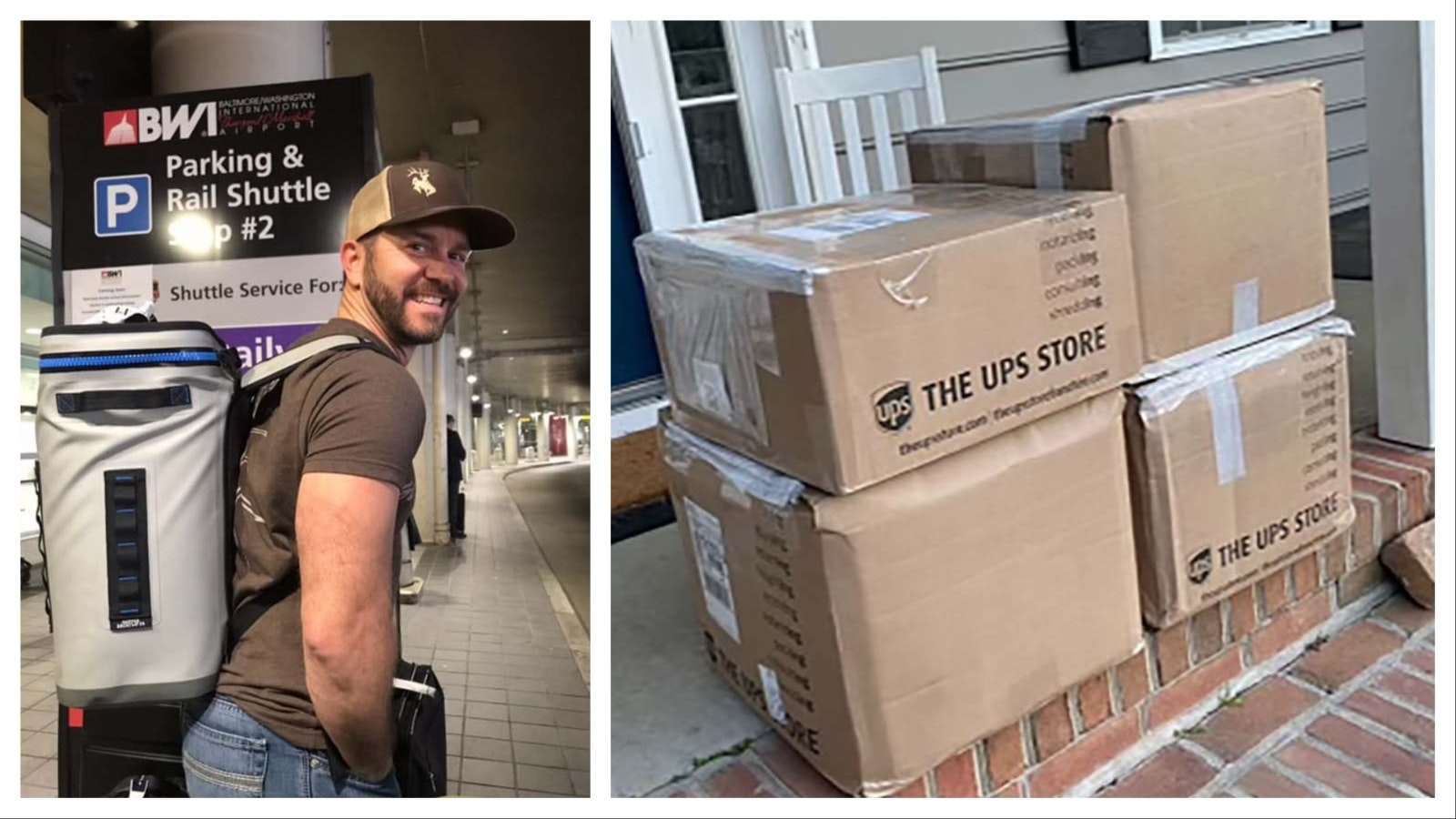

Talk about irony: Gary Mikesell was stoked to draw a coveted bull elk tag in a Red Desert unit, missed bull season due to foot surgery, then went there to at least get a cow elk.
And he saw nothing but monster bulls.
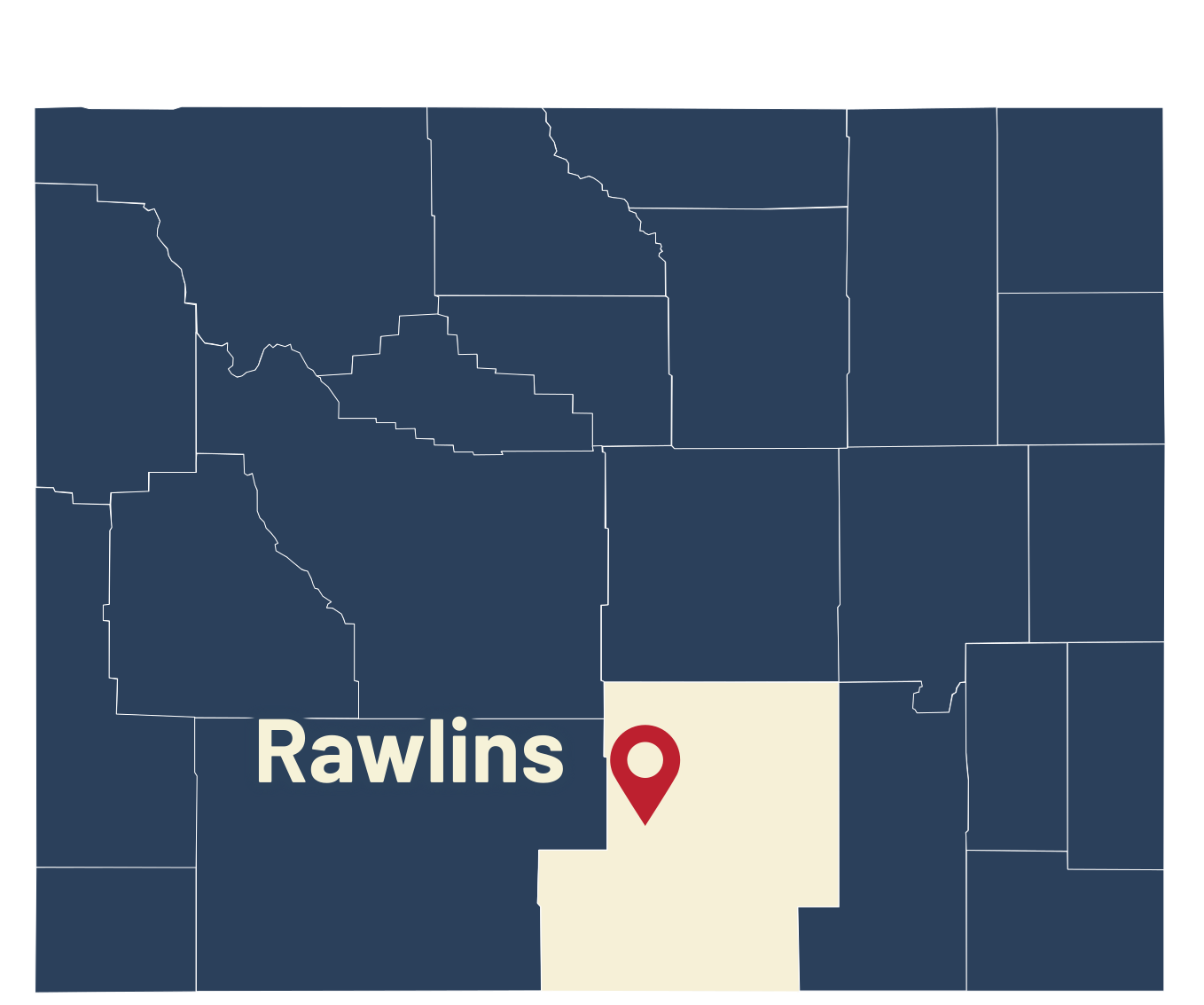
Mikesell, who lives in Rawlins, shot a “huge” cow elk in the Red Desert last year. So, when he was hunting last week and spotted a bunch of elk, he thought he was in business again.
“The first thing I saw in my scope was horns. And I thought, ‘Don’t shoot the bulls.’ And then I kept looking, and they were all bulls. I couldn’t shoot any of them,” he told Cowboy State Daily.
‘This Looks Like Antelope Country’
Tags for Red Desert elk hunt areas are highly coveted, and bull tags there are especially hard to draw.
The country doesn’t strike many people as elk habitat, prominent Wyoming outdoorsman Guy Eastman told Cowboy State Daily, because it’s mostly a vast and arid sea of sagebrush.
Even so, it’s one of Wyoming’s best “elk factories,” Eastman said.
“I’ve been driving through there with friends, and they’ll say, ‘This looks like antelope country,’ and I’ll tell them, ‘Don’t kid yourself. There are hundreds and hundreds of elk out here,’” he said.
Mikesell said he and his family, including five brothers, have had success in the Red Desert, including occasionally drawing “any elk” tags, which are good for bulls during the early season.
The best tacking in the rolling country is to drive along two-track roads and scan the seemingly endless countryside with binoculars and spotting scopes, hoping to catch a glimpse of tan elk flanks, Mikesell said.
Then, it’s a matter of trying to stalk into rifle range.
Mikesell was looking forward to getting a crack at a huge desert bull elk but had to undergo foot surgery Aug. 13.
The timing couldn’t have been worse.
“I thought I would be able to walk on my foot by the opening of bull season (in October),” he said.
But that wasn't the case, and bull season came and went.
He subsequently made his tag good for cows only.
That was a bummer, Mikesell said, but he didn’t see that as a reason to give up entirely. By mid-November, his foot had healed enough to walk moderate distances.
He decided to head out for a “quick afternoon hunt,” mostly just cruising two-tracks in his side-by-side in an area he knew well, just to see what was out there.
‘My Gosh, I Can’t Shoot Any Of Them’
Mikesell was delighted when he managed to get within a few hundred yards of what looked to be about a dozen elk. Surely there would be cows in the bunch, he thought.
“I got out of my side-by-side and got set up and ready to shoot. And I realized, 'My gosh, I can’t shoot any of them,'" he said. “Not only were they all bulls, but they were all really big bulls.”
Another hunter might have been crestfallen or overcome with irritation.
Mikesell decided to make the best of it.
“Since I couldn’t shoot any of them, I decided to just start filming them,” he said. “I’d never seen anything like that, with that many huge bulls all in one group. They were beautiful.”
The bulls seemed to innately understand that it was cow season only.
“The weren’t really scared," Mikesell said. "They just stood there; I think they were just checking me out, as I was checking them out. After a while, they just casually trotted off.”
Though he went home empty-handed, Mikesell said the day was anything but a failure.
“I was so excited to get to see those bulls. Being there and getting to watch them was even better than shooting a cow would have been,” he said. "That was one of the best days hunting I’ve ever had.”
Bulls and Cows in Separate Groups
What Mikesell saw was typical of late-fall elk behavior, Eastman said.
During the rut, which usually winds down in late October, bull elk are bitter rivals, and they fight for dominance to claim harems of cows.
After the rut, they start hanging around “in pairs or small groups,” Eastman said.
By mid-November, as winter becomes imminent, big bulls start to bunch up, just like what Mikesell saw.
Smaller bulls, cows and calves gather in huge herds, he said.
“In natural habitat, big bulls winter in totally different areas” than the rest of the elk, he said.
Generally, the mature bulls pick harsher places to spend the winter. In mountainous areas, they might go to the tops of windblown peaks.
“That’s how they make it through the winter. The big bulls will form up in those bunches, so there are more eyes, ears, and noses to detect danger,” Eastman said.
The other elk “are suckers for agriculture” and might form huge herds near farms and ranches, he said.
Still Time To Get A Cow
Mikesell said he’s confident he can still fill his cow tag because the season runs until Jan. 31.
The huge cow he shot last year “was the best elk meat I’ve ever tasted,” he said.
Eastman said covering as much ground as possible is the best tactic for high-desert elk hunting, particularly late in the season when the elk are together instead of scattered across the countryside.
“You might come up over a rise and see 400 elk after not seeing any elk over the last 40 rises that you came up over,” he said.
Mark Heinz can be reached at mark@cowboystatedaily.com.