The Montana Fish and Wildlife Commission has come under fire from groups who claim the agency is hellbent on killing more predators while ignoring the concerns of the public outside of hunters, anglers and outfitters.
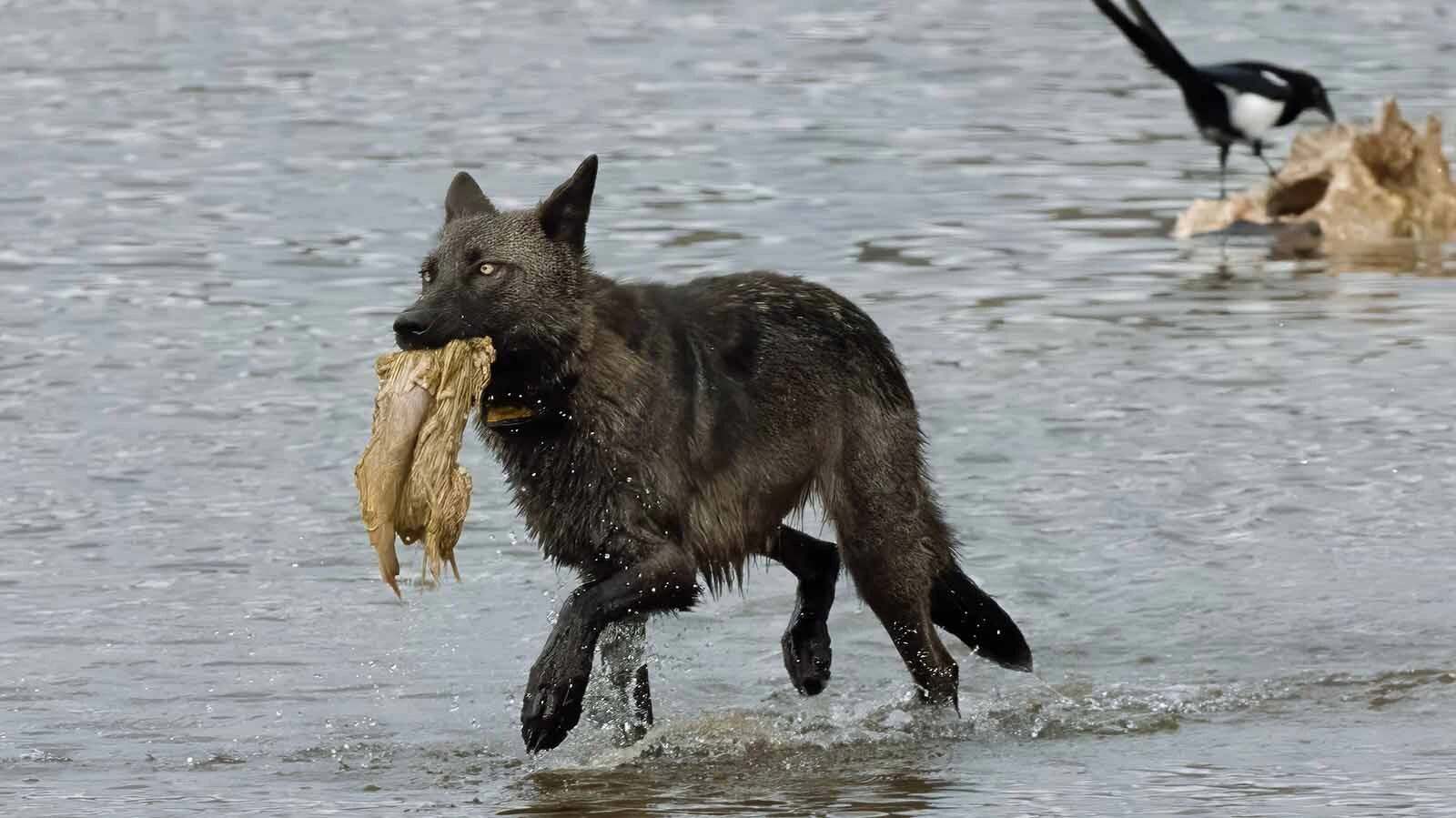
It mirrors the Wyoming Game and Fish Commission recently coming under fire over the hunting of the famed Mollie’s wolf pack, which left the safety of Yellowstone National Park before this fall’s hunting season.
Some hunters made claims online that they would specifically target the pack’s matriarch, Wolf 1090F. After the wolf season ended in those hunt areas, Game and Fish announced that none of the Mollie’s pack had been shot.
Another wolf with a large fan following, the young female 1479F of Yellowstone’s Junction Butte Pack, wasn’t so lucky. She was legally shot by a Montana hunter in 2025.
The controversy over wolves and the criticism of wildlife commissions could reflect a shift in the sociopolitical landscape in Wyoming, Montana, and other western states, Montana resident and predator advocate Clint Nagel told Cowboy State Daily.
State wildlife commissions and agencies could face growing pressure to “incorporate the general public as a whole. It’s supposed to be benefitting wildlife for the public as a whole, not only those who hunt and trap,” Nagel said.
He represents the Gallatin Wildlife Association in Bozeman, one of the groups that recently blasted the Montana commission for having an “anti-predator bias” and not listening to segments of the public.
New Public Process
Cowboy State Daily reached out to all the members of the FWP commission. Only Region 1 Commissioner Ian Wargo responded.
He said the commission is on the right track.
The commission is drawing up a predator policy aimed at balancing the varying needs and circumstances in different areas of Montana and welcomes public participation, he said.
“This is the start of a very open and transparent public process,” Wargo said Wednesday.
Wyoming Game and Fish Commissioner Carlisle "Fonzy" Haskell told Cowboy State Daily that during the roughly year and a half he’s served so far, he’s noticed an uptick in pro-predator commentary.
“Just during that time, I have seen an increase in people reaching out to me as a commissioner and advocating for predators.”
Haskell said he welcomes opinions from all points of view, including predator advocates.
“I’m glad they weigh in; I don’t dismiss them at all,” he said.
‘Commission Is Incompetent'
The Gallatin Wildlife Association and Footloose Montana accused the commission of ignoring pro-predator comments during its Sept. 24 meeting.
"The commission is incompetent, unqualified, and dismissive of public input,” Footloose Montana’s Anja Heister said in a statement released Monday by the groups.
The groups claim the commission summarily rejected a petition asking that trappers in Montana be required to check their traps every 24 hours.
That reflects ingrained bias against predators and wildlife other than premier big-game species, the groups said.
The general rule seems to be, "Don't inconvenience trophy hunters, ranchers, outfitters, or trappers — and let’s kill more wolves and other predators!” Heister stated.
Earlier this year, the commission set a statewide quota of 300 wolves for the 2026-2027 hunting and trapping season, which opened Sept. 5.
That’s more than Montana Fish, Wildlife & Parks' recommendation of a 250-wolf quota. But it’s down from the 452-wolf quota set for the 2025-2026 season, during which 247 were killed, including 1479F.
What’s to Gain?
The groups also commissioned independent consultant Mike Bader to prepare a report on the commission’s alleged anti-predator bias and procedural errors regarding adequate public comment.
Nagel said they don’t expect overnight changes.
“What we hope to gain from this is just to make it known to the public at large that we have a problem here. And it is going to take some time to correct,” he said.
The problem could be systemic, he said.
Montana FWP commissioners are primarily appointed by the governor. Current Gov. Greg Gianforte is an outspoken advocate of wolf hunting and having the state’s grizzly bears delisted from federal Endangered Species Act protection.
Views such as that might be falling behind a sea change in Montana public opinion, Nagel said.
“The general public as a whole, they’re very accepting of wolves and grizzly bears,” he said.
‘Open and Transparent’
Policy should hinge upon consideration of all the factors affecting big-game populations in different habitats across Montana, according to information linked to the commission’s webpage.
“The Department (FWP) shall provide a framework for identifying areas where ungulate populations are not meeting established population goals or management objectives, evaluating the factors limiting those populations, and determining whether predation is a significant or contributing factor,” according to the commission.
Haskell acknowledges the huge contribution of Wyoming’s tourism economy, driven by people who want to come see wolves and grizzlies in the wild.
However, opinions from Wyoming residents, rooted in research or direct experience with predators, will carry more weight than those from out-of-state individuals or organizations, he said.
“I really trust the information I get from the (Game and Fish) department people who are working in the large carnivore section, who work with these animals year-round,” he said.
Haskell, a licensed hunting outfitter, also said he gives consideration to the views of outfitters and ranchers who have “ground-level” experience with large carnivores.
Mark Heinz can be reached at mark@cowboystatedaily.com.