

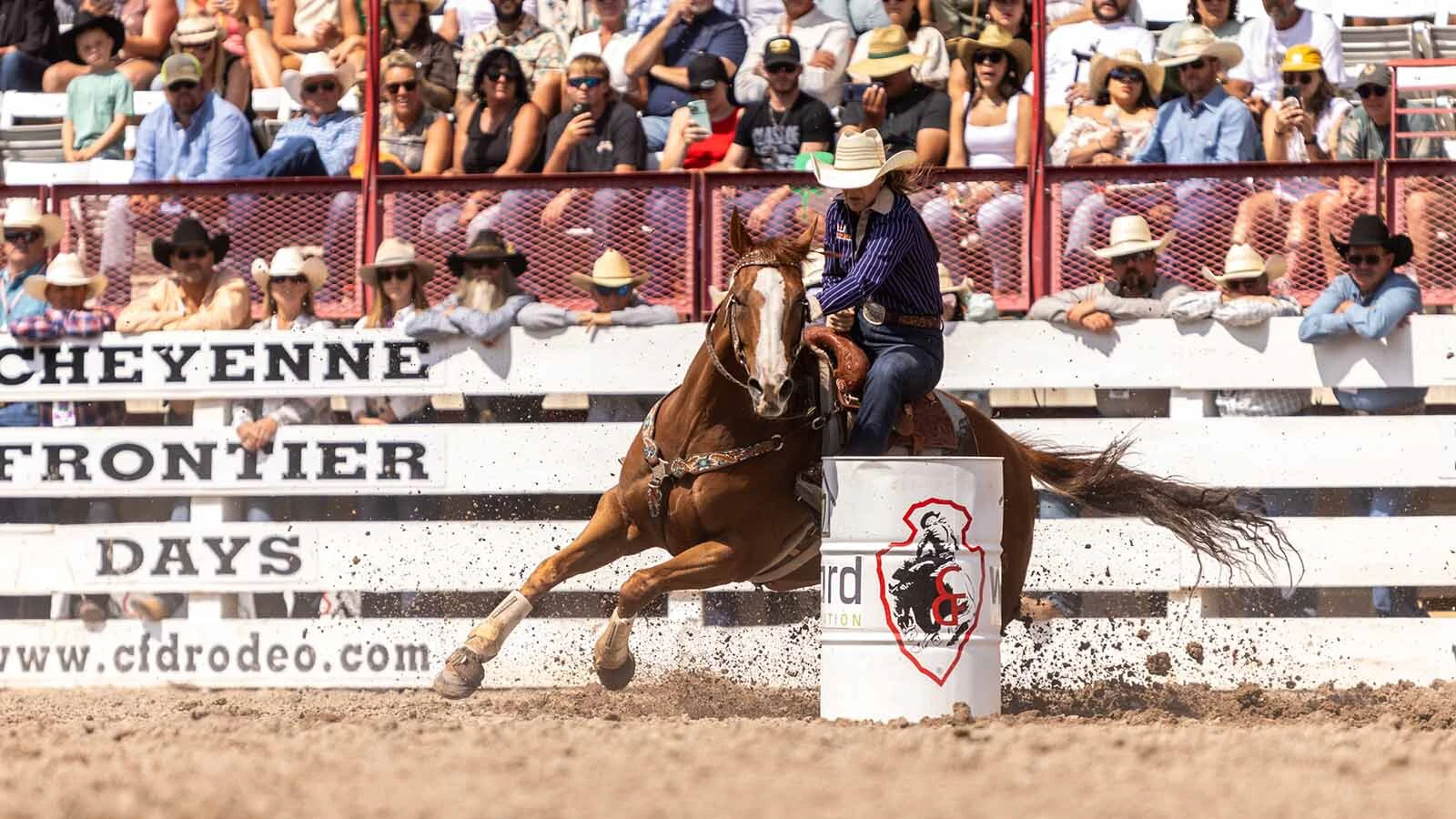
SHERIDAN — Before Jim Walter began helping Cheyenne prepare for the Professional Rodeo Cowboys Association’s arrival, he spent years figuring out how to benefit from a Hall of Fame that wasn’t even in his county.
For a decade, Walter ran tourism in Madison County, New York, about an hour from the National Baseball Hall of Fame in Cooperstown.
The famous attraction was in another county, run by different people and supported by different money.
“For a long time, that’s exactly how we treated it — like somebody else’s thing,” he told a crowd of tourism industry leaders gathered in Sheridan last week for the Fall Hospitality and Tourism Summit. “Then we stopped.”
Walter and his colleagues started asking a new question. What happened when people traveling to Cooperstown passed through their own communities?
And then, more important, what would persuade those visitors to stop?
The answer wasn’t another baseball museum. It was promoting what Madison County already had — history, agritourism, shopping, restaurants and country inns — to give those travelers reasons to stop and spend the night.
Now the Visit Cheyenne CEO is asking Wyoming tourism leaders to think about the PRCA’s planned move to Cheyenne in a similar way.
“Cheyenne is your Cooperstown,” he said.
The Ripple Effect
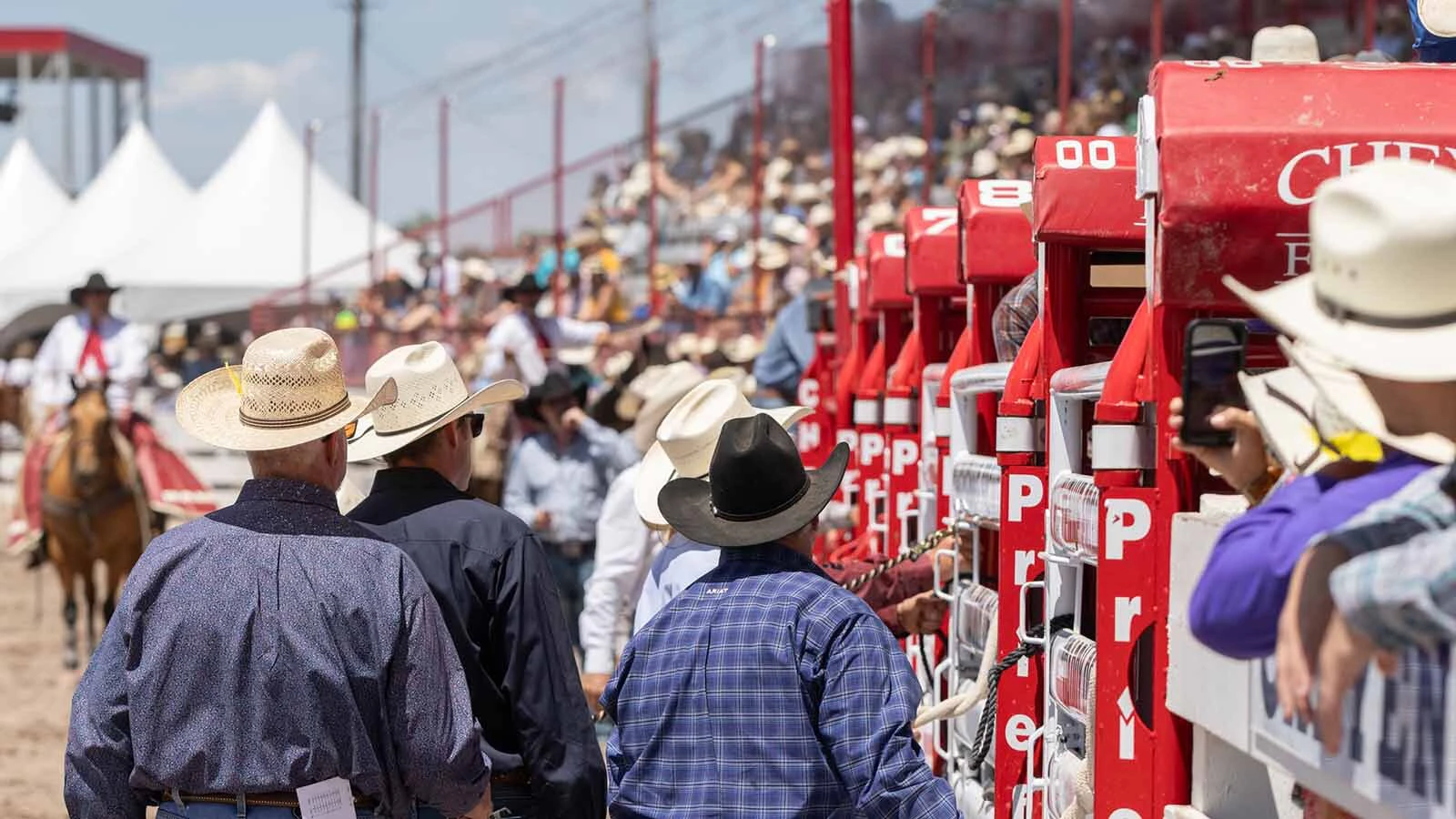
Walter and former Wyoming tourism director Diane Shober, who is also working with Cheyenne LEADS on the project, see the planned campus as a starting point for rodeo road trips across Wyoming.
The 35-acre PRCA and ProRodeo Hall of Fame campus will anchor the 415-acre Hitching Post Business District near Interstates 25 and 80. Those two corridors put visitors on routes leading across the state.
That creates the potential for a rodeo trail that starts in Cheyenne and tracks through multiple communities.
“Each and every one of you have some kind of rodeo or Western event,” Shober said. “Sometimes several in your communities.”
The economic potential is huge, Shober added.
The PRCA is a global sports association with more than 800 sanctioned events across 37 states and three Canadian provinces. It has more than 6,600 members and more than 35 million rodeo fans.
“There is a lot of economic gravitas with this,” Shober said. “There is opportunity to really move the meter.”
Shober put the project’s estimated 10-year cumulative economic impact at roughly $253 million. By its 10th year of operation, the Hall of Fame alone is projected to generate about $12 million annually.
Construction is expected to continue through 2027 and 2028, with a phased move-in starting in 2029. Organizers are targeting a spring opening.
That year also marks the ProRodeo Hall of Fame’s 50th anniversary, creating an early opportunity for communities to connect their own events and attractions to the celebration.
“This will be a landmark anniversary,” Shober said. “It’ll be celebrated at this new home in Cheyenne, Wyoming, and will really be a starting point for the next 50 years of the Pro Rodeo Hall of Fame.”
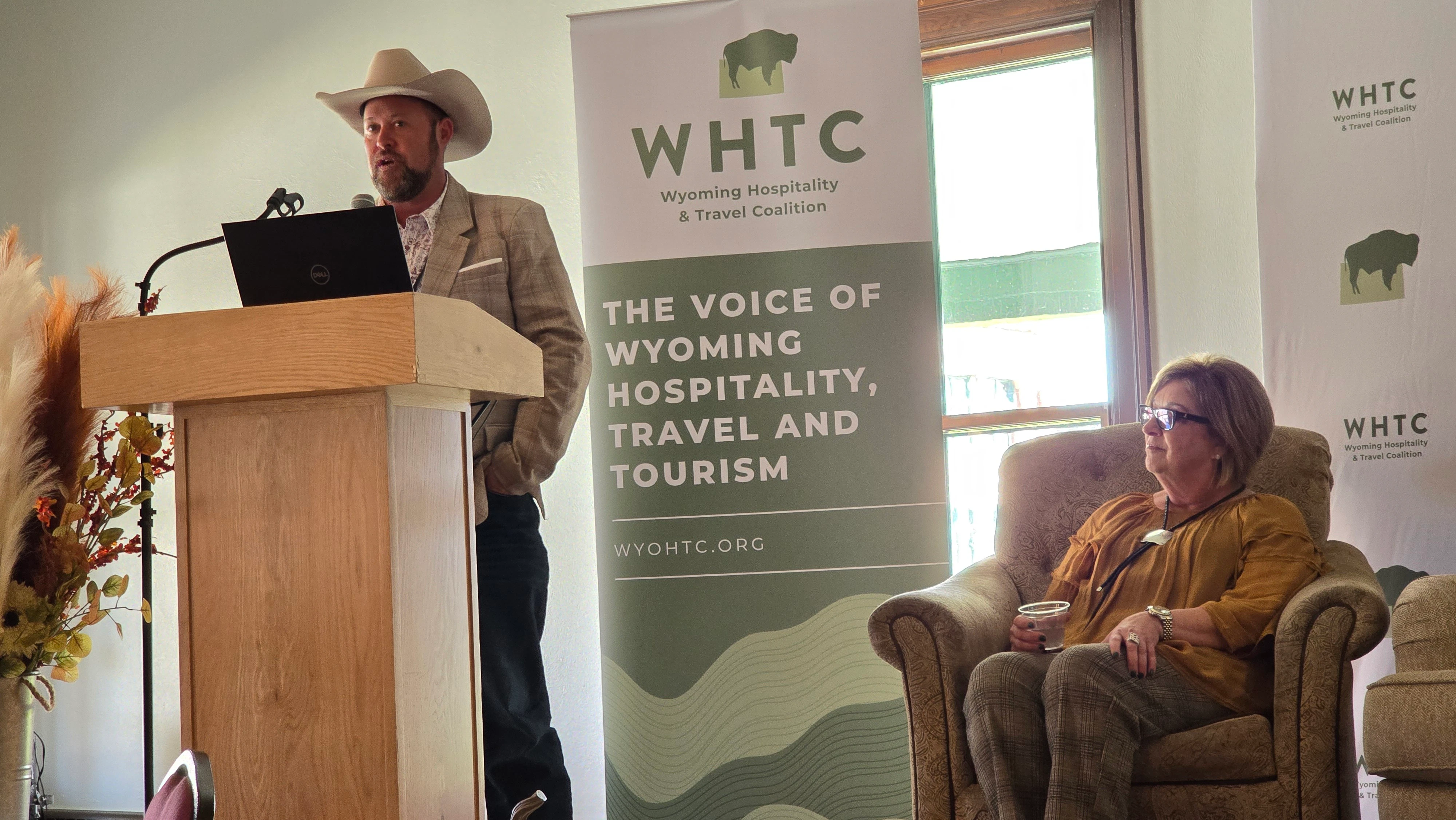
Jim Walter, left, and Diane Shober, right, outlined a vision for widening the impact of the PRCA's move to Wyoming. Every community has things that rodeo fans want, the two said. (Renee Jean, Cowboy State Daily) 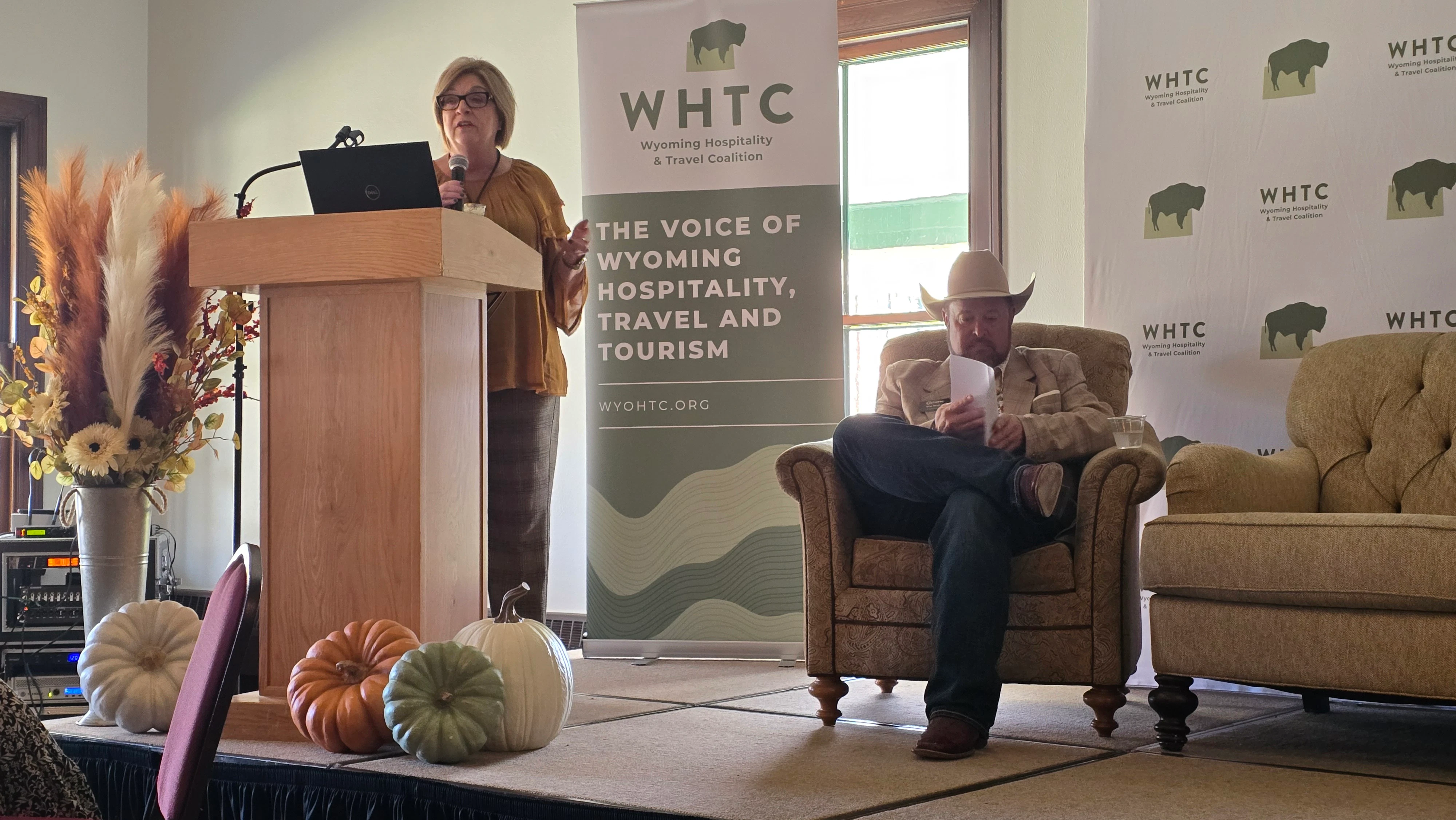
Diane Shober, left, and Jim Walter, right, outlined a vision for widening the impact of the PRCA's move to Wyoming. Every community has things that rodeo fans want, the two said. (Renee Jean, Cowboy State Daily)
They’re Worth It
Walter doesn’t have to imagine what travelers willing to plan trips around rodeo look like.
He and his wife, Stacy, are rodeo fans.
After the Sheridan summit, they planned to head to Loveland, Colorado, for the Mountain States Circuit Finals, spending money on a hotel, dinner and the rodeo.
They also have a Las Vegas timeshare specifically so they can attend the National Finals Rodeo each year.
“Rodeo fans travel,” he said. “And their profile looks a lot like mine and Stacy’s. That’s the type of traveler we want to bring to our communities. People who are going to come to our communities and not be afraid to spend money.”
For other Wyoming communities, the opportunity is to become another stop on those travelers’ itineraries.
“A lot can happen if you build for it or market for it on purpose,” Walter said.
Wyoming Is Rodeo
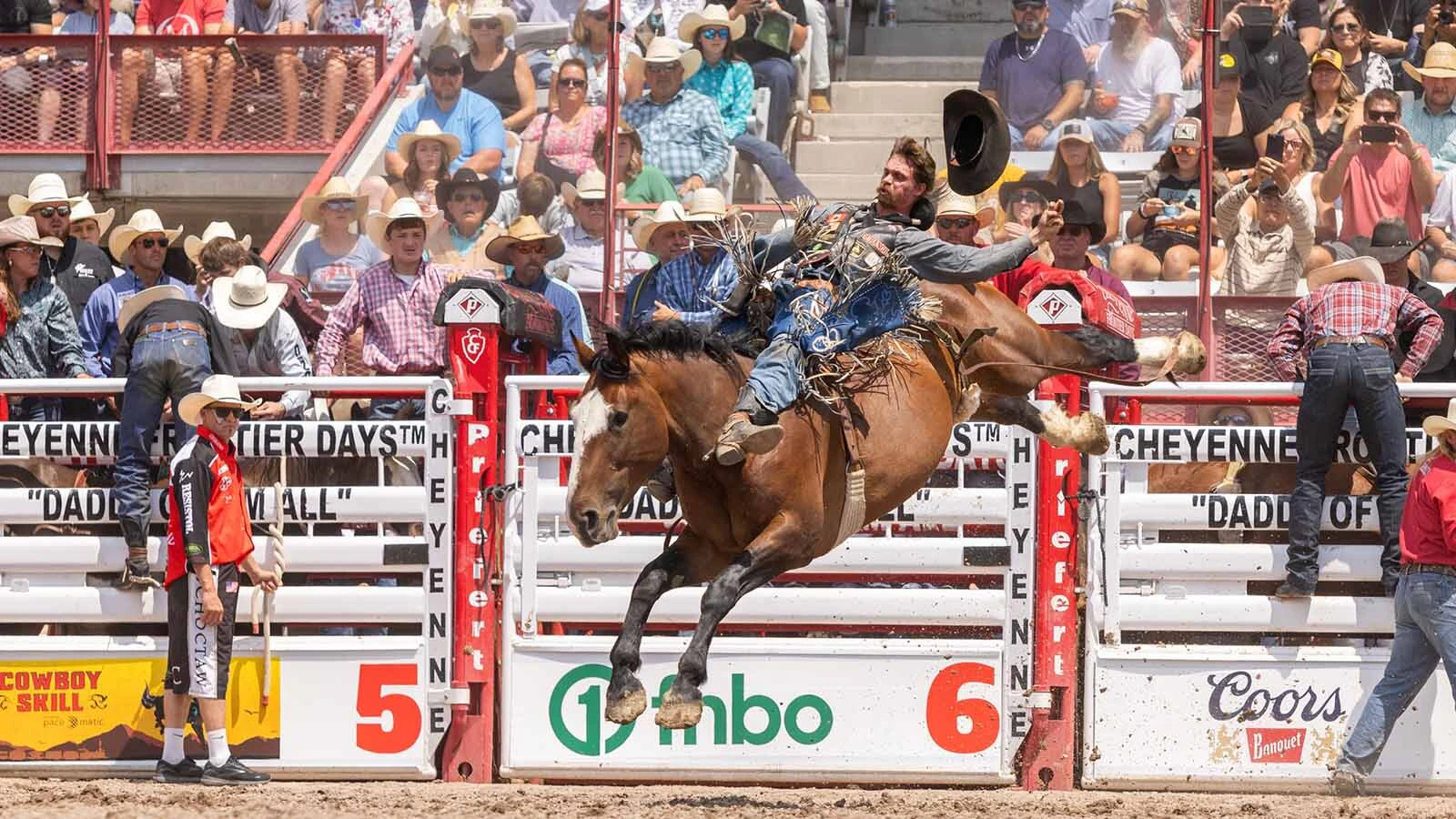
Wyoming doesn’t have to manufacture a rodeo identity to reach the sport’s many fans, Walter added. Communities already have experiences those visitors want without having to build something new.
There’s Cody’s nightly summer rodeo, for example, and Dubois’ Friday night rodeos in the summer.
Many smaller towns also have big rodeo events. Days of ’49, for example, is held annually in Greybull, and Chugwater’s Ranch Rodeo is scheduled alongside the state’s championship chili cook-off, among many others.
Casper has long had the College National Finals Rodeo, and there’s also the Jackson Hole Rodeo, operating since the 1890s.
Sheridan WYO Rodeo, meanwhile, was recently nominated for PRCA’s Large Rodeo of the Year and Best Ground.
The bones of the rodeo trail are already there. It’s just a matter of being intentional about marketing it.
“The Hall of Fame does not compete with any of that,” Walter said. “It’s a spotlight.”
The Blue Moon Moment Is Now
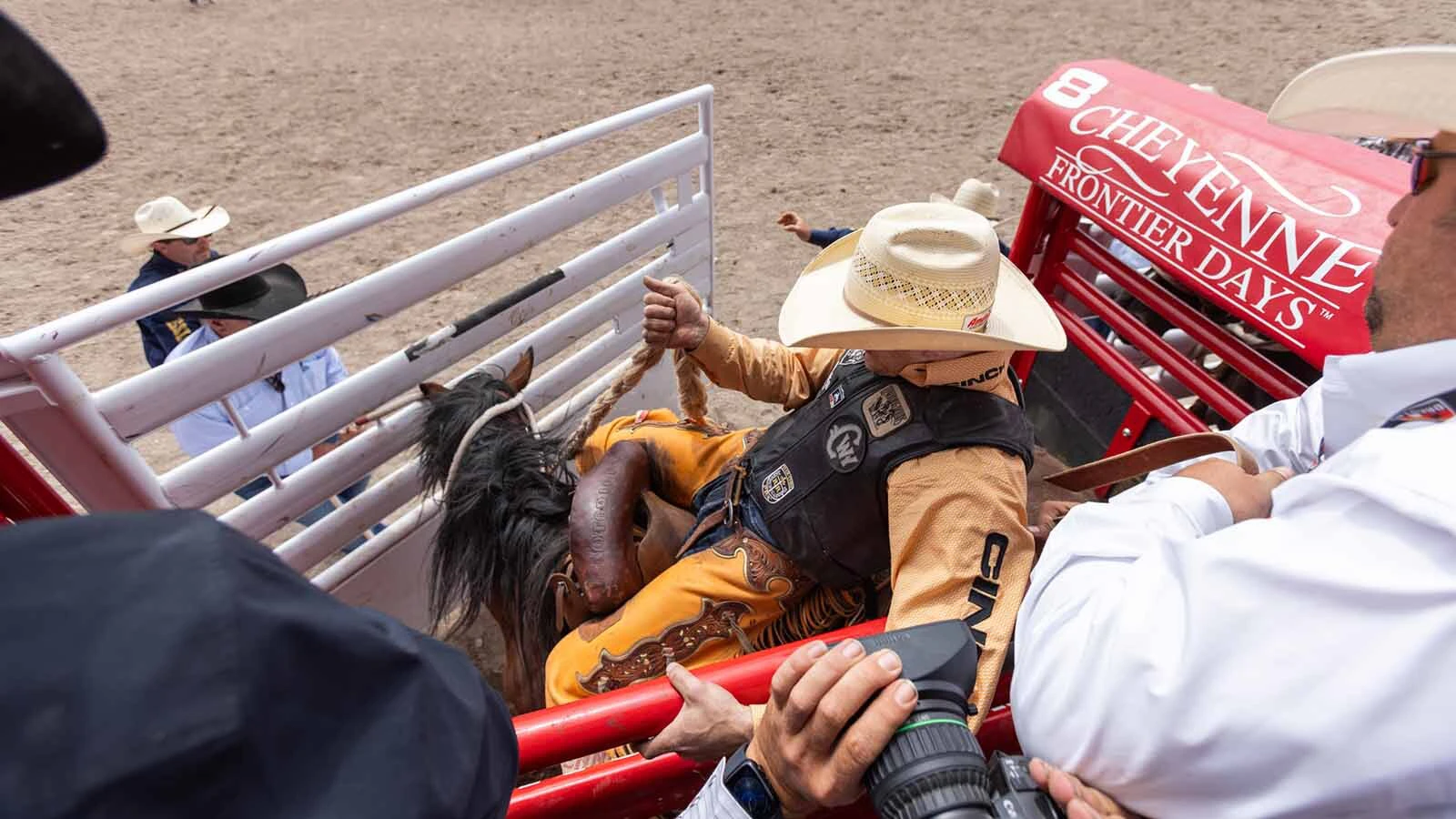
The relocation effort began under the working name “Blue Moon” — Shober’s description of the rare moment when the right place, partners and timing come together.
Walter doesn’t want other Wyoming communities to wait until the doors open to decide how they fit into that moment.
He urged tourism leaders to call him to start talking about partnerships and to take the excitement home to their communities.
“The communities and the people who get excited first are going to have the most benefit from this,” he said.
The goal is much bigger than one successful attraction in Cheyenne, he added.
“A legacy that endures for only one county isn’t much of a legacy,” Walter said. “The economic impact doesn’t have to stop at the Laramie County line. In fact, if it does, we’ve failed.”
Renée Jean can be reached at renee@cowboystatedaily.com.


