
Coal production in the Powder River Basin has plummeted by more than 50% since its 2008 peak, crushed by cheap natural gas, expanding renewables and a wave of plant retirements.
But investor materials from Peabody Energy, which operates three major Powder River Basin mines, reveal a new strategy to reverse the slide.
According to presentation slides from a Sept. 23 investor tour at the North Antelope Rochelle Mine obtained by Cowboy State Daily, Peabody Energy is plotting to diversify revenue beyond standard domestic coal sales by pursuing Asian export markets, solar projects on reclaimed land, methane capture and rare earth extraction.
It is exploring a new frontier by looking to pair mine-mouth power generation directly with energy-hungry data centers, tapping into Wyoming's growing digital infrastructure boom. Mine-mouth generation refers to electricity produced at or near a coal mine.
“Peabody is advancing potential development of mine-mouth generation and data center pairing,” the packet states. “The value is income from higher-value land use, greater coal sales and project development fees.”
To bring that vision to fruition, the investor packet says Peabody’s next steps include ongoing coordination with federal officials, a prospective data center developer, and local and state stakeholders.
Mary Compton, director of communications at Peabody, told Cowboy State Daily in an email that she didn’t have anything to add to the investor packet at this time.
‘Holy Grail’
Robert Short, a commissioner in neighboring Converse County, told Cowboy State Daily he’s heard “rumblings” of this potential plan, but nothing concrete.
If it does happen, Short said it would offer a promising new avenue for the region’s coal.
“It would be one of these holy grail situations in Wyoming,” Short said. “We're looking to add value to coal prior to shipping it out.”
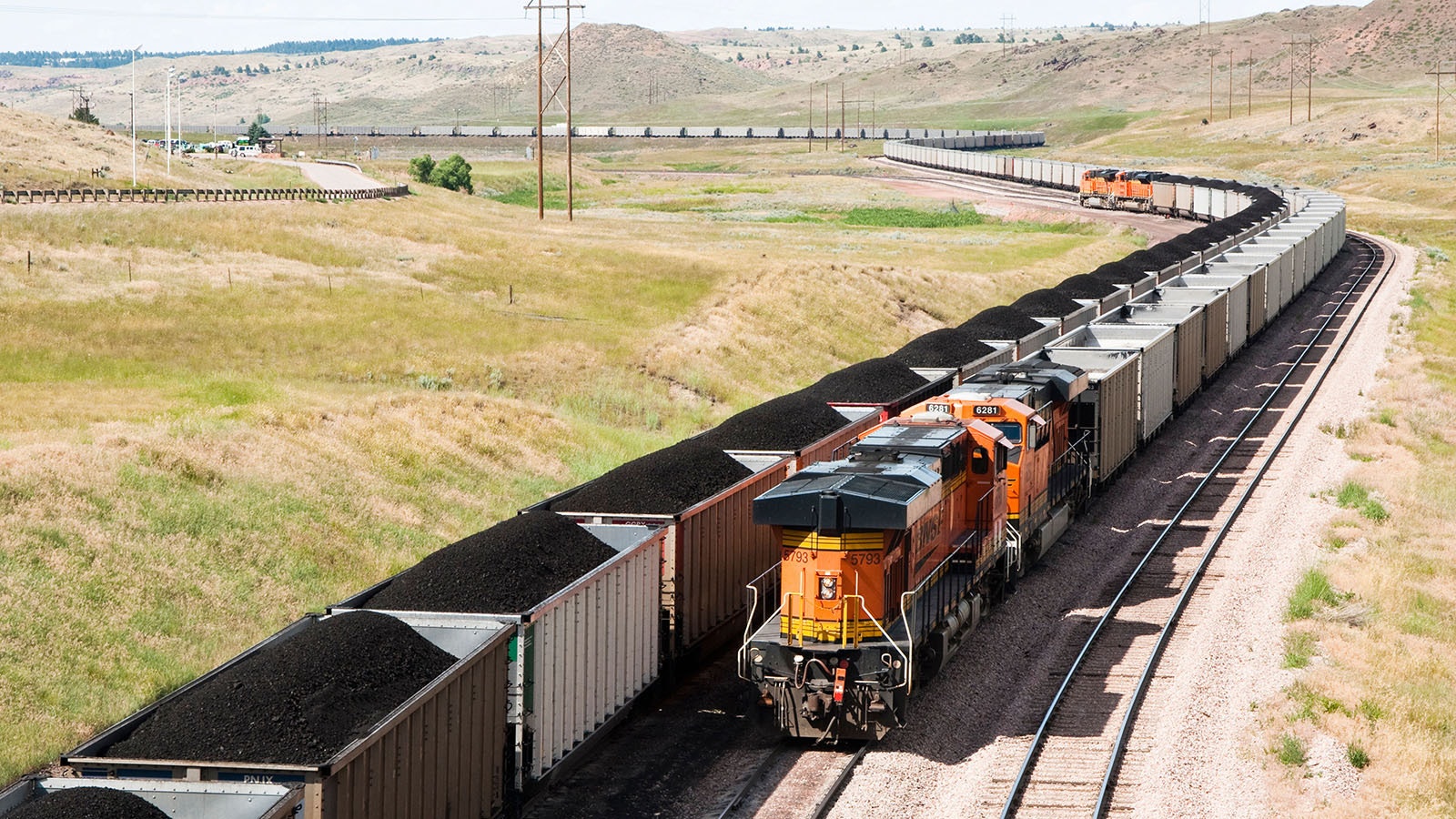
Currently, most of the coal mined in the Powder River Basin is loaded directly onto rail cars and shipped to power plants across the Midwest and West. Converting that coal right at the mine site, rather than sending it down the tracks as raw material, allows Wyoming to extract its full economic value before a single ton ever leaves the property.
Pure rail transportation to ship Powder River Basin coal out of state typically costs between $17 and $25 per ton, often exceeding the value of the raw coal itself at the mine.
Short added that freight costs are only part of the expense.
“It’s not just the cost of the train itself,” Short said. “There’s preparation associated with that, there’s time to load the trains as well as dust abatement.”
Eliminating those layered transit costs is the kind of breakthrough that could offer a lifeline to a struggling industry, Short said.
Altering Economic Ecosystem
Still, it’s not an overnight fix.
“I would say, in a perfect world, there would be a substantial build out within five years,” Short said. “But you’re talking about billions of dollars of investment for that to happen.”
If the concept were to materialize, Short said he imagines it would involve building coal-fired generation right at the mine to transform raw coal into electricity to feed data centers.
A single on-site plant wouldn't replace the nationwide demand the Powder River Basin saw at its height 15 years ago, Short said. Still, he said a project like this could be a game-changer for the site itself.
“It would certainly extend the longevity of the operation at North Antelope Rochelle mine if that was the location,” Short said. “But it wouldn’t consume those kinds of volumes.”
Short added that an infrastructure project carrying a multi-billion-dollar price tag would create significant economic ripple effects across the entire surrounding region.
“Those are economic ecosystem-altering investments,” Short said. “Those have long-term positive economic implications with that type of investment.”
‘Makes A Lot of Sense’
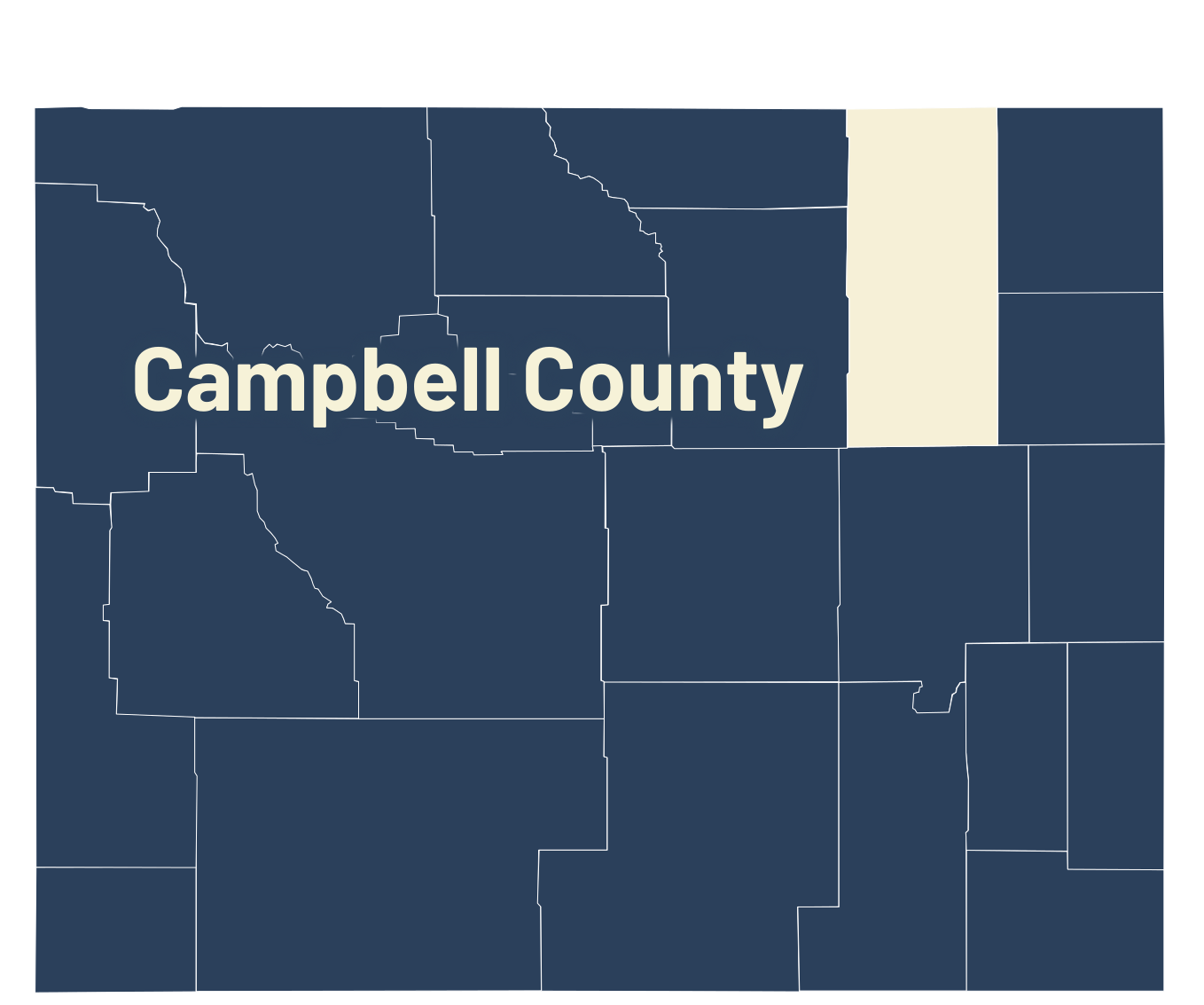
Rusty Bell, Campbell County's executive director of economic development, told Cowboy State Daily that while a non-disclosure agreement with Peabody prevents him from discussing specifics, the broader concept is entirely feasible and holds real strategic promise.
“Mine-mouth power production matched with a large power user makes a lot of sense,” Bell said. “They’re building and making their own power and they’re using the resource that’s already here and they have property. They can pair all those things.”
That self-contained approach fits seamlessly into the state's regulatory push. After Gov. Mark Gordon's executive order requiring large-scale data center developments to fund and supply their own power needs, an on-site mine power plant provides a potential solution as Wyoming navigates unprecedented demands on its electric grid.
Bell said that pairing mine-mouth power generation with data centers directly meets the state's mandate for self-funded tech growth while anchoring long-term economic stability in Campbell County.
“It helps the mining industry and it helps the service industry,” Bell said. “We already have a lot of mining jobs. So we expand that and we actually add value to that resource instead of just putting it into a train and shipping it into another state for them to use.”
‘Exponential In Jobs Created’
Like Short, Bell acknowledged that powering data centers on site likely won't launch Powder River Basin production back to its historic highs. But for a region where the coal downturn has meant lost jobs and departing families, he said this idea offers something just as vital as production.
“It might not be back to that production level,” Bell said. “But it would be exponential in the jobs created.”
Because Wyoming coal-mining employment peaked in 2009 at 7,054 direct jobs, the statewide workforce has fallen below 4,300, a nearly 40% loss. That steady contraction hits close to home at North Antelope Rochelle, where workforce numbers dropped from 1,375 in 2017 to roughly 1,224 today.
Shifting to an on-site generation model broadens the scope of employment far beyond traditional extraction, Bell said.
“Now you’re not just mining coal,” Bell said. “You have power-production jobs, you have transmission and electrical jobs and you also then have the data center or the large power users. It’s a huge added value to this area if that were the case.”
For a basin built on sending raw coal down the tracks, turning those deposits into power for the digital age could mark the difference between managing a slow decline and building a lasting second act.
Emma Jane Jackson can be reached at emma@cowboystatedaily.com.


