
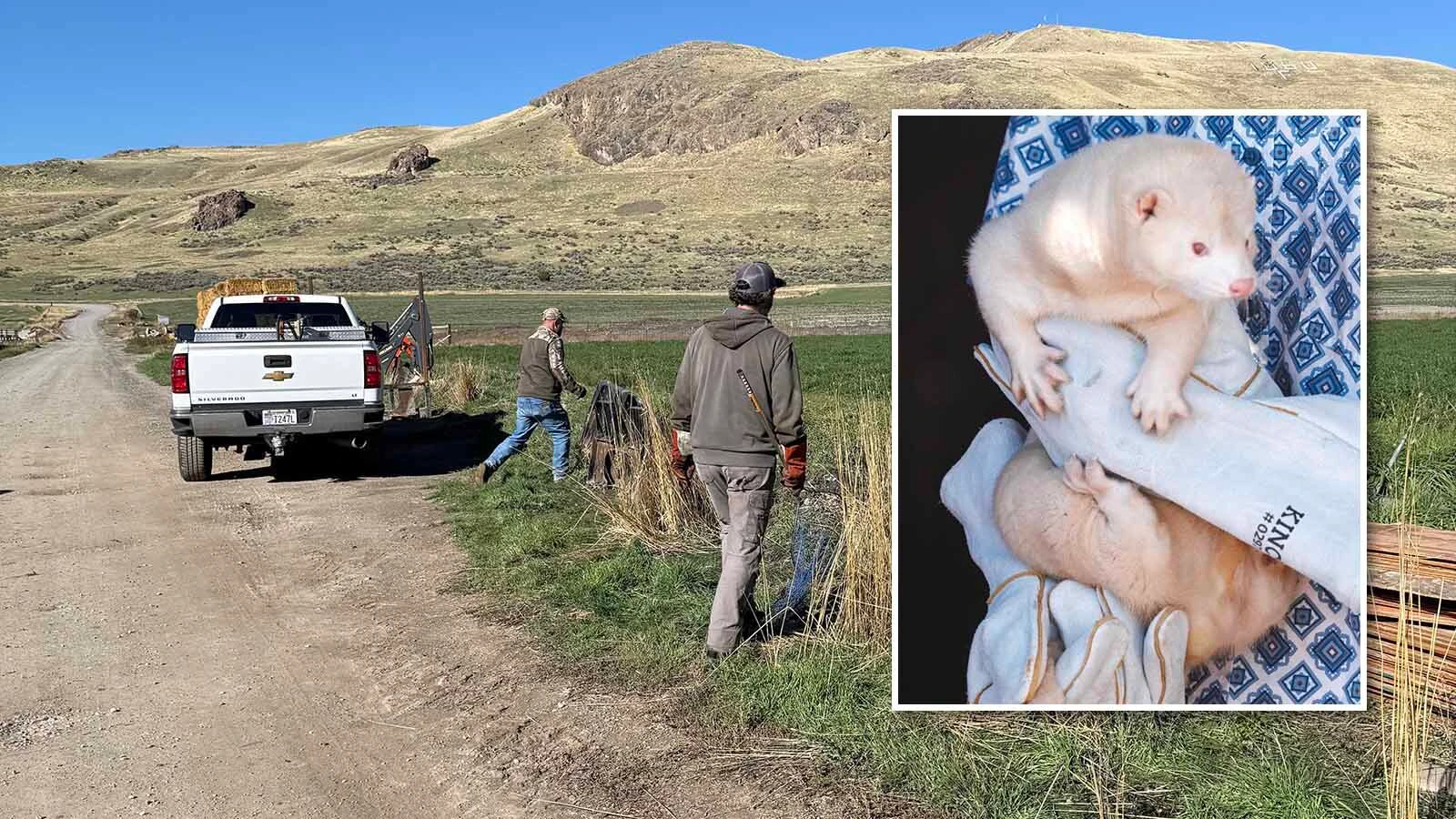
Intent on liberating caged animals, masked protesters broke into a family-owned mink farm in southeast Idaho, less than 80 miles west of Wyoming, and released 1,500 mink into the wild on Saturday.
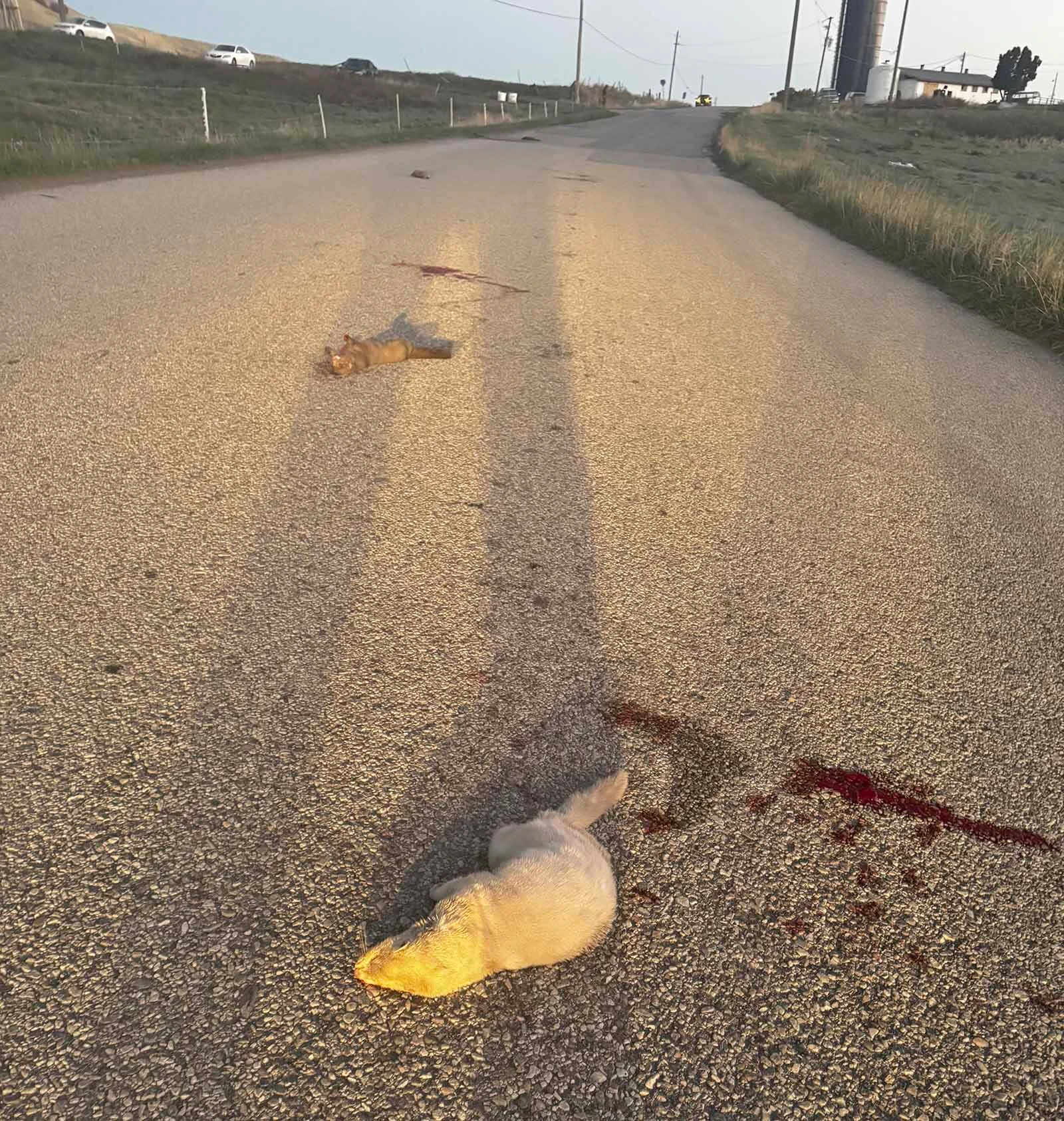
Farm owner Jeff Hobbs told Cowboy State Daily that instead of freedom, the activists delivered a death sentence, leaving the animals to perish from dehydration, stress, heat or getting run over on the road.
“This is an unethical thing to do to animals,” Hobbs said. “Regardless of your value system, I haven't quite figured out how you can claim that you're doing something for the benefit of the animals that's so harmful to them.”
When he spoke to Cowboy State Daily on Tuesday, Hobbs said he was still working to gather the loose minks in Franklin County. At this point, he said about 90% of the mink have been caught but still face health risks from the trauma of being temporarily released.
“This stressed them hard,” Hobbs said. “You stress animals and you run into problems. You have to do something to offset that stress so this has created a serious herd health problem.”
‘The Real Terrorists’
Hobbs said the break-in happened around 2:30 a.m. Saturday, and by the time he and his crews arrived at the farm around sunrise, there were already signs of trouble.
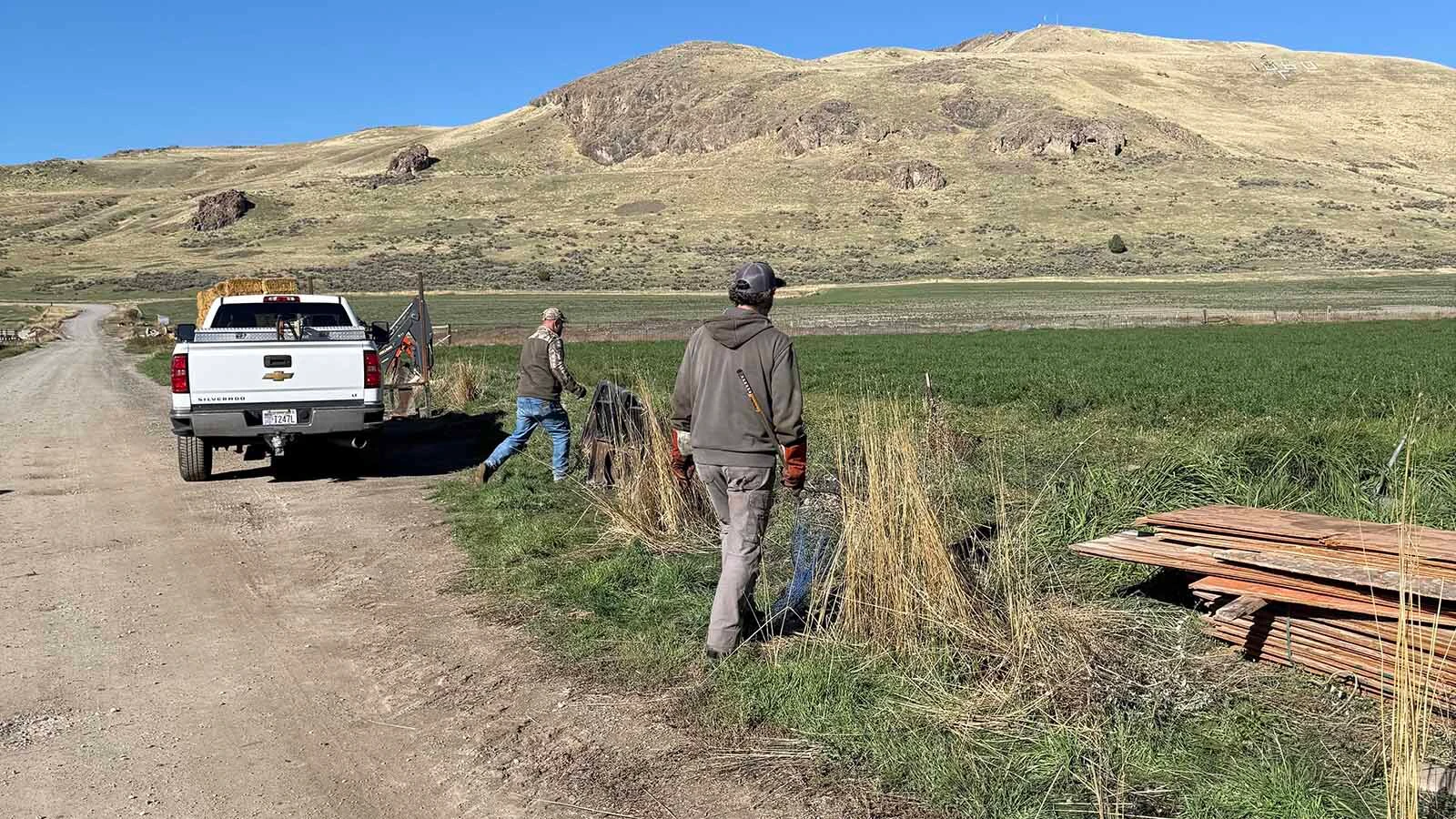
“As we was driving into the yard, there were dead animals on the road, and other animals running around,” Hobbs said. "Immediately we started calling out to people that we thought could assist us, and word spread in the community. In a short time, I had almost 100 people here help them to catch animals.”
In a Saturday statement, the Franklin County Sheriff’s Office said it was investigating the incident. The department did not respond to Cowboy State Daily by publication.
On Sunday, the North American Animal Liberation Press Office posted a statement celebrating the release of the mink.
“The animals liberated this weekend have a fighting chance at life,” the statement said. “They faced a 100 percent death rate if they stayed on the farm.”
In an email to Cowboy State Daily, North American Animal Liberation press officer Jerry Vlasak disputed claims from Hobbs and the sheriff’s office that most of the mink had been recaptured.
“Almost surely did not happen,” Vlasak said. “These mink are not domesticated as the farmers claim. Scientific studies have shown them to be easily able to survive in the wild when they are released.”
Challis Hobbs, Jeff Hobbs’ son and executive director of Fur Commission USA, said in a Saturday statement that the action should be handled as a federal offense under the Animal Enterprise Terrorism Act.
"Those responsible for this attack are terrorists, plain and simple,” Challis Hobbs said.
Vlasak threw that same label back at Challis Hobbs and the Fur Commission USA.
“Those who breed, imprison and kill thousands of innocent animals every year to make a profit are the real terrorists,” Vlasak said.

‘Animals are Dying Because of It’
Hobbs said that his fourth-generation family farm has long been the target of animal-rights organizations. In the 1990s and early 2000s, Hobbs said, authorities warned him twice that his farm ranked high on a list of likely targets and recommended he increase security.
Since then, he said, drones have flown over the property and people have driven by with cameras. Hobbs said a drone flew over the farm on Oct. 6, his father’s birthday, and was seen by a family friend who was preparing for a party.
“She didn't realize that was a threat until after the release,” Hobbs said.
Hobbs said he understands people have different values and are entitled to be against the business of harvesting mink for fur.
“But none of us are entitled to try to press our value system on other people,” Hobbs said.
Moreover, he said the action of releasing 1,500 minks, which have no skills to survive in the wild, is antithetical to the larger goal of animal welfare.
“When people come in and do something this blatant, it’s done a lot of damage,” Hobbs said. “Animals are dying because of it.”
He also said releasing 1,500 mink, which have no skills to survive in the wild, runs counter to the larger goal of animal welfare. For Vlasak, it’s “laughable” for Hobbs, who profits from harvesting and selling mink pellets, to claim concern for the animals.
“The mink are born in February or March and are killed by gassing, clubbing or anal electrocution in November, before being skinned, sometimes while still alive, for their fur,” Vlasak said.
While Hobbs claimed a similar timeline from birth to harvest, he said the nature of how the minks are killed is far from the truth.
“They’re euthanized with carbon monoxide,” Hobbs said. “They just go to sleep.”
Hobbs said the mink live healthy lives on the farm, with constant access to fresh water, a balanced daily diet and warm, dry nests. He said the farm also has a herd-health program to treat animals that get sick.
‘Carnivores and Predators’
Susan Curtis, director of Sandy’s Haven, a wildlife rescue service in Preston, Idaho, told Cowboy State Daily the Hobbs Family Farm has a local reputation for farming fur as ethically as possible.
“I would absolutely love it if the mink farming went away forever but I know they’re doing it as humanely as possible,” Curtis said. “I’ve never had any issue with the Hobbses.”
What the activists did, Curtis said, took the mink from a “bad situation and put them in a worse situation.” The release also endangers local wildlife by dropping the mink back into an ecosystem where they can strain the food supply, Curtis said, and it puts domestic animals, including outdoor pets, at risk of attack.
Already, Curtis said she’s heard of one wild goose with bite marks and a resident whose dog was attacked by one of the newly freed mink.
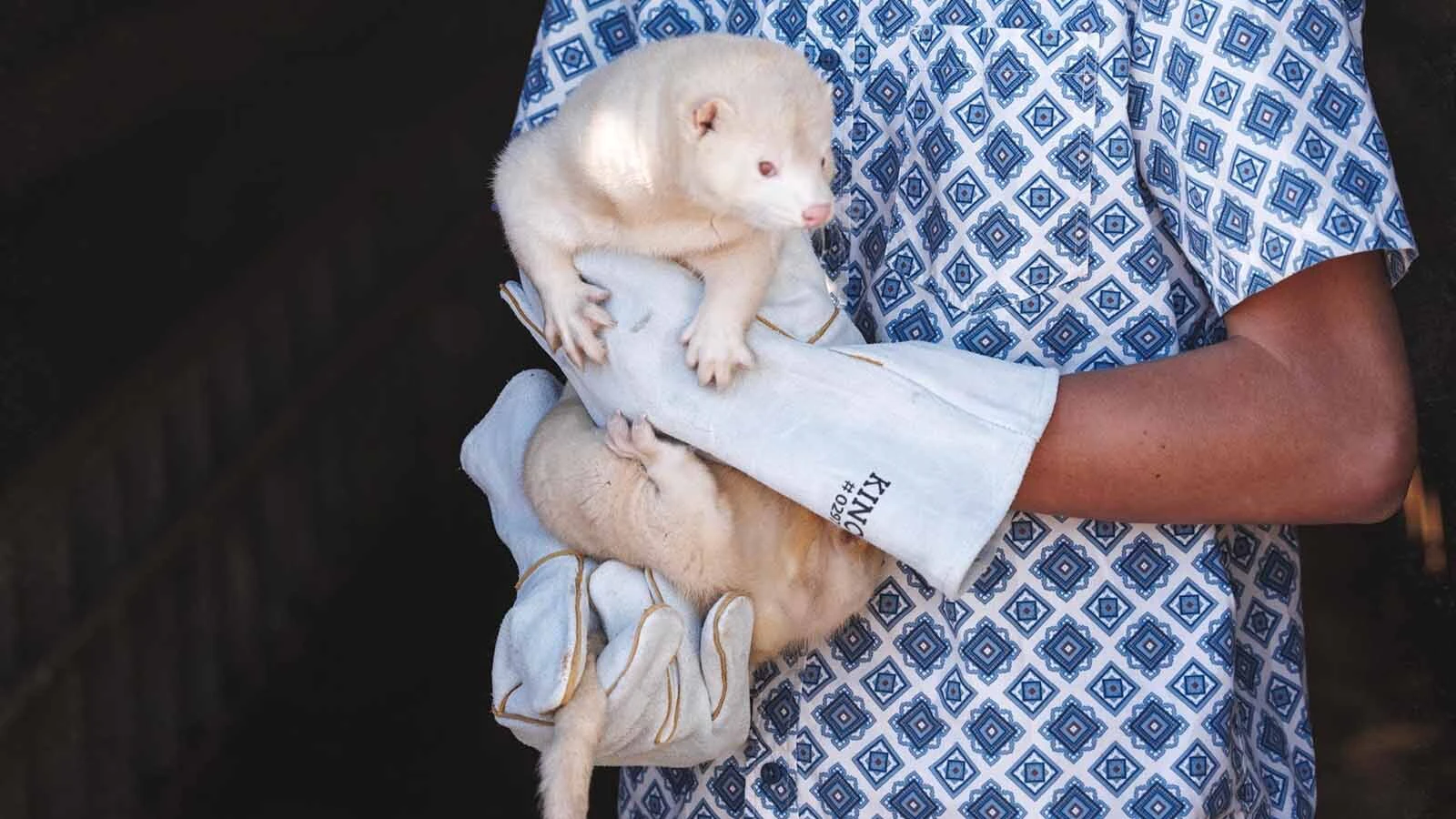
“These are definitely carnivores and predators, these little mink guys,” Curtis said.
‘So Sad’
That’s something that area resident Deirdre Burgess has learned the hard way.
“I live on the edge of town and I have chickens,” Burgess told Cowboy State Daily. “Or, I had chickens. I had 15 hens and 1 rooster and they killed my rooster and 10 of my hens.”
Burgess said her small flock was more pets than livestock. To lose all at once, and to encounter such a bloody scene in her backyard, was heartbreaking, she said.
“It was so sad,” Burgess said. “And it was just gross.”
Like Curtis, Burgess said she doesn’t agree with the business of fur. But simply freeing the animals, she said, condemned them to an almost certain death, and let the rest of them loose to do more damage.
“Do I buy furs? No,” Burgess said. “But on the other side of that, I wouldn’t turn all of those animals loose. There’s a humane way to do it. Letting them starve or get run over is absolutely no way to fix it. It doesn’t help.”
In 2015, activist Joseph Buddenberg was indicted under the Animal Enterprise Terrorism Act and later served two years in federal prison for his role in a cross-country campaign that released nearly 6,000 mink, including an estimated 1,800 animals from a farm in Burley, Idaho.
Though he does not claim a role in the most recent action, Buddenberg told Cowboy State Daily in an email that the Hobbs raid was justified.
“The fur industry's days are numbered,” Buddenberg said. “Compassionate activists will continue to open cages and shut these places down.”
Emma Jane Jackson can be reached at emma@cowboystatedaily.com.


