
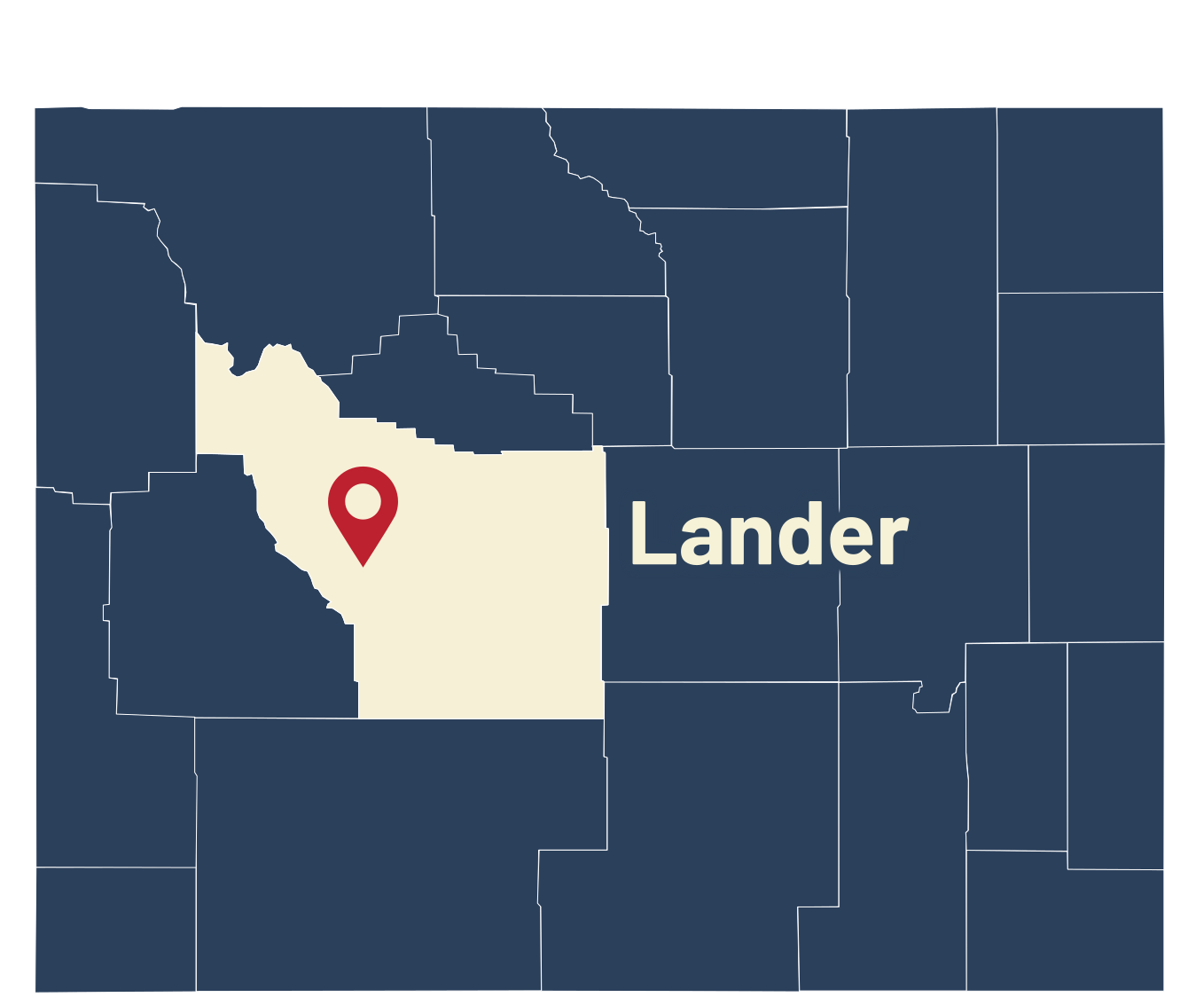
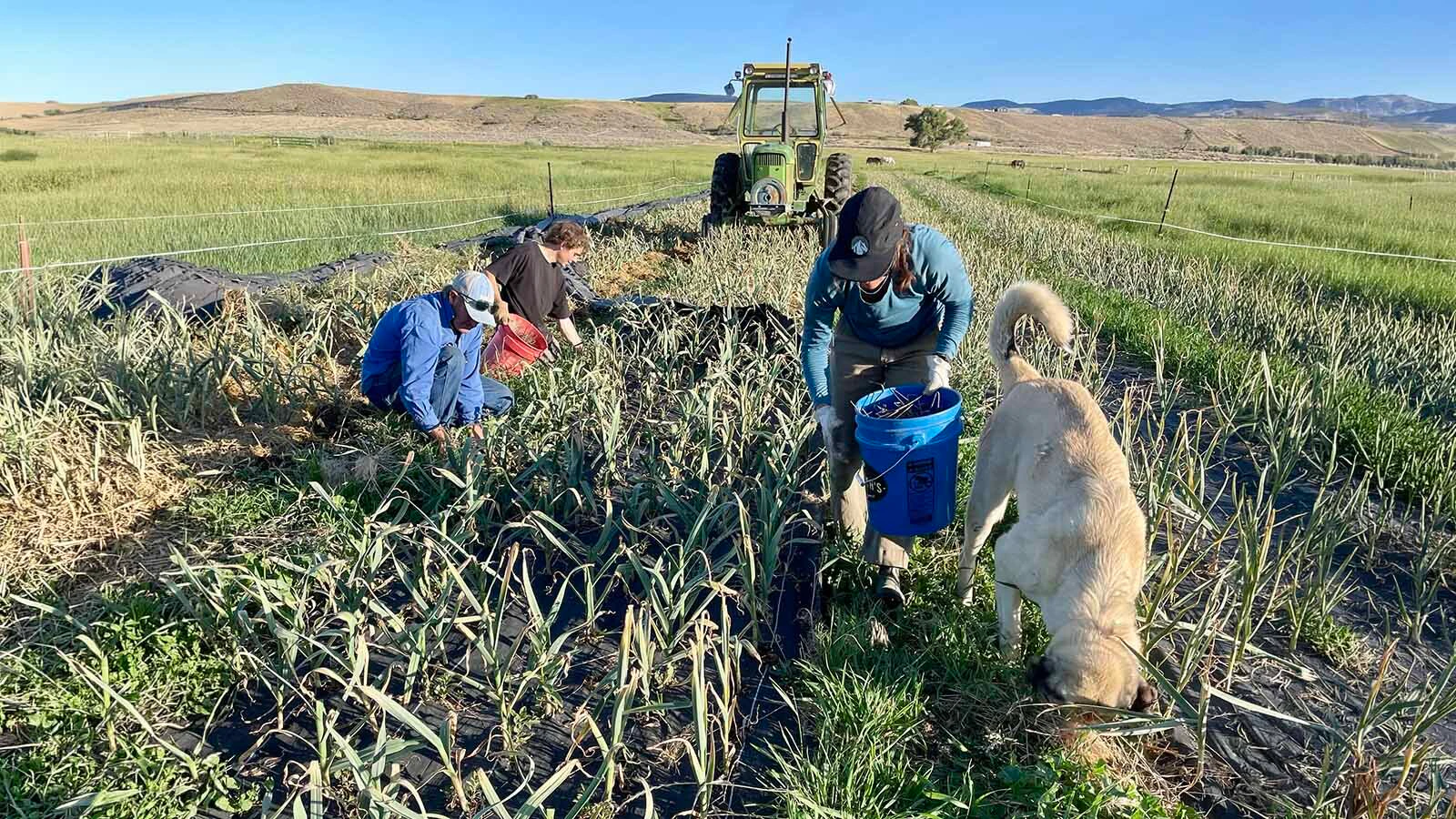
Melissa Hemkin has grown garlic for years in the Wind River Range near Lander. When she decided to expand her farm commercially, she said she chose her garlic strains not only for their flavor and ability to grow in the cooler climate, but for their backstory.
“I love stories and learning from our elders about plants and food plants, in particular,” Hemken said. “I found these interesting stories and wanted to try growing these garlic for myself.”
The oldest variety of garlic at Hemken’s Melissahof Farm is the 400-year-old Chamisal Wild. This heritage garlic was found growing wild on the banks of Chamisal Creek in the Sangre de Cristo Mountains of New Mexico and had been there for centuries.
“I thought it was such a cool story that there was this garlic brought here by the conquistadors and that's how garlic got introduced to North America,” Hemkin said. “I picked that one totally on the story.”
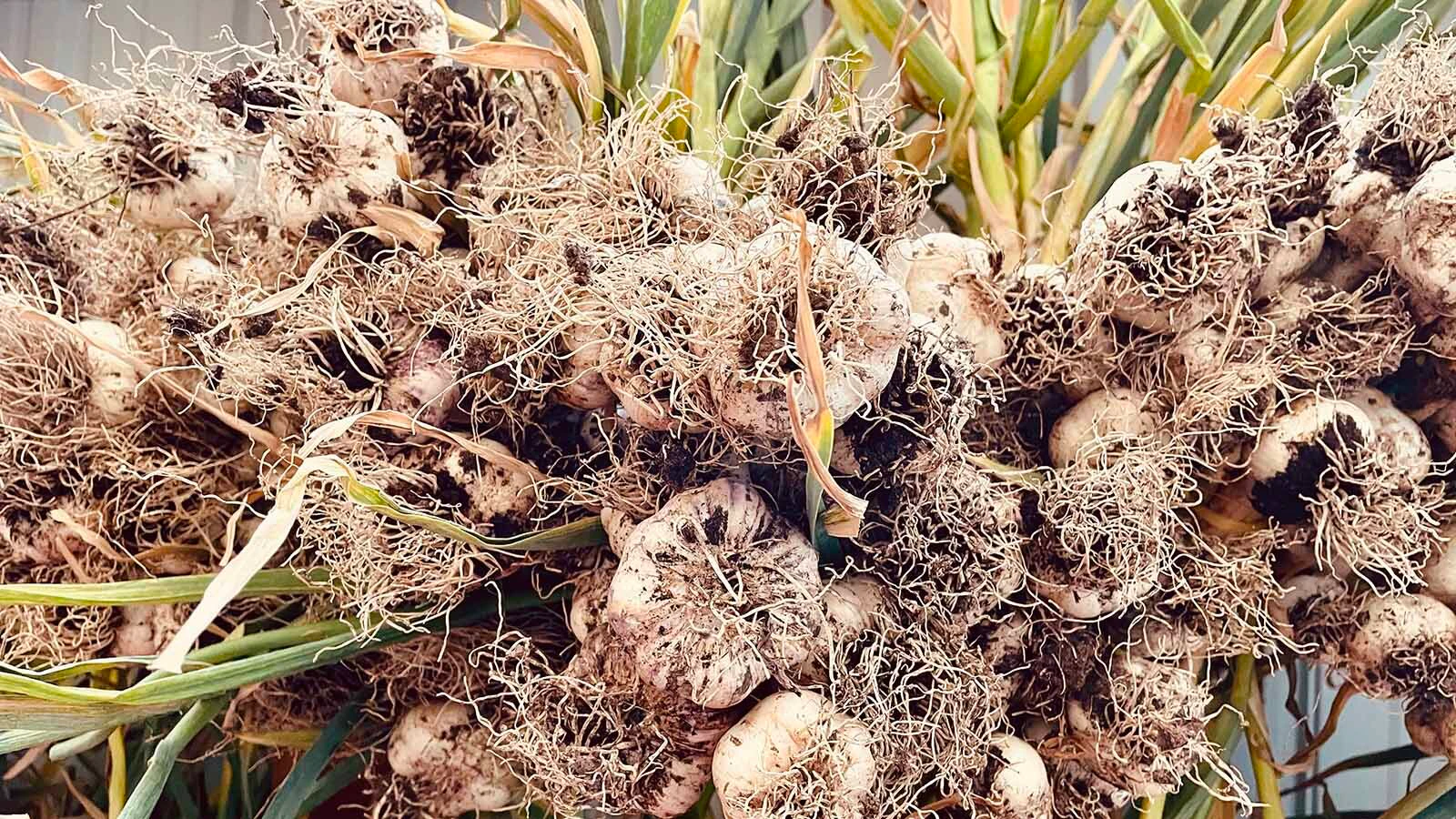
Hemken grows five varieties of heirloom garlic and harvests an average of 800 pounds each July. Their similarity is that they are all hardneck, a type of garlic that prefers colder weather and high altitude — but range widely in taste and heat.
According to Hemken, garlic is not native to North or South America and originated in Asia.
“Garlic spread around the world because everyone liked the flavor,” Hemken said. “It really added to their dishes.”
Other heirlooms Hemken grows include a Vietnamese Red she describes as a purple-striped garlic with a soft, buttery flavor. It's the mildest garlic Hemkin grows and it's great to grill, she said.
The Pehoski Purple is a rare Polish Purple Stripe garlic that came from a Polish community in Wisconsin.
Her newest variety is the Montana Giant, developed in Montana.
“The Montana Giant came from crossing varieties to get the largest cloves possible because no one likes to peel small cloves,” Hemkin said. “The worst thing about cooking with garlic is peeling so I got this one with the big cloves.”
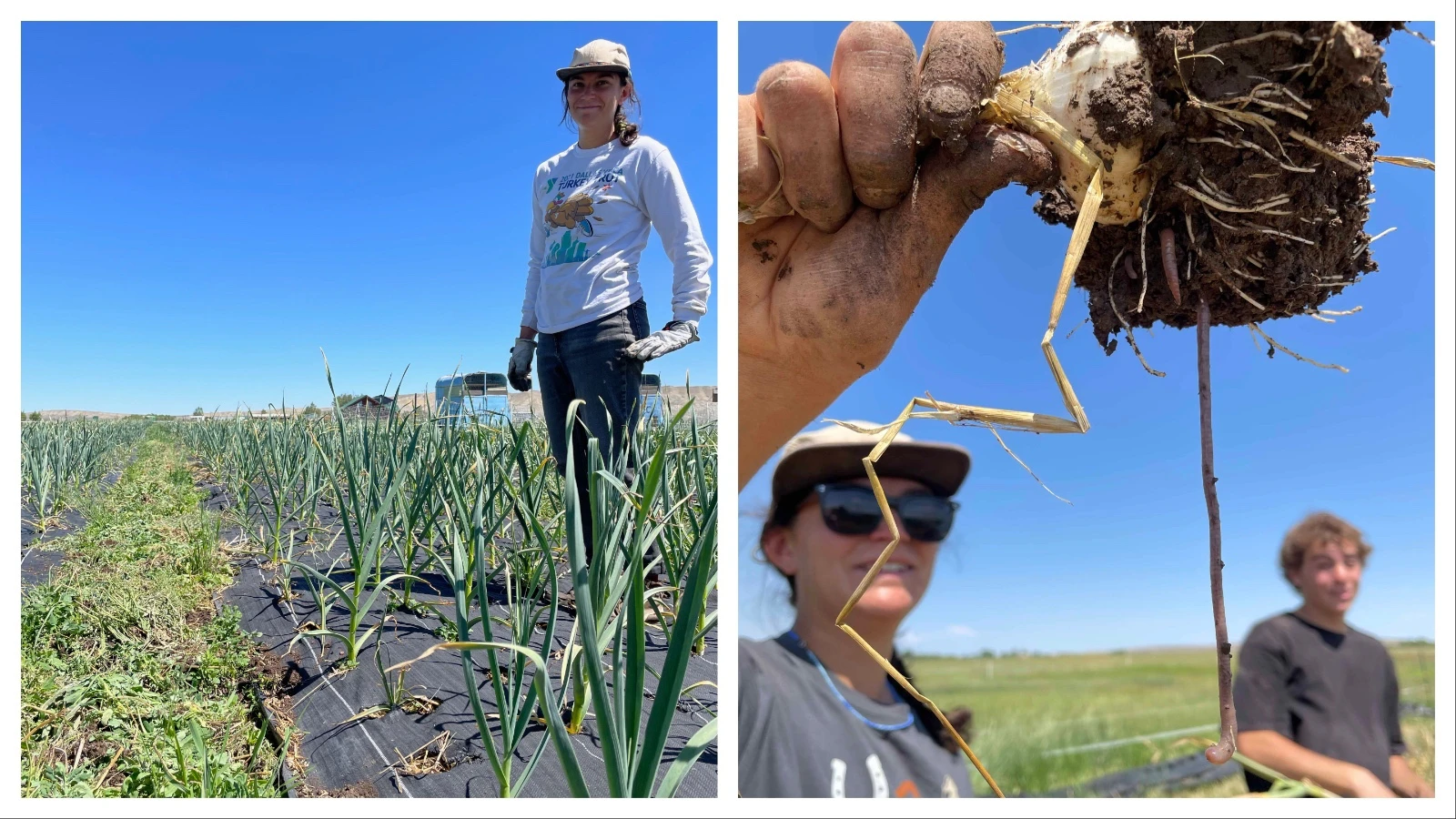
Melissa Hemkin has grown garlic for years in the Wind River Range near Lander. When she decided to expand her farm commercially, she said she chose her garlic strains not only for their flavor and ability to grow in the cooler climate, but for their backstory. (Melissa Hemkin) 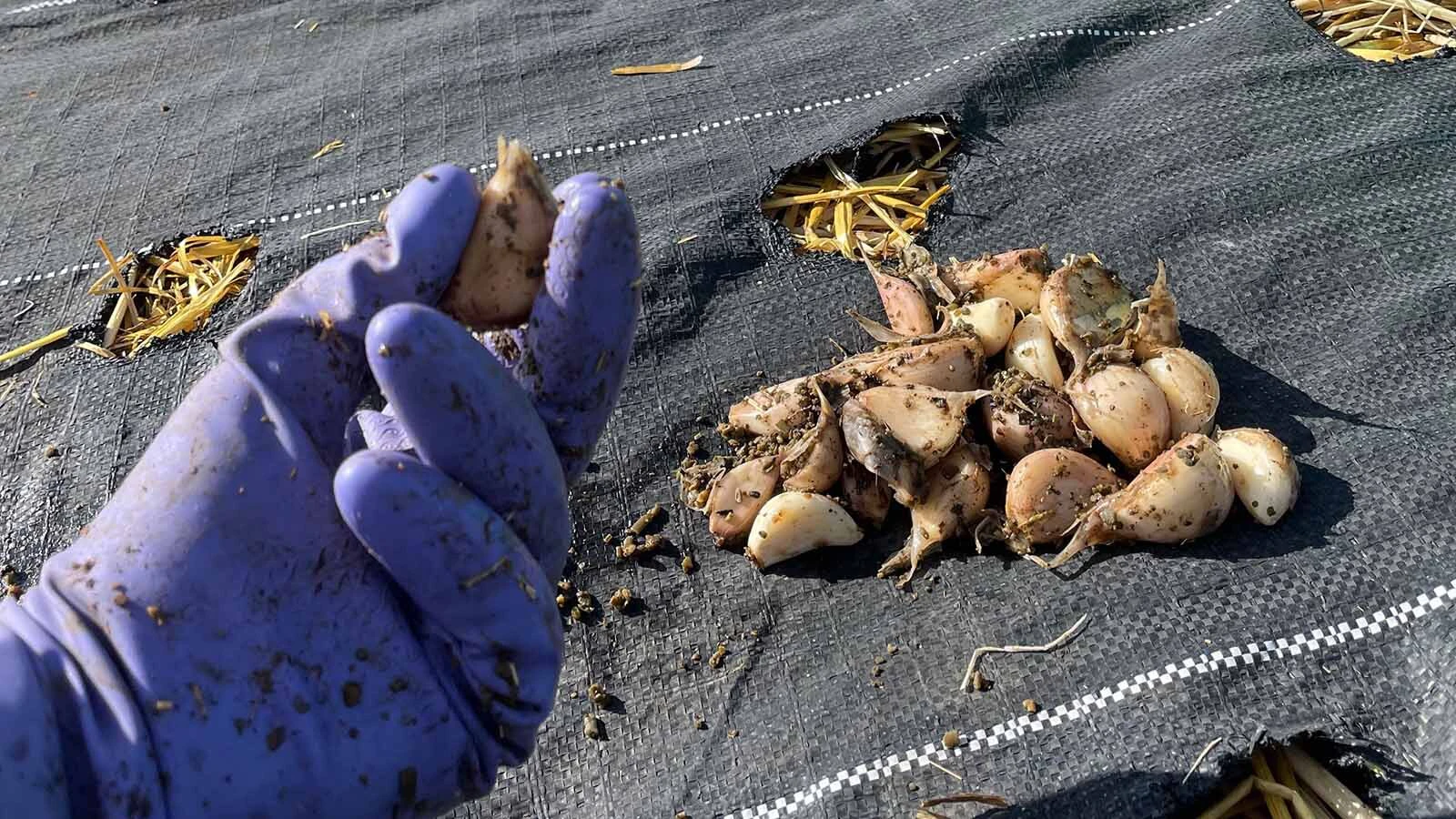
Melissa Hemkin began Melissahof Farms as a chicken hatchery that keeps her busy from March to May with about 1,000 chicks. Hemkin added a quarter of an acre of garlic as a crop to compliment her hatchery since garlic is planted in October and harvested in July. (Melissa Hemkin) 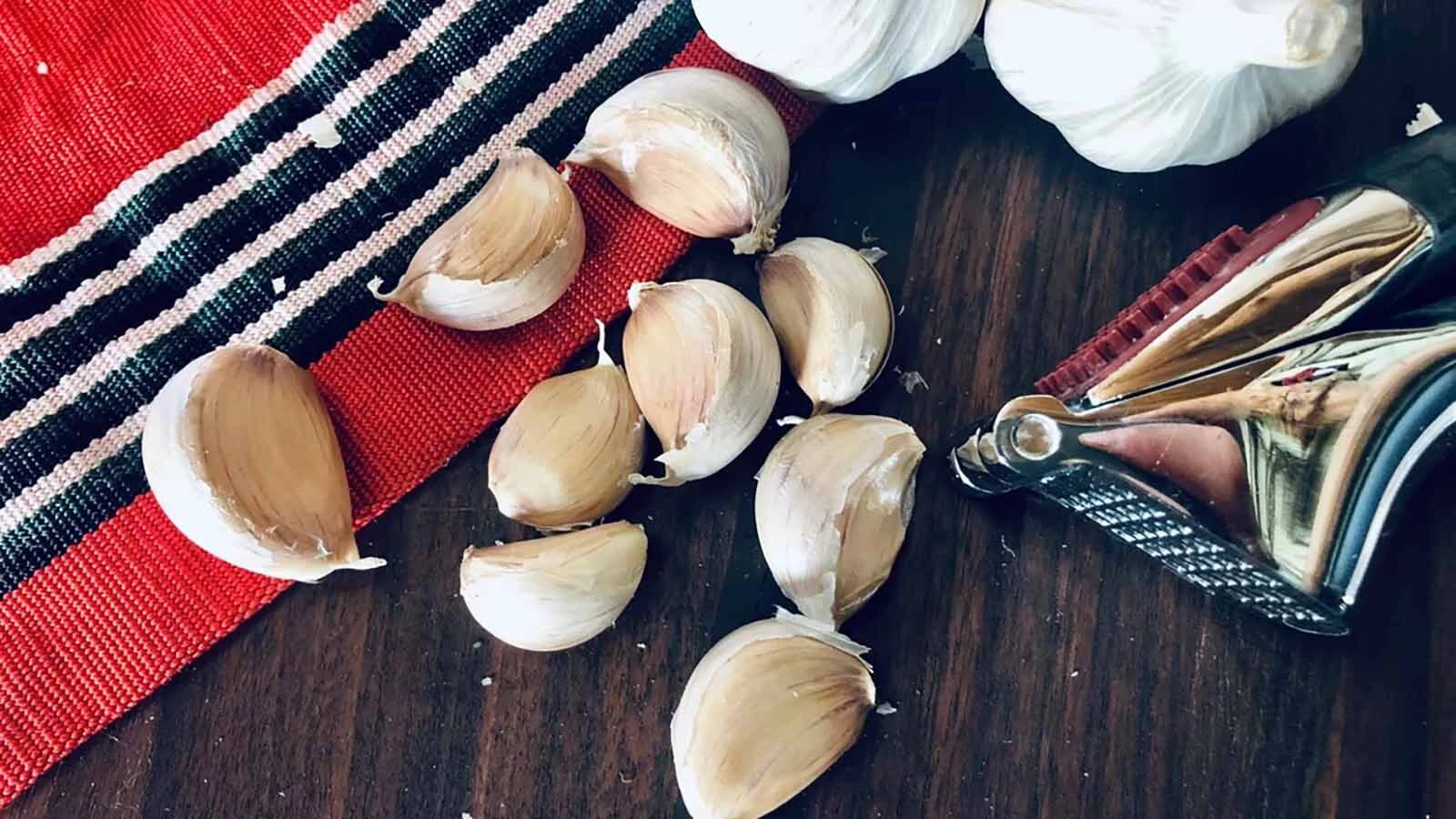
The oldest variety of garlic at Hemken’s Melissahof Farm is the 400-year-old “Chamisal Wild.” This heritage garlic was found growing wild on the banks of Chamisal Creek in the Sangre de Cristo Mountains of New Mexico and had been there for centuries. (Melissa Hemkin)
Bringing On The Heat
The Georgian Fire, from the Republic of Georgia, is the hottest variety on the farm. Hemkin said it “has a fabulous, spicy punch to it” that her customers enjoy because it is so different from anything they have tasted before.
“I picked Georgian Fire based on its spice profile, knowing that it was one of the hottest garlics,” Hemkin said. “Garlic has really healthy properties for us and the high allicin content in Georgian Fire makes it even better for medicinal use.”
Allicin is one of garlic’s best-known sulfur compounds, according to the National Library of Medicine. It forms when raw garlic is chopped, crushed or chewed and is associated with many of garlic’s “biological” effects.
“Some people swear by eating one raw garlic clove a day, and during harvest this year we were challenged from one of the crew members for everyone to eat raw garlic,” Hemkin said. “I couldn’t do it — I was gaggy — but other people did it, but boy, we were pulling faces.”
Hemkin explained that raw garlic straight from the field packs a punch because isn't cured, and the Georgian Fire was especially full of heat. Her employee’s grandpa ate one clove a day and swore by it’s health properties.
Many different medicinal properties associated with garlic according to Hemkin.
“It's to alleviate cold symptoms, for bug bites, gems, like bacteria and viruses,” Hemkin said. “They say that it lowers blood pressure and reduces implementation and swelling, as will as boosts your immunity to help defend against sickness.”
Hemkin said that even though she failed at the challenge to eat the garlic raw, it is still healthy once cured. She also likes fermenting the garlic.
“Fermenting garlic lowers the heat profile a little bit and makes it more palatable,” Hemkin said. “I do a honey garlic ferment because honey has a lot of medicinal properties too and it's really nice and sweet.”
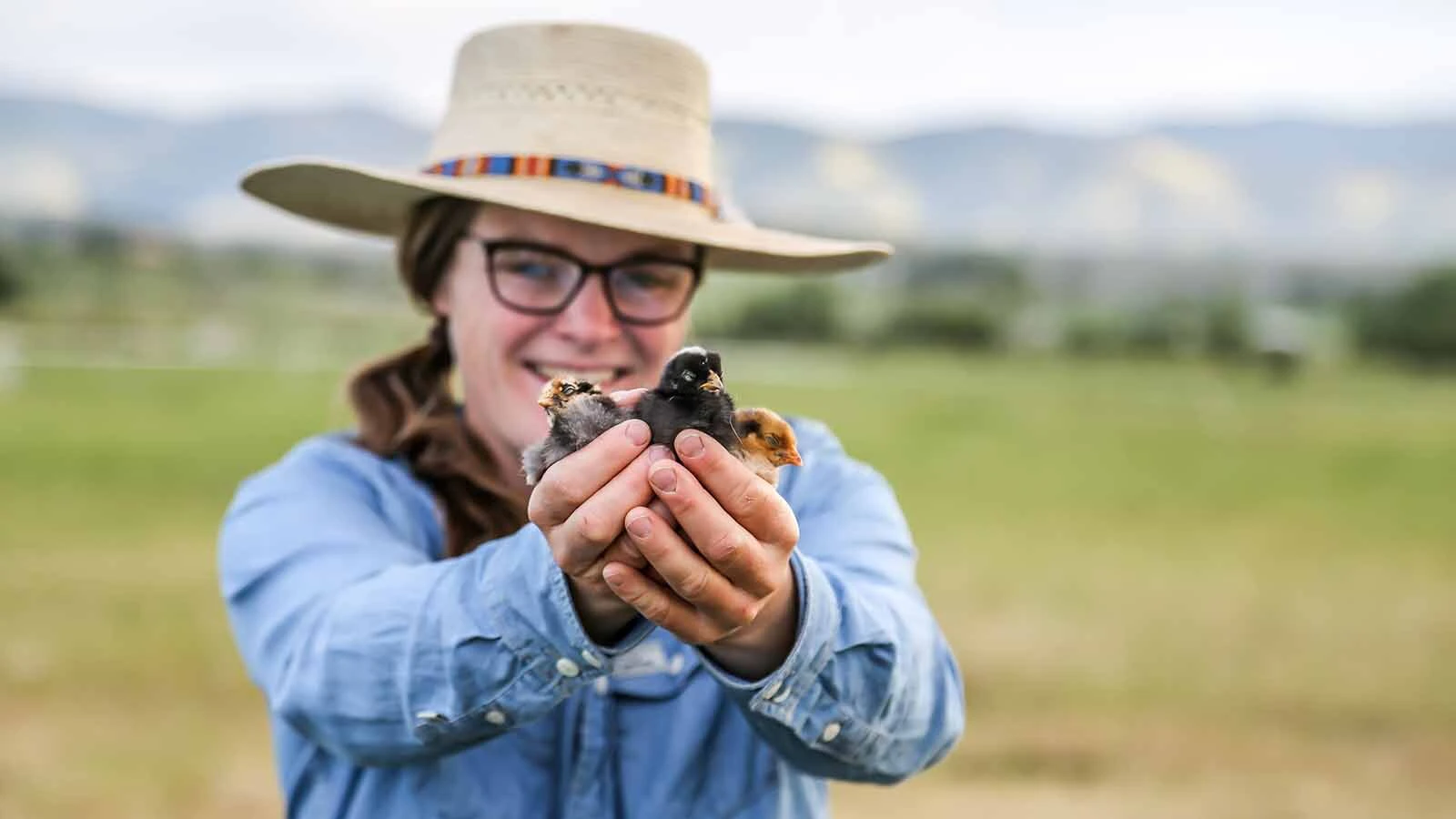
Melissa Hemkin of Melissahof Farms grows an average of 800 pounds of garlic on her Lander property near the Wind River Mountains, and also chicks. The garlic compliments her hatchery since the chicks keep her busy in the spring and the garlic harvest begins in July, with planting in October. (Melissa Hemkin) 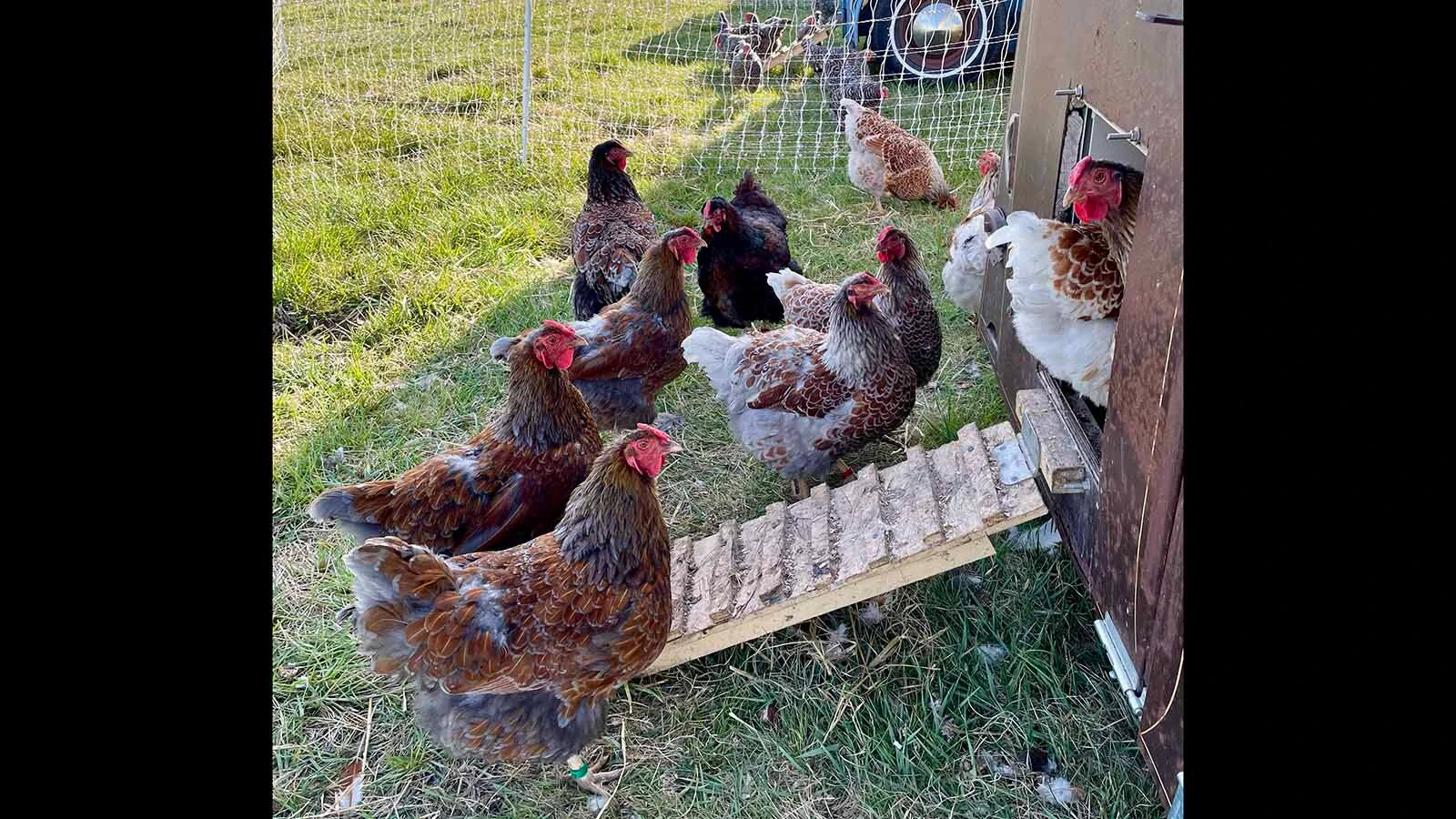
Melissa Hemkin's Melissahof Farms is a hatchery that hatches about 1,000 chicks every year in Lander. She added garlic farmer to her resume since the crop is planted in October and harvested in July - after her chicks have grown. (Melissa Hemkin) 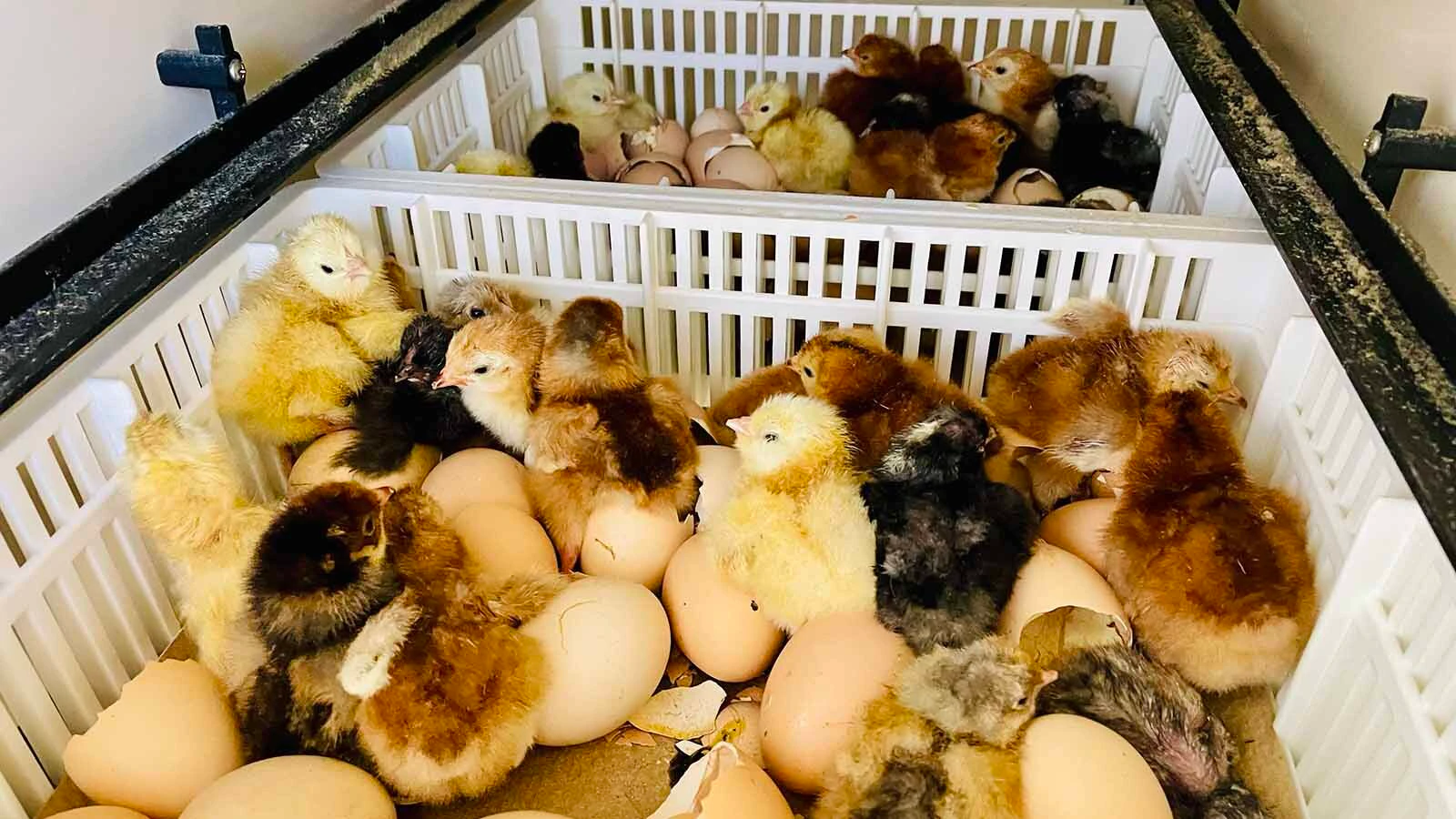
Melissa Hemkin's Melissahof Farms is a hatchery that hatches about 1,000 chicks every year in Lander. She added garlic farmer to her resume since the crop is planted in October and harvested in July - after her chicks have grown. (Melissa Hemkin)
Why Garlic
Hemkin said the reason she chose to grow garlic is because she was looking for a crop that would go well with her hatchery side of the farm. She hatches over 1,000 chicks from March to May, which keeps her busy.
“When everyone else is planting their tomatoes and their cucumbers and getting their starts ready, I don't have time because I have all these baby chicks,” Hemkin said. “Garlic has an opposite season because you plant in October and you harvest it in July.”
Hemkin said garlic is also a root crop that grows well in the climate of the Wind Rivers. Over time, she just kept growing more until she had a quarter of an acre of garlic.
Although she primarily sells direct to consumer at farmer's market, Hemkin also sells to grocery stories, wholesale to restaurants and online to a growing national audience.
She cures her garlic for about three weeks to make it more palatable and said her hardneck varieties can be stored 8 to 10 months in a cool, dry, dark place.
“Mostly what you're going to find in normal grocery stores are just the German White,” Hemkin said. “It is a pretty mild garlic and it has to be to reach the mass palettes since everyone can stomach mild garlic.”
She said that heirloom garlics like hers are for those who want more spice and heat.
Hemkin also sells her garlic as powder, peeled and in fermented forms.
“Everyone loves the convenience of that because no one likes the peel garlic,” Hemkin said. “The powder is especially popular because it's in the spice drawer but it has the full flavor of the garlic.”
Hemkin said her garlic powder does not have the anti-caking agents and fillers that store-bought garlic powder contains.
“The ones in the store lacks flavor and is very bland in comparison to straight garlic powder,” she said. “What we do with the hottest garlic is dehydrate garlic cloves to make the powder."
Each jar usually has two full heads of Georgian Fire and has so much flavor many of her customers now buy that over the fresh garlic.
Garlic Brownies
Hemkin also sells black garlic, which is an aged garlic that begins as a white garlic. The aging process turns it black and soft and this fermenting makes it sweet.
“You can cook with black garlic, either sweet or savory,” Hemkin said. “I like the sweet because I have a sweet tooth and it pairs well with chocolate. You can make black garlic fudge, brownies or black garlic chocolate ice cream – it is awesome.”
Hemkin said the black garlic makes great dressings and marinades. Some of her customers even spread black garlic on their bread and eat it straight.
“Aging and fermentation of food unlocks even further nutrition for us that's not available in the raw or cooked form,” Hemkin said. “Black garlic is even healthier for us than eating the garlic raw.”
Jackie Dorothy can be reached at jackie@cowboystatedaily.com.


