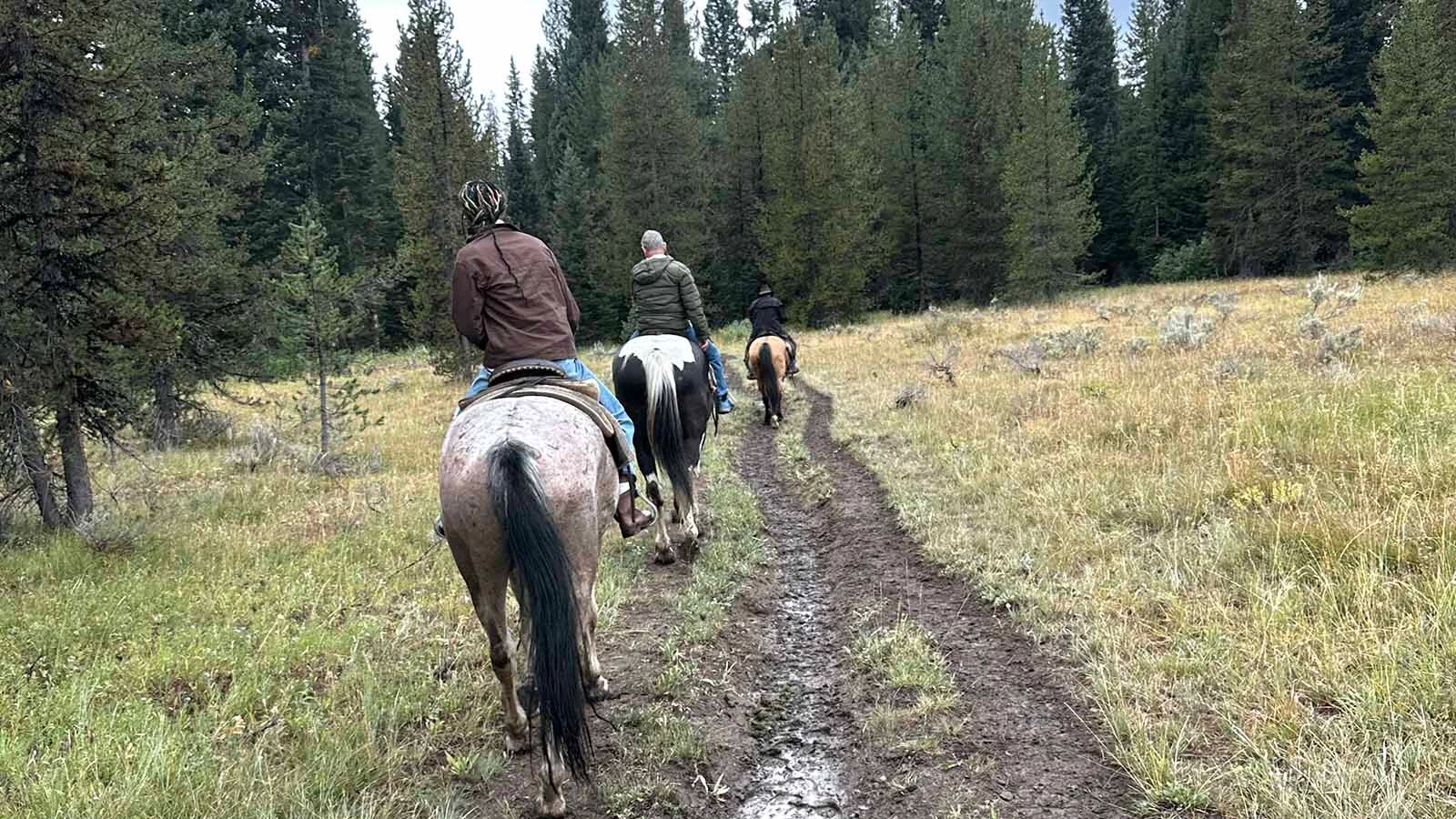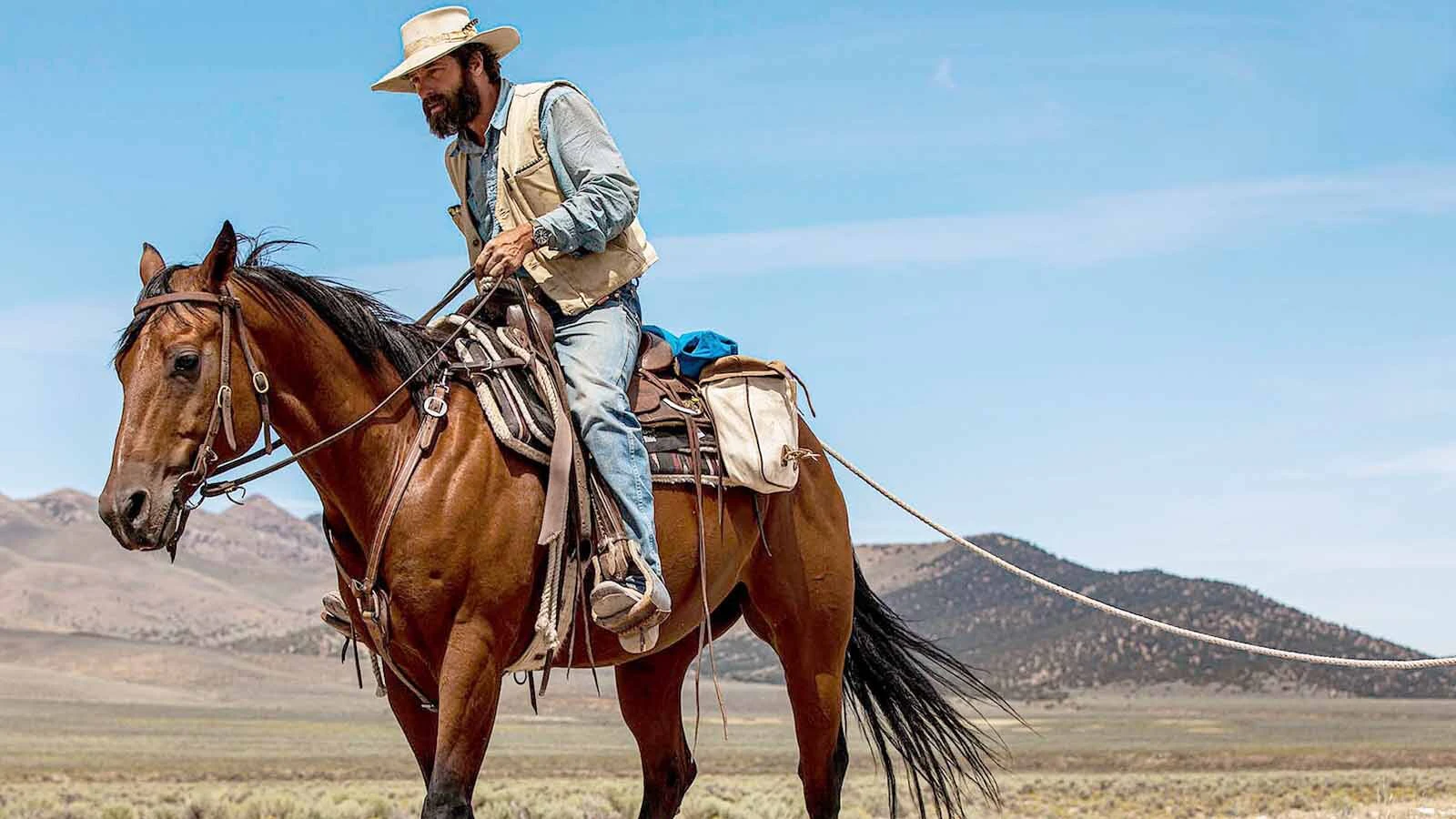
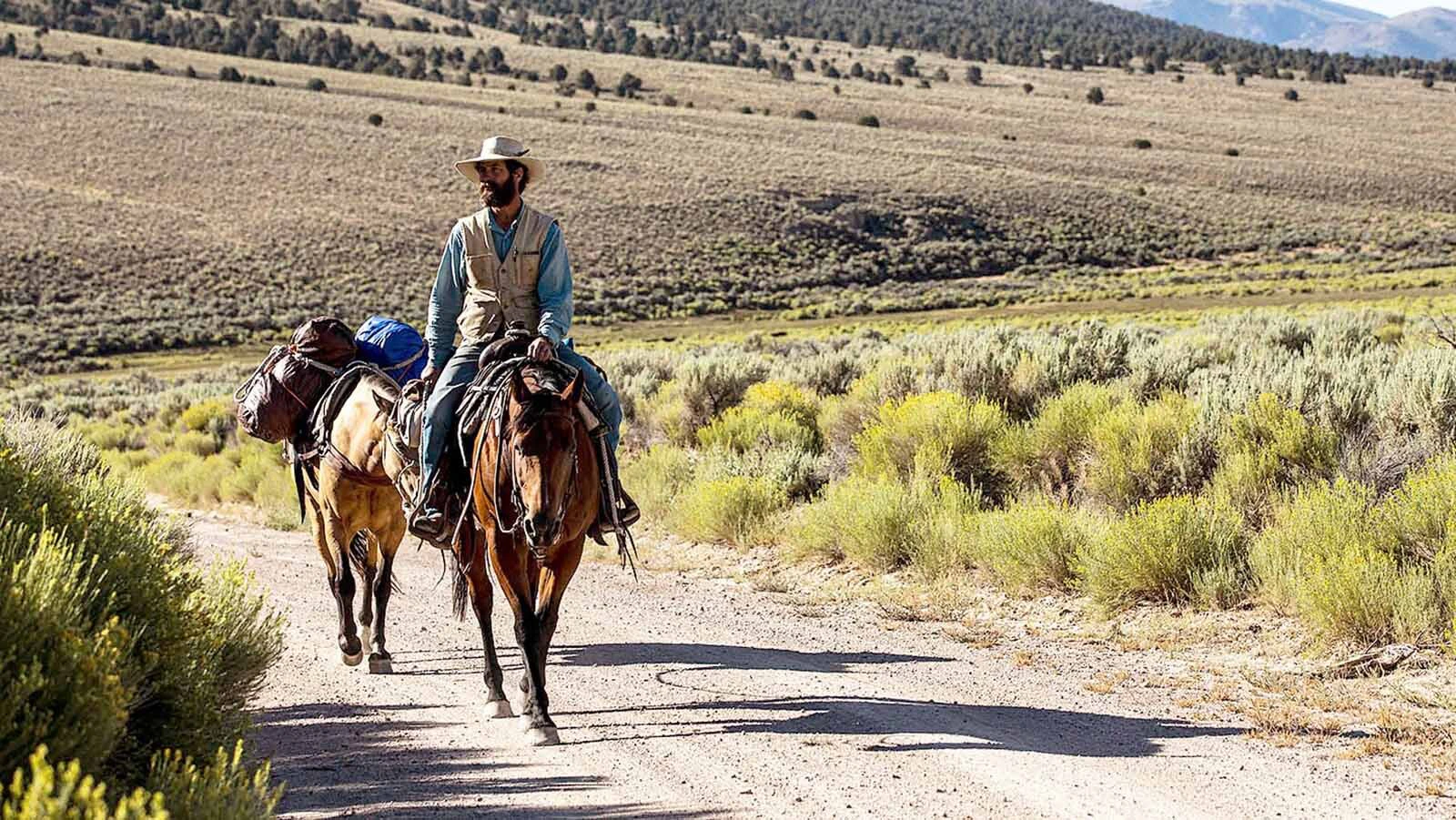
Will Grant still has the two horses, Chicken Fry and Badger, that he rode across Wyoming in the summer of 2019 when he retraced all 2,000 miles of the Pony Express trail.
Chicken Fry was born in New Mexico, and no one knows for sure how old he is.
“He’s had some hard miles on him,” Grant said. “Not a hard life, but plenty of work. So we rope off them a little bit, but not too much, and they’re like trail horses.”
Some of those hard trail miles happened in a landscape that deeply respects its roots. Wyoming, Grant told Cowboy State Daily, has cared for its Pony Express Trail better than other states.
“You can see it there,” Grant said. “It’s very well marked in Wyoming. Very well marked.”
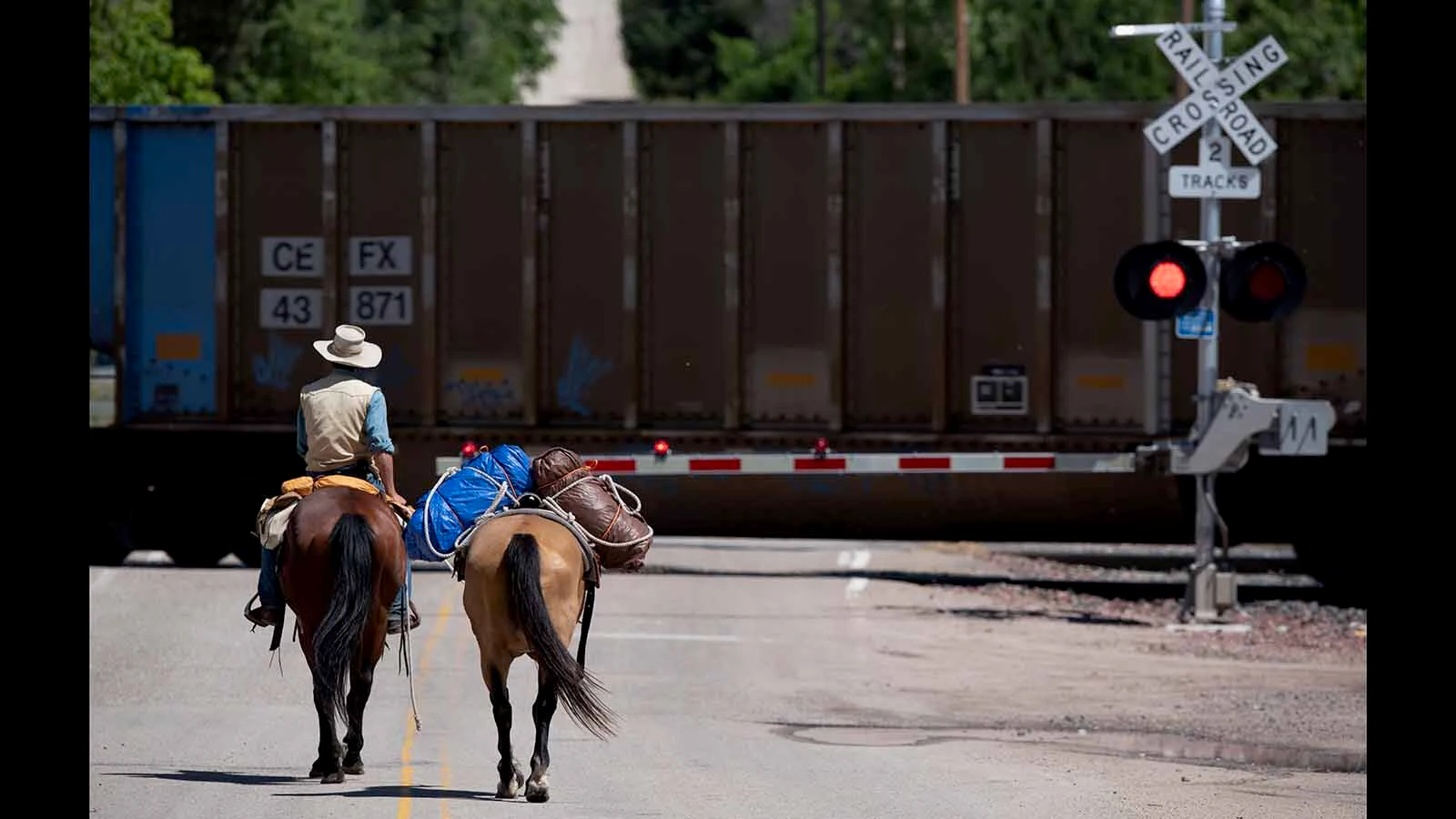
Colorado cowboy and journalist Will Grant rode all 2,000 miles of the Pony Express trail on horseback. His trip was inspired by the legacy of America’s pioneers, and he said their Code-of-the-West grit and hospitality is still alive, especially in Wyoming. (Will Grant) 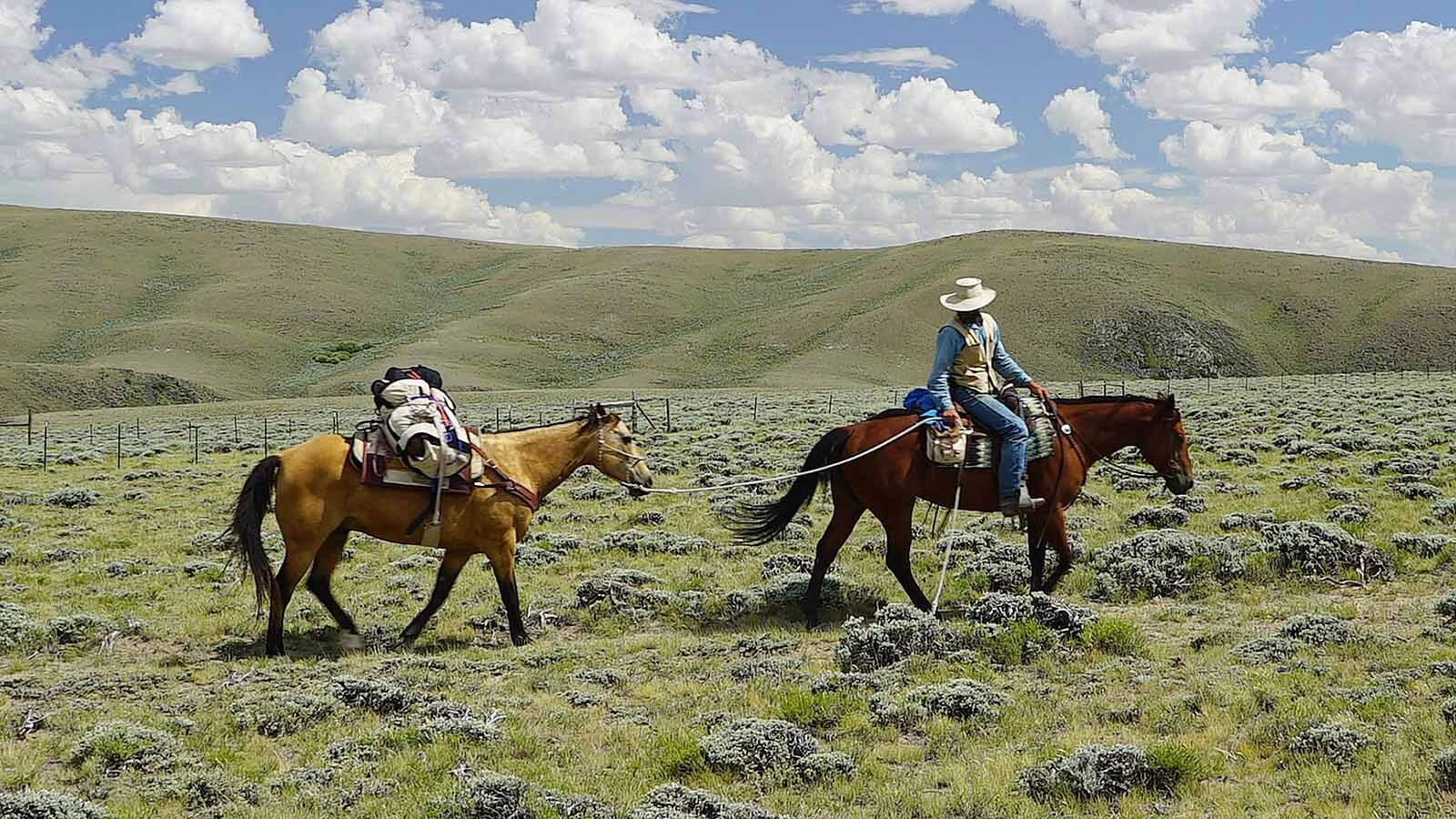
Colorado cowboy and journalist Will Grant rode all 2,000 miles of the Pony Express trail on horseback. His trip was inspired by the legacy of America’s pioneers, and he said their Code-of-the-West grit and hospitality is still alive, especially in Wyoming. (Will Grant) 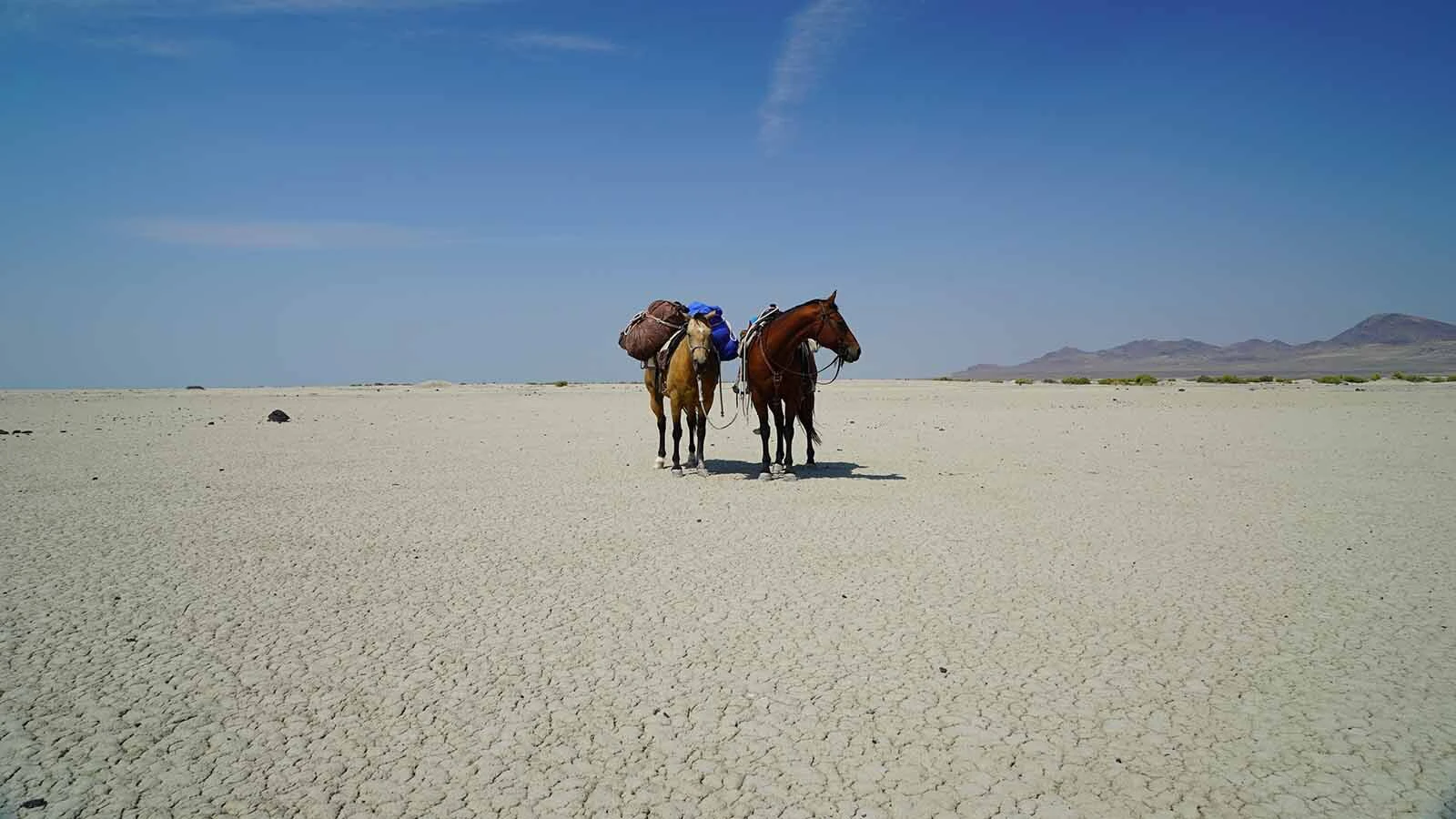
Colorado cowboy and journalist Will Grant rode all 2,000 miles of the Pony Express trail on horseback. His trip was inspired by the legacy of America’s pioneers, and he said their Code-of-the-West grit and hospitality is still alive, especially in Wyoming. (Will Grant)
Gritty Reality Of The Trail
Mosquitoes in Jeffrey City are particularly bad, while South Pass can be freezing cold even in July.
That’s left Grant wondering how Pony Express riders kept their feet and their hands warm, given that they were riding through South Pass in January of 1861.
“The winds through there are no joke,” he added.
These are just a few of the gritty details Grant learned about Wyoming as he rode through it on the back of a horse, surrounded by a vast, windswept sea of sagebrush.
He had known from the outset that he would face the same brutal elements the pioneers did — shifting mud, relentless wind, desert conditions, mosquitoes, and the like.
But, as he wrote in his book, “The Last Ride of the Pony Express,” thinking about the hardships ahead of time and experiencing them firsthand are two very different things.
That point became starkly clear under the flash of a sudden Wyoming summer storm. Grant and his two horses, he realized immediately, were the highest point on the landscape. They were walking targets clad in iron horseshoes. And there was nowhere for them to take cover. It was just miles of open sagebrush in every direction, as far as his eyes could see.
The crack of thunder overhead filled him with dread as he rode across the land in that gathering storm. He also gained a new appreciation for the 1860s couriers who wrote of learning to read the landscape in between blinding pulses of lightning strikes.
“I learned that the Pony Express as a mail service was a really impressive display of American entrepreneurship,” he said. “There’s no other country in the world that could have done the same thing given the same environmental parameters. There were no horses out there. There was no infrastructure on which to set up a fast horse mail relay over 2,000 miles to deliver a letter in 10 days.”
There were wild horses, and they were a huge danger to a lone rider managing two horses. Grant writes about that in his book, how careful he was to avoid either inciting an attack or losing his horses to that stallion’s wild harem.
The Mongols and the Romans and the Persians did have ancient horse relays to quickly traverse their kingdoms. But these were created in already civilized areas that their empires controlled, and those relays were fed and maintained by the full resources and might of those empires.
America’s Pony Express was a business venture started completely from scratch, with no empire behind it at all, traversing a vast and empty land that was openly hostile. There were no resources from a surrounding empire to help them through all the places that lacked food, water and shelter.
Pony Express riders didn’t wait for perfect conditions, though. They rode in all kinds of weather, making a 2,000-mile trip in a just 10 days.
Grant took his time, compared to them. His journey lasted 142 nights.
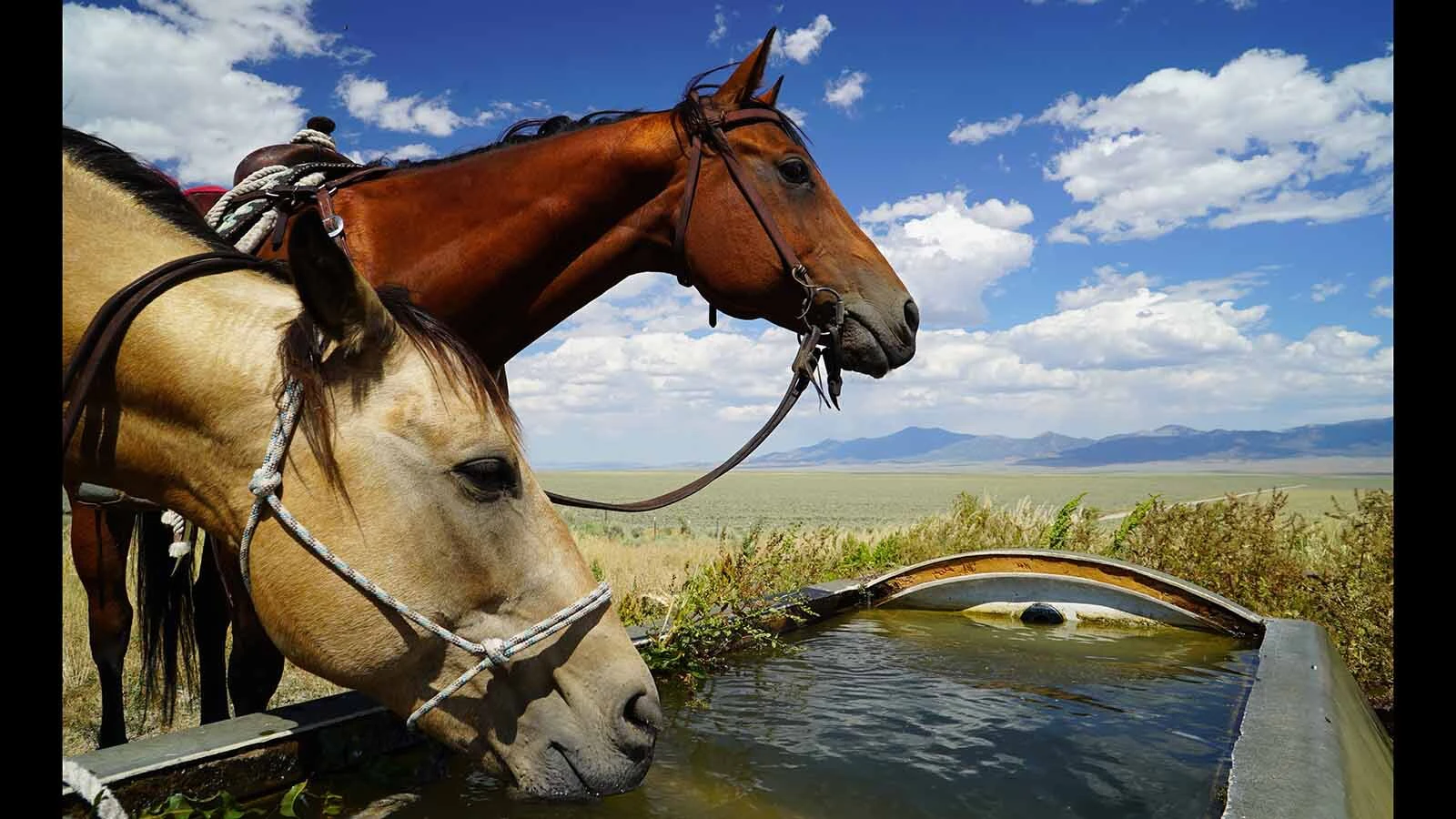
Colorado cowboy and journalist Will Grant rode all 2,000 miles of the Pony Express trail on horseback. His trip was inspired by the legacy of America’s pioneers, and he said their Code-of-the-West grit and hospitality is still alive, especially in Wyoming. (Will Grant) 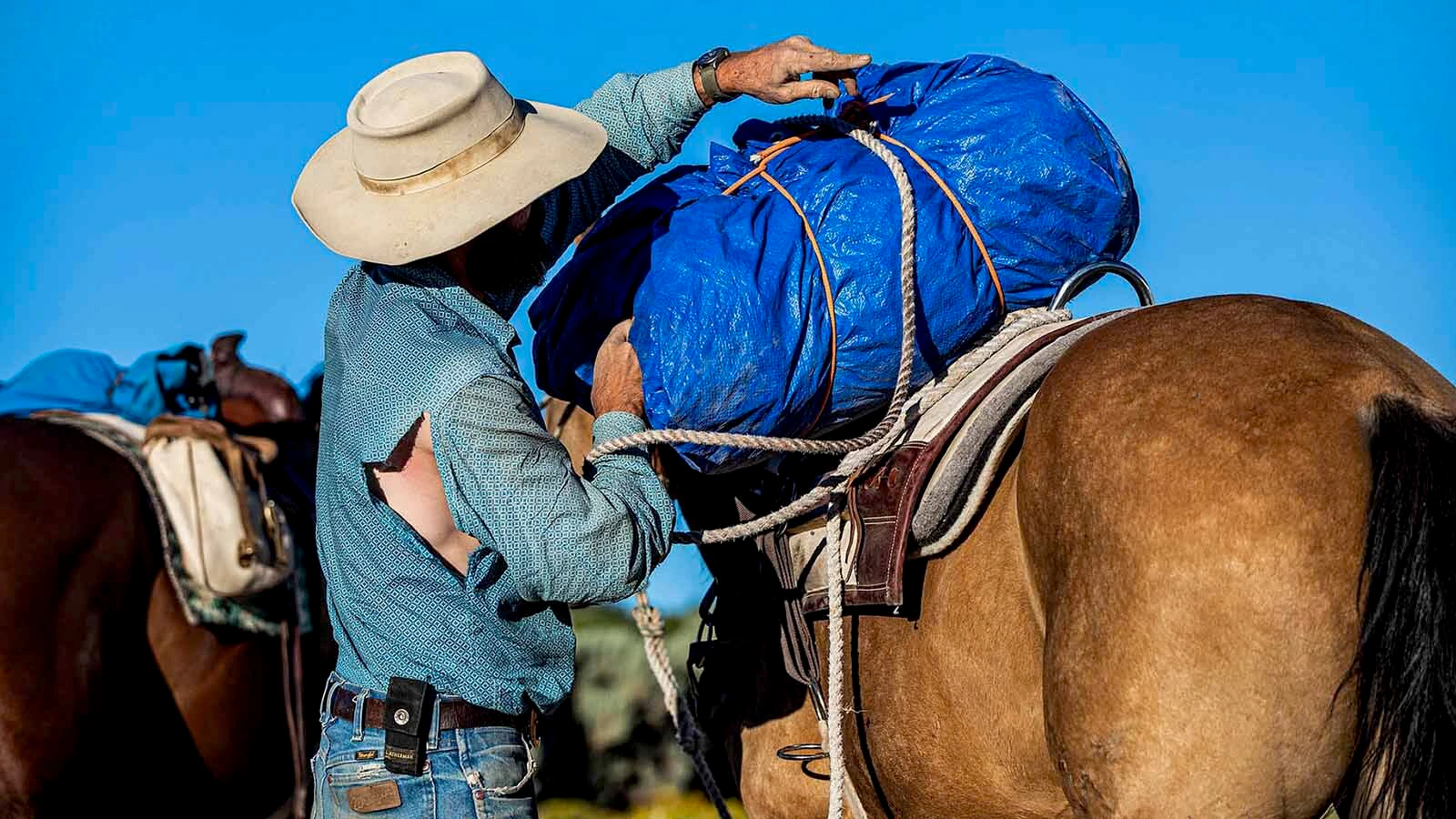
Colorado cowboy and journalist Will Grant rode all 2,000 miles of the Pony Express trail on horseback. His trip was inspired by the legacy of America’s pioneers, and he said their Code-of-the-West grit and hospitality is still alive, especially in Wyoming. (Will Grant) 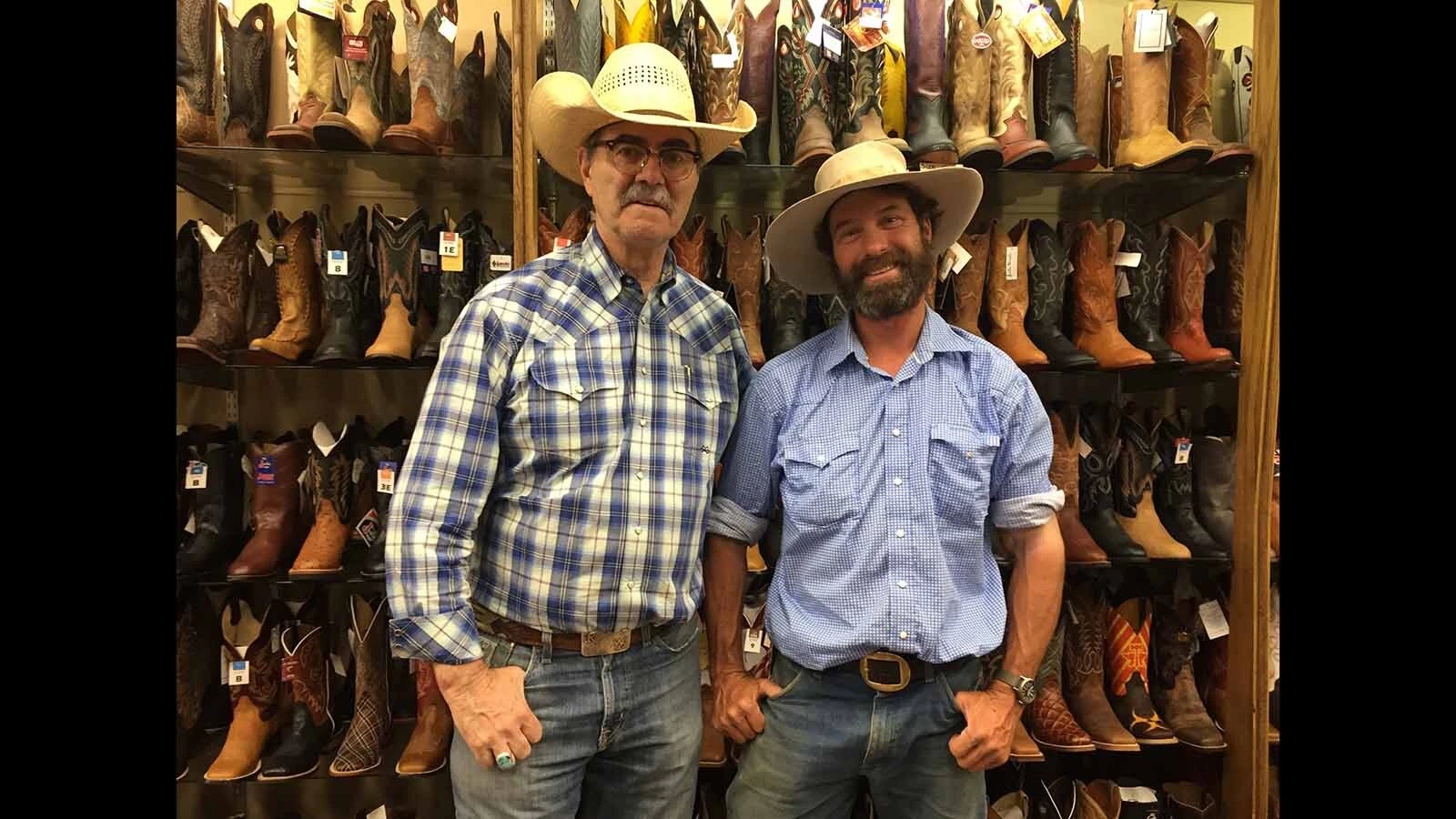
Colorado cowboy and journalist Will Grant rode all 2,000 miles of the Pony Express trail on horseback. His trip was inspired by the legacy of America’s pioneers, and he said their Code-of-the-West grit and hospitality is still alive, especially in Wyoming. (Will Grant)
Modern-Day Station Masters
He also had something else the original 1860s riders didn’t. Wyoming ranchers — many of them descended from original homesteaders — who helped him all along the way, as did members of the modern-day Pony Express riders. The ranchers, in particular, were an informal network of modern-day station masters, ready and willing to help him all along the way.
Time and again, just as weather threatened to overwhelm him and his small string of horses, Grant would ride up on a private gate to find it already opened to him. The rancher before had let the next farm know he was on the way and to watch out for him.
These ranchers didn’t just grant him passage through their land. They would actively pull him out of a storm, offering secure pasture space and protection from the elements. There were often hot meals and a dry bunkhouse were included, as well as their stories.
“The traveling horseman still finds a lot of hospitality in Wyoming, I’ll tell you that,” Grant said. “People were good to me. Opening pasture gates, no worries. Really good people all along the way.”
There was the time a well-meaning rancher tried to talk him into taking an ornery mule with him …
But warm hospitality and cheerful dinners and storytelling were more common. It was a powerful reminder that while the physical shelters of the 1860s may have crumbled, the human infrastructure of mutual aid remains intact across the Wyoming plains. It’s been actively kept alive behind the closed gates of modern cattle ranchers, many of whom are still living by the unwritten code of the West, handed down from one generation to the next.
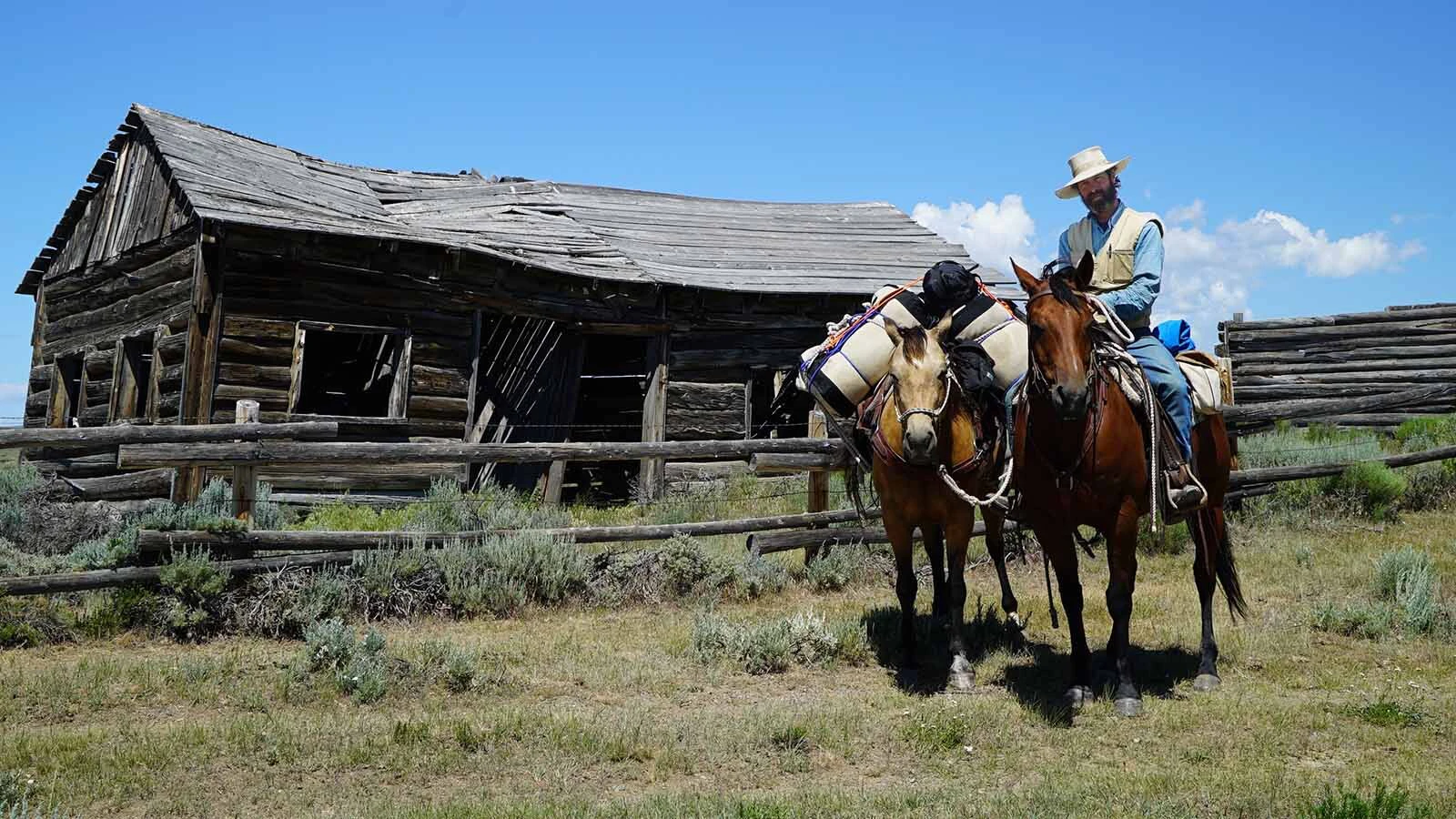
Colorado cowboy and journalist Will Grant rode all 2,000 miles of the Pony Express trail on horseback. His trip was inspired by the legacy of America’s pioneers, and he said their Code-of-the-West grit and hospitality is still alive, especially in Wyoming. (Will Grant) 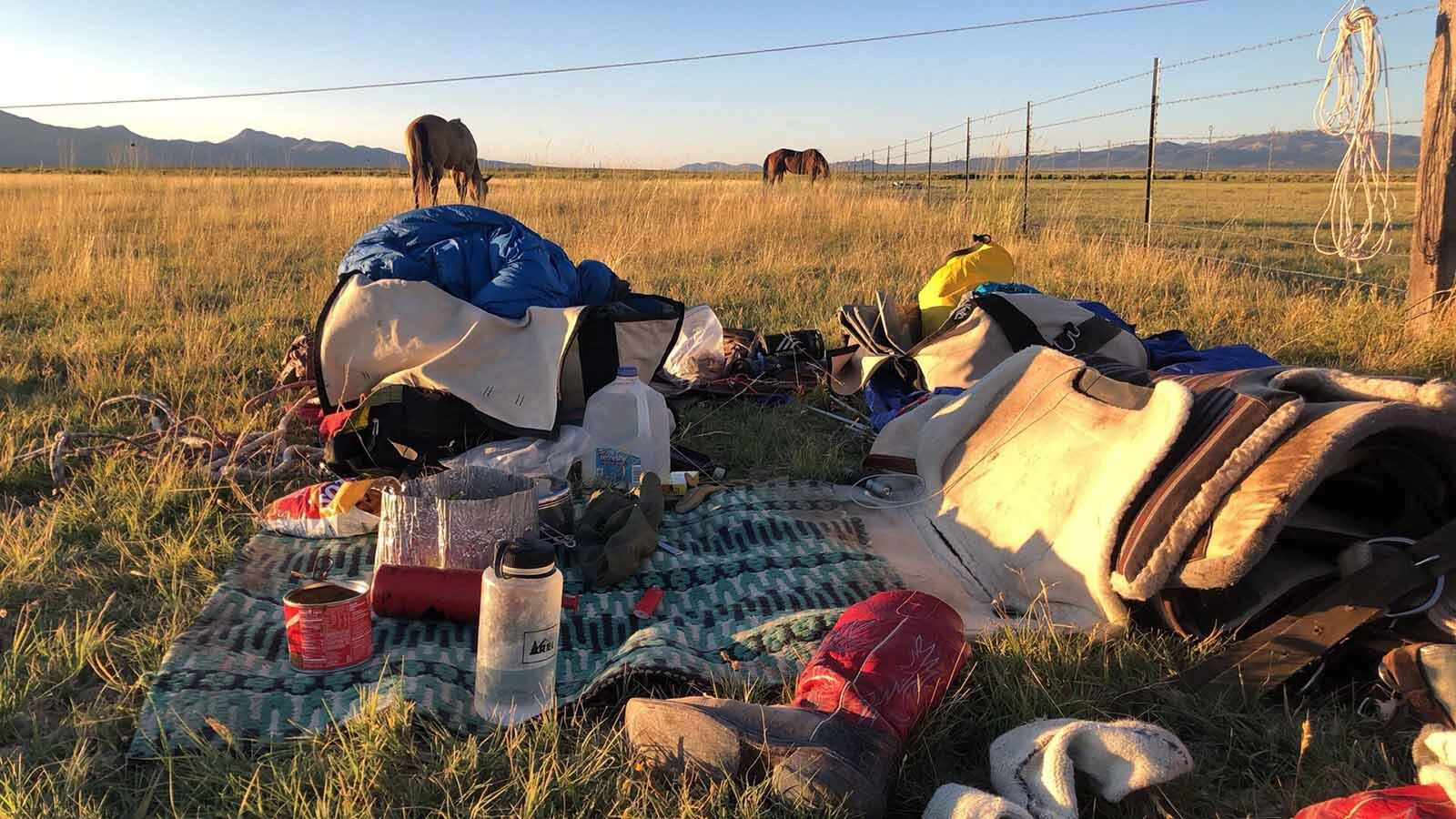
Colorado cowboy and journalist Will Grant rode all 2,000 miles of the Pony Express trail on horseback. His trip was inspired by the legacy of America’s pioneers, and he said their Code-of-the-West grit and hospitality is still alive, especially in Wyoming. (Will Grant) 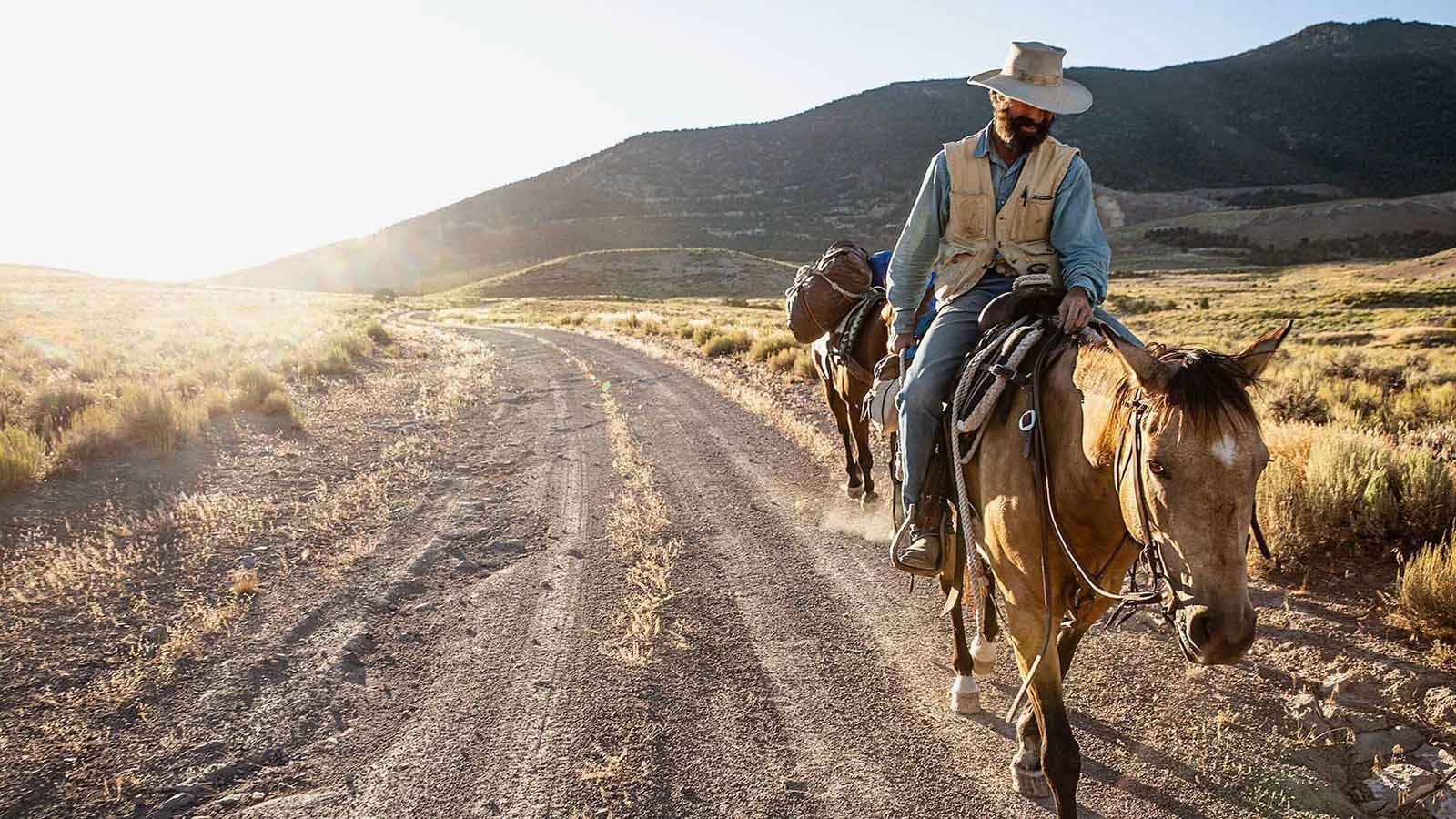
Colorado cowboy and journalist Will Grant rode all 2,000 miles of the Pony Express trail on horseback. His trip was inspired by the legacy of America’s pioneers, and he said their Code-of-the-West grit and hospitality is still alive, especially in Wyoming. (Will Grant)
Write What You Know
Grant’s Pony Express ride wasn’t just a history fascination for him. He found in the ride a perfect intersection for the two halves of his life.
“I’m a journalist, and I mostly have been writing for magazines,” he said. “What I really wanted to do is write a book. The Pony Express emerged as a topic that I thought I could shed some light on because I worked as a horse trainer and a cowboy.”
Grant, born and raised in Littleton, Colorado, spent his summers cowboying on a ranch between Chugwater and LaGrange in Wyoming, studying under a foreman named Tim Sussex.
“Those were good years for me because Tim really showed me how to handle horses in a lot of different ways, but really how to be quiet with a horse,” he said. “That is the best thing you can do, get a ranch hand job on the wide open prairies of Wyoming.”
His first degree program was forestry and geology in Tennessee, after which he went back to horses, breaking colts in Larkspur, Colorado, then working for a ranch in Texas.
In 2008, he went back to school to study journalism at University of Montana School of Journalism.
“I needed it,” he said. “I’d been training horses and doing ranch work for like eight years. I had to use a different part of my brain.”
When he went hunting for a book idea, the old writer’s advice — write what you know — stuck.
“I saw the Pony Express as a way to overlap my expertise with horses and write what you know,” he said. “I decided to dive into the Pony Express and I thought, ‘Well, obviously, I’m gonna have to just ride it. Travel it by horseback.’”
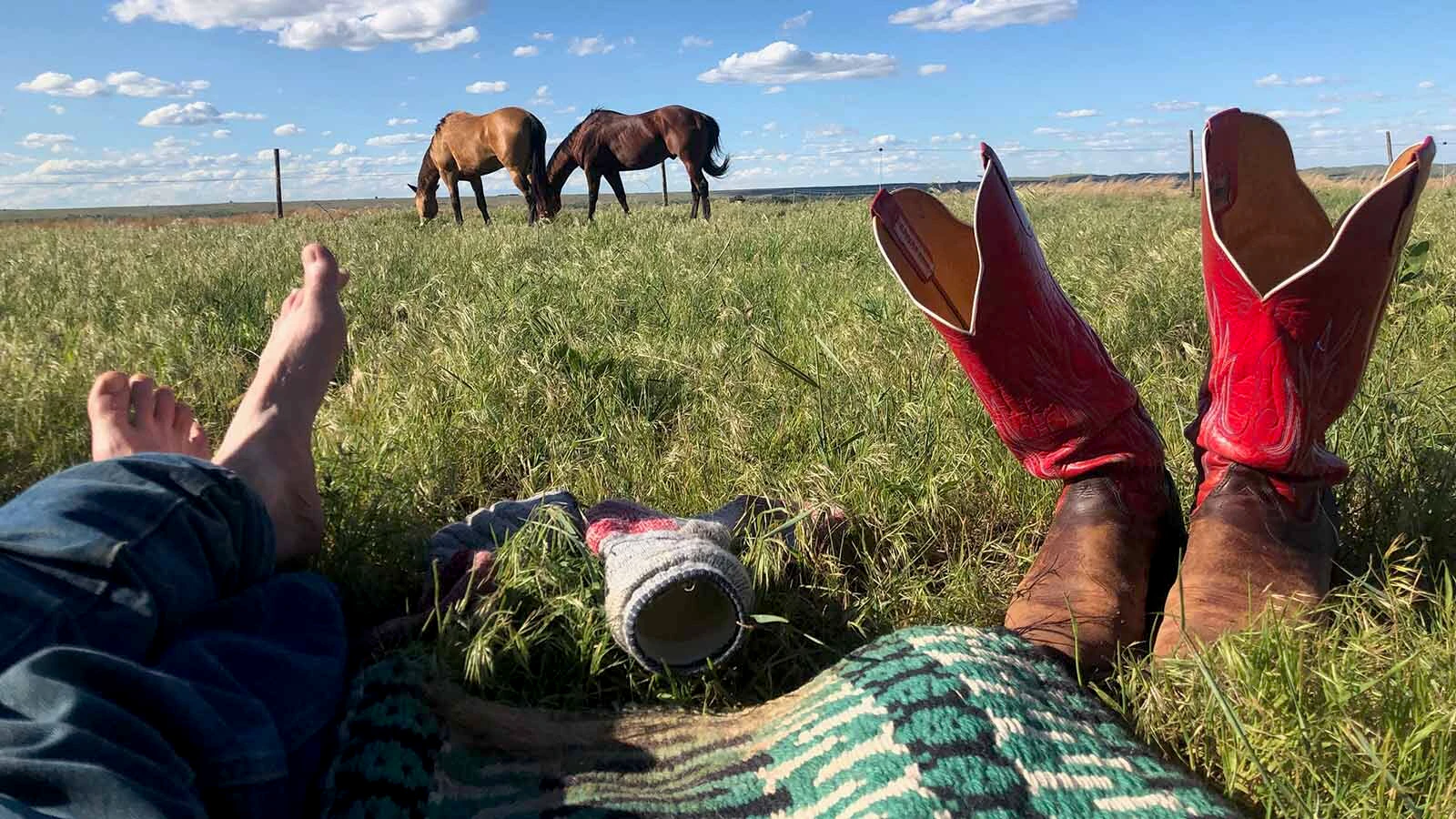
That, he added, was the “best summer of my life.”
Even if it was the summer of 2019 — not the summer of ’69.
Trail Logic And Life
Spending five months on the back of a horse gave him new perspectives on hardships and life.
“When things are bad, you can expect they are going to get better,” he said. “If you have a bad camp, then the next night is almost certainly going to be better. And if you have two bad nights in a row, then your odds are even better that you’re headed for greener pastures.”
That simple trail logic helped him keep his morale intact through the inevitable stretches of cold and wet, hot and thirsty, tired and hungry all along the way.
He also learned more about his horses than he expected.
“I’ve been around horses my entire life,” he said. “But I learned a lot about their nonverbal communication. I learned you can tell a lot about a horse by listening to the way they walk.”
Any discomfort comes out in the sound of the hooves striking the ground.
He also noticed things about humans as well, including that they seem to care more about someone who is riding on the back of a horse than they do about someone who is on foot.
“They’re more likely to offer support because of the horses,” he said. “People cared about the wellbeing of the horses more than they cared about the wellbeing of me for sure. Having the animals with you opens up a lot of doors.”
The Next Book
These days Grant lives in Santa Fe, New Mexico, where Chicken Fry and Badger have the run of the place, and Grant spends more time “wrangling sentences” than he does cattle.
He’s already knee-deep in his next book, which is about the ancestry of the American cowboy.
The research has already taken him to Mexico, Spain, and soon Morocco. Next summer he’ll tackle history that’s “closer to home.”
Whether that brings him back to Wyoming remains to be seen. But Wyoming will have its thread in the book regardless.
“I’ve got a lot of good Wyoming material built up over the years,” he said. “Horsebacking it across Wyoming for the Pony Express gave me a pretty good look at the country.”
And being a wrangler near Chugwater was a whole other dimension of the state and its cowboys.
After riding the Pony Express across Wyoming and sleeping under its stars, Grant may have left tracks that already blew away. But the stories Wyoming whispered to him in the night still live on, indelible memories that explain the code of the West in ways words never could.
Renée Jean can be reached at renee@cowboystatedaily.com.