CASPER — It’s more than a parking lot for rail cars.
The 18 train tracks on 250 acres just northeast of Casper/Natrona International Airport represent an opportunity for regional companies.
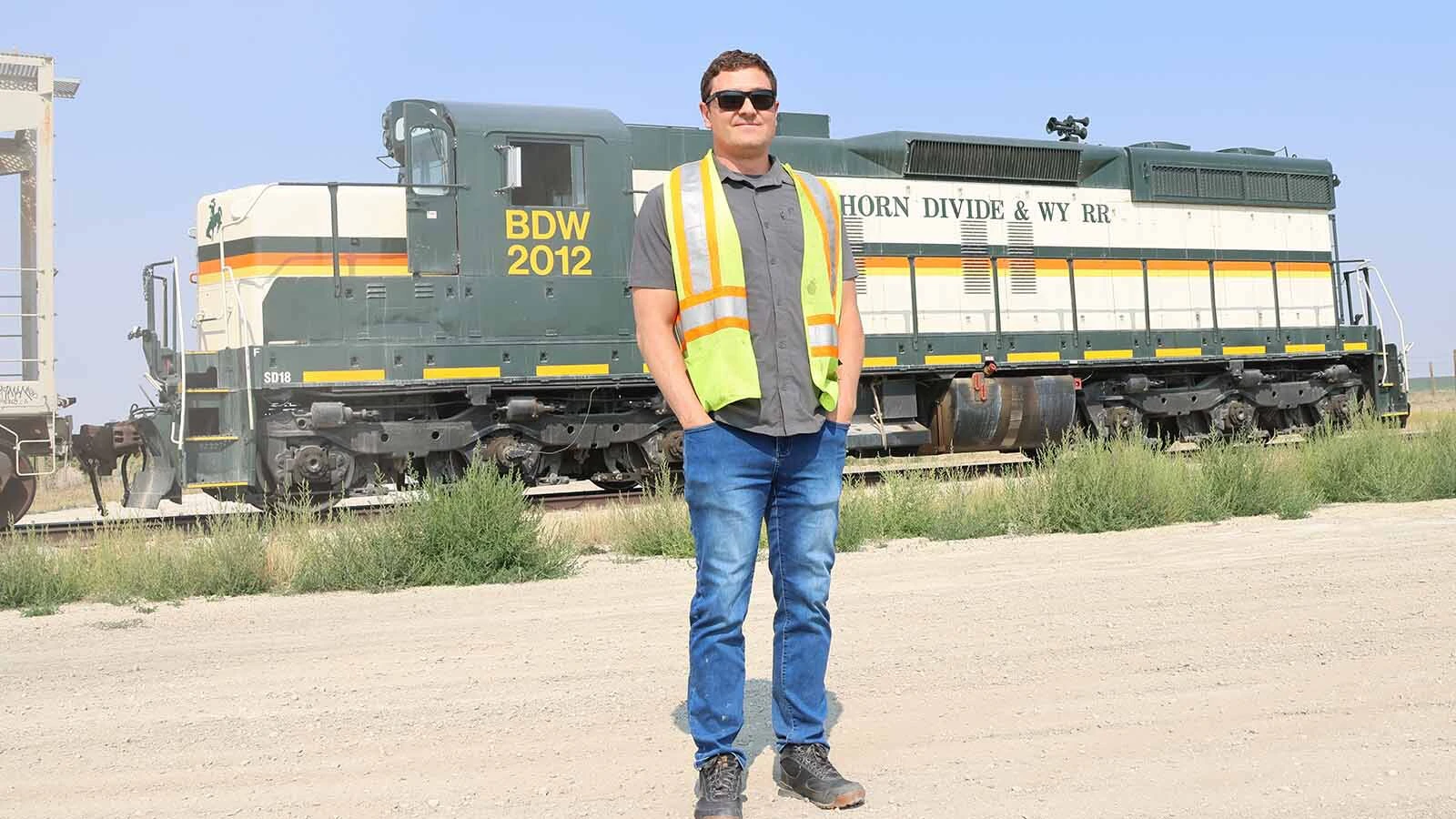
The recently rebranded Wyoming Railroad, former known as the Bighorn Divide and Wyoming Railroad, knows its niche is helping provide rail access to the Burlington Northern Santa Fe Class-1 railroad for smaller companies and producers who either want to ship or receive via rail.
President Seth Kucera said the railroad’s hub in Bonneville provides the means for soda ash and sulphur producers to access the BNSF and its ability to haul across the country.
The company’s rail-yard operations in Casper are aimed at providing track and space for smaller local companies to load or unload rail cars as an alternative to long-haul trucking.
“A lot of times unless you are a big corporation that can work with the BNSF to bring in quite a bit of traffic, some of your smaller people that could still use rail can’t really get an access point,” he said. “(The yard) can feed oil and gas and it can feed some of the wind projects around the state.”
Kucera said the company also works with a few local farmers and ranchers by providing the means to get fertilizer that might be more economical and efficient. One rail car equals four semi loads.
Instead of worrying about scheduling semis during the season, the farmers can just order a rail car or two and it can sit in the yard with the material until they need to access it, he said.
With the Trump administration’s emphasis away from wind energy, the yard’s booming business providing wind-turbine companies space to put components for a wind-energy field has slowed.
Kucera said the yard continues to be used for some wind-energy components, but they haven’t seen unit trains dropping off carloads of blades, shafts, and nacelle units in a while.
There were also years between 2012 and 2017 after the yard was developed that BNSF would drop off 100-car units of fracking sand used in oil-drilling operations.
Busy Time
During the peak years, the yard would deal with 500 cars a month on its 19,000 feet of track. Now that number is down to about 150.
During a recent day, one employee was on site to help with the loading of barite onto a semi from a container.
Kucera said the railroad is working to inform Casper and Wyoming businesses they can help when those firms don’t want to invest in rail space at their own facility or have outgrown what they have.
“A lot of customers don’t have knowledge of rail, and they don’t know how to work it in their favor,” he said.
Kucera said many business leaders just think of the Class-1 railroads and don’t understand that a short-line railroad can offer another tool to on-load or offload their projects.
Wyoming Railroad can help companies understand rail-car traffic and how to obtain cars. They can also explain the different types of cars such as hoppers and gondolas, and the various means to unload them.
The railroad industry has its own destination codes, like zip codes. For some local companies, dealing with a major national railroad to get answers and understand the process can be difficult, Kucera said.
“They are a big corporation and (local companies) can’t navigate that,” he said. “They can come here and we can help.”
If the BNSF tells companies they don’t have yard availability in Casper, companies can still turn to Wyoming Railroad for its yard space.
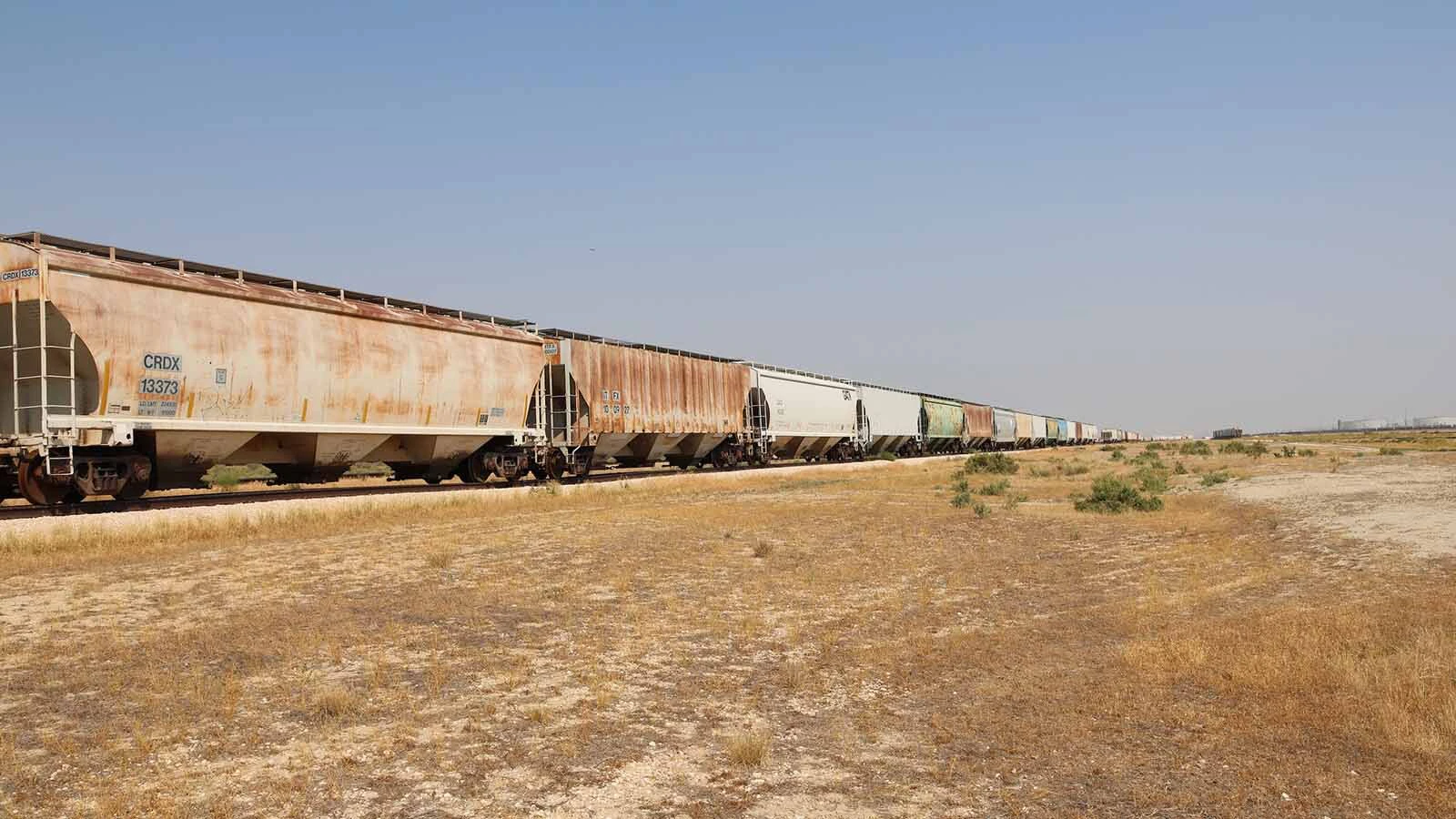
Bentonite represents a major commodity being shipped out of Casper. (Dale Killingbeck, Cowboy State Daily) 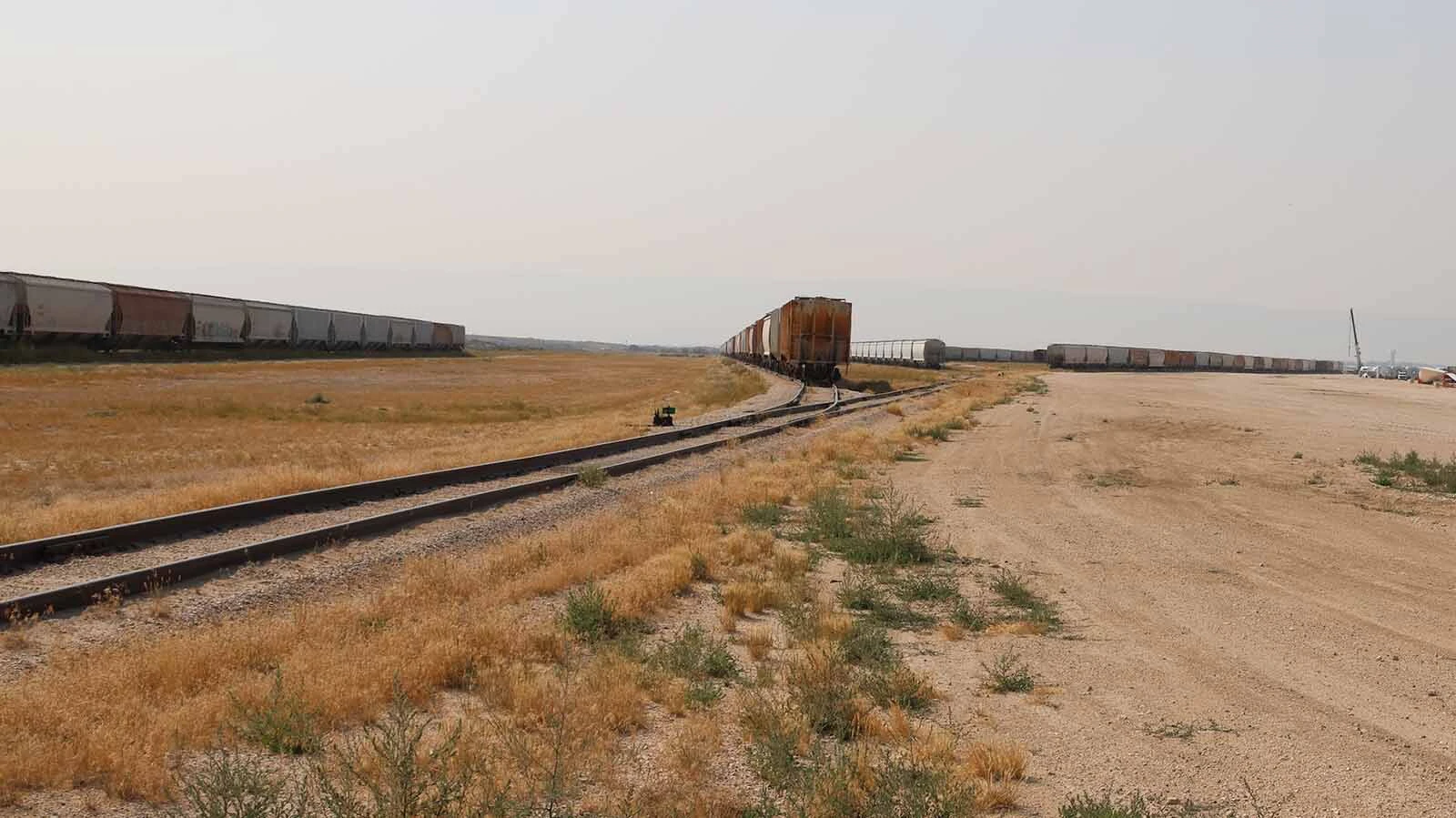
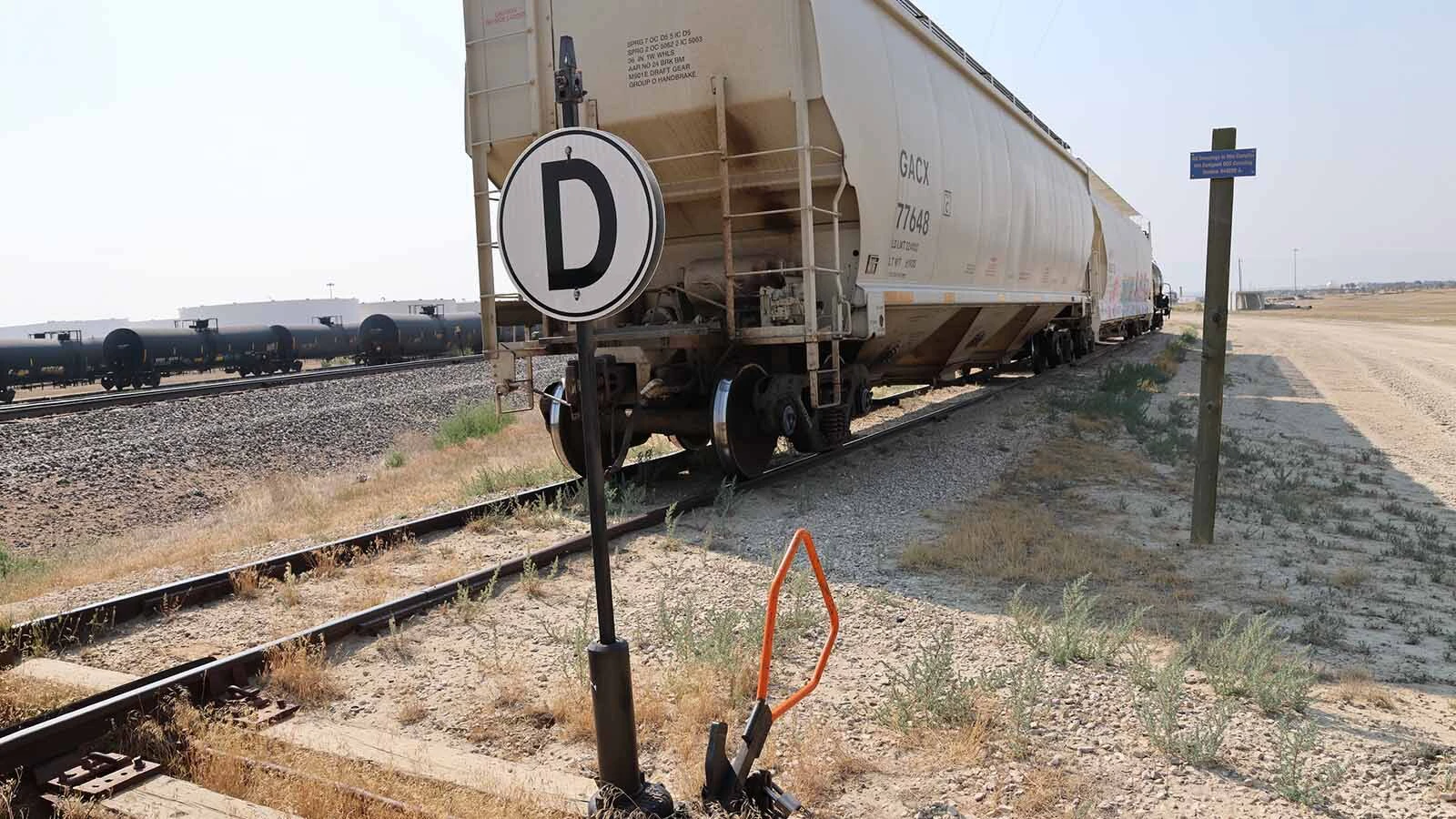
The Wyoming Railroad’s Casper rail yard has 18 different tracks that during its peak had 500 rail cars a month going through it. (Dale Killingbeck, Cowboy State Daily) Cars sit on a track designated for drop-off to the rail yard from BNSF. (Dale Killingbeck, Cowboy State Daily) 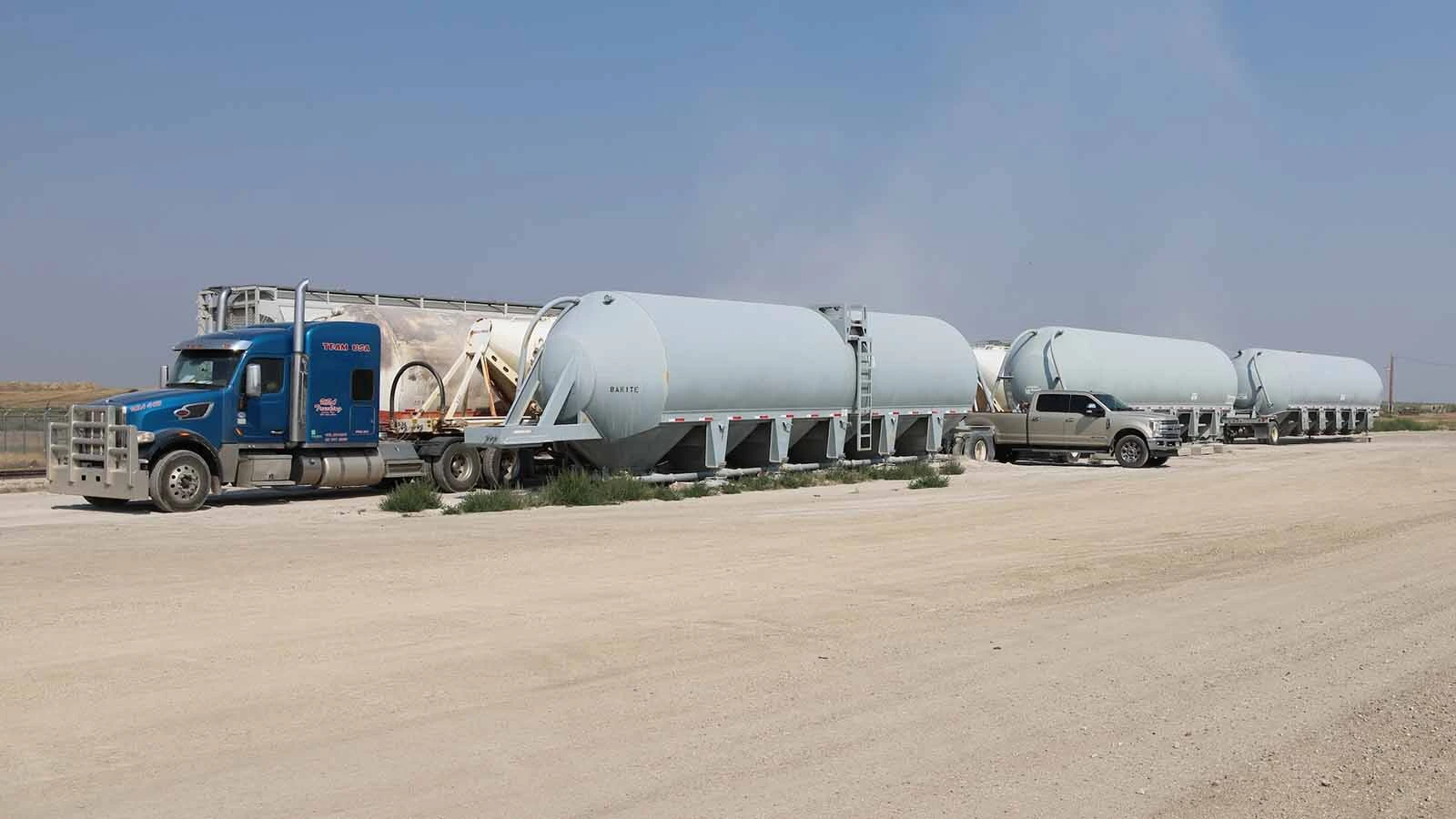
A semi takes on some barite stored at the rail yard. (Dale Killingbeck, Cowboy State Daily)
Yard Operations
The railroad-yard operation uses a single locomotive housed in a garage. Specific tracks have been designated for the BNSF to drop off and pick up cars from the main line. Other tracks have been designated for loading and unloading.
Still other tracks are used for rail-car storage.
Over the years, the Wyoming Railroad has acquired several pieces of equipment to help load and unload various kinds of cars.
Most traffic involving the yard includes bentonite, barite, and some refining products being shipped from Casper to destinations around the country via BNSF, Kucera said.
The yard has also been used to receive wood and other construction materials for local companies.
Electronic communication from the BNSF tips off the Wyoming Railroad to cars being dropped off and the little railroad provides similar communication when there are cars to be picked up.
Wyoming Railroad also has the capability to set up entire unit trains for the BNSF.
“We were doing 100 cars at a time that would be off-loaded here by various customers and then we would build the cars back up to 100 cars and then schedule it with the unit train desk with the BNSF,” Kucera said. “They would then bring their power out and take the cars.”
Kucera said the railroad is working with a company to bring in rebar for a construction project.
For the future, Kucera would love to branch into container rail-car traffic if it fits local business needs.
For companies requiring assistance loading or unloading, the railroad can work with that company to determine the equipment needed if it does not have it already.
“The biggest challenge is trying to help people connect the dots and see that they can bring it onto rail,” he said.
Kucera, who has a background in accounting, said he joined the railroad 11 years ago and worked his way into his current role. Working for a railroad was not on his mind as a career as a kid but he enjoys his role leading rail efforts in central Wyoming.
“I love (it) now and its a super fun job to have,” he said. “I’m just trying to bring people to rail.”
Dale Killingbeck can be reached at dale@cowboystatedaily.com.