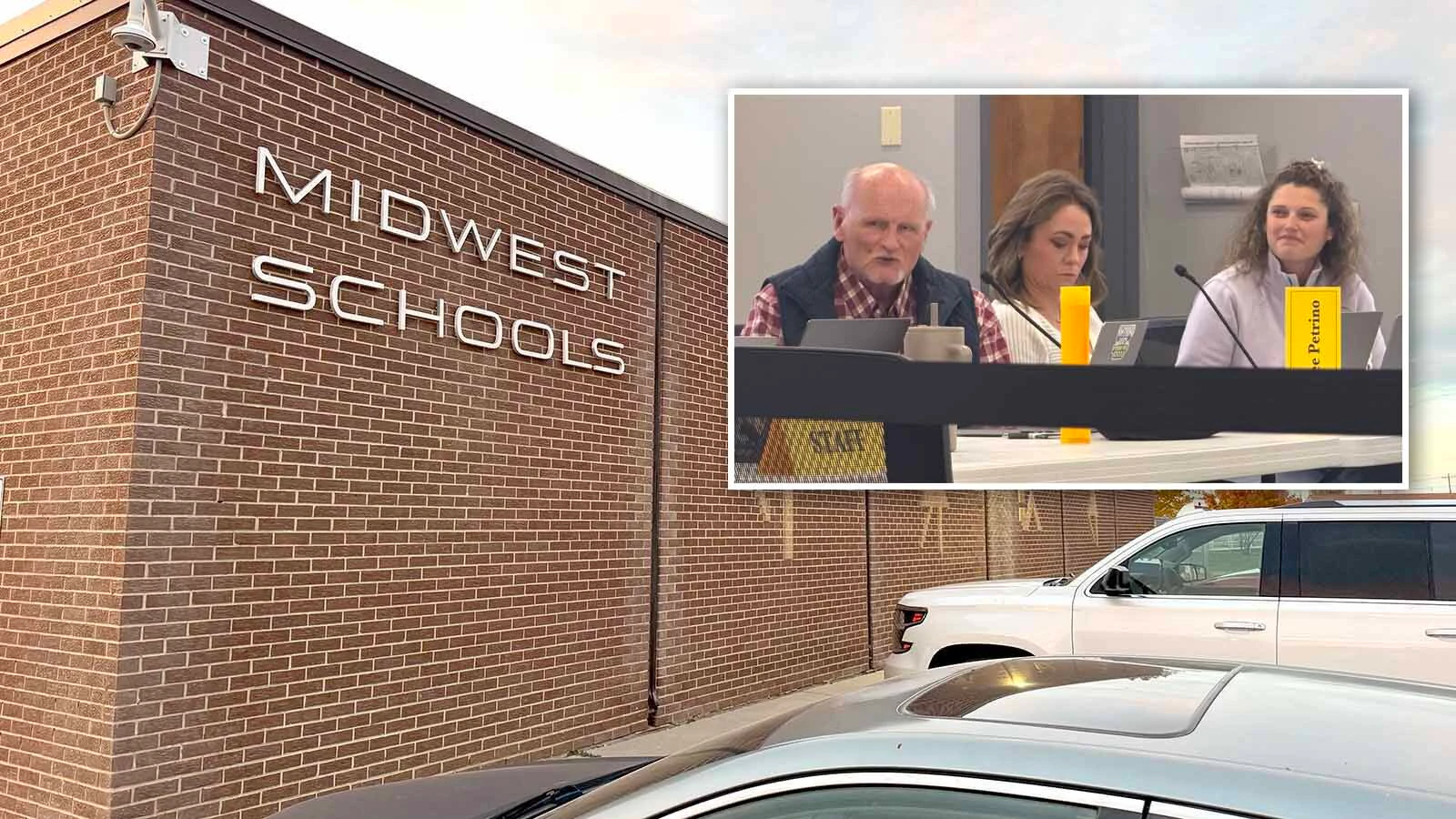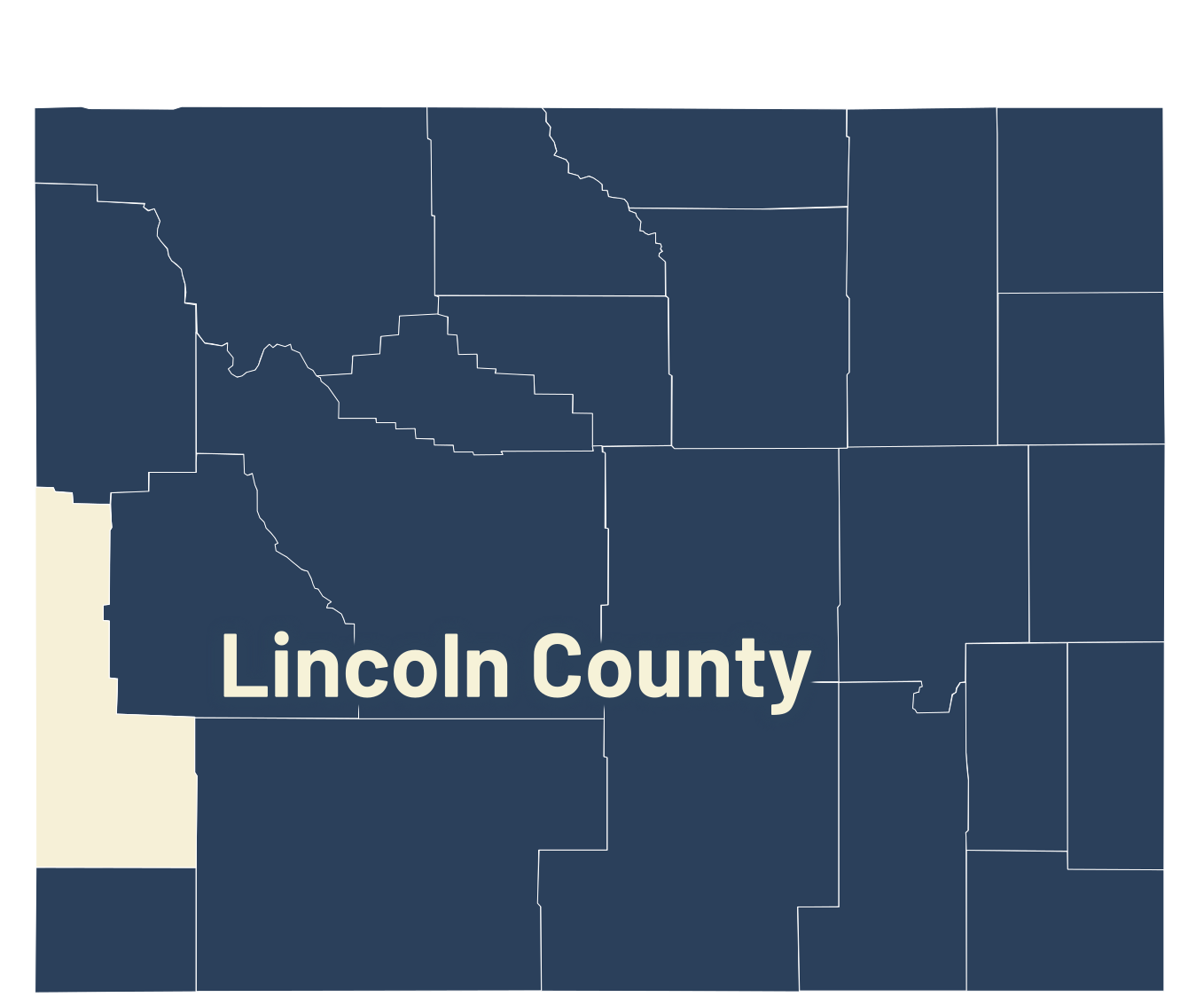
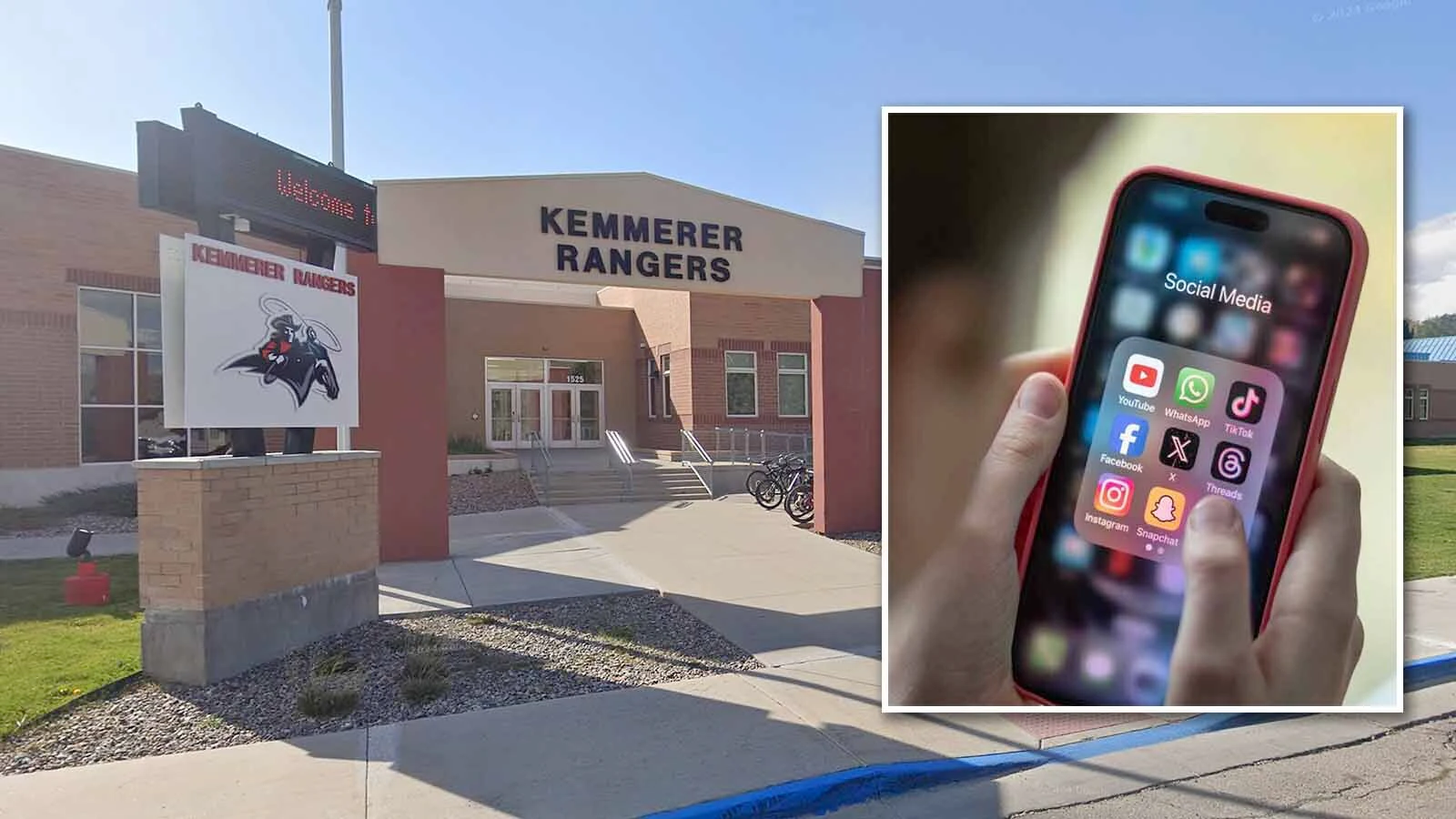
Students in Lincoln County School District No. 1 will have to leave their smartphones, smartwatches and other internet-connected devices behind during the school day starting this fall — and those who repeatedly violate the rule could end up paying for it.
The district's board of trustees has adopted a Smart Device Policy for the 2026-27 school year that prohibits students from possessing smart devices on campus during school hours.
Students caught violating the policy three times will face a $25 fine, a provision district leaders say is intended to change behavior rather than generate revenue.
School districts across the state are enacting smart-device policies after the Wyoming Legislature passed a bill earlier this year requiring the adoption of formal policies to address the possession and use of smart devices by students while on school grounds.
However, district board chair Kristi Dearden said she is not aware of any other school districts whose policies include a fee for repeat offenders.
“In education, you have to be able to gain and keep students’ attention for them to learn,” said Shawn Rogers, principal of Kemmerer Junior-Senior High School. “When you’re competing with a cellphone, you’re going to lose every time.”
Legislature Puts Districts in Charge
The move comes as schools across the state consider how to monitor smart-device usage.
Campbell County School District in June approved a ban for K–8 students between opening and end-of-day bells, with high school students allowed to use their cellphones between class periods and during lunch.
Cody High School in Park County School District 6 also implemented a total ban.
Last year, Cowboy State Daily reported on a total ban implemented at Evanston High School during school hours.
EHS English teacher Laura Clarito said the ban changed the attitudes of students.
“Since cellphones were disallowed, I have seen more engagement in coursework and more conversation during downtime,” Clarito said. “Kids aren't phone zombies now, they are humans.”
Both Rogers and Dearden said Lincoln County School District No. 1’s new policy is a direct result of the recent legislation.
“There was a need for it,” Rogers said. “We were really happy that our Legislature finally gave us something to go on. We feel like we battle with those phones so much it’s definitely a distraction.”
The $25 Fee
Rogers said school administrators and board members researched what other states were doing to implement smart-device policies. In Texas, they learned, some districts are imposing fines for policy violations.
As the Lincoln County district considered how to change behavior, leaders thought a fee on a third offense made sense.
“On the third offense, the behavior’s not changing,” Rogers said. “We would hope that it doesn’t get to that point.”
Student Council To Receive Money
Dearden said any fines collected will be deposited into the district’s student council fund.
Rogers said he hopes the council won’t see much money from this source.
“I’m hoping it’s not going to be that big of a deal,” Rogers said. “Even if the fund collects $300, that means 12 students pushed it to three offenses.”
That, he said, would signal a larger problem.
“I would hope that parents would make kids pay their own fine if it gets to that level,” he added.
Community Feedback
The policy has generated spirited debate within the community.
Discussions on social media revealed sharply divided opinions, though no one spoke directly to Cowboy State Daily when asked to share their thoughts.
Some argued a ban on smart devices violated personal property rights. Others questioned how students would contact their parents in an emergency such as a shooting.
Others said the school office should be in charge of communicating with parents as necessary. Many supported the policy, saying students have the right to an education, not a right to a cellphone.
“Everyone I’ve spoken to is in support of it,” Rogers said, “though I’m not naïve enough to believe there aren’t naysayers.”
Dearden said no community members have spoken publicly at board meetings about the policy.
‘Win Back Education’
The Lincoln County district’s policy points to research showing the mere presence of a cellphone reduces cognitive capacity.
Dearden shared research from the Paragon Health Institute suggesting that banning smartphones in schools has a positive impact. She also shared a study from the National Library of Medicine that explored the impact of smartphone use on a student’s understanding of course material and psychological well-being in the classroom.
The policy declares Kemmerer Junior-Senior High School a “smart device free zone” from the first bell to the final bell.
It defines a smart device as “any portable electronic tool capable of connecting to external networks (including but not limited to Wi-Fi, cellular data or Bluetooth) or possessing independent processing power to store, record, or transmit data. This includes, but is not limited to, cellular phones, smartphones, smartwatches, tablets, e-readers, handheld gaming consoles, and wearable technology.”
Students can leave their devices in a locked vehicle or place them in a secure lockbox at the front office before school begins.
A first violation results in confiscation of a device until the end of the school day. A second offense requires a parent or guardian to retrieve it from the school.
A third violation carries the $25 fine.
The policy also includes what administrators call a "burner device" provision. Students who place a dummy or decoy phone in a lockbox while secretly keeping their primary device will automatically receive a third offense.
With the new school year looming, administrators are optimistic that the policy will produce positive results.
We call it “win back education,” Rogers said.
Kate Meadows can be reached at kate@cowboystatedaily.com.