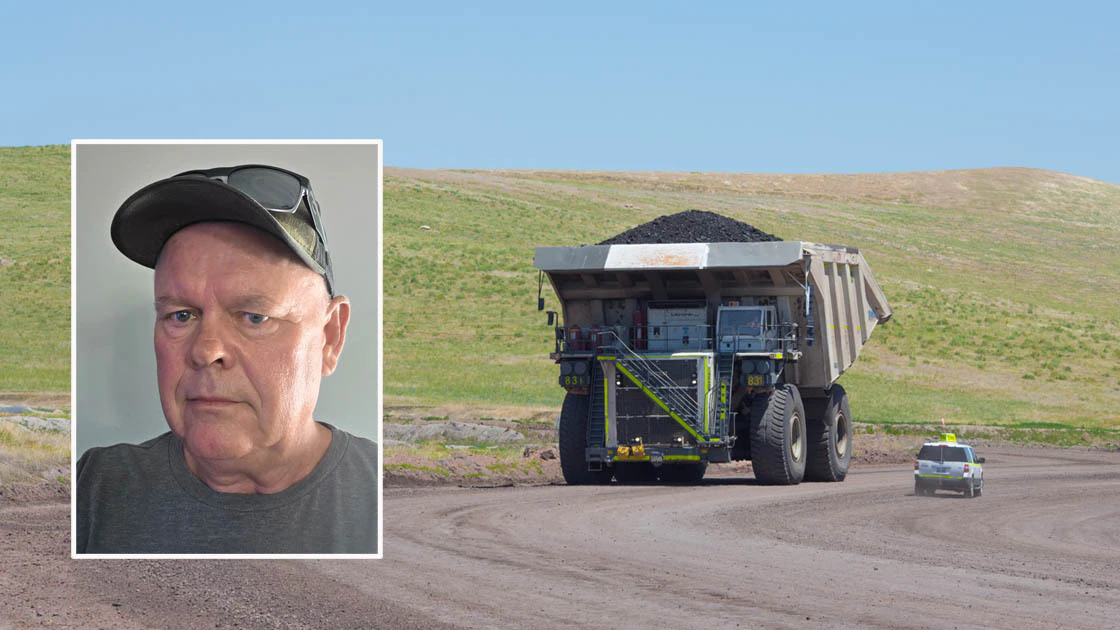
For more than three decades, Jim Allington's workday began long before sunrise.
Most mornings, he pulled out of his driveway in Douglas around 3 a.m. for the 73-mile drive to Peabody Energy's North Antelope Rochelle Mine, where 16-hour shifts in upper management were routine.
"I never missed a day," Allington said. "Never been late."
By the time he retired a little more than a year ago, the long commute had taken its toll. During his final year on the job, he struck two elk while driving to work. Between the exhausting schedule and the mounting risks of the highway, he knew it was time.
He also believed he was leaving with one of the retirement benefits the company had promised: a Retiree Medical Allowance worth roughly $260,000 that could help pay health insurance premiums and medical expenses throughout retirement.
But about two weeks ago, a letter arrived in the mail.
Peabody Energy notified retirees it will terminate the program at the end of 2026, ending a benefit many former employees say they relied on when planning retirement.
By the end of the year, Allington estimates he will have used about $20,000 of the $260,000 he said he was promised.
“Where did my other $240,000 go?” he posted on social media.
“They took away my benefits that they promised,” he told Cowboy State Daily.
Why the RMA is Going Away
Peabody Energy said in an emailed statement to Cowboy State Daily that it decided to discontinue the program because it "is not aligned with market-competitive practices."
"Peabody is providing advance notice to allow those affected time to plan and prepare, and we remain committed to supporting employees in their retirement planning," the company said.
The statement did not address Cowboy State Daily’s question about how many employees the decision will affect.
This isn’t the first time Peabody Energy has slashed benefits for its retirees.
In 2020, the company cut health benefits and terminated life insurance for retirees older than 65 as part of a cost-cutting strategy. Retirees younger than 65 could maintain their coverage.
The move would help Peabody save about $175 million.
The company had declared Chapter 11 bankruptcy in 2016. While it pulled out of bankruptcy quickly, it was potentially headed toward a second bankruptcy in 2020, the company said at the time.
That’s when Gillette retirees Gloria and Rick Buell, who spent a combined 30 years working for Peabody Energy at several Wyoming coal mines, received their own letter in the mail, informing them their health benefits would be terminated at the end of the year.
Gloria Buell told Cowboy State Daily she and her husband did pretty well for the first six to nine months of retirement.
“When we retired in 2017, we were promised this money,” she said.
She recalled a big meeting for employees where Peabody representatives talked about a big pot of money meant to cover health costs for company retirees.
“It would last you the rest of your life,” Gloria said she remembers hearing. “It was promised as part of your retirement.”
Retirees could select their own health insurance companies. They were responsible for paying their premiums every month, but Peabody was dependable at reimbursing them, Gloria said.
The Buells fell into a predictable cycle.
“Every month when I would do my bills, I would pay our insurance and would send the receipt off to Peabody,” Gloria said. “They would cut me a check. It worked really well.”
But the cycle didn’t last.
The Buells learned in 2020 the program was being discontinued for retirees over 65.
“All of a sudden we get a letter and it’s going away,” Gloria recalled. “And they did it so weird. They took it away from the seniors — the people who needed it most — and gave it to younger people. We were like, what the hell?”
Since then, the couple has paid for their own supplemental insurance and prescription drugs — expenses they weren’t counting on.
No Fight
Neither the Buells nor Allington have pushed back on the company for what they see as broken promises.
“It’s all legal,” Allington said. “It in the fine print.”
A clause in the RMA’s wording allows the company to legally cancel the program.
In Vincennes, Indiana, retired Peabody Energy workers protested after receiving letters like Allington’s.
Both Allington and Gloria Buell said they once considered Peabody one of the best companies in the coal industry.
They remember working long hours, building lifelong friendships and believing the company would keep the promises it made when employees retired.
Today, they say, that trust has largely disappeared.
“The integrity of the company has gone to hell,” Allington said. “They don’t care about their employees like they used to. They keep taking and taking and taking. They promise you stuff. It all sounds good, and then they take it away.”
Gloria said, “It doesn’t ever surprise me what the coal mines do. It’s whatever saves them the most money.”
A grandson of the Buells works for Peabody now.
Gloria said she hasn’t talked to him much about the retirement outlook at the company because retirement is not on his mind.
“He don’t think about retirement,” she said. “He’s too young.”
Company Earnings
Peabody Energy will announce its second-quarter earnings results with management in a conference call Wednesday. Its quarter one report fell short of investors’ expectations, with a net loss of $32.4 million for common stockholders.
Sales grew nearly 4% year over year, but costs outpaced that sales growth, according to the financial analysis platform Chartmill.
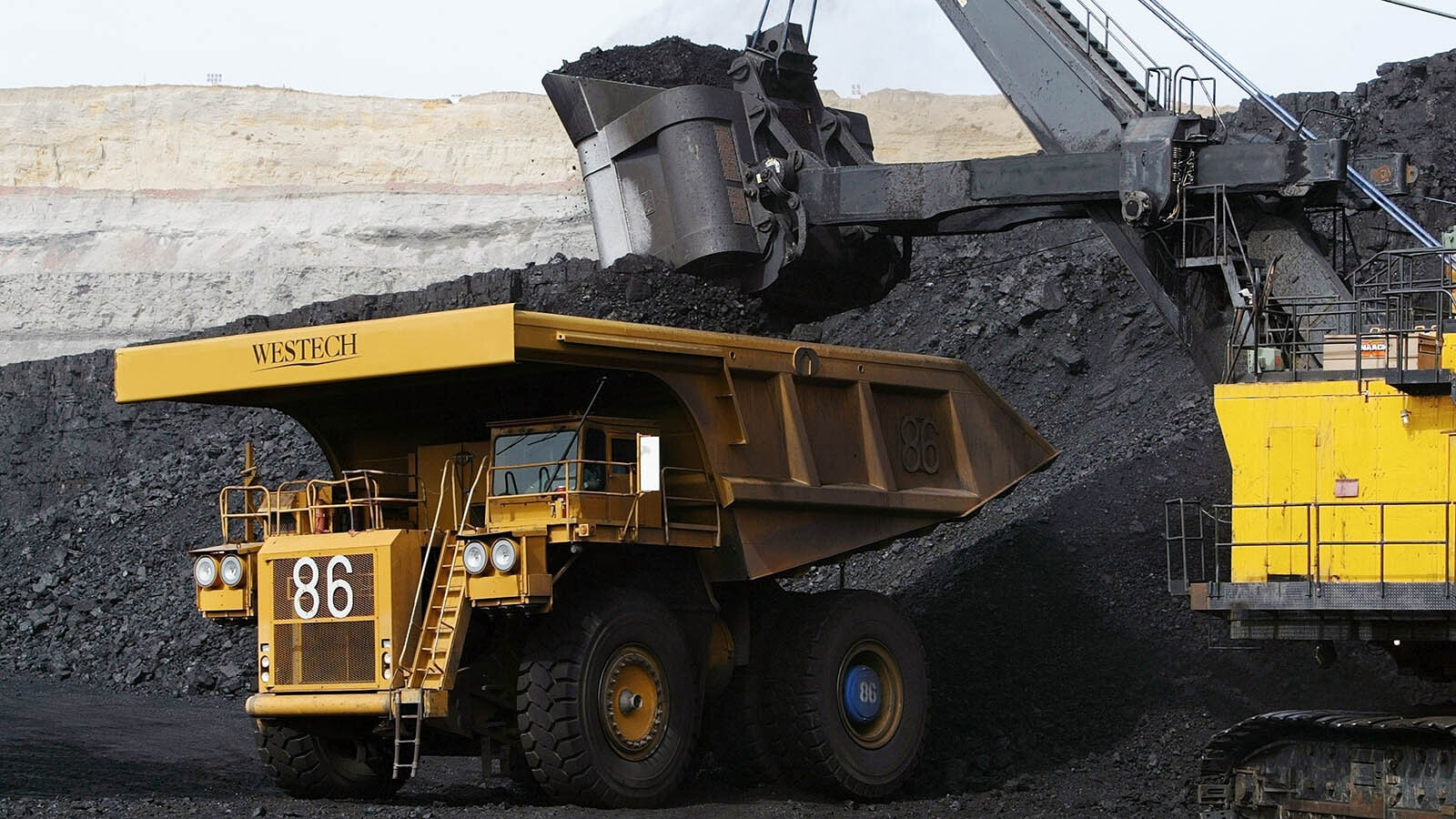
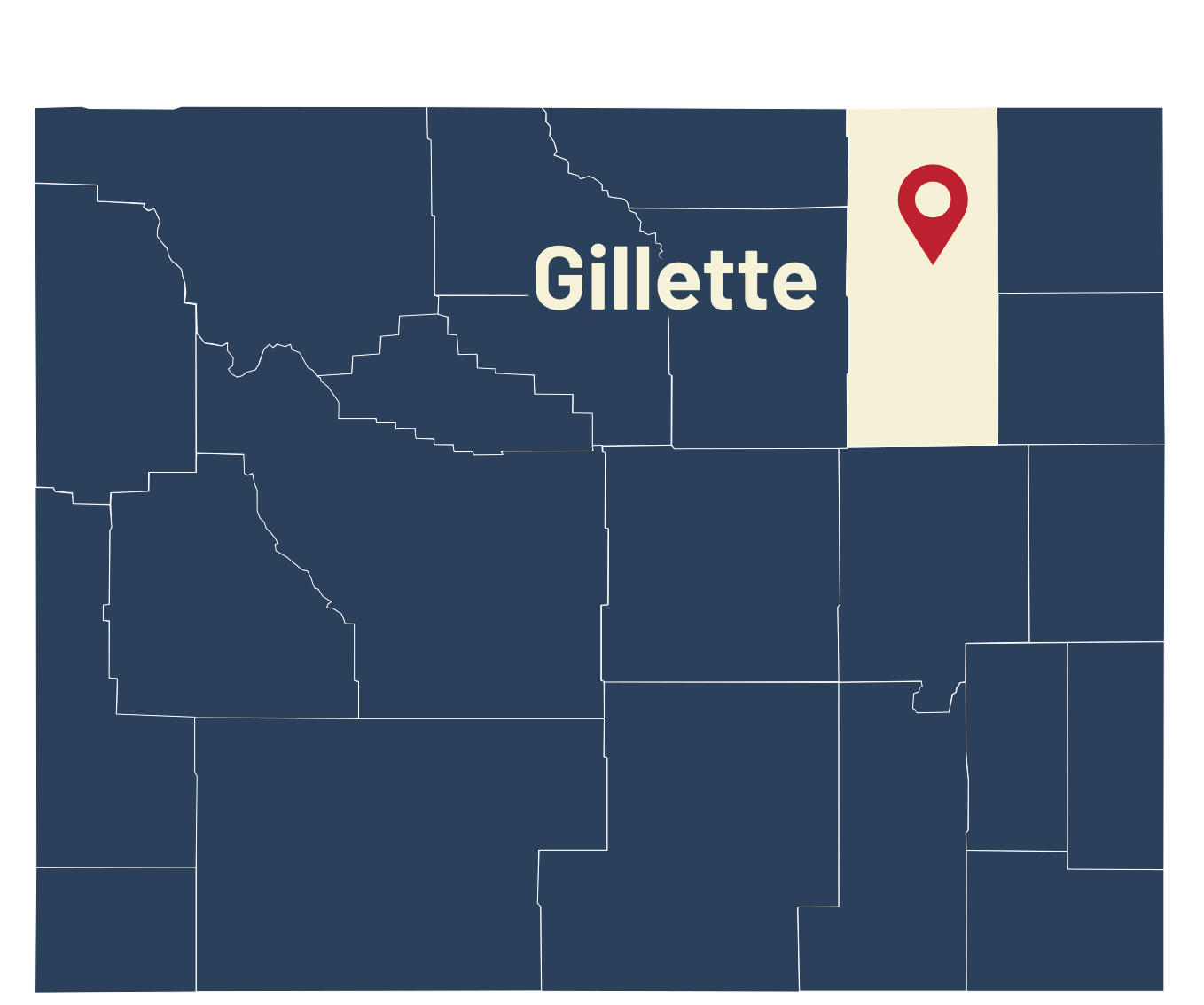
The North Antelope Rochelle Mine, about 65 miles south of Gillette, employs about 1,125 people, according to the Peabody Energy website. The mine produced 65 million tons of coal in 2025.
Kate Meadows can be reached at kate@cowboystatedaily.com.