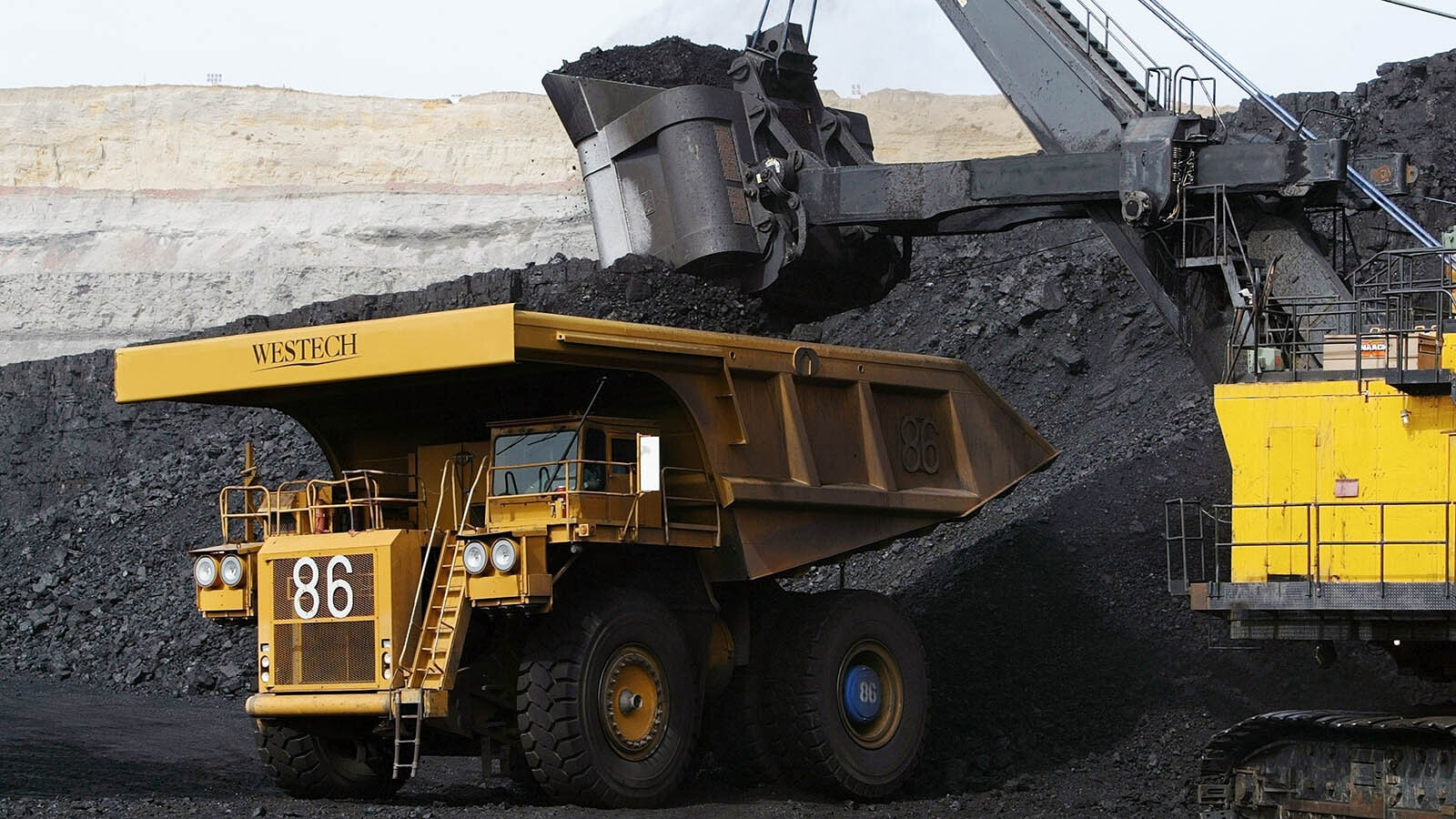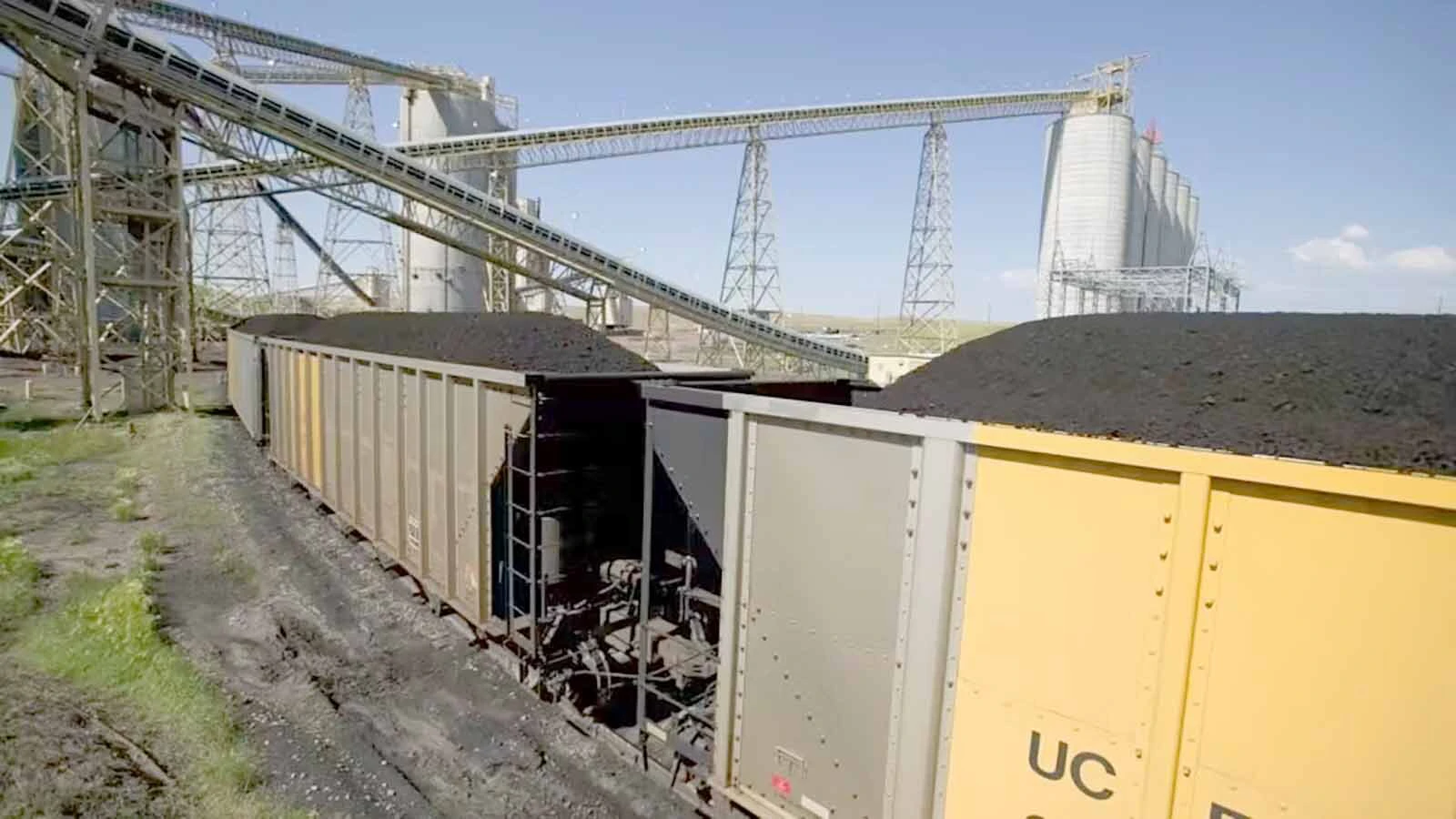
Peabody Energy, Union Pacific, and Mexican rail partner Ferromex have successfully shipped coal from Wyoming’s Powder River Basin to Asia via the Port of Guaymas, opening a new Pacific export route for America’s largest coal mine and offering the industry in Wyoming a potential lifeline.
The shipments, part of a joint pilot project to test whether the cross-border supply chain could work, have already moved multiple trains from Wyoming to Mexico, with the first cargo vessel now heading across the Pacific to Vietnam.
Travis Deti, executive director of the Wyoming Mining Association, said the state's coal industry has plenty of supply — and there's a demand for the coal. What it's lacked is a reliable way to ship the coal, which he hopes the new route can provide.
“That’s been a sticking point forever,” Deti said about efforts to open West Coast ports to ship coal to Asian markets. “I think what the Guaymas project shows is that where there’s a will there’s a way, and we can get our coal out.”
The new route comes after years of the state trying and failing to export coal from domestic ports.
Efforts to ship coal off the West Coast have repeatedly stalled, with nine proposed coal export terminals in the Pacific Northwest canceled since 2010 amid environmental opposition and permitting fights.
“We’ve been trying to find ways to export our coal off the West Coast for a long time,” Deti said. “So this is a huge step in the right direction.”
Guaymas is on the Gulf of California, about 260 rail miles due south of the border crossing at Nogales, Arizona.
Reinvigorating Wyoming Mines
Wyoming has lost about 25% of its mining jobs since 2017 as coal production has declined.
While Deti sees the Guaymas route as a way to reinvigorate Wyoming's mines with a new customer base abroad, House Majority Leader Scott Heiner, who also chairs the Wyoming House Minerals, Business and Economic Development Committee, said exporting coal is not the most effective way to bring back mining jobs.
“I applaud this,” Heiner said of the Guaymas route. “It can strengthen our mining industry and bring new contracts to them. But wouldn’t it be even better if we built a new coal-fired power plant in Wyoming?”
Heiner said the benefits would multiply if Wyoming used more of its own coal to generate electricity at home rather than shipping it overseas.
Not only would a local coal-fired power plant boost mining jobs, he said, it would also create a matching set of jobs running the power plants themselves, on top of providing electricity for the state's own residents.
“God has given us many natural resources,” Heiner said. “Wyoming is natural-resource rich, and we need to utilize those resources to benefit the citizens of Wyoming.”
He pointed to coal's long history of funding Wyoming directly, noting that evenue has helped build many of the state's schools and that Wyoming has avoided an income tax largely because of coal and the broader mining industry.
“Coal is the lifeblood of Wyoming,” Heiner said. “We have lived off of coal for decades.”
Heiner directed his criticism at Gov. Mark Gordon's push for Wyoming to become net negative in carbon emissions, a goal Gordon laid out in his 2021 State of the State address.
While growing international exports through new routes like Guaymas doesn't have to come at the expense of burning coal here at home, Heiner said Wyoming should be prioritizing both.
“They can run parallel course,” Heiner said. “But we have a governor who wants to be carbon negative, so he doesn’t want to burn coal here in Wyoming.”
After reading Heiner's assertions in Cowboy State Daily, the governor took exception.
"Uninformed and out of context commentary from a legislator who was notably absent from efforts to protect Wyoming’s coal during the Biden Administration’s robust attempts at killing it notwithstanding, Governor Gordon worked to preserve the coal industry in Wyoming through a very challenging time," Gordon's office said in an emailed statement.
"Whether it be joining President Trump in the Oval Office for getting funding packages across the finish line or trade missions to Asia to tout the benefits of PRB coal to our allies, there is no question that support for Wyoming’s coal industry is a hallmark of Governor Gordon’s time in office."
Big Outside Opportunity
Wyoming at one time generated nearly all of its electricity from coal, with coal accounting for more than 94% of the state's power generation in 2008, according to the U.S. Energy Information Administration.
That share has fallen steadily since, and now sits at roughly half, with recent estimates ranging from 47% to 58%.
Deti said domestic use is important, but with Wyoming coal already powering a bulk of the state's electricity, he sees the larger opportunity elsewhere.
“Wyoming gets most of its electricity from coal already,” Deti said. “Sure, we would like to burn more in Wyoming. But the fact of the matter is we need customers outside.”
Union Pacific described the Guaymas shipments as a feasibility test to determine whether the cross-border route could support long-term coal exports.
While Wyoming already sends coal by rail to 26 states, Deti said untapped international markets offer even greater potential, even if the long-term viability of the Mexican corridor is still an open question.
“I think that remains to be seen,” Deti said. “But we’re farther now than we have been before when it comes to exporting.”
Emma Jane Jackson can be reached at emma@cowboystatedaily.com.