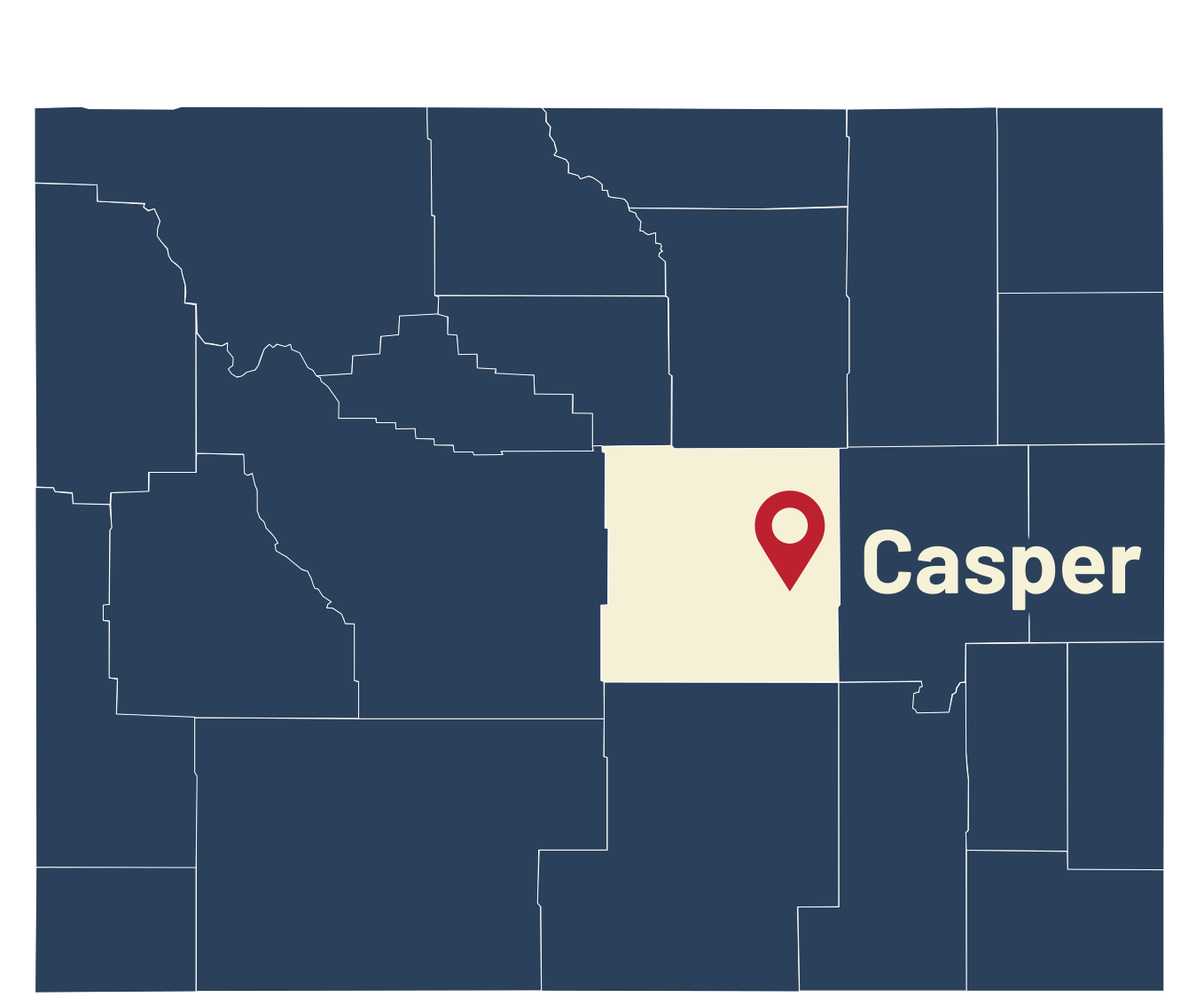
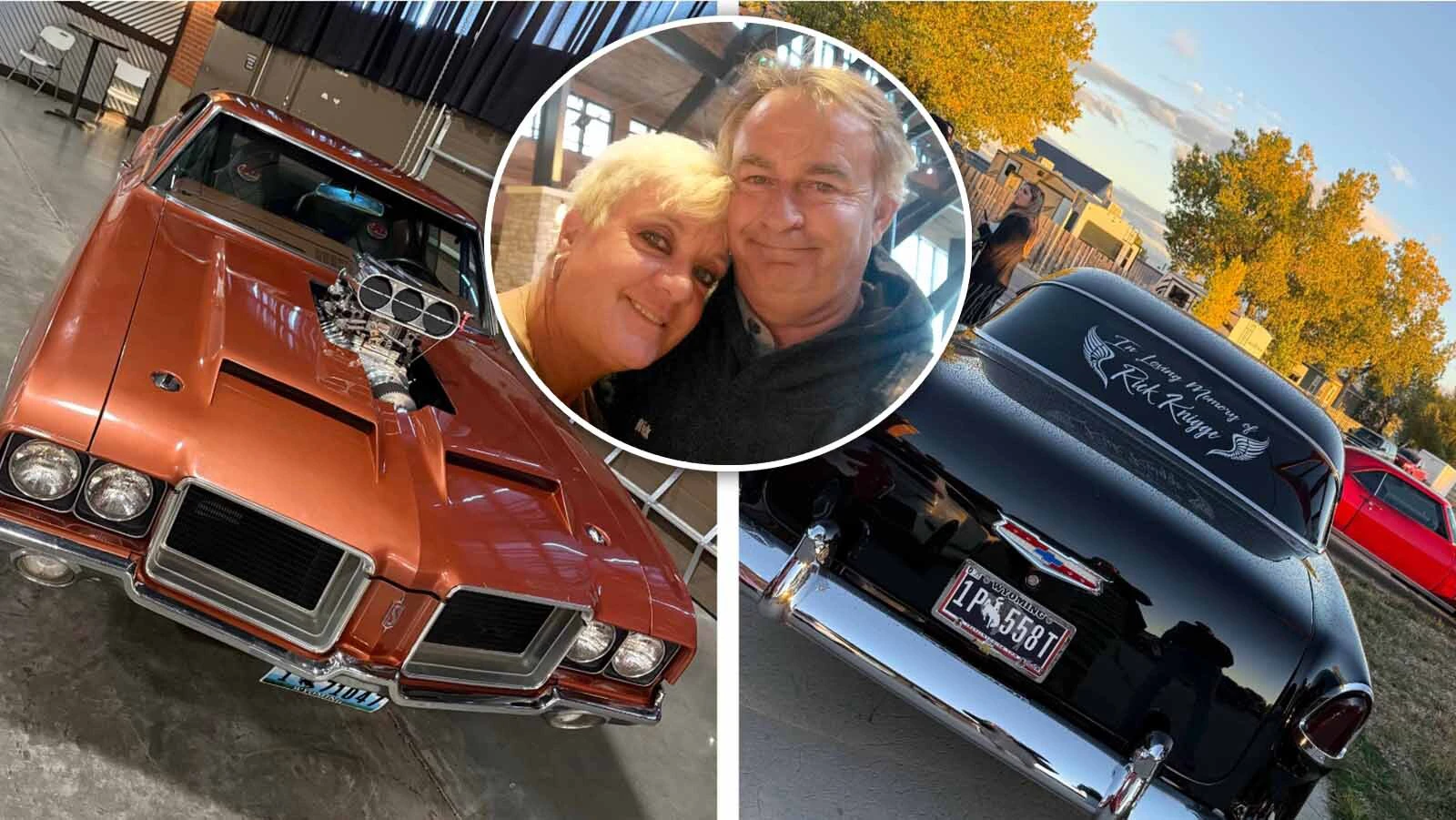
CASPER — By the time Rick Knigge died last September, he had spent decades turning 20 acres outside the city into a gearhead's paradise.
He had Camaros and Chevelles. Prewar Ford hot rods. Corvettes. A 426 Hemi-powered Plymouth GTX. Monster trucks. Speed boats. Race engines. Shipping containers packed with parts.
If it was loud, fast or had the potential to be, Knigge wanted it.
The Casper-area oil field worker spent a lifetime hauling home muscle cars, hot rods, vintage trucks, race engines and enough performance parts to fill shelves, sea cans and storage units.
Nearly every evening after work ended the same way: he'd settle into his chair and spend an hour combing through classifieds, searching for the next great find.
"He was obsessed with it," his wife, Stephanie Knigge, told Cowboy State Daily. "That was probably an hour process every night, just going through all the ads to see if there was anything he was missing out on."
When Knigge died unexpectedly at 65 on Sept. 10, 2025, he left behind more than memories.
He left a sprawling automotive collection so large it drew bidders from across the country to a massive July 18 estate auction near Evansville for his "Go Fast" collection.
Born To Build
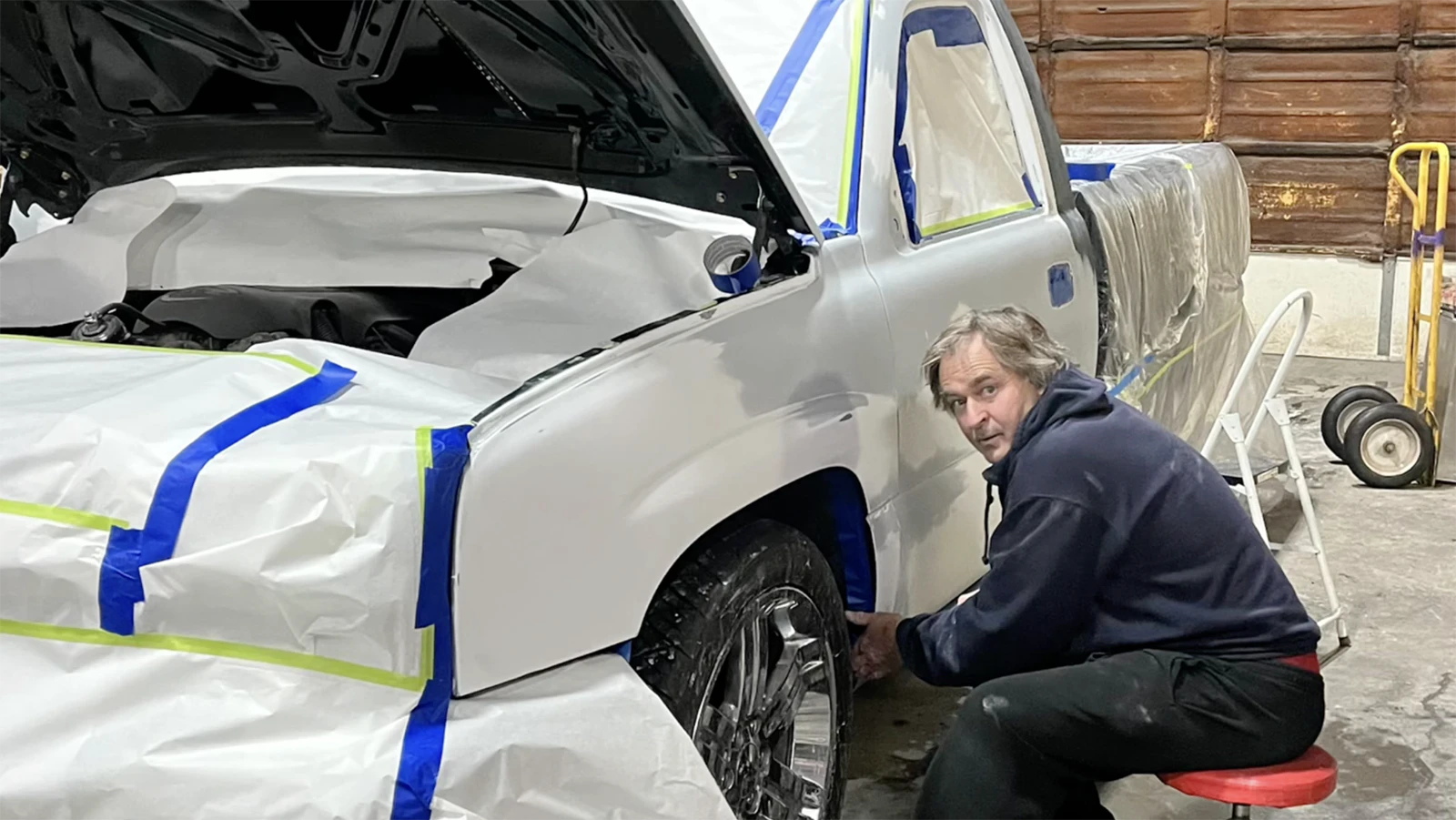
Long before the rows of classic cars filled his property, Knigge was working.
He started driving trucks as a young teenager after his family launched an oilfield water service business.
Eventually, he and his brother helped build Melco Inc., an oil tank cleaning company that took them across much of the United States. He later became vice president, a role his family said he took great pride in.
Those work trips often turned into treasure hunts.
"He got a lot of opportunity to drive around and see what was around and collect stuff," Stephanie said. "So that's how I think it all started."
By the time she met him in 1989, the collecting bug had already taken hold.
"That's why he started working in the first place — because he wanted parts for cars" she said.
As the years went on, the collection evolved with whatever captured his imagination.
Some years it was 1930s-era Ford hot rods. Other times it was vintage Jeeps, Broncos or speed boats. If it looked like a bargain, Knigge usually found room for it.
"He would kind of get on a kick every now and then," Stephanie said. "He was always looking."
Twenty Acres
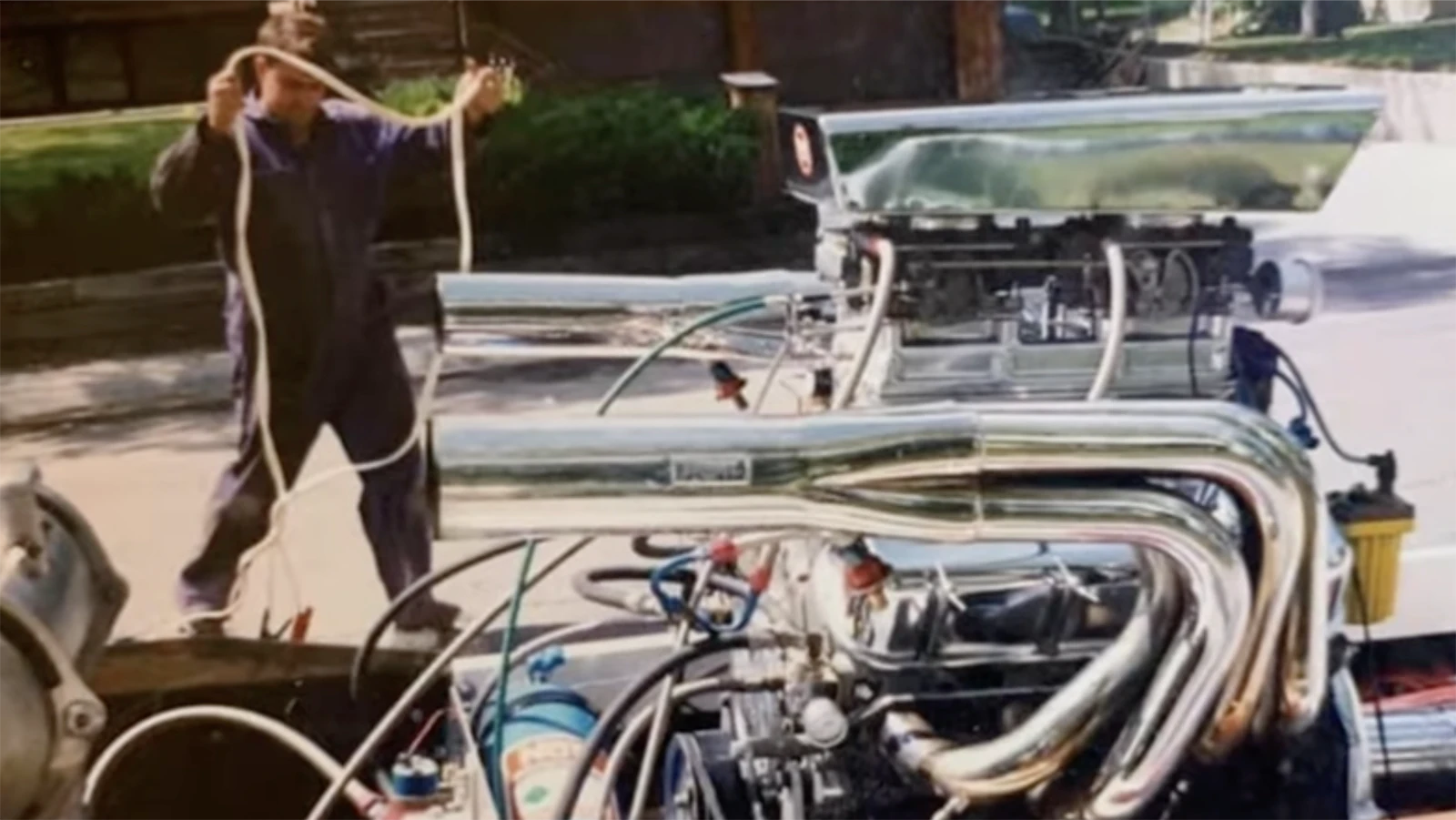
Things really escalated after the family moved to 20 acres outside Casper.
"He really went crazy with it," Stephanie said with a laugh, "because he had the room to park all of it."
Before long, the collection had grown so large the county took notice.
Knigge's solution wasn't to stop buying cars.
It was to buy shipping containers, rent storage units and devise an organizational system only he truly understood.
"His brain was pretty intense," Stephanie said. "If I would have had all of that going on in my brain, my mind would explode."
Eventually, the property held roughly 220 vehicles, along with countless engines, body panels, race parts and automotive memorabilia.
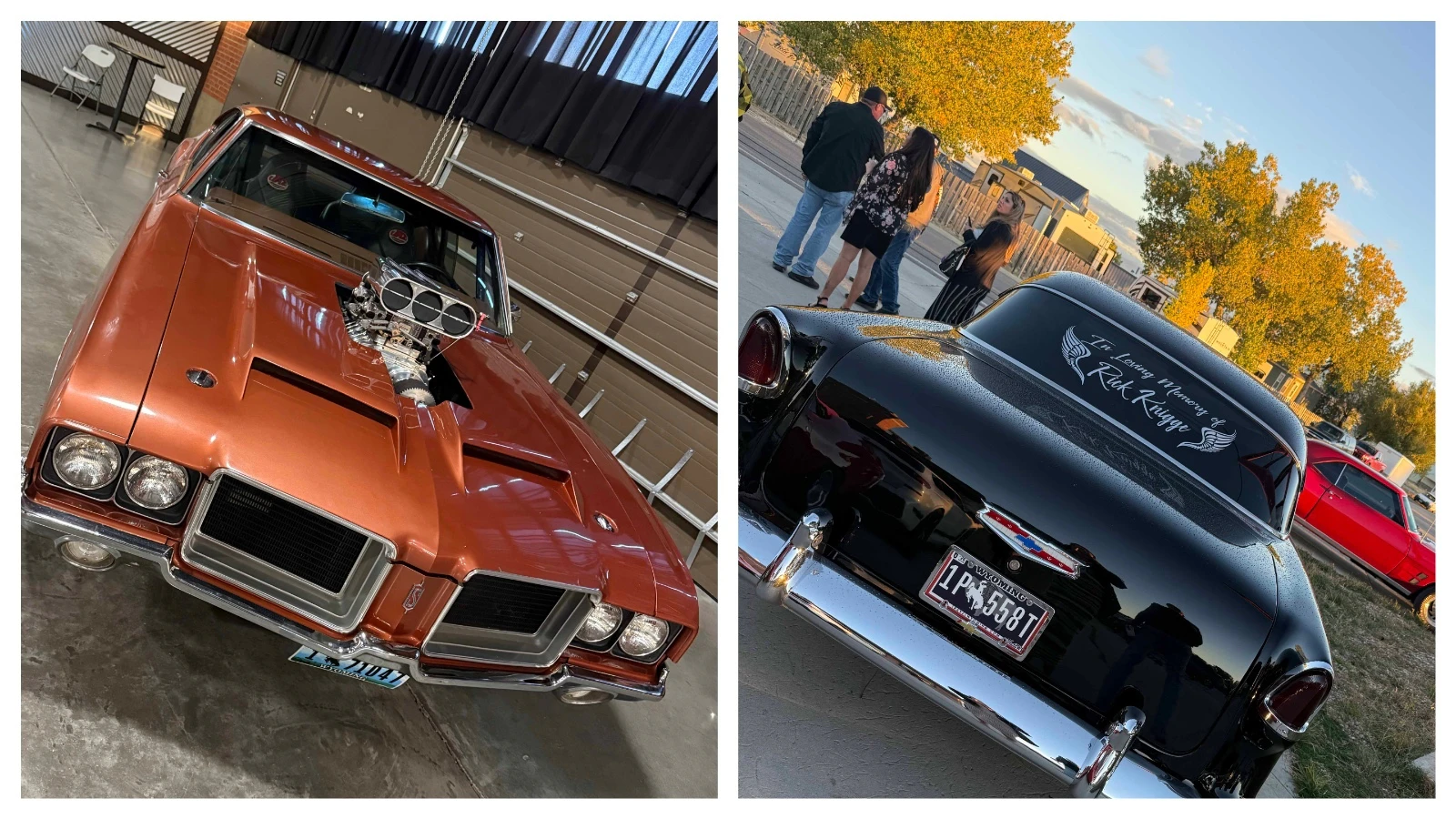
VanDerBrink Auctions dubbed it the "Go Fast" collection. The catalog ranged from 1932-1940 Ford, Dodge, Plymouth and Chevrolet hot rod bodies to Camaros, Chevelles, Corvettes, monster trucks, Humvees, speed boats, racing engines and shelves of vintage speed parts.
Ironically, Stephanie said her husband rarely had time to enjoy many of his favorite vehicles.
"He didn't even really have the time to enjoy it," she said. "He just worked until he died. He had all these plans."
'You're Burying Me Alive'
Living with more than 200 vehicles wasn't always easy.
About a year before his death, Stephanie finally tried to slow the collection's relentless growth.
"I was like, 'Honey, you are kind of burying me alive with all this,'" she recalled.
It didn't work.
"He just did what he wanted," she said with a laugh.
Despite the occasional frustration, she understood exactly why he kept collecting.
It made him happy.
And sometimes, it paid off.
Buying and selling cars over the years helped finance construction of the couple's home, she said.
The Little Things
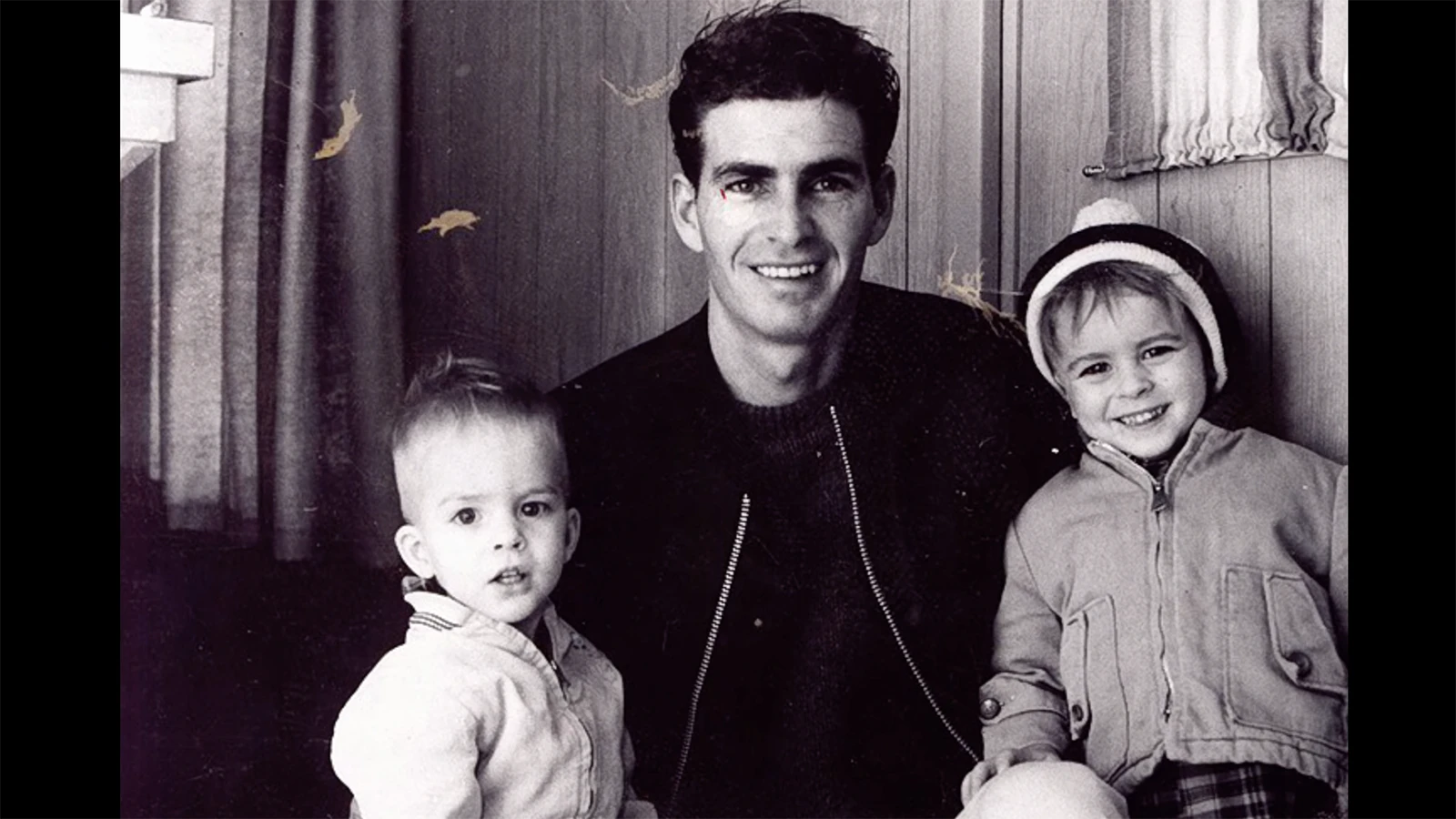
Knigge died after complications related to diabetes and previously undiagnosed heart disease. What he initially thought was heartburn quickly became a medical emergency, Stephanie said.
Without a will or trust, the family eventually concluded selling the collection was the only practical option.
"There just wasn't a choice," Stephanie said. "We had to be able to pay the bills, keep this place going."
Rows of hot rods, muscle cars, speed boats, race engines, body panels and carefully cataloged parts stretched across the property as bidders wandered from lot to lot, loading trailers with pieces of a collection Rick spent decades building.
By day's end, what had once been one man's automotive playground was dispersing across Wyoming and beyond.
Watching it happen proved more emotional than Stephanie expected.
It was the little things.
Pallets stacked with mirrors, headlights and decades of carefully gathered parts sold off in bulk.
"I'd just be thinking, 'Oh my gosh, he would be rolling over in his grave,'" she said. "He put a lot of time and energy into even the little details."
More Than Cars
Some moments brought comfort.
A family friend bought one of Knigge's Camaros. Her nephew purchased a pair of racing engines she believes Rick would have wanted him to have.
Others marked the end of an era.
One longtime auction-goer told the family it was the biggest auction he had ever attended.
Today, much of the collection is gone.
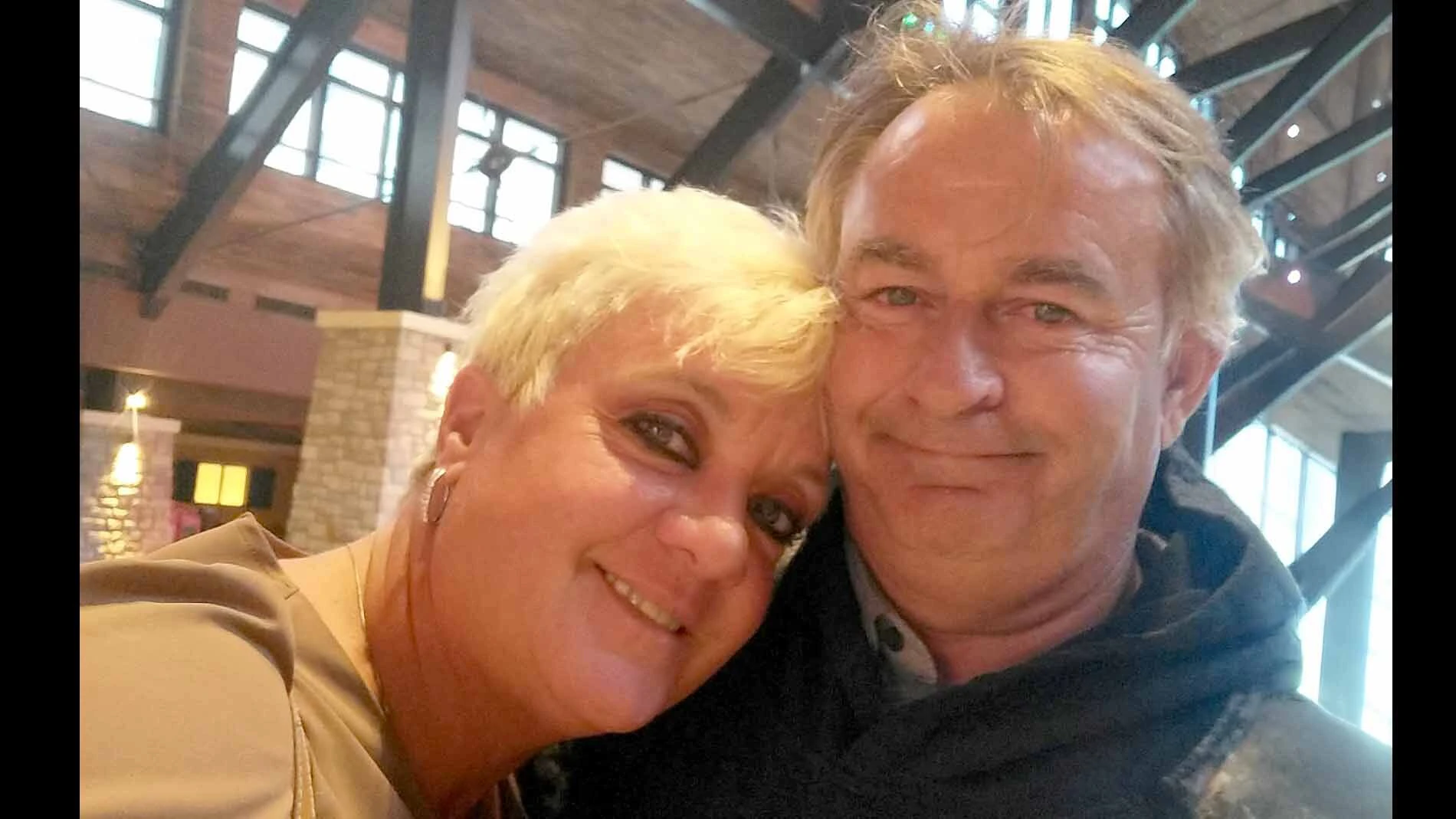
A few keepsakes remain, but Stephanie hopes people remember more than the hundreds of cars that once filled their property.
Her husband, she said, was a successful businessman, a devoted husband of 36 years, a father, grandfather and great-grandfather who loved fishing almost as much as fast cars.
Friends and family remember him as generous, quick with a joke and always willing to lend a hand without expecting anything in return.
Kolby Fedore can be reached at kolby@cowboystatedaily.com.