
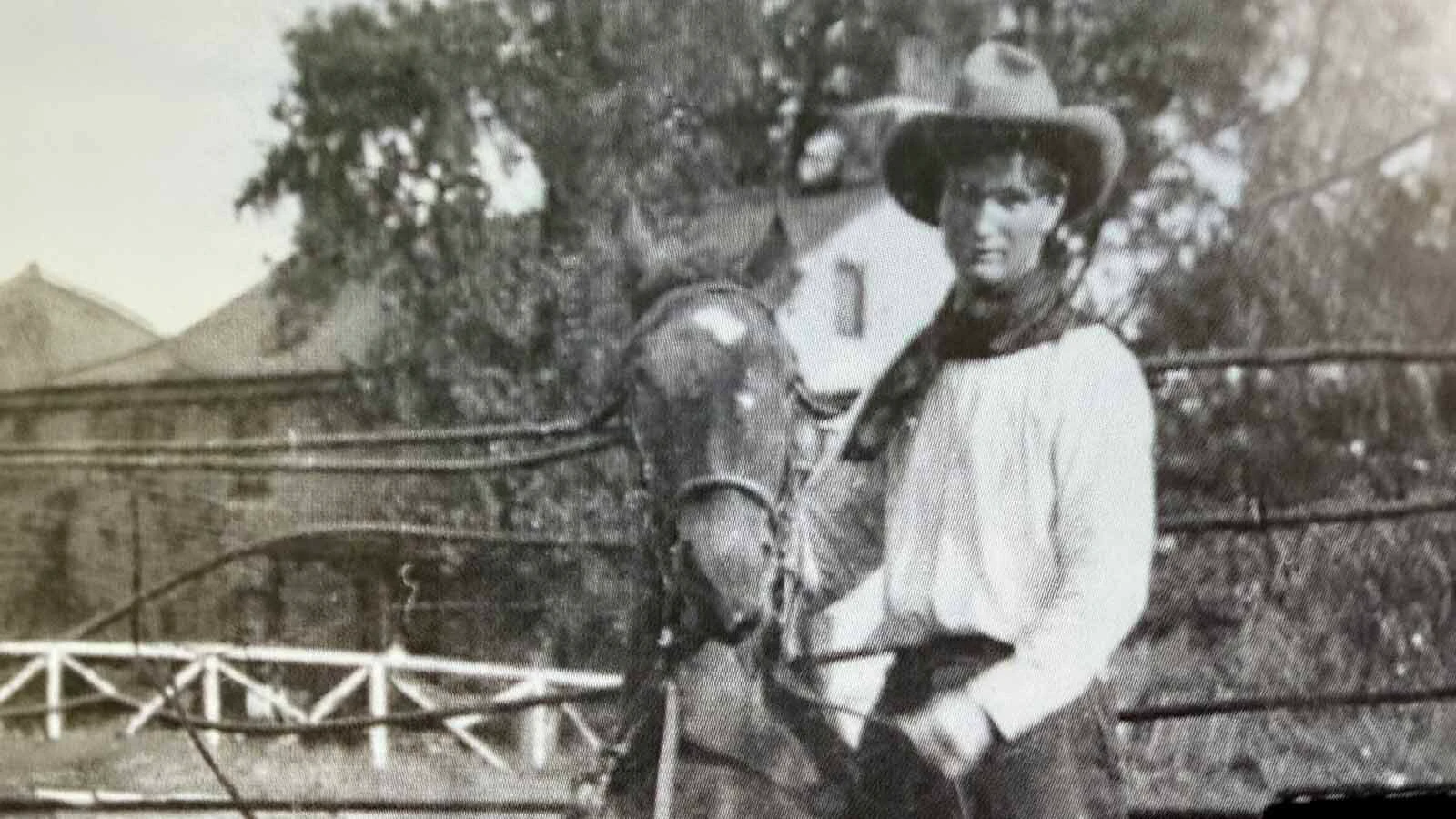
When Harry Webb left his job at the Embar Ranch in Wyoming to ride broncs with Buffalo Bill’s Wild West Show, he was making $60 a month.
Then a movie production company offered to more than double his pay, impressed with how tough Wyoming cowboys can be after a bar fight between two others in the show.
“Had it not been for Smoky Warner getting in a fight one night in 1911 and kicking an ear off his opponent, it’s a mortal cinch I wouldn’t have become a movie star,” Webb wrote in his memoirs, now at the American Heritage Center and republished in “The M Bar and Other Firsthand Stories of the West.”
Smokey Warner and Walt Cane, both cowboys from Chugwater, had gotten in a fight in Philadelphia, and Buffalo Bill immediately fired them from his show because fighting was not allowed.
“Not hearing from them for some time, we supposed they were bumming their way back to Wyoming, but when we pulled onto the lot in Philadelphia, lo and behold, Smoky and Walt were there to greet us,” said Webb.
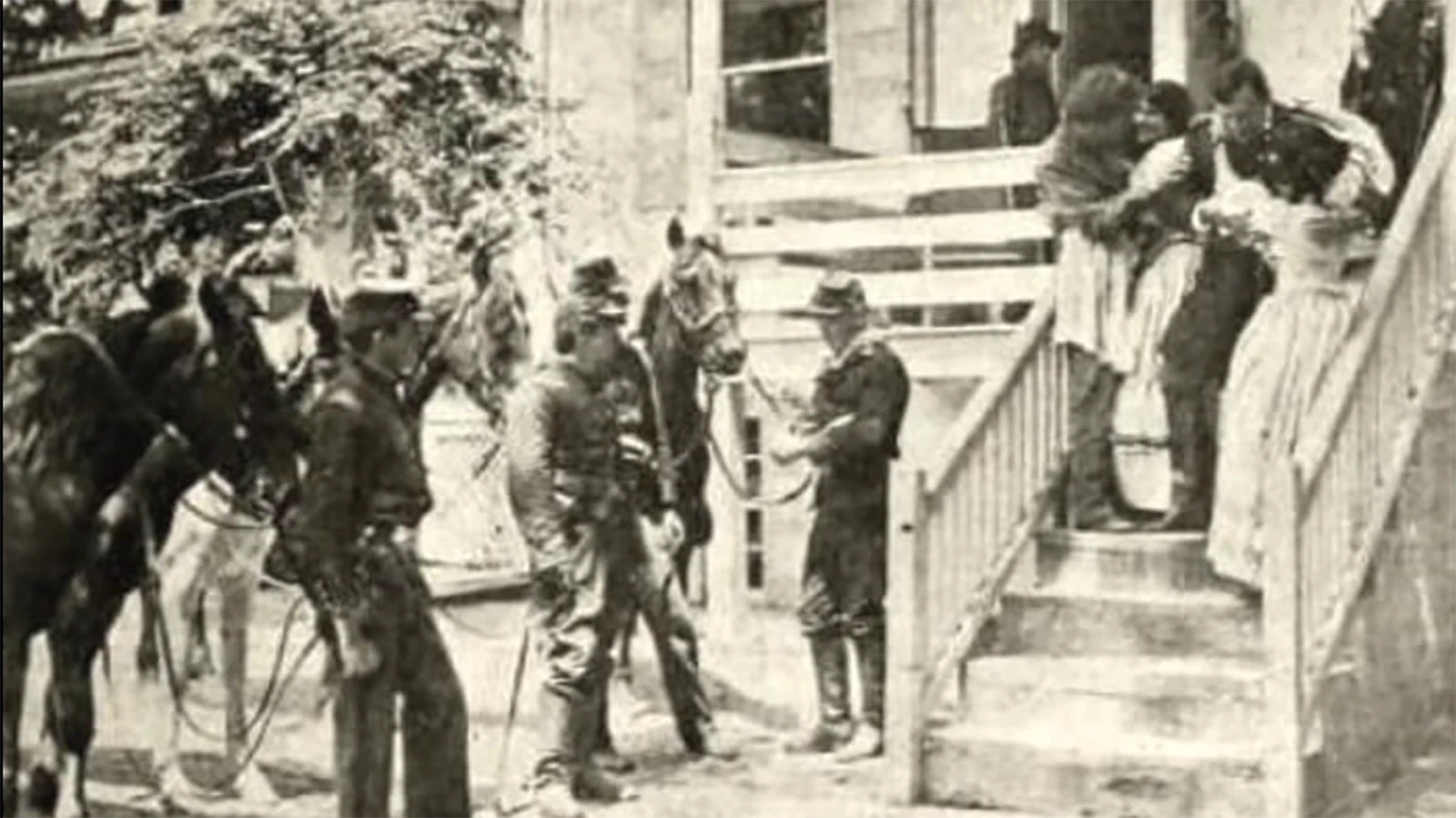
The cowboys had landed jobs at Siegmund Lubin’s motion picture studios, and the next day were needed for a Western picture.
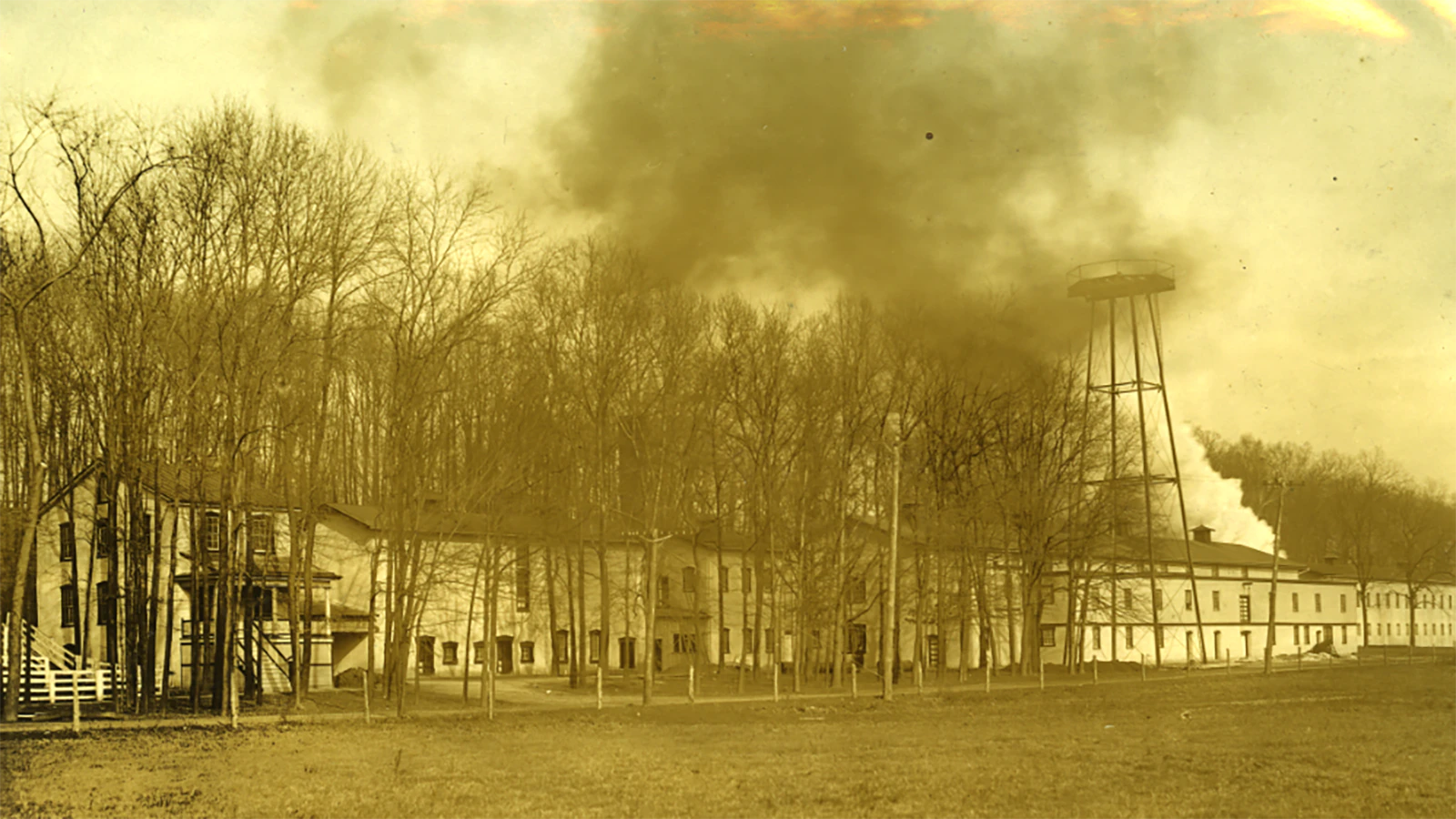
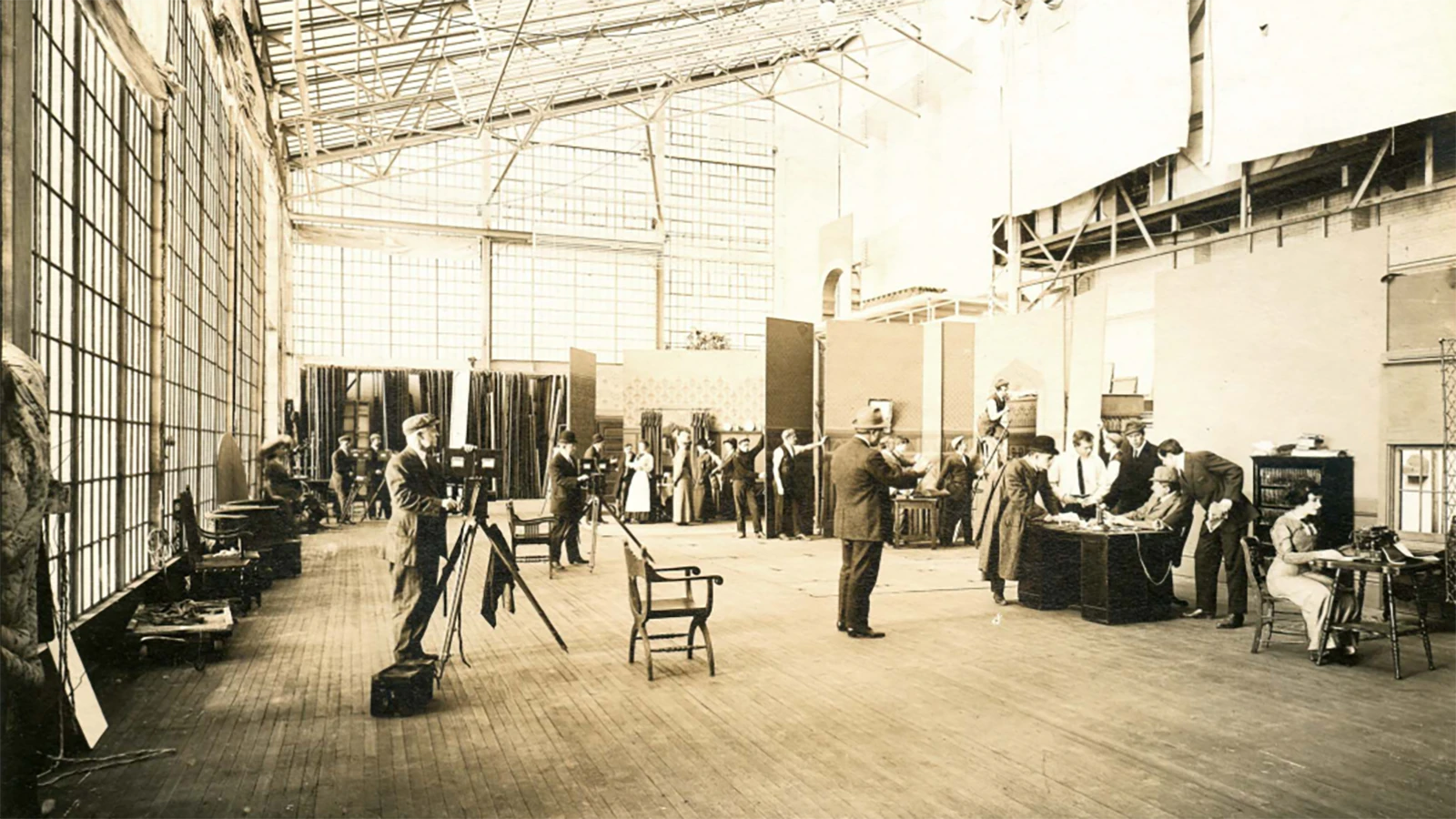
Lubin had founded the Lubin Manufacturing Co., in Philadelphia that, from 1895 to just before its collapse in 1916, grew to be one of the largest motion picture production companies in the world, according to the Philadelphia Area Archives.
Unfortunately for Cane, he got into an argument over a saddle with his former co-workers at the Buffalo Bill Show. This resulted in Cane pulling a knife, thrown into jail and ultimately being kicked out of the state.
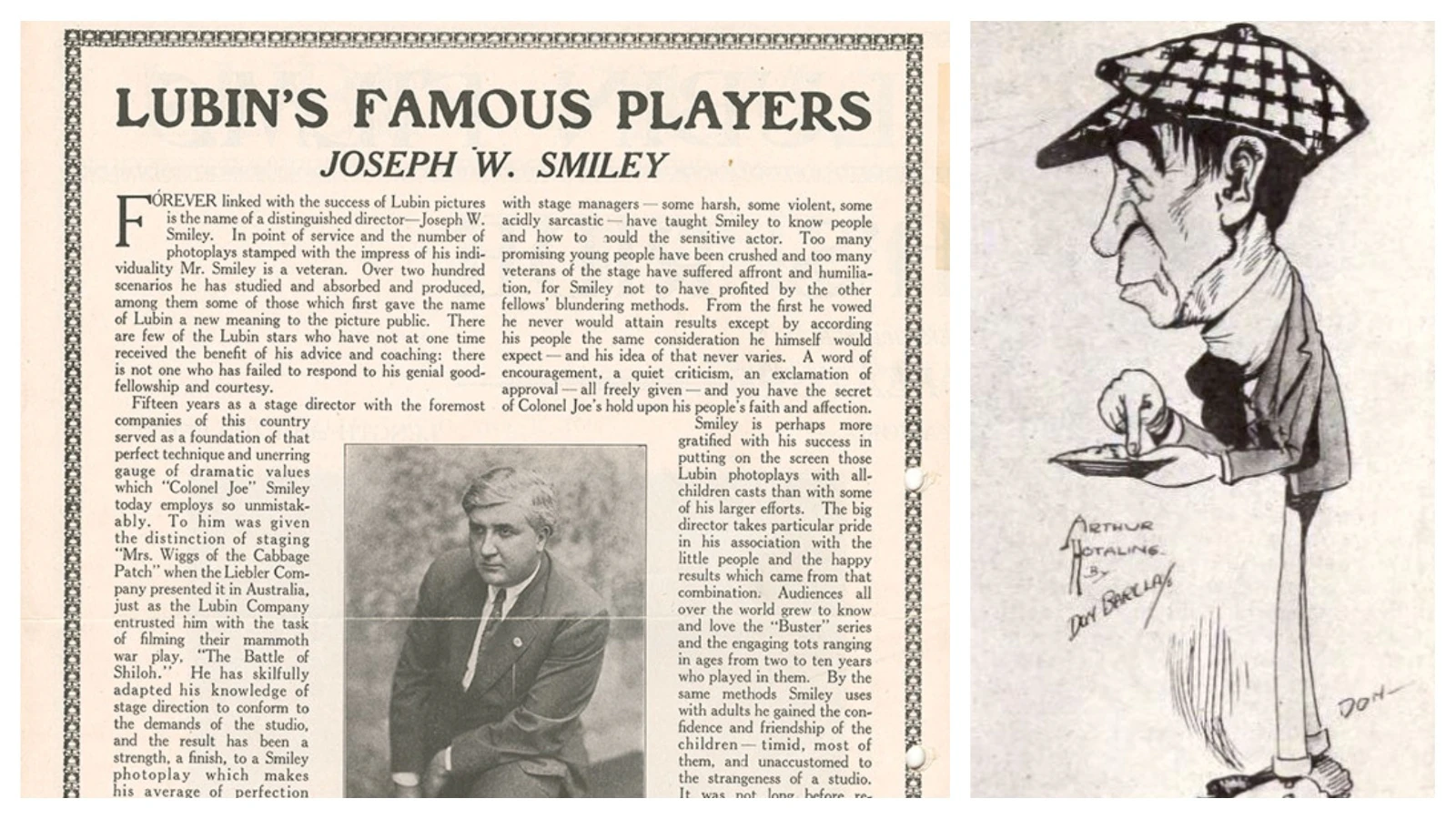
Webb was then offered Cane’s job instead, and even though he “knew no more about moviemaking than a hog did about a white shirt,” he accepted the job from one of Lubin’s eight directors, Joe Smiley.
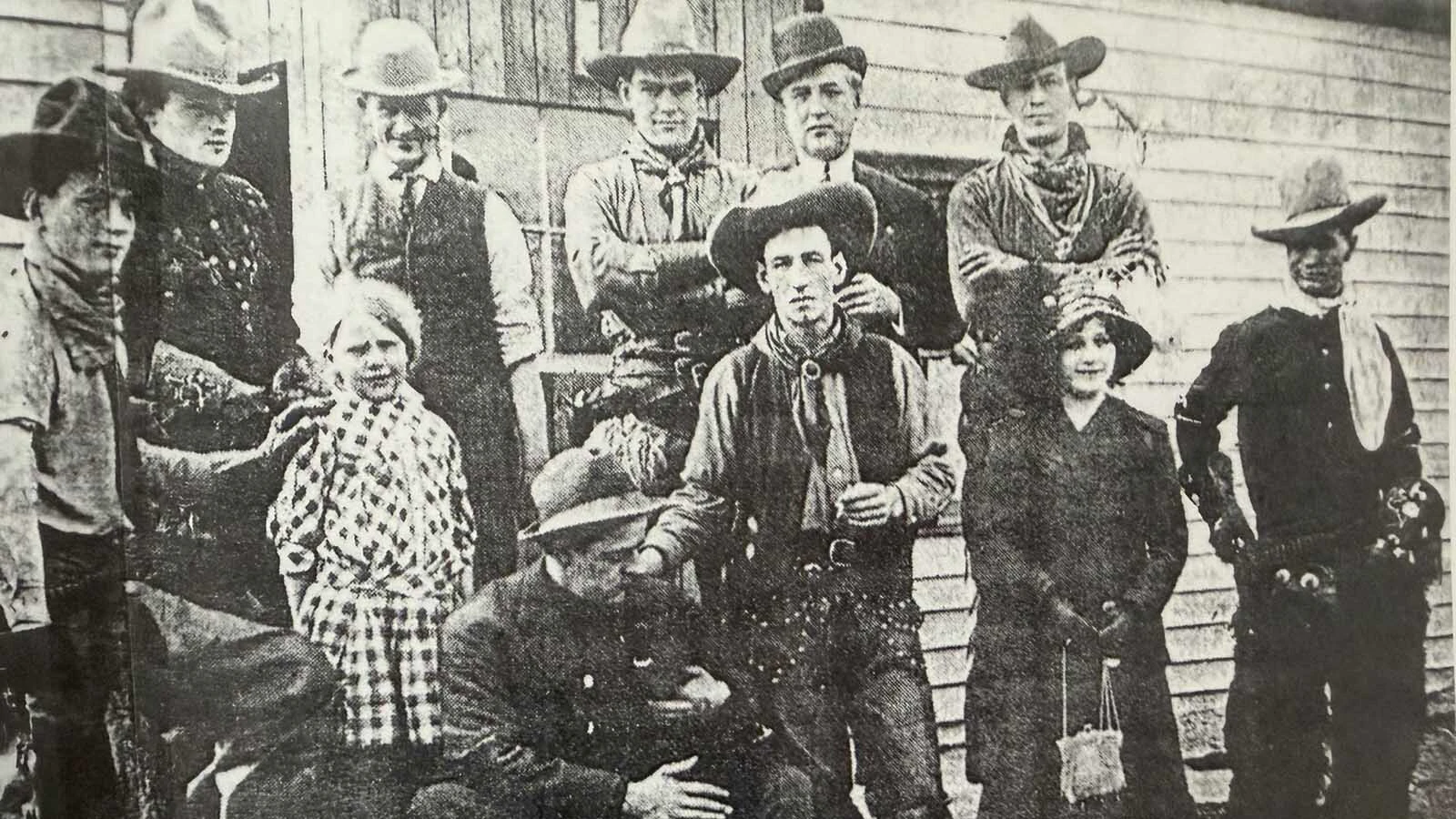
“There were seven of us ‘cowboys' in Smiley’s company, although Smoky Warner and I were the only two who could tell a cow from a haystack,” Webb said.
It was 1912, and Webb was now a wrangler and stuntman for the newfangled silver screen.
By the time of his death on July 16, 1984, he was the last of Buffalo Bill’s bronc riders.
The Canoe Chase
Webb’s first role was that of a “redskin,” according to the book. He was put into a canoe to track down a "low-down white scoundrel" who had kidnapped a beautiful Indian maiden.
“I had spent years around the Shoshone and Arapaho tribes in Wyoming, but they were a far war whoop from this picture tribe who used bark canoes instead of travois,” Webb wrote.
The movie was shot in sequences rather than following the story chronologically so that Webb quickly became confused about the plot.
He did, however, remember vividly his first big scene.
He played an expert tracker in search of the stolen maiden. Webb was to follow the villain in a gayly painted canoe.
“I wondered how I was to follow the villain’s footprints over water, but movie scripts call for such legerdemain (deftness) so I off I started,” Webb said.
However, Webb couldn’t even get into the canoe without upsetting it.
Smiley stopped the filming to show Webb how to properly board the thing — and suddenly Smiley slipped off a rock into the river.
Webb was horrified as he fished out his new boss and was sure he had just lost the job. Instead, Smiley changed clothes and filming resumed.
Over the next three years from 1912-1915, Webb discovered life on the set was much more dangerous than wrangling cattle in Wyoming.
Blowout
Many of the films that Webb worked on were faux Westerns that didn’t resemble the West Webb knew, and occasionally Smiley would venture into modern genres.
Webb recalled a particular scene of a wild auto chase. A rear tire was to be hit by a bullet, which would send the auto careening over a 200-foot cliff.
To stimulate the blowout, the rear wheel was jacked up and spinning. The camera was moved in as close as possible.
When everything was ready, Smiley directed Webb to lie on his stomach between the legs of the camera tripod and put a .45-caliber slug in the tire. The scene worked well for the camera but spelled disaster for Webb.
“The camera didn’t record what the sudden escape of the 70-pound air pressure did to the shooter,” Webb said. “It all but blew my eyes out and all scenes were halted while I was rushed to a doctor.”
On the same film just a week later, the crew was enacting the final climatic scene of the car chase at an abandoned stone quarry. The car was to tumble down the cliff and land with a spectacular explosion.
Webb described how the rigged car was blocked just out of view of two cameras placed far below and across the deep lake that had formed in the quarry.
Two sticks of dynamite and a can of powder had been placed in the engine. Wires led 100 feet away to a battery that was manned by a powder expert.
Smiley was to lift a flag to signal to Webb and Warney to release the blocks and shove the car over the cliff with its dummy driver.
A second flag was the signal for the battery man to denote the dynamite. The eager battery man mixed up the signal and the car exploded at the first flag.
“Pieces of the car and paper maché dummies were scattered over half an acre, to say nothing of sending Smoky and me to a hospital,” Webb said.
The movie was abandoned after that.
Webb said that Lubin was a stickler for realism but not at the expense of blowing up his cowboys.
The $10,000 ($325,000 in today’s currency) that was lost on this one film was nothing in Lubin’s overall budget since he was cranking out a staggering six movies a week and making more money than he could keep track of.
Trick Horse
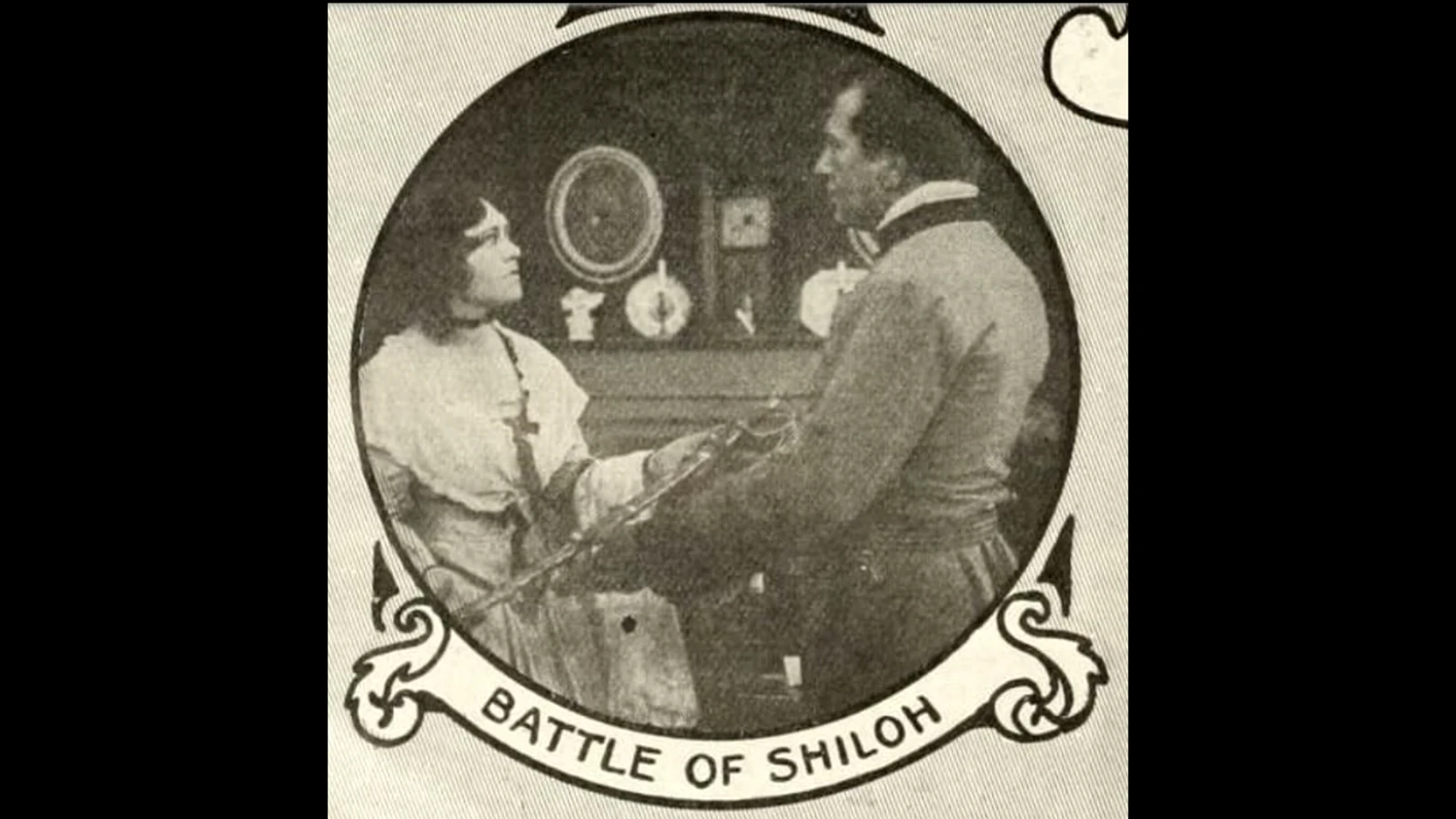
Toward the end of his time with Lubin, Webb was involved with training horses for the film “Battle of Shilo” which involved up to 5,000 actors in just one scene. It cost $1.5 million to film, according to Webb.
Webb was given the part of a dispatch carrier who was shot off his running horse by a sniper.
When Lubin realized that Webb’s horse, Babe, was a natural clown trained to do tricks, he wrote a special scene for the pair.
“Babe would rather lie down than stay on his feet,” Webb said. “I had also taught him to take a canteen in his mouth to a water trough, submerge it and bring it to me.”
When Webb was “mortally wounded,” Babe stopped, came back and laid down beside Webb.
“I crawled belly down across the saddle and was whisked to my general’s tent dead, but with the important message,” Webb said. “Yet, this emotional scene later turned into howls of laughter.
“Where the camera picked up my rear end, it was discovered that my pants and drawers had been torn, showing bare skin.”
California Ho
Another serious picture Webb made at the Betzwood Studios with hilarious outtakes was about a caravan of California-bound gold-seekers.
They had reached the desert in dire circumstances and carcasses of their starved stock were lying about.
The “desert” had been created on a 200-acre newly plowed cornfield where tons of lime fertilizer had been spread. Imitation bushes were planted about and an artist crew had painted a long, snowcapped range that the desperate gold-seekers were headed to.
Yoked to Webb’s Conestoga wagon were six overly fat oxen. A Jersey cow was tied behind the wagon and his stage family was perched on high seats in the wagon.
Two cameras were stationed to catch the long string of wagons from different angles.
“I, ragged and weary, was plodding alongside my oxen when a footman, just ahead, flushed a planted rabbit from a planted bush,” Webb said.
The explosion of the actor’s blunderbuss downed the rabbit but also stampeded Webb’s oxen.
“Whoa, Buck! Whoa, Paint!” Webb said he shouted as he tried to keep up.
The Conestoga's wheels threw a wide circle of dust and the Jersey was dragged on her side. Webb’s on-screen family was screaming at him to “stop those silly, bellowing cows!”
As the runaway disappeared over the horizon, Webb said that a whiskered Jayhawker with a perverted sense of humor yelled, “California, here we come!”
Fortunately, no one was killed, but before those oxen left the Conestoga wrapped around a stone gate-post, Webb said that the cameras had recorded some exciting footage.
Wild Man Antics
Another of Lubin’s directors, Author Hotaling, borrowed Webb and another cowboy named Billy Lewis for a comedy he was filming about a wild man who had escaped from his circus cage.
Lewis played the wild man, wearing just a breech-clout, and Webb was one of the farmers hunting him down for the reward.
Lewis had eluded the farmers by leaping to the tops of tall trees. For these scenes, Webb explained, the film was cranked in reverse and the wild man would jump backward from a tree, beating anything that Tarzan ever did.
“Finally, I, a bushy-whiskered farmer, discovered our wild man hiding in a corn shock and the chase was on with the Wild Man’s leopard breech-clout flaring out behind,” Webb said.
Webb chased the wild man across a meadow and through a pond. Webb was about to pitchfork Lewis when several dozen big geese joined the chase
“Some sunk their beaks in Billy’s breech-clout and were bounced along behind as others beat him with their wings and chewed his legs,” Webb said. “Billy was yelling for help and when I lit in on the fighting, honking horde with my pitchfork I was knocked down and we were both being mauled, bitten and all but smothered under a ton of infuriated squawkers.”
The real farmer and his three dogs finally put the geese to flight. Lewis was so battered, he was hurried to a hospital and Webb said he wasn’t much better off.
“My bib-overalls and shirt were in shreds and my face couldn’t have looked worse had it been kicked by a sharp-shod mule,” Webb said. “As for Hotaling and his cameraman, they were jubilant over catching the funniest scene they had ever filmed.”
Final Act
In early 1915, Webb quit Lubin’s company to do a Vaudeville roping act, but was summoned for one last performance on the silver screen.
Webb was waiting at the Pennsylvania Railroad Station near the Betzwood Studios when Smiley called him over from a nearby outdoor set.
Smiley was filming a shootout between a sheriff and an outlaw who had barricaded himself behind a trunk in a hotel room. Smiley wanted the scene to look realistic and recruited Webb to help since he didn’t trust his sheriff to make the shot.
"Here, take this six-shooter, and when you see splinters fly off that door you shoot back, but shoot a little high," Smiley said.
One camera showed the outlaw crouched and shooting over a trunk as Webb’s shots sent wood splinters flying over his head, while a second camera caught the outlaw's leaden damage on Webb’s side.
“I had put four .45 slugs through the door when a cry from the other side fetched me running,” Webb said.
The actor lay on the floor yelling, "I'm shot, I'm shot!"
His head and face were blanketed with blood, and Webb thought a bullet had ricocheted and struck him in the head.
Instead, Webb’s last shot had smashed a heavy mirror and a big chunk of thick glass had dropped 6 feet and nearly scalped the outlaw.
"Did you get that scene, Mac?" Smiley asked, ignoring the yelling actor.
"I sure as hell did," the cameraman said. "That's our punch scene. Now we're making pictures an audience will remember overnight."
As he said his final goodbyes to Smiley and the rest of the crew at Lubin’s studios, Webb wrote that he was proud to be part of the films that would “wring tears from a rhinoceros” and were breaking box office records around the world.
Fewer than 200 Lubin films are known to survive. Most of the movies Harry Webb appeared in were most likely lost in a film explosion in 1914.
“I could now lay claim to being a movie actor even though in most scenes my back was more prominent than my face,” Webb said.
“In my last great scene, fate would have me a sharpshooter, yet as invisible as the Pennsylvania air, which seemed a poor climax to my movie career, as the next day Bill Arthur and I were off on our new adventure and four months later I was back in Wyoming where fantasy was replaced by good old reality,” he wrote.
Jackie Dorothy can be reached at jackie@cowboystatedaily.com.


