
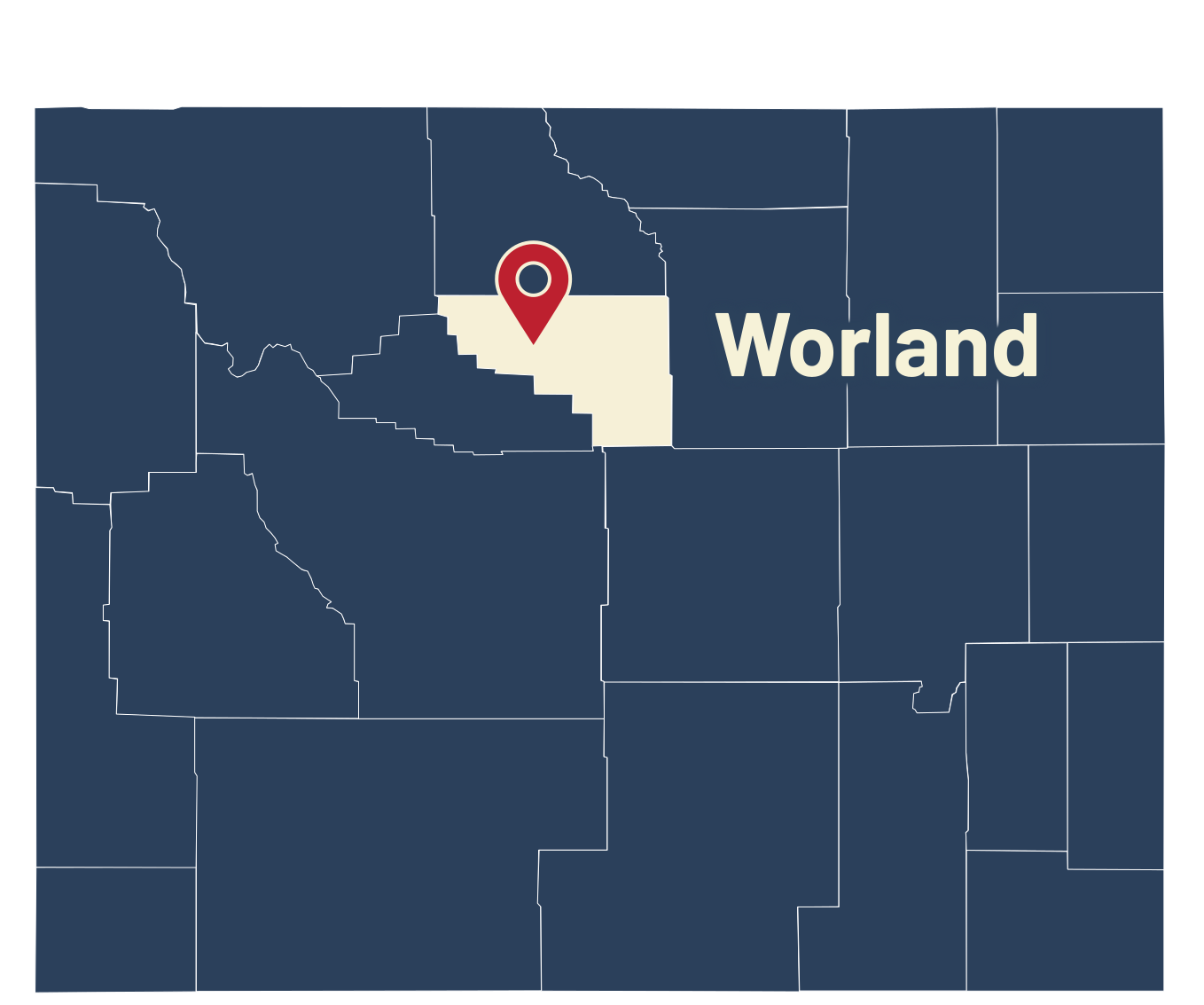
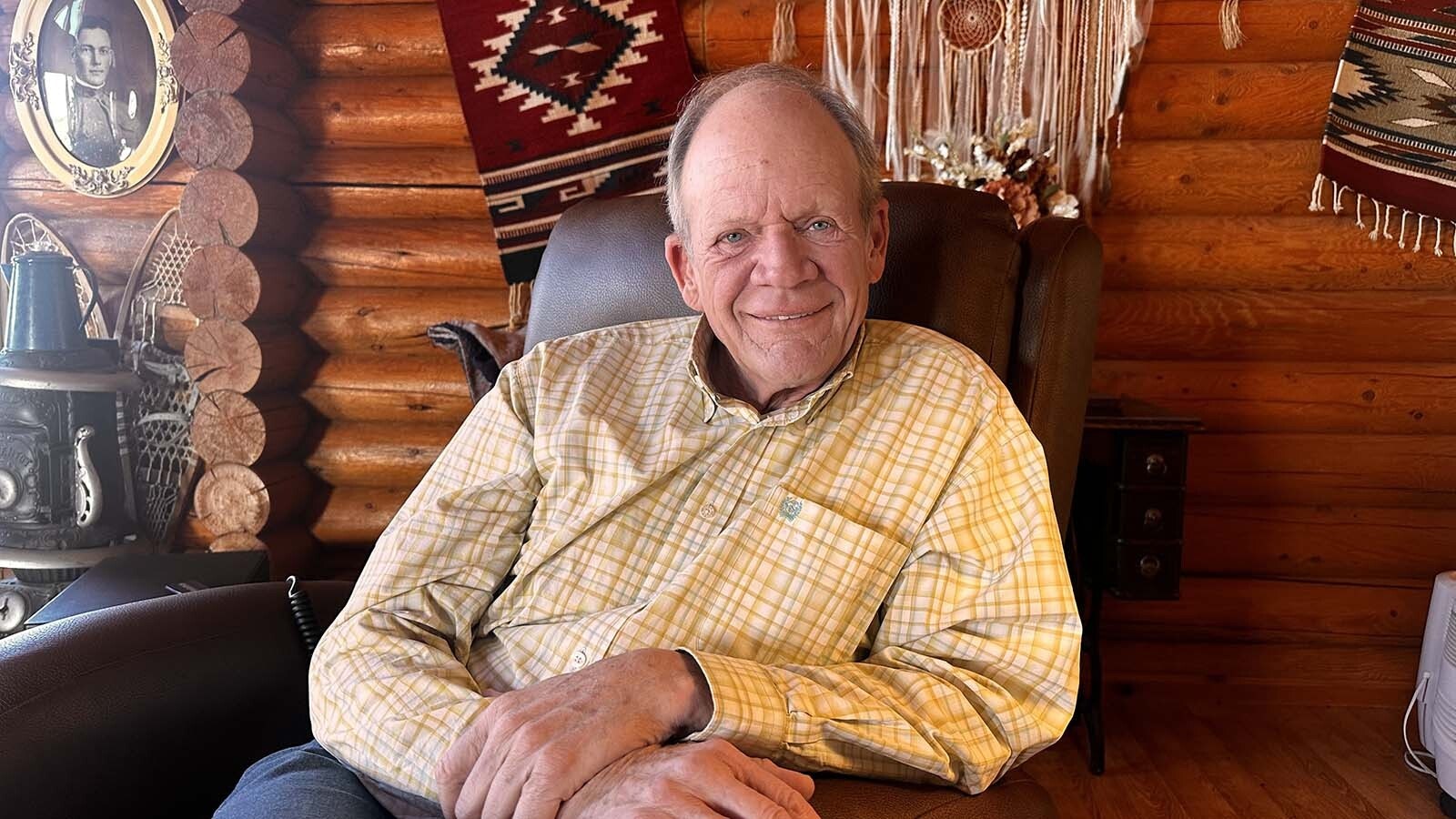
Historian Clay Gibbons of Worland was given three to four months to live by his doctor in February. A routine scan revealed Gibbons had pancreatic cancer even though Gibbons' had no symptoms of the tumor.
Gibbons said it was tough walking into the doctor’s office healthy and walking out with the news he was dying.
“I've got a very firm, solid belief in God and a strong faith and know that He will do His will, not ours be done,” Gibbons said. “Once you get into that period of acceptance, it doesn't mean you're giving up and not fighting, but it does mean whatever does happen, it's God's plan and I'm going to deal with it.”
Gibbons was given his cancer diagnosis on Feb. 4 and has outlived the prognosis. He is grateful and is enjoying time with his family.
He also continues to share his love for history and all things Wyoming.
For now, the only physical effects are missing hair and a backache that keeps him up at night. He is moving forward, weighing his options for treatment.
Gibbons is sure to enjoy every moment, including giving his annual Memorial Day tour of the Hole-in-the-Wall, taking a camping trip and spending time with each of his eight kids, numerous grandkids and close friends.
Historian of the Lesser Knowns
Since he was 9 years old, Gibbons has been pursuing answers to history, ever since his dad told him about the Sand Creek Raid that happened practically in their own backyard.
The raid occurred April 2, 1909, and was a violent conflict between cattlemen and sheepherders near present-day Ten Sleep. Seven masked cattlemen attacked a sheep camp, resulting in the deaths of three men and significant property destruction, marking it as the deadliest sheep raid in Wyoming's history.
Gibbons’ dad, Terrill, was unable to tell his son where the raid had exactly taken place. That led to a quest that would span Gibbons’ lifetime.
Gibbons succeeded in his mission and discovered other stories along the way. Over his years of pursuing history, he became known for giving voice to those who have been ignored and uncovering obscure stories.
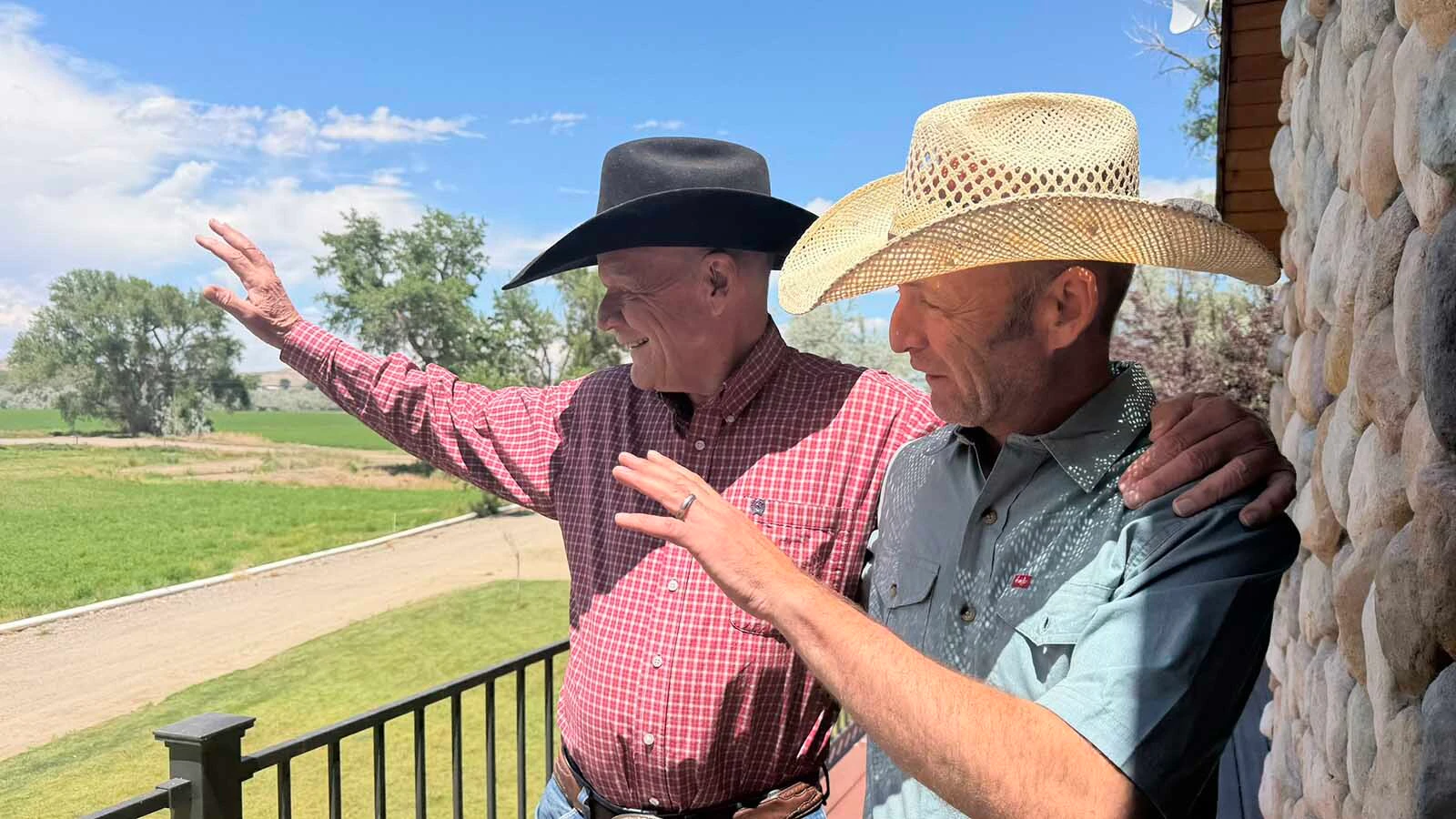
Gibbons' oldest son, Damon, said he grew up listening to these old stories and learned to honor the memories of those who had come before them, especially in the Bighorn Basin.
“He's done so much to bring forth stories that would have been lost and that ought not to be lost,” Damon said. “This was a very rugged place that was hard on men, women and horses.”
According to Damon, part of the legacy his dad built is the admiration of Wyoming that he instilled in his eight children.
“He would encourage you to appreciate things out of a sense of wonder,” Damon said. “Growing up with him meant that we were constantly swept out into the mountains or into the badlands where there was always something to behold.”
When Gibbons was researching the Spring Creek Raid with his own father, he brought his children along to immerse them in the art of discovering history.
“We were looking for a horseshoe bend in the creek with tall sagebrush,” Clay said. “That’s when Damon found some old, crushed tin stuff and some glass and hollered at us that he had found some artifacts.”
Damon’s discovery helped his dad pinpoint the location where a wagon had been during the Spring Creek Raid. These types of moments sum up their childhood.
“When you grew up as Clay Gibbons' kid, you learned that not only were there more than just a couple of stories worth telling, but the best stories never got told, and the best stories were yet to be found,” Damon said.
Terrill Gibbons did caution his son about sharing too much. When Gibbons first presented his discoveries about the Spring Creek Raid, Terrill was concerned about him naming people because many who would be listening were descendants of the raid.
“Some of our customers had grandparents that were involved and my dad was concerned that it might upset them if I named names,” Clay said. “It was 80 years ago, so of course I named names.”
The Spring Creek Prank
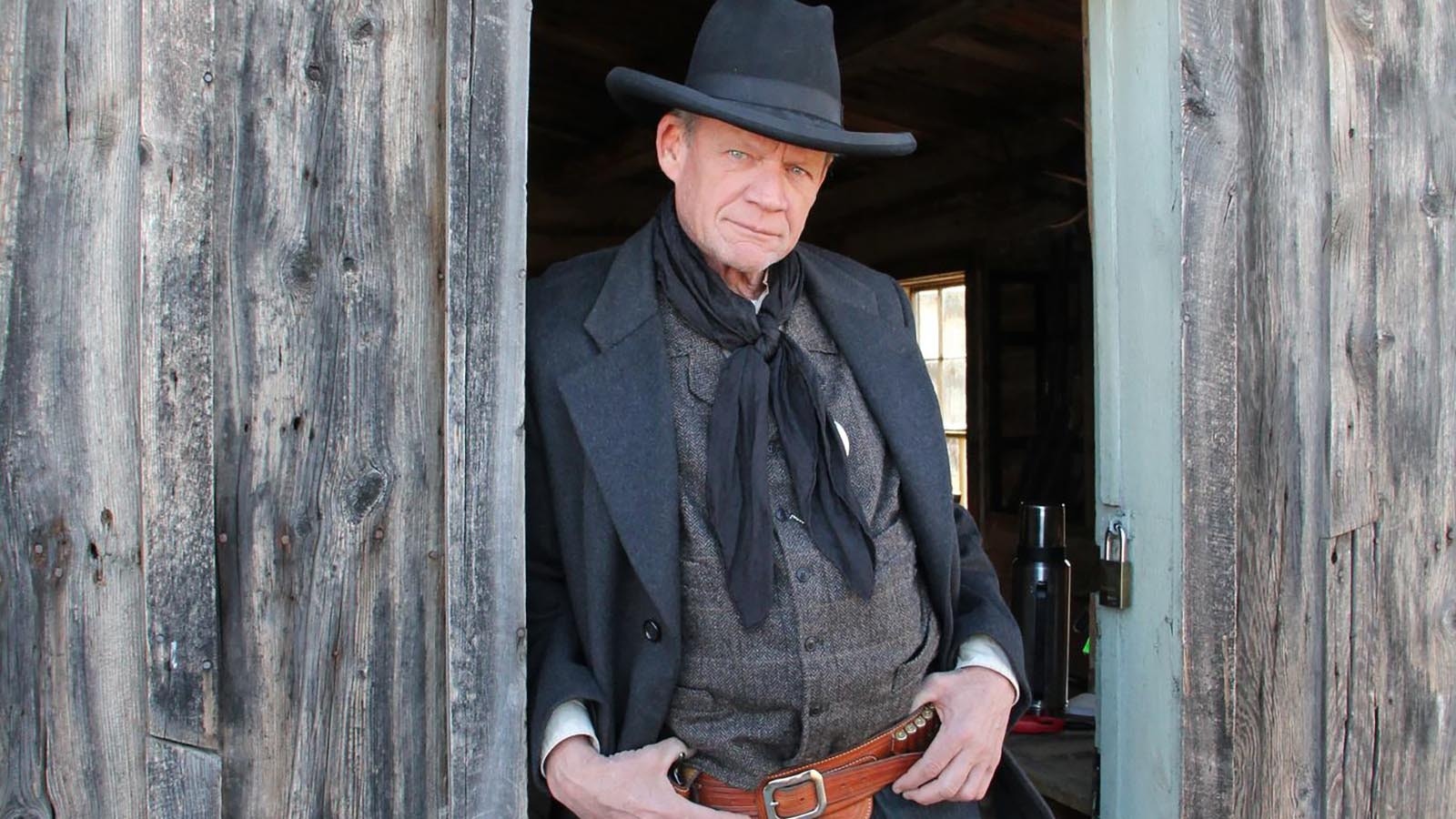
Not all the stories Gibbons uncovered about the Spring Creek Raid were serious. He had grown up hearing about a barber who was fooled into thinking a shootout had occurred but thought the story was fabricated. Then, Gibbons found a newspaper article about the prank.
“It was three weeks after the raid and nobody had been arrested, and there was a barber in town named Holman who was just the gossip of the whole town,” he said. “He's making up these stories and saying that if he was in charge, people would be behind bars.”
Holman was criticizing the sheriff and others in charge, so late one night certain town members deputized the barber to join a posse they said was going to make arrests. Holman was nervous but had no choice but to go.
The townsfolk then staged a shootout with blanks. Holman fled back to town when two men were shot. No one would listen to his pleas for help and then the “wounded” men were brought back to the saloon. Holman was horrified, especially when these men jumped up.
Everyone had a good laugh at Holman’s expense.
“Three men had been killed and two bodies burned in the in the fire,” Gibbons said. “Here they turned it around and made a big joke about the whole thing.”
The story isn’t over, because Gibbons is still trying to figure out what happened to Holman. Did the barber stay in town and resume cutting hair or did he leave with egg on his face?
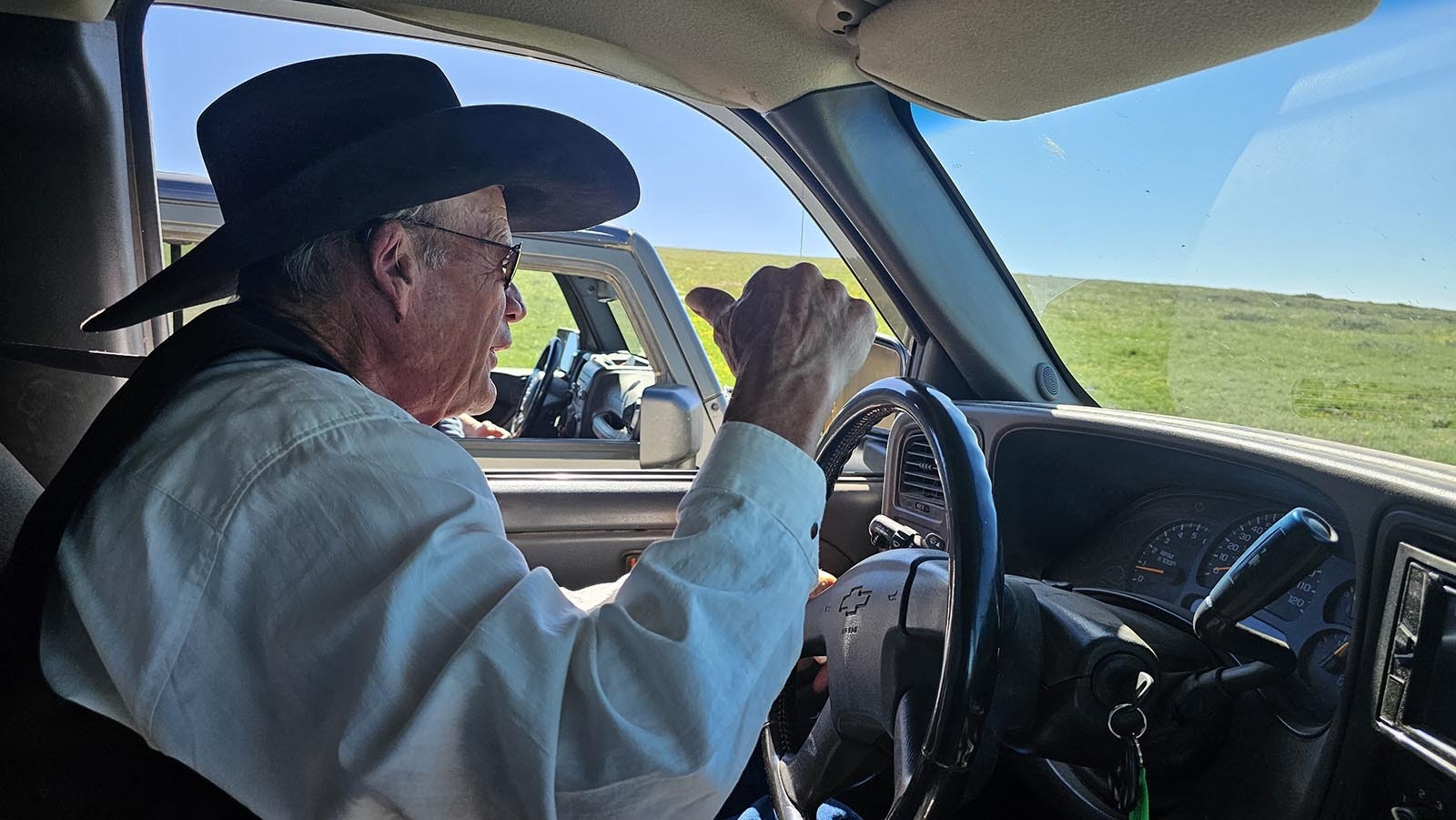
The Business of Ranches
In 1989, the same year Gibbons began researching the Spring Creek Raid in earnest, he became involved in a leadership program.
“The LEAD program was trying to take young agricultural people and give them a voice in agriculture,” he said.
Others in the program included future Sen. Ogden Driskill and future Secretary of State Kurt Meyer.
“I don't know if I could have done everything I did with my speaking career and research if it wouldn't have been for the help of LEAD, because it really taught me to bite the bullet and stand up in front of a crowd and be able to deliver talks,” Gibbons said.
The program also led to his own advocacy for ranchers. He and his dad sold ranching equipment and saw the battle between the Bureau of Land Management and local ranchers over land.
Rather than see this antagonism continue, Gibbons organized the Guardians of the Range. It became a conservation group that got ranchers, the BLM and conservationists to work together.
“We went from a stage of animosity where the ranchers just hated the BLM to within a year we were working with the director of the BLM,” Gibbons said.
Kellie Wasinger said she has observed Gibbons as a problem-solver who knows how to get people to work together.
“He knows people very well, their strengths and their talents, and he understands their heart and where they're coming from,” Wasinger said. “He has the ability to connect the right people and then present a solution to get things rolling.”
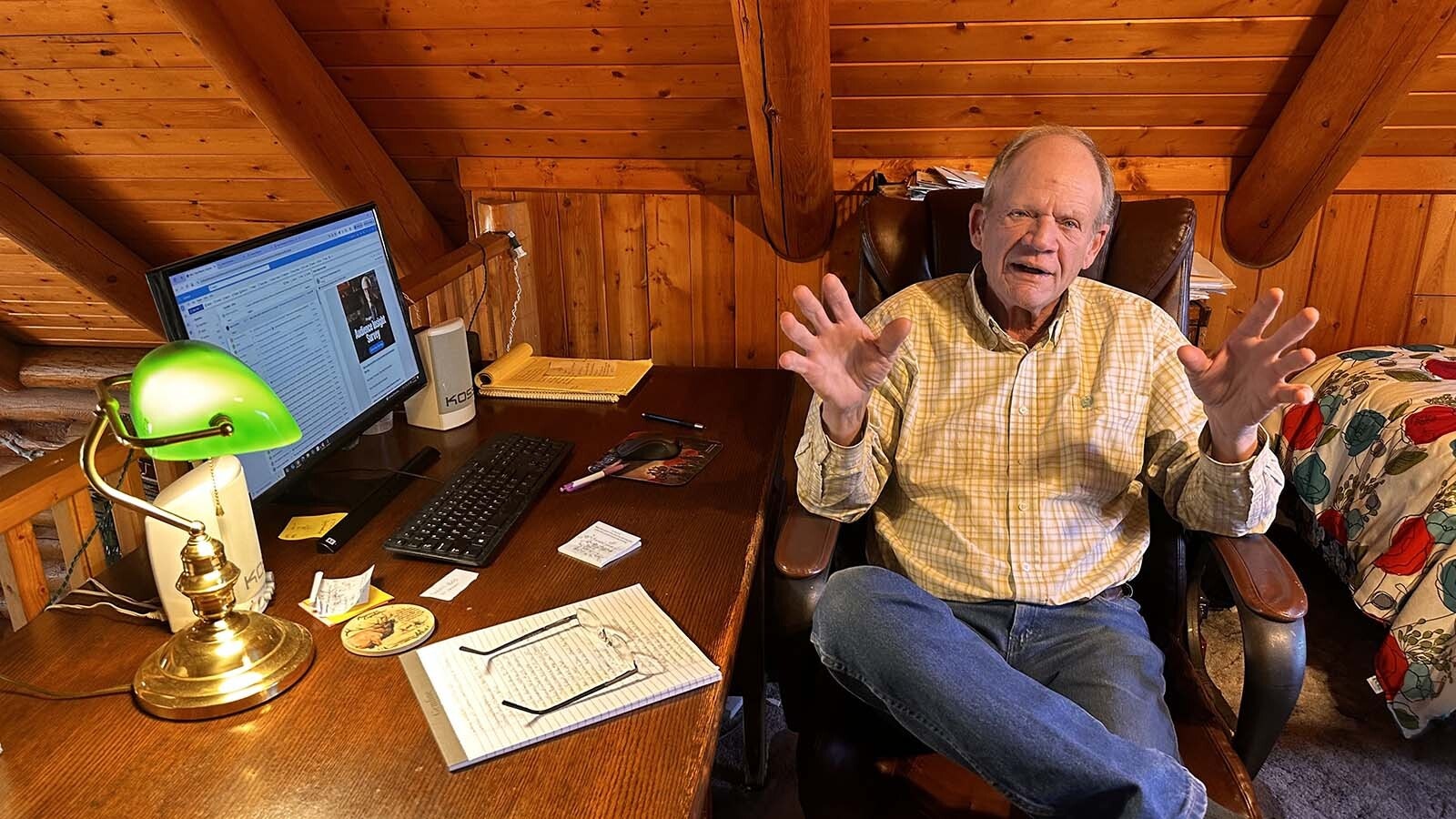
Waiting on God
Gibbons has taken that solution-based philosophy to his current fight against cancer.
“I don’t say I have pancreatic cancer,” he said. “I try to say they diagnosed me with pancreatic cancer because I don't want to own it.”
Originally the cancer was just in the tail of Gibbons’ pancreas. The plan was to remove it surgically and follow with chemotherapy.
However, when doctors went in to remove the tumor June 8, it had already metastasized to several spots in his liver. The surgery was aborted. He was told he now has Stage 4 cancer, the most advanced.
“That was shocking news, but it didn't shock me. It was just like, it is what it is,” Gibbons said. “The most important part is that God and I can deal with it.”
Gibbons is surrounded by family and friends and continues to look at his options, including chemo treatments mixed with natural remedies.
“I’m grateful for every day,” Gibbons said. “Grateful for my family, grateful for my faith.”
Jackie Dorothy can be reached at jackie@cowboystatedaily.com.


