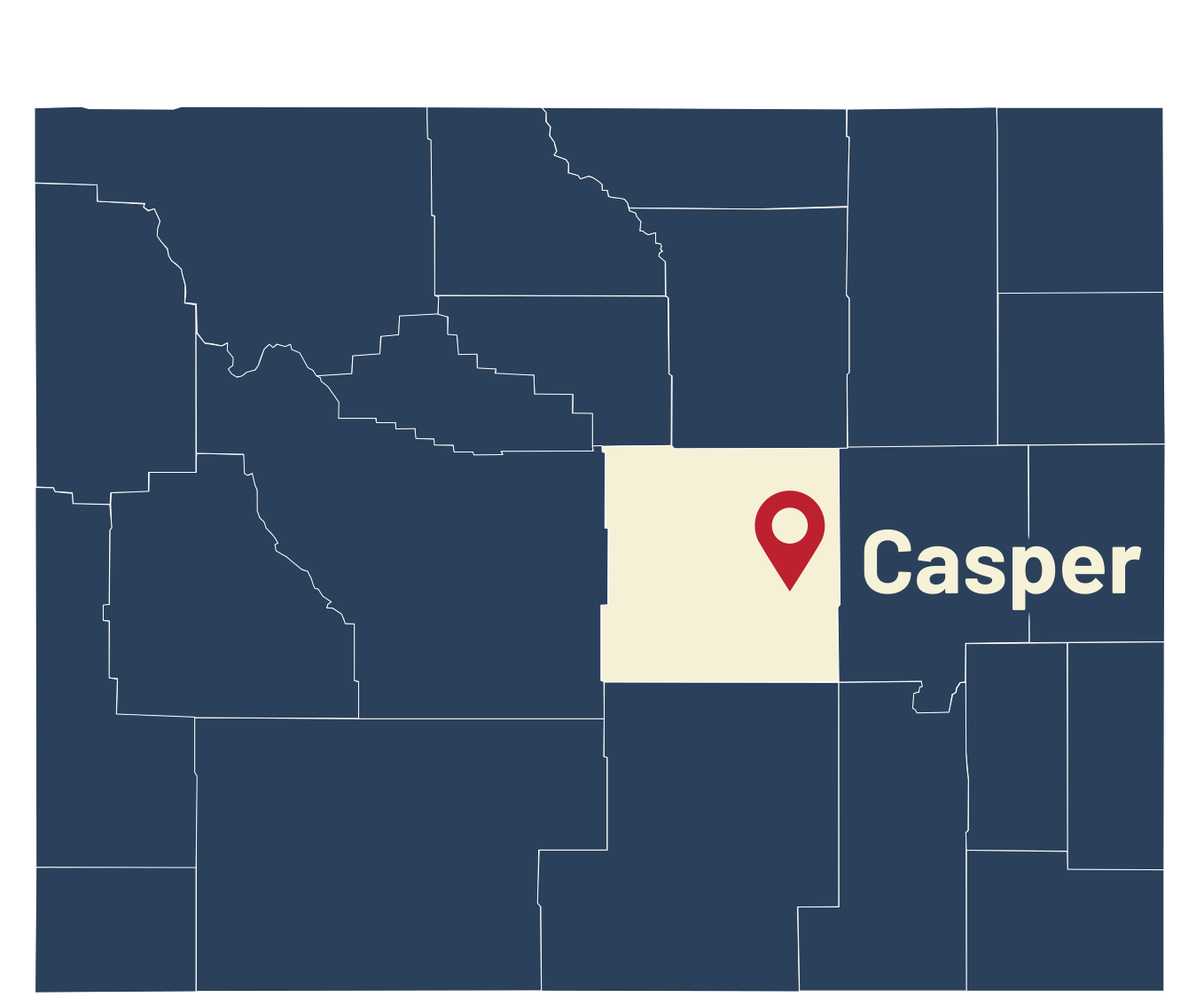
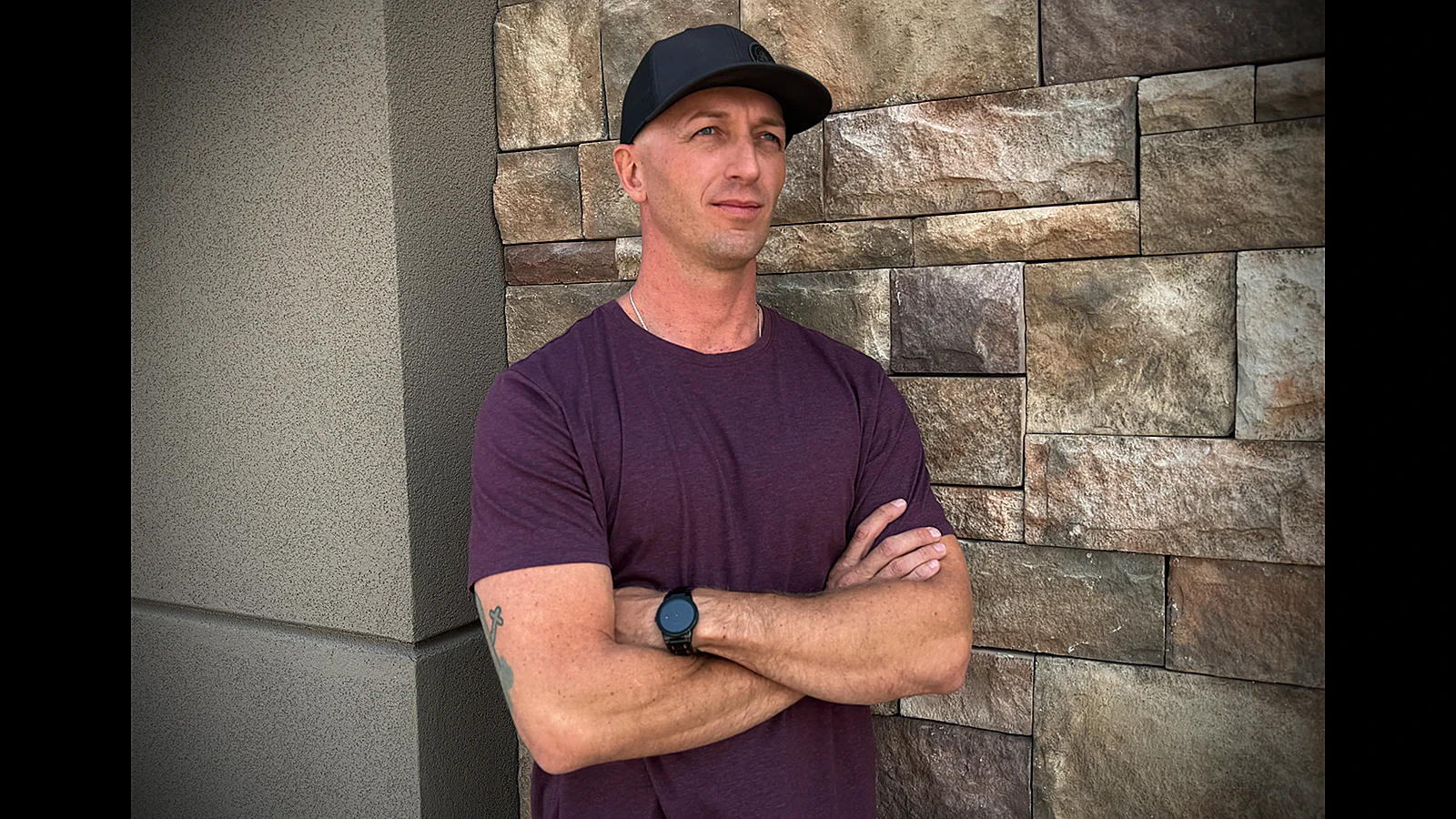
CASPER — Thirteen years ago, James Pulver sat in a jail cell wondering whether his life was over.
At 24, he was facing federal kidnapping and domestic violence-related charges and staring at a $100,000 cash bond — an amount so far beyond his reach it may as well have been $1 million.
He remembers the clang of the steel doors, the uncertainty, and the crushing realization that he had no idea what happened next.
"You don't know anything," Pulver recalls "You don't know the process. You don't know the courts. You don't know what's coming."
Eventually, Pulver accepted a plea agreement, pleading no contest to misdemeanor domestic violence and misdemeanor theft after spending 367 days in the Fremont County Detention Center.
He still insists the most serious allegations against him weren't true, but says the experience permanently changed how he views people accused of crimes.
Today, when someone in Wyoming is arrested and their family doesn't know where to turn, there's a decent chance the phone rings on Pulver's desk.
The irony isn't lost on him.
"Before I was a bail bondsman," he said, "I was an inmate."
More Than Bond
Most people picture a bail bondsman as someone who signs paperwork, takes a fee and disappears.
Pulver, who lives in Casper, laughs at that; he said he believes his job is to guide defendants through one of the most frightening experiences of their lives.
He said his sister calls him the "bail bond doula."
His advice starts immediately. He tells his bondees: eat well, get sunlight, and stay sober.
"You're already walking in there in shackles looking guilty," he said. "They're literally judging you."
Know your lawyer's phone number. Know your address before standing in front of a judge.
Wear your nicest clothes.
Be clean-shaven.
Pulver tells clients they have an advantage once they're released on bond: they can prepare.
Someone sitting in jail cannot.
"If you're out," he said, "you can do all these things that make you look better."
Freedom Business
Pulver's work exists because of one uniquely American business model.
When a judge sets bail, defendants who can't afford to post the full amount often hire a commercial bail bondsman.
Typically, the defendant pays a nonrefundable premium — about 10% of the total bond — while the bondsman guarantees the full amount to the court.
For a $10,000 bond, that usually means paying around $1,000.
The fee is never returned, but the real risk belongs to the bondsman.
If the defendant disappears and fails to appear in court, the bondsman is on the hook for the entire bond.
That's why Pulver almost never accepts a bond without collateral.
"Cars. Land. I'll take your parents' house," he says.
Pulver says the collateral often tells a bigger story than the crime itself. When parents, spouses or siblings are willing to put their own home on the line, he sees more than financial security—he sees a support system.
Some defendants, he said, don't have that luxury. Years of addiction, broken promises or repeated arrests have left them with no one left to call. That's often when he knows the odds of success are much lower.
"The family is what they need," Pulver said. "That's who's going to help them the most."
It's also why he bristles when people assume bounty hunters spend their days chasing criminals for fun.
"My job isn't to catch bad guys," he said. "My job is to get them to court."
He pauses.
"All this chasing and kicking down doors — that's TV."
Then he smiles.
"We're just trying to save our money."
Waiting ...
Pulver's first fugitive recovery began with a 16-hour drive to Texas.
A veteran bounty hunter named Craig Zibell had offered to teach him the business. Their first assignment was to find a Wyoming fugitive accused of stealing his father's pickup, driving it to Denver and boarding a plane south.
Pulver had never tracked anyone previously.
By the time they reached Texas, he'd pieced together the man's whereabouts through Facebook posts and other online clues. The trail led them to an apartment complex.
Then everything stopped.
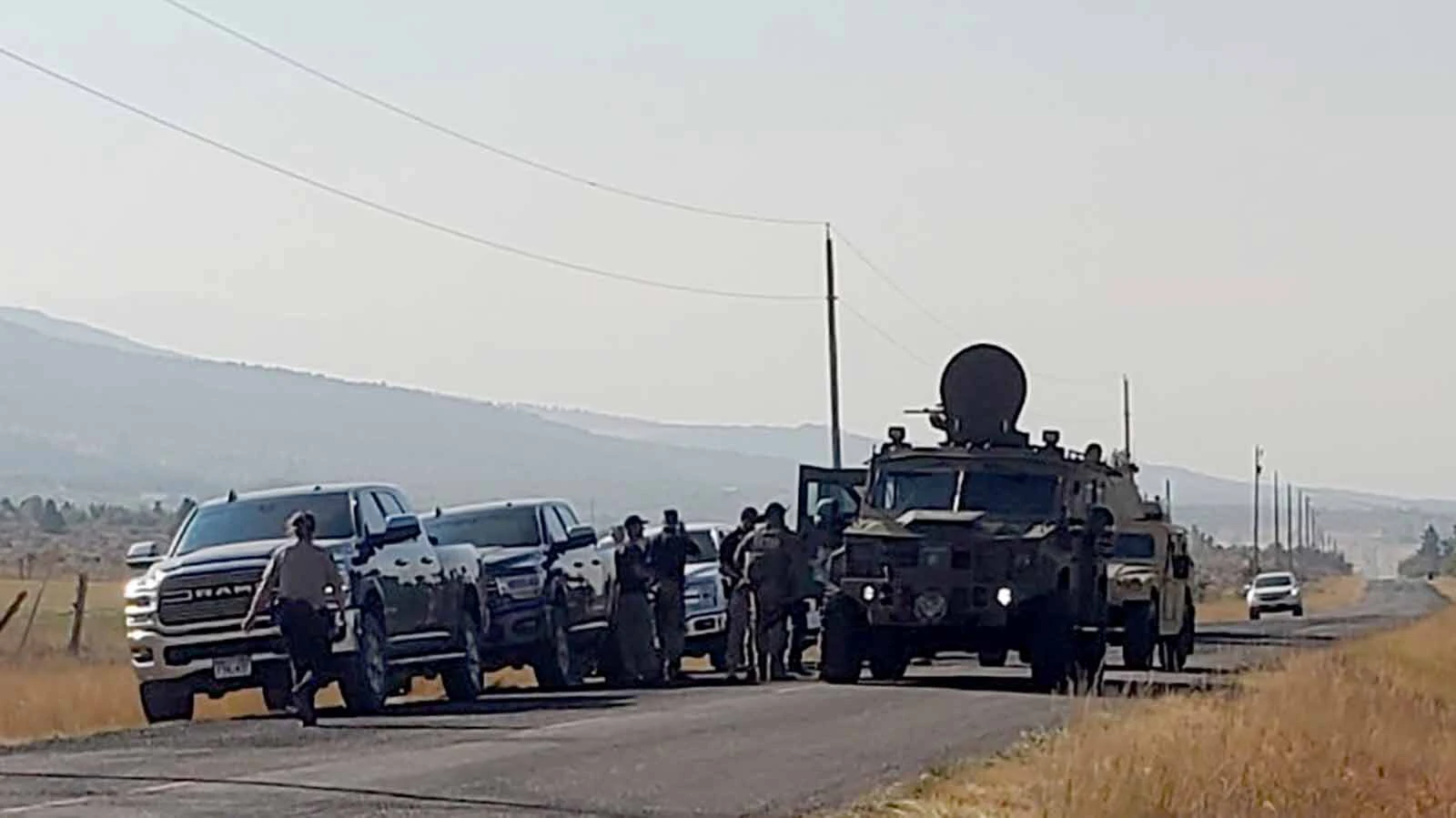
For nearly three days, the pair sat in a truck watching a single apartment door.
"You don't move," Pulver said. "You just sit there and stare."
Food stayed in the cab. Bathroom breaks were carefully timed.
Hours slipped into days.
Pulver learned then and there that being a bounty hunter requires a lot of patience.
The stakeout eventually paid off.
The fugitive walked outside and the arrest happened without much drama.
Rolling Downhill
Not every recovery ends quietly.
One fugitive had been repeatedly contacting a woman against orders.
Pulver and another recovery agent borrowed a vehicle and positioned themselves nearby, hoping the man would appear.
He did.
Pulver sprinted toward him.
Instead of surrendering, the man — whom Pulver estimates weighed around 280 pounds — turned and threw a punch.
Within seconds, the two men were tumbling down a steep hillside in the dark.
"I grabbed him by the collar," Pulver recalled. "I made sure I landed on him."
They rolled to the bottom still fighting.
Pulver eventually gained control long enough for his partner to help secure the arrest.
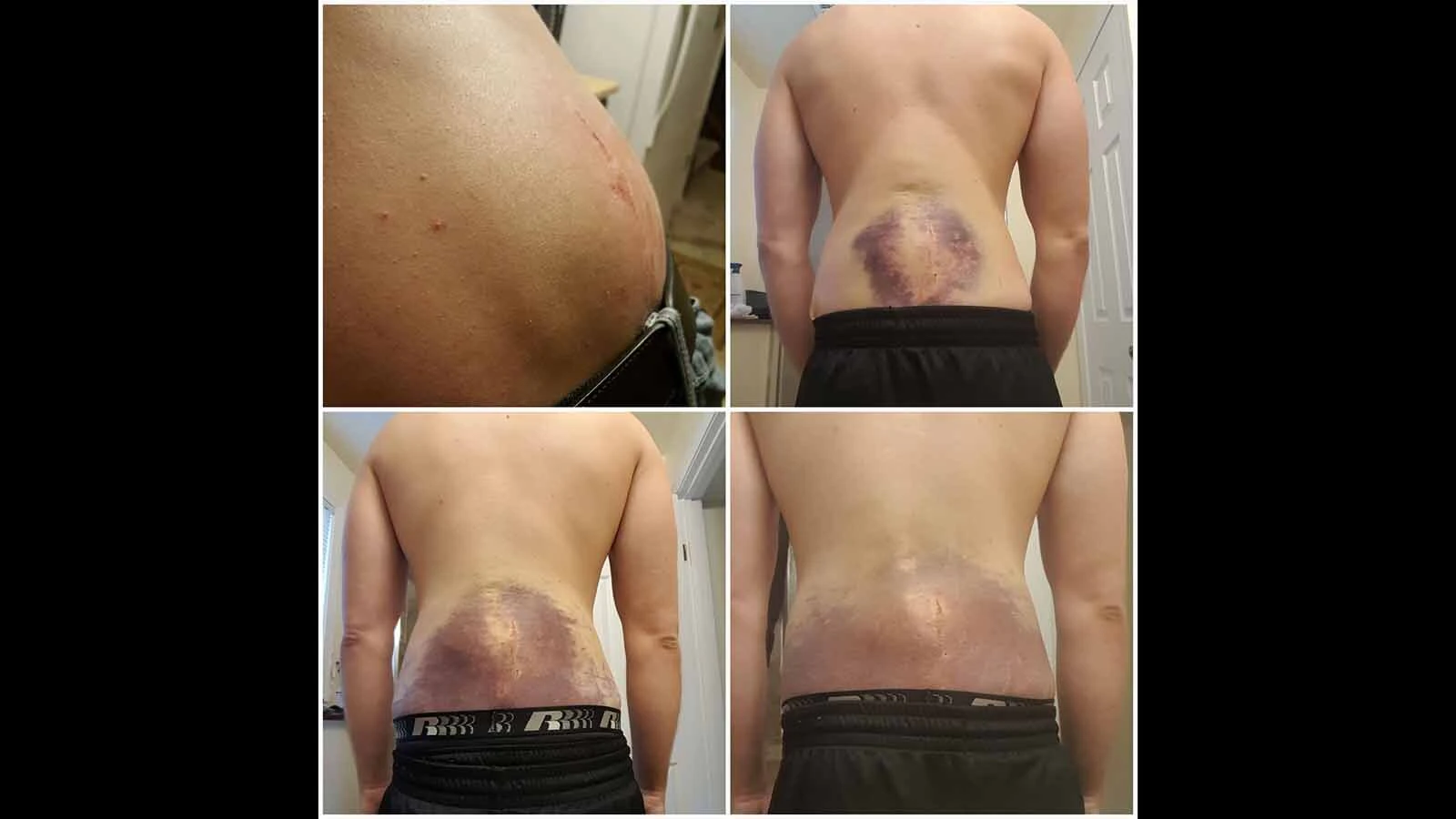
The bruises lingered for weeks.
He still keeps photographs on his phone showing the deep purple marks stretching across his back.
His wife later said, "James, you've got to do things smarter."
'He's Got a Gun!'
"No bond is worth someone getting killed” Pulver says.
The most dangerous recovery he remembers wasn't one he finished himself.
It started with a runner who crossed state lines into rural Utah.
Pulver followed leads until local authorities became involved.
Then the operation exploded into helicopters circling overhead.
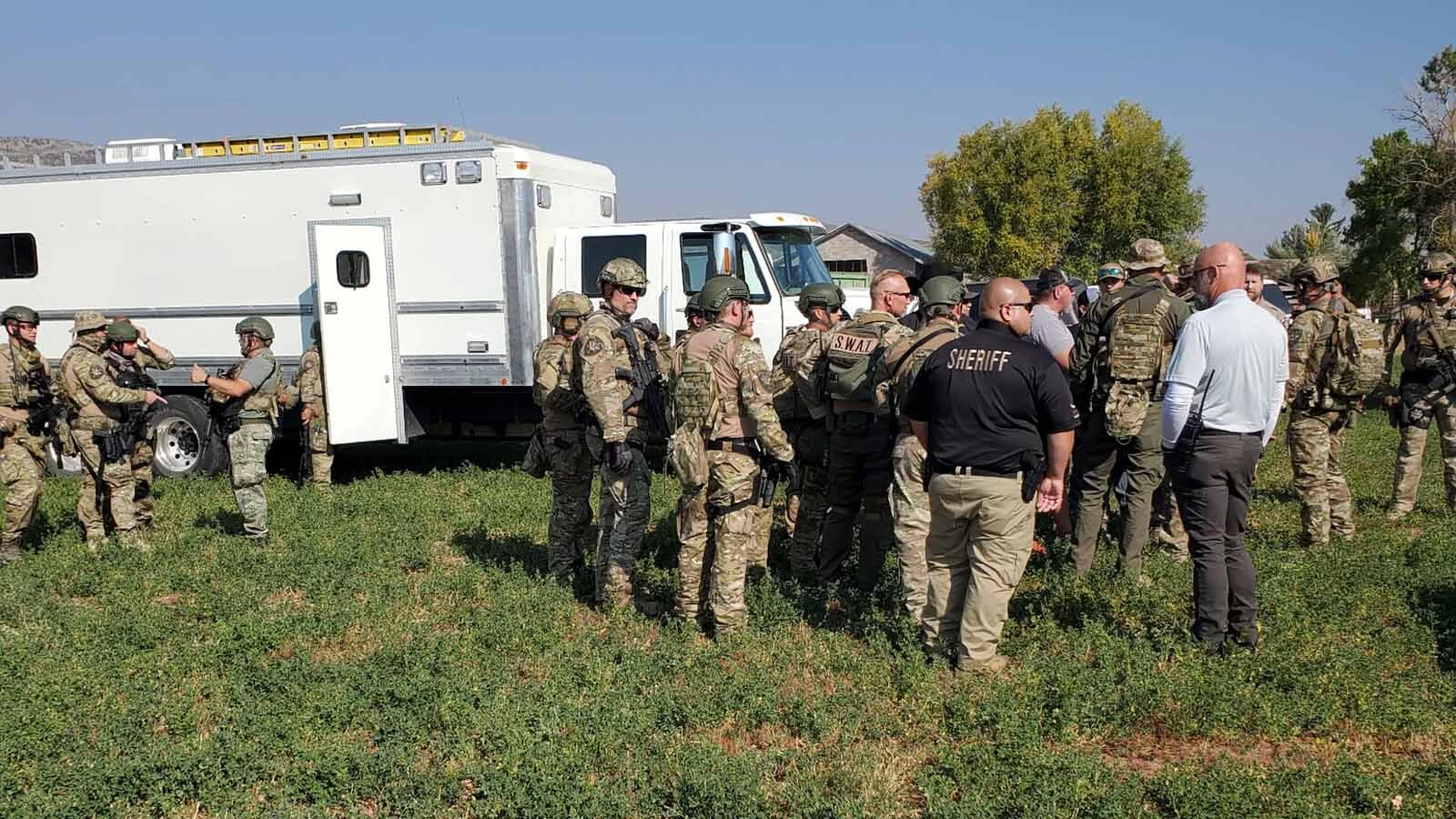
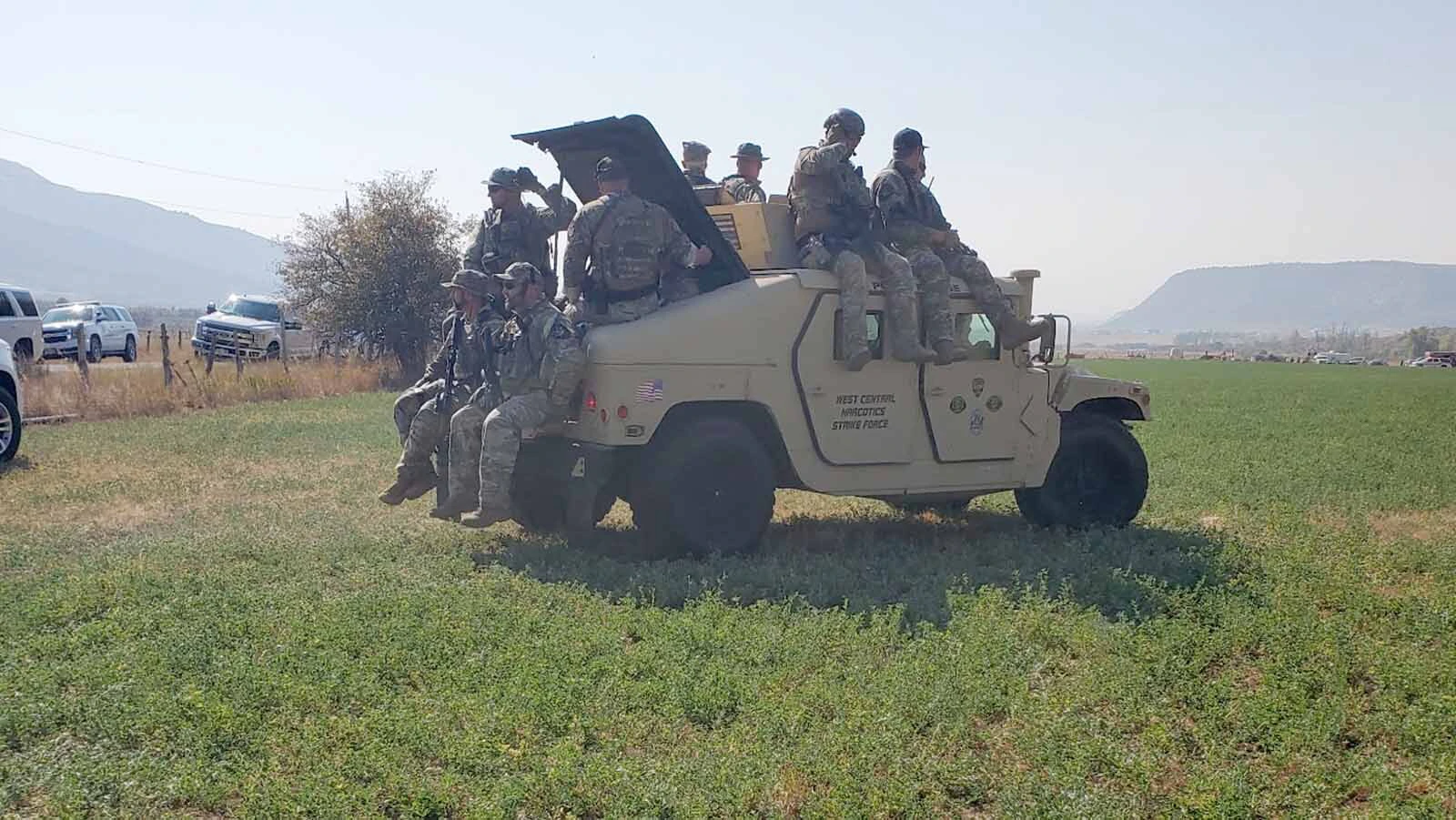
Drones launched, and a SWAT team appeared out of nowhere. Armored vehicles rolled into position.
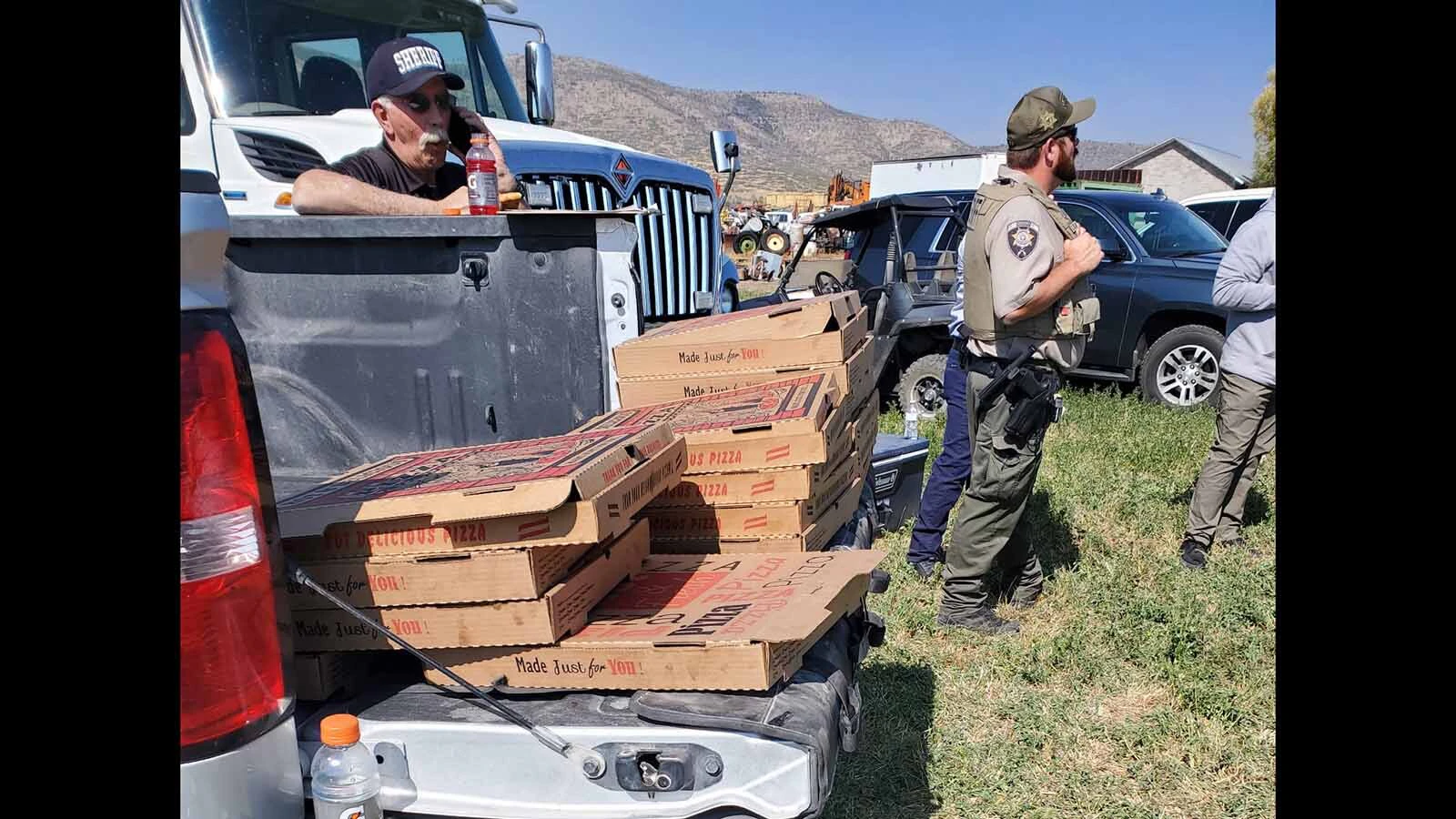
Pulver found himself standing at the command post listening to radio traffic alongside law enforcement officers.
Then came the transmission:
"He's got a gun! He's got a gun!"
Silence.
For several agonizing minutes, no one said anything.
Pulver remembers staring at the radios, wondering if someone had just been killed.
Finally, another voice broke through.
"We got him."
The suspects were taken into custody.
Half-Million-Dollar Gamble
In 2020, Pulver agreed to post a $500,000 cash-or-surety bond for Danelle Moyte, a Cheyenne second-grade teacher charged with first-degree murder in the shooting death of her boyfriend, Christopher Garcia.
Prosecutors alleged that Moyte shot Garcia inside their home after an argument. She maintained that she acted in self-defense and pleaded not guilty.
Writing a half-million-dollar bond wasn't simply a business decision.
It was a financial gamble large enough to destroy his company if it went wrong.
Pulver said he only agreed after Moyte's family came forward with what he considers the two most important ingredients for any bond: support and accountability.
A family member pledged a fully paid-off home as collateral. The family promised to help ensure Moyte complied with every court order.
Moyte remained free while awaiting trial under strict conditions, including GPS monitoring.
She found work loading UPS trucks overnight.
To Pulver, that mattered.
One of the first things he tells clients after bonding them out is to find employment, establish routine and show judges they're making productive use of their freedom.
When Moyte's case finally went to trial, a 12-person jury acquitted her of all charges.
Making Soap
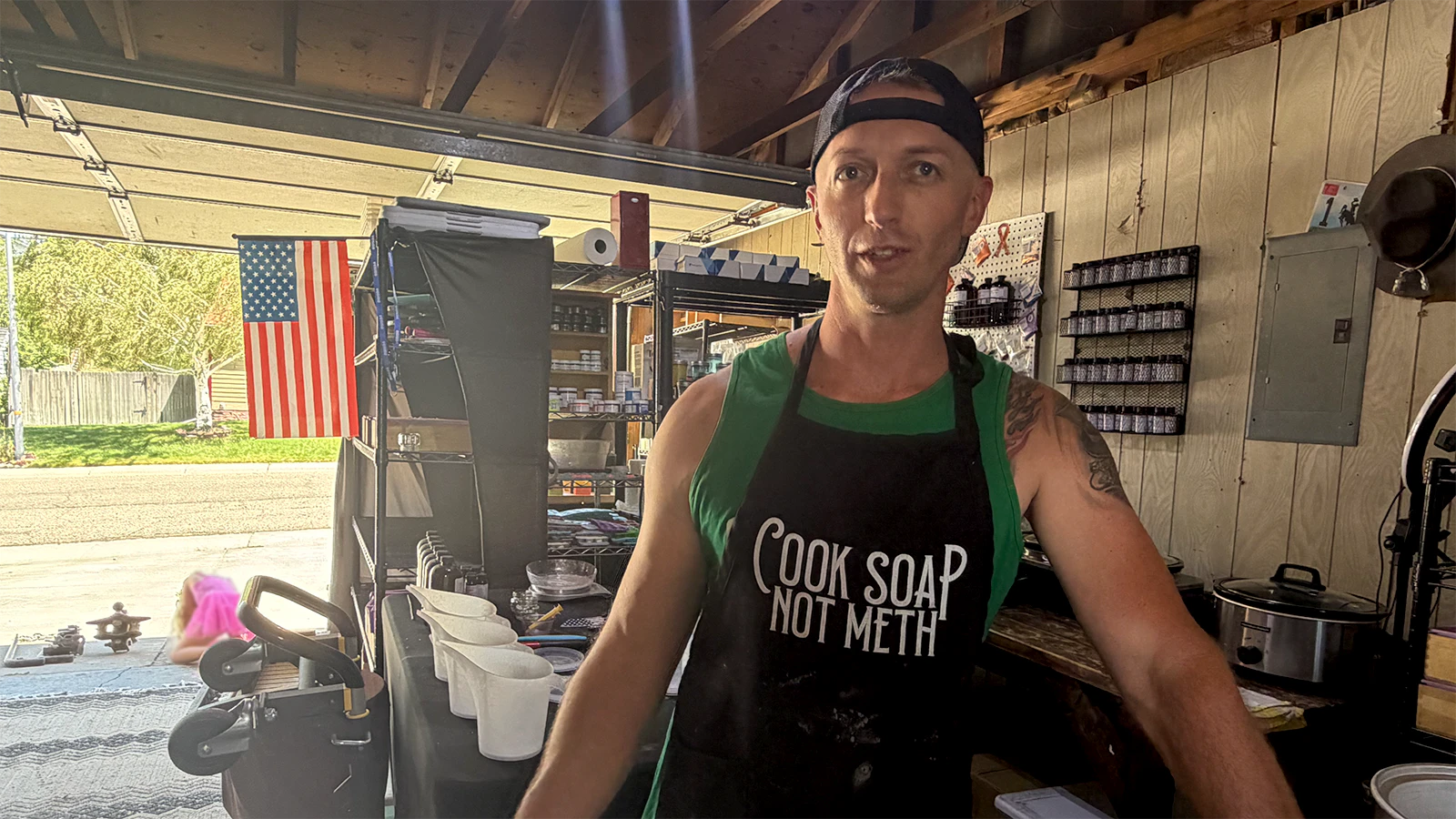
On weekends, when court calendars quiet down and the phone stops ringing, Pulver retreats to his workshop to make handcrafted soap.
He jokes that he spends his weekdays cleaning up the streets and his weekends helping people get clean another way.
For a man who once wondered if his own life was beyond saving, it's an unexpected second act.
"I just gave them the opportunity," Pulver said of clients who later tell him he changed their lives. "They did the work."
Spend enough time around criminal courts, and it's easy to start believing everyone looks the same, he says.
"Anybody can go to jail," Pulver warns. "We don't have these things on our calendar that's scheduled to go to jail. Sometimes they go out, they're having a good time with their family, and then they have too much fun, and it spills into a chaotic night.
"People think my job is catching fugitives. It’s really about helping people get back on track before one mistake defines the rest of their lives."
Kolby Fedore can be reached at kolby@cowboystatedaily.com.