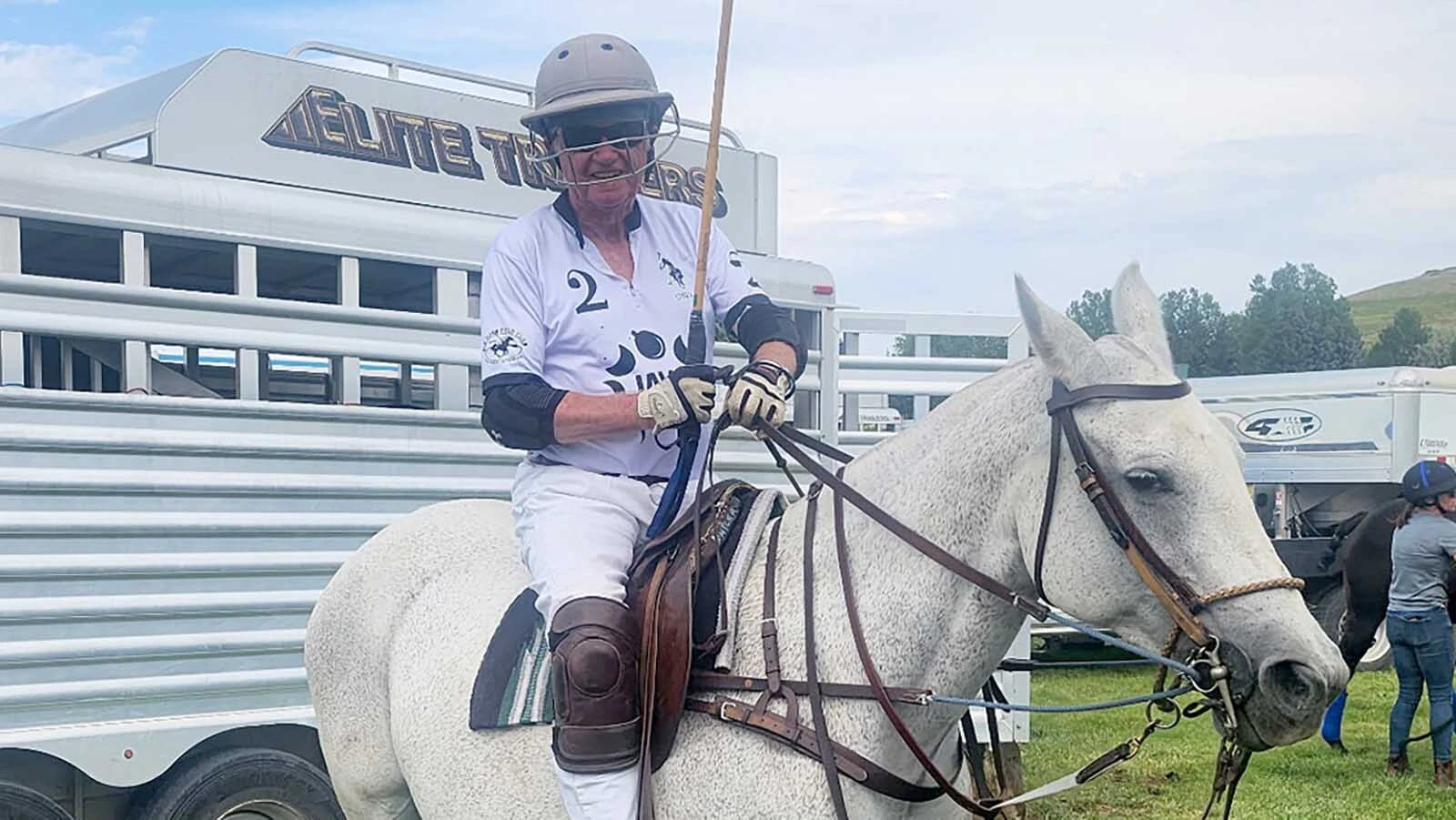
At 79 years old, Robert "Bullet Bob" Brotherton is hanging up his mallet.
For most of the 21st century, he was a fixture at the Big Horn Polo Club, where families unfold lawn chairs along the sidelines, children kick soccer balls near horse trailers, and spectators wander barefoot onto the field at halftime to stomp divots in the shadow of the Bighorn Mountains.
Brotherton, the club's oldest player, recently announced his retirement from competitive polo.
The decision brings to a close a second act that began when he picked up a mallet at age 52 and eventually became one of the most recognizable figures in Wyoming polo.
For years, Brotherton said the same prayer: "I just want one more year."
After surviving cancer three times, it became more than a saying.
"I was an awful sick person," he recalled. "I would just lie in bed saying, 'I just want one polo season'."
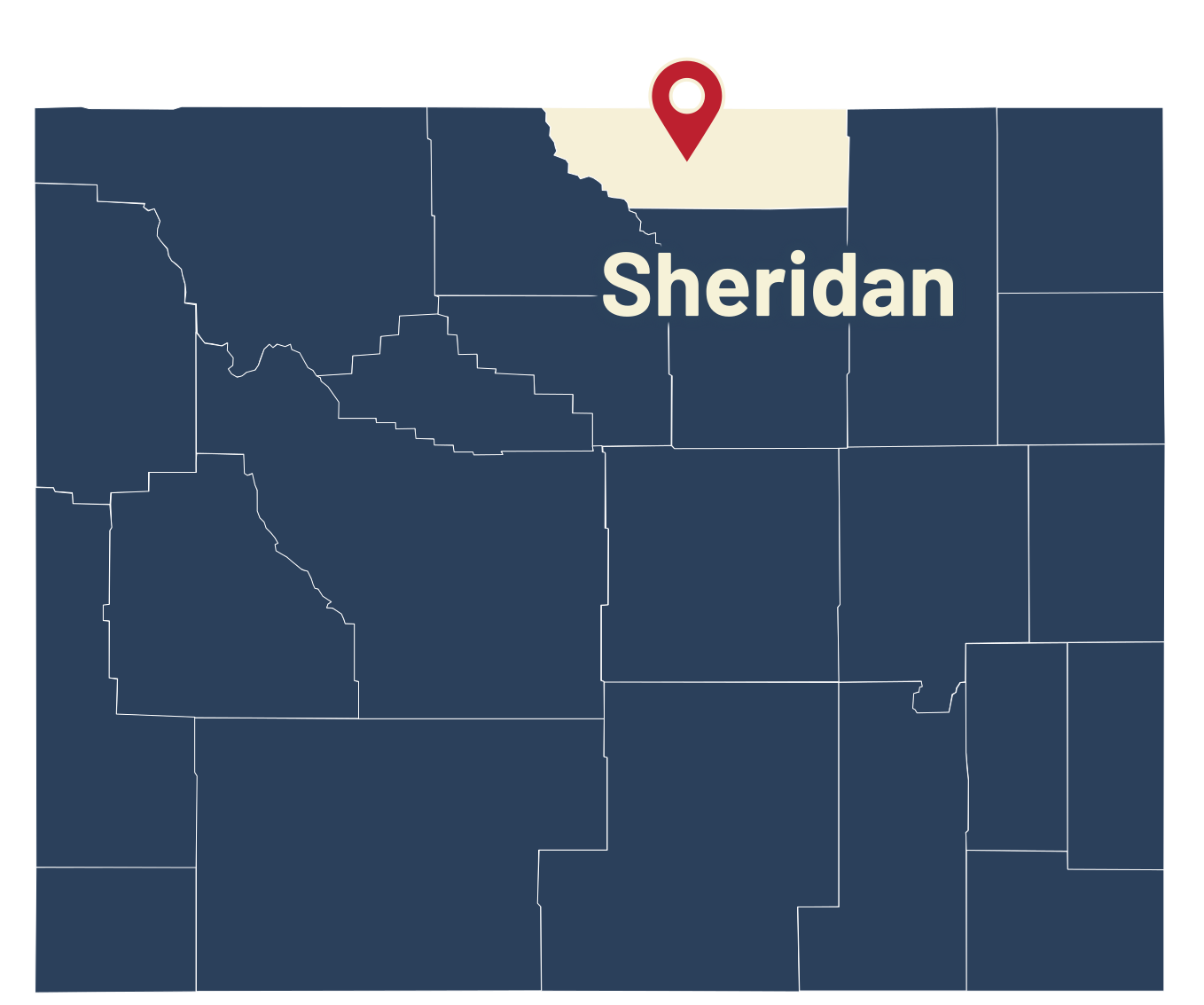
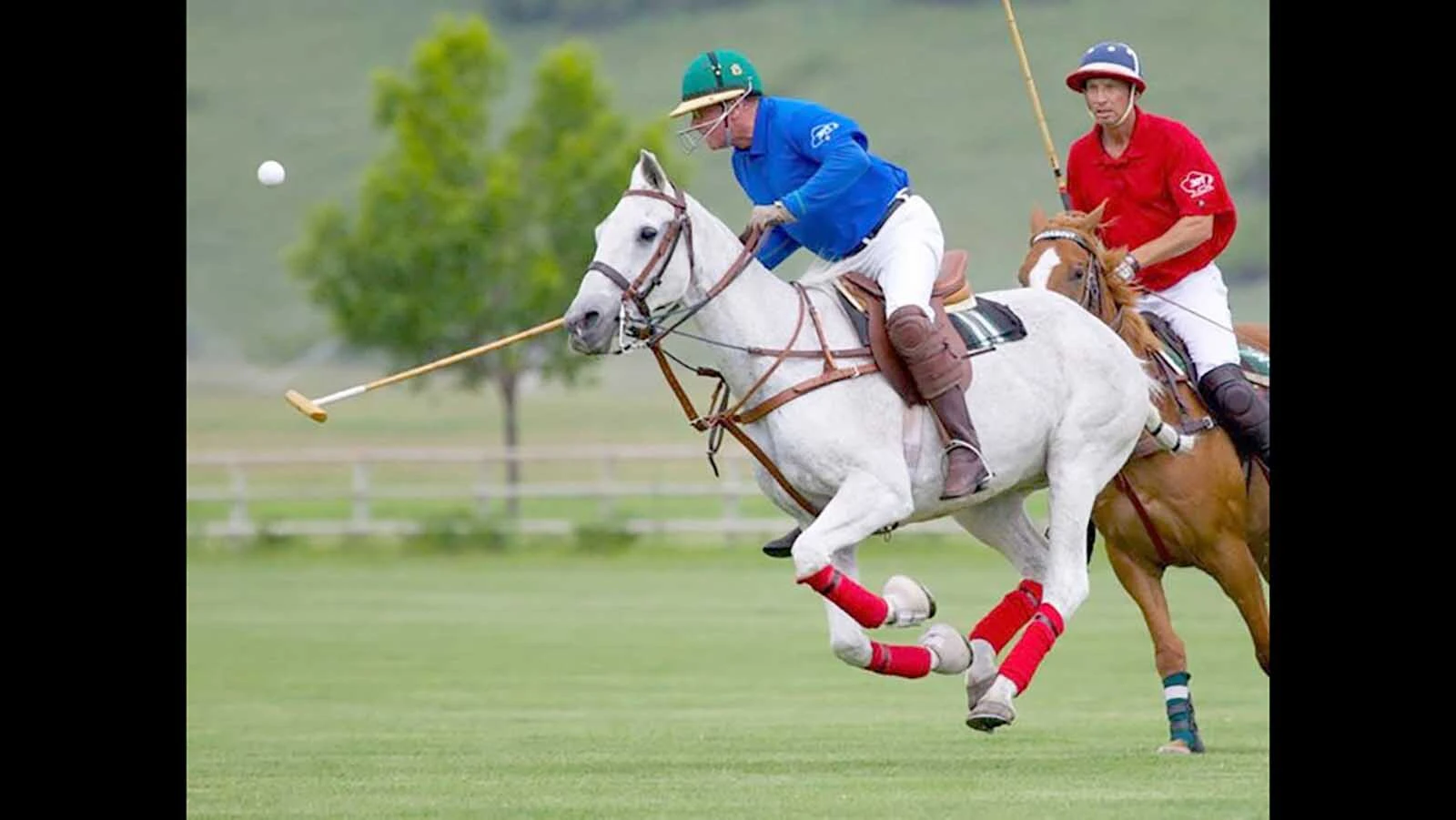
People in Sheridan know him as Bullet Bob, a nickname he earned during a match years ago when he surged past another player to stop a scoring opportunity.
"And there goes Bullet Bob on his brand-new horse!" the announcer shouted.
The name stuck before he even left the clubhouse.
After surviving war and cancer three times, Wyoming’s oldest polo player Robert "Bullet Bob" Brotherton has hung up his mallet. "I've ridden horses since I was basically 3 years old,” said the 79-year-old Sheridan legend about why he loves the game. (Kolby Fedore, Cowboy State Daily) 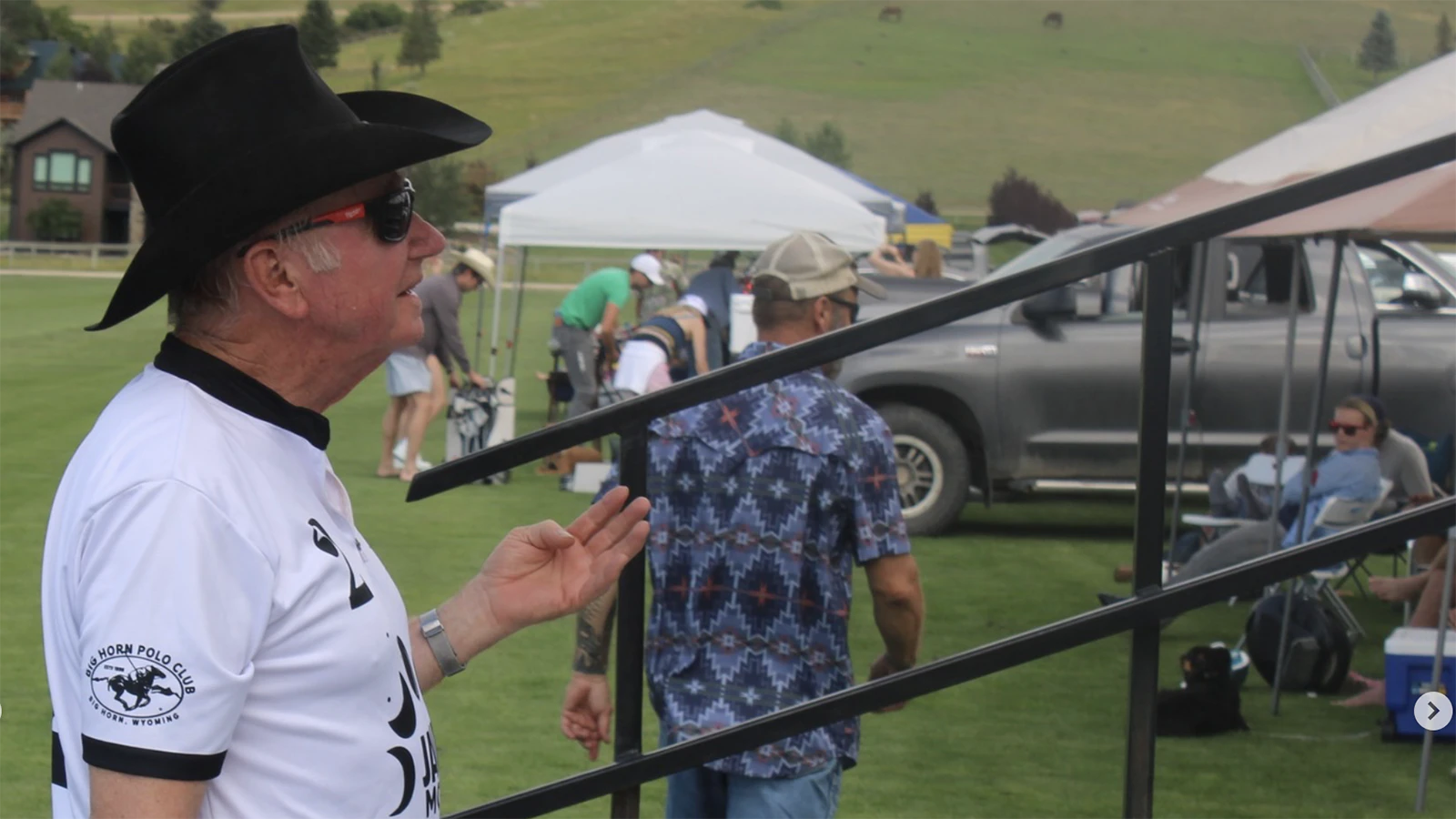
After surviving war and cancer three times, Wyoming’s oldest polo player Robert "Bullet Bob" Brotherton has hung up his mallet. "I've ridden horses since I was basically 3 years old,” said the 79-year-old Sheridan legend about why he loves the game. (Kolby Fedore, Cowboy State Daily) 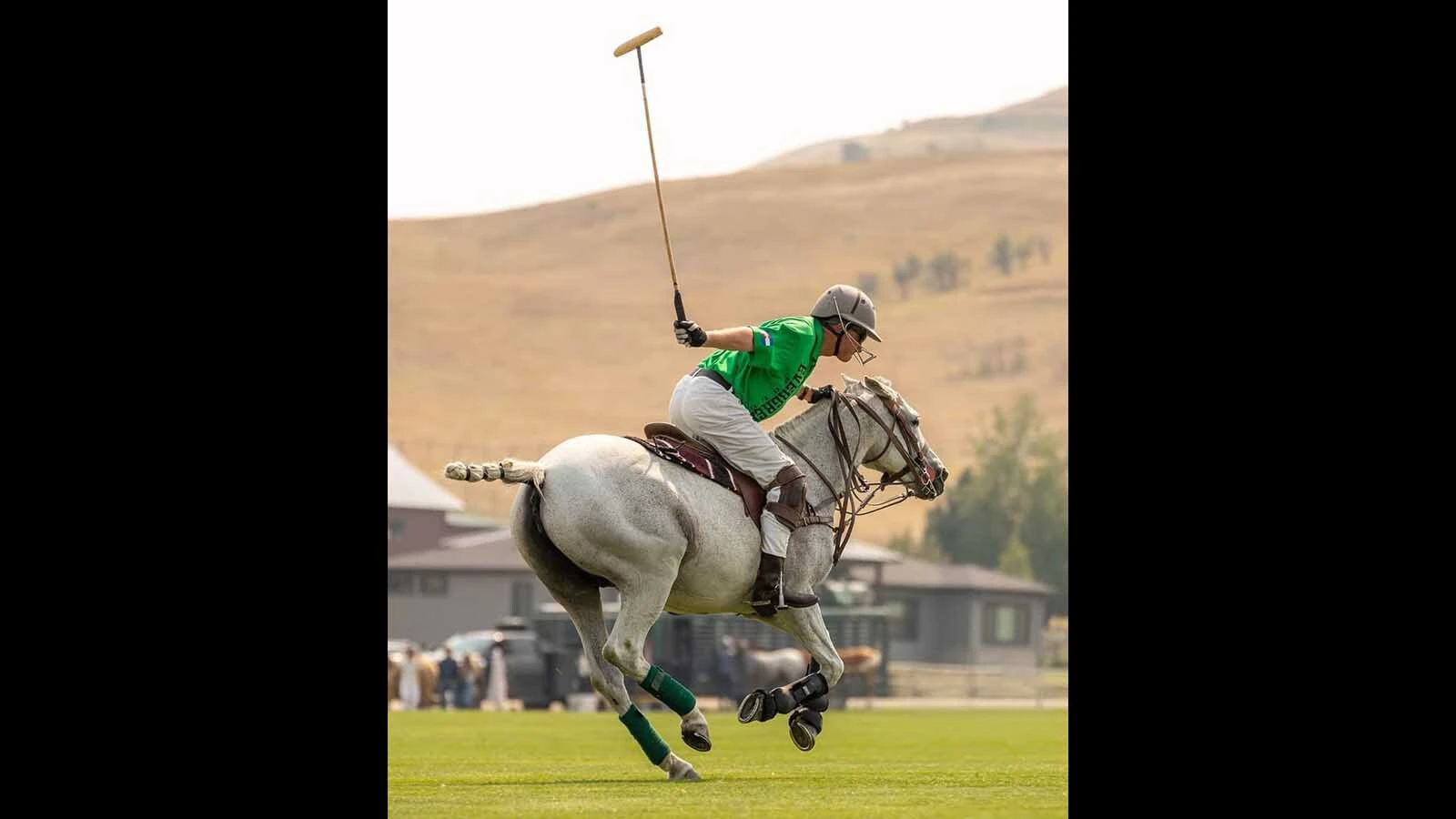
After surviving war and cancer three times, Wyoming’s oldest polo player Robert "Bullet Bob" Brotherton has hung up his mallet. "I've ridden horses since I was basically 3 years old,” said the 79-year-old Sheridan legend about why he loves the game. (Kolby Fedore, Cowboy State Daily) 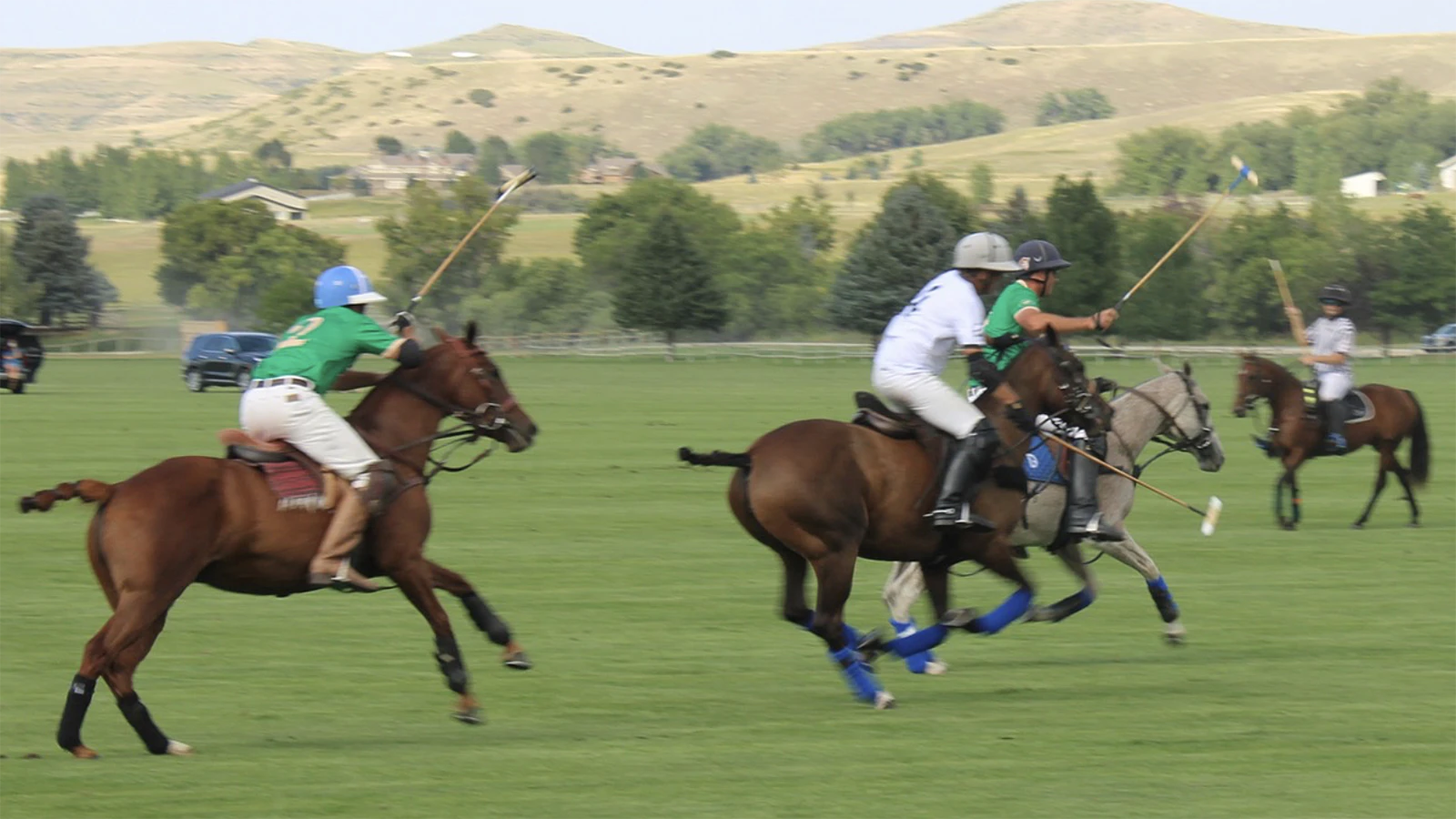
After surviving war and cancer three times, Wyoming’s oldest polo player Robert "Bullet Bob" Brotherton has hung up his mallet. "I've ridden horses since I was basically 3 years old,” said the 79-year-old Sheridan legend about why he loves the game. (Kolby Fedore, Cowboy State Daily) 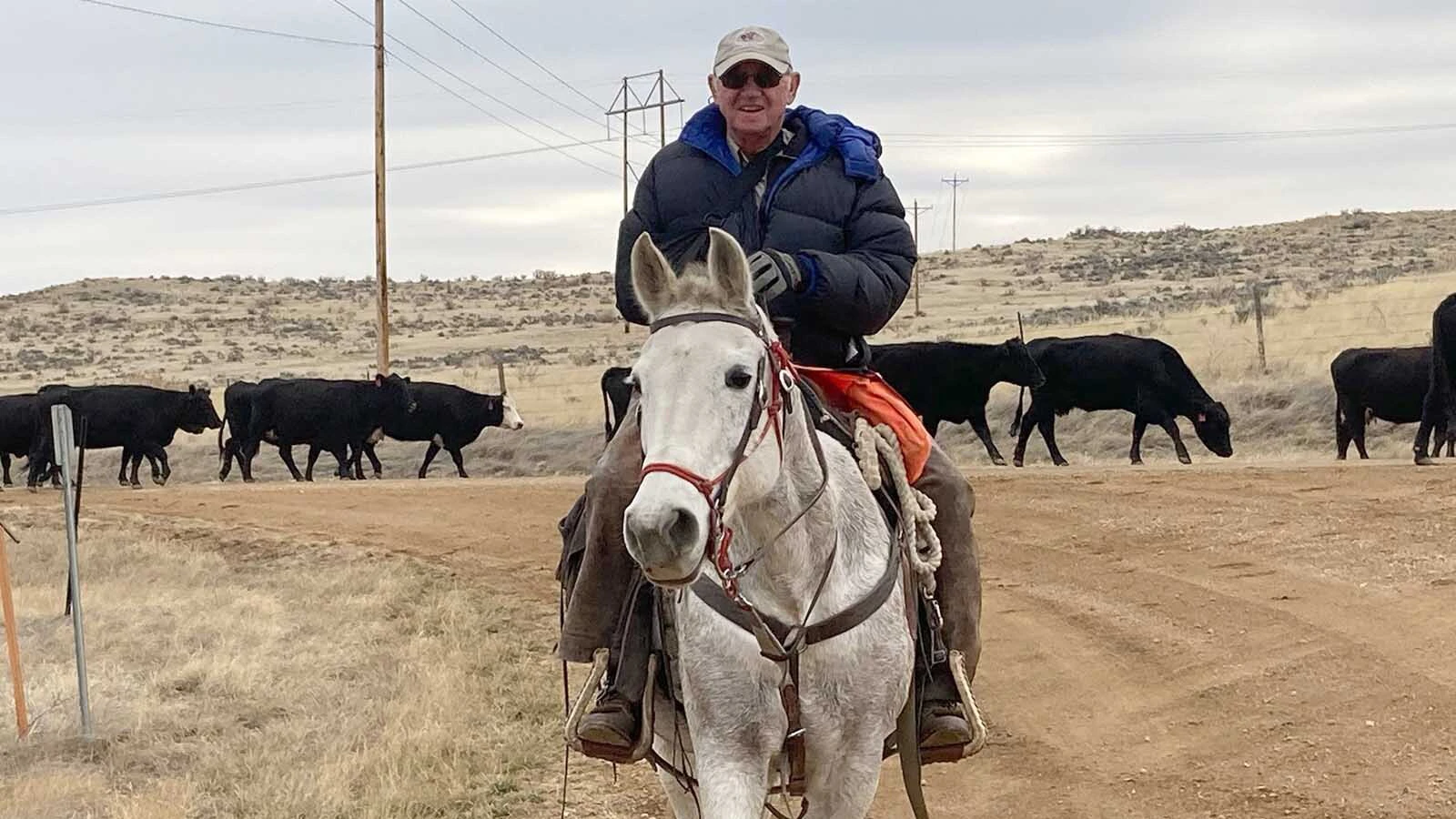
"All my life I've loved horses," said Bob Brotherton. His favorite horse, the one he still rides today, is a white mare named Chicka. (Photo provided by Bob Brotherton) 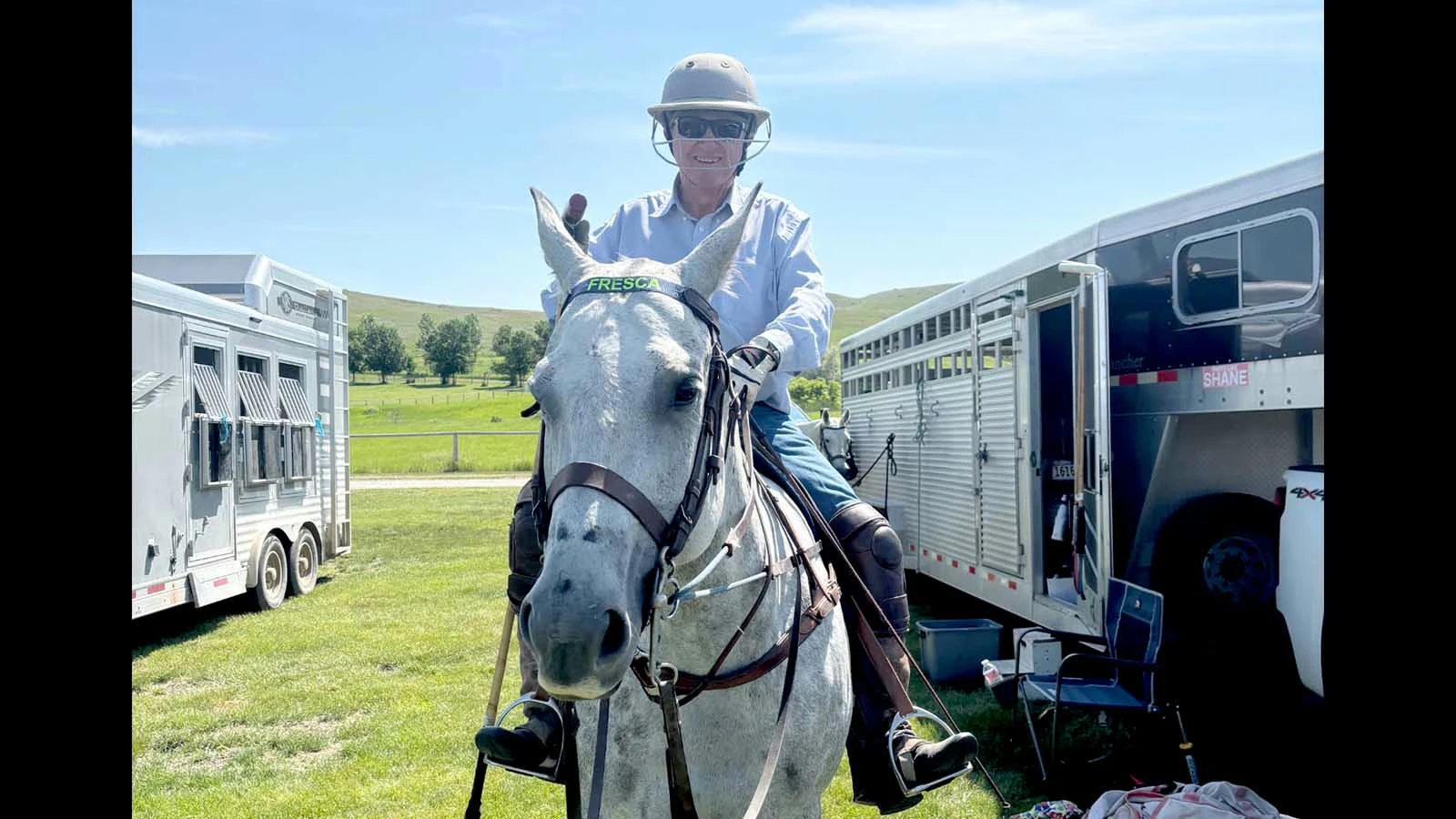
Brotherton rode a white horse named Chicka for over a dozen years, an equine he got from his oncologist who said it had too much energy. (Kolby Fedore, Cowboy State Daily) 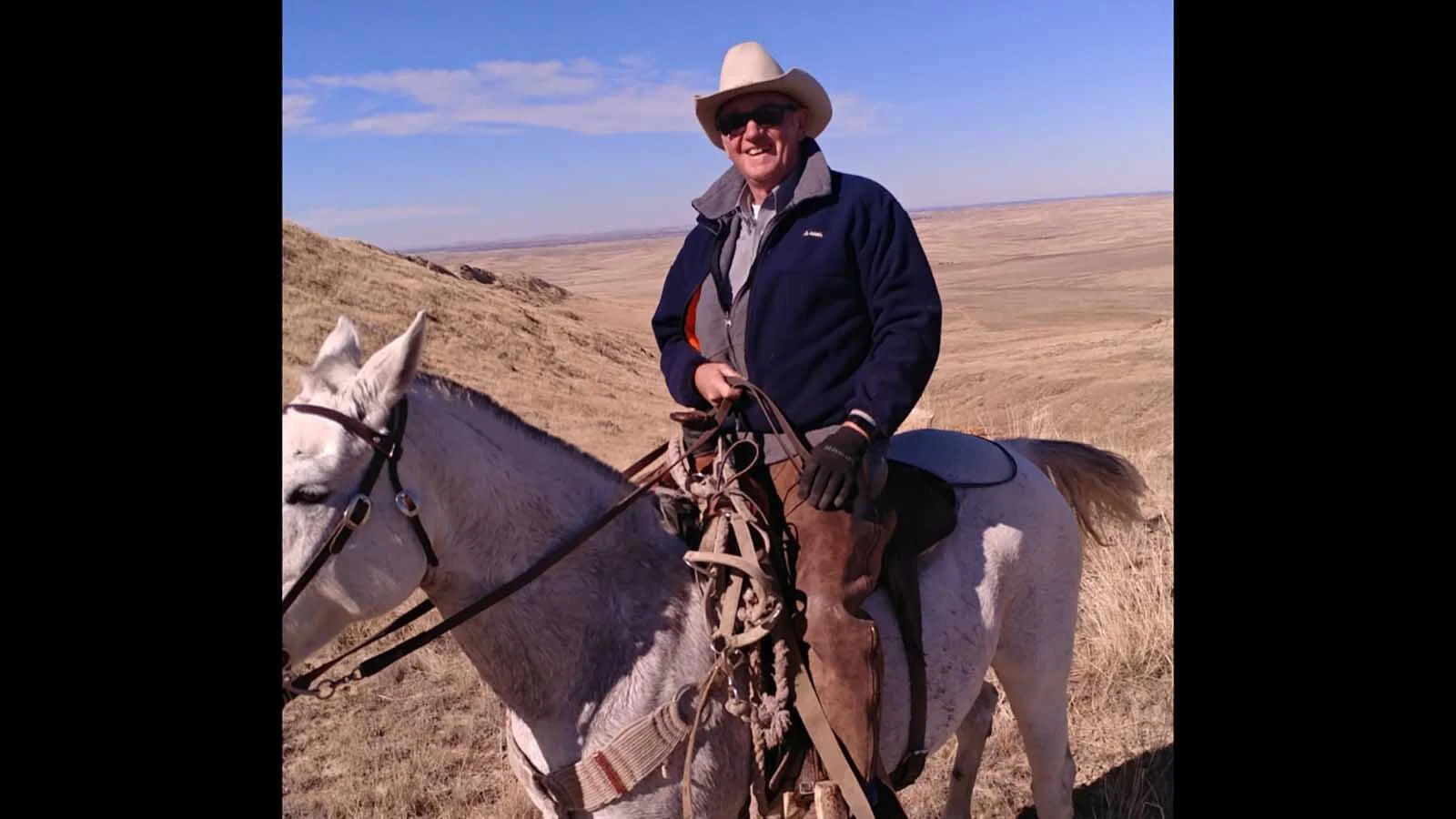
After surviving war and cancer three times, Wyoming’s oldest polo player Robert "Bullet Bob" Brotherton has hung up his mallet. "I've ridden horses since I was basically 3 years old,” said the 79-year-old Sheridan legend about why he loves the game. (Photo provided by Bob Brotherton) 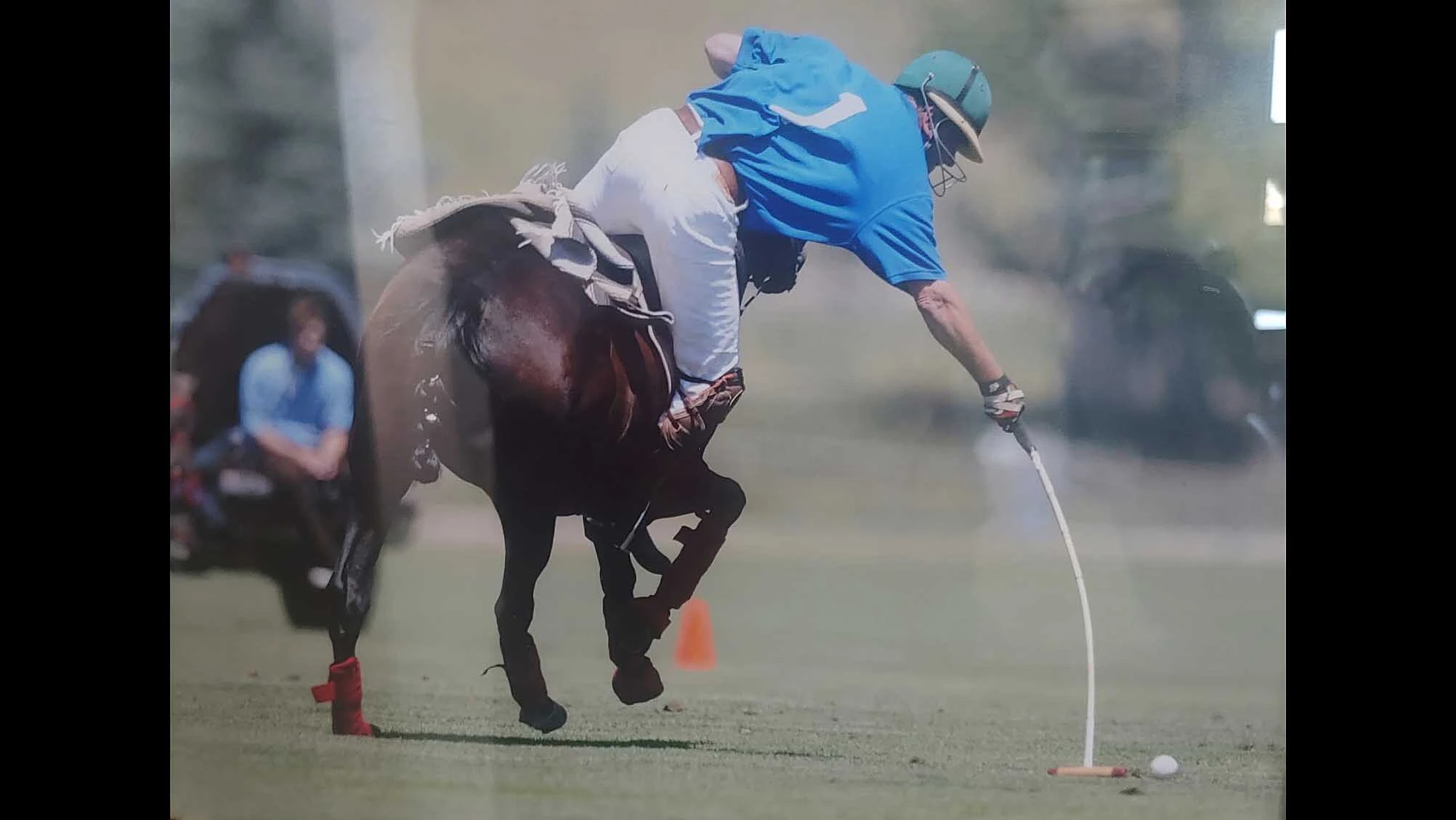
After surviving war and cancer three times, Wyoming’s oldest polo player Robert "Bullet Bob" Brotherton has hung up his mallet. "I've ridden horses since I was basically 3 years old,” said the 79-year-old Sheridan legend about why he loves the game. (Photo provided by Bob Brotherton) 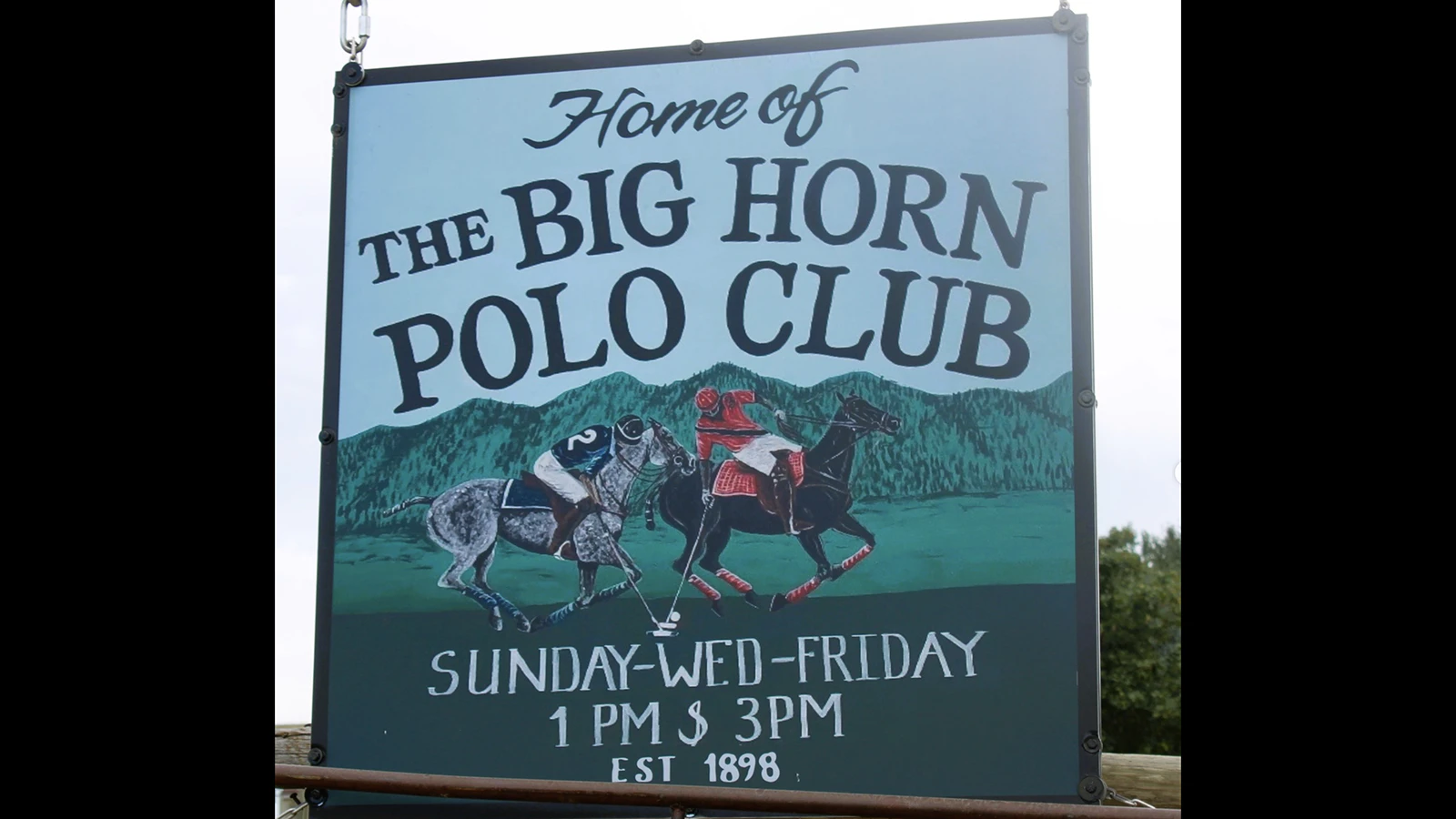
After surviving war and cancer three times, Wyoming’s oldest polo player Robert "Bullet Bob" Brotherton has hung up his mallet. "I've ridden horses since I was basically 3 years old,” said the 79-year-old Sheridan legend about why he loves the game. (Kolby Fedore, Cowboy State Daily) 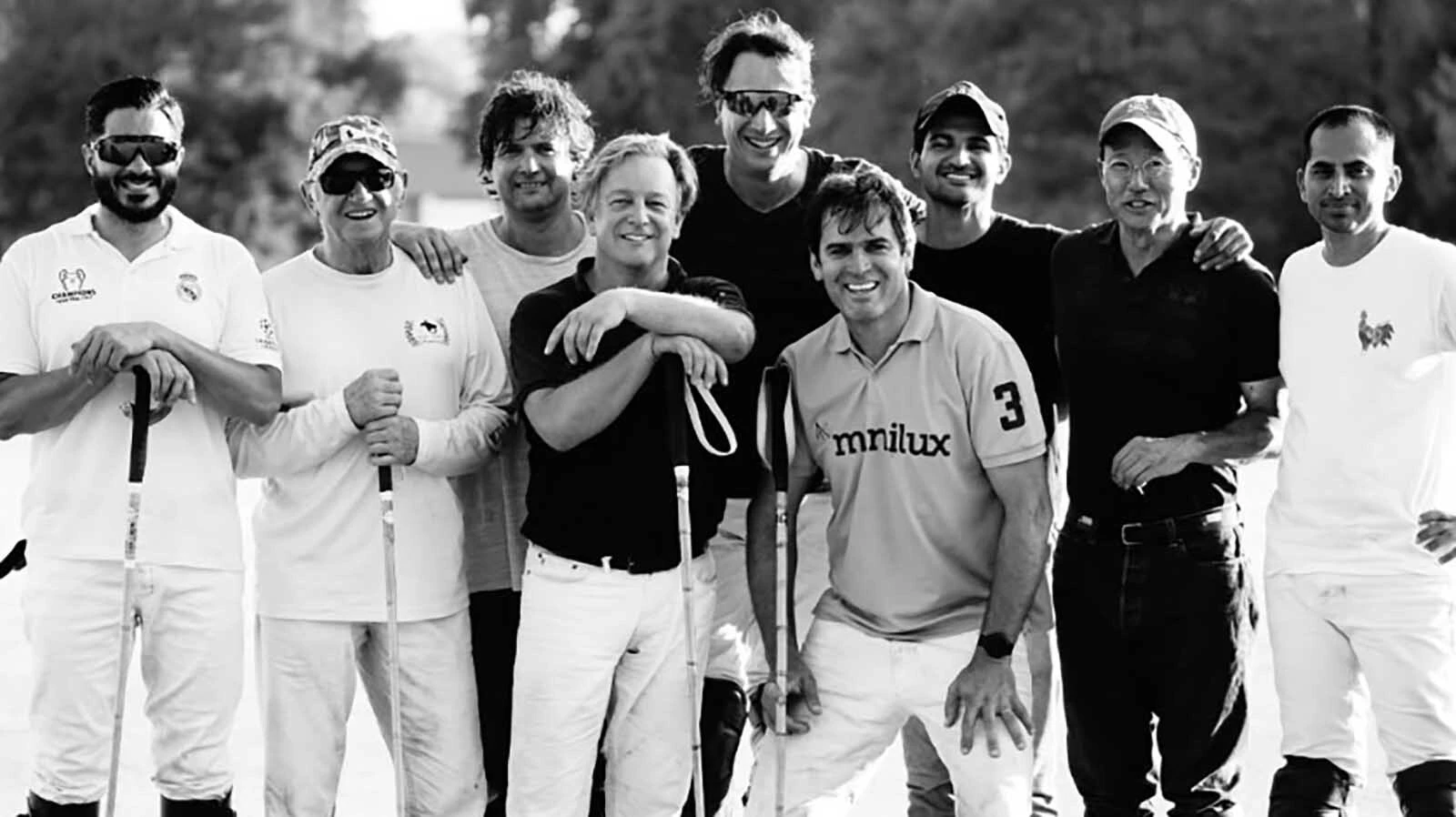
In 2023, Bob Brotherton played a polo match in Argentina with a group of people from around the world, including a doctor and a a veterinarian he met in Arizona. (Photo provided by Bob Brotherton)
Living Legend
Ask Brotherton one question and you'll likely get three stories, a history lesson and a laugh before he circles back to the answer.
His tales drift through farm fields, racetracks, Vietnam, business ventures and family to polo history.
Through all of it, one thing never changed.
Horses.
They carried him through nearly every chapter of his life, from boyhood to watching his grandchildren play.
"Horses have always been my go-to," Brotherton said. "I've ridden horses since I was basically 3 years old."
After graduation, Brotherton went to work for an uncle with racehorses in Colorado.
His job was to "get them running, so they wouldn't buck you off," before they were sent to professional trainers and racetracks. It was demanding, dusty work, he said.
His polo career began entirely by accident when a buyer handed him a mallet and a ball after buying a horse from him in Sheridan, unknowingly setting him on a path that would consume a quarter-century.
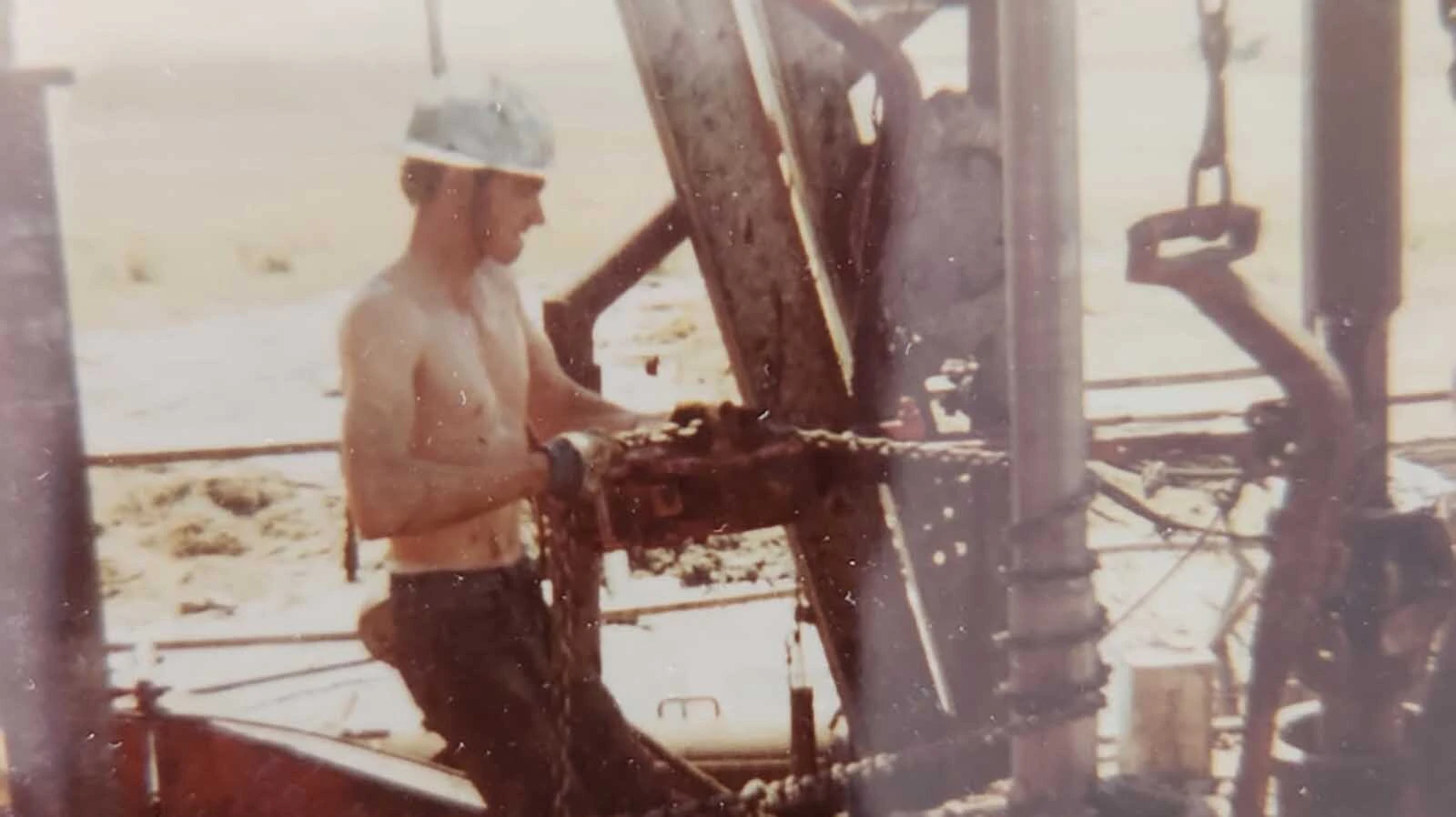
Bob Brotherton spent summers between college semesters in the oil field, pictured here in 1971 in Sterling, Colorado. (Photo provided by Bob Brotherton) 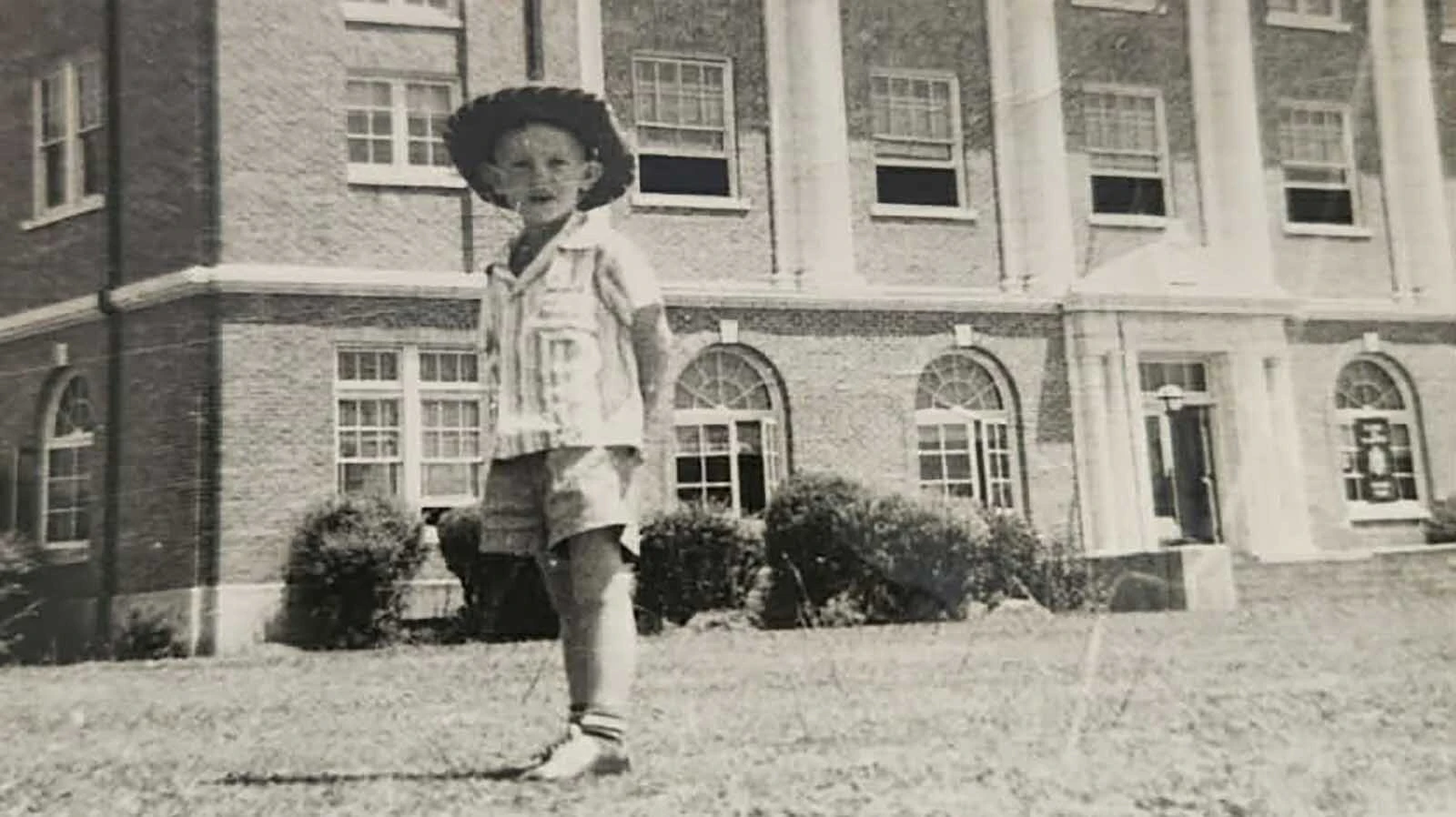
Bob Brotherton grew up in rural 1950s Arkansas. He remembers working alongside grown men when he was in second grade during hot summers to make hay. Above, he's 5 years old standing in front of city hall in Hope, Arkansas. (Photo provided by Bob Brotherton) 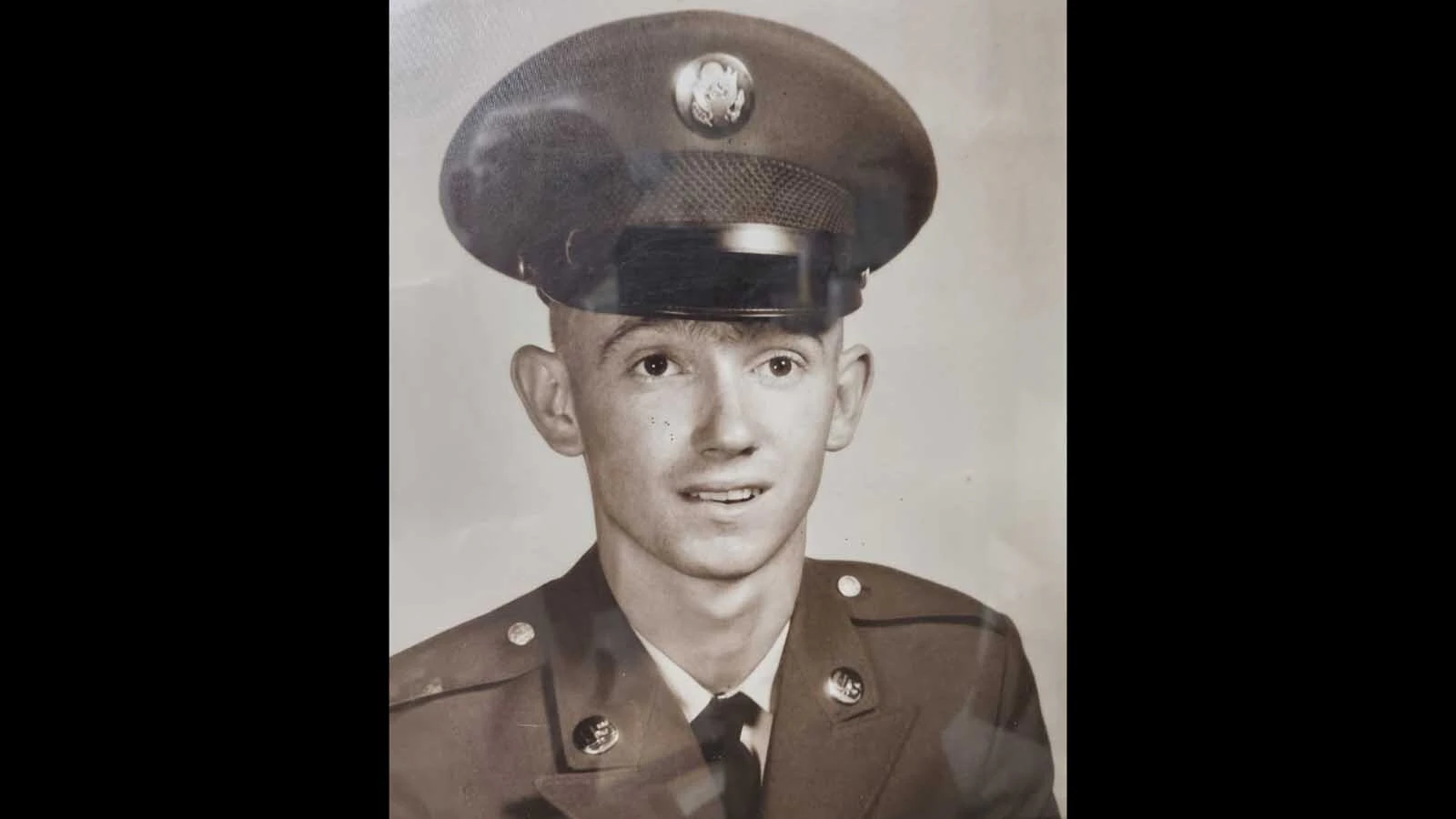
A young Bob Brotherton in May 1967 before he was sent to Vietnam. (Photo provided by Bob Brotherton) 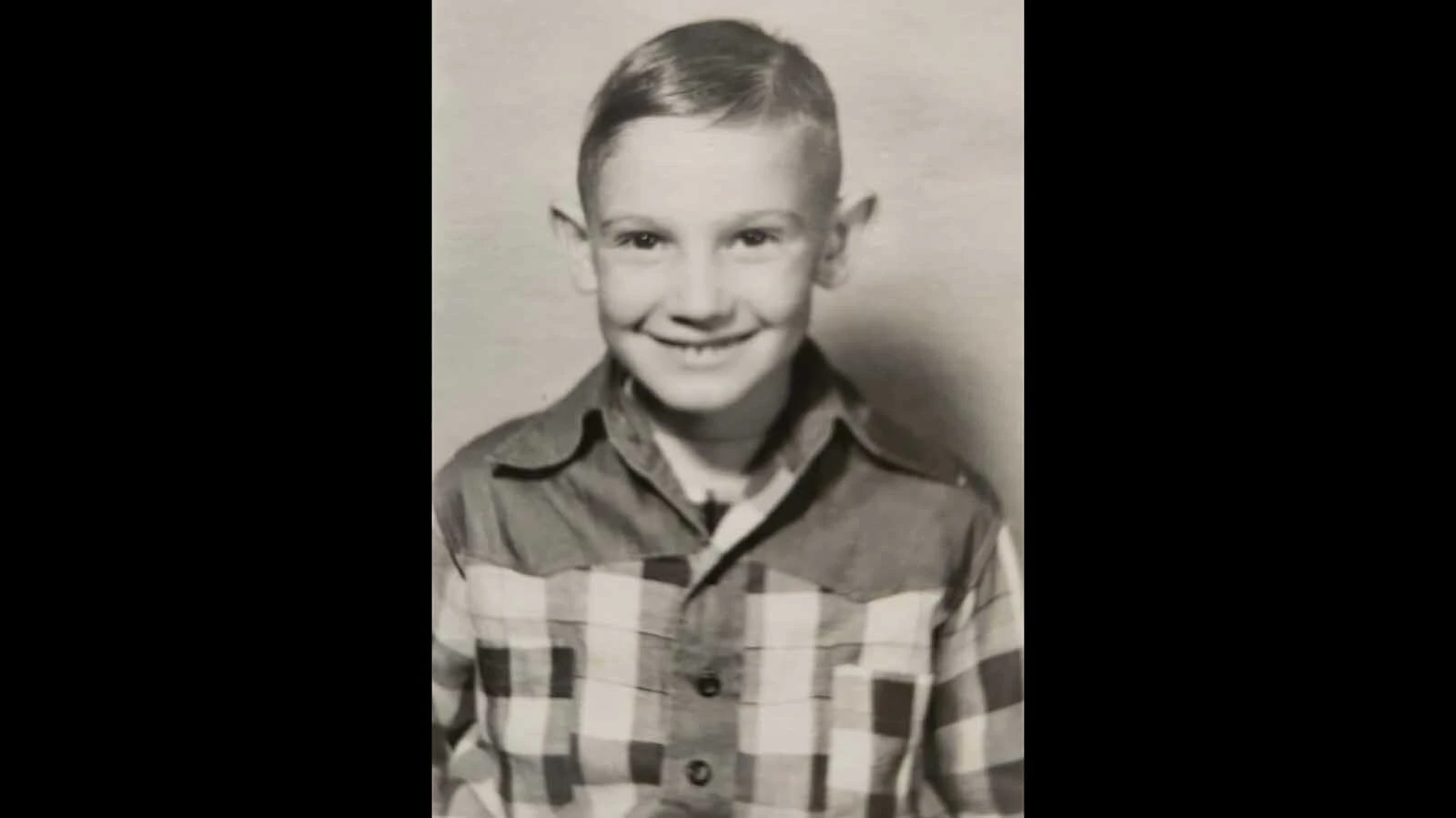
Bob Brotherton grew up in rural 1950s Arkansas. He remembers working alongside grown men when he was in second grade during hot summers to make hay. (Photo provided by Bob Brotherton)
Old World Pastime
The Big Horn Polo Club traces its roots to the 1890s and is widely regarded as one of the oldest active polo clubs in the United States, with organized matches being played in the area as early as 1893.
The sport arrived in northern Wyoming with British expatriates and aristocrats who settled in the Big Horn area and brought with them a game they had learned through military service and travel abroad.
One of the most influential figures was Scotsman Malcolm Moncreiffe, who established a polo field and horse-breeding operation near Big Horn in 1898 and helped organize local horsemen into teams.
Over time, something uniquely Wyoming emerged.
Cowboys played alongside sons of British nobility. Ranch horses shared fields with imported thoroughbreds.
What began as an Olde World pastime gradually became part of the local culture.
Historians have described it as a place where "local cowboys played the game with sons of lords."
Unlike the glamorous image often associated with polo in places like Palm Beach or Argentina, Brotherton said polo in Sheridan always felt accessible.
For much of its history, the game belonged as much to ranchers and working horsemen as it did to wealthy patrons.
"Not everybody likes to rope a calf on a Sunday afternoon for recreation," Brotherton said. "Those guys liked to hit the ball."
Season Of Gratitude
Brotherton's retirement from competitive polo brings to a close a 25-year run that began almost entirely by accident.
He still plans to ride horses. He expects them to remain part of his daily life for as long as he is able.
Contact Kolby Fedor at kolby@cowboystatedaily.com
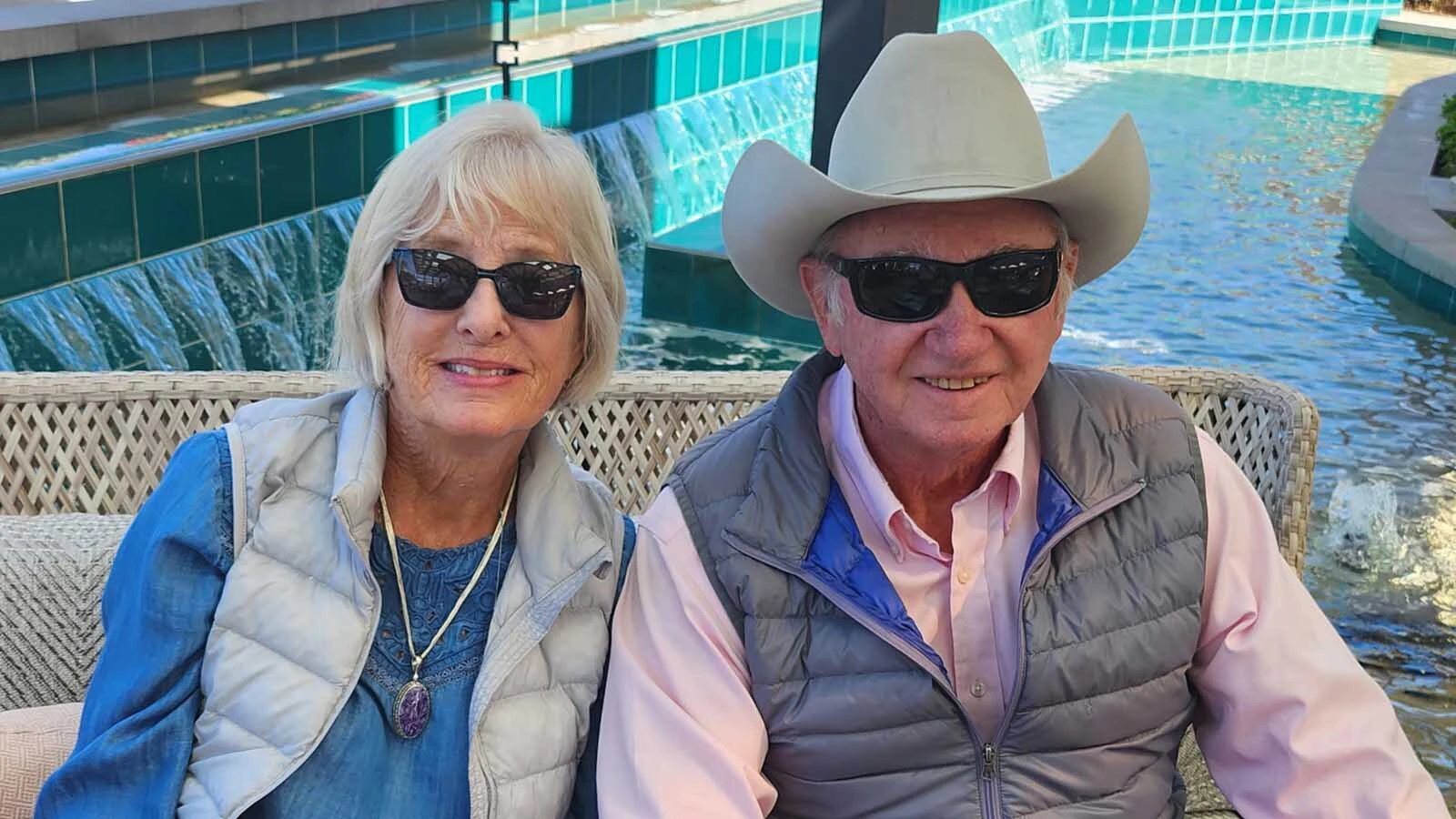
Bullet Bob and his wife Margo have been married for 56 years, something Bullet Bob is "most proud of." They are opposites, he said, but she is one of his biggest supporters having rarely missed a polo match in the last 25 years. (Photo provided by Bob Brotherton) 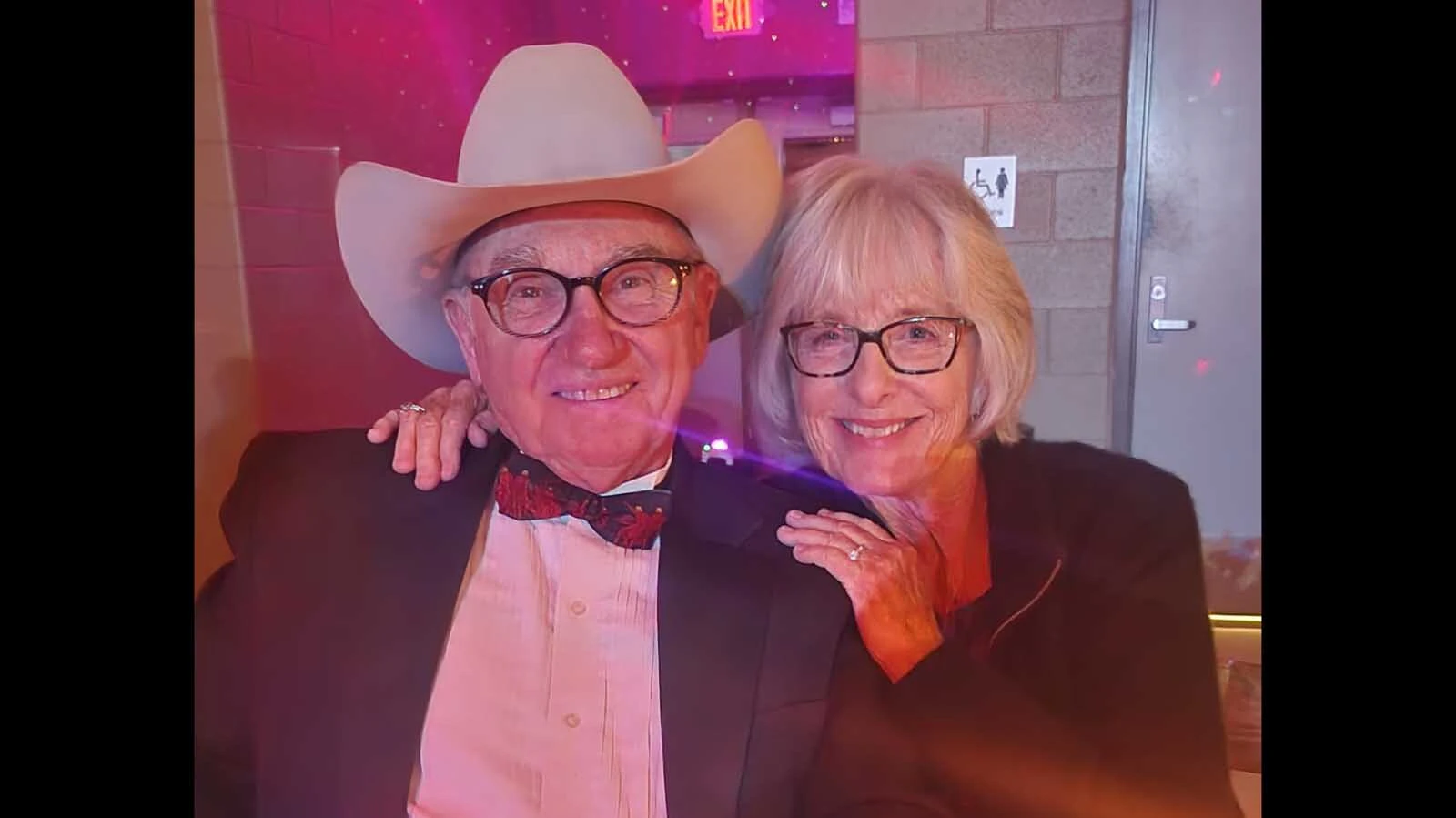
Bullet Bob and his wife Margo have been married for 56 years, something Bullet Bob is "most proud of." They are opposites, he said, but she is one of his biggest supporters having rarely missed a polo match in the last 25 years. (Photo provided by Bob Brotherton)
Kolby Fedore can be reached at kolby@cowboystatedaily.com.