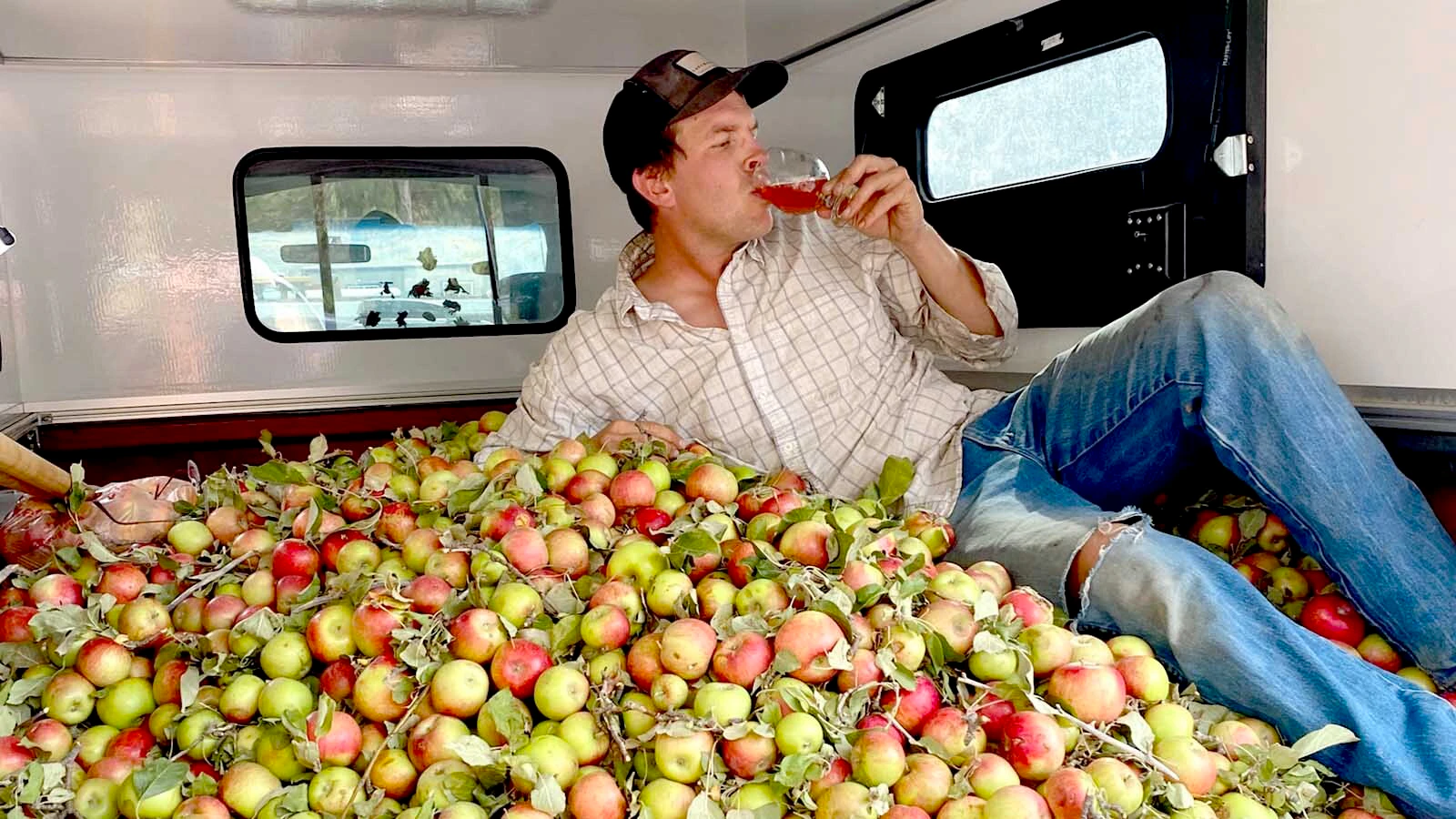
The first time Farmstead Cider went after old apples in Jackson Hole, it was just for the flavor.
It soon became about the bears.
Every fall as apples drop and ferment in the backyards and ghost orchards of Jackson Hole, grizzlies and black bears do what comes naturally. They follow their noses straight into trouble — calorie-rich fruits that taste oh-so-good when you’re a bear desperate to fatten up for winter.
The first harvest, though, was all about the homesick wives, Farmstead Cider’s co-owner Orion Bellorado said. They had grown up on the East Coast, where apple harvests are a big deal.
“We started harvesting the apples in our neighborhood off of peoples’ trees that were kind of derelict,” he said. “And they were tiny, so we pressed a bunch of juice and made some cider out of it.”
The party was great and word soon got around.
“Someone from the county found out about it and said, ‘Hey, you should really put in for this community grant to start a business,” Bellorado recalled. “‘Because we’ve really been having issues with bears.’”
That was in 2016, and the business has been going ever since, bottling 5,000 to 7,000 gallons of native-yeast cider a year and selling it across Wyoming as well as other states such as Washington and Montana.
In the process of climbing into backyards and abandoned orchards, Bellorado stumbled onto a bigger realization. Wyoming is curiously — if quietly — rich in apples across the state.
“They are everywhere,” he said. “I mean, Lander was called Apple Town before it was called Lander. It’s full on part of this interesting tidbit of our culture and our history that’s really been left behind.”
That history is being rediscovered thanks to a project called the Wyoming Apple Project. Through it, researchers have been cataloguing a hidden network of heritage and volunteer trees that have somehow survived a century or so of drought and neglect. Researchers say these hardy survivors might point the way to a new kind of apple economy in one of the harshest fruit-growing climates in America.
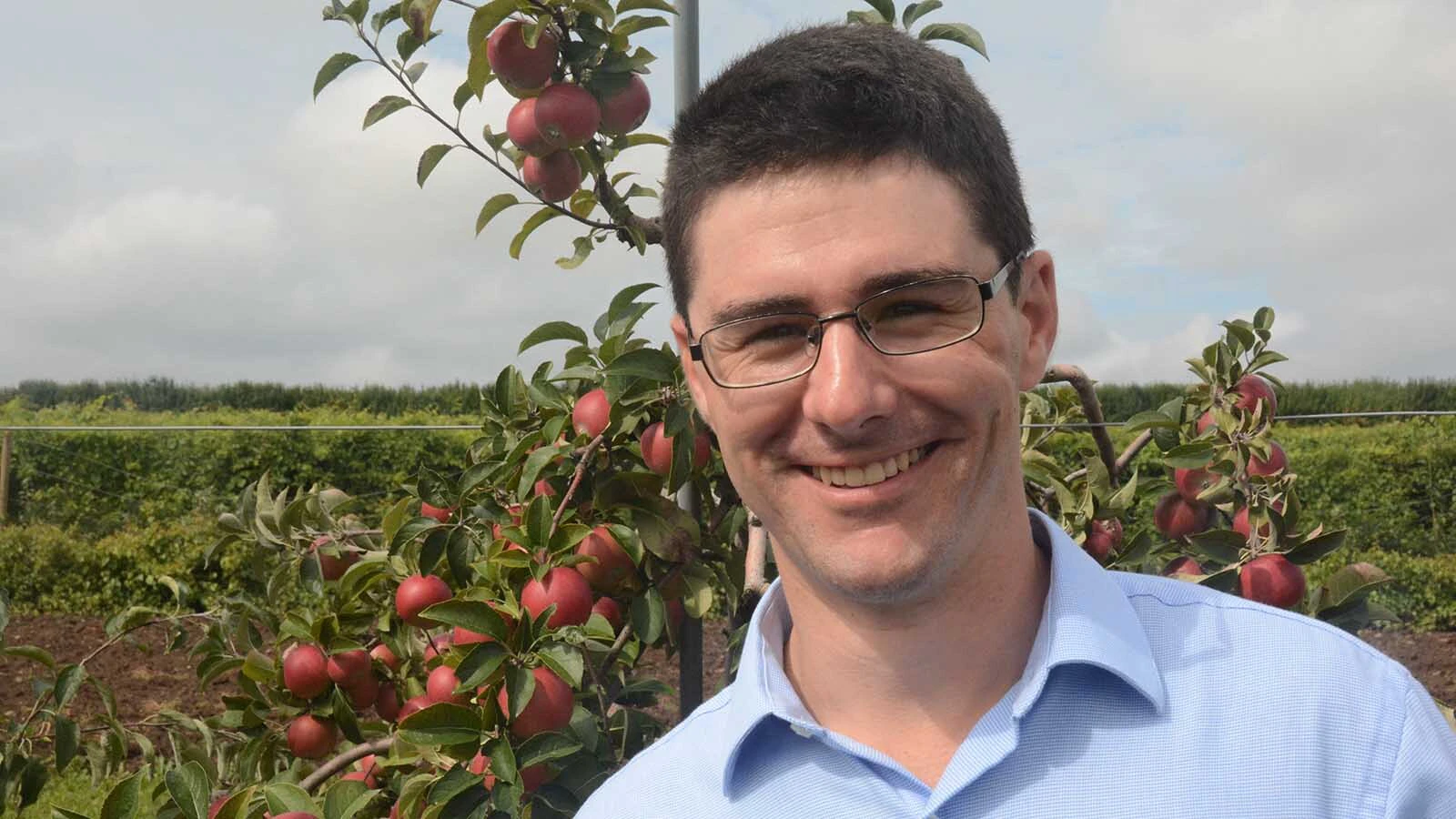
Jonathan Magby in a Wyoming apple orchard. (Jonathan Magby) 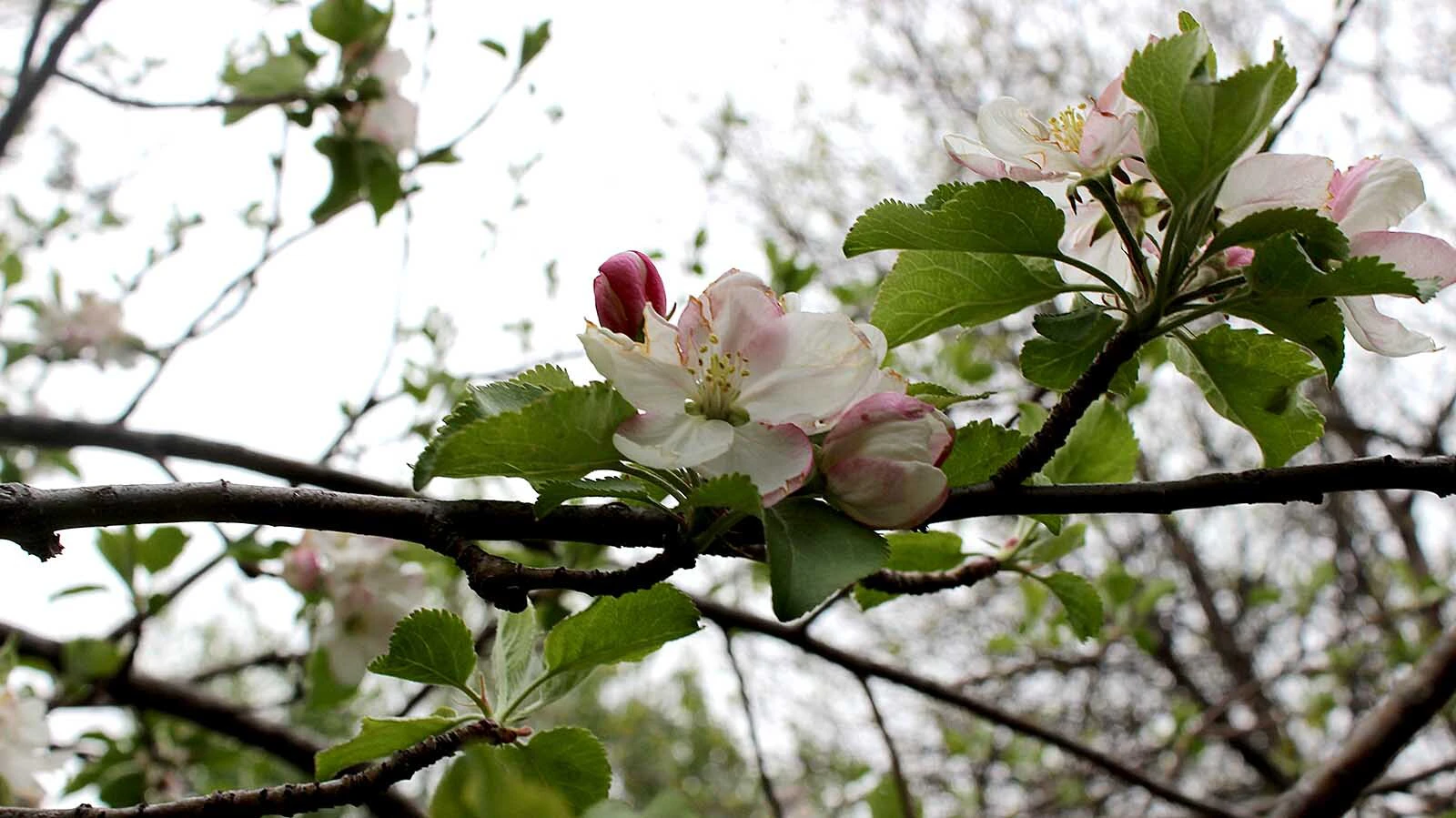
Apple blossoms in a Wyoming orchard. (Jonathan Magby) 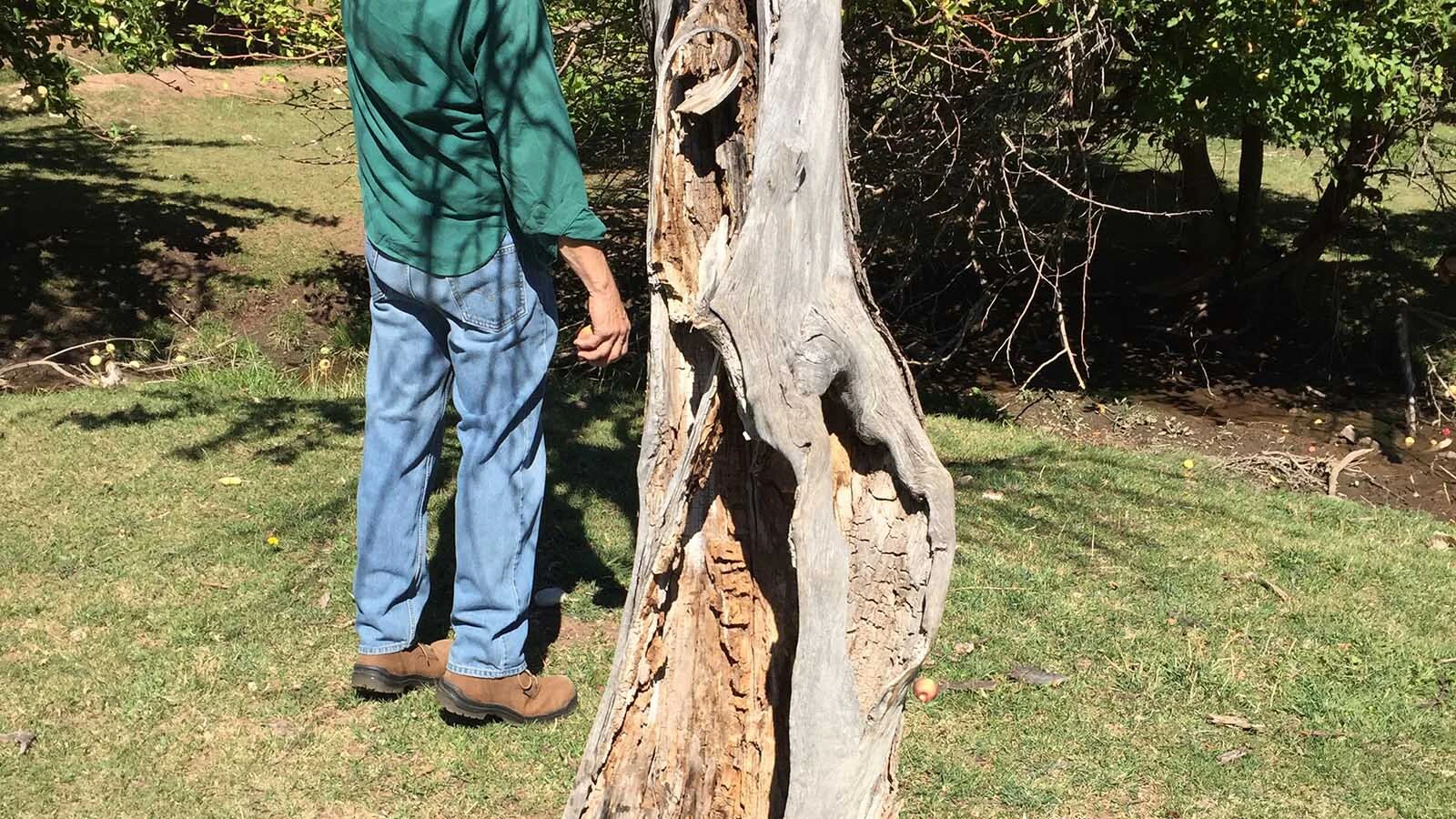
An old apple tree. (Jonathan Magby)
When Wyoming Was A Top Apple Producer
You wouldn’t know it from today’s landscape of hay bales and cattle, but Wyoming was once thick with apples. Homesteaders brought apple seeds to plant in their new homes, carving out orchards that were just as essential as a root cellar to their survival.
Apples meant sauce, butter, cider, vinegar and livestock feed. They were essential calories, but also comfort — the kind that could be stored up through a long, hard winter.
By the early 1900s, experimental orchards and private growers had tested at least 218 named apple cultivars across Wyoming, including 11 that were Wyoming-bred.
Among the most ambitious of the early apple pioneers was an experimental fruit farm in Lander, which trialed 175 different cultivars under superintendent John Steinbrecht, who also developed 10 of the 11 Wyoming-bred cultivars.
Not far away from Steinbrecht was Lander orchardist Ed Young, who planted a prodigious 3,000-some apple trees in 1882 — an act of faith in a place better known for blizzards than fruit blossoms.
At the time, Wyoming was held up as a national example of what’s possible on the frontier.
“A lot of those early settlers, such as Ed Young, and their success in growing apples was used in news articles back east, to bring hope to people thinking about moving West,” University of Wyoming graduate and plant physiologist Jonathan Magby told Cowboy State Daily. “It helped show them that you can successfully inhabit this remote location of the United States.”
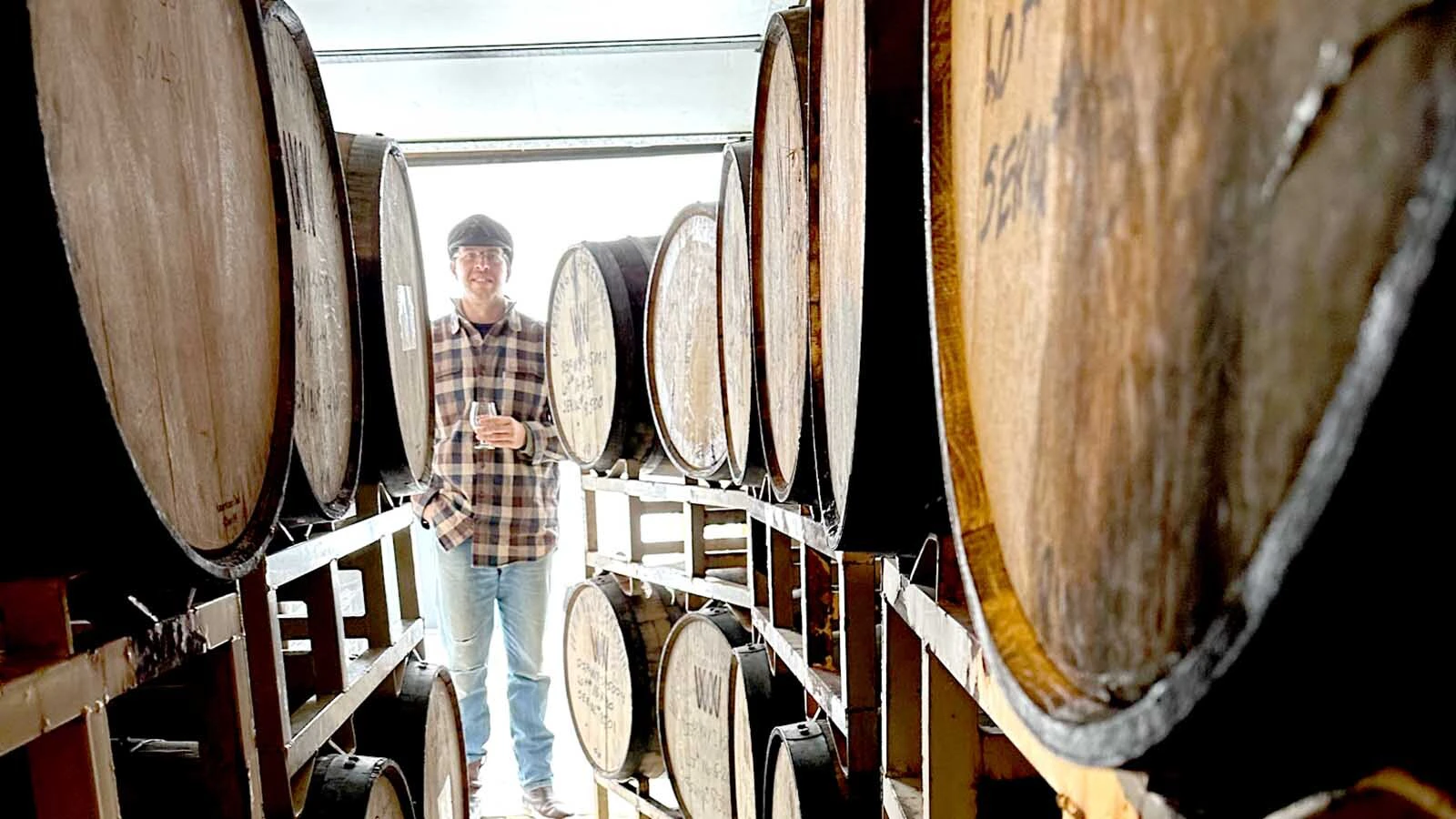
Ian McGregor with casks of aaging cider. (Farmstead Cider) 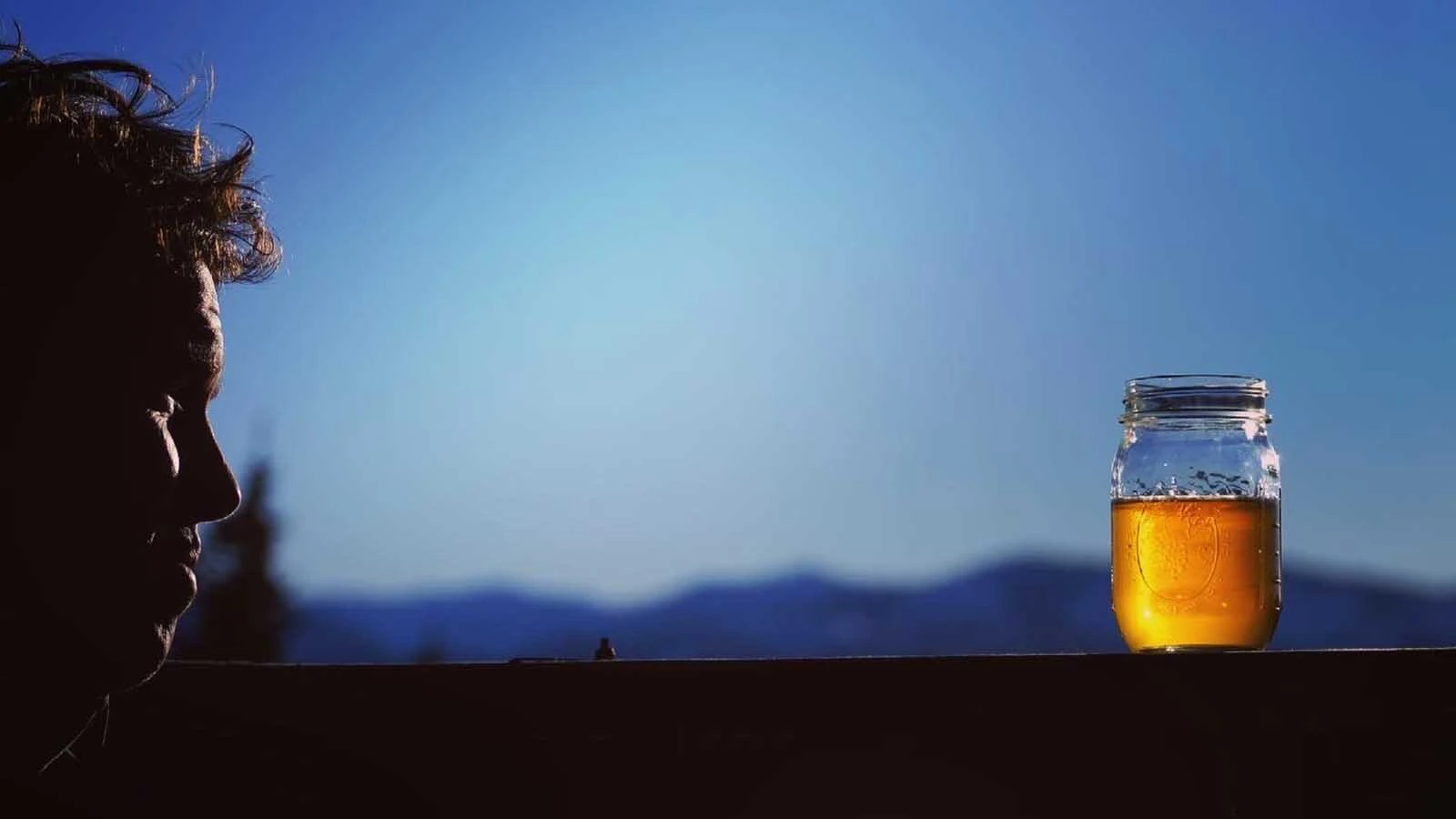
Cider in a mason jar at sunset in Jackson Hole. (Farmstead Cider) 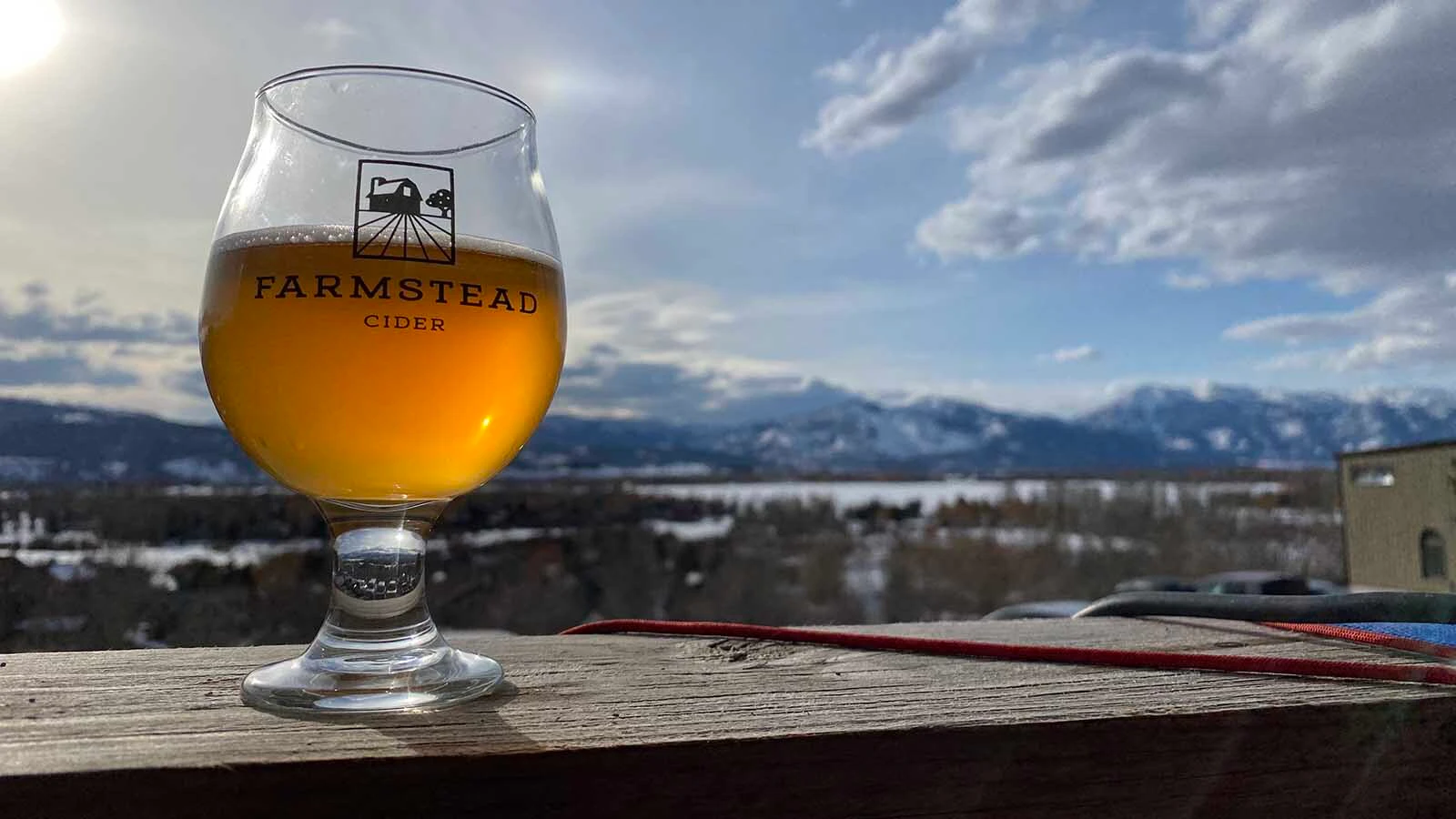
A glass of Farmstead Cider. (Farmstead Cider)
Darwin’s Favorite Apple Trees
Wyoming’s apples at that time came from everywhere — Minnesota, Wisconsin, New York, Canada and even Russia. Several nurseries were involved in seeing which varieties could stand up to Wyoming’s brutal mix of cold, drought and wind, including Cheyenne’s High Plains Arboretum.
At one point, at least 70 out-of-state nurseries and 20 in-state nurseries across 11 Wyoming cities were selling apple stock to Wyoming growers.
Then, slowly, the state forgot about its apples.
Wyoming’s agricultural identity shifted solidly toward cattle and general row crops. Many orchards were abandoned. Irrigation ditches shifted. Families moved away or sold off land.
Winters kept coming.
And the apple trees that had been left behind continued growing. They became part of an unintended Darwinist experiment — one where only the fittest would survive.
What’s left of the apple trees that once dotted Wyoming are now the toughest of the tough. Trees too full of Wyoming grit to give up and die.
Among the most interesting is a gnarled apple tree in Lander. Its limbs curl up to the sun like an insect on its back, and its trunk is so hollowed out, one wouldn’t be surprised to find a hobbit — or some other creature of legend — sleeping inside.
Somehow, though, this ancient tree is still alive, still leafing out, still stubbornly insisting on producing apples, despite a century or so in a place that routinely tries to freeze them to death.
Wyoming is not a state known for hardy trees. It is, after all, among the coldest and driest of states in the Lower 48. And apple trees aren’t known for being especially long-lived, either. Most never see a 100th birthday.
That makes this particular apple tree special. It’s passed a 100-year stress test, one where Wyoming wind and drought are separating the true pioneers from the pretenders.
To Magby, the Lander tree is far more than a curiosity. It’s a symbol of what Wyoming apples once were, as well as what they could be again.
These survivors could help develop ever more hardy Wyoming stock, making apples a potential new and viable agricultural commodity. Because of that, the tree’s tissue was pulled and grafted onto new stock, so it can keep growing for another 100 years.
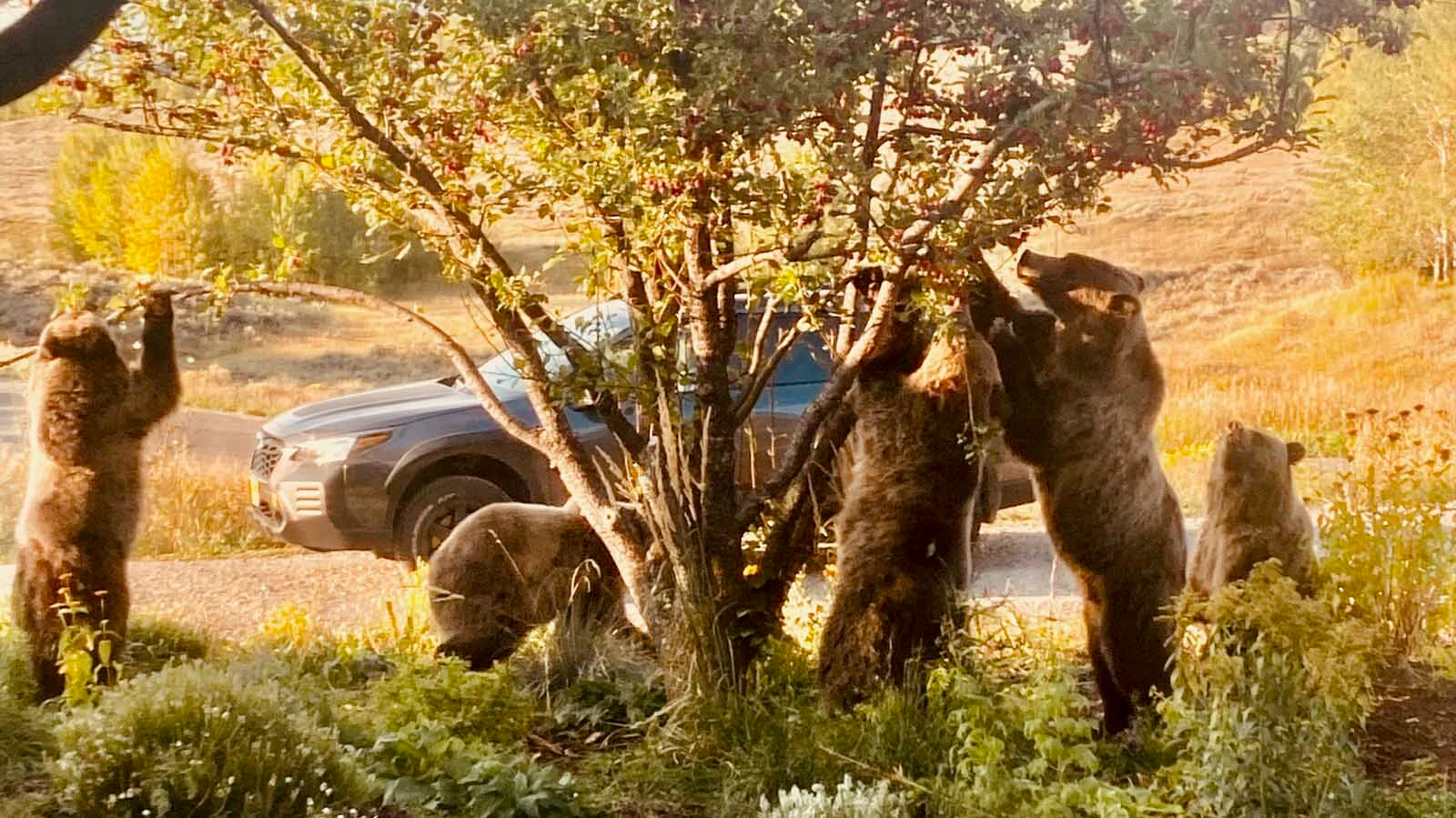
Bears love apples, and sometimes claim some for themselves. (Farmstead Cider) 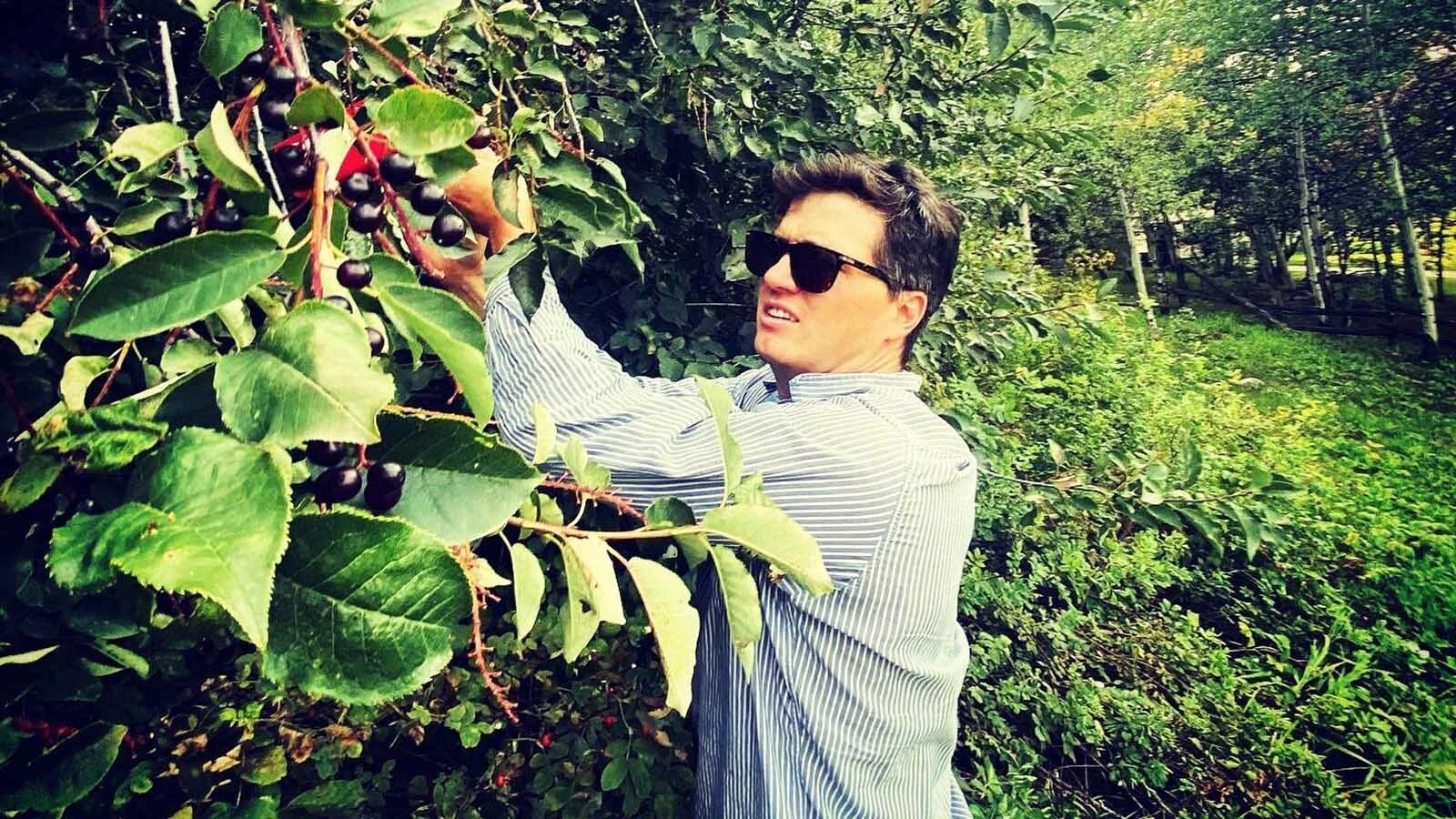
Orion Bellorado picks chokecherries to add to a cider recipe. (Farmstead Cider) 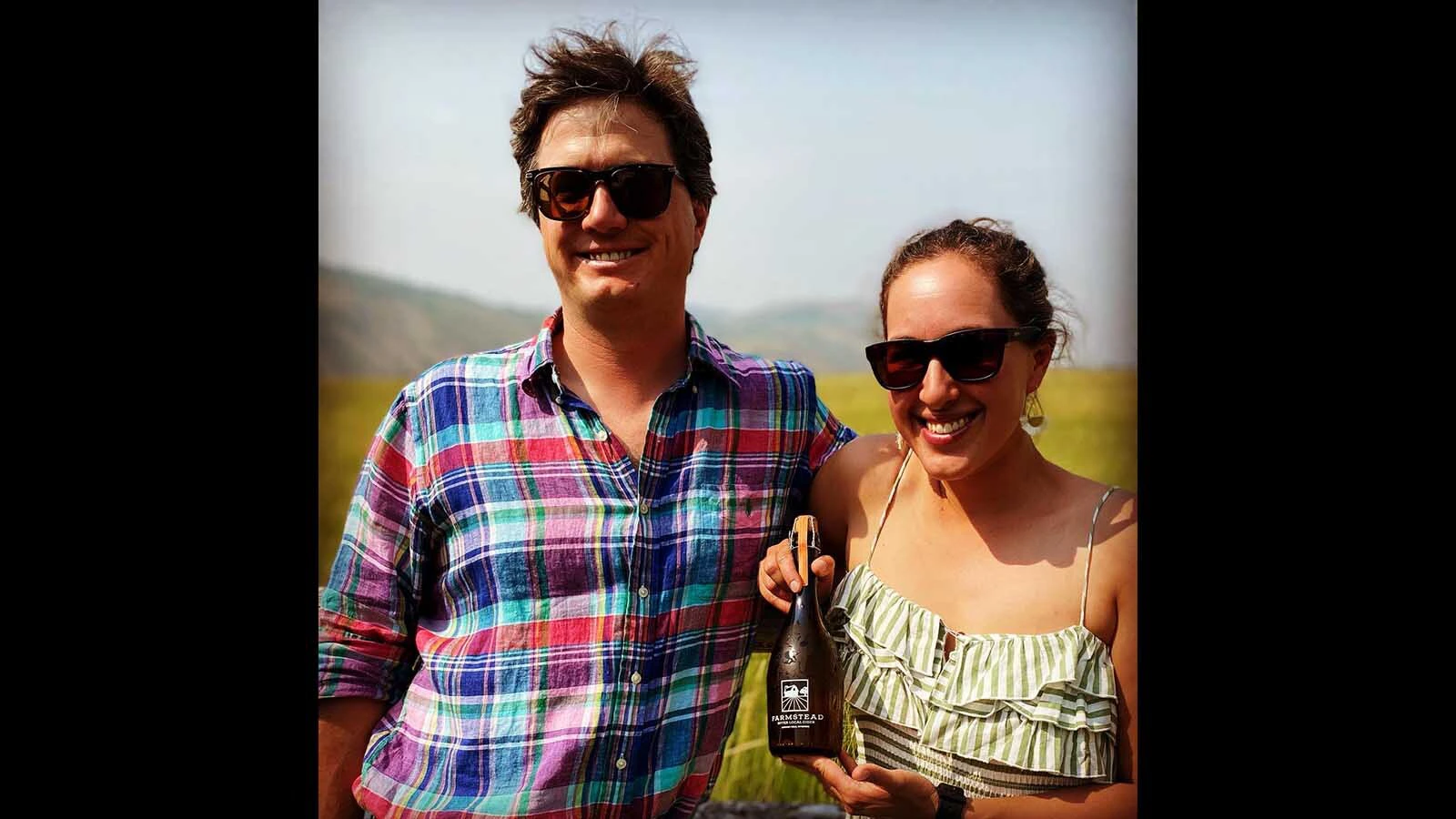
Orion Bellorado with his wife Heidi with Farmstand Cider. (Farmstead Cider)
Like A CSI Detective
Magby has been searching out all the old heritage apple trees of Wyoming using DNA finger-printing techniques more often associated with crime shows like CSI.
So far he’s sampled 510 trees at 91 locations in 19 cities, from Lander and Sheridan to Buffalo and Casper, to figure out which trees match known cultivars and which might be lost or forgotten varieties. So far he’s found more than 150 unique genetic fingerprints that don’t match anything in old reference collections.
Some of those varieties show up in multiple towns, suggesting they are long-lost cultivars that no longer exist anywhere else. hey are a living link to an era when Wyoming was serious apple country.
Two varieties that keep showing up, meanwhile, are Wealthy and Haralson, both bred in Minnesota. They are roughly one-third of all the identified surviving trees in his data set.
More Than Charming History
Magby doesn’t see Wyoming apples as a charming historical footnote. He believes these survivors are pointing the way to a viable agricultural commodity for the state, one that could lead to more products that are made in Wyoming, such as Farmstead Cider in Jackson Hole. Making products in Wyoming — referred to as value-added products — is a better bang for the buck. It keeps most of the economic value chain in-state.
Apple cider production makes a lot of sense in Wyoming, alongside the growing microbrewery scene, Magby said. People also just enjoy fresh produce that’s been grown in Wyoming, whether that’s an apple or other fruits.
“We take pride in anything that’s been produced in Wyoming,” Magby said. “So I’d love to see someone take a strong stance of producing and backing development of cultivars and revamping testing of grape and pear varieties and other small fruits, just to provide that diversity, not just in fresh food products, but also diversity of economies.”
Bellorado is already living that future at Farmstead Cider, thanks to bear-safety grants that helped launch a business to haul apples out of backyards and ghost orchards.
Now, instead of attracting trouble, those apples are a useful and delicious product in a growing business. It’s more joy to the human world, all from abandoned, pioneer apple trees.
Renée Jean can be reached at renee@cowboystatedaily.com.