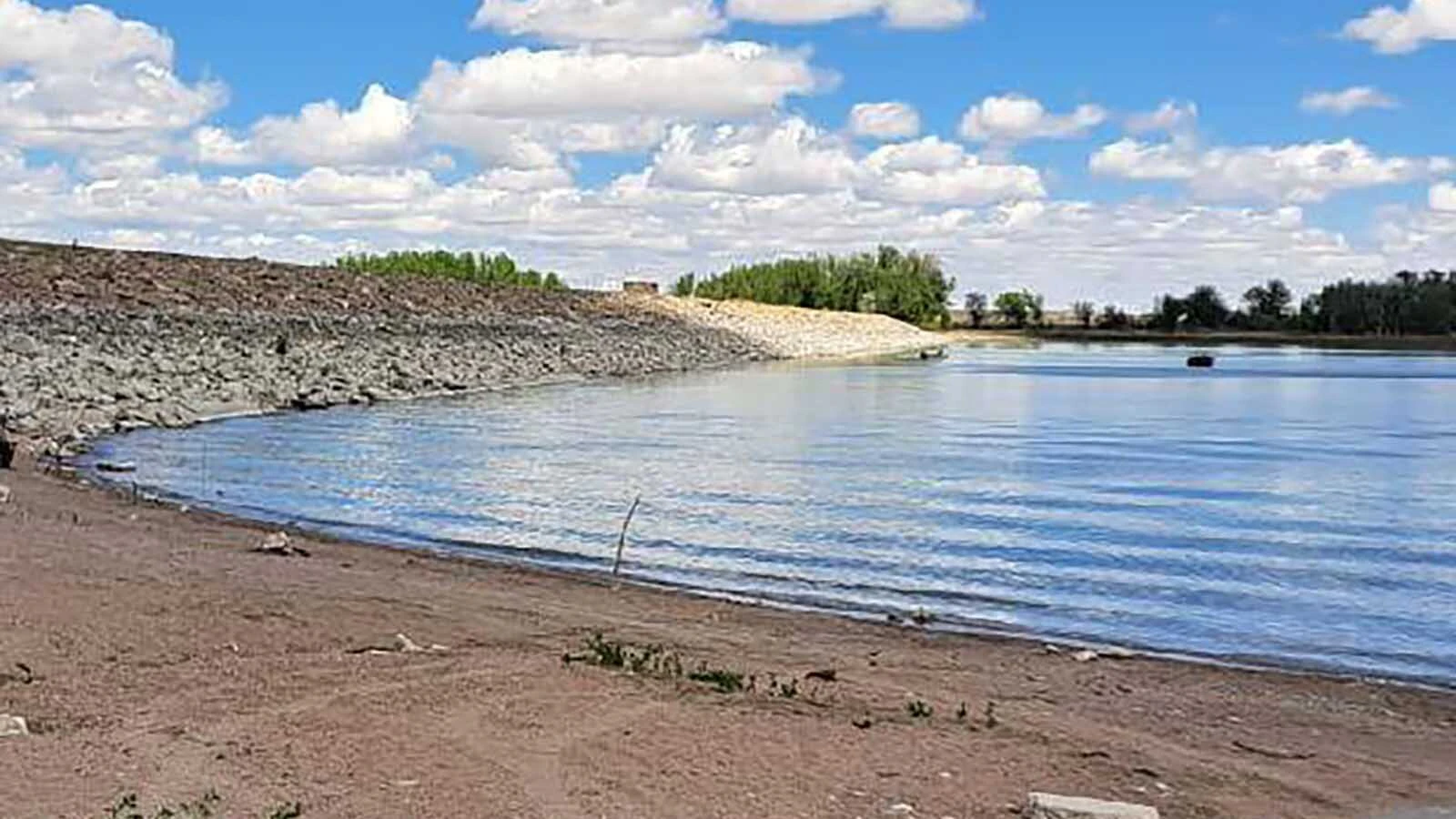
Facing extreme drought in the wake of an exceptionally mild winter, officials in Colorado and Oregon have thrown up their hands and told anglers at some reservoirs: Catch all the fish you want, because they’re going to die anyway.
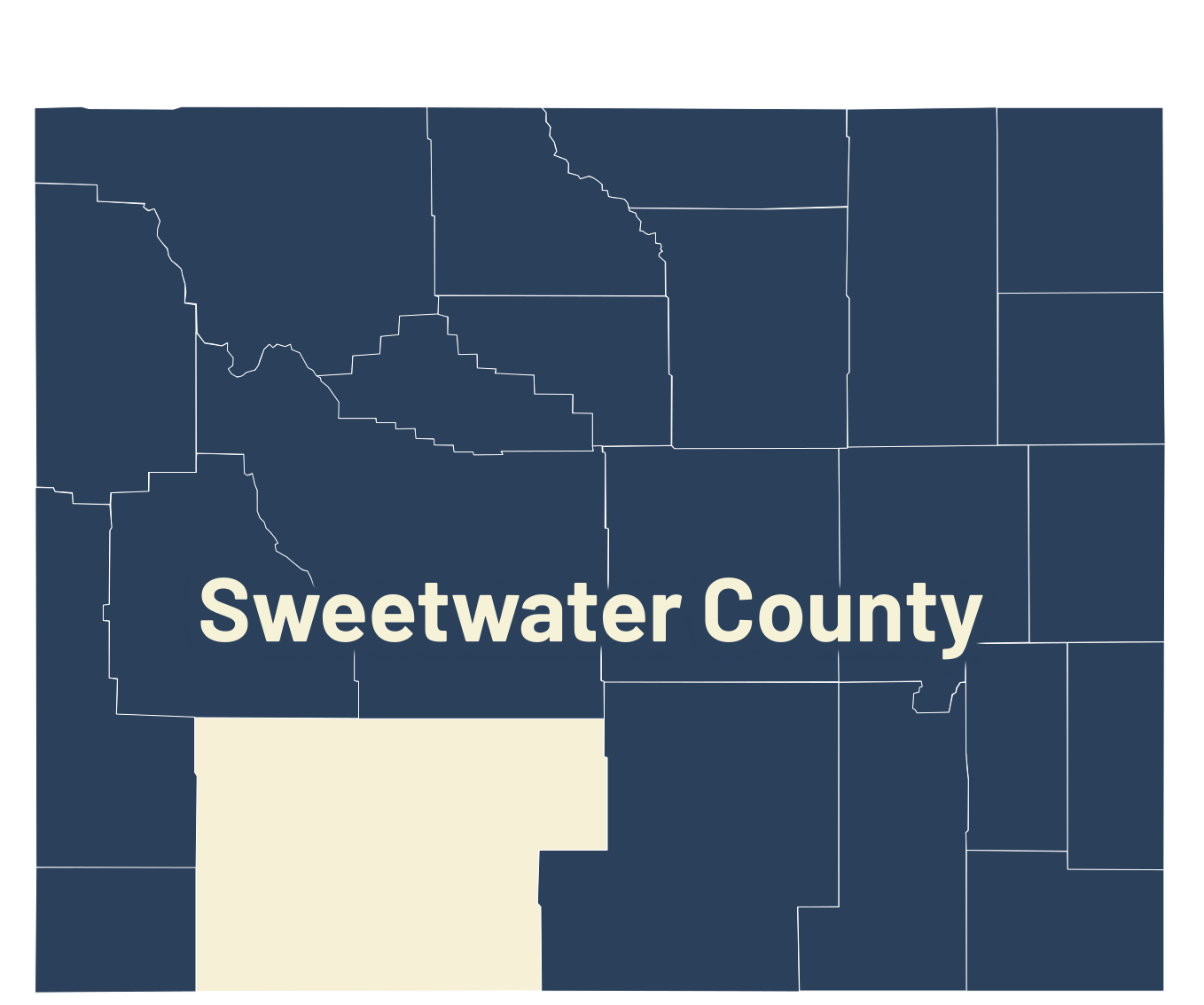
Conditions aren’t nearly so dire at two of Wyoming’s premier fishing reservoirs, Flaming Gorge in Sweetwater County and Boysen in Fremont County, where limits remain in place and the angling should remain good this summer, a state park manager and marina owner told Cowboy State Daily.
In northeastern Oregon, fishing limits were lifted on three reservoirs on the Powder River, a tributary of the Snake River, which originates in Wyoming.
Colorado is allowing unlimited angling on Antero Reservoir on the South Platte River in the central part of the state, and the Nee Noshe Reservoir to the southeast.
Utah has loosened catch limits on Crouse Reservoir, east of Salt Lake City, and Nine Mile Reservoir, south of the city.
In each instance, state agencies surmised reservoirs are getting so low and stagnant the fish are doomed regardless, according to numerous media reports.
No Emergency, Yet
Despite drought conditions across the state, the Wyoming Game and Fish Department doesn’t have “immediate plans to enact emergency regulations to liberalize creel limits,” according to fisheries management coordinator Mark Smith.
“However, conditions could change rapidly. If an emergency change to creel limits were to occur that information would be disseminated widely to the public and posted at the water for anglers to find,” Smith said in an email to Cowboy State Daily.
Some of Wyoming’s larger reservoirs have conservation pools, or “dead pools,” to act as buffers for fisheries when water is running low, Smith said.
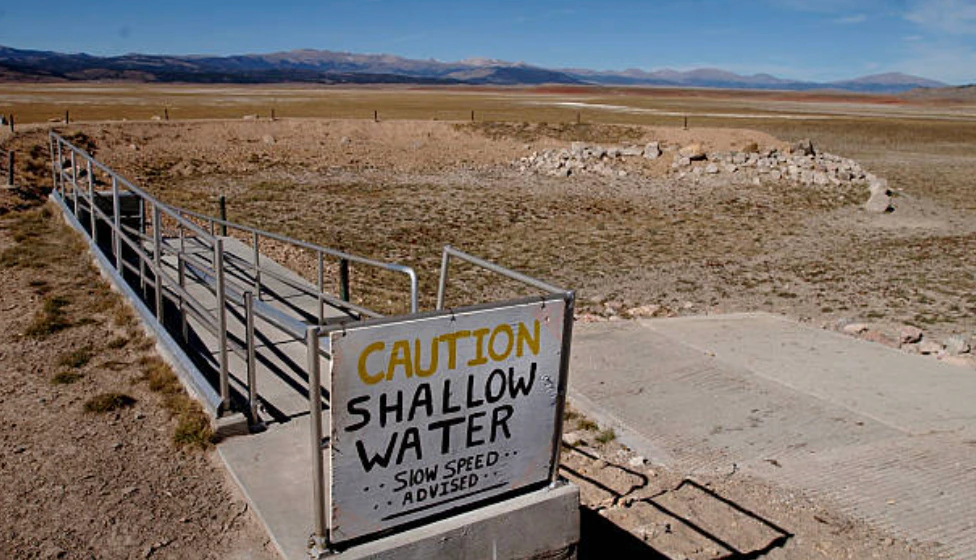
Even so, “all stored water has limitations,” he added. The water at Flaming Gorge and Boysen is expected to drop enough to render some boat ramps useless.
So, Game and Fish is watching closely for a “tipping point” that might warrant a change in fishing regulations, Smith said.
Bad New For Small Waters
For smaller fisheries, the news isn’t quite so good.
“Ultimately, our goal is to protect all of our fisheries, but we recognize that some of our small waters have already been lost, or will be lost, to drying,” Smith said.
Sometimes that happens so fast there isn’t time to react, he said.
“For example, when we were finally able to access roads and assess small ponds in the 33 Mile country north of Casper this May, most of those fisheries had already succumbed to low water elevations and poor water-quality conditions,” Smith said.
“Other sagebrush stock-water reservoirs could face a similar fate,” he added.
Emergency regulations require the governor’s signature.
“Emergency regulations take effect immediately upon the Governor’s approval and would be lifted if conditions improved and fish were likely to survive,” Smith said.
Boysen Could Lose Boat Ramps
Boysen Reservoir has been roughly 70% full during June, Boysen State Park superintendent John Bass said.
Boysen is one of Wyoming’s top destinations for walleye, and also boasts good trout fishing.
Bass said he doesn’t anticipate the reservoir dropping to the point of mass fish die-offs or calls to lift all fishing limits.
According to Bureau of Reclamation estimates, Boysen will slowly fall, but remain above 50% capacity.
All four Boysen boat ramps are usable, he said. They are Bannon, Tough Creek, Fremont Bay and Cottonwood Bay.
“Although, as the lake starts falling, the Fremont and Cottonwood Ramps will be too shallow to use. But that’s a fairly common occurrence in my 10 years here,” Bass said. "The Brannon and Tough Creek boat ramps will be usable for the remainder of the year, until ice-up.”
‘The Marina Could Be Gone’
Likewise, there’s no reason to think officials will call for a free-for-all at Flaming Gorge, which straddles the Wyoming-Utah state line, Buckboard Marina owner Tony Valdez said.
“I don’t think we’ll be at the stagnant water level, where we could lose all of the fish,” he said.
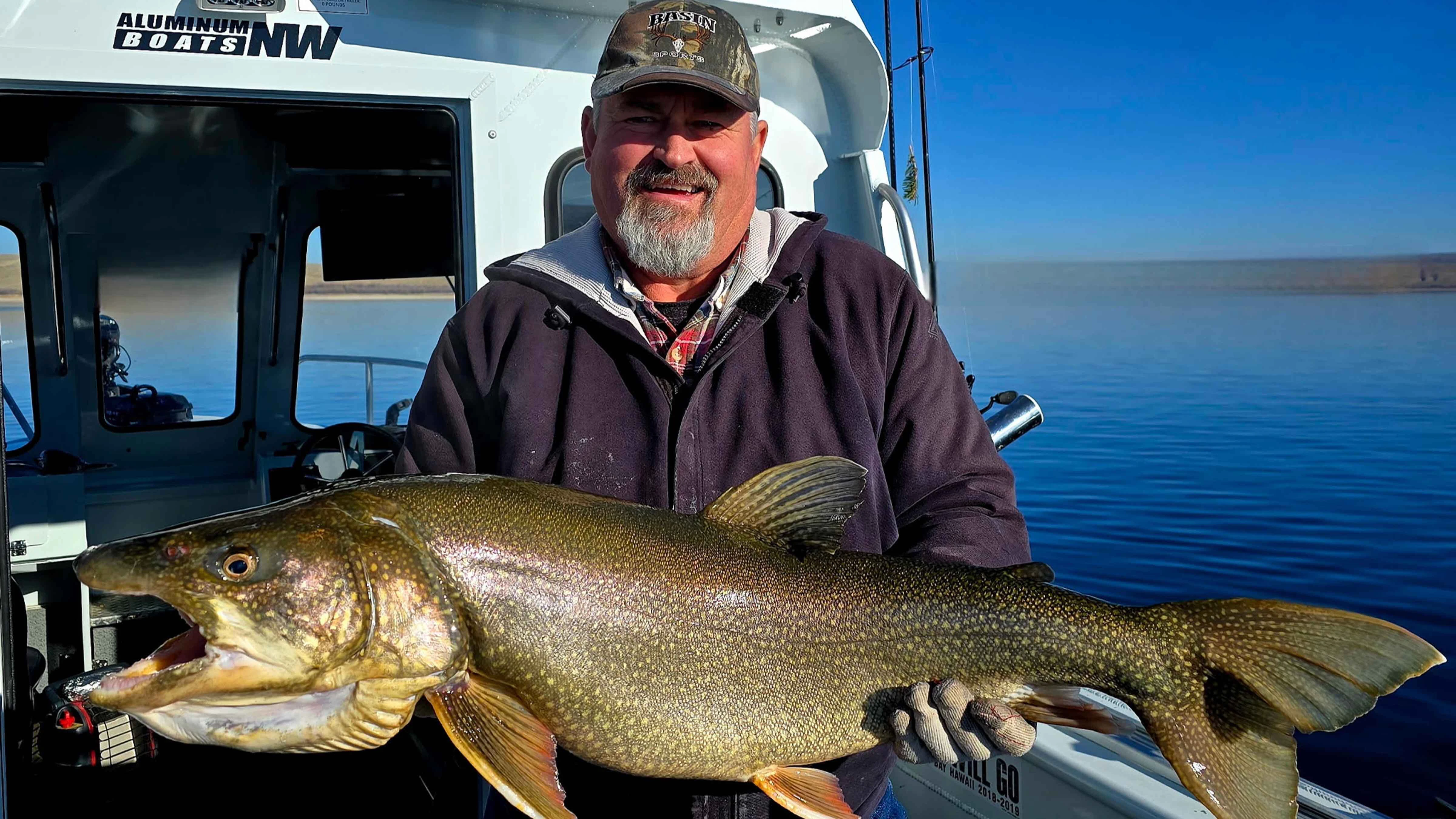
Flaming Gorge draws anglers from all over the region for its prized kokanee salmon. It’s also known for lake trout and other species.
The Bureau of Reclamation this spring announced that Flaming Gorge is set for a million-acre-foot drawdown to make up for severe shortages downstream at Lake Powell, on the Utah-Arizona state line.
An acre foot is the amount of water that would flood an acre of land to the depth of one foot.
Valdez has previously expressed concerns the drawdown could ruin kokanee spawning areas. Kokanee are already under pressure because of competition with lake trout and burbot.
Wyoming Game and Fish and the Utah Division of Wildlife already lifted catch limits on smaller lake trout (under 28 inches) and burbot, in hopes of helping the kokanee.
Valdez said he doesn’t expect fishing limits to be suspended on any other species.
However, boat ramps could be rendered useless as the reservoir drops for the drawdown, he added.
Valdez said his marina could also tank this summer.
“This year, the marina could be gone. In fact, I’ve got to go deal with that right now, and move some stuff around (because of dropping water levels),” he said during a telephone interview with Cowboy State Daily.
Catfish Getting Scarce
Valdez said if there’s any danger of water dropping to fish-killing levels it would hit first upstream, at Fontenelle Reservoir.
“If it did get that low, the first one to go would be Fontenelle, then the Green (River) and then Flaming Gorge. But I don’t see it dropping that low,” he said.
Drought has ruined some of the fishing on the Blacks River, which feeds Flaming Gorge on the west side, Valdez said.
That river once was a hot spot for catfish, he noted.
“People still catch catfish near the confluence, more so in the lake than on the river. The river gets stagnant,” he said.
While Flaming Gorge is holding its own for now, the long-term picture could be stark.
During a Tuesday meeting in Denver, members of the Upper Colorado River Commission said conditions along the river system – which includes the Green River – are dire.
Wyoming state engineer Brandon Gebhart said it could be the worst year on record for the Colorado River basin.
Mark Heinz can be reached at mark@cowboystatedaily.com.