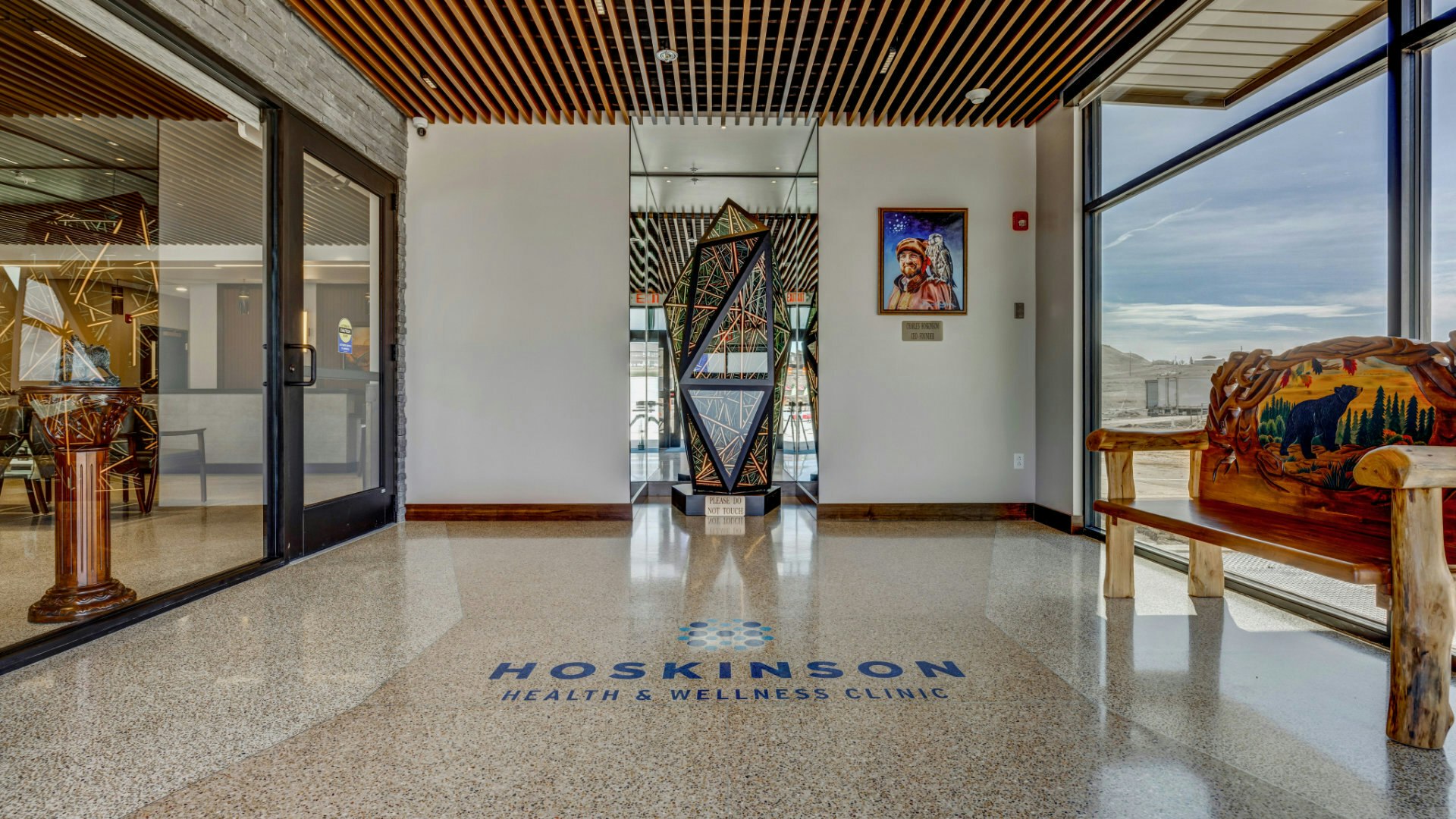
A sprawling, high-tech medical center that once envisioned itself as the "Mayo Clinic of the West" and promised to reshape rural health care in northeast Wyoming might yet be able to fulfill at least some of that vision.
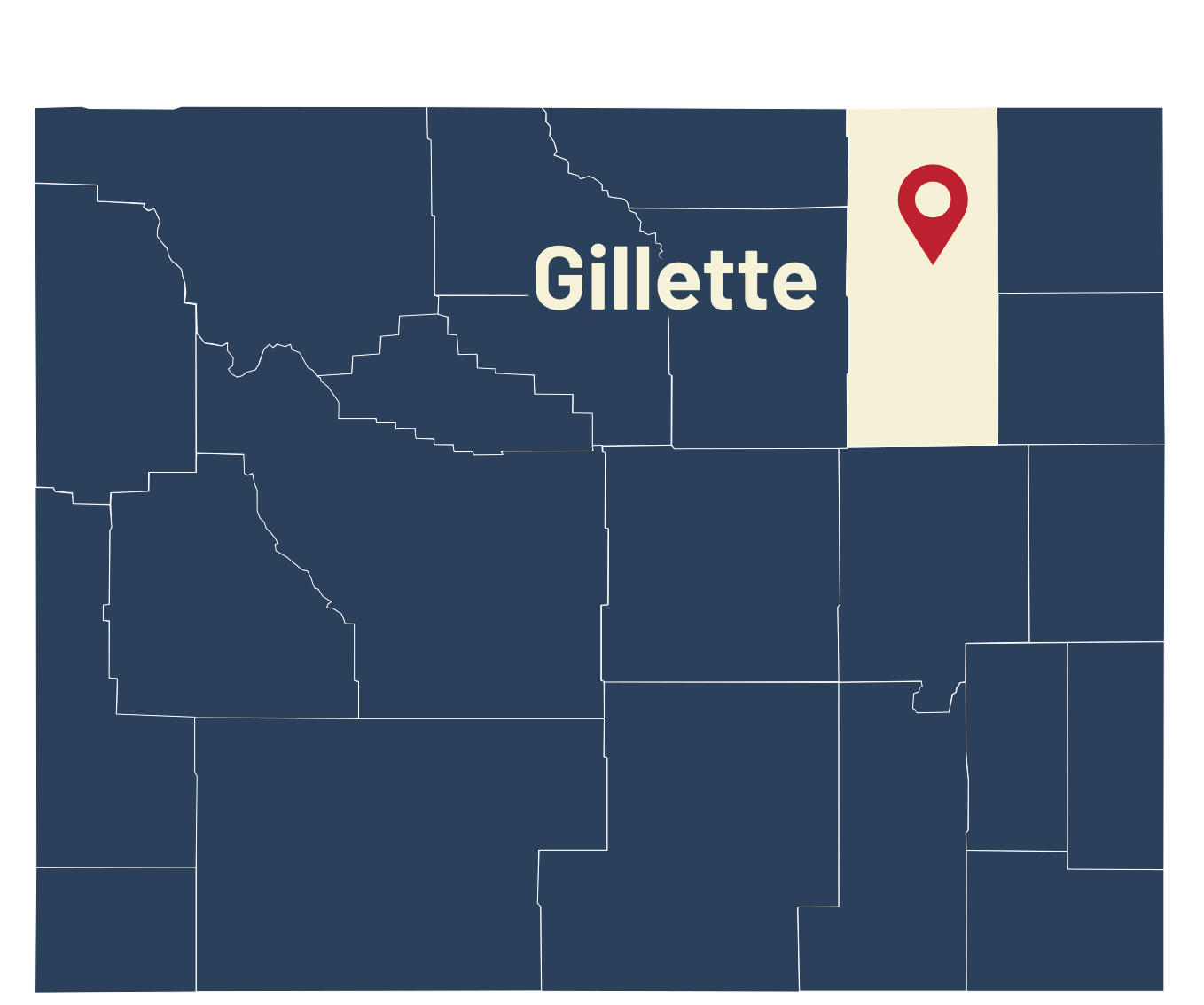
The Hoskinson family is in talks to sell its Gillette clinic to a large hospital chain, according to a post the family made Wednesday on the Hoskinson Health & Wellness Clinic Facebook page.
The sale could happen quickly, with an eye on maintaining continuity of patient care. Hoskinson Health announced in May that it would close July 31, citing months of multi-million-dollar financial losses.
A potential buyer now raises the possibility that some of the family’s vision — highly advanced specialty care in a small energy town — can be retained.
“We want to share a very hopeful and exciting update with our amazing community,” the post read. “We are currently in advanced discussions with a large hospital chain about potentially taking over the clinic’s operations!”
An agreement has not yet been finalized, but negotiations are at the stage where final words are being put to paper, the post added.
“Both sides are fully aligned, and the spirit of the terms makes sense for everyone involved,” the post continued. “We are working diligently to get this across the finish line, but we wanted to keep you in the loop.”
What’s Known About The Deal
Continuity of patient care is a priority for the new health-care organization, Hoskinson said in its post.
“They are fully aware of our timeline, and are already mobilizing a team to help ensure a smooth transition,” the post said. “They are eager to speak with all of our current providers and staff, to see who they can retain moving forward.”
If realized, Hoskinson Health said the family would step back from the medical business and lease the building to the new organization, which will take full responsibility for day-to-day operations as well as employment of staff.
“We are incredibly enthusiastic about this direction,” the post continued. “We truly believe this is the absolute best outcome for our patients, our dedicated employees, and the community. Most importantly, it ensures that you will continue to have a strong, alternative choice for your health care needs.”
Community Reacts With Hope
Within minutes, the post had dozens of comments, mostly applauding the news or praying the deal would go through.
“The building sitting there and all the loss of staff made me sick to think about,” Kathy Davis posted. “Oh I hope this works out.”
Commenter Tonja Slater said she is relieved.
“Can’t wait for it to be finalized and no more worries on finding a new health provider ever!!” she wrote. “Excited to see what the future brings to our community and onto our personal lives, journey, and health care!!!”
Heidi Jacobson noted the health-care provider is “very well known in the Dakotas” and said she hopes the deal “goes thru.” Tiffany Pickett Emery said it’s “Amazing news!! Continuing to remain hopeful.”
A Bold Experiment
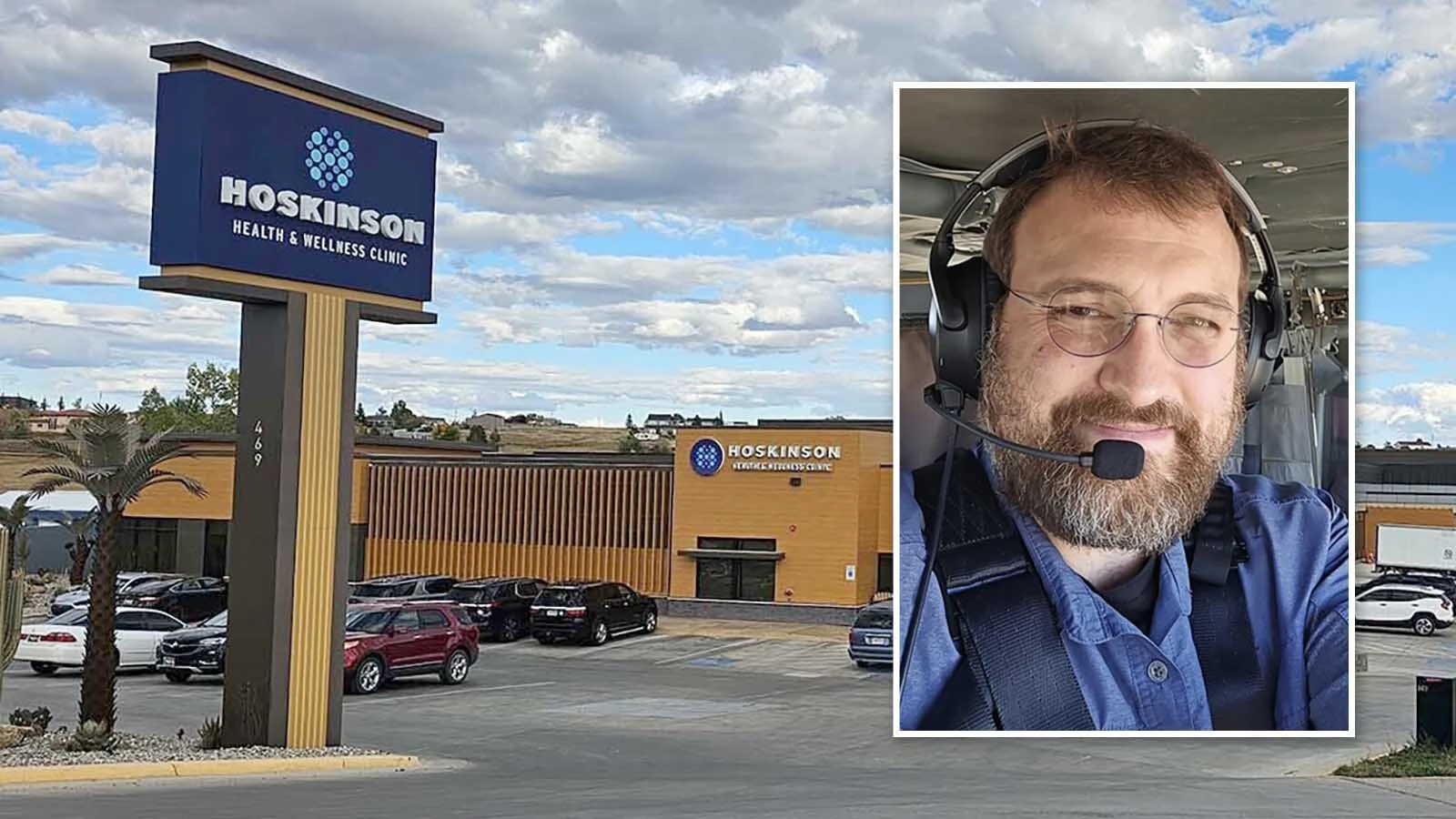
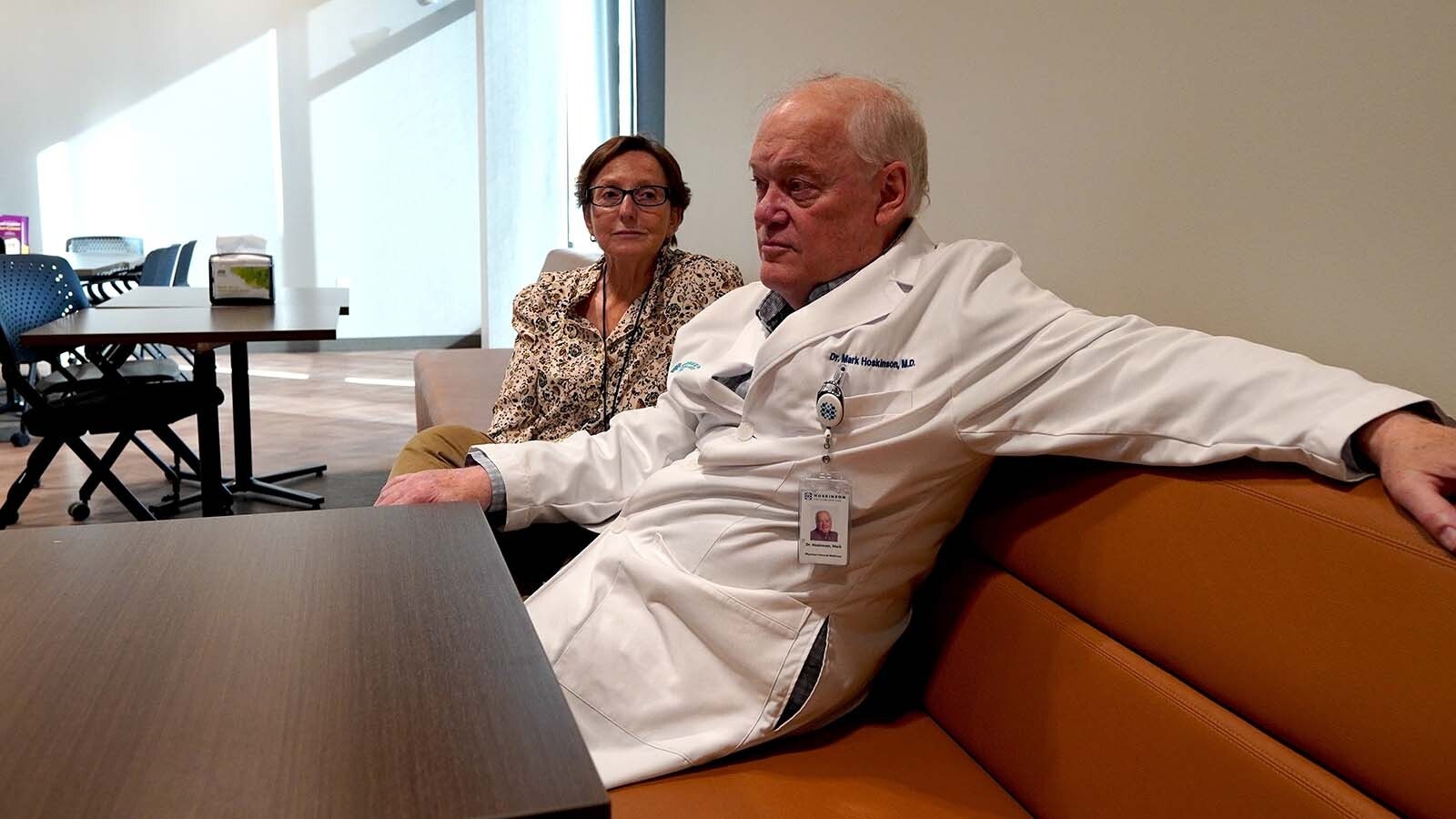
Gillette’s Hoskinson Health & Wellness Clinic was bankrolled by cryptocurrency tycoon Charles Hoskinson and run by his family members, including William, Mark and Patty Hoskinson.
It began as a bold experiment to reimagine rural health care starting in northeast Wyoming. The family told Cowboy State Daily in previous interviews the goal was to create the “Mayo Clinic of the West.”
The family filled the 73,500-square-foot facility with cutting-edge medical technology such as the Vectra, a revolutionary, 3D whole-body imaging system used in dermatology and plastic surgery. At the time the Hoskinsons purchased the Vectra, there were just two in the country — the first at the Mayo Clinic, the second in Gillette.
It was one of dozens of examples where the family brought cutting-edge medicine to a town of about 33,500 people. There was a dual-energy CT scanner for gout, a high-definition nuclear imaging scanner, advanced cardiac and breast MRI scans, hyperbaric oxygen therapy chambers, transcranial magnetic stimulation, and more.
The clinic also included specialties rarely found in standard community medical practices, ranging from DNA sequencing and pharmacogenomics to advanced regenerative medicine, biologics infusion, and a dedicated longevity and lifestyle center.
While the clinic stopped building at 73,500 square feet, there were plans at one time to expand to 100,000. That would have included a surgery center.
Health Care’s Brutal Economics
But the economics, from the start, were brutal, as Charles Hoskinson detailed in a post-mortem video he released not long after the clinic announced its closure.
In the video, Charles said the clinic had been losing millions of dollars every month, even after aggressive attempts to optimize operations.
Primary care, he argued, is fundamentally under-reimbursed, forcing providers to see 24 to 28 patients per day just to break even — a volume that was incompatible with the slower, more thorough care model he wanted the clinic to provide.
“The Hoskinsons have been in medicine for over 70 years since the 1950s,” Charles said in the video. “And they’ve watched the entire health-care industry transform and change from mostly rural and mostly solo practitioners, or small groups — excluding cities — working basically with a direct relationship with the patient, direct financial relationship with the patient, to a system that’s become kind of a bureaucratic hellscape.”
The Gillette clinic was all about changing that, Hoskinson said.
Even though the clinic attracted more than 20,000 patients, it wasn’t close to breaking even. It could never sustain all its state-of-the-art technology, much less the above-market wages it was paying to attract specialists to a remote corner of Wyoming.
“I had aspirations to do something in regenerative medicine,” Charles said. “I’m a big believer in network medicine. I believe the interactome and the electrome are going to be revolutionary for human health, and with AI enhancements and personalization, they’re really going to change things so we can cure stuff.”
Interactome is the entire set of molecular interactions inside a living cell, including a complete map of interactions between proteins and DNA. Electrome refers to the complex cascade of electrical networks and signals that pass between cells and tissues.
Hoskinson: Health Care Is Broken
What Hoskinson learned from starting a clinic in Gillette was disquieting, he said.
“The reality is clinics don’t make money,” he said. “Cancer and surgery are the only two areas that really make any money, outside of the pharmaceutical side. And if you’re in primary care, the vast majority of people who are in primary care will tell you it’s a losing proposition. If you look at the economics of primary care — so internal medicine, family practice — these things on average have to see 24 to 28 patients per day to be able to break even with the infrastructure.”
That’s a patient every 15 minutes, plus a lot of paperwork on the other side, just to break even. That doesn’t include making any profit.
The situation is further complicated, Charles said, by insurance.
“When you’re doing an insurance model, you typically only collect less than half of what you bill,” he said. “It’s the only business I’ve ever been in where you have no price negotiation. It’s mandated to you what you’re roughly paid.”
Clinics, meanwhile, are not allowed to bill as much as hospitals, which means the field is anything but level.
“When you bill it, even though you’ve done the work, it’s not clear you’re actually going to get paid for it, unless you get pre-approvals,” Charles said. “And even so, there’s been cases where doctors, while operating on people, literally while in the OR, the insurance company changed their mind and said don’t want a pre-approval.”
After optimizations, Charles said the clinic cut its monthly losses from about $4 million to $1.7 million but still couldn’t get close to break-even.
“To give you a comparable, the hospital that’s in the same market, Campbell County Health, they lose more than $10 million a year, and this is after receiving a $20 million-a-year government subsidy,” Charles said, adding that he went to decision makers in the jurisdiction as well as other health-care providers to ask if any subsidies were available, but was told no.
“The American health-care system is broken,” Charles said. “We knew that going into Gillette, so we wanted to build a center of excellence and build a really cool clinic, and build it in a beautiful way for the people there in Gillette.”
The Stakes For The Community
For Gillette patients like Shawna Leigh Langdon, who had built life-saving care around the clinic, the negotiations stakes are high.
Langdon, in previous interviews with Cowboy State Daily, said she relied on the clinic for weekly injections, diagnostics and specialist follow-ups for an aggressive case of rheumatoid arthritis.
Before that, she had to rely on a clinic in South Dakota — a drive so long that at times she had to cancel appointments because her body was physically unable to make the trip.
If the clinic disappeared without a comparable replacement, she feared she would be forced back into a patchwork of delayed MRIs and rescheduled surgeries that had defined her care.
Sarah Pierce, meanwhile, told Cowboy State Daily she had to travel even farther for her daughter’s specialty care — to Philadelphia. While the Hoskinson Clinic did not eliminate those trips, it reduced them — and gave the family peace of mind by having a knowledgeable provider in town.
“I don’t have any insight into the inner workings of Hoskinsons, or why they’re doing things,” she said. “But it’s definitely a disappointment, for I know myself and other people who have kids that have needs outside of the general scope of what can normally be done in a rural area. It was nice to have a provider who kind of knew more about what she has. There was some comfort in that.”
Hopes For The Future
Those kinds of experiences form the backdrop for the Hoskinson family’s negotiations with the unidentified hospital chain. It’s a high-stakes attempt to keep the facility from going dark by handing the reins to a larger system with more infrastructure and deeper pockets.
If the sale is realized along the lines described in Hoskinson Health’s Facebook post, Gillette could retain something exceedingly rare in rural America — a large, highly equipped medical facility with the potential for unusual specialty care and research programs, as well as room to grow.
For patients like Langdon and Pierce, everything depends on which services survive and still grow. Still, the prospect of a sale is real hope in a place where, not long ago, the road between them and critical care was hundreds of miles longer.
Renée Jean can be reached at renee@cowboystatedaily.com.