For more than 30 years, I have lived and ranched in the historic Horse Creek community of southeastern Wyoming.
Today, three generations of my family work the same landscape together, carrying forward a ranching legacy rooted in stewardship and respect for the land.
For most of my life, I have measured time by calving seasons, hay harvests, snowfall, drought, and the return of wildlife each spring.
Like many Wyoming ranchers, I understand that change is inevitable. Wyoming has always produced energy, and ranchers have always adapted to changing conditions. The question is not whether change will come.
The question is what kind of Wyoming we will leave behind.
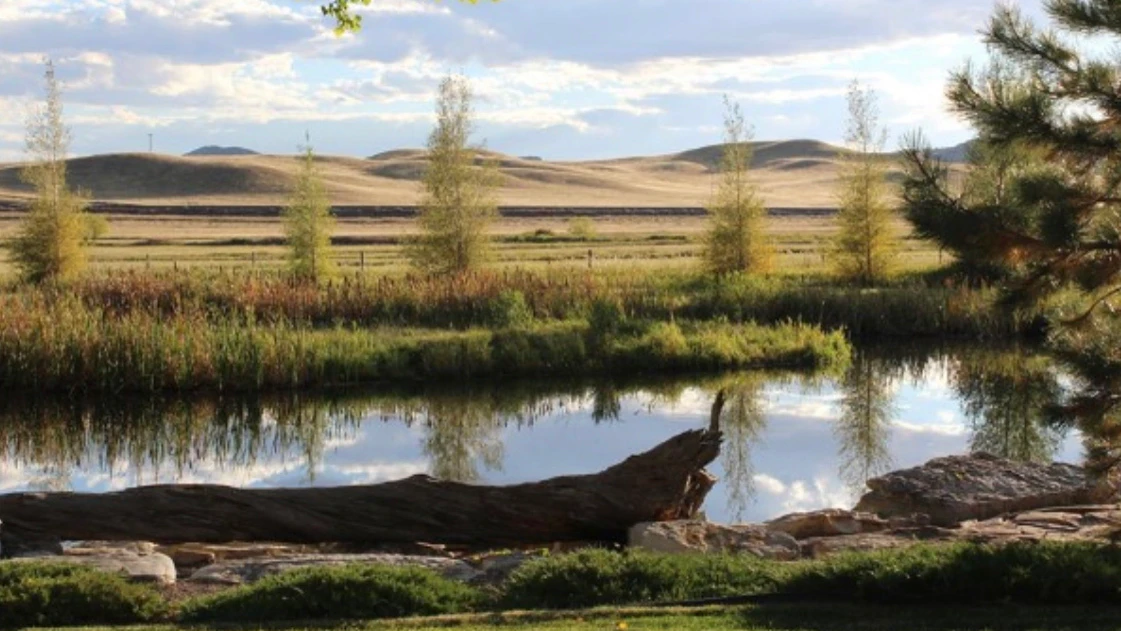
Horse Creek is more than a location on a map. It is a community of working ranches, wildlife habitat, open space, and distinctive sandstone bluffs that define this corner of southeastern Wyoming.
It is also part of Wyoming’s cultural heritage. Wyoming author and rancher Teresa Jordan chronicled life in the nearby Iron Mountain country in her memoir Riding the White Horse Home. The landscapes she described remain very much alive today.
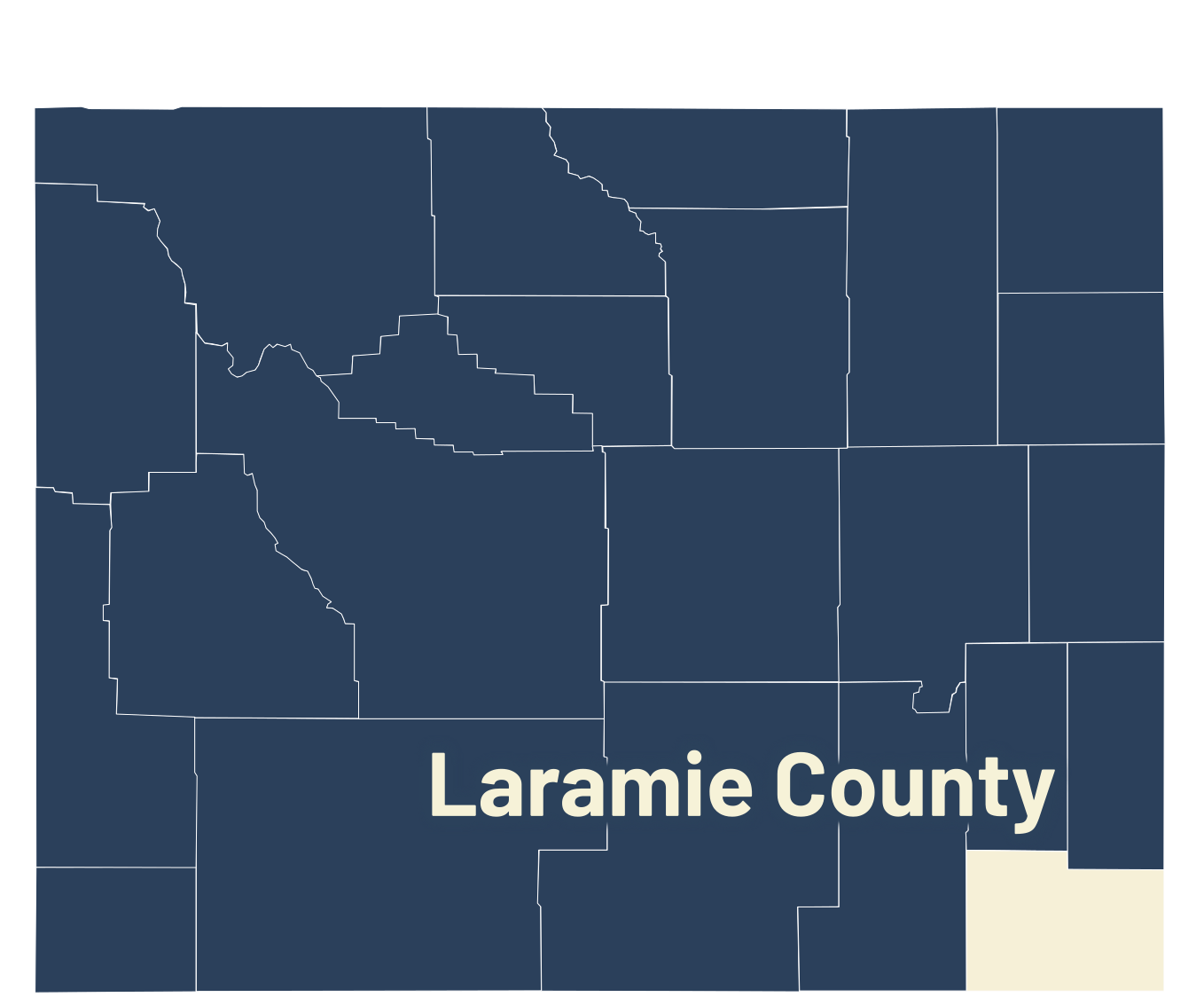
That is why the proposed Laramie Range Wind Project deserves careful consideration.
People often evaluate projects through numbers: megawatts, tax revenues, jobs, and lease payments.
Those numbers matter.
But they do not measure the value of an unbroken horizon, dark skies, quiet evenings, or the experience of watching wildlife move across the landscape.
Recently, while watching the sun set over Horse Creek, I was reminded of what is at stake. The sandstone bluffs glowed in the evening light, stretching across the horizon much as they have for generations.
The proposed turbines would tower above those ridges and bluffs, becoming permanent features of a landscape that has long been defined by its natural character.
Ranchers are not opposed to change. Ranching requires adaptation. But stewardship also requires recognizing the difference between temporary change and permanent transformation.
A fence can be moved.
A pasture can recover.
A landscape altered by industrial development may never return to what it once was.
As Wyoming evaluates projects like the proposed Laramie Range Wind Project, I hope we ask broader questions about cumulative impacts, long-term consequences, and the future character of the places we value.
What will Horse Creek look like in 25 years?
What will future generations inherit?
Horse Creek is more than a project area.
It is a community.
It is a home.
It is part of Wyoming’s story.
And once its character is lost, we will never get it back.
Sincerely,
Dave Berry, Horse Creek