Bill Dohse was somewhere north of Billings, Montana, when he got the call Sunday that the body had been found.
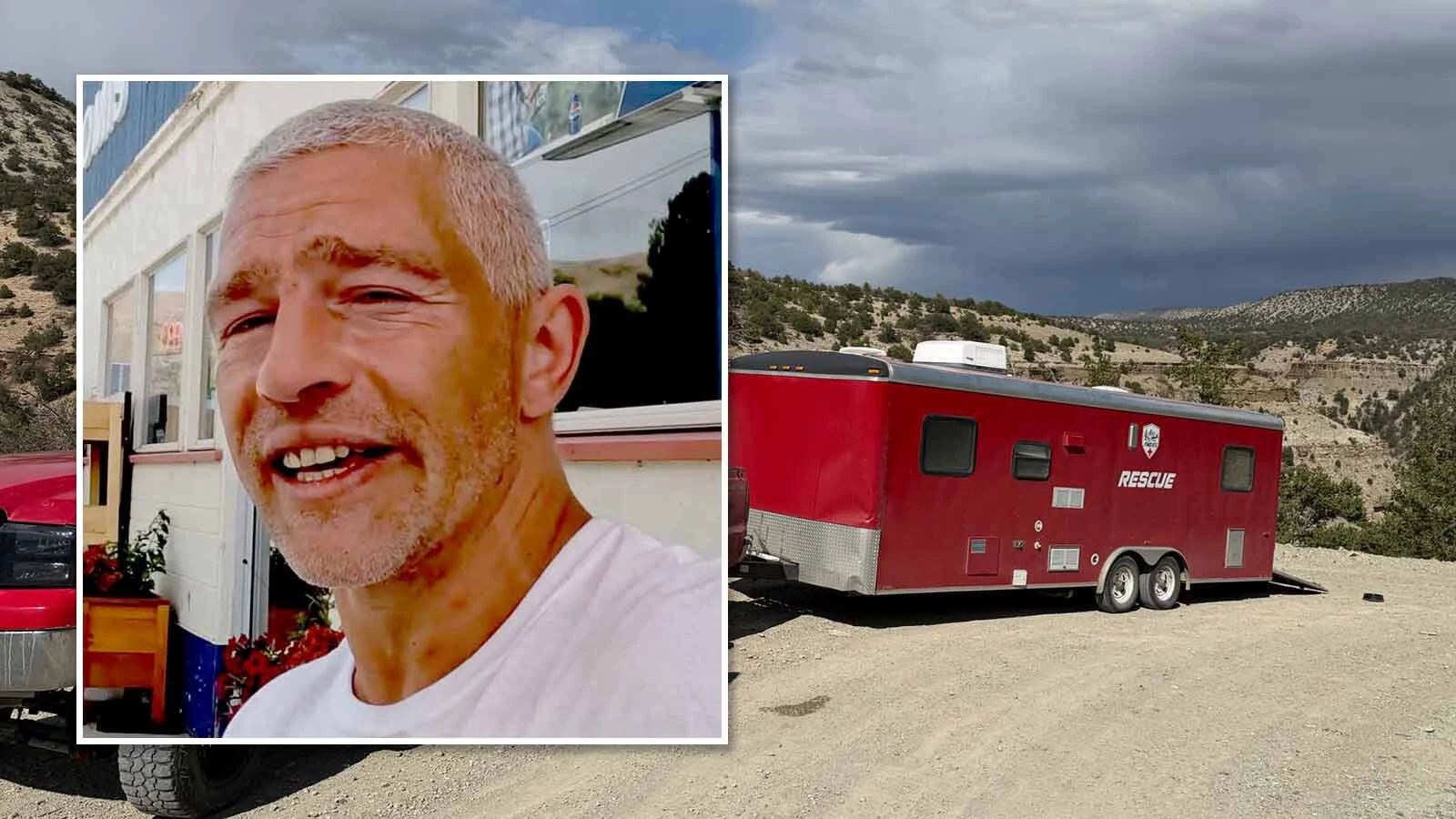
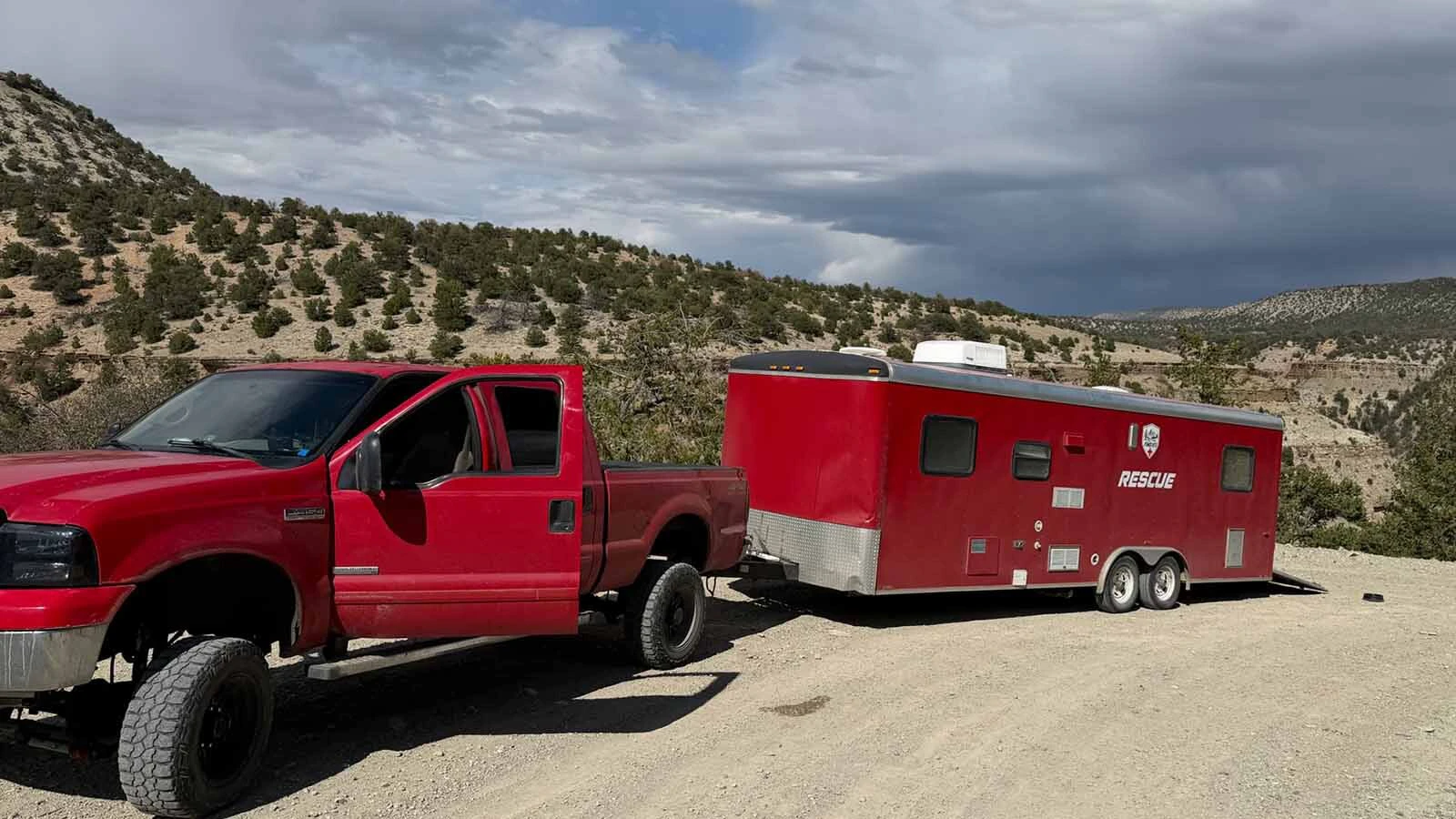
As he always does while enroute to a search and rescue mission, Dohse pulled his pickup over on the side of the highway and stepped into the makeshift command center attached to his back bumper to start fielding phone calls.
While he wasn’t at the site of the search yet, his team was already busy coordinating where those on the ground should search for Brown’s body, leading to Sunday's sad conclusion.
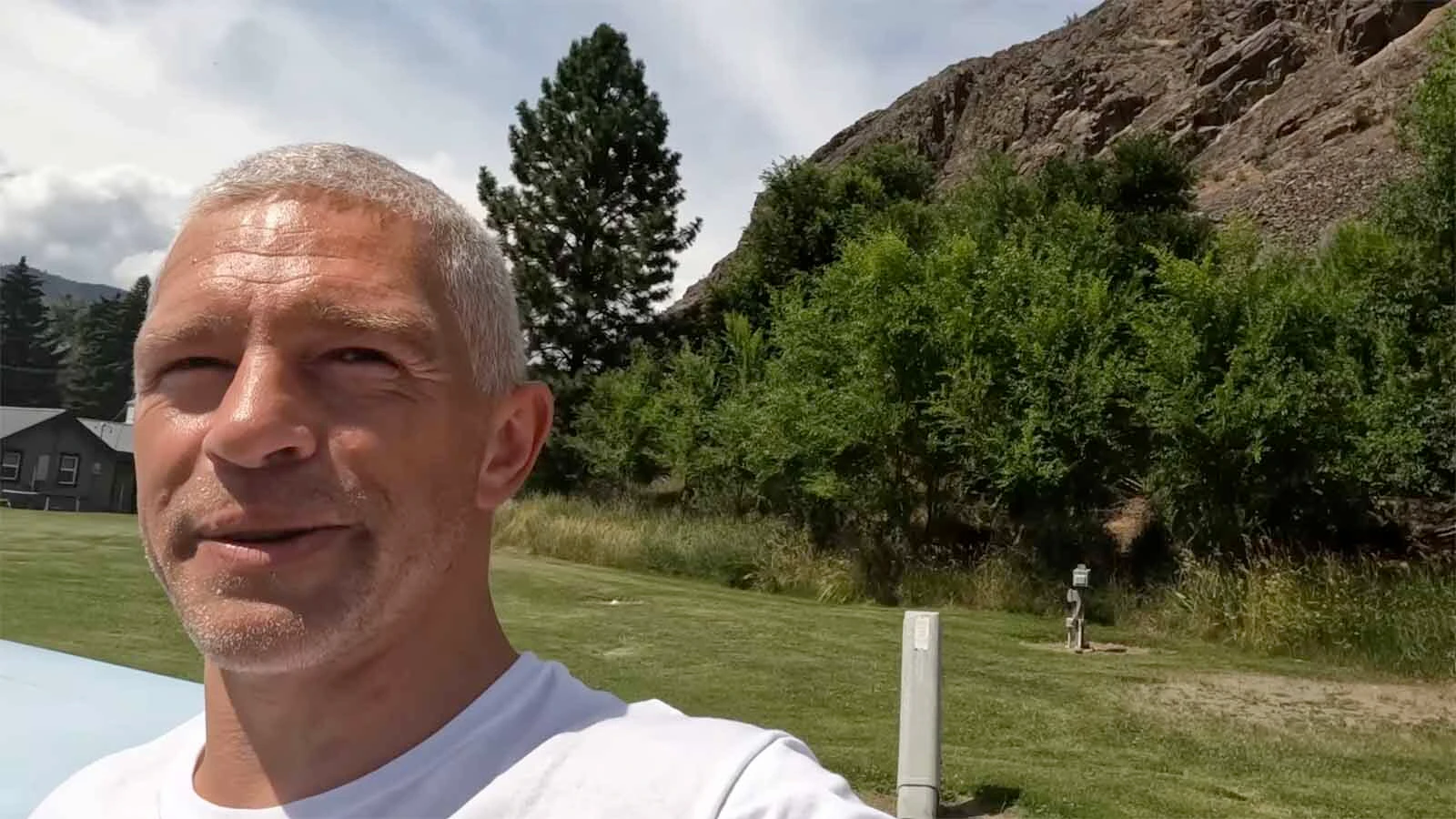
He had been on his way to Oroville, Washington, to join the search for 42-year-old Matt Brown, former reality television star of Discovery Chanel’s “Alaskan Bush People.”
Brown had been missing since May 27, when he had reportedly taken his own life on the edge of the Okanogan River before being swiftly swept downstream in remote north-central Washington state near the Canadian border.
Dohse got word from search and rescue volunteer Chay Moore, who was on site at the river, when they discovered Brown’s body in the swift rapids.
The emotional gravity of that moment would catch up to all of them later, Dohse said.
At that time, it was all business. They had to notify the Okanogan Sheriff’s Office and safely recover the body as they waited for authorities to arrive.
Family Grieves
Brown’s brother Noah was also on site when Matt Brown’s body was pulled from the water, and he identified him for authorities.
Another brother, Bear, who was not at the scene, took to social media early Sunday to share the sad news with fans.
Bear Brown said in an emotional TikTok video posted Sunday that it appeared that Matt had taken his own life.
"I would have never suspected he would have hurt himself, honestly,” Bear said. “He struggled for a long time, as I've mentioned.
“And I was so worried he was going to end up, you know, like, OD'd or something like that.”
Matt Brown was the oldest of Billy and Ami Brown’s seven children and starred alongside his family in the reality television series, which followed their attempts to survive in the remote Alaskan wilderness, according to People Magazine.
The show ran for 14 seasons over the course of eight years before ending in 2022.
Matt Brown stepped down in 2019 amid struggles with addiction.
After leaving television, Matt Brown turned to YouTube, documenting his life, recovery, and personal reflections across more than 1,000 videos.
He amassed more than 65,000 subscribers and nearly 8 million views.
No Official Cause
The Okanogan County Sheriff’s Office put out a statement on May 31 confirming that Brown had been found.
The office further stated that the cause and manner of death is under investigation by the Okanogan County Coroner.
According to earlier statements from the sheriff, a witness reported seeing a man seated in the river’s shallows on May 27.
The witness looked away, then heard a loud noise. When looking back, the man was floating face-down in the current. A firearm was later recovered near the spot.
The search for Brown went on for three days and included a boat, two Jet Skis and a drone, according to a statement from the sheriff’s office, but those efforts hampered due to severe weather that led to dangerous search conditions with high water levels, swift currents and low visibility.
Search Efforts Guided From Wyoming
His body was ultimately found by volunteers searches who had been dispatched by Dohse and his team.
He and Eric Butt formed the Organized Search and Rescue (OSAR), a volunteer nonprofit that partners with search and rescue and K-9 teams from all over the country, including the United Cajun Navy, Sparks SAR, Team Texas K-9, and Sentinel Overwatch and others, which all coordinated on the search for Brown.
Both Dohse and Butt also run their own nonprofits.
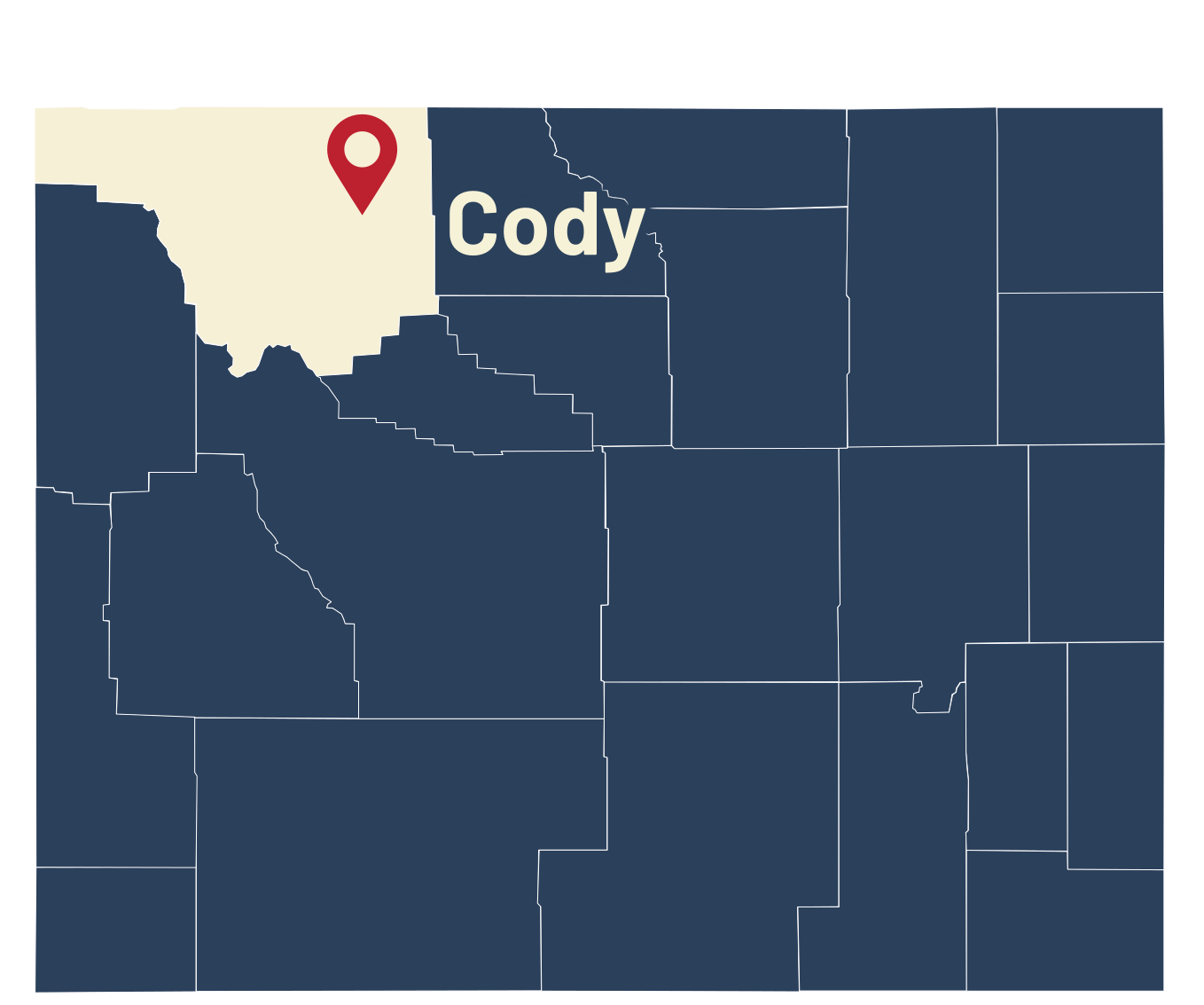
Dohse, a former Fremont County Deputy Sheriff and Wyoming Highway Patrol trooper, heads up Find-911, a Cody-based search and rescue group founded in 2015 that specializes in finding missing people and pets.
Along with K-9 teams, Dohse uses specialized drones with advanced imaging software called Sixth Sense that he developed with the help of Amazon and Denver-based Clouse 303.
He’s been involved in several searches in Wyoming, including the search for missing 22-year-old hiker Austin King, who vanished after summitting Eagle Peak in Yellowstone National Park in September 2024.
More recently, Dohse helped lead local efforts to find 50-year-old David Kelsey, who went missing in late January and was found dead more than a week later in nearby Beck Lake.
Butt is chief executive officer at California-based nonprofit Black Flag Response, which provides advanced medical care and technical rescues for wildland fire fighters and federal agencies.
They formed the collaboration two years ago with the goal of building a national coalition to help deploy specialized search and rescue groups that can quickly deploy in situations such as this one to help law enforcement.
Perfect Scenario
Searches like this one perfectly fit their mission because of the remote location with limited search and rescue assets and resources.
“It’s in our wheelhouse,” Butt said. “This was why I was eager to jump on this case.”
Butt had his plane ticket bought and was just hours from heading to the airport to fly to Washington when news came that Brown had been found.
Forget that it was his birthday and that he was in the middle of celebrating with his family.
This is what they are compelled to do, he said. They don’t mind dropping everything to assist in these searches.
Dohse, meanwhile, pulled over in Montana to aid in the operation as all the partners communicated over chat and phone during Brown’s recovery.
He spends a lot of time on the side of the road and stops when needed to mobilize his group’s resources.
In fact, two days earlier, he’d been on his way to Thermopolis to aid in the search for a missing woman who was later found safe when word that Brown had been swept down the river.
Inside Track
Dohse knew friends of the Brown family from other rescue efforts, which is how he initially got involved.
They decided to jump on this case because they had confirmation and eye-witnesses who saw Brown go into the river and knew he could be found.
He also knew who to call.
Dohse set up his portable incident command trailer and spent about six hours on the phone and computer mobilizing assets and downloading CalTopo maps of the river and region and coordinating with all their search and rescue members.
Butt said that Dohse was able to determine where on the river he thought Brown’s body might be based on currents and sand bars, which helped searchers find him.
This is the whole point of OSAR, Dohse said, which is to form working collaborations to find specialized and trusted assets who can get there quickly and with the skillsets needed for that particular situation.
“We want to bridge that gap between private and government entities,” Butt said. “We want to work real closely with law enforcement, so that they don’t feel like we’re going to come in and steal their thunder.”
‘It’s Super Sad’
In this case, they got lucky because they had a skilled search and rescue professional, Moore, who lives about an hour and a half from the area and was able to get there quickly.
Dohse made it clear that this is very much a group effort and couldn’t be done without everyone stepping in to do their part.
Not all searches end in a recovery, Butt noted, so this is the rare case where it’s cause for celebration despite the reality of the end goal mission.
Dohse admitted that the emotional aspect of finding Brown is tough, particularly when it comes to communicating with his brothers and family who are understandably devastated by their loss.
“It’s super sad,” Dohse said, admitting he gets emotional thinking of the impact on the family.
Still, it’s the wins that keep them going and the knowledge that they were able to bring a loved one home.
Jen Kocher can be reached at jen@cowboystatedaily.com.