Disabled veterans’ advocates worry that proposed changes to what counts as a disability in hunting regulations would take opportunities away from veterans dealing with mental trauma and less-visible physical injuries.
Bill Brinegar, executive director of Hunting With Heroes Wyoming, told Cowboy State Daily that many of the veterans his group takes deer, elk and pronghorn hunting are dealing with invisible scars.
“Many of them are mobile and might look perfectly fine by outward appearances,” he said.
But that doesn’t make their challenges any less significant, Brinegar said.
“One veteran that I really connected with, he didn’t tell me for years how close he came to committing suicide,” he said. "But he’s beaten that and now he’s married and has kids."
Changes Proposed
The Wyoming Game and Fish Commission is considering several changes to hunting regulations, including removing a provision for counting a “100% service-related disability,” based on a letter from the Department of Veterans Affairs.
Such a disability qualifies disabled people to hunt for five days prior to the opening of regular big game seasons.
Veterans’ advocates worry that the proposed changes would take away many opportunities for veterans to have therapeutic hunting trips.
They argue that many veterans currently qualify for special hunts because the VA 100% disability designation covers such things as post-traumatic stress disorder (PTSD), inoperable internal shrapnel wounds, chronic migraine headaches, hearing loss or other injuries or conditions that might not visibly affect their overall fitness.
Removing the VA-designated provision might streamline regulations, according to the Wyoming Game and Fish Department.
“This amendment conforms to the commission’s original intent to extend seasons to disabled hunters who have a visual disability, mobility disability or life-threatening illness,” the agency says.
Another proposed change would limit people from qualifying for donated hunting licenses every year, which disabled veterans’ advocates argue is vital to their hunting programs.
Game and Fish is hosting a series of public meetings offering people a chance to learn more and submit comments before the commission makes a final decision on the proposed changes.
Landowners Pitch In
Hunting With Heroes and similar programs rely heavily on donated licenses, Brinegar said. There are numerous landowners and outfitters willing to help out with disabled veterans’ hunts.
The five-day special early hunts before the regular hunting seasons open up also provide the best opportunities for veterans and their hosts, he said.
“These landowners and outfitters will let these disabled veterans come and hunt their properties in that season extension permit period, even before they’ll allow paying clients in,” Brinegar said. "And that says a lot about Wyoming’s patriotism and support for veterans."
Many disabled hunters return year after year and form close bonds with their hunting guides, he added.
Those hunts are made possible by Wyoming residents getting hunting tags, and then donating them to veterans.
The proposed changes might limit a veteran’s ability to acquire a donated hunting tag to just once every few years, Brinegar said.
While he can understand limiting acquisition of donated tags for trophy game species, such as bighorn sheep or Rocky Mountain goats, Hunting With Heroes would like deer, elk and pronghorn tags to remain available yearly.
“There are license holders who give their tag to one particular veteran every year, as a continued act of appreciation for that veteran’s service and sacrifice,” he said.
Kent And Judson’s Bond
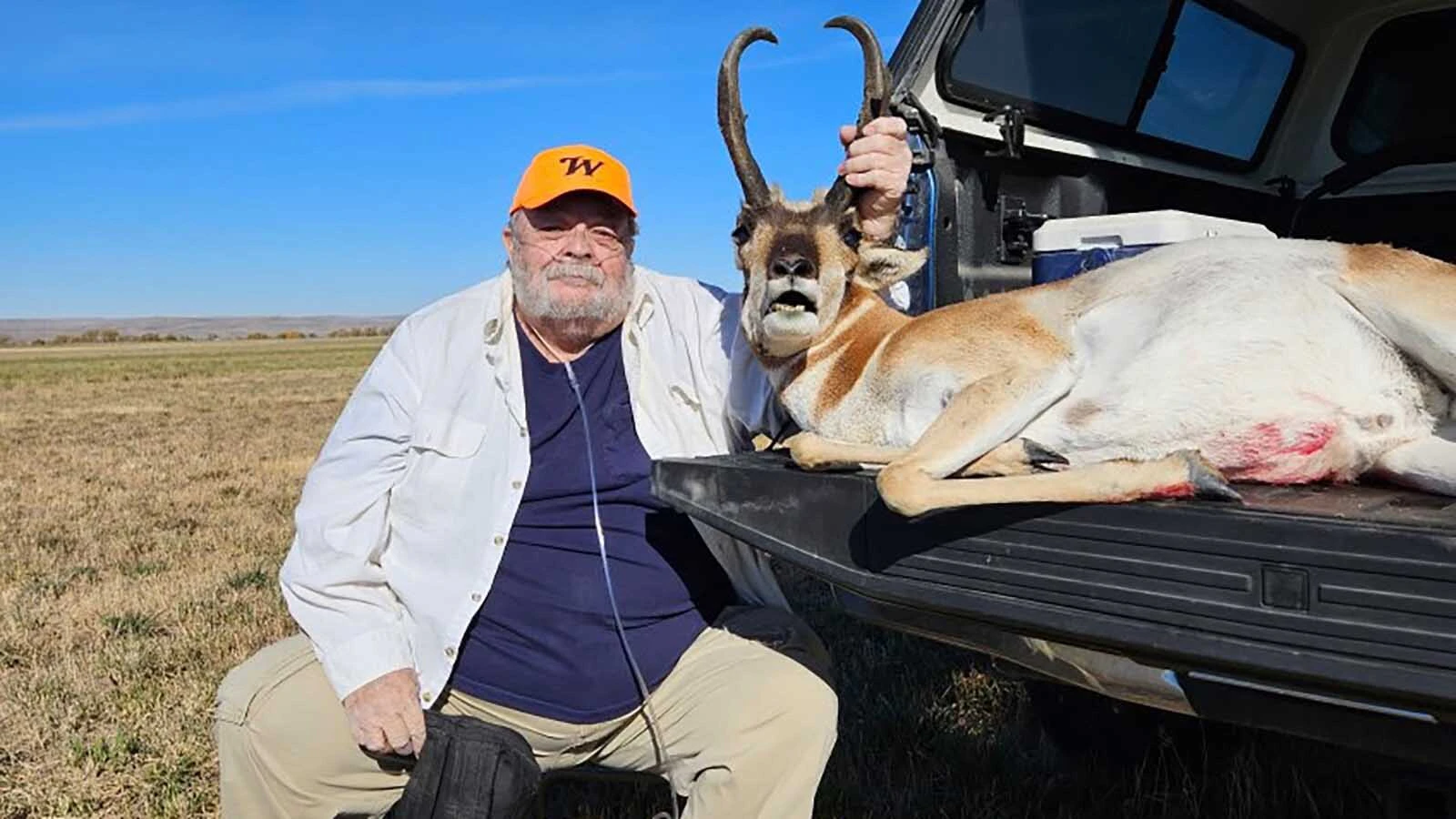
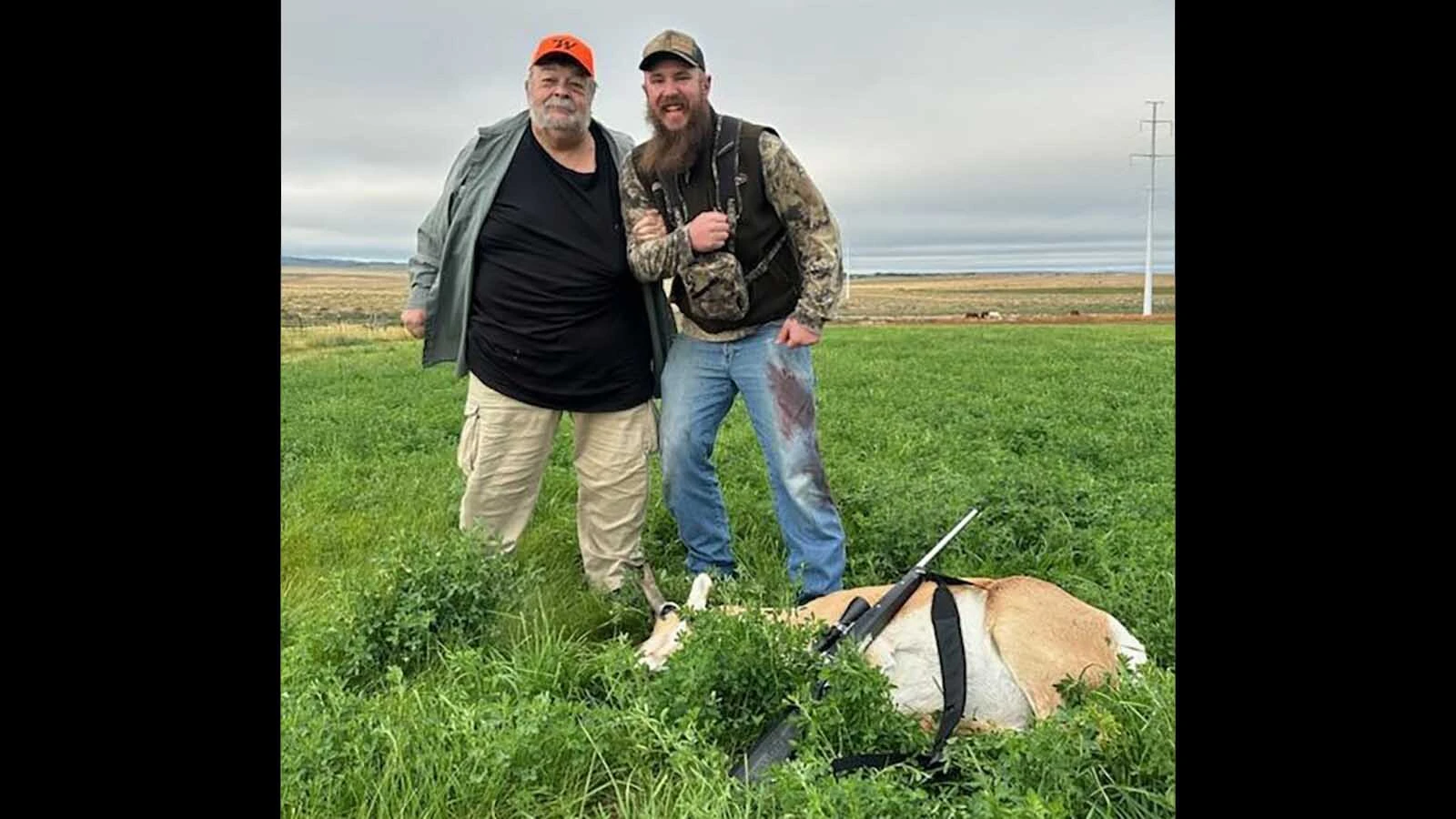
Hunting With Heroes guide Judson Thoren of Casper told Cowboy State Daily that over the past few years, he’s formed a close bond with Vietnam veteran Kent Kimble, who also lives in the Casper area.
A local rancher donates his antelope tag to Kimble, and Thoren takes him hunting on the rancher’s property.
“I want to keep hunting with him until he just can’t anymore,” Thoren said. "He’s always eaten wild game and I want him to keep doing so."
Kimble was born and raised in Wyoming. He was drafted into the Army and arrived in Vietnam on Feb. 18, 1970.
During the war, he was exposed to Agent Orange, which severely damaged his heart.
Upon returning home, he went to work for petroleum and coal mining companies and then was a custodian and bus driver for the Natrona County School District.
He developed severe back and knee problems, but his heart condition ruled out the possibility of surgery to correct them.
Kimble had hunted his entire life, but eventually had to give it up because of his mobility problems and a need to be on oxygen because of his damaged heart.
Hunting With Heroes, through the rancher’s donated antelope tag and access to the early hunt, allowed him to take it up again.
“It makes my entire year,” he said of his antelope hunts with Thoren.
Allowing veterans access to the early hunts is vital because it's quiet, without the competition of regular-season hunters, Thoren said.
"That puts us in a place with individuals, especially those with PTSD, where we’re hunting in a tranquil situation,” he said. "We don’t have other hunters who are out there firing off rifles."
Get Involved
Game and Fish Commissioner Fonzy Haskell told Cowboy State Daily that the proposed changes are hardly a done deal.
The commission and Game and Fish Department are responsive to public comment, he said.
The proposed changes might be coming from the department receiving comments from people who would like to see the regulations change. And Game and Fish is open to all points of view.
During his tenure on the commission, he’s seen the Game and Fish alter its proposals to the commission because of public comment.
“Please, people, get involved,” he said. "Your voices are heard.”
Mark Heinz can be reached at mark@cowboystatedaily.com.