
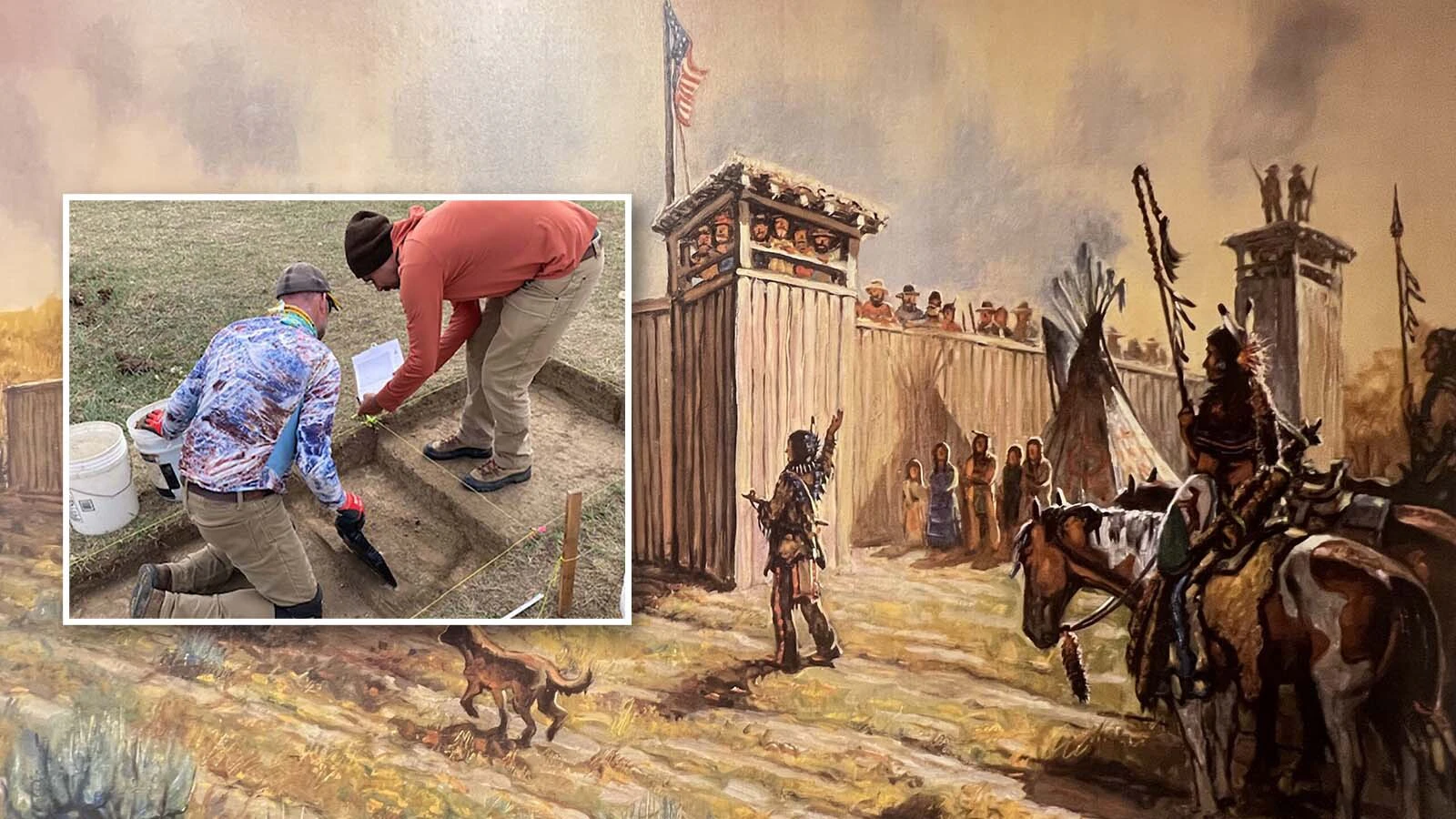
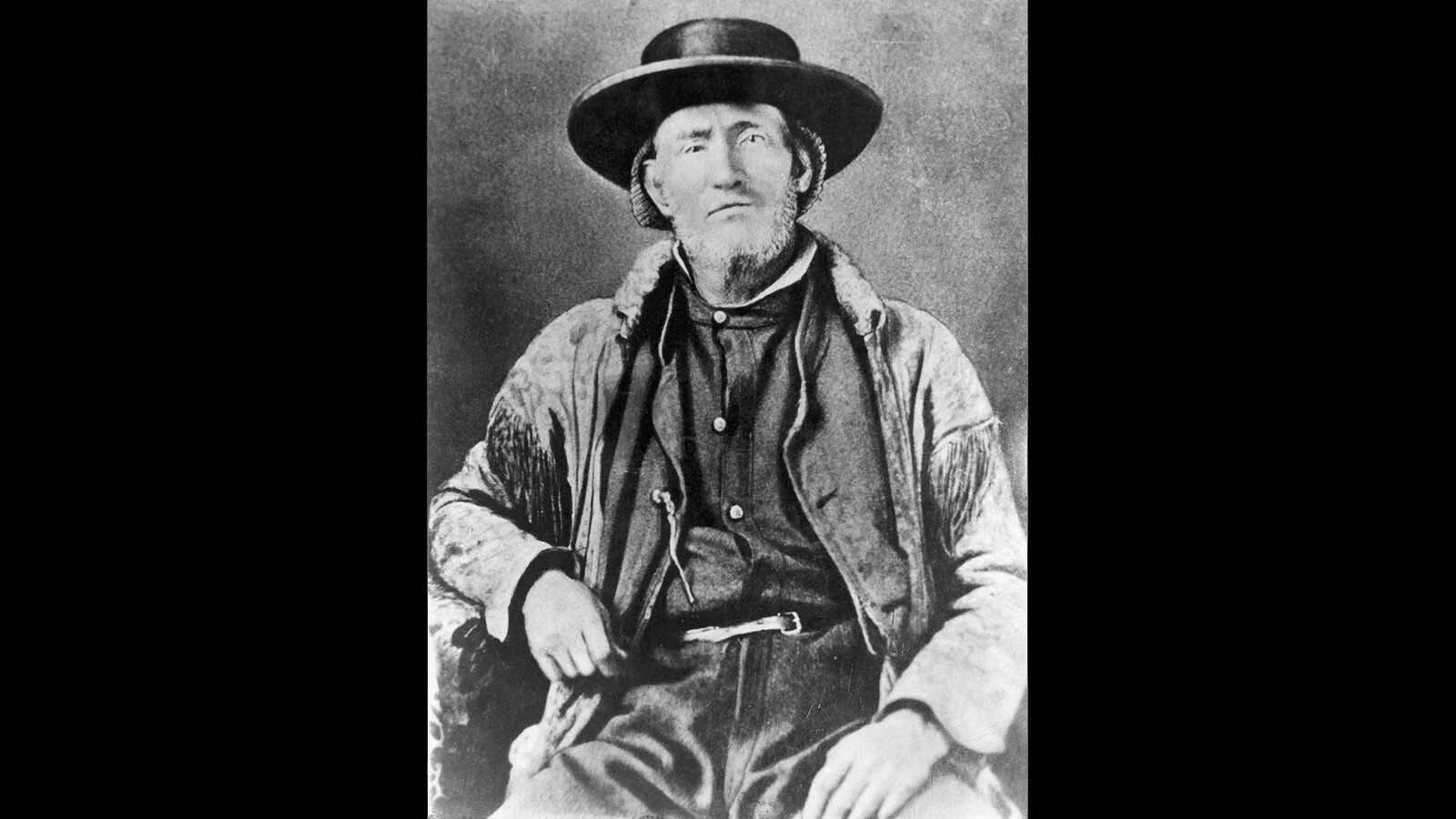
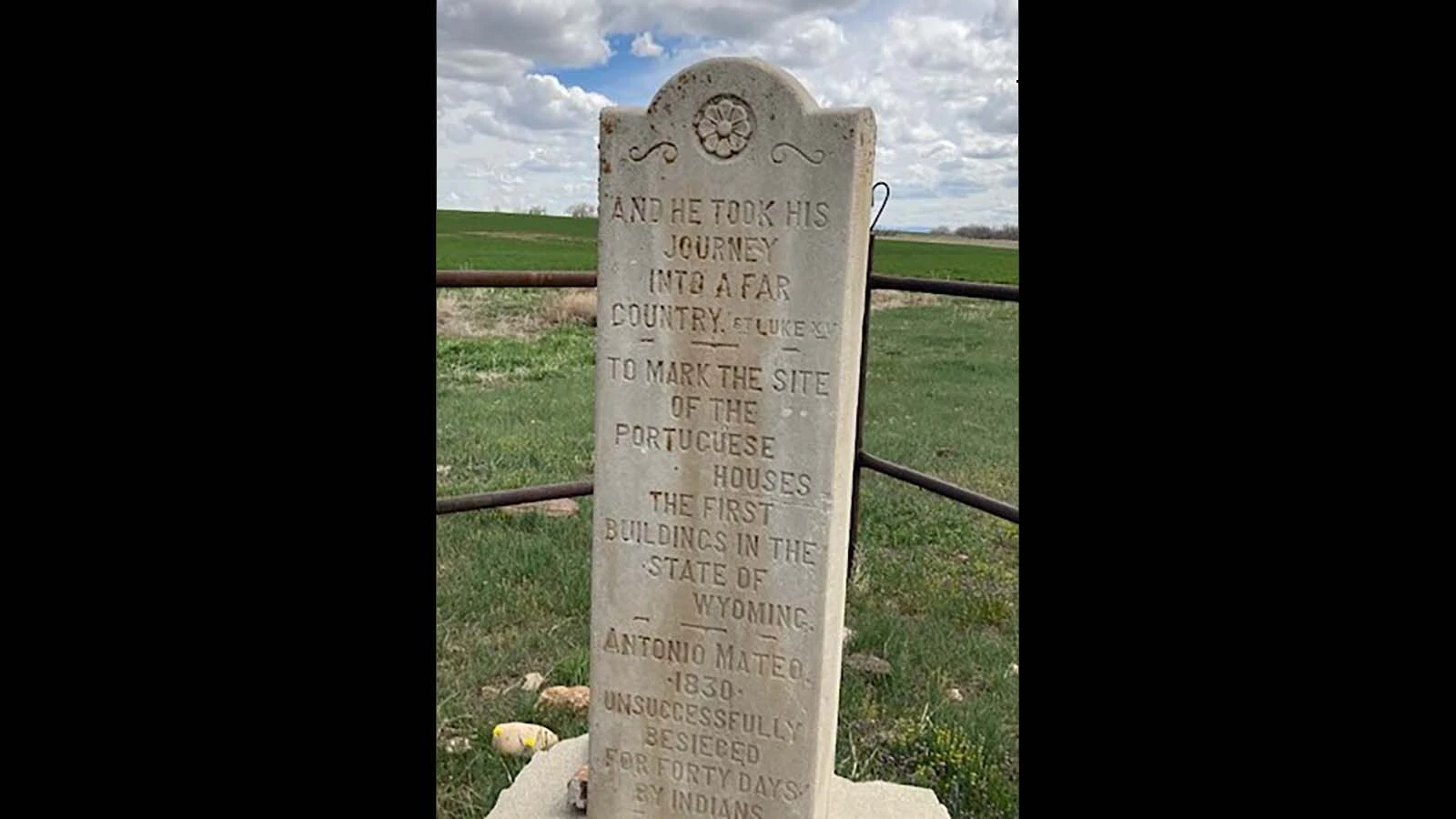
Jim Bridger, who had a reputation for telling tall tales, once said that the “Portuguese Houses” was a well-fortified fort along the Powder River that survived an attack by the Sioux for 40 days.
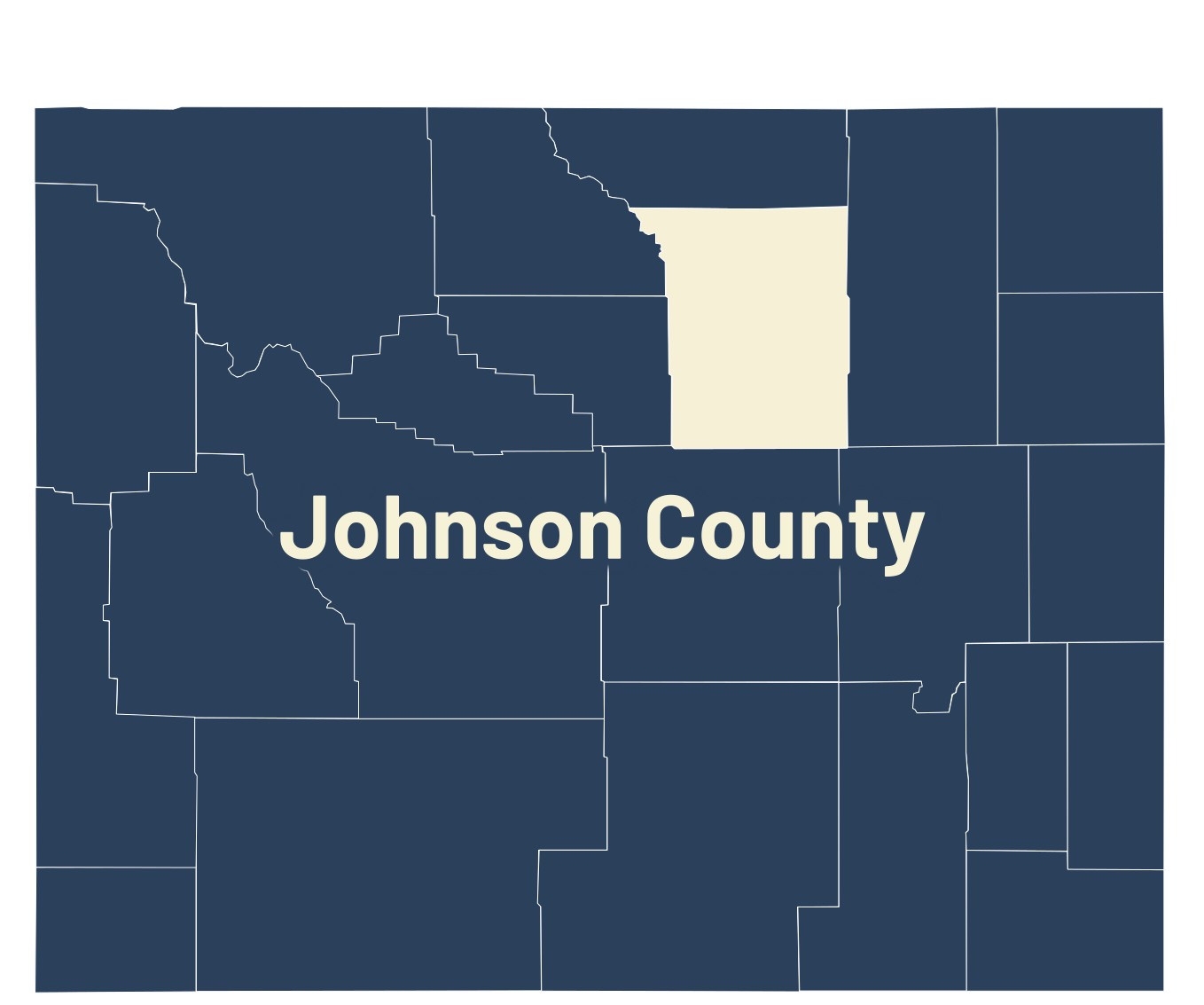
Recent archaeological studies at the site, located 11 miles from Kaycee, have found proof that this story may actually be rooted in more fact than fiction.
The Portuguese Houses was a fur-trading outpost founded by Antonio Montero, who was born in Oporto, Portugal.
He was employed by the American Fur Co. in the early 1830s and began working for Capt. Benjamin L.E. Bonneville by 1834, the year he founded the fort.
One of the original pioneers of the region, H.W. Davis, once told Johnson County historian Elmer Brock that Portuguese trappers put up the sturdy cottonwood log cabins along the river.
When they finished trapping for the season and went to leave, they would bury what extra powder they might have left to be sure that they would have some gunpowder on their return the next year.
“It was burying this gunpowder that gave Powder River its name,” Davis said.
Margaret Brock Hanson, author of “Powder River,” wrote that fur trader Montero received instructions from Bonneville to trap in Crow Indian country in the Big Horn Mountains in 1834.
He found that the Crow Indians there were very friendly and Hanson believed that this might have been due, partly, to the Crows hoping to have an ally against the Sioux, who were encroaching on their territory.
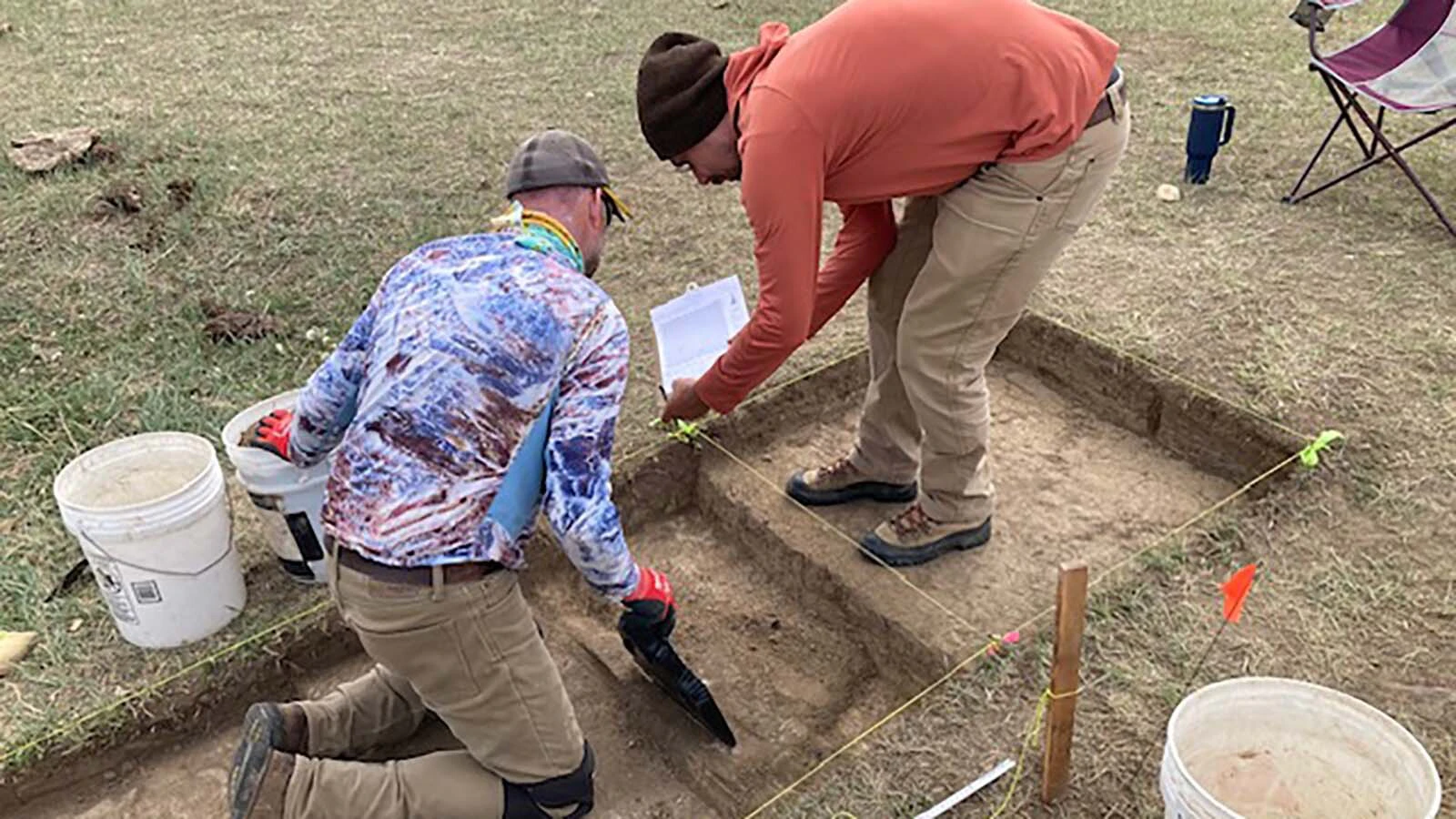
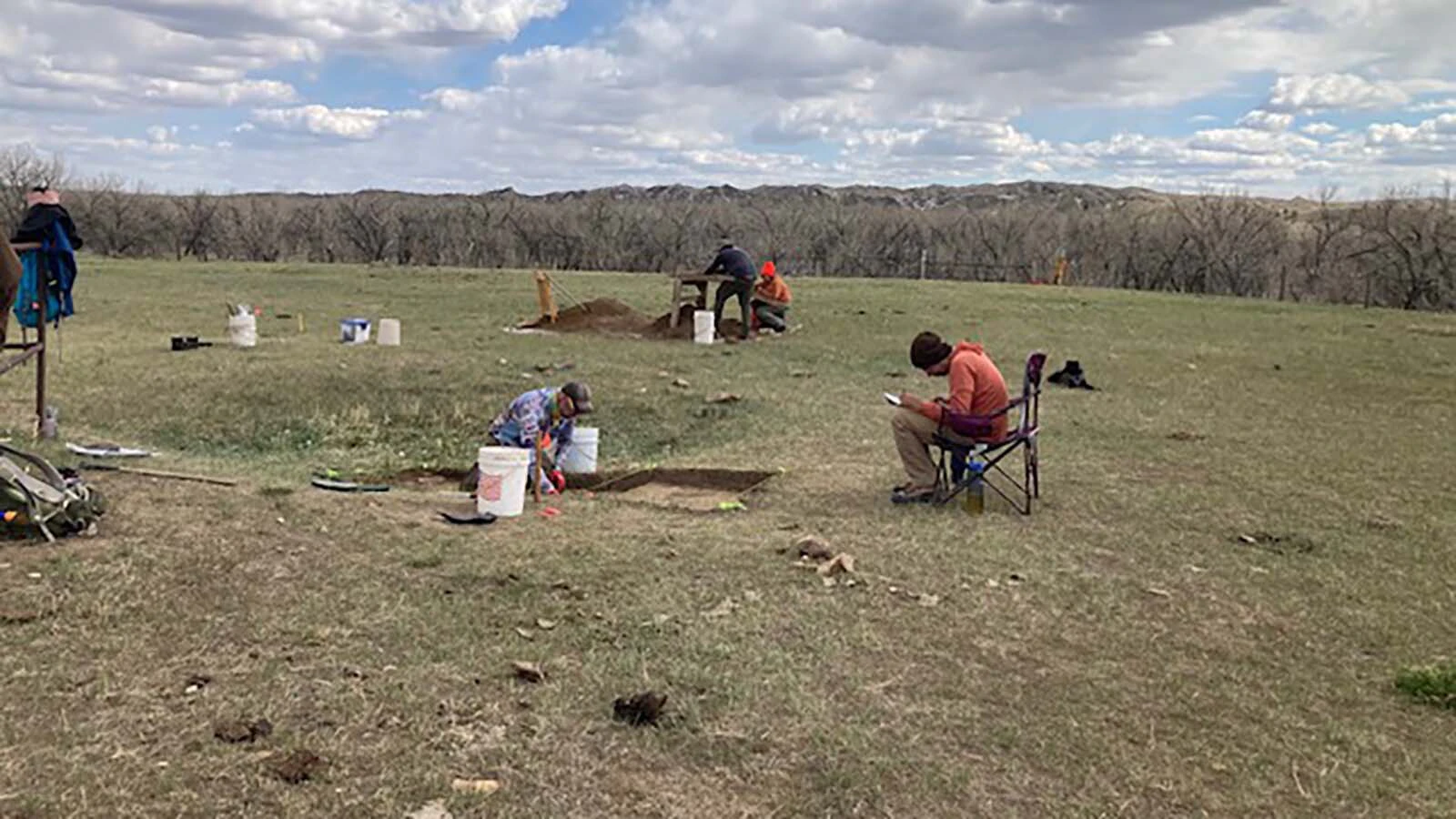
The ongoing excavation at the site is unearthing more about Wyoming’s oldest fur trading fort.
Fort Under Siege
Laurel Foster of the Hoofprints of the Past Museum in Kaycee said that Montero and the fort occupants were harassed constantly, and their horses often stolen.
He had a brigade of about 50 men and was a remote outpost intent on trading with mountain men and Indians.
A number of musket balls unearthed by volunteers surveying the site corroborate Bridger’s account of the Sioux assault.
“The fort was almost under constant attack by the Sioux,” Foster said. “Besides the Indians, life was made difficult by Jim Bridger, who was employed by the Rocky Mountain Fur Co.”
The famous mountain man purposely located his winter headquarters near the Portuguese Houses and spent the winter harassing his rivals.
“They competed with this fort for wood, game, and beaver,” Foster said. “Bridger’s Indian allies were also part of the Indian harassment Montero faced.”
Years after Montero left, Foster said the fort became known as the Portuguese Houses.
Mountain Men Rivals
The end of the fort came about due to stolen beaver pelts that violently set trappers against one another.
According to author Burns S. Binford, the trapping season of 1836 had been good, and early in December the trapping brigades were ready for winter quarters.
Bridger, Lucien Fontenelle, and Osborne Russell selected a site on Powder River for their camp.
Not far from the camp was Montero’s fur trading post, which by then consisted of a stockaded fort and several cabins.
The next year, a trading party came to the fort and discovered that some of their beaver skins had been stolen. The tracks indicated the thieves were Indians.
Binford wrote that the traders located the Indian village and demanded that the stolen furs be returned.
The Crows denied any knowledge of the thefts and refused to comply. The angry trappers surrounded the village and captured several Indians. The prisoners were held until the missing furs were returned.
Russel wrote in his journal that in December 1837, trapper Fontanell had recovered the pelts from Montero, who had received them in trade from a local Crow village.
“We went to the cabins and asked Mr. Montero that if he had to trade beaver skins to Indians with our men’s names fixed upon them, knowing them to be stolen or taken by force from the whites, and asked him to deliver them to me, which he refused to do,” Fontanell said.
Fontanell then ordered Montero to give him the key to his warehouse, which Montero reluctantly did.
Without further objections, Fontanell’s clerk sorted through the pelts and took the ones bearing the marks of Fontanell’s men.
The hostile relations between the trappers and the Portuguese traders became so serious that Montero abandoned his fort by 1840 and left the Powder River country, according to Binford.
To add to Montero’s troubles, he had other financial difficulties with the Office of Indian Affairs that denied him his fur trading license in 1838.
Remnants Of A Fort
The Portuguese Houses continued to be a stopping point for many travelers, Binford wrote.
“It was just a good camping area so many travelers such as Sir Gore, led by Jim Bridger, stopped at the site on his big hunting expedition,” Foster said. “Captain William Raynolds with the Army Corps of Engineers, stopped there, also led by Bridger in 1859.”
“After a ride of about 15 miles we came to the ruins of some old trading posts, known as the ‘Portuguese Houses,'” Raynolds wrote in his report. “They are now badly dilapidated, and only one side of the pickets remains standing.”
However, Raynolds said they were of heavy logs, and from their character it was evident that the structures were originally very strongly built.
“Bridger recounted a tradition that at one time this post was besieged by the Sioux for 40 days, resisting successfully to the last all the strength and the ingenuity of their assaults, and the appearance of the ruins renders the story not only credible, but probable,” Raynolds wrote.
Foster said that they discovered what happened to Montero after he left the region. The former fur trader married and had two children, living the rest of his days in Texas.
Digging Up History
Even though not many stories survived from the fort, the location was preserved by private landowners who valued the history that has been slowly eroding away.
In 1928, a monument was erected by permission of landowner John Esponda, who kept the space from being torn up or trampled.
“We greatly appreciate the landowners,” Foster said. “This is on private land, and it has been protected by multiple landowners over the last two centuries.”
The current landowner has allowed archaeological work there for the past two years.
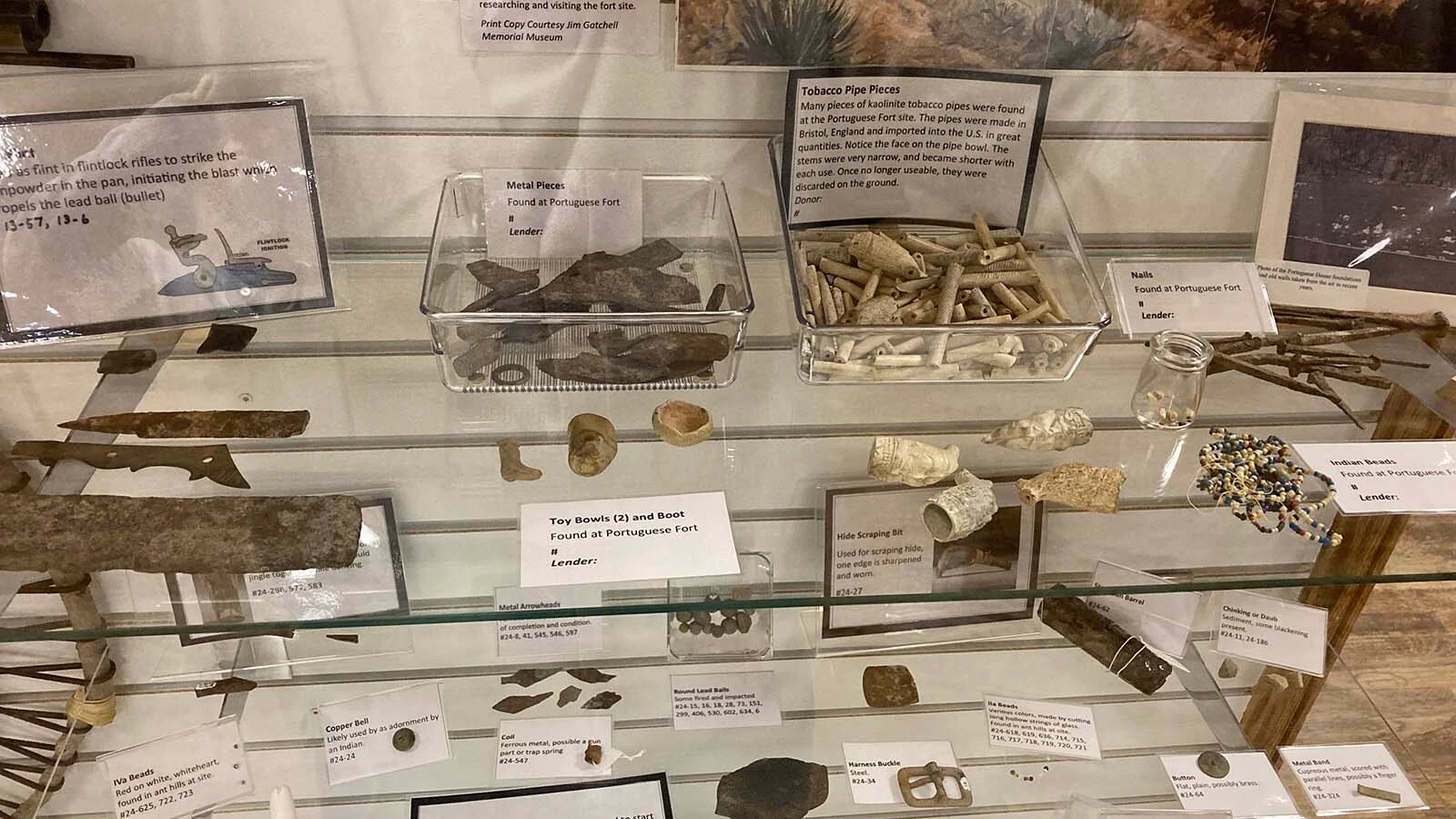
The artifacts have been taken to the Kaycee museum for display and to be stored. More than 700 items have been excavated, including beads, metal arrowheads, gunflints, clay pipes, nails, musket balls and other trade goods.
“An interesting thing they found is strike rivets, which are specifically for boats,” Foster said. “They brought these strike rivets possibly with the intention of shipping the goods out by boat on the Powder River, which would have been possible based on the water levels of the Powder River at that time.”
Foster said the historical site is especially important because it is one of the earliest in the state.
The artifacts they have uncovered substantiate the few reports that have survived and prove that Bridger was telling at least some truth and not just tall tales.
“There's really nothing left of the fort, and so what we have been able to bring out of the ground is valuable,” Foster said. “We lose enough history in our society today, so we are grateful we can preserve what we can.”
Contact Jackie Dorothy at jackie@cowboystatedaily.com
Jackie Dorothy can be reached at jackie@cowboystatedaily.com.


