Across the United States, family-owned milk cow operations are disappearing as dairy operations overall are growing physically larger.
U.S. Department of Agriculture Census of Agriculture data shows that North Dakota’s dairy sector has shrunk from 1,810 farms in 1987 to 24 now. That’s a 98.7% decline in less than 40 years.
But dairy operations in Wyoming paint a completely different picture. That’s because most of Wyoming’s milk-cow operations do not function as commercial dairies, said John Hewlitt, a farm/ranch management specialist at the University of Wyoming.
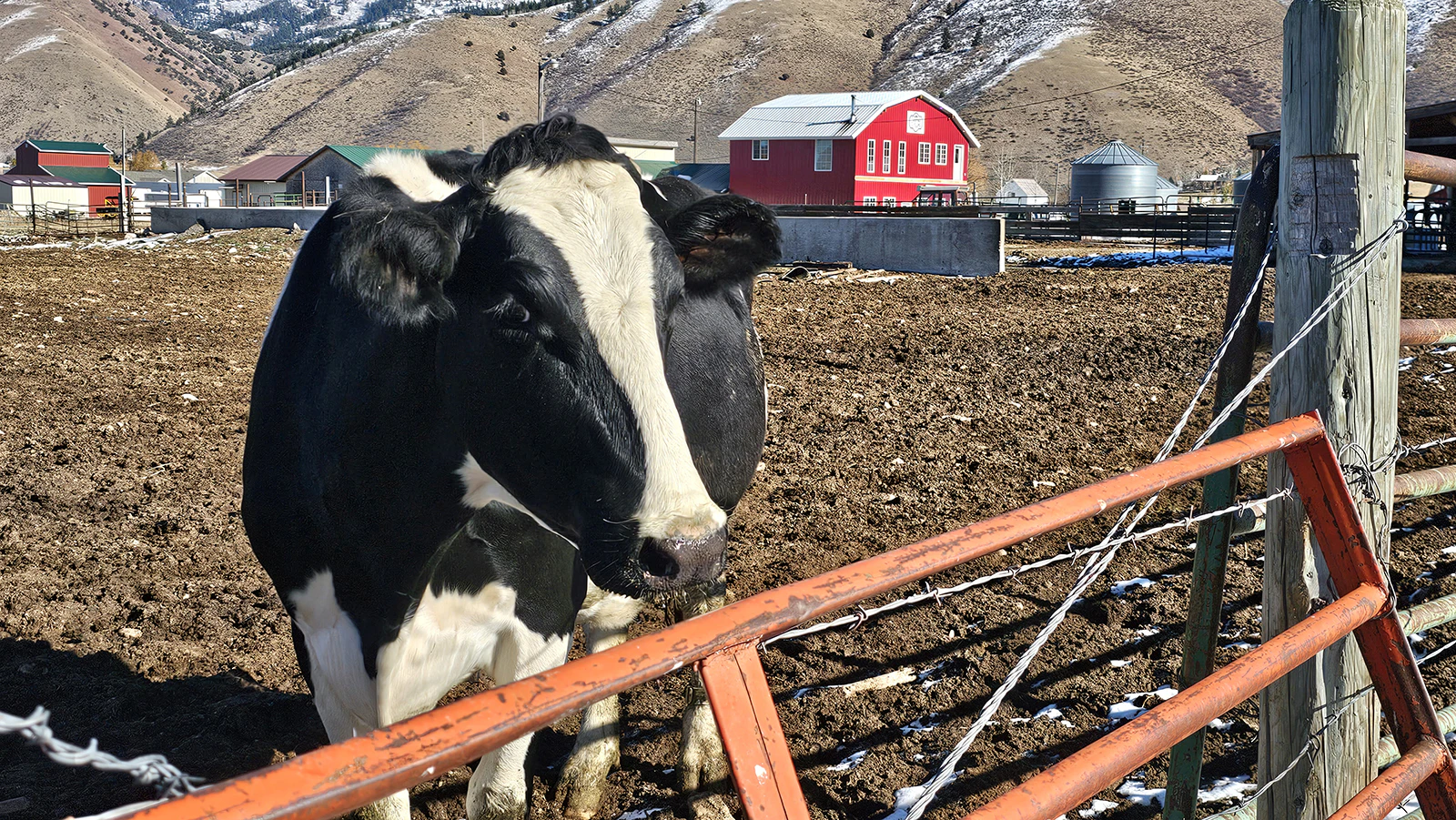
Those are farmers like John Shumway, who operates Shumway Farms in Star Valley near the Wyoming-Idaho border.
This year, he will have 60-80 cows to milk.
“Anymore, a small dairy farm is considered 1,500 to 2,000 cows,” he said. “For me, growing up in this, I think getting to 100 cows would be pretty big.”
By The Numbers
Nationally, 39% of dairy farms disappeared between 2017 and 2022, according to the USDA Census of Agriculture. The data was released in February 2024 and represents the most recent available.
The disappearance of dairy farms does not mean less milk is being produced in the U.S. Instead, it shows the industry moving toward fewer, larger and more-efficient commercial operations to stay profitable.
While the dairy farms across Wyoming don’t necessarily follow that trend, its farmland in general does.
Hewlett said that the number of Wyoming farms decreased by 12% between 2017 and 2022, while the average farm size increased by 12%.
“Put simply, most of the land stayed in agriculture, but it was held in fewer operations,” he said.
Dairy is only a small component of Wyoming’s ag economy, Hewlett said, ranking 42nd of the 50 states. What it lacks in dairy production it makes up in beef production, ranking 18th in cattle and calves.
“Wyoming ranks low in dairy largely because it has very little commercial dairy production, not simply because it has few cattle overall,” Hewlett said.
Where Small Dairies Rule
In 2022, the state reported 157 farms with milk cows, and of those, 26 farms reported any milk sales at all. Hewlett told Cowboy State Daily that shows Wyoming’s milk-cow operations are not functioning as commercial dairies.
Wyoming’s largest dairy operation is Burnett Enterprises in Carpenter. The dairy milks around two-thirds of Wyoming’s 9,000-some dairy cattle. That’s 6,200 cows per day — 800 every hour — and 66,400 gallons of milk per day.
Kim Burnett, one of the owners, declined to speak with Cowboy State Daily for this story.
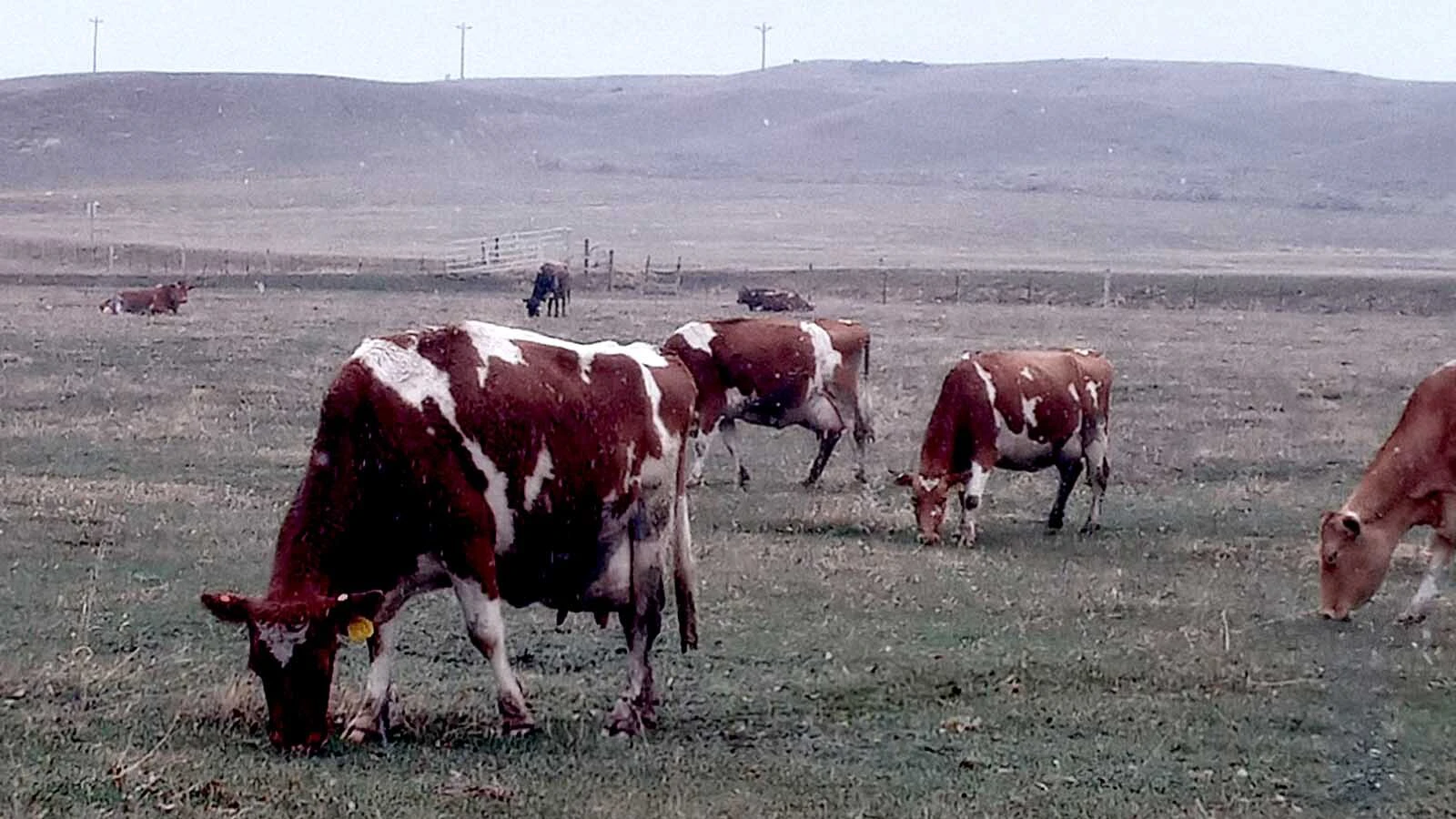
Tracie Budd, who owns Ooh La La Dairy outside Gillette, remembers when small dairy farms populated the state.
There were three dairy farms around Wheatland when she was growing up, she said, and multiple dairies around Sheridan. Now, most of those dairies have disappeared.
This week, Budd announced to her customers that Ooh La La Dairy would be raising its prices for the first time since the farm opened for business five years ago.
With costs rising on everything from fuel to hay and barley, Budd said the dairy had no other choice.
The cows themselves, much like beef cattle of late, have increased exponentially in value. Budd said her family paid $1,200 for a guernsey cow five years ago. Today, the average guernsey costs $4,500.
“There is just no way to keep going at our current prices,” she said.
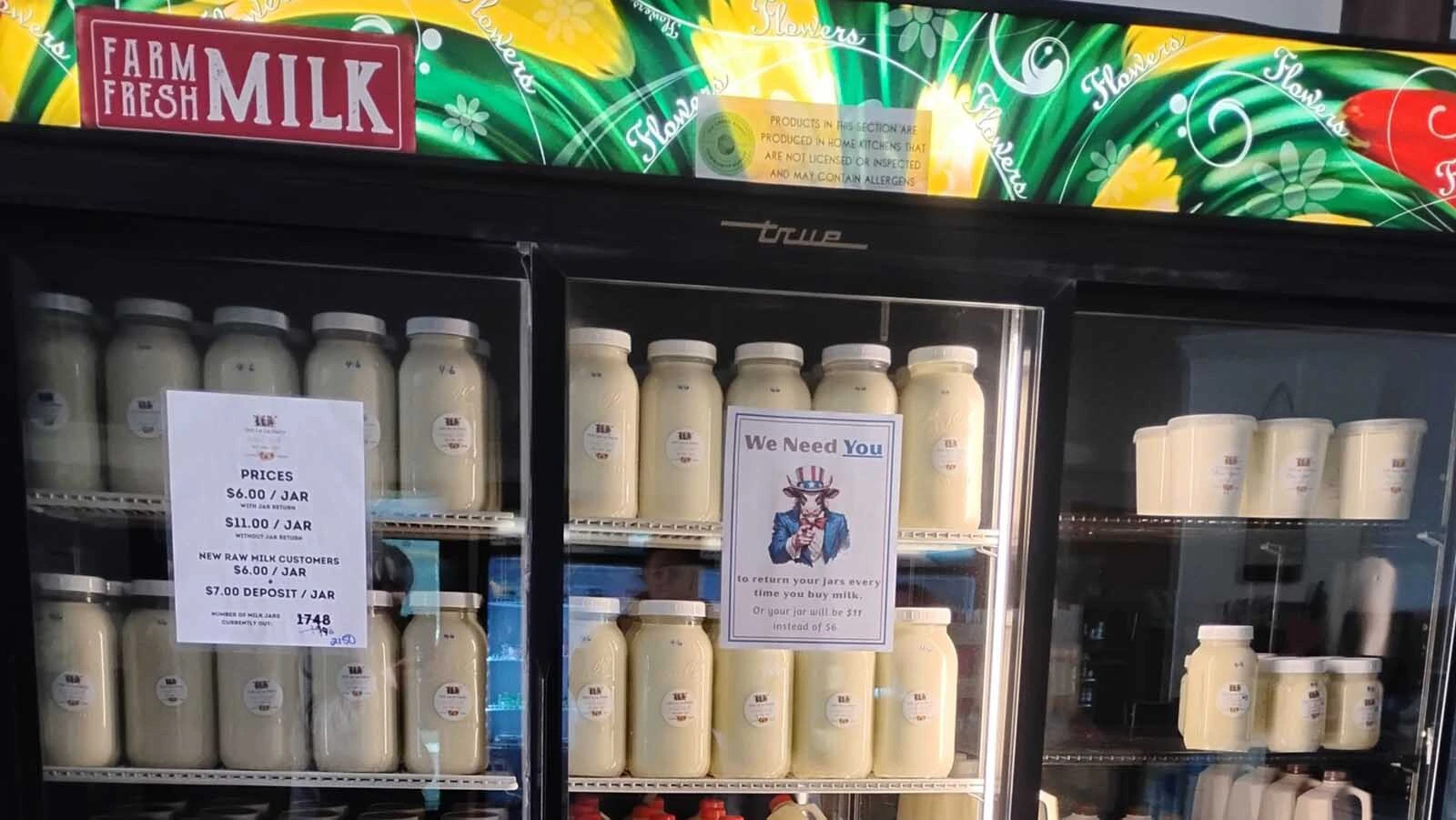
Among the products the dairy sells is raw milk. The dairy’s price increases, which Budd said took effect Thursday, will raise the cost of a half gallon of raw milk from $6 to $7.
Budd told Cowboy State Daily her family didn’t set out to own a dairy. They owned three milk cows, which they used as nurse cows on their ranch.
“It kind of just took off,” Budd said.
Now the farm owns just shy of 20 cows.
The Shumway Legacy
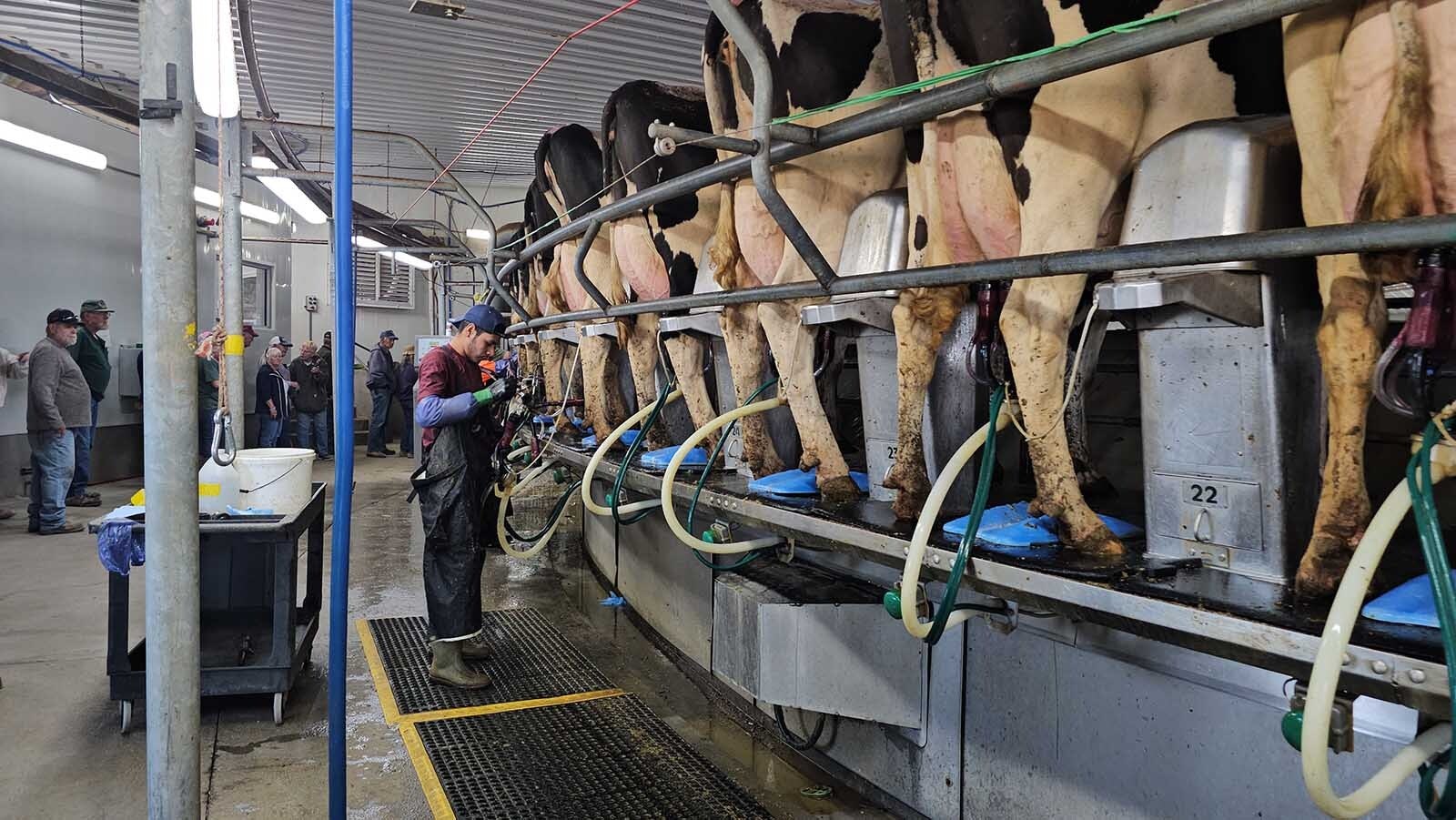
Shumway Farms is a direct-to-consumer dairy that has found a way to make a small Western dairy farm survive across six generations.
It is the last dairy left standing in Star Valley, an area that once encompassed multiple family-owned dairies and a cheese factory.
“Our customer would be someone who wants to know where their food is coming from and who’s maybe a little more conscious of their selection. That’s kind of who we’re after,” said John Shumway, who represents the sixth generation of his family’s name in dairy farming.
“We’re a longtime dairy family,” he told Cowboy State Daily.
Of those six generations, Shumway said a couple of them survived solely off dairy farming, but his father, Jody, was not one of them.
Neither is John.
Alongside the dairy, Jody Shumway had an insulation business and a garage door business. Eleven years ago, John and his father started making ice cream and yogurt.
For a while, they tried to sell direct-to-consumer meat. But that was still hard to turn a profit, John Shumway said.
Both John and his father experimented with various business models throughout the years, even selling pasteurized milk in returnable glass bottles for a short time.
It’s difficult to make a living in the dairy industry in Wyoming with a small operation, he said, because all the markets are a distance away and farmers are limited to what crops they can grow.
“There are just a lot of challenges here in our area,” Shumway said.
In 2015, Shumway said the farm “regrouped and changed things around.”
“Fast-forward 11 years and we feel we’re breathing and have our head above water a little bit,” he said. “Now we’ve reined it all in and are 100% focused on the dairy.”
Sell Direct
This summer, Shumway Farms will milk 55-60 cows, he said. Historically, the farm has had 60-80 commercial cows.
It scaled back as it tried to regroup and has slowly been building up the milk cow herd since. Shumway said he hopes the market will meet 80-100 cows in the near future.
“I think it will,” he said. “We really haven’t even scratched the surface of what our market could be.”
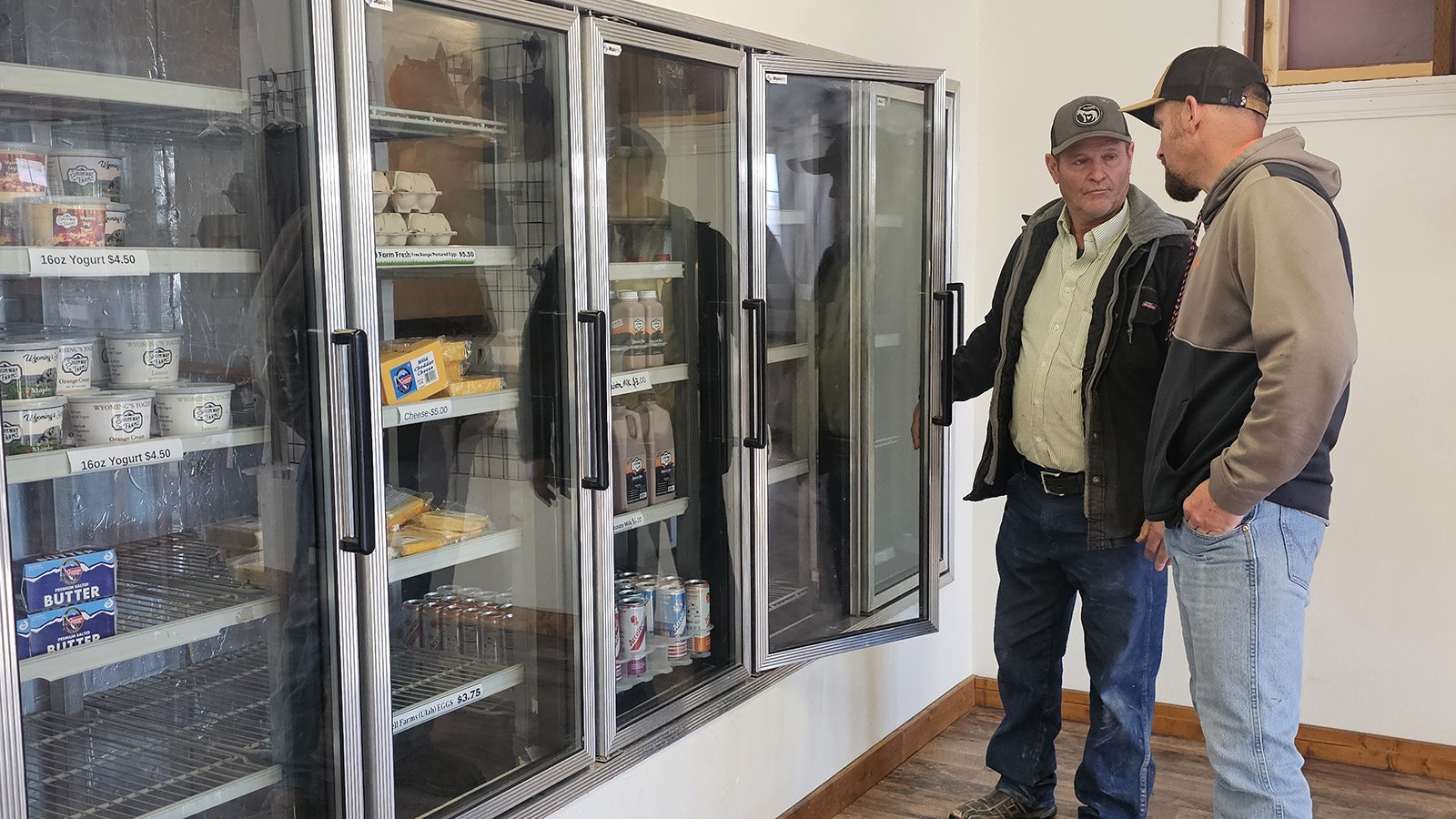
Today, everything produced on the Shumway Farm can be sold on a retail level, direct to consumer.
Shumway said he sells his milk, yogurt and ice cream to many small locally owned grocery stores. Jackson is one of the farm’s larger markets. A grocery store in Riverton buys yogurt from the farm.
“We’re slowly scattering out across the state of Wyoming,” he said. “We try to keep our prices still relatively competitive.”
Because the farm is so isolated, distribution is a consistent problem.
“The logistics of Wyoming is a challenge in and of itself,” Shumway said, adding that he would distribute more of the farm’s products to more places if he had a way to get them to those places.
Kate Meadows can be reached at kate@cowboystatedaily.com.