
A high-risk special forces rescue of a U.S. fighter pilot in Iran earlier this month echoed war games held in Wyoming in 2023, when the military turned a remote, windswept stretch of Highway 287 near Rawlins into a simulated rescue mission for a downed pilot.
The exact operational details of the Iran mission remain classified, and Air Force spokesmen were careful not to comment beyond prepared statements when Cowboy State Daily called to ask about the training exercise.
But several military analysts have highlighted similarities between the 2023 training exercise in Wyoming and the real-world rescue mission in Iran on April 5.
The exercise in Wyoming "gamed out” how military teams could quickly and efficiently refuel and re-arm their combat aircraft under austere, rugged conditions, working in tight spaces with engines running and with no advance base, no large-footprint logistics and no line-hauled items.
In Iran, rescuers navigated many of the constraints that were elements of the training exercise — hostile territory, limited basing options, and the need to move fast and flexibly in a contested environment.
The exercise was not so much a script as a proof of concept to validate the idea that the military could create its own impromptu runway using existing infrastructure and successfully refuel and rearm without the more traditional support of an actual air base.
“An adversary that may be able to deny use of a military base or an airfield is going to have a nearly impossible time trying to defend every single linear mile of roads,” deputy mission commander Lt. Col. Dave Meyer said in 2023. “It’s just too much territory for them to cover, and that gives us access in places and areas they can’t possibly defend.”
Dubbed Exercise Agile Chariot, the joint-force, off-airfield combat simulation was historic in its size and scope, involving multiple aircraft and scenarios, according to the U.S. Air Force.
U.S. Air Force Airmen participate Exercise Agile Chariot, April 30, 2023, honing capabilities linked to Agile Combat Employment. Instead of relying on large, fixed bases and infrastructure, ACE uses smaller, more dispersed locations and teams to rapidly move and support aircraft, pilots, and other personnel to wherever they are needed. (Airman 1st Class Andrew Ancona) 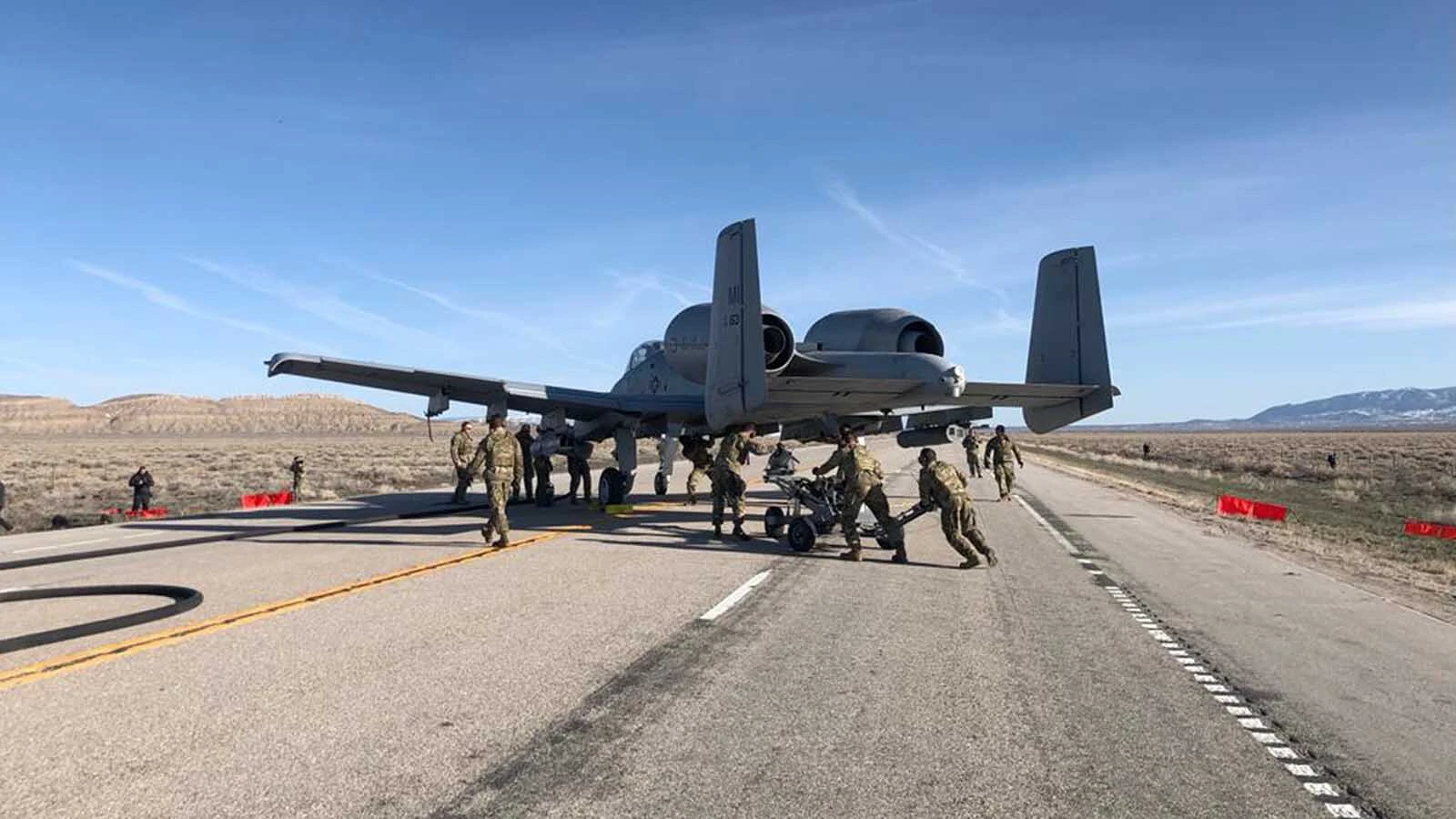
Members of the 127th Maintenance Group's "ACE" team, conduct integrated combat turns on an A-10 Thunderbolt II aircraft on a Wyoming highway as part of Exercise Agile Chariot, Apr. 30, 2023. The Selfridge Air National Guard-based team of Citizen-Airmen were invited by AFSOC to participate in exercise Agile Chariot, a training event that was historical, in part, due to the number and type of aircraft involved. The ACE team supported landings and takeoffs of the MC-130J, MQ-9 Reaper and two of their own A-10 Thunderbolt II aircraft on Wyoming Highway 287. (U.S. Air Force) 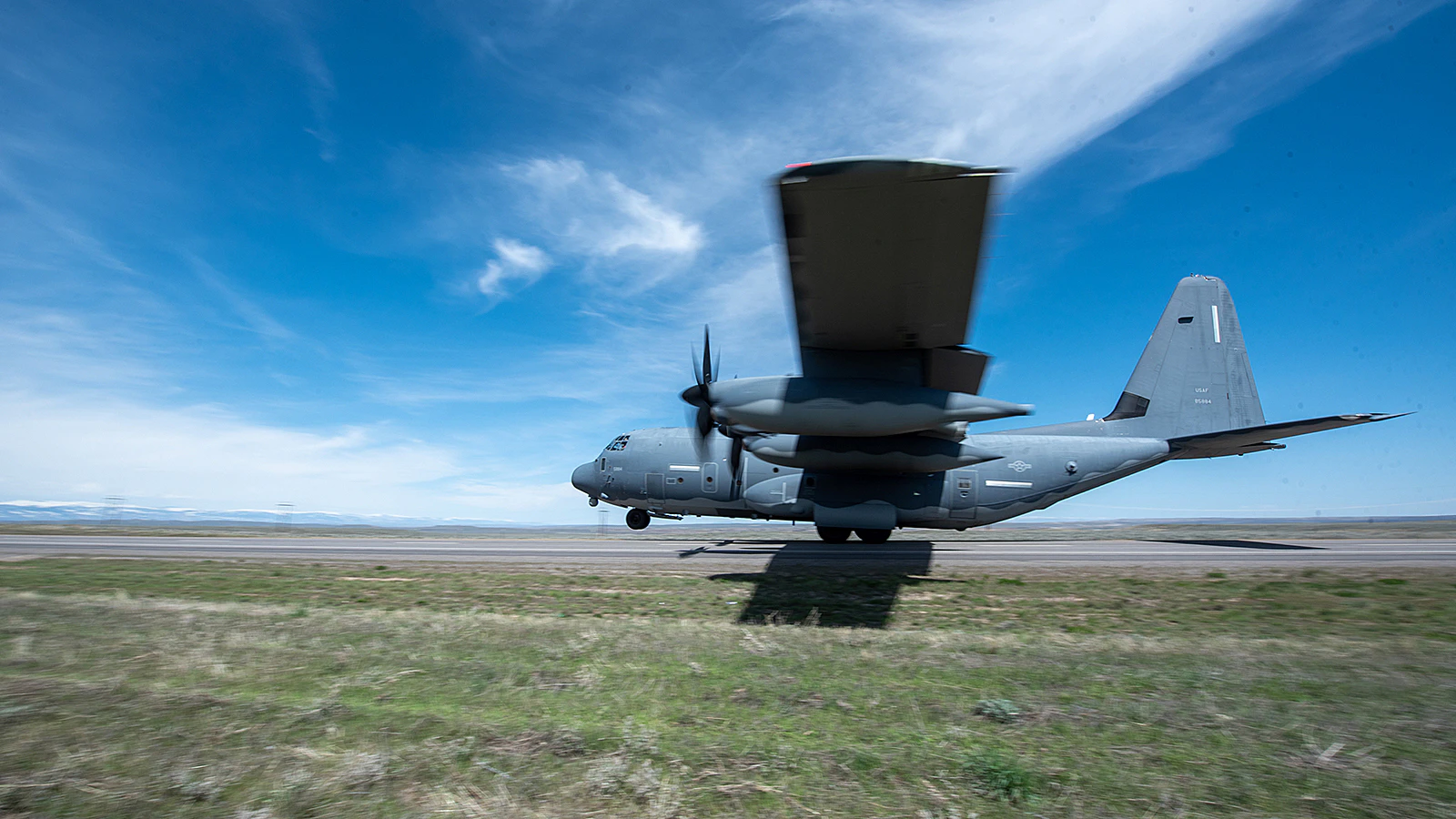
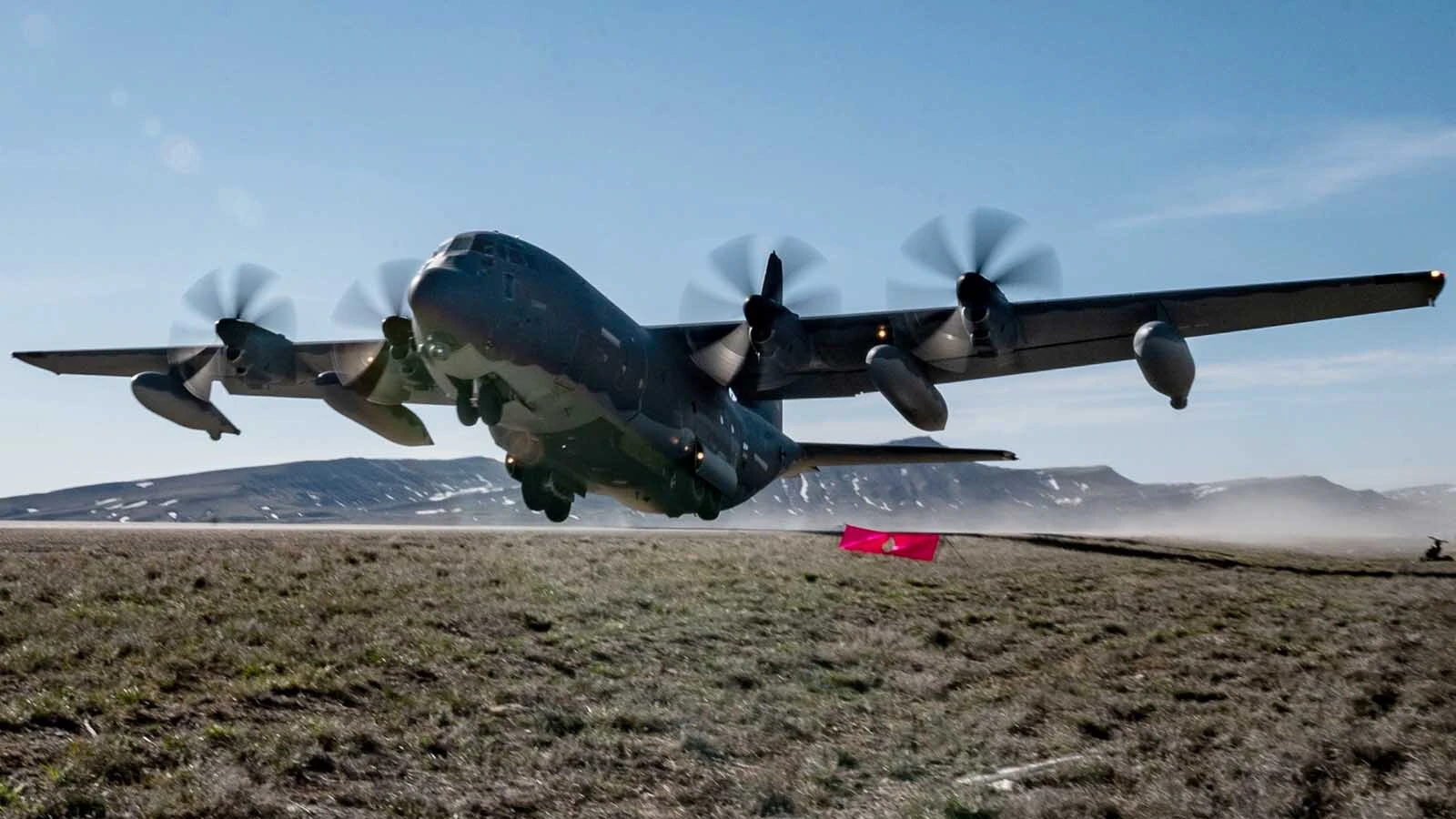
An MC-130J Commando II from the 1st Special Operations Wing takes off from Highway 789 during Exercise Agile Chariot near Riverton, Wyoming, May 2, 2023. Agile Chariot tested Agile Combat Employment capabilities, including using smaller, more dispersed locations and teams to rapidly move and support aircraft, pilots and other personnel wherever they’re needed. (U.S. Air National Guard photo by Master Sgt. Phil Speck) 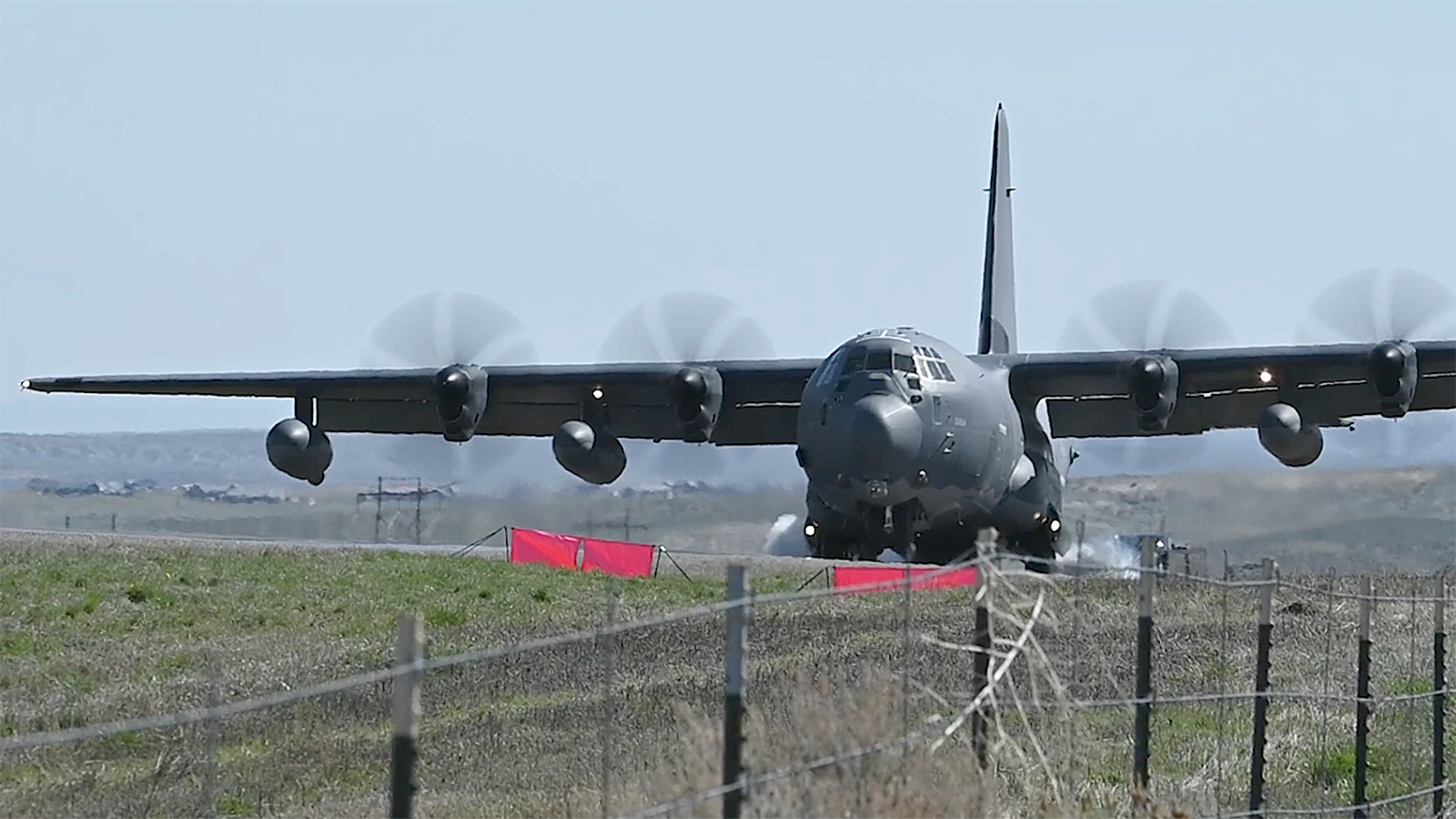
U.S. Air Force Airmen participate Exercise Agile Chariot, April 30, 2023, honing capabilities linked to Agile Combat Employment. Instead of relying on large, fixed bases and infrastructure, ACE uses smaller, more dispersed locations and teams to rapidly move and support aircraft, pilots, and other personnel to wherever they are needed. (Airman 1st Class Andrew Ancona) 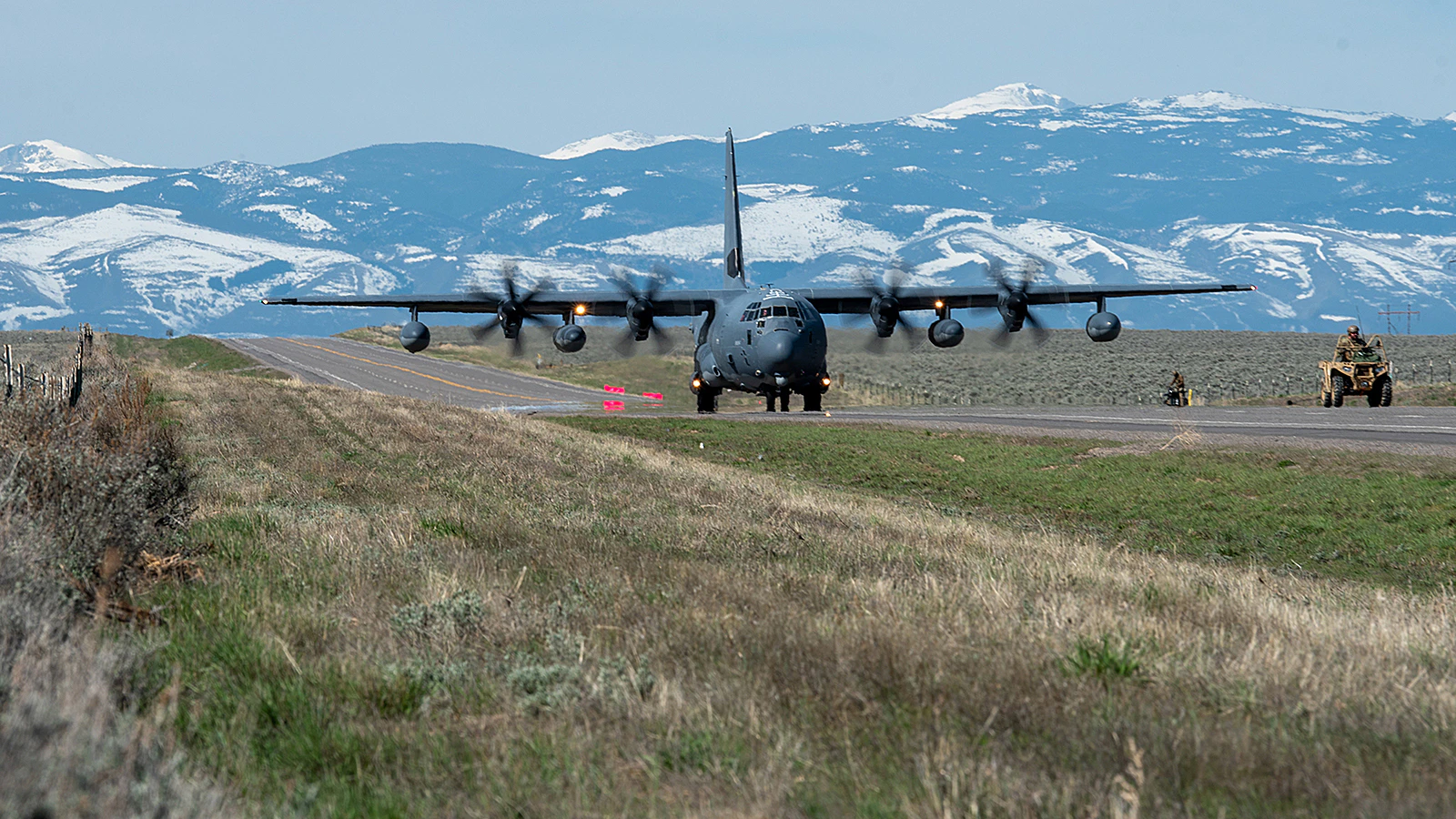
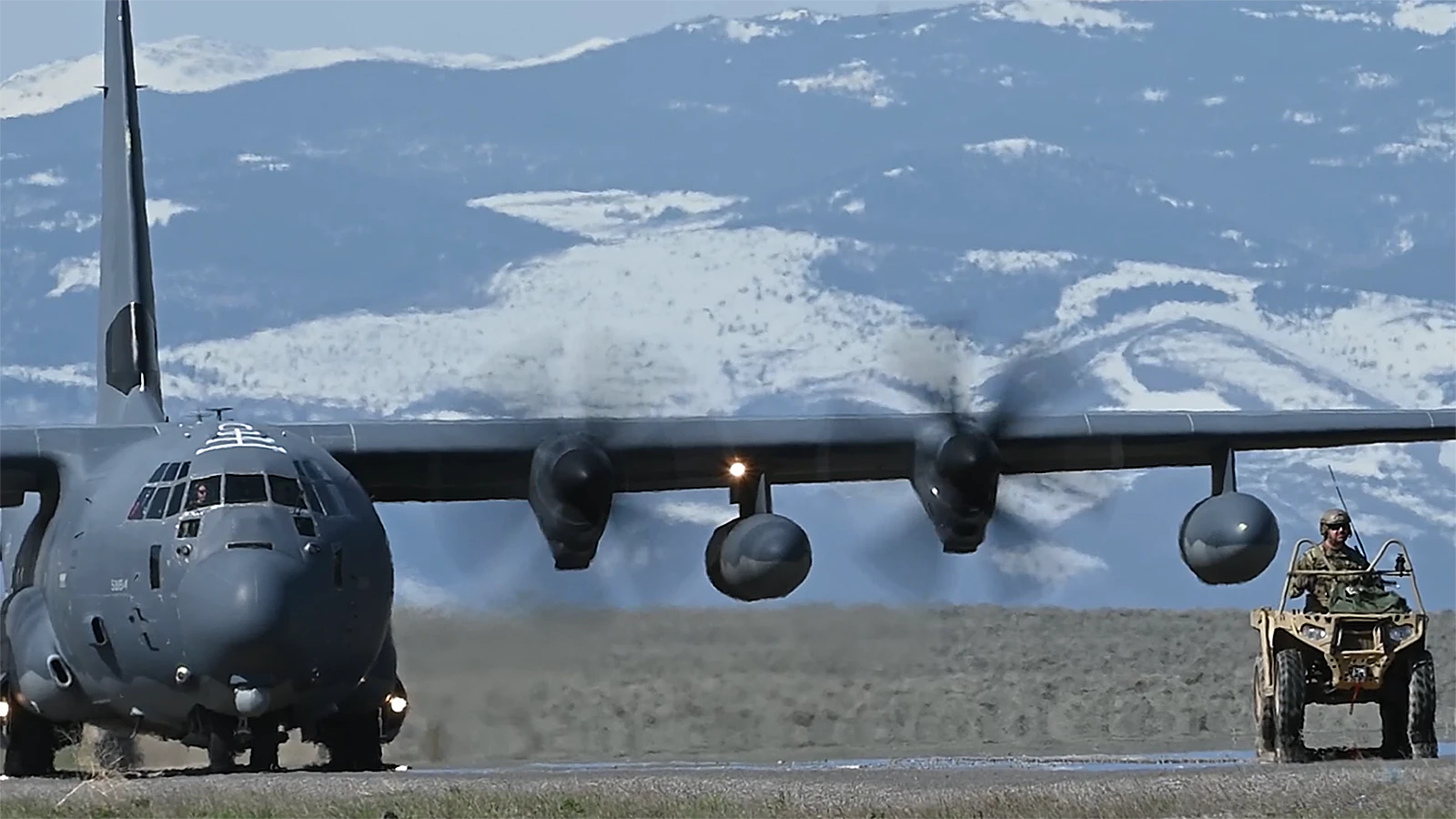
An MC-130J Commando II from the 1st Special Operations Wing taxis on Highway 789 near Riverton, Wyoming, May 2, 2023, during Exercise Agile Chariot. The exercise tested Agile Combat Employment capabilities, including using smaller, more dispersed locations and teams to rapidly move and support aircraft, pilots and other personnel wherever they’re needed. (U.S. Air National Guard photo by Master Sgt. Phil Speck) 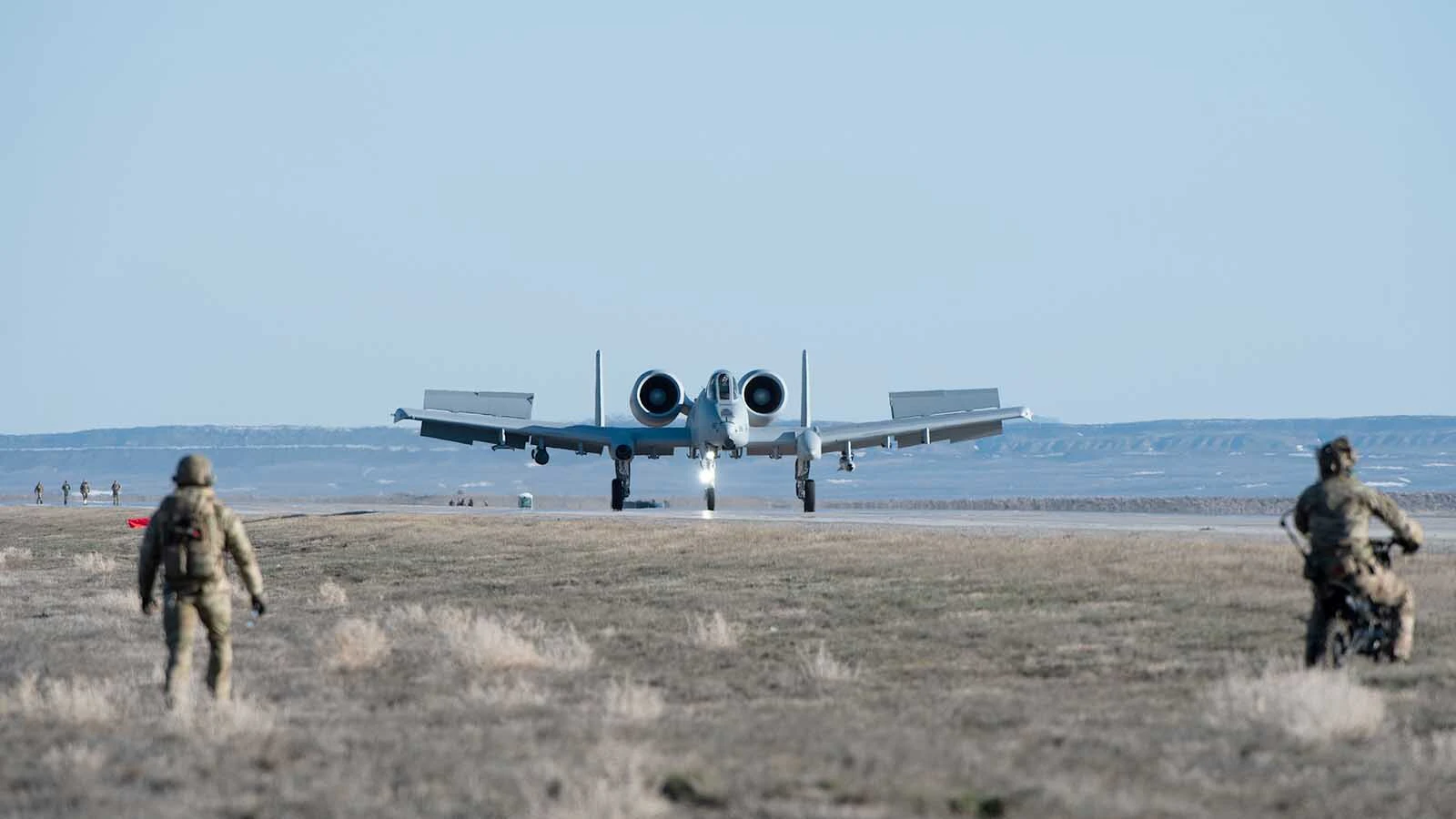
An A-10 Thunderbolt II Warthog lands on Highway 287 during Exercise Agile Chariot, near Rawlins, Wyoming, April 30, 2023. There are millions of miles of public roads in the United States, including federal, state, and local roads – with Agile Combat Employment, including Forward Arming and Refueling Point (FARP) and Integrated Combat Turnarounds (ICT), it becomes millions of miles of public runways, when necessary. (U.S. Air Force photo by Master Sgt. Cody H. Ramirez) 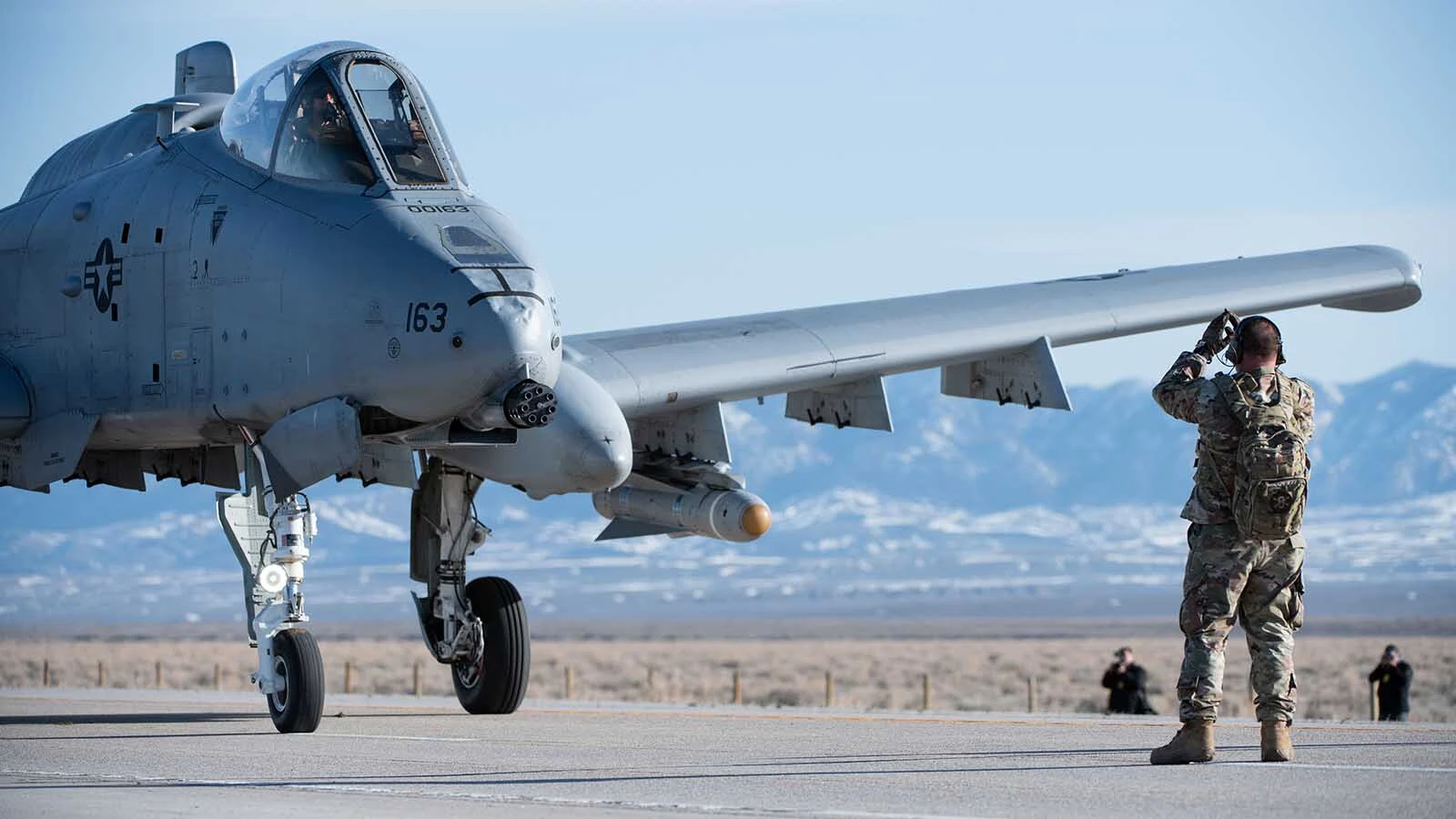
An A-10 Thunderbolt II lands on Highway 287 during Exercise Agile Chariot, near Rawlins, Wyoming, April 30, 2023. There are millions of miles of public roads in the United States, including federal, state, and local roads – with Agile Combat Employment, including Forward Arming and Refueling Point (FARP) and Integrated Combat Turnarounds (ICT), it becomes millions of miles of public runways, when necessary. (U.S. Air Force photo by Master Sgt. Cody H. Ramirez)
Realistic And Precise
Lenny Layman with Carbon County Emergency Management was there when the whole training exercise went down and helped plan some of the Wyoming logistics.
What he remembers is how energetic and urgent the training was at the time.
“Realistic is always part of the exercise,” he said, adding that generally speaking, the military and emergency management both use the Homeland Security Exercise Evaluation Protocol.
“That’s a way of building a very valuable, safe exercise that is typically objectives driven,” Layman told Cowboy State Daily. "And it builds in a process for control elements and a process for observers and public information — all of those things.”
As part of that process, SMART goals are set, an acronym that stands for specific, measurable, obtainable, realistic, and time sensitive.
“With every exercise, whether it’s a local fire department or this big Agile Chariot, you get the most out of it when the players put the most into it and treat it like it’s a real, live event,” Layman said. “Because then they’re practicing as if they’re going to war.
"They’re doing these things in a safer, controlled environment, but you’re treating the exercise like it’s real,” he said. "You’re doing things as you would. Mistakes can be corrected after the action, and nobody’s life is at stake.”
One thing the military is excellent at, Layman added, are improvement plans, or what Layman referred to as “after actions.”
“I do know that with an exercise the size of Agile Chariot, the after actions are cascading through all the armed forces,” he said. “Everyone hears about them.”
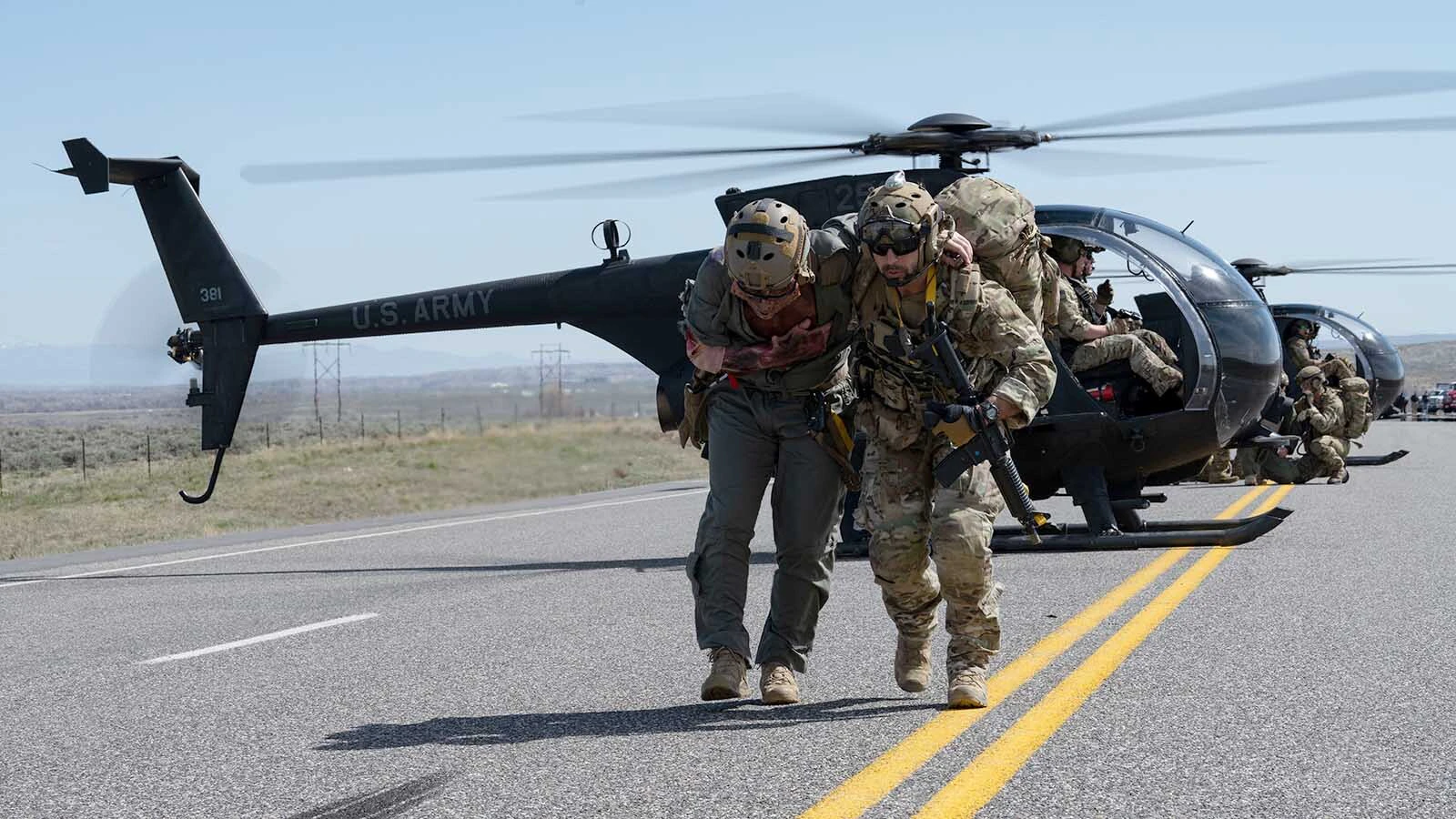
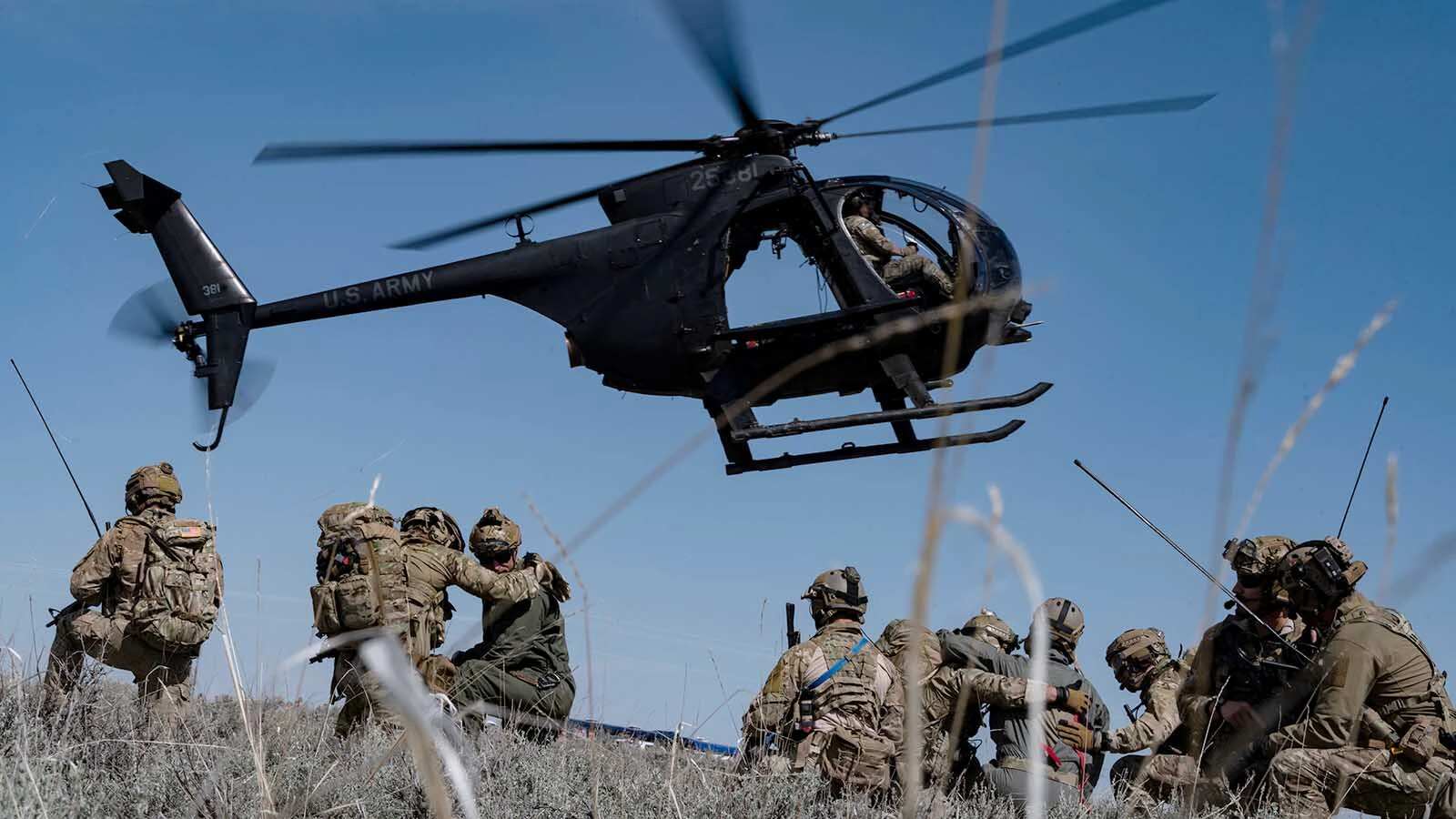
Members of the U.S. Army’s 160th Special Operation Aviation Regiment and U.S. Air Force’s 123rd Special Tactics Squadron participate in a search and rescue scenario as part of Exercise Agile Chariot, near Riverton, Wyoming, May 2, 2023. Agile Chariot tested Agile Combat Employment capabilities, including using smaller, more dispersed locations and teams to rapidly move and support aircraft, pilots, and other personnel to wherever they are needed. (U.S. Air Force photo by Senior Airman Natalie Fiorilli) 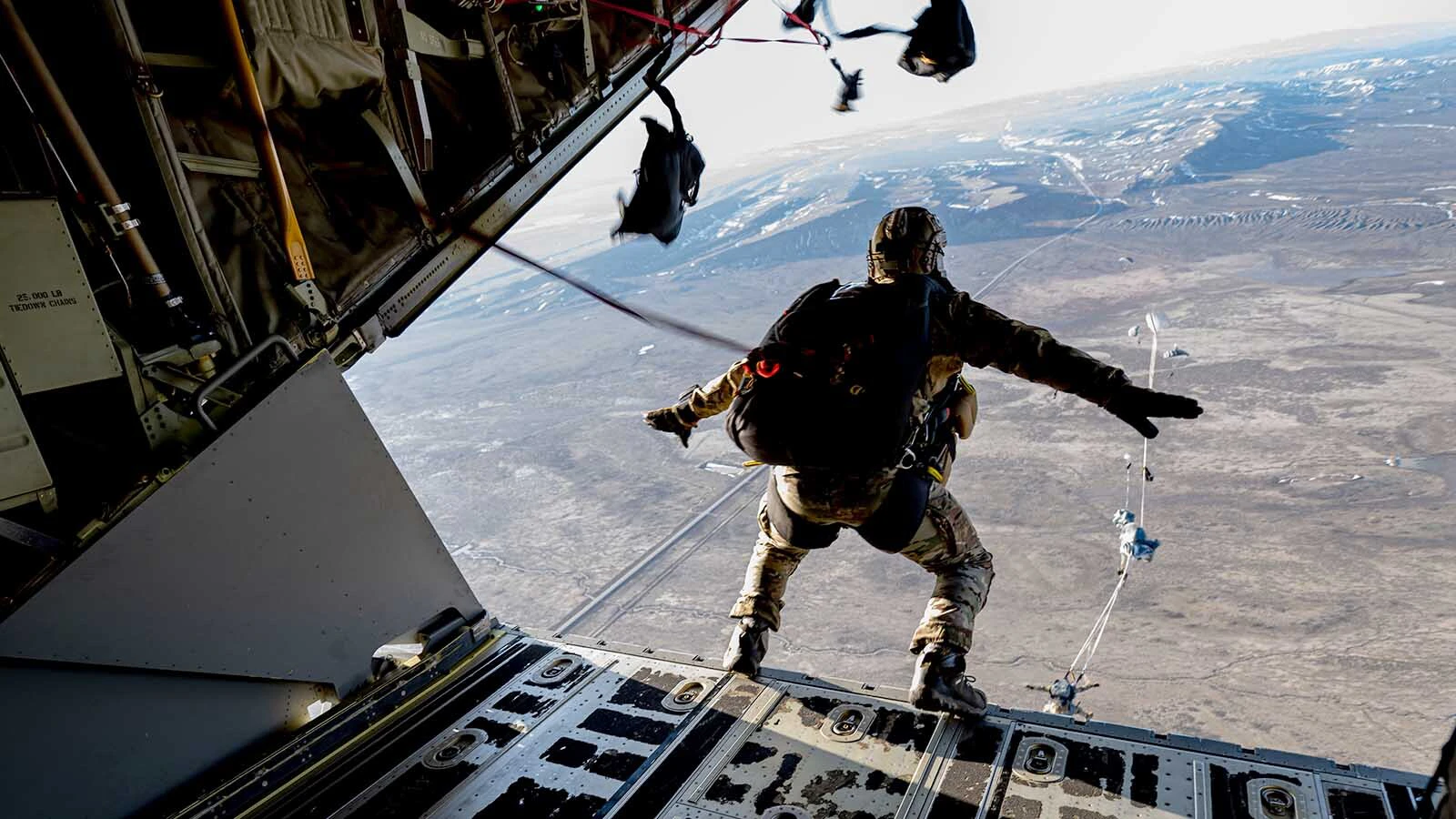
During Exercise Agile Chariot, U.S. Air Force Airmen assigned to the Kentucky Air National Guard’s 123rd Special Tactics Squadron, jump from an MC-130J Commando II near Rawlins, Wyoming, April 30, 2023. Agile Chariot tested Agile Combat Employment capabilities, including using smaller, more dispersed locations and teams to rapidly move and support aircraft, pilots, and other personnel to wherever they are needed. (U.S. Air Force photo by Senior Airman Natalie Fiorilli) 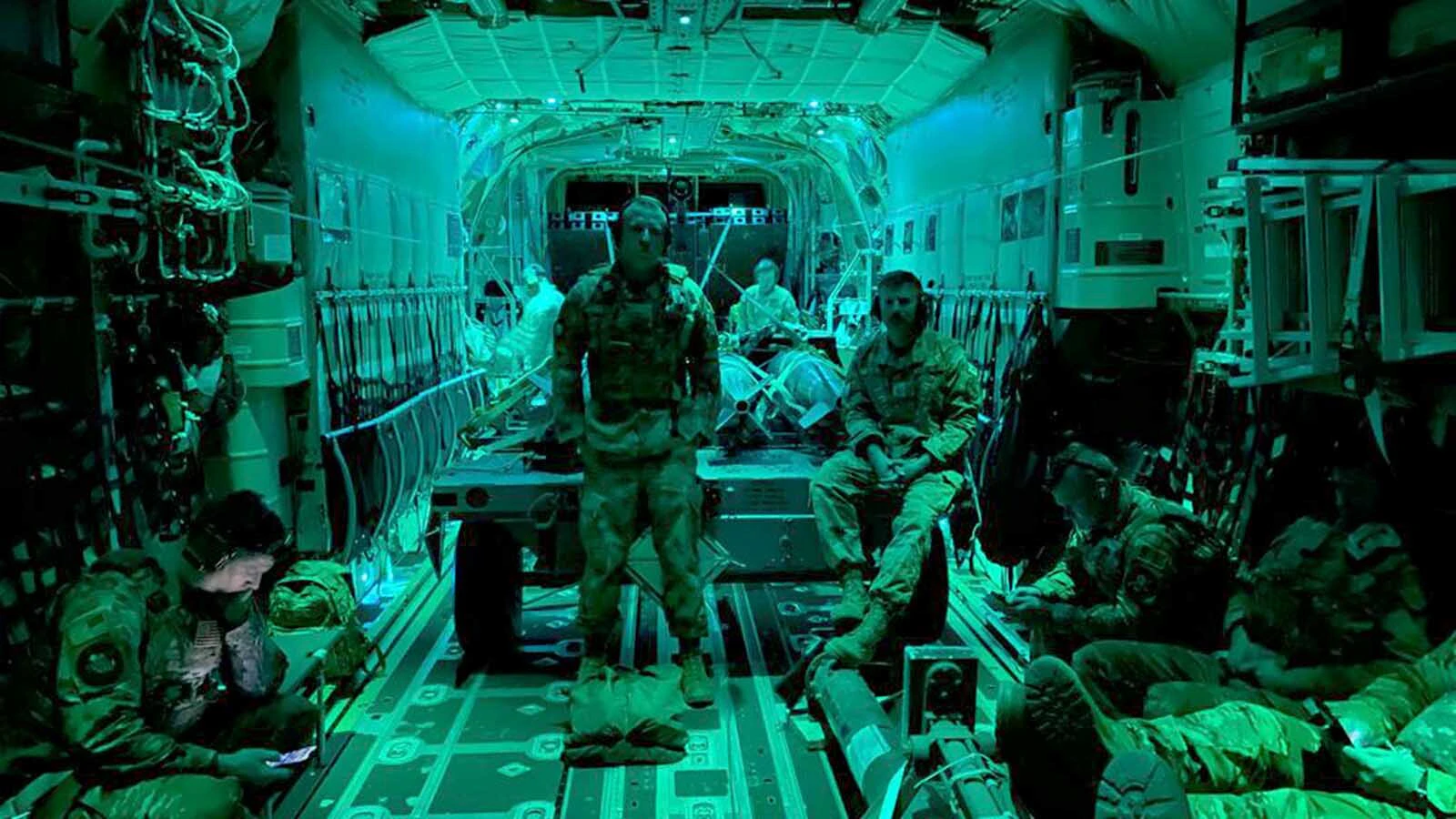
Master Sgt. Joshua Eby, aircraft armament technician, and Master Sgt. Jeremy Mosley, electrical and environmental craftsman, both members of the 127th Aircraft Maintenance Squadron and "ACE" team, travel via MC-130J Commando II to a Wyoming highway as part of Exercise Agile Chariot, Apr. 30, 2023. The Selfridge Air National Guard-based team of Citizen-Airmen were invited by AFSOC to participate in exercise Agile Chariot, a training event that was historical, in part, due to the number and type of aircraft involved. The ACE team supported landings and takeoffs of the MC-130J, MQ-9 Reaper and two of their own A-10 Thunderbolt II aircraft on Wyoming Highway 287. (Courtesy U.S. Air Force) 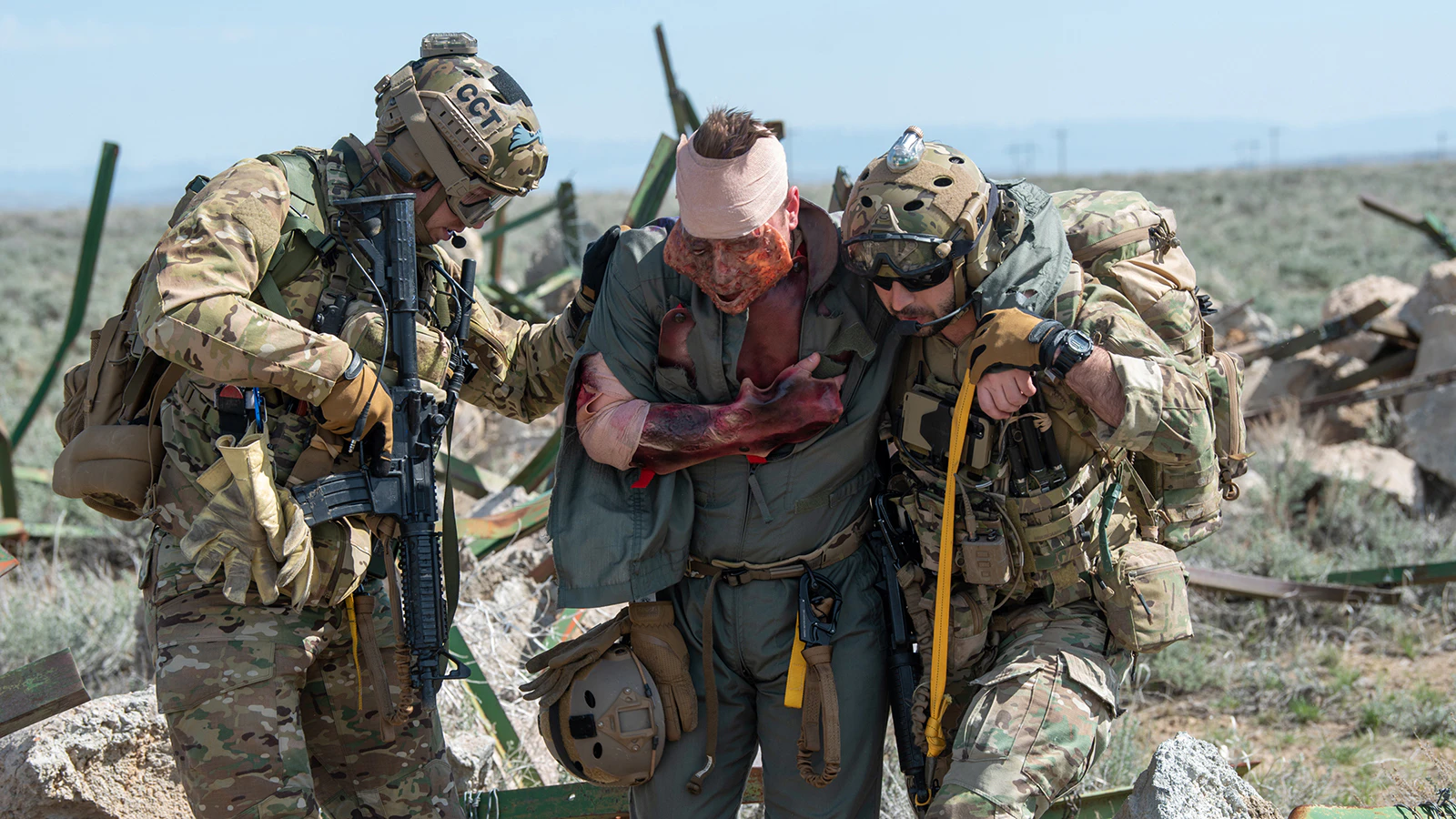
Airmen with the Kentucky Air National Guard’s 123rd Special Tactics Squadron help a simulated injured pilot during Exercise Agile Chariot near Riverton, Wyoming, May 2, 2023. Agile Chariot tested Agile Combat Employment capabilities, including using smaller, more dispersed locations and teams to rapidly move and support aircraft, pilots and other personnel wherever they’re needed. (U.S. Air National Guard photo by Master Sgt. Phil Speck) 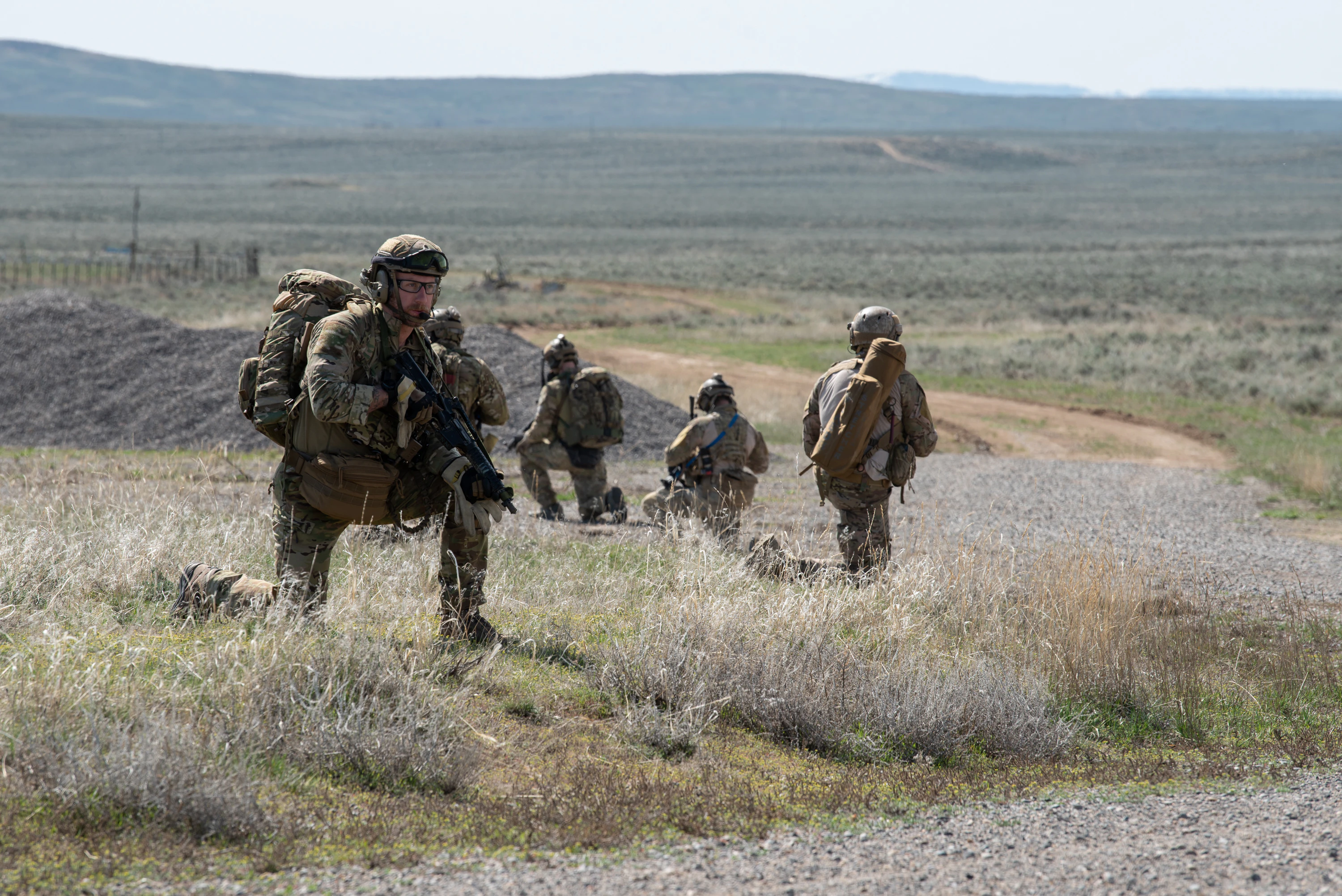
Airmen with the Kentucky Air National Guard’s 123rd Special Tactics Squadron perform combat search-and-rescue during Exercise Agile Chariot near Riverton, Wyoming, May 2, 2023. Agile Chariot tested Agile Combat Employment capabilities, including using smaller, more dispersed locations and teams to rapidly move and support aircraft, pilots and other personnel wherever they’re needed. (U.S. Air National Guard photo by Master Sgt. Phil Speck) 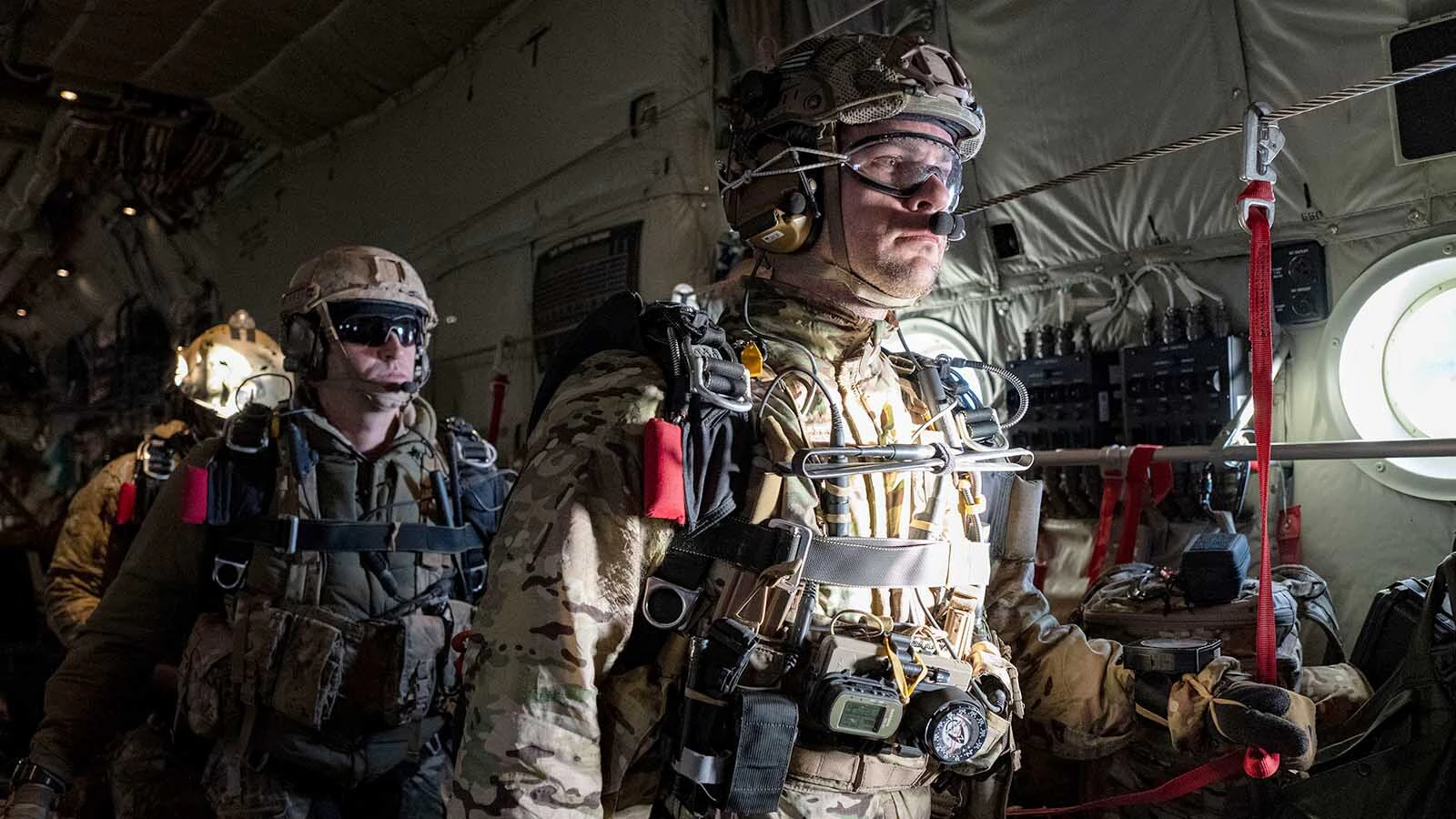
During Exercise Agile Chariot, U.S. Air Force Airmen assigned to the Kentucky Air National Guard’s 123rd Special Tactics Squadron prepare to jump from an MC-130J Commando II near Rawlins, Wyoming, April 30, 2023. Agile Chariot tested Agile Combat Employment capabilities, including using smaller, more dispersed locations and teams to rapidly move and support aircraft, pilots, and other personnel to wherever they are needed. (U.S. Air Force photo by Senior Airman Natalie Fiorilli) 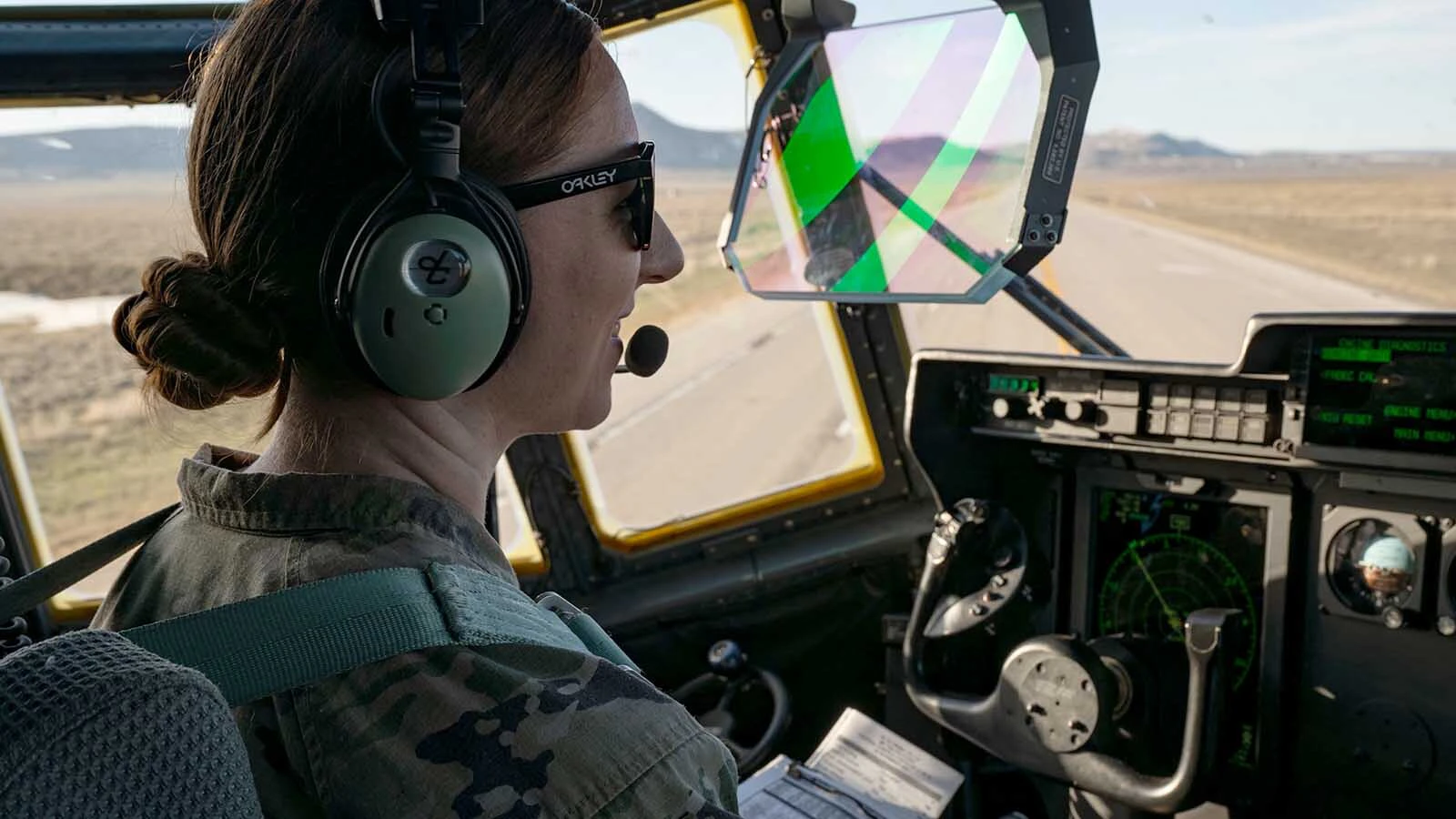
U.S. Air Force Capt. Katheryn Richardson, an aircraft commander assigned to the 15th Special Operations Squadron, smiles after landing an MC-130J Commando II on U.S. Highway 287 during Exercise Agile Chariot, near Rawlins, Wyoming, April 30, 2023. Agile Chariot tested Agile Combat Employment capabilities, including using smaller, more dispersed locations and teams to rapidly move and support aircraft, pilots, and other personnel to wherever they are needed. (U.S. Air Force photo by Senior Airman Natalie Fiorilli) 
Wyoming Governor Mark Gordon flies in an MC-130J Commando II near Riverton, Wyoming, May 2, 2023, during Exercise Agile Chariot. Governor Gordon flew on the MC-130J with two MH-6 Little Birds onto Wyoming Highway 789, witnessing a simulated time-sensitive, personnel recovery mission with Airmen from the 123rd Special Tactics Squadron. (U.S. Air Force photo by Senior Airman Natalie Fiorilli)
‘We Practice, Practice, Practice'
That is exactly how military people think, retired Air Force Col. Tucker Fagan, one-time commander of F. E. Warren Air Force Base, told Cowboy State Daily.
“I know a lot of people think, ‘Well, they’re just dumbbells. (They’re) going to salute this guy, salute that guy, turn around, stand up, shut up,’” Fagan said. “No, what you are doing is trying to get people who go, ‘Hey boss, we need to try this.'”
Future exercises were likely designed around any weak areas exposed by the training exercise in Wyoming, to keep improving on the approach and prepare for that day when it’s no longer practice, Fagan added.
“We know stuff goes wrong, so we practice, practice, practice,” Fagan said. “And we know even then things may not go right.”
Leveraging Decentralized Command
Another thing American troops train to do that gives them an edge is ensuring every soldier is ready to take charge of a mission if necessary.
That’s something authoritarian nations don’t do, and that’s something that can be exploited on the battlefield, Fagan said.
“In Desert Storm, we knew that the Iraqi troops were taught that they only do what they are told,” he said. “That is why the first strikes were to take out all the communication from Bagdad.”
With instruction no longer possible, long lines of troops gave themselves up.
“American troops are taught to take charge,” Fagan said. “If the colonel is killed, the majors take over. The same goes down the line, the captain, the lieutenant, sergeant, corporal, etc. Authoritarian regimes don’t understand this.”
Fagan said the difference in mindset became crystal clear when he hosted Russian Col. Gherman Titov at F. E. Warren Air Force Base.
“When they arrived at the front gate, I welcomed him and told him about the 90th Wing mission,” Fagan said. “As I was talking he said, ‘Stop, what are those cars coming out of the gate?’”
Each of the cars had stickers on their windshields indicating whether the driver was an Airman, Sergeant, or officer.
“I said, ‘Look, there was an airman, then officer, then sergeant,’” Tucker said. “He turned to me and stone cold said, ‘In Russia, they would never come back.’ Stark difference in our two militaries.”
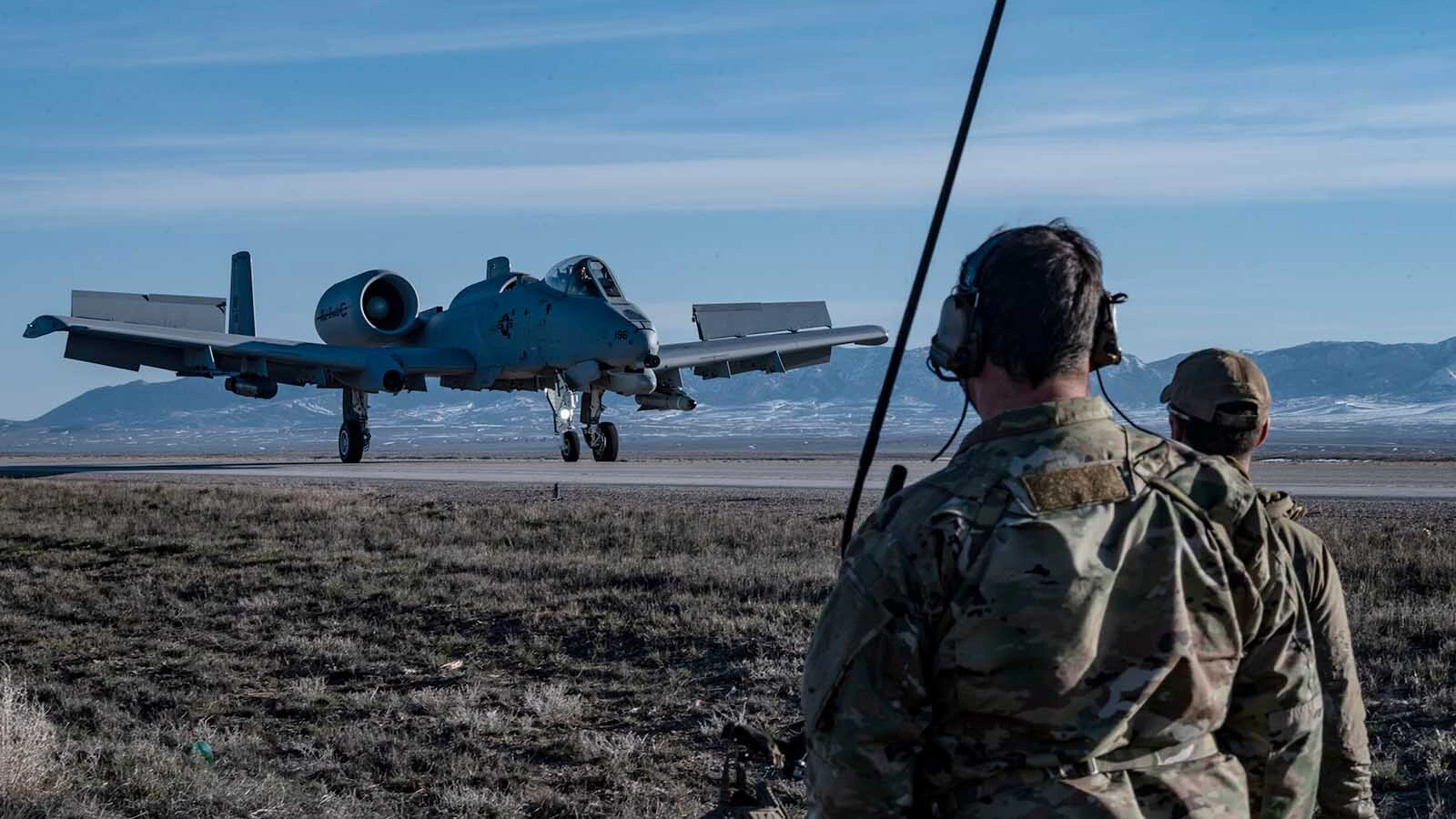
An A-10 Thunderbolt II “Warthog” lands on Highway 287 during Exercise Agile Chariot, April 30, 2023, honing capabilities linked to Agile Combat Employment. Instead of relying on large, fixed bases and infrastructure, ACE uses smaller, more dispersed locations and teams to rapidly move and support aircraft, pilots, and other personnel to wherever they are needed. (U.S. Air Force photo by Tech. Sgt. Carly Kavish) 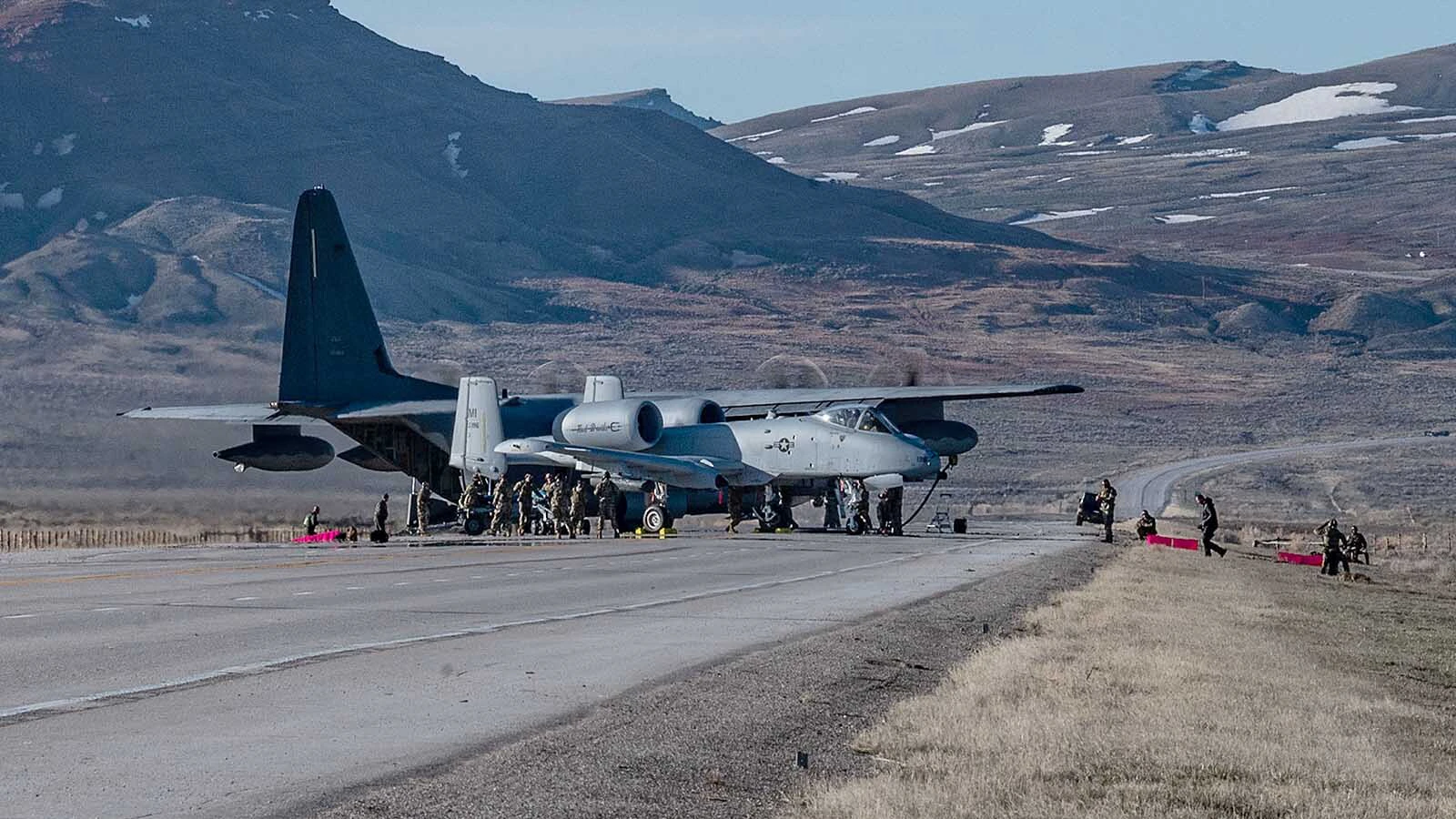
An MC-130J Commando II offloads fuel to an A-10 Thunderbolt II on Highway 287 during Exercise Agile Chariot, April 30, 2023, honing capabilities linked to Agile Combat Employment. (U.S. Air Force photo by Tech. Sgt. Carly Kavish) 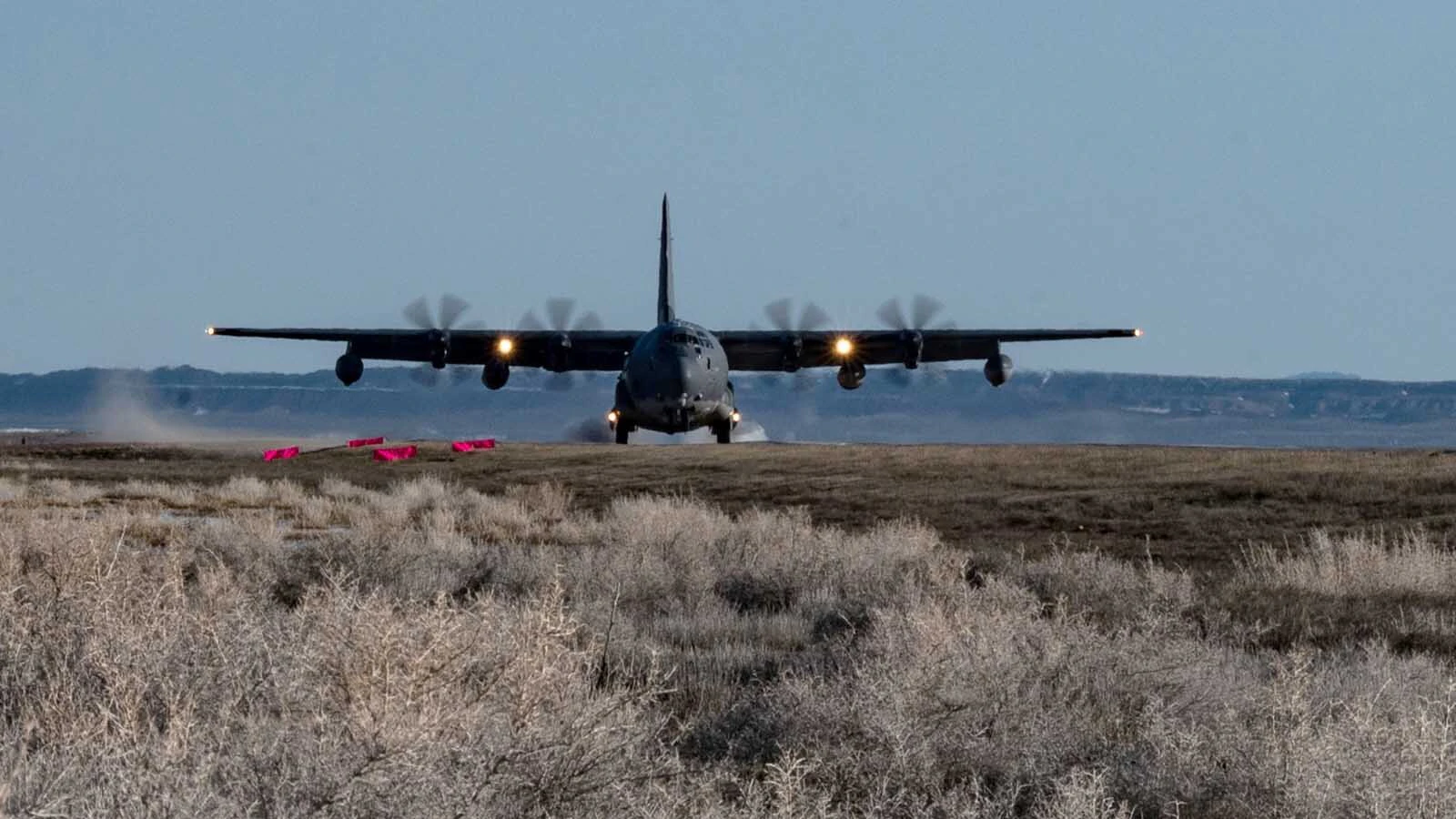
An MC-130J Commando II lands on Highway 287 during Exercise Agile Chariot, April 30, 2023, honing capabilities linked to Agile Combat Employment. Instead of relying on large, fixed bases and infrastructure, ACE uses smaller, more dispersed locations and teams to rapidly move and support aircraft, pilots, and other personnel to wherever they are needed. (U.S. Air Force photo by Tech. Sgt. Carly Kavish) 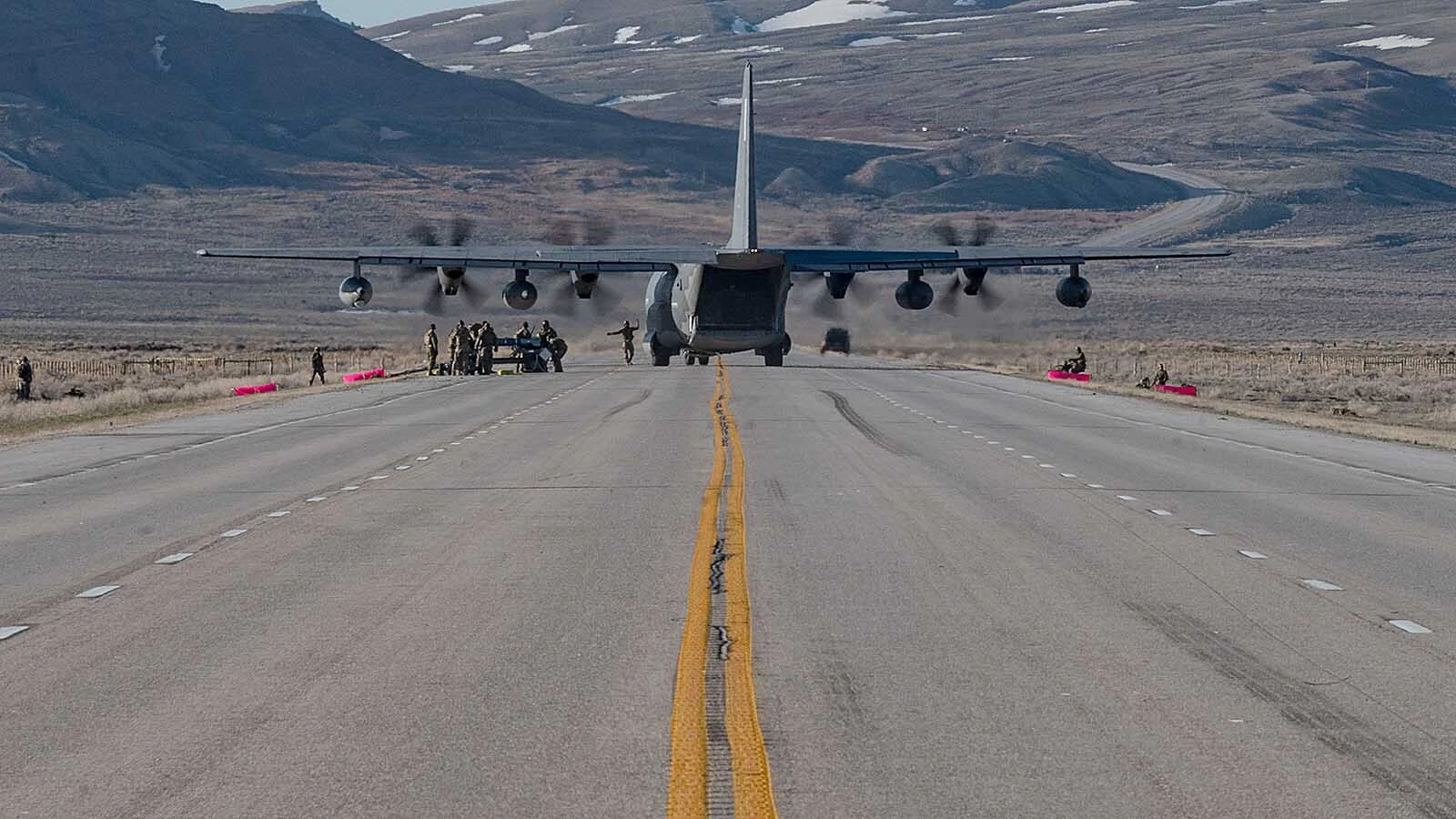
An MC-130J Commando II lands on Highway 287 during Exercise Agile Chariot, April 30, 2023, honing capabilities linked to Agile Combat Employment. Instead of relying on large, fixed bases and infrastructure, ACE uses smaller, more dispersed locations and teams to rapidly move and support aircraft, pilots, and other personnel to wherever they are needed. (U.S. Air Force photo by Tech. Sgt. Carly Kavish) An A-10 Thunderbolt II Warthog lands on Highway 287 during Exercise Agile Chariot, near Rawlins, Wyoming, April 30, 2023. There are millions of miles of public roads in the United States, including federal, state, and local roads – with Agile Combat Employment, including Forward Arming and Refueling Point (FARP) and Integrated Combat Turnarounds (ICT), it becomes millions of miles of public runways, when necessary. (U.S. Air Force photo by Master Sgt. Cody H. Ramirez) 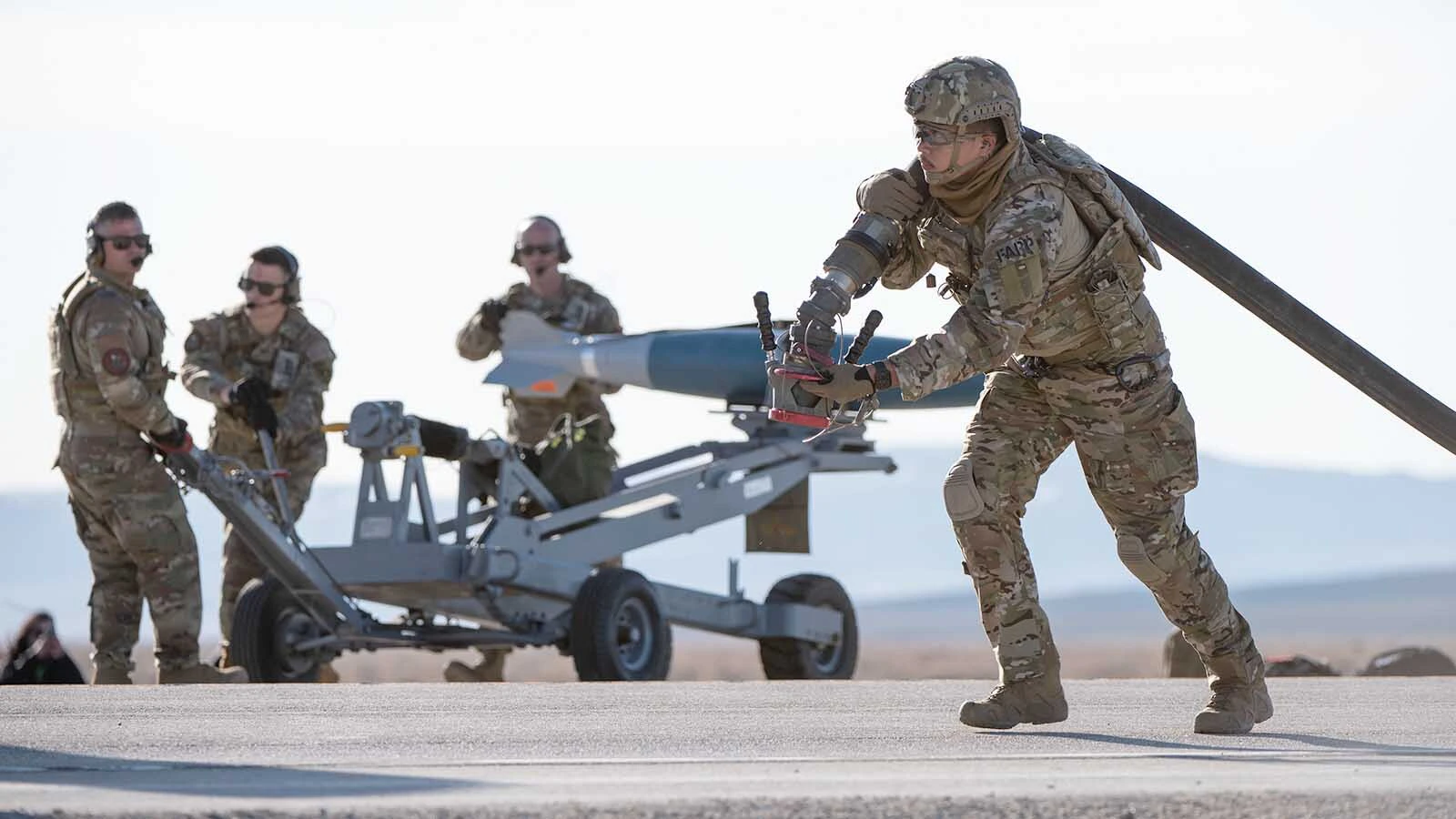
An Airman with the 1st Special Operations Wing Forward Arming and Refueling Point (FARP) team lines up a fuel hose to refuel an A-10 Thunderbolt II during Exercise Chariot, near Rawlings, Wyoming, April 30, 2023, while an Integrated Combat Turnaround team stands behind him waiting to upload weapons onto the aircraft. (U.S. Air Force photo by Master Sgt. Cody H. Ramirez) 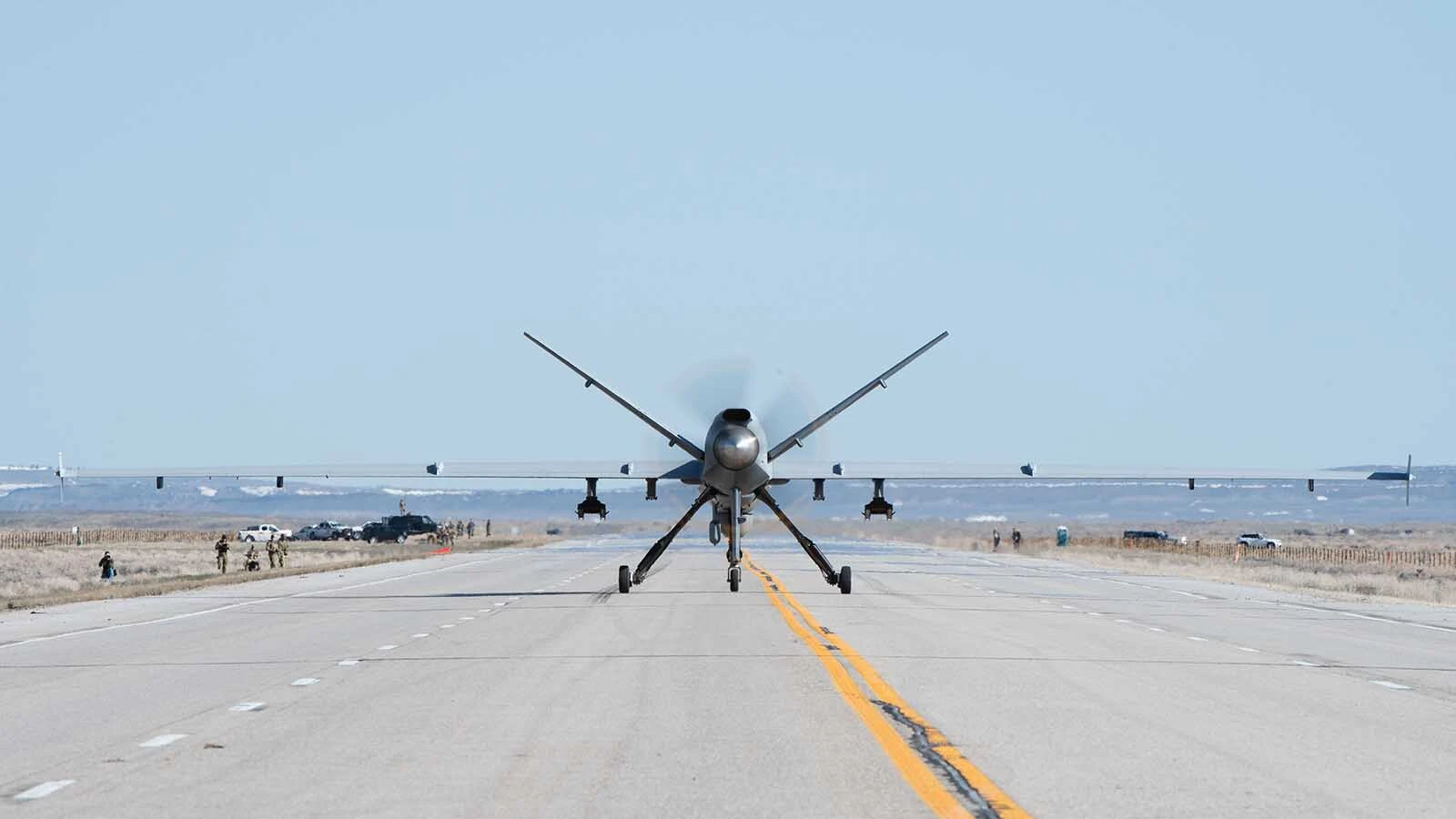
An MQ-9 Reaper with the 2nd Special Operations Squadron prepares to take off Highway 287 during Exercise Agile Chariot near Rawlins, Wyoming, April 30, 2023. There are millions of miles of public roads in the United States, including federal, state, and local roads – with Agile Combat Employment, including FARPs and ICTs, it becomes millions of miles of public runways, when necessary. (U.S. Air Force photo by Master Sgt. Cody H. Ramirez) 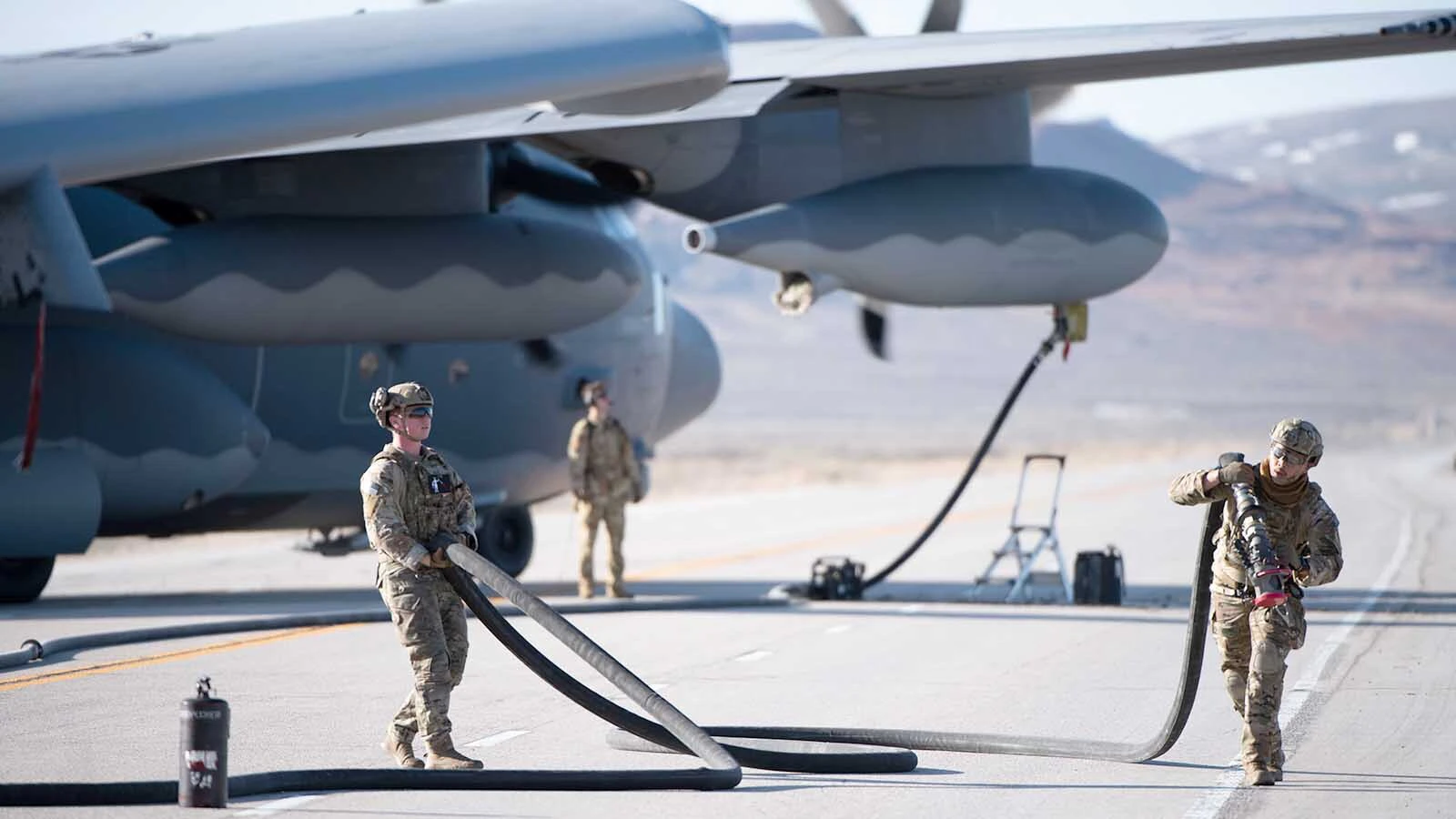
Airmen with the 1st Special Operations Wing set up a Forward Arming and Refueling Point (FARP) to refuel an A-10 Thunderbolt II during Exercise Agile Chariot near Rawlins, Wyoming, April 30, 2023. There are millions of miles of public roads in the United States, including federal, state, and local roads – with Agile Combat Employment, including FARPs and ICTs, it becomes millions of miles of public runways, when necessary. (U.S. Air Force photo by Master Sgt. Cody H. Ramirez) 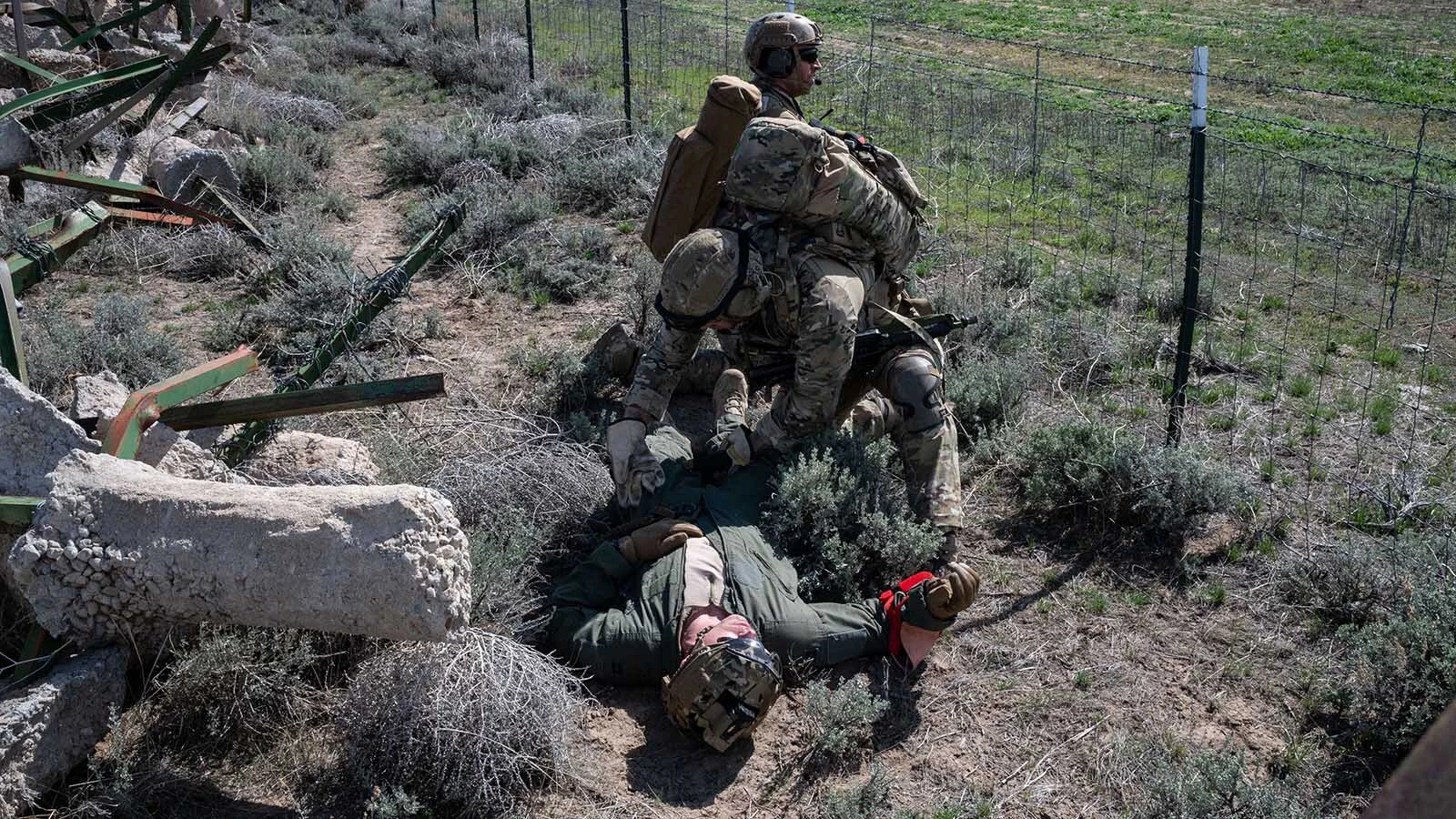
A 123rd Special Tactics Squadron operator triages a patient during Exercise Agile Chariot, May 2, 2023, honing capabilities linked to Agile Combat Employment. Instead of relying on large, fixed bases and infrastructure, ACE uses smaller, more dispersed locations and teams to rapidly move and support aircraft, pilots, and other personnel to wherever they are needed. (U.S. Air Force photo by Tech. Sgt. Carly Kavish)
Highway To The Danger Zone
On the ground witnessing the exercise in 2023, Layman said it felt like he was watching some kind of a movie — Wyoming’s own highway to the danger zone.
“The C130 circled and a number of individuals jumped out of the plane and parachuted down,” Layman said. “That was during the first activity. And then those individuals — I don’t know the military term — but they ran up to the road to secure the runway.”
After that, they brought in radio traffic to land an MC-130J Commando II, which had to be done very precisely, as there was just an inch or two of space to spare.
“If the C-130 pilot would have dropped a single tire off the edge of the road, it would most likely still be there today,” Layman said, only half-joking. “That’s probably not true, but it would have been a pretty big deal if it dropped a tire off.
"If you drop a tire on a C-130 off the edge of the road and get stuck, you don’t get a normal tow truck to pull that back up on the road.”
Because this part was so critical, the maneuver was rehearsed and trained ahead of time, and the road was measured and remeasured just to be sure.
“The pilot did it perfectly,” Layman added. “From edge to edge, there wasn’t much more than an inch or two to spare when he turned that big C-130 around. It was super-impressive.”
Other planes landed behind the C-130 to handle refueling and rearming, including an A-10 Thunderbolt II jet (aka “Warthog”), which military officials said at the time is one of the most complex maneuvers to complete.
“We knew that if we could do this, we could do virtually any kind of air-land operation,” Maj. Matt Waggy said in a statement about the exercise at the time. “What we wanted to demonstrate was how we believe special operations could support the ‘big’ Air Force and their large fixed-wing aircraft.”
Waggy directed the exercises, which had two parts named after Wyoming: Cowboy XL and Speed Goat.
Waggy said the names were meant to pay homage to the Cowboy State in appreciation for helping the Air Force organize the training missions.
While they were at it, they also landed an MQ-9 Reaper Drone — the first time that had been done on a public highway.
Then, in a separate part of the exercise that happened near Riverton, they landed two MH-6 Little Bird helicopters on Wyoming Highway 789.
The size and scope of the exercise was history-making, Commander of the U.S. Air Force Special Operations Command Lt. Gen. Tony Bauernfeind said at the time.
“When you get the right people at the right time, in the right place, you can accomplish impressive feats,” he said. “(Exercise) Agile Chariot accomplished major milestones for our AFSOC community, including the first-ever landings of a MQ-9 and a MC-130J on highways, and simultaneously conducting FARP and ICTs with A-10s, and our special tactics Airmen establishing and securing a 30,000-foot usable runway on a public highway.”
123rd Special Tactics Squadron operators load a patient on an MH-6 Little Bird during Exercise Agile Chariot, May 2, 2023, honing capabilities linked to Agile Combat Employment. (U.S. Air Force photo by Tech. Sgt. Carly Kavish) 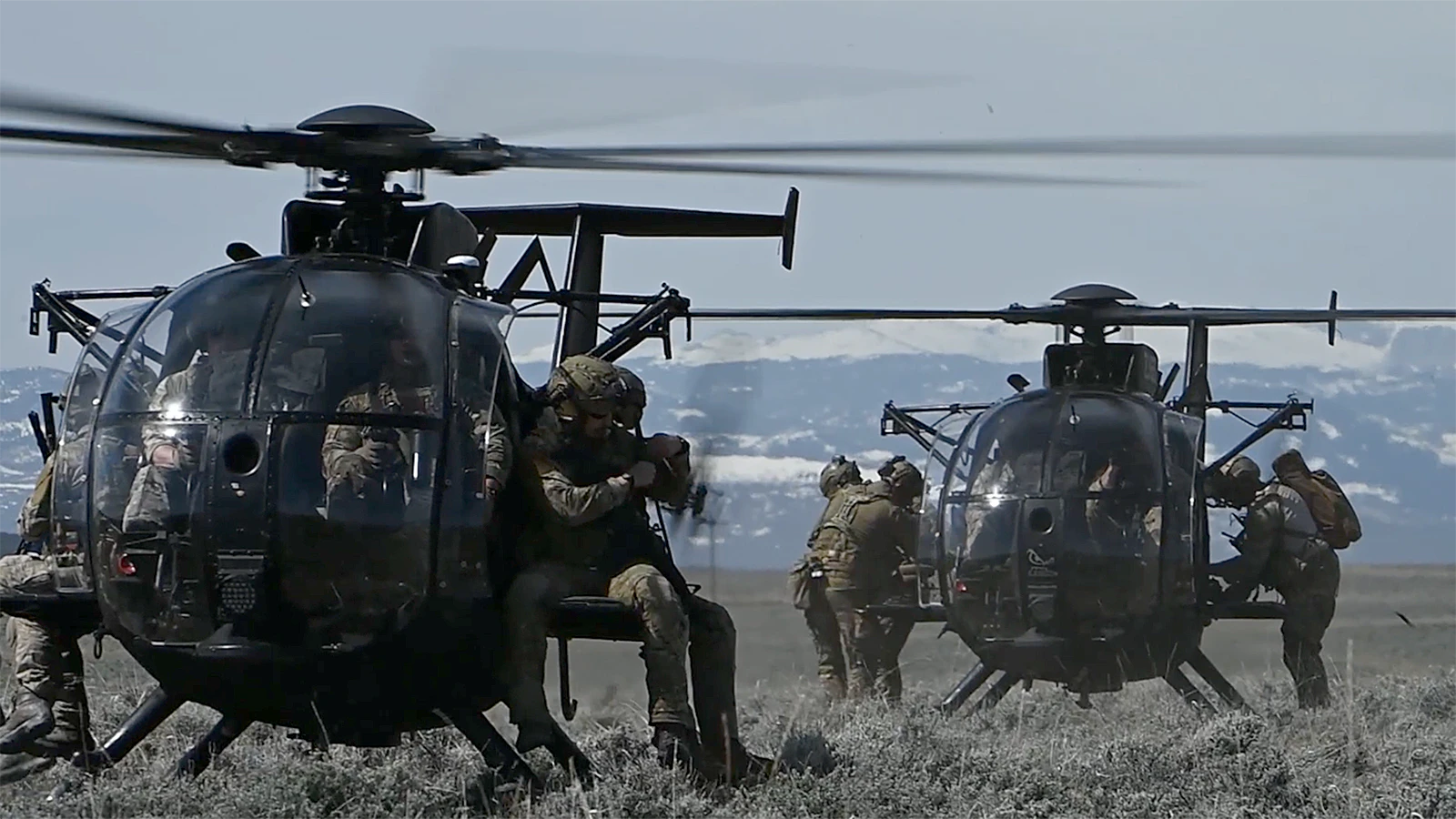
U.S. Air Force Airmen participate Exercise Agile Chariot, April 30, 2023, honing capabilities linked to Agile Combat Employment. Instead of relying on large, fixed bases and infrastructure, ACE uses smaller, more dispersed locations and teams to rapidly move and support aircraft, pilots, and other personnel to wherever they are needed. (Airman 1st Class Andrew Ancona) 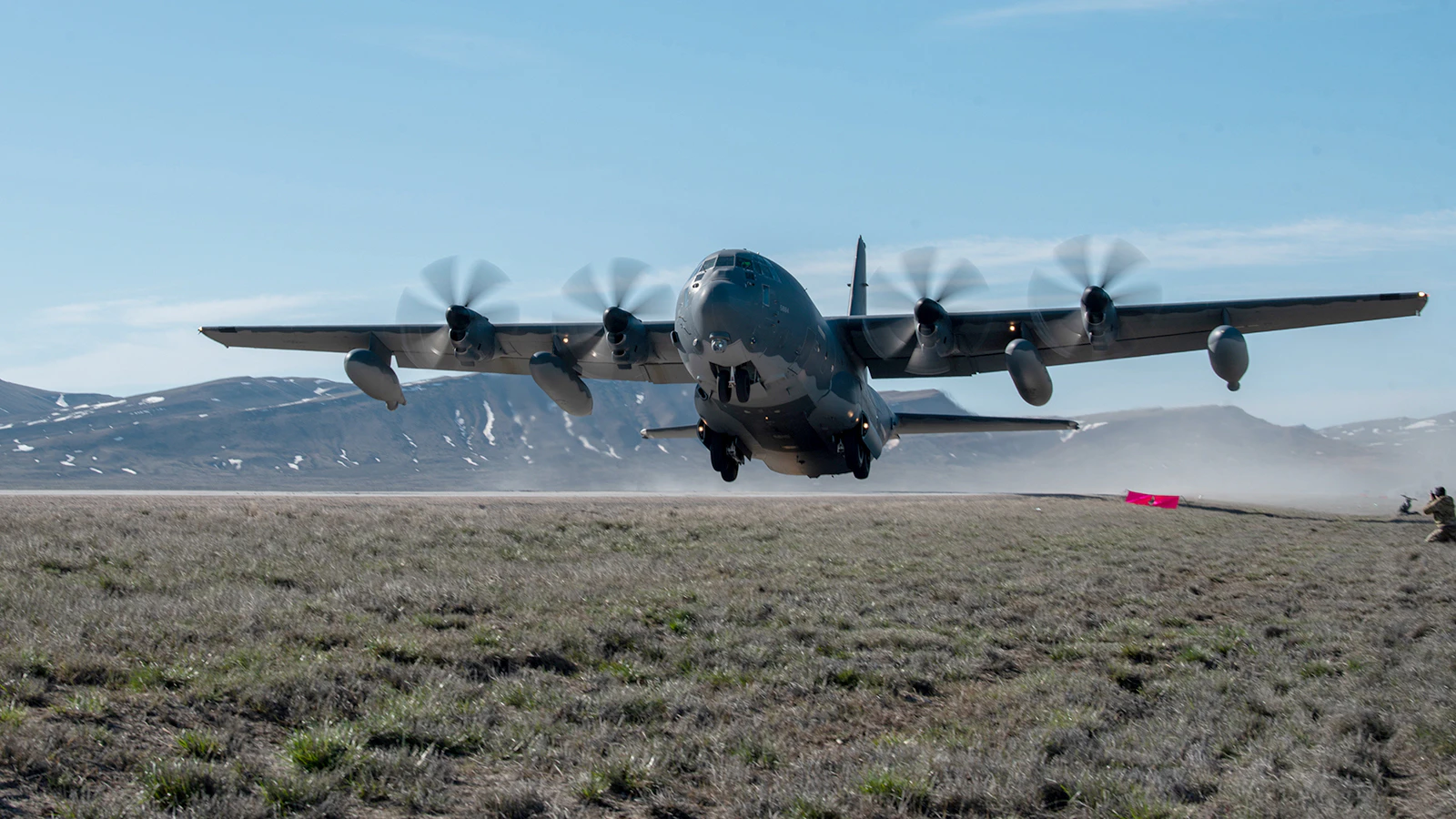
An MC-130J Commando II from the 1st Special Operations Wing takes off from Highway 287 in Wyoming during Exercise Agile Chariot on April 30, 2023, honing capabilities linked to Agile Combat Employment. Instead of relying on large, fixed bases and infrastructure, ACE employs smaller, more dispersed locations and teams to rapidly move aircraft, pilots and other personnel as needed. Under ACE, millions of miles of public roads can serve as functional runways with Forward Arming and Refueling Points when necessary. (U.S. Air National Guard photo by Master Sgt. Phil Speck) 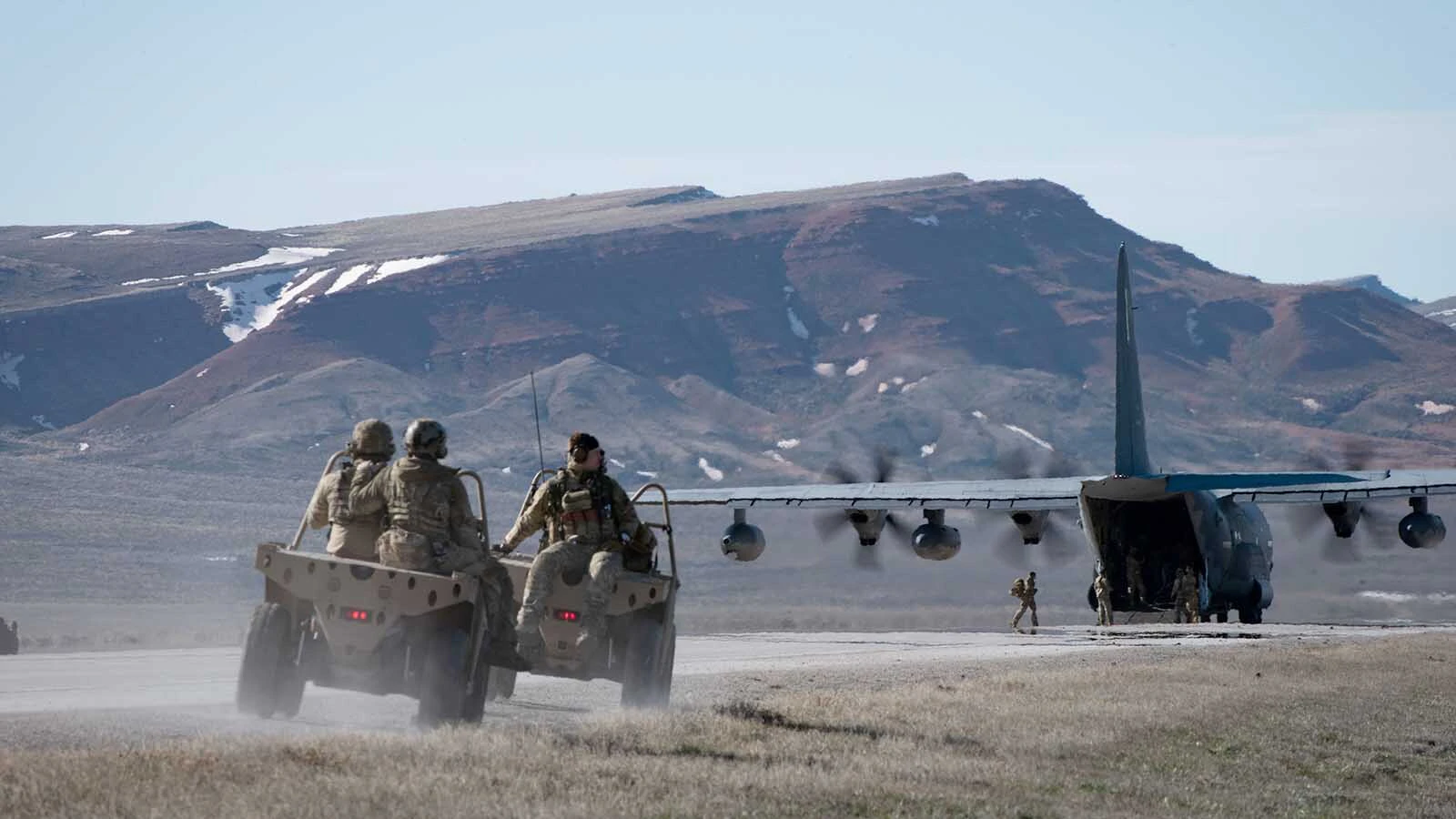
Members with the Forward Arming and Refueling Point and Integrated Combat Turnaround teams load equipment onto an MC-130J Commando II during Exercise Agile Chariot near Rawlins, Wyoming, April 30, 2023. (U.S. Air Force photo by Master Sgt. Cody H. Ramirez)
Wyoming’s Heavy Lift Behind The Scenes
The stretches of Highways 287 and 789 that were shut down are remote, but the whole operation still required tons of logistics, Layman said.
“This was well over a year in planning,” he said. “There were lots of planning meetings with the military, Wyoming Office of Homeland Security, and I’ll just name a few agencies that pop into my mind — and I know I’m missing a bunch — but certainly the Highway Patrol, Wyoming Department of Transportation, and then local emergency management and the Carbon County Sheriff’s Department.”
Wyoming Department of Transportation spokesman Doug McGee told Cowboy State Daily his office helped the military identify which locations in Wyoming could meet their needs without causing a major traffic snarl for Wyoming motorists.
“One of the things they really liked about doing this in Wyoming was the strength of our highways, the way we build them,” McGee said. “That gave them the confidence the road could support the aircraft and that the aircraft would not harm the road.”
The military also preferred a place with higher altitude in a location that was remote. That was both from a safety standpoint, so that the exercise wouldn’t be interrupted, but also to simulate a rugged area where there’s little outside infrastructure to help carry out the mission.
“We also worked closely with them to take down any signage or delineators, or any other potential hazards in the roadway to the aircraft,” Wyoming Department of Transportation spokeswoman Jordan Young told Cowboy State Daily. “So, it was a lot of quick work for those maintenance crews to take all that out and put it all back in a really timely fashion.
"And then we also worked closely with local emergency management folks to ensure that there was proper fire suppression nearby,” Young added.
Front-Row Seat
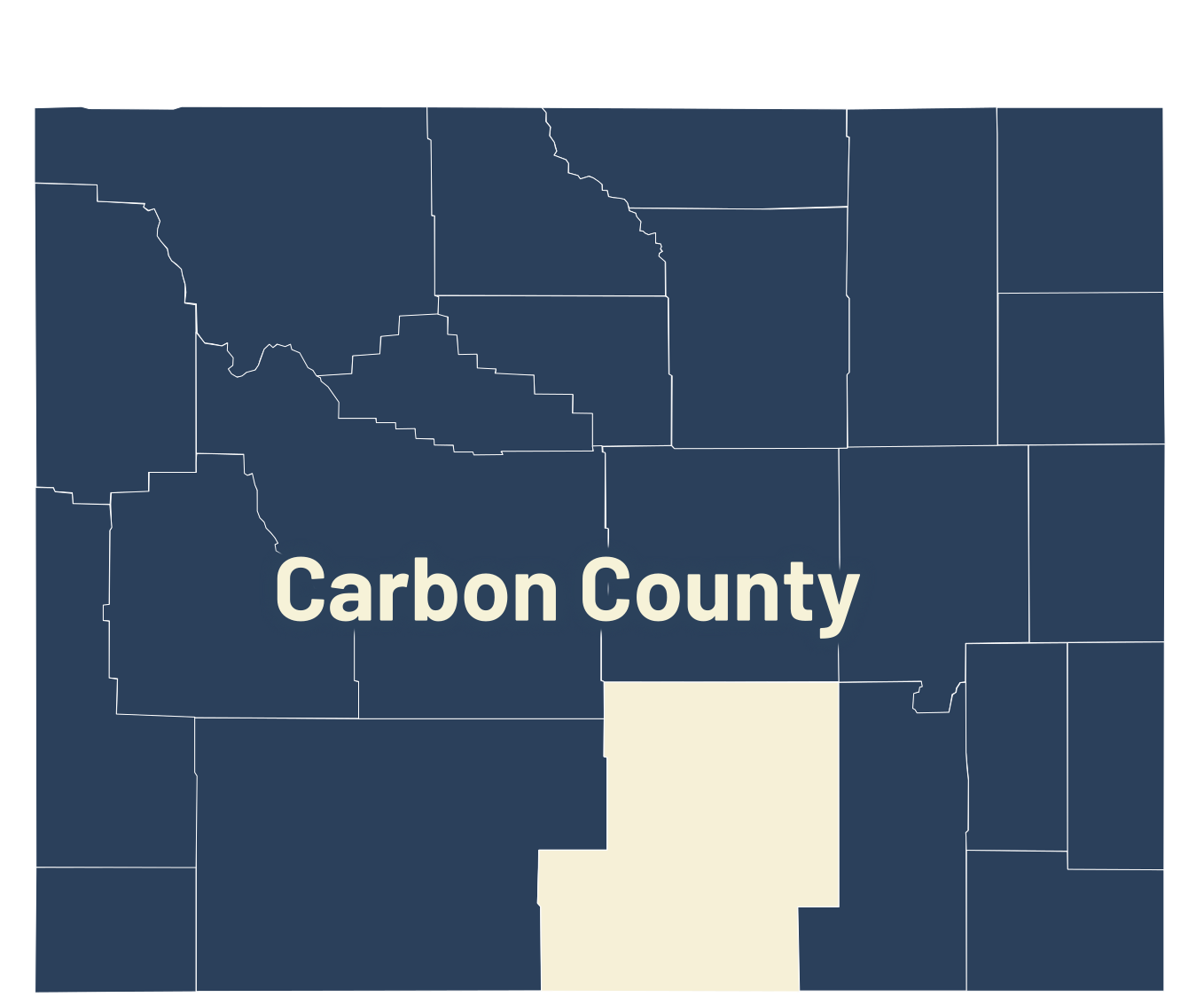
Exercise Agile Chariot’s organizers scouted locations all over the country before settling on Carbon County, Gov. Mark Gordon told Cowboy State Daily. The combined effort pulled in active-duty Air Force, Air Force Reserve, and many other units.
Gordon didn’t just help facilitate the military exercise. He was invited to participate in the exercise when the military simulated rescuing a downed pilot.
“Let me put it this way, that was fun,” Gordon said. "General Porter and I were asked to fly on the mission that went to rescue the soldier (in the exercise).”
Afterward, Gordon and Porter disembarked to watch the rest of the exercise before heading back to Casper.
Layman, meanwhile, was allowed to invite a limited number of people to observe the exercise that day, including students interested in military careers.
The training exercise proved to be an inspiring day for everyone there.
“They didn’t pretend they were refueling that day,” Layman added. “They literally refilled warthogs in real time, 30, 40 feet from us watching them do that. It wasn’t an artificiality. It was a real thing, real fuel, real safety issues … and they did it flawlessly.”
Layman had to work for permission to bring in community observers.
“When I initially asked to do that the answer was no,” he said. “So I had to re-ask and state it in a different way that allowed them to see what I was asking.
"I told the military, I said, ‘What other opportunity can I bring my county together to have good conversations, to build unity, to build continuity, other than the C130 landing?’”
Framed that way, the military saw it as a unifying effort, one that could bring people together over a training mission that could one day save American lives.
“They caught the vision of it and they saw, ‘Oh yeah, gosh, if we don’t do this, it’s a real missed opportunity,'” Layman said. “It brought a whole bunch more logistics and efforts on my end to vet everyone, but I was happy to do it and so honored.”
Thanks to Layman, a few people in Wyoming were treated to a sneak preview of the discipline, the effort, and the precision that went into the successful Iran mission.
And Layman is proud to know that in a small but crucial way, that practice run in 2023 he helped coordinate eventually helped pave the way home for a downed U.S. pilot in a war zone, thanks to a strech of Highway 287 that runs straight through Carbon County, Wyoming.
Renée Jean can be reached at renee@cowboystatedaily.com.


