One piece of Wyoming legislation aimed at changing the way Wyoming chooses judges and structures courts failed its introductory vote Wednesday in the state Senate — but at least three more reform bills remained viable as of that afternoon.
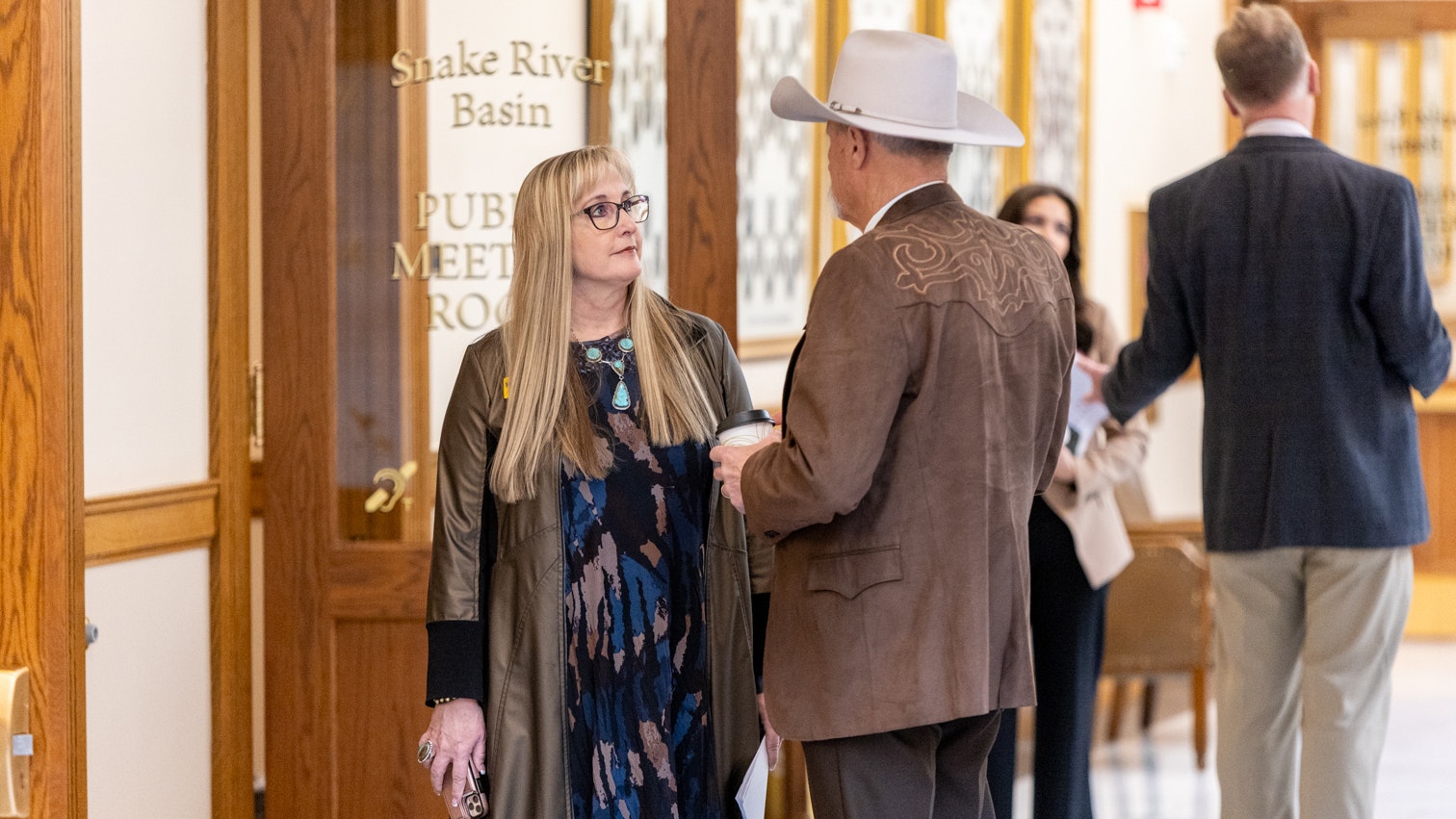
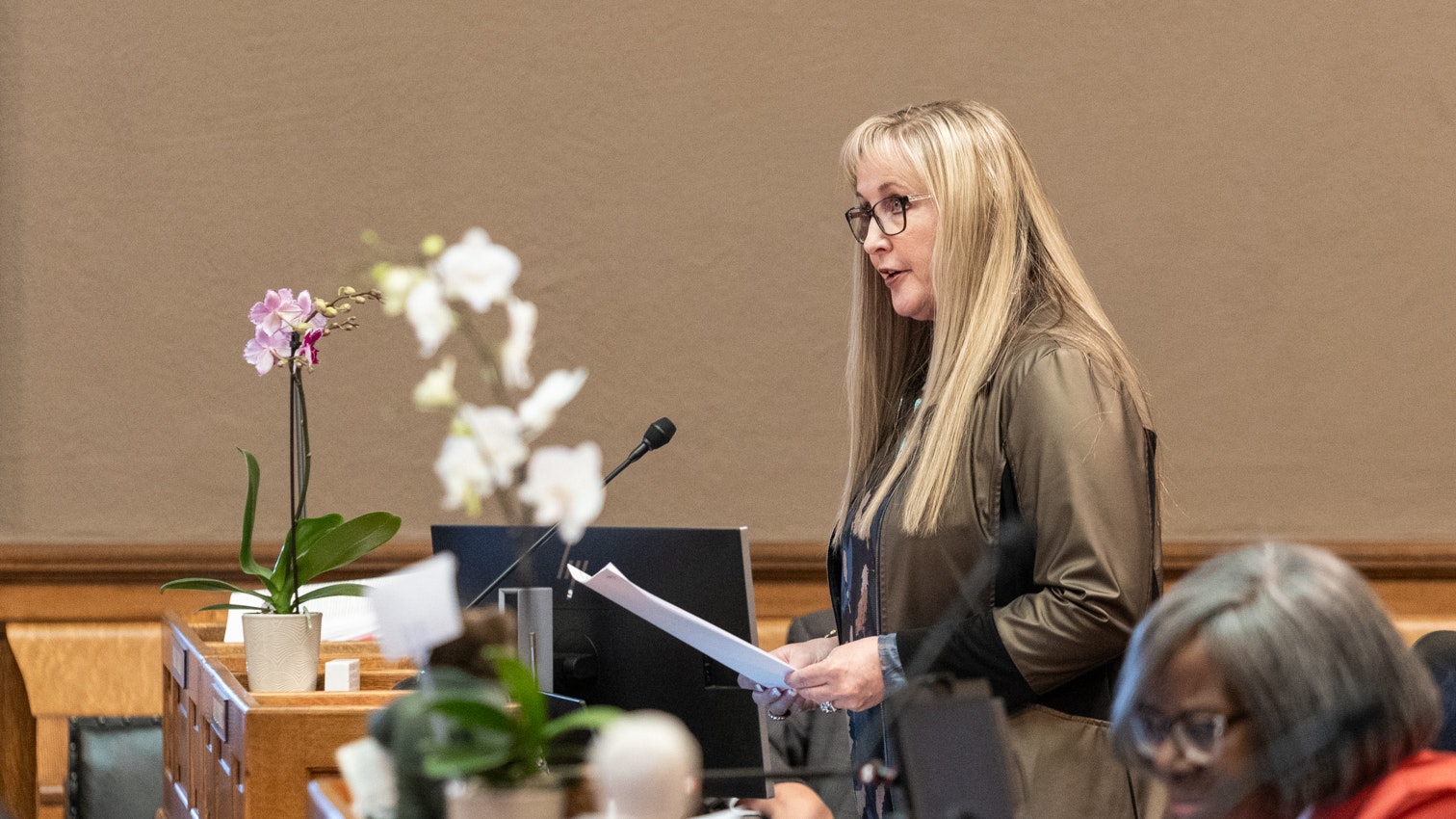
State Sen. Cheri Steinmetz, R-Torrington, asked her colleagues to vote to introduce Senate Joint Resolution 4, which would have changed, significantly, how Wyoming chooses judges.
Steinmetz referenced a high-profile judicial decision on the floor Wednesday as her rationale for seeking to change how the judiciary is shaped.
She clarified to Cowboy State Daily in a later text message that she was talking about a Jan. 6 Wyoming Supreme Court decision.
The High Court’s ruling struck down the state’s abortion bans, declaring abortion a fundamental right under the state Constitution’s promise of health care autonomy.
Steinmetz indicated she’d try to bring the bill back next year during the longer, non-budget session.
“SJ 4 was a critical step toward restoring the proper balance of power after the judiciary redefined a law that was duly passed by the Legislature and signed by the Governor,” wrote Steinmetz. “This issue deserves to be decided by the people through a constitutional amendment.”
The resolution failed introduction in the state Senate Wednesday, when the body voted 16 in favor of its introduction and 15 against.
Those figures don’t meet the two-thirds majority vote required for introducing non-budget bills.
Had Senate Joint Resolution 4 survived the Legislature and a vote of the people, it would have inflated the judicial nominating commission from seven members to nine and changed its makeup.
For example, the judicial nominating commission currently vets judgeship applicants and advances three names to the governor for him to appoint one to the bench. It comprises three non-lawyers appointed by the governor, three lawyers chosen by the Wyoming State Bar, and the Wyoming Supreme Court chief justice as panel chair.
The resolution would have kept the governor’s three non-lawyers as part of the judicial nominating commission, and two of the state bar’s lawyer members. But it would have changed the rest of that panel, by requiring the state Senate president to appoint another non-lawyer to the panel, the speaker of the State House of Representatives to appoint yet another non-lawyer, while adding two judges elected by all the state’s active judges.
The resolution would have let the panel nominate between three and five prospective judges, instead of just three.
And it would have tasked the state Senate with confirming the governor’s appointees to the Wyoming Supreme Court’s bench.
No One Judge…
Senate File 103, a proposed bill by Sen. Brian Boner, R-Douglas, remained viable as of Wednesday afternoon.
In the event of a constitutional challenge to a state law, this bill would let the attorney general or a district attorney call two out-of-district judges to preside over that challenge, in addition to the judge in the district in which it was filed.
It also wouldn’t let one county’s judge unilaterally block a statewide law.
“No one district court judge shall have the jurisdiction to issue a preliminary or permanent injunction to enjoin or restrain the enforcement, operation or execution of a statute or session law,” says the bill, adding that the county’s district court judge could, however, issue a temporary restraining order. That’s a block on a law that lasts days, rather than months or years.
Boner’s bill would also bar retired judges and justices from being recalled to serve on constitutional challenges to state laws.
In Boner’s words sent Wednesday in a text to Cowboy State Daily, the bill “is an attempt to deter ‘forum shopping’ as a challenge to the constitutionality of a law makes its way through the court system.”
It would “reinforce” Wyoming’s one electoral check on judges — the power to vote not to retain them in general elections — by keeping only active, non-retired judges on constitutional challenges, said Boner.
“At the end of the day, these constitutional questions affect thousands of Wyomingites,” wrote Boner. “It should not be up to a single person to make a determination on these issues one way or another, even on a temporary basis.”
The “temporary basis” statement was an apparent reference to preliminary injunctions, which block a law during a challenge against it if the challengers can show they're likely to win the case, and the law harms them.
Boner called the bill a response to “multiple cases.”
He referenced specifically retired Judge Thomas Campbell being recalled to serve in Natrona County District Court, on a constitutional challenge to Wyoming’s bill requiring ultrasounds before abortions.
Campbell has blocked that law while the case is ongoing.
Boner also referenced the school funding and school choice cases in Cheyenne, where Laramie County District Court Judge Peter Froelicher blocked the state’s school-choice scholarship program from going into effect, and issued an order requiring the Legislature to revamp the way it funds schools including by providing one computer to every child and elementary-school mental health counselors.
That order has been temporarily paused while the Wyoming Supreme Court considers that case.
As Of Wednesday…
Also as of Wednesday afternoon, House Bill 177, a proposed bill by Rep. Cody Wylie, R-Rock Springs, remained viable on the House side. It seeks to have the state Senate confirm the governor’s appointees to the judicial nominating commission.
Also still viable at that point was a proposed resolution by Rep. Mike Schmid, R-La Barge, to change the constitution to have Wyoming elect rather than appoint judges and justices - by the electors of the relevant judicial district.
Clair McFarland can be reached at clair@cowboystatedaily.com.