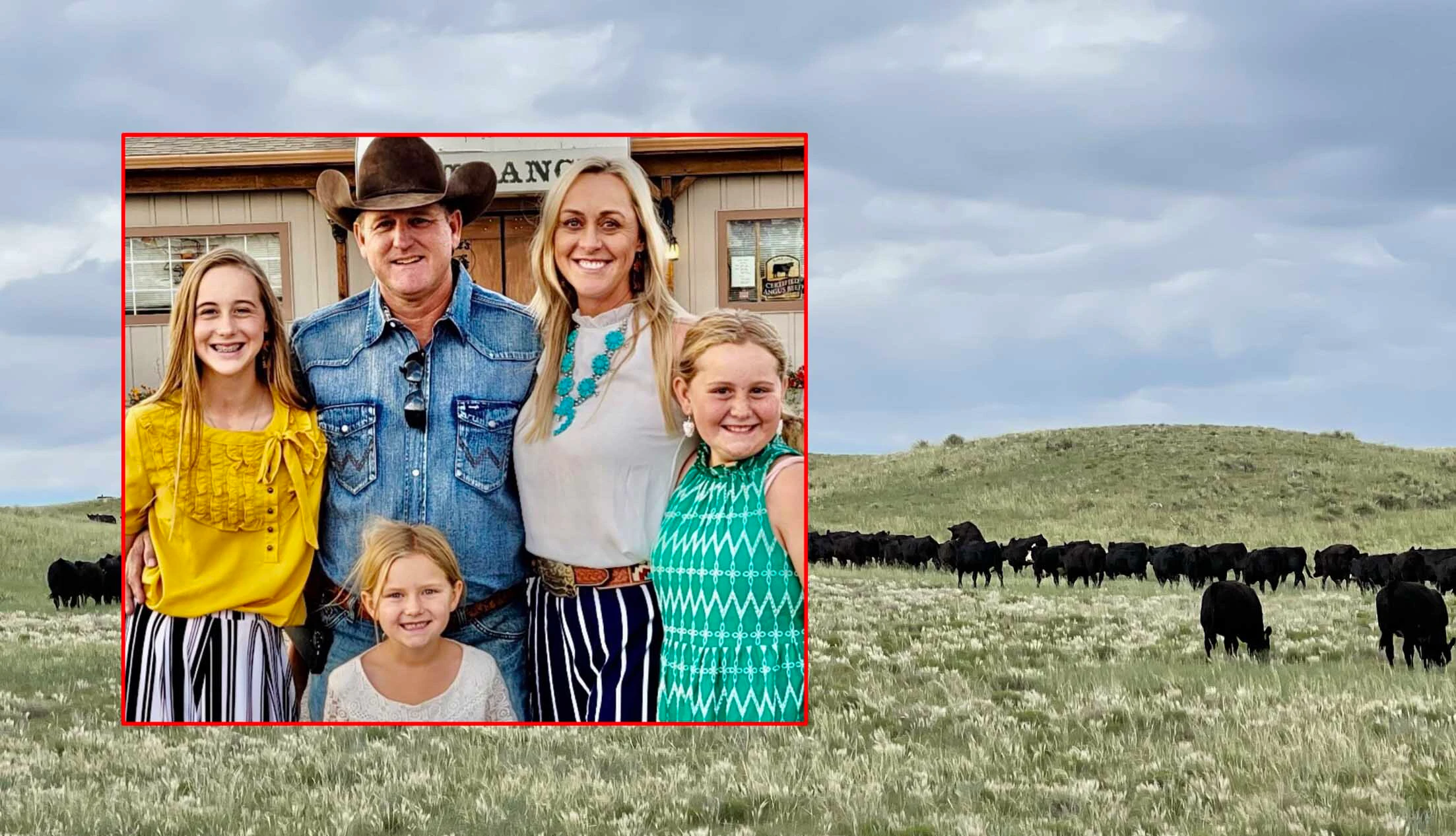
Scott Salo has spent nearly a decade watching his neighbors collect oil checks from wells drilled from pads on his ranch just south of the Wyoming line in Colorado.
On Wednesday night, over those same neighbors' loud objections, Weld County commissioners voted 3-2 to approve a wind project on that same land, marking what the former Torrington resident said is the first time he's had a say in his land's energy future.
“We're actually going to get paid this time for the energy,” Salo told Cowboy State Daily. “As opposed to us being the pissing post, to say it nicely, and them getting the royalties.”
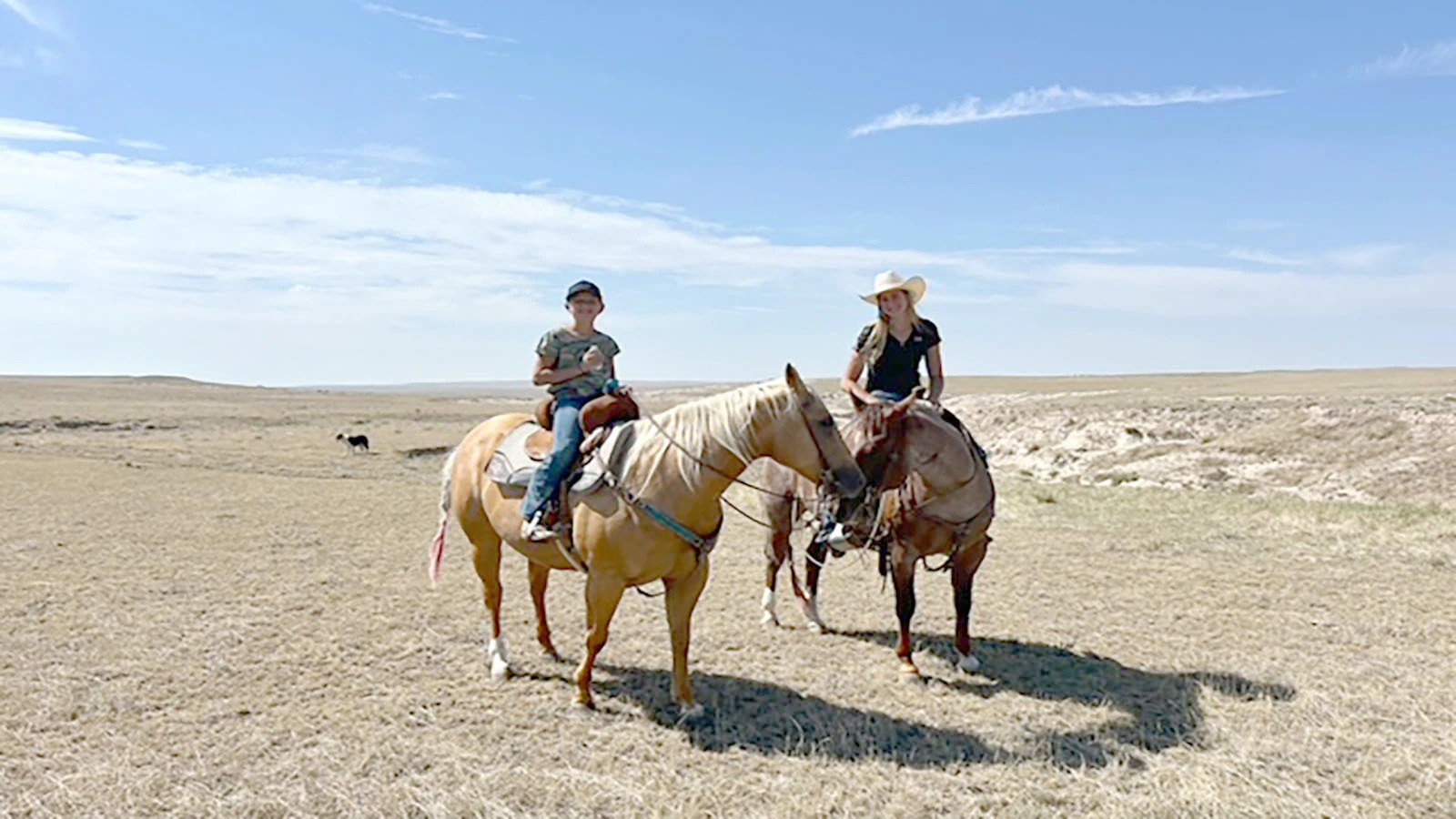
Before buying his ranch in northern Weld County in 2014, Salo and his wife ran a farm and feedlot in Torrington for almost 15 years. After having his three daughters, the family moved to Colorado and started ranching instead, giving them more time to spend with their children.
When he bought the land, Salo said little was there except open spaces and fairly run-down structures.
“We tore down all the old homesteads that were just barely standing and built everything new for the cattle facilities,” Salo said. “We did what we could to make it a nice ranch.”
‘About destroyed me’
For a few years, that empty land stayed empty. Then, in 2017, Salo said, an oil company employee came to his fence line.
His neighbors had leased the oil and gas beneath their ranches, and the company wanted to reach it with horizontal drilling, which would drop down on Salo's property and then run two to three miles sideways underground. Those neighbors had conservation easements restricting surface disturbance, so the oil company had to build its well pads on Salo's ranch instead and drill outward.
Salo didn’t want the pads, but he soon discovered the minerals beneath his land had been sold by the previous owner, a setup known as a split estate.
Attorneys for the oil company, which held the leases on the neighboring minerals, began pressing him to sign a surface agreement that Salo said would pay him little for the disruption. If he refused, he said, the company could simply post a bond with the state to cover any damage to his land and build the pads anyway.
“They threatened and threatened and threatened,” Salo said. "We were just fortunate enough to have a super powerful attorney that I guess struck some level of fear into them. But when you don't own the minerals beneath you, you only have so much leverage.”
That leverage wasn’t strong enough for Salo to keep the drilling pads away. After a two-year legal battle costing him $50,000, Salo said, his attorney negotiated the best agreement he could.
Salo said the payments he receives to house the pads are small compared with what the mineral owners and his neighbors collect in royalties.
“The rules are all girded in favor of oil and gas,” Salo said. “I'm not against oil and gas. But this about destroyed me as a person, because you feel really helpless.”
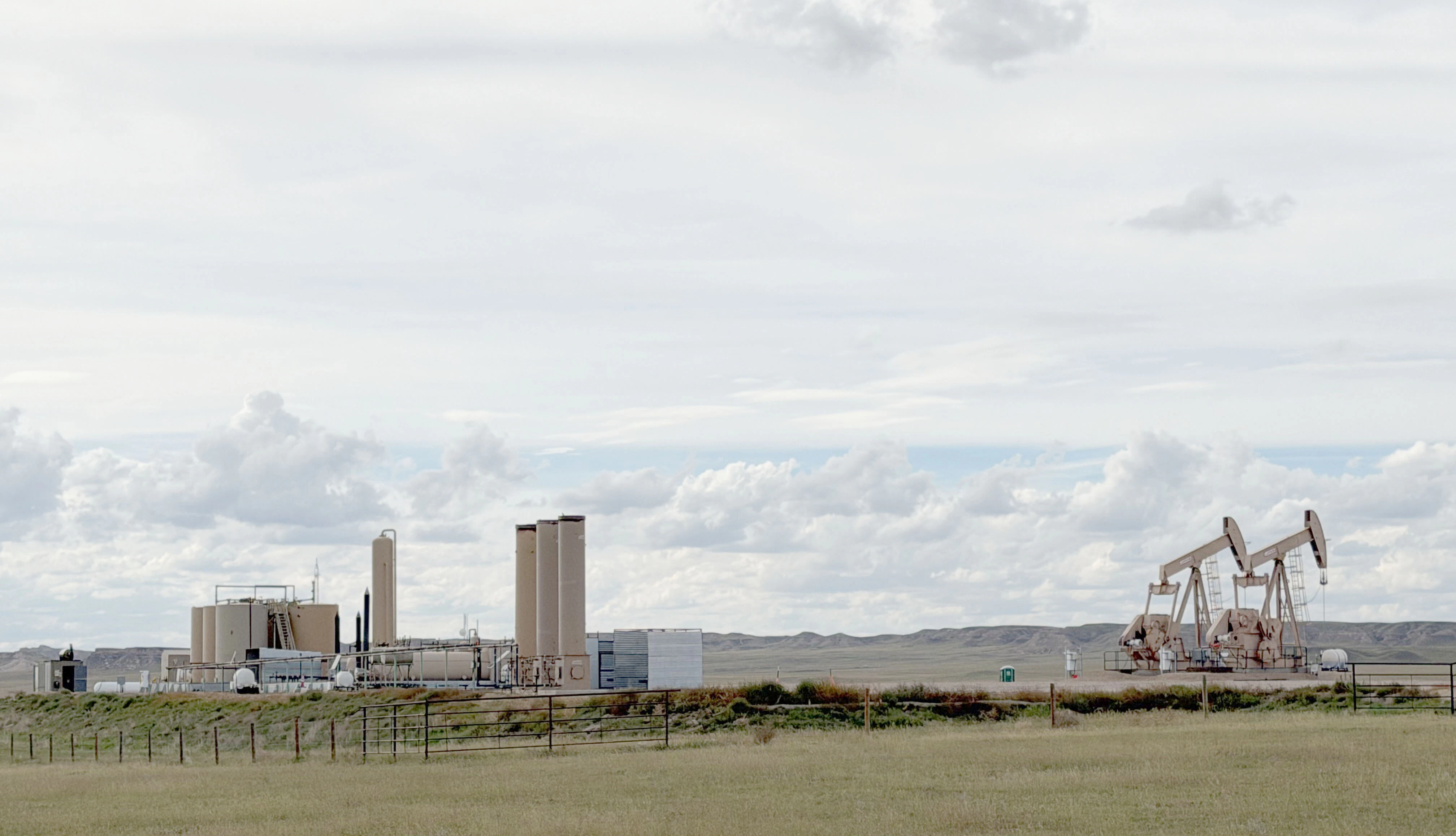
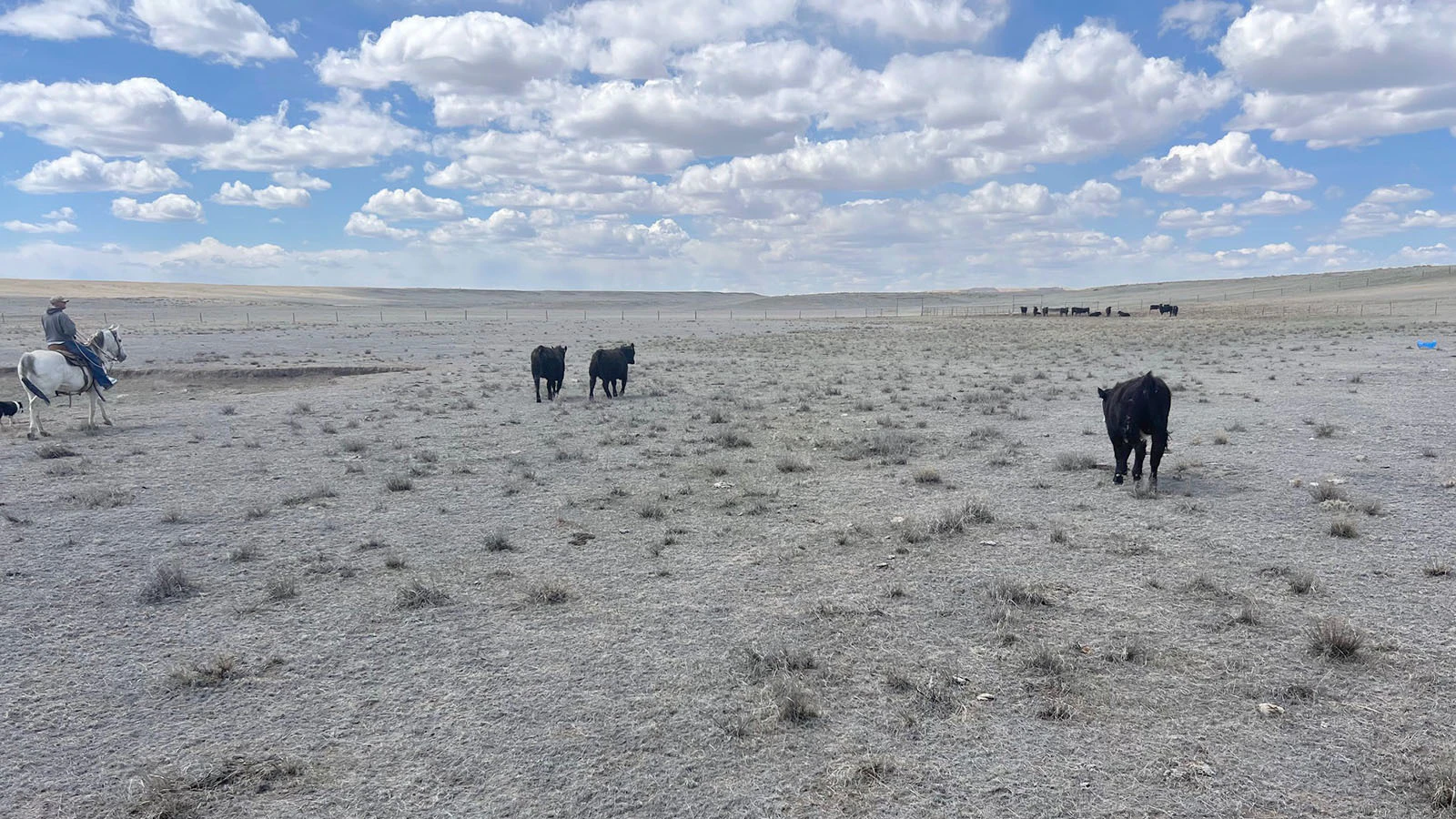
Now, Salo said, more than 350 acres of his 7,000-acre ranch are mapped for roads, well pads and compressor stations, and from his deck he looks out on pump jacks and tank batteries.
“Every day, 24/7, there's traffic on and off our ranch,” he said. “When you didn't want them there in the first place, it’s an unpleasant experience. Let's put it that way.”
Where the Power Goes
In 2023, six years after the fence-line meeting with an oil company employee, Salo said a wind developer approached him about leasing another part of his ranch for turbines.
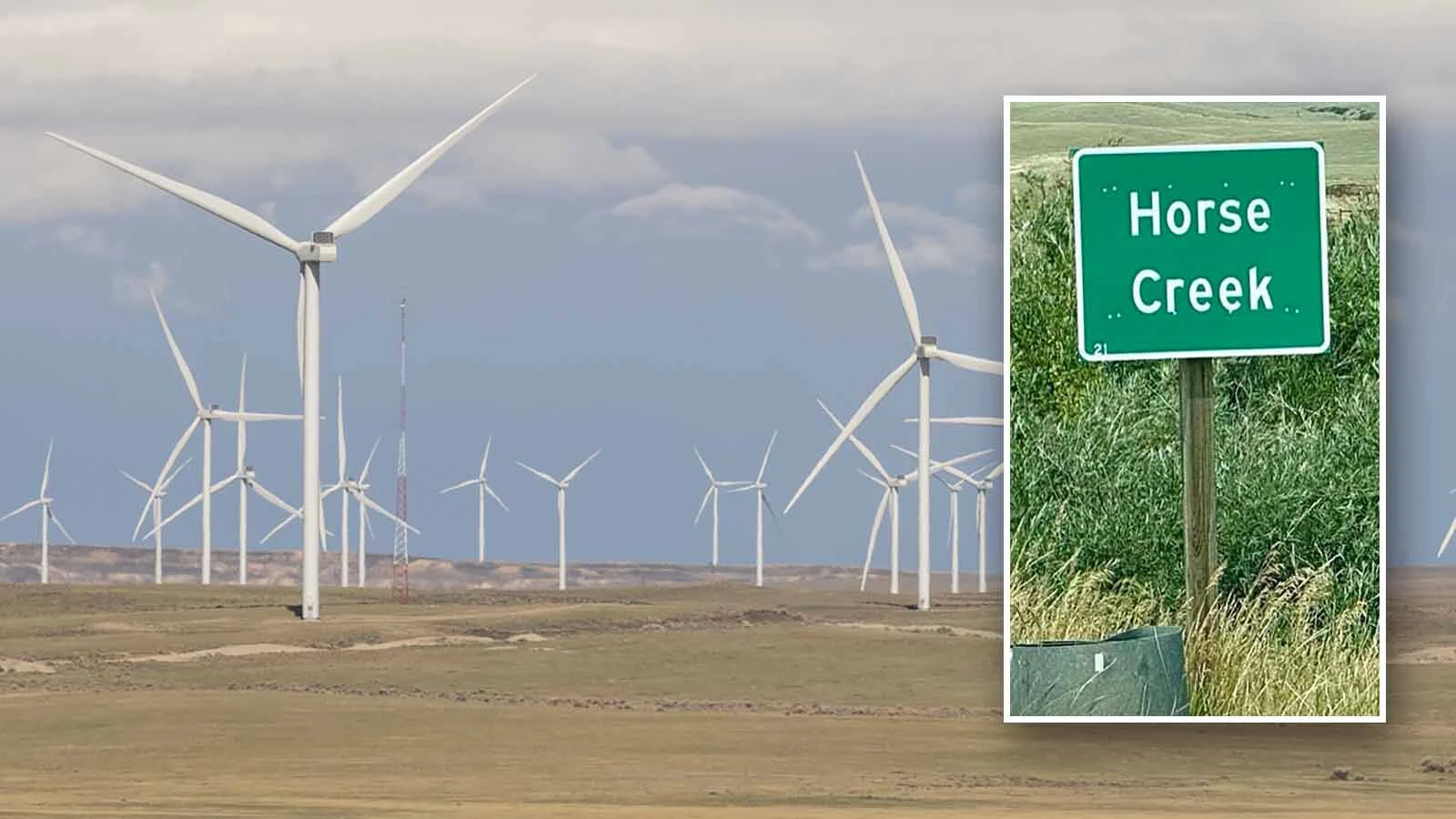
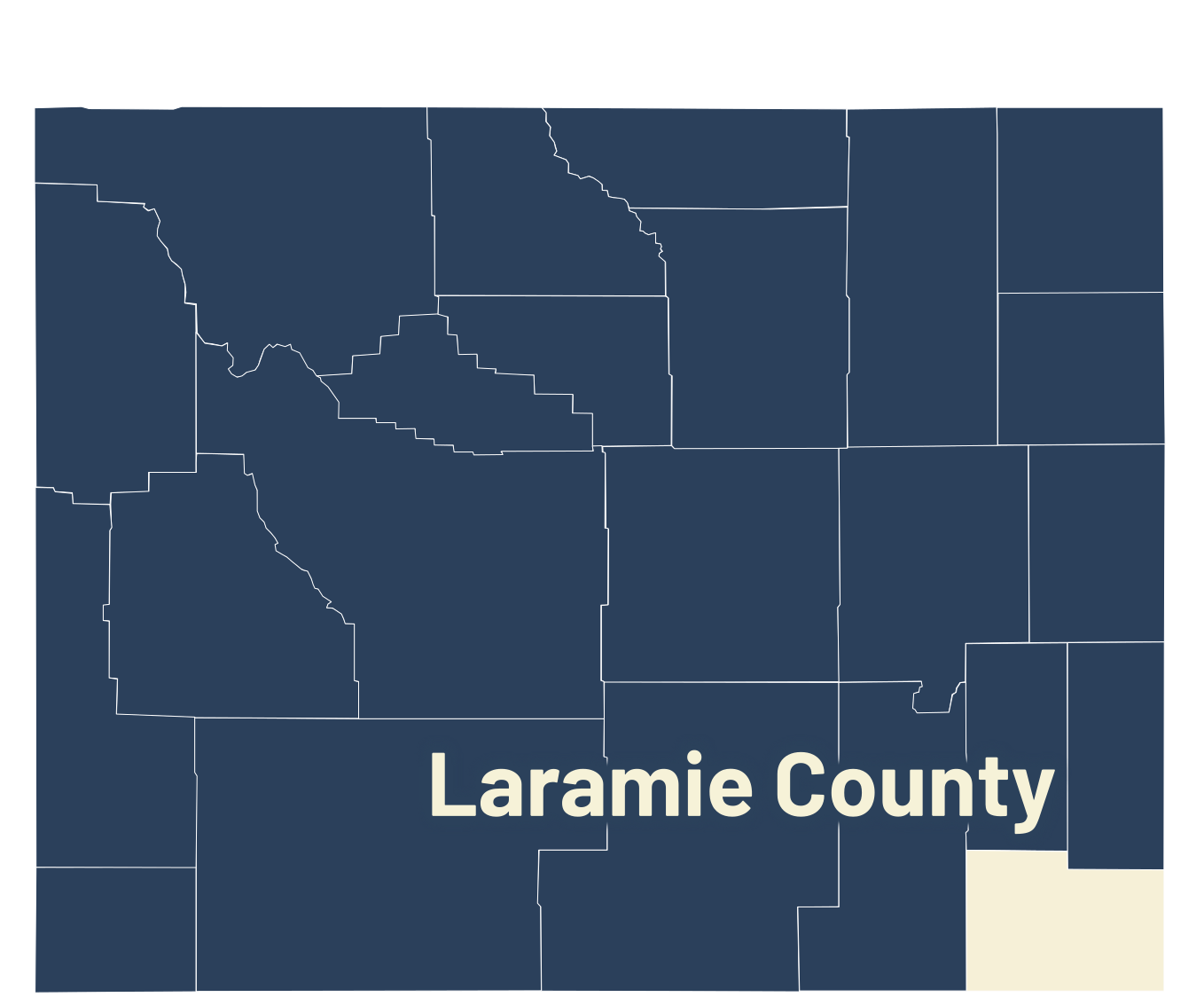
The company, Chalk Bluffs Wind LLC, is a subsidiary of Utah-based Enyo Power Partners and behind the Chalk Bluffs Energy Project, a roughly 25,000-acre wind, solar and battery storage development planned about 14 miles northeast of Nunn. Plans call for 79 turbines in Weld County and about a dozen more just over the line in Laramie County, Wyoming.
At full build, the project would include up to 380 megawatts of wind, 425 megawatts of solar and 500 megawatts of battery storage, according to Weld County and state wildlife agency documents.
Enyo's application describes a transmission line running from the project's main substation across the state line to connection points in Laramie County, where it would serve commercial and utility customers in Wyoming. A second line would run west to tie into the Platte River Power Authority's grid near Interstate 25, though the company said final connections are still being negotiated with utilities.
Enyo hasn't named who will buy the electricity. Its application says it expects to sell to area utilities and to data centers and other large commercial customers.
‘Next generation’
When Salo decided to lease around 18 acres of his ranch for the wind farm, he said he didn't expect much pushback. But opposition swiftly took shape online under the name Save the Chalk Bluffs, a website and social media campaign that urged people to sign a petition, submit comments to the county and turn out for hearings.
The campaign warned the project would harm pronghorn migration, raptors and bats, and framed it as a threat to the prairie and to Colorado's ranching heritage.
The developer's application says the project was sited to avoid state and federal raptor nest buffers, leaving a wildlife corridor more than two miles wide that it says visually protects the bluffs, though Colorado Parks and Wildlife recommended moving four turbines farther from the escarpment.
Several nearby landowners and residents also filed written objections with Weld County planning staff in May. They warned the project would fragment habitat for raptors, elk, mule deer and pronghorn, spoil views of the bluffs and take grazing land out of use.
“We believe the County’s responsibility should be to protect the health, safety, welfare, and rural character of Weld County,” Eagle Rock Ranch owners Gordon and Beverly Black wrote. "Not facilitate inappropriate industrial development in sensitive agricultural and scenic areas.”
For Salo, that industrial development and scenic loss already happened when his neighbors decided to develop the oil and gas on their properties. That development, he said, has turned his ranch into a “giant oil pad” while transforming his neighbors’ properties from struggling operations into profitable ones that can support future generations.
“How is it OK for them to extract the energy they're getting paid for and disturb the surface on us, but it's not OK for us to sell wind?” Salo asked. “My neighbors have been able to bring their kids home through oil and gas royalties.”
Wind, he said, is his chance to do for his own family what oil and gas has done for theirs.
“Two of our three girls, they have straight A’s but they don't want to go to college,” Salo said. “They want to do what we're doing. We’re trying to think about the next generation and the generation beyond that.”
The lease income, he said, would let him buy more land and cattle so his daughters can ranch too, without taking on the decades of debt.
“That's why we're losing so many agricultural young people,” Salo said. “The kids want to come back, but there's just there's nothing there for them.”
‘Not a game of numbers’
The opposition filled a Weld County hearing room Wednesday, when nearly 50 people testified over nine hours and the vast majority urged commissioners to reject the project.
Jason Maxey, one of the commissioners who voted no, said it was one of the hardest cases he’s heard over his long career in local government.
“It was a great application,” Maxey told Cowboy State Daily. “They checked all the boxes, but it is still incumbent on us as commissioners to ensure that the application and the proposed use actually fits into our code and works with the surrounding area.”
Maxey said scenic beauty and the area's agricultural heritage were among his biggest concerns. He acknowledged that oil and gas is already part of the landscape, but said the visual impact doesn't come close to that of towering turbines and the miles of transmission lines needed to carry their power.
“The energy that we get from the footprint of an oil and gas pad is also so much more energy dense than what you see from a solar project or what you get from wind turbines, in my opinion,” Maxey said.
While he factored the public outcry into his decision, Maxey said, for him, it ultimately came down to the county’s comprehensive plan, which calls for limiting the density and intensity of development to maintain agricultural areas.
Even though the turbines would be spaced far apart, he said, the commissioners were weighing the wind, solar, battery storage, transmission and substation pieces together as one application, covering 58 parcels and 25,200 acres. To him, that scale did not fit the plan's goal of preserving agricultural land.
“The size and scale of it, along with the public testimony about what it would do to that area, outweighed the private property rights in my mind,” Maxey said. “And that's difficult for me to say because I value private property rights a lot, just like the other four commissioners do.”
A Matter Of Responsibility
For Kevin Ross, one of the three commissioners who voted yes, the decision came down not just to property rights but also responsibility.
Ross told Cowboy State Daily the developer's commitments to limit the project's effects on neighboring properties left him no good reason to restrict what landowners wanted to do with their land.
“They had done more stuff that was voluntary and not even required in our code than I had ever seen in any submission before,” Ross said. “Therefore I thought it was compatible with the area and a great project.”
While he ultimately voted against a majority of the public opinion at the hearing, Ross said the all-day affair was a demonstration of good public participation. Everyone remained civil, he said, and provided helpful insights for the commissioners to factor into their decision.
While he took that testimony seriously, Ross said it was one factor into his decision and not the deciding factor.
“It's not a game of numbers,” Ross said. “Just because a whole number of people come and make comment in front of you, that doesn't mean a project is bad.”
After fighting the project from the start, Black said in an email to Cowboy State Daily he plans to "take the weekend off, collect our thoughts, and decide how to proceed” after the commission approved the project in a 3-2 vote.
While the commission’s approval clears the biggest local hurdle, Enyo still has engineering, utility connection agreements and other approvals to work through before it can build. Salo said he doesn't expect construction to start for another year or two.
When it does, he said, it won't get in the way of his cattle. He has seen cows on friends' ranches graze right up to the base of the turbines, and he plans to run his herd the same way.
For Salo, the wait is worth it if it means his daughters have a ranch to come home to.
Emma Jane Jackson can be reached at emma@cowboystatedaily.com.