
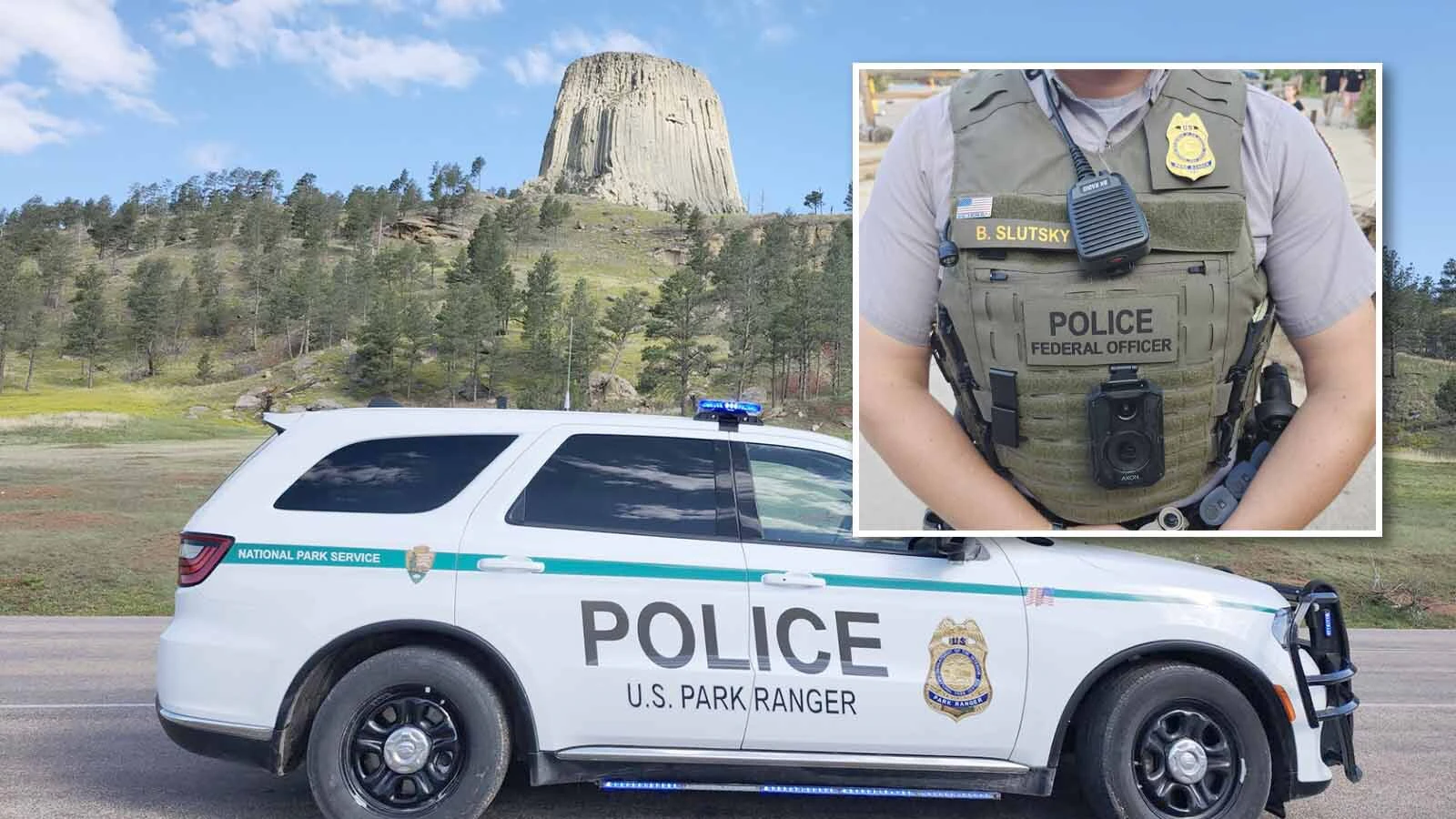
National Park Service rangers who hold law enforcement authority are getting new uniforms that emphasize their policing roles.
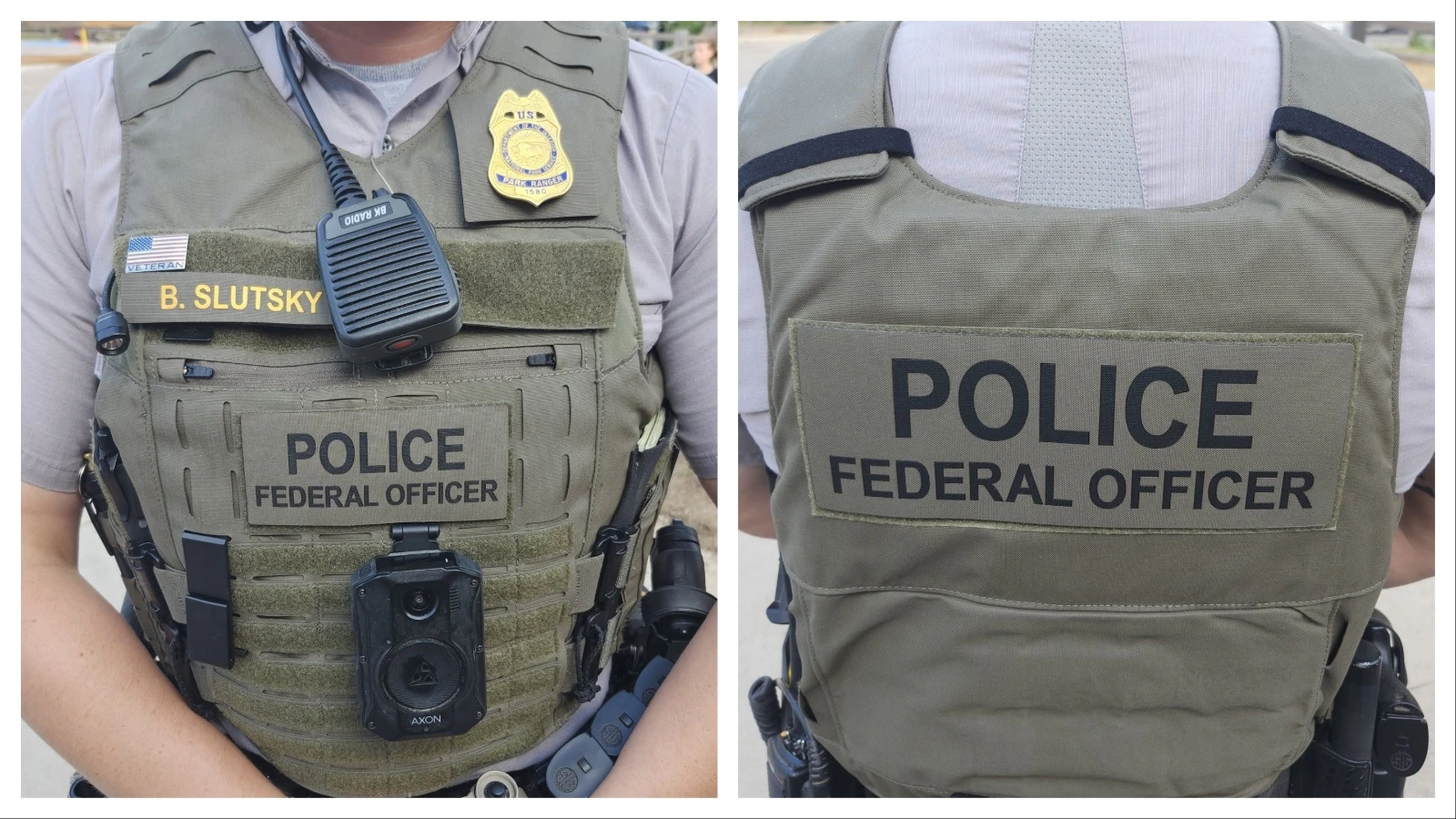
They’re switching to external ballistic vest carriers that say “police federal officer.” And new uniforms will also have rank insignia and military-esque sleeve patches – changes one news outlet called the “Copification” of the park ranger.
The rangers will also be able to choose between wearing the classic flat-brimmed hat or a ball cap.
Some say the change is a needed upgrade to tell the public which park rangers have authority to police crimes. Others fear it symbolizes a bigger trend, of lumping park rangers in with other federal law enforcement and overlooking their broader, highly unique duties.
Greg Jackson, a retired longtime park ranger who now runs the informational platform NPS Ranger News, is excited about the change, he told Cowboy State Daily in a Thursday phone interview.
Jackson said he knows the Mount Rushmore National Memorial has deployed the uniforms. He voiced doubt about whether Yellowstone National Park has made the full switch yet.
Yellowstone did not return an email request for comment by publication.
“I’m thinking back to some civil unrest in the late '90s,” reflected Jackson.
'You're Just A Park Ranger'
Jackson, who is also a former deputy chief of the NPS division of law enforcement, security and emergency services, said he was working at that time to quell riots at the Lake Mead National Recreation Area.
“At a certain point, they made the maintenance folks take (the uniform) off,” Jackson said. “They were like, ‘We don’t want to be out here wearing our grey shirt and green pants with a badge on, because we’re going to get shot.’”
Supervisors agreed, telling non-law-enforcement rangers to wear civilian clothes until the riots quieted.
A similar exchange marked riots at Santa Monica Mountains National Recreation Area, Jackson added.
He also has pulled people over who said, “You can’t arrest me. You’re just a park ranger,” he recalled with a chuckle.
And yet park rangers who are law enforcement certified can arrest people, and either take them to a holding facility at the park or an off-site detainment facility designated by agreement with federal authorities.
Jackson emphasized that the English word “police” has fairly high recognition globally – and national parks have high rates of visitors from other countries.
The National Park Service was created in 1916. Until about 1950, said Jackson, the service treated all park rangers like law enforcement officers.
In the 1950s, “They realized, ‘This isn’t going to work; not everybody’s cut out to do this and things are going to get bad,’” he said.
So they started designating certain employees as law enforcement and issuing those a special card. Still, the rangers all looked the same, said Jackson.
Congress acted again in October 1976 to clarify the duties and certifications for NPS law enforcement officers. That law is approaching its 50th anniversary next month.
The rules then dictated that the law enforcers had to wear a distinct uniform.
“But the Park Service said, ‘the distinctive uniform is wearing a duty belt,’” said Jackson. “Well, that’s not really a uniform.”
Times have changed, Jackson said.
“And enough incidents have happened that people want to adopt the current standards,” he added.
Losing Something
Tara Ross, a now-retired park ranger of more than three decades whom Yellowstone hired full-time in 1994, told Cowboy State Daily she may “get some hate” for her stance.
Ross now runs a podcast, “Crime off the Grid,” with former Yellowstone ranger Nancy Martinz.
Ross said she agrees law-enforcing park rangers should be distinguishable from the other rangers, and she likes the adoption of the green exterior vest carriers.
But for Ross, the option to ditch the iconic flat-brimmed hat portends some deeper, more symbolic concerns.
“That flat hat is iconic. It’s what sets park rangers apart from regular police officers,” said Ross.
Many of their duties are the same, she said. Others are unique, if not in their nature then in the setting in which they unfold.
“Take a park like Yellowstone, which is huge with backcountry,” she said, reflecting that most of her duties were in the backcountry.
Her favorite acts of service weren’t enforcing crimes but “anything that would help a visitor. I loved it.”
The vast and threatening environment amplified the need for, and the joy of, giving medical interventions, helping a person who’d locked their keys in the car, or righting a lost visitor, she said.
“The NPS has law enforcement climbing rangers, backcountry rangers, boat rangers who largely do other duties like rescues,” said Ross. “I just hope that the progression of the new changes don’t cause a loss of all of the traditional ranger duties.”
Ross reflected on old photographs of her father-in-law, who served as a ranger in the 1950s.
“Everything they did, they had the flat hat on,” she said. “We’re losing something, I think, by giving that away.”
She also said the people she encountered in law-enforcement situations didn't legitimately fail to recognize her authority, unless they were a sovereign citizen type.
But, Ross said, many of those working in the parks today celebrate the uniform change overall.
Clair McFarland can be reached at clair@cowboystatedaily.com.


