
Inflation and struggling deer herds have started to hit the Wyoming Game and Fish Department’s bottom line, enough that officials say a budget crisis looms on the horizon.
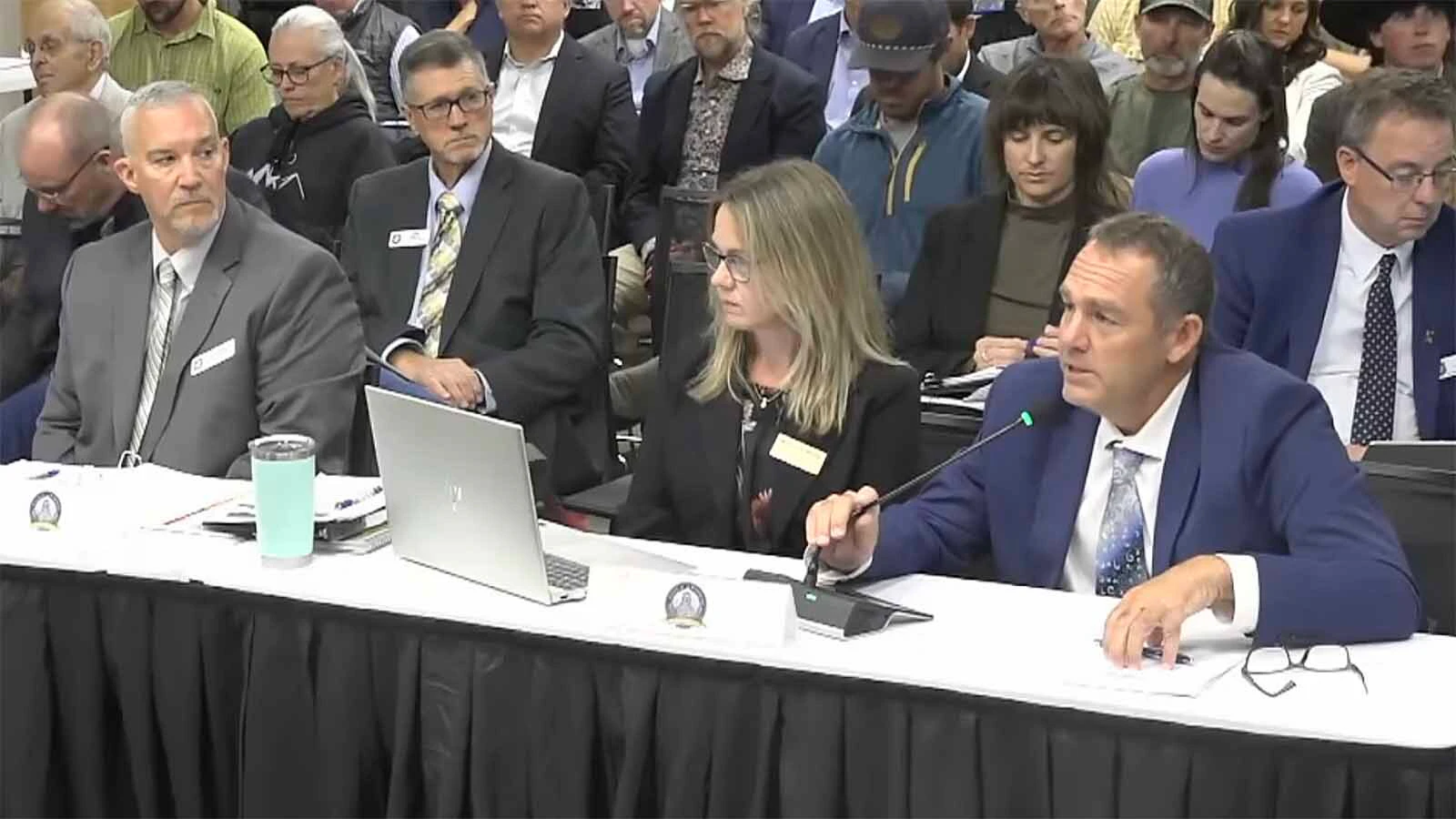
By 2030 or 2031, “that’s when we could be really pressed,” interim Game and Fish director Eric Wiltanger told lawmakers Wednesday in Jackson.
“We’re not dire right now, but we’re going to be,” he added.
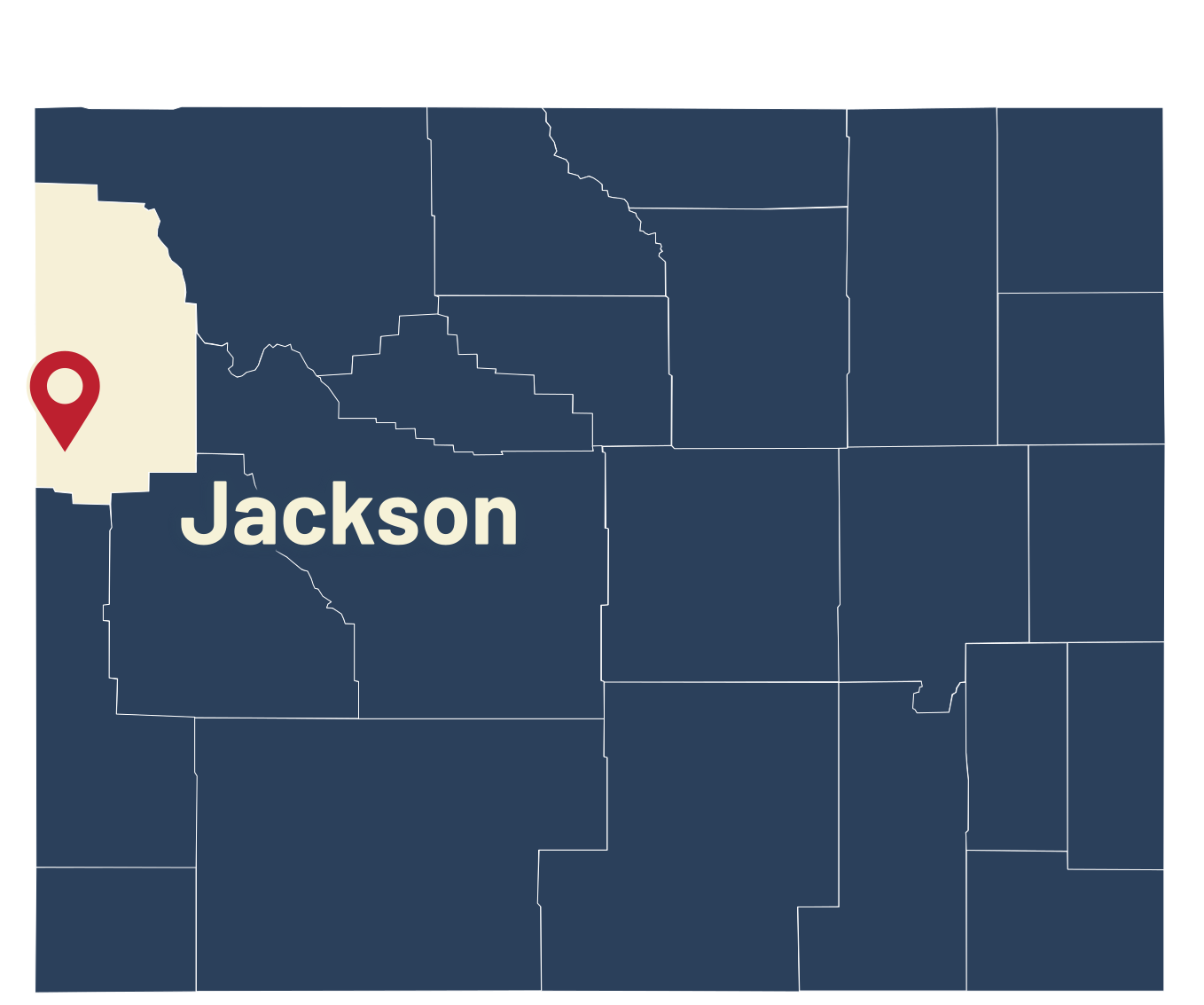
He made those remarks to the Legislature’s Joint Travel, Recreation, Wildlife, and Cultural Resources Committee during discussion about the department’s budget and draft bills that might provide more money.
Increasing funding for Game and Fish isn’t be as simple as the department asking the Legislature for more money.
To keep it free of possible political entanglements, Game and Fish was set up to be self or independently funded rather than taking money from the state’s general fund.
Three Draft Bills
On Wednesday, the committee forwarded a draft bill that would allow the department to recoup revenue from its free and reduced-price hunting and fishing licenses — to be considered during the 2027 legislative session.
The committee also worked on two draft bills that would create a trust fund, from which Game and Fish could draw a yearly percentage to supplement its budget.
In the end, the committee decided to hold those draft bills over to its November meeting for further consideration and to allow for more public comment.
How much money the trust fund will entail is among the details to be hammered out during that next meeting.
Several people testified in favor of the trust fund or similar measures to boost Game and Fish’s budget.
Joey Faigl of the Muley Fanatic Foundation, a deer conservation group, said trust fund money could go toward game and non-game wildlife species alike.
"The Muley Fanatic Foundation definitely will support, in any way possible, that you could increase the funds to provide to the Game and Fish Department,” he said.
Most Funding From Tag Sales
Game and Fish’s projected Fiscal Year 2027 budget is $111,452,574, CFO Meredith Wood told the committee.
Hunting and fishing license sales comprise the bulk of the budget, roughly 60%, she said.
Non-resident hunting tag sales, particularly for elk, generate roughly $47.2 million. Resident hunting tag sales generate roughly $7.8 million.
The next big source, about 21%, comes through federal aid, Wood said.
That includes Wyoming’s share of funds from the federal Pittman-Robertson and Dingell-Johnson acts. Through those acts, tax revenue from the sale of firearms, ammunition, archery gear, boat fuel, and the like is funneled into wildlife agencies and conservation at the state level.
Wood noted that Game and Fish’s share doesn’t amount to “money in the bank” at the beginning of the fiscal year. Rather, it comes through reimbursement on approved expenses.
For instance, law enforcement, such as game wardens’ training and payroll, doesn’t qualify, she said.
Federal funds reimburse such expenses as wildlife research and population monitoring and habitat assessment, Wood said.
Deer Tag Sales Tanking?
While elk tag sales might be robust, sales could be sagging for deer and pronghorn.
Those species were hit particularly hard by the brutal winter of 2022-2023, when they froze or starved to death by the thousands. Herds haven’t fully recovered.
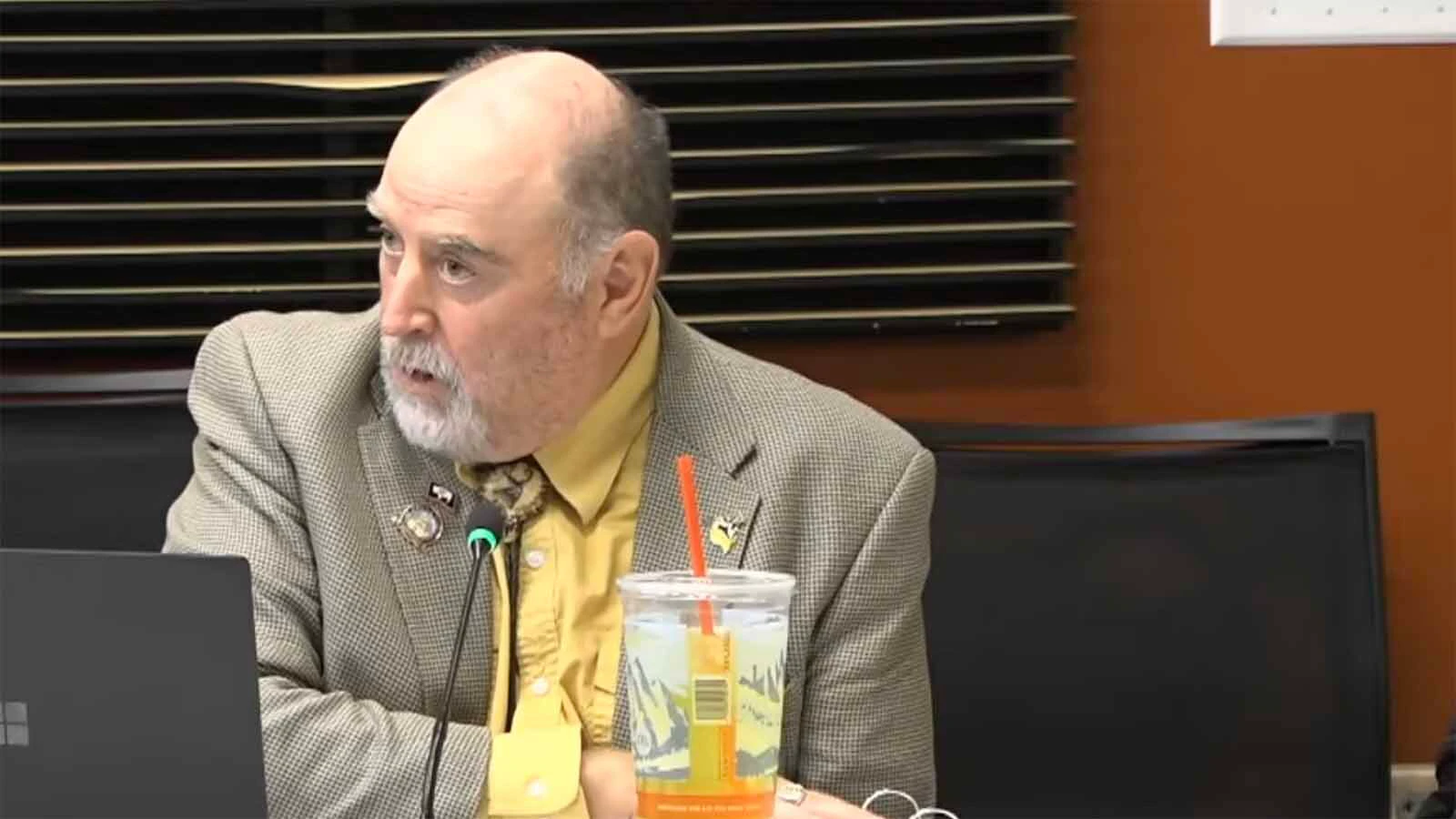
Committee member Robert Wharff, R-Evanston, asked whether that’s affected the Game and Fish budget.
"Hasn't the number of license sales considerably been reduced over the last, probably, five or six years?” he asked Wood.
“We still see very, very high interest in all licenses. Application numbers continue to go up, and preference points continue to go up,” she replied.
Wharf pressed the question, more specifically to deer tags.
“I believe license sales for deer have definitely had an impact on your budget. Is that not true?” he asked.
“The number of opportunities is down, so license sales are down, for deer,” Wood replied.
Mark Heinz can be reached at mark@cowboystatedaily.com.


