Driven by a severe lack of natural food sources, black bears have been piling into Colorado towns, where wildlife officials have killed nearly 300 so far this year.
As of the end of August, Colorado Parks and Wildlife had euthanized 294 black bears, compared to 83 through August 2025, according to the agency.
Bear activity in Durango this year has been ‘unprecedented,’ Bryan Peterson, the director of Bear Smart Durango, told Cowboy State Daily on Tuesday.
“We’ve got multiple reports every morning when I first wake up,” he said.
The drought and lack of natural food sources have much to do with why bears are getting into trouble and sometimes getting killed this year, he said, adding that people being careless with garbage and other possible food sources also is to blame.
“I think what people aren’t realizing is that trash is the primary reason for bears being in towns,” Peterson said.
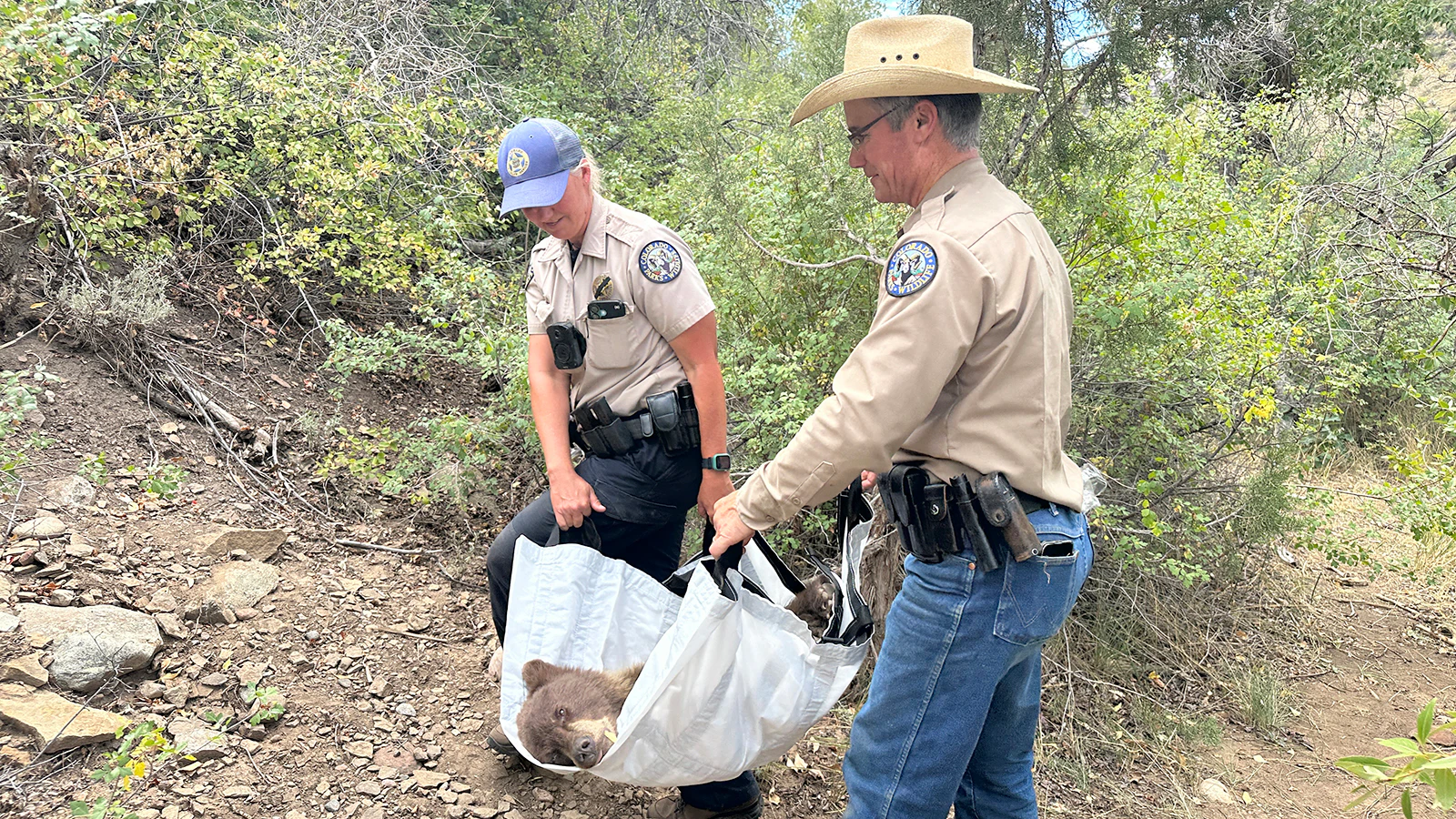
Early Tuesday, a mature male bear climbed a tree near a charter school in Durango and was captured.
Later that day, a female bear, thought to be 19 to 20 months old, was captured after dumpster diving behind some local businesses.
‘One To The Next'
CPW Southwest region spokesman John Livingston told Cowboy State Daily he went “right from one to the next” call.
Wildlife agents live trap and relocate bears whenever they can, but there’s zero tolerance for those that break into occupied structures, Livingston said.
“Once we’ve caught up with a bear that’s been in a home, it’s probably been one or two or three,” he said.
Those bears will be relocated but will likely have to be euthanized if they return under CPW’s “two strikes” policy for conflict bears, Livingston said.
CPW has found places about 100 miles away and across several river drainages that might be suitable for the bears, he said.
They are one of the few spots in the state where there are abundant acorns, berries, and other natural food for bears, at higher elevations.
Much of the rest of Colorado has been in a severe drought. That led to catastrophic berry and acorn crop failures, which in turn has been driving bears into occupied areas and into conflicts with people.
“The number of reported incidents in 2026 to date is 3.6 times the current 5-year average (2020-2025),” according to CPW.
Bear relocations are up 3.5 times the 5-year average, and bear killings are 2.7 times the average, CPW noted.
Colorado has an estimated population of 17,000 to 20,000 black bears.
The last confirmed report of a grizzly in Colorado was in 1979.
Fed Bear Is A Dead Bear
Livingston said some people might take a flippant attitude toward bears wandering in and feasting on garbage.
“They might think, 'If the natural food sources are scarce, what’s wrong with them (bears) eating out garbage?’” he said.
However, that can put people in danger and frequently ends badly for bears, he said.
Trash can be fatal even for bears that aren’t directly put down by wildlife agents, he said.
He noted that one bear that agents recently captured was “moaning and groaning” and looked bloated and utterly miserable.
It was decided to euthanize the animal. And upon cutting it open, they discovered that it had been a dead bear walking.
“Its upper intestines were completely blocked with trash. With plastic bags and those personal wipes, they tell you not to flush, for a reason,” he said.
“It’s lower intestine was completely empty,” he added.
Take Away The Temptation
Otis Latham, an outdoorsman and rancher who lives near Grand Junction, Colorado, told Cowboy State Daily there was frequent bear activity this summer around his property.
Securing garbage dumpsters helped immensely, Latham said.
“When you live around wildlife, you figure things out. They’re opportunists. And if you give them opportunities, they’re going to take advantage of it,” he said.
The start of Colorado’s bear hunting season, on Sept. 2, also seemed to clear out the bears out.
It’s not certain how this year’s surge in bear activity and increase in CPW euthanizing bears will affect hunting, CPW spokesman Joey Livingston stated in an email to Cowboy State Daily.
“With the lack of natural food available, it could be anticipated that bears will be moving more and will be seen more by hunters,” he wrote. “Fresh kills and gut piles will likely be pursued more strongly by black bears as well, and they could be less responsive to hazing when humans approach.”
In all, Colorado has had 8,672 reports of bear-related sightings and incidents through August, compared to 3,680 last year.
This year, 98 bears have been trapped and relocated, compared to 33 a year ago.
Mark Heinz can be reached at mark@cowboystatedaily.com.