
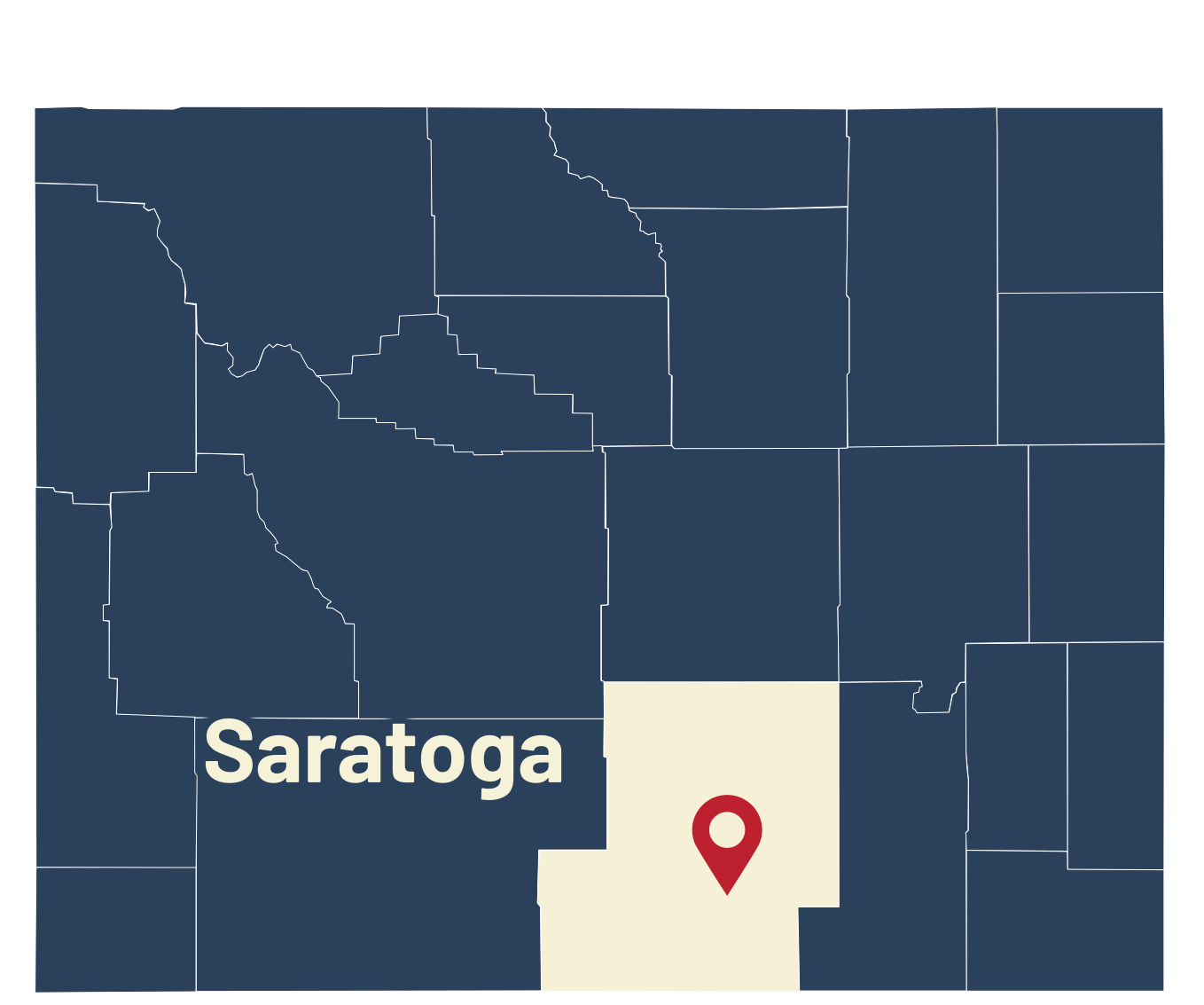
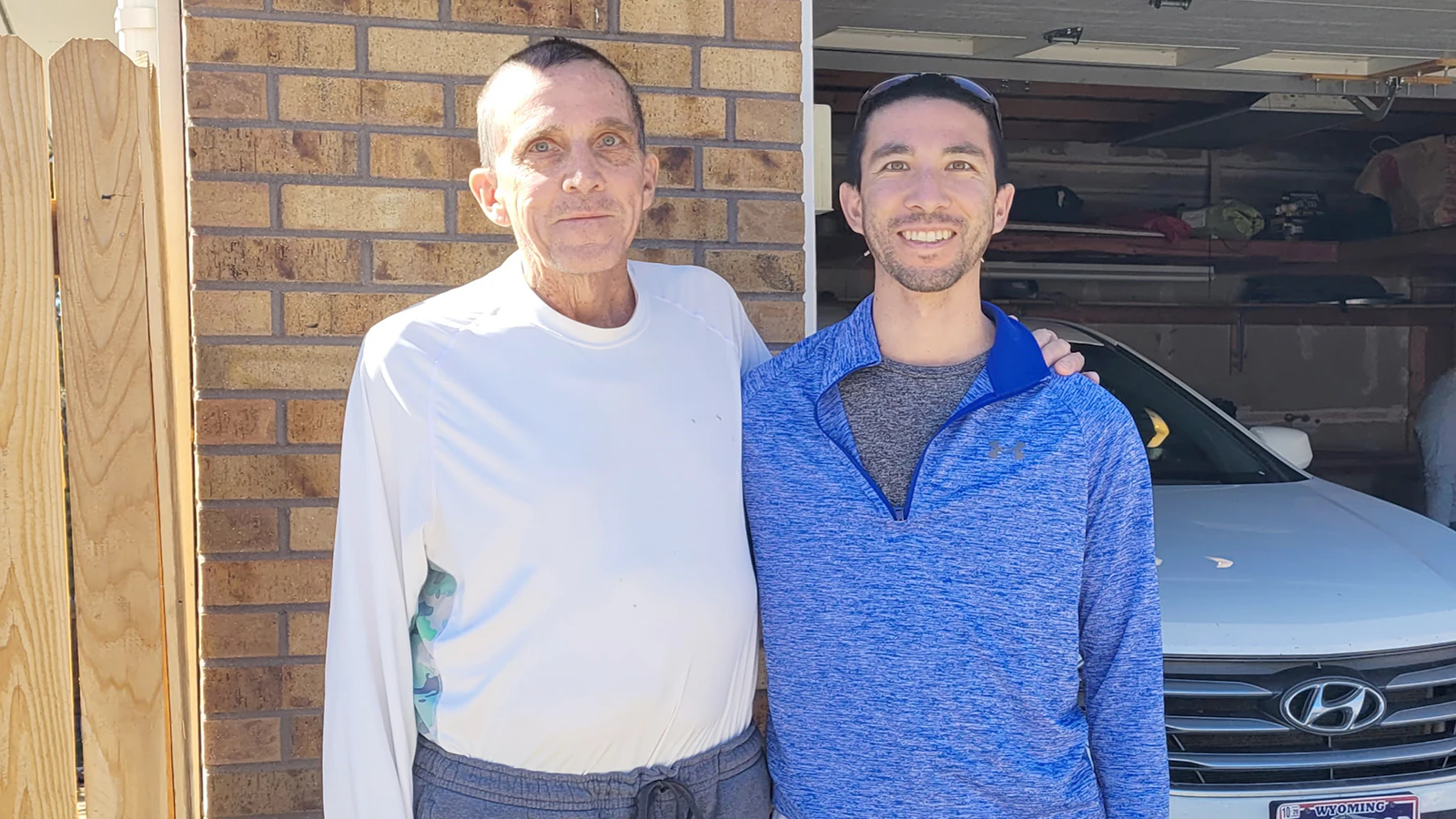
A 64-year-old Saratoga man describes his appearance earlier this year as someone fit for a spooky story or veggie tale.
A friend at work thought he looked more like a Holocaust survivor.
But the reality of Ken Collamer’s life as he peered in the mirror meant an end-stage liver disease diagnosis and the need for a transplant of the complicated organ, which filters blood and helps remove waste from the body.
“I referred to myself as the yellow ghost because I was about the color of summer squash most of the time,” Collamer told Cowboy State Daily. “I looked like a skeleton. My eyes were all sunken and I lost a lot of my flesh on my cheeks.”
His facial features look different today because of the gift that came from one of two people in his life that he vowed he would never ask for help.
Collamer said he and his wife, Susan, talked about how hard it would be to ask anyone to endure one of the most complicated surgeries in medicine: Spend six to eight hours on an operating table giving up a portion of their healthy liver.
“And by the way, you’re going to feel like crap for about a month and a half and you’re going to be out of work for up to three months,” he said. “The only thing you really get out of it is you’re helping the person that you’re donating to.”
So, they didn’t say anything to their two sons, Ben, 34, and Cameron, 30, as the disease slowly took a stronger grip on his body.
Collamer found himself needing a new liver after enduring more than 30 years of trying to manage a condition called ulcerated colitis.
The Sinclair Refinery maintenance electrician said in 2024 he was warned by a doctor that the polyps caused by his colitis were going to turn cancerous if he did not have them removed or have most of his large intestine taken out.
Collamer was told liver disease could be a complication with the surgery because of his condition was liver disease. Collamer’s specialist put him through special tests for a liver transplant prior to his bowel surgery.
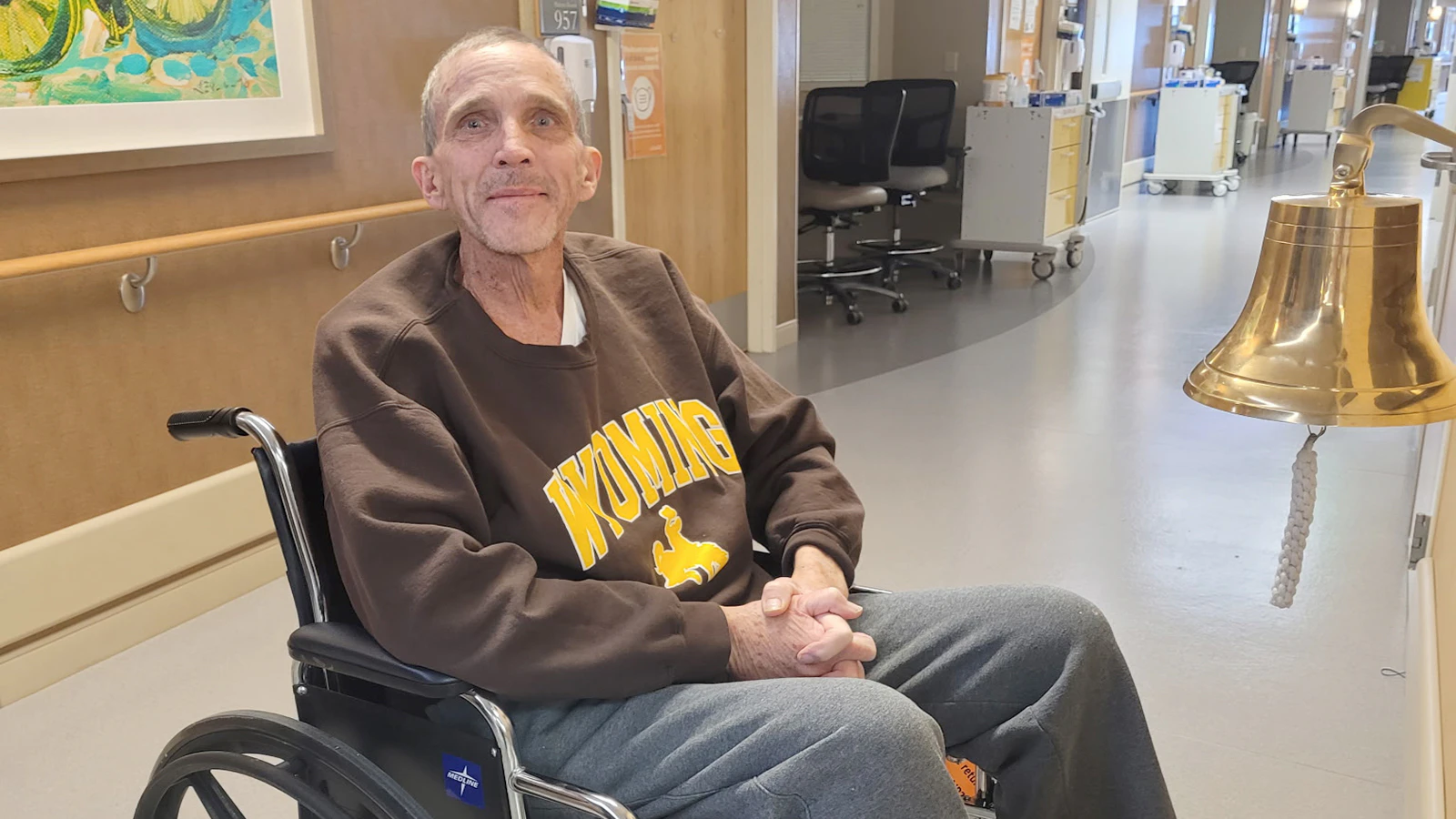
Liver 'Goes South'
Collamer said he went through with the bowel surgery in July 2024 and seemed to be doing well until November. Then his liver started “going south.”
A specialist at University of Colorado Anschutz campus in Aurora told him they would need to evaluate his liver again. After several months, Collamer wasn’t getting better and his coloring turned to the summer vegetable yellow.
Testing for end-stage liver disease showed he scored between 14 and 17 on a zero-to-40 scale, indicating the liver was failing and would need to be replaced.
“I was relatively stable, but I was pretty sick,” he said.
Collamer was put on a liver transplant list in September 2025 that involved waiting for a deceased donor. He was still traveling the 40 miles to the Sinclair refinery to work.
He said made sure he had his phone at all times as well as a “go bag” because of the need to head to the hospital on a moment’s notice. That meant he could no longer go fishing or anywhere where there was no phone signal.
Meanwhile, his sons asked him if instead of waiting, could someone donate. Collamer’s voice softened and paused as he recalled the words that followed.
“We said, ‘Yeah, they can,’” Collamer recalled. “And both my boys say, ‘Well, Dad, where do we have to be and when to we have to be there to donate livers?’ It was pretty humbling and pretty touching.”
Both sons then made contact with the hospital, filled out questionnaires, had physicals, did blood work and had conversations with a social worker and psychiatrist about their desire to help.
Collamer said Anschutz testing also involved the creation of a three-dimensional image by a German company of his sons’ livers, including the bile ducts and blood vessels, to help doctors determine who might be the better match.
The evaluation concluded that Ben’s liver’s “plumbing was a little less complicated that Cameron’s,” Collamer said.
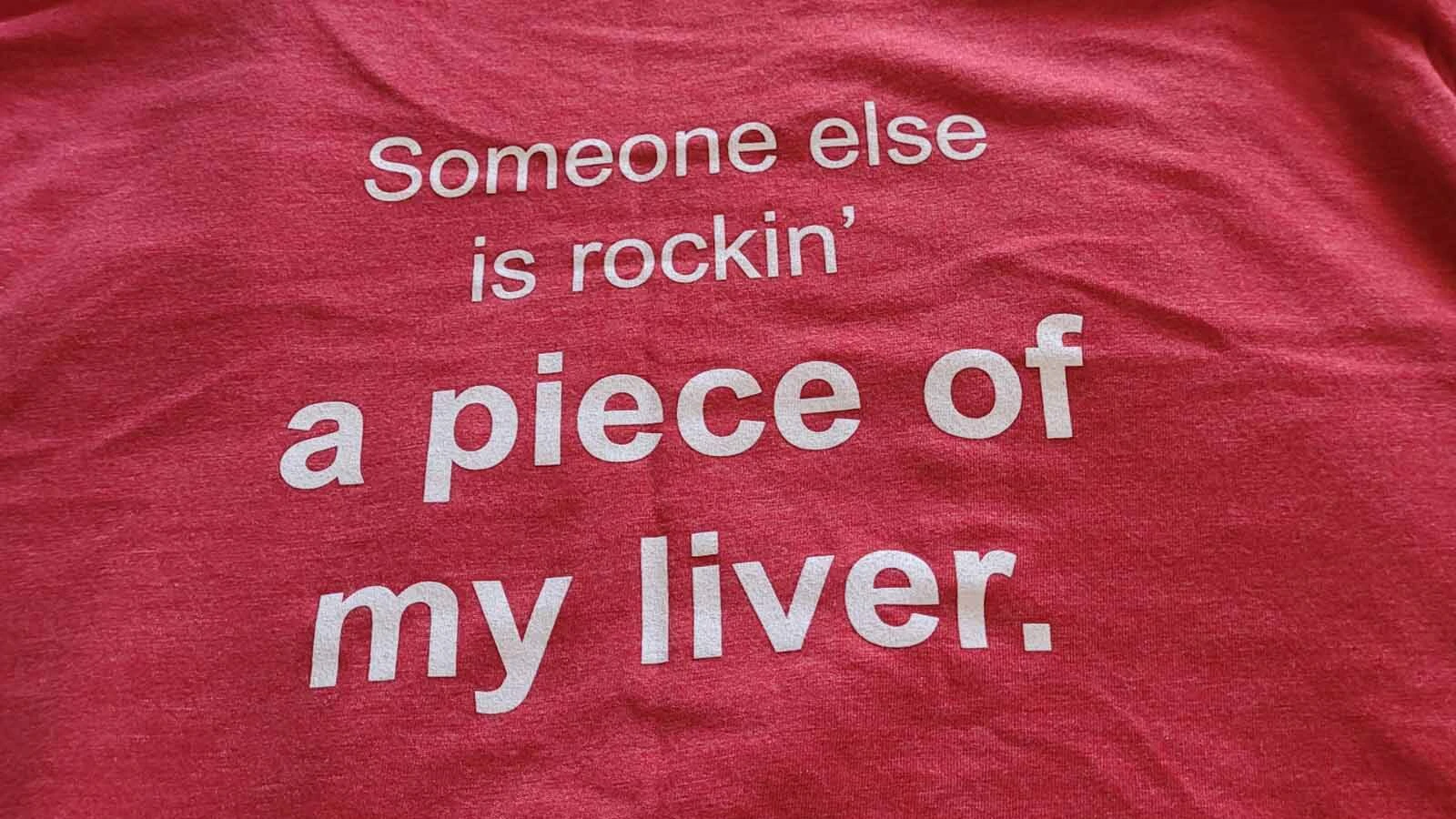
Their Own Research
Ben Collamer, an engineer for a Cheyenne company, said he and his brother did some research before their dad was put on the list. He characterizes the vetting process for the organ donation as “thorough and extensive.”
Understanding that the Aurora hospital does some 200 liver transplants a year gave him a measure of confidence and helped put his mind at ease. He was told that the transplants have a 95% success rate.
And knowing that his liver would regenerate was “reassuring.”
“If you look at the risks to yourself versus the benefits that it might be for somebody else, the risks for me were pretty negligible,” he said. “It’s even more of a benefit when you can go through that donor process and help somebody you love and care for.”
Ben Collamer said his dad has always been a major support in his life, coaching his sports teams, attending events, offering advice, and “just trying to help us get a better life and support us however he can.”
The son calls his dad “one of my best role models.”
Surgery for the pair was set for Feb. 23 this year. Ken Collamar said they both were blessed to work for companies that have good benefits with short-term disability insurance.
On surgery day, both were taken into the operation prep room. Family from around the region, in addition to Susan and Cameron, were on hand for support. The family had a prayer together before Ben was first wheeled into the operating room.
“We know who holds tomorrow, so we knew who was holding us at that moment,” Ken Collamer said. “We have a strong faith in God and we know that the Holy Spirit was with us.”
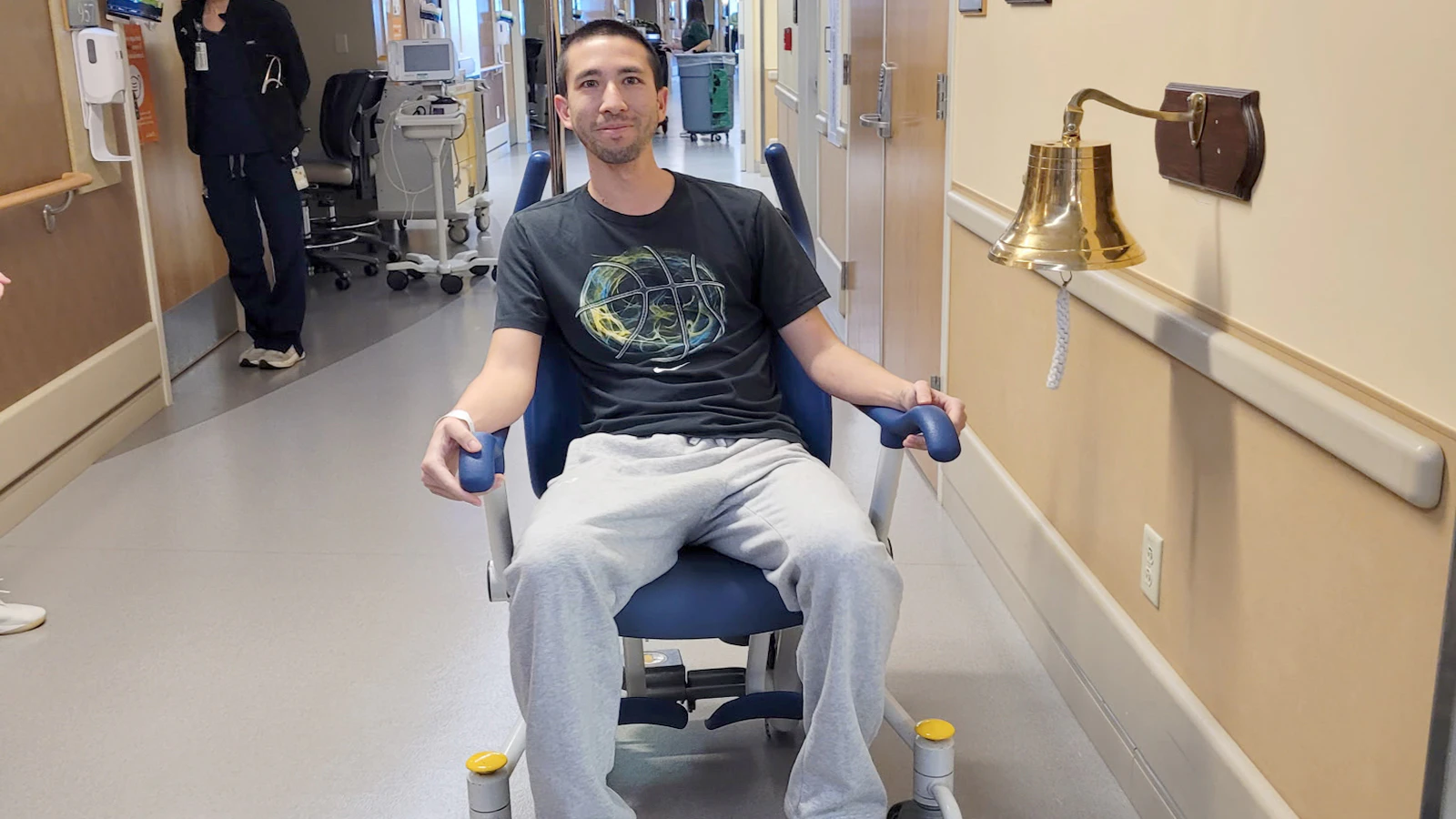
Surgery Day
Ben Collamer said the surgeon who removed 67% of his liver used a robotic surgical device that put small incisions in his abdomen that allow for robotic arms. The portion of the liver removed was through a incision similar to a “C-section,” he said.
Ken Collamer said Ben went into surgery around noon and he followed about an hour later. Ben was taken to the recovery room about six hours later. He was told Ben’s stay in the recovery room was relatively short before he was wheeled to a hospital bed. Ken Collamer understands his own stay was until about 3:30 a.m. the next day.
True to what he was told, Ben Collamer’s recovery involved a lot of “sleeping” and feeling “nauseous” for about a month. He said after the larger incision that was used to removed the portion of his liver healed, he was nearly back to normal.
“I think I was out golfing and playing sports right there at the two-month mark,” Ben Collamer said.
Both men had to stay in the Aurora area briefly to be certain their were no complications.
Ken Collamer said he returned to work July 13. At his last checkup Aug. 28 was told by his doctor his blood work looked great and that if she did not know he had a liver transplant it would be impossible to discern it by looking at the lab results.
“That was about as good as news as we could get,” he said.
Ken Collamer said he is back lifting weights and has no limitations except one — he can’t eat grapefruit.
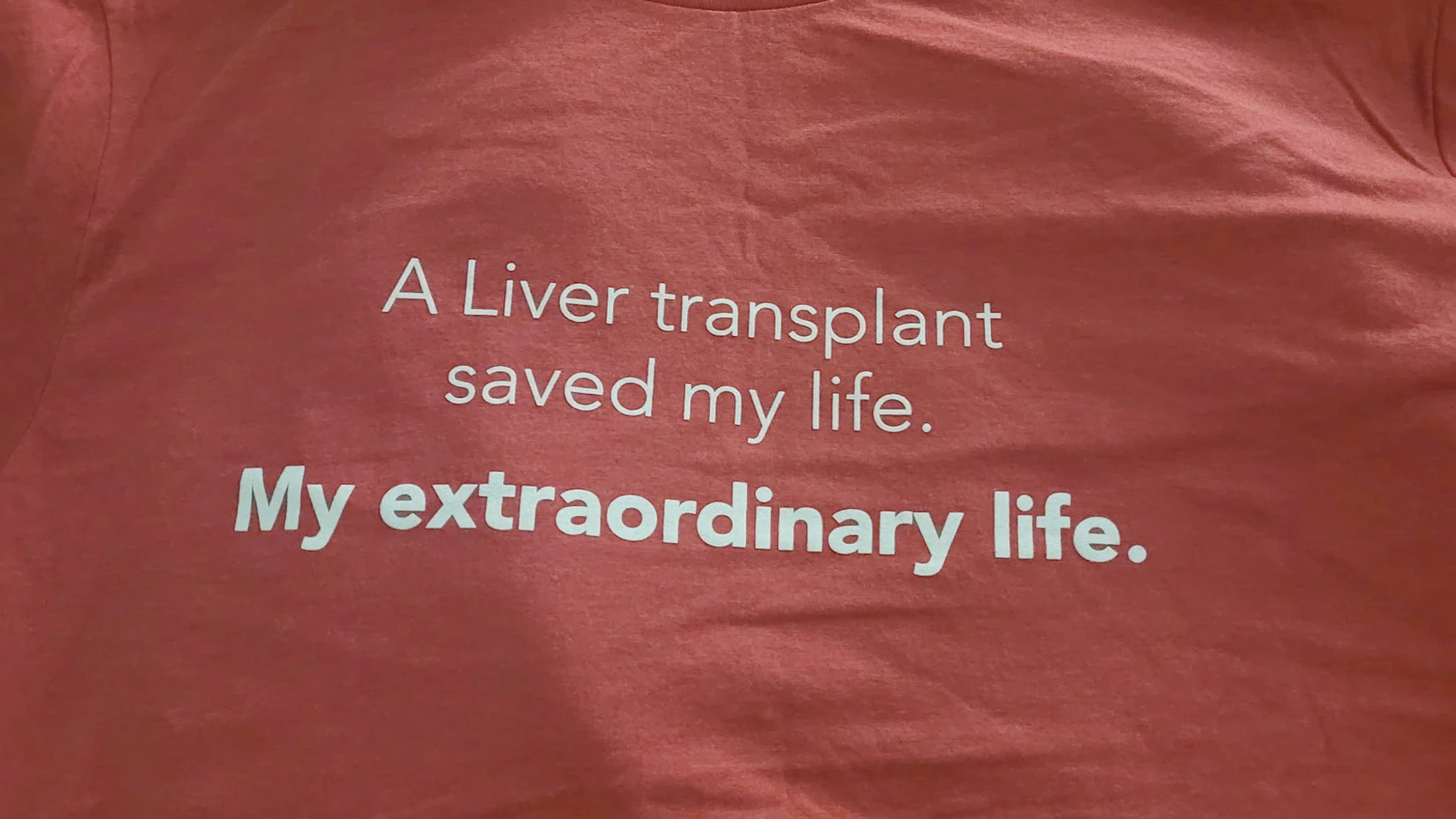
Thankful Man
The support of his family, church, members of the community, and friends from around the state and country who have reached out “means a lot.”
Ken Collamer said he hopes more people in the state think about checking the box on their driver’s license that would make them an organ donor because “you’re going to change somebody’s life.”
He also advises people facing transplant surgery to have their wills up-to-date and try and put preparations in place for family should the outcome not go according to plan.
Ken Collamer said he also will forever carry the memory of sons stepping forward to offer a part of themselves to preserve his own life.
“It means the world to me that both my boys were willing to sacrifice themselves for me,” he said. “I only needed one liver. In my eyes I have two heroes … by biology, Ben was the better candidate. That’s the only reason that Cameron didn’t donate his over to me.”
Dale Killingbeck can be reached at dale@cowboystatedaily.com.


