
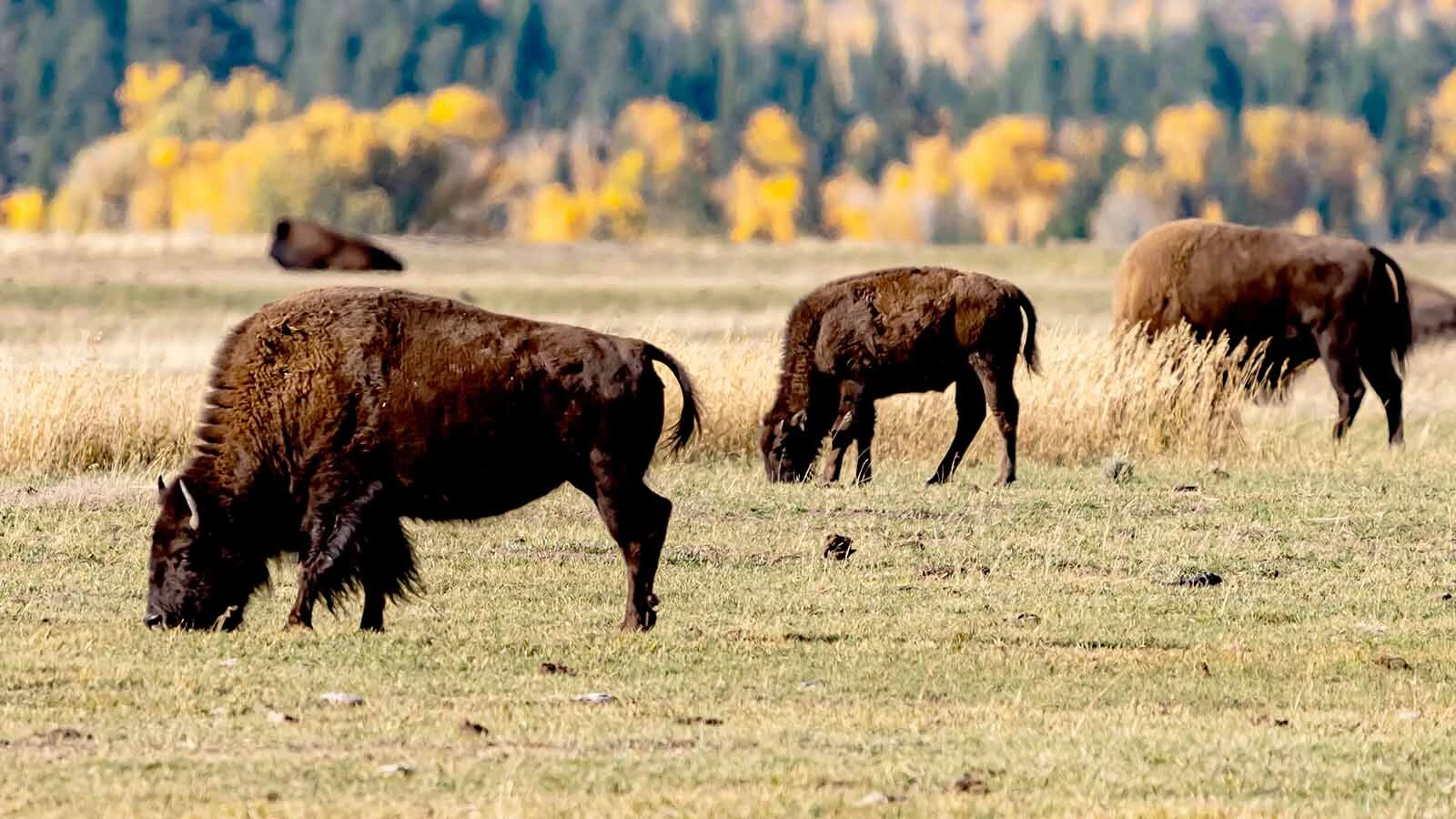
A federal judge on Friday blocked a Bureau of Land Management directive to remove bison from Montana federal grazing allotments because they're being managed as wildlife, not livestock, in a move that a Wyoming bison rancher said is good news across the West.
The case centers around a fight over whether to allow bison on seven federal grazing leases, totaling about 63,000 acres in Phillips County, Montana.
The case also can impact how bison are classified and have repercussions for bison ranches in Wyoming.
The judge’s order upholds their classification as livestock on those grazing allotments, the American Prairie conservation group announced Friday. The group is running about 940 bison there under a permit issued by the Biden administration in 2022.
“I think that’s great news," Dylan Handrich, owner of the Prairie Monarch bison ranch near Laramie, told Cowboy State Daily.
In Wyoming, only animals classified as livestock may be raised on ranches for commercial meat sales.
BLM Wanted Bison Out
Under the direction of Interior Secretary Doug Burgum, the Bureau of Land Management in January called for bison to be removed from the allotments.
The BLM claimed that American Prairie is managing the bison as wildlife, not as a food-producing livestock herd, and therefore is in violation of the Taylor Grazing Act.
The Montana Stockgrowers Association and other ranching organizations are applauding the BLM’s proposal.
They said that would return the grazing allotments to their original intent and help local ranchers and ranching communities.
Ranchers also worry about wild bison transmitting brucellosis to cattle.
The disease causes female cows to spontaneously abort their unborn calves. And cattle herds losing their brucellosis-free status can shut down interstate transport, upon which many ranchers rely for beef sales.
American Prairie argued that although the bison aren’t slaughtered and processed for meat, the group allows hunters to shoot 20 to 25 per year, with special permits.
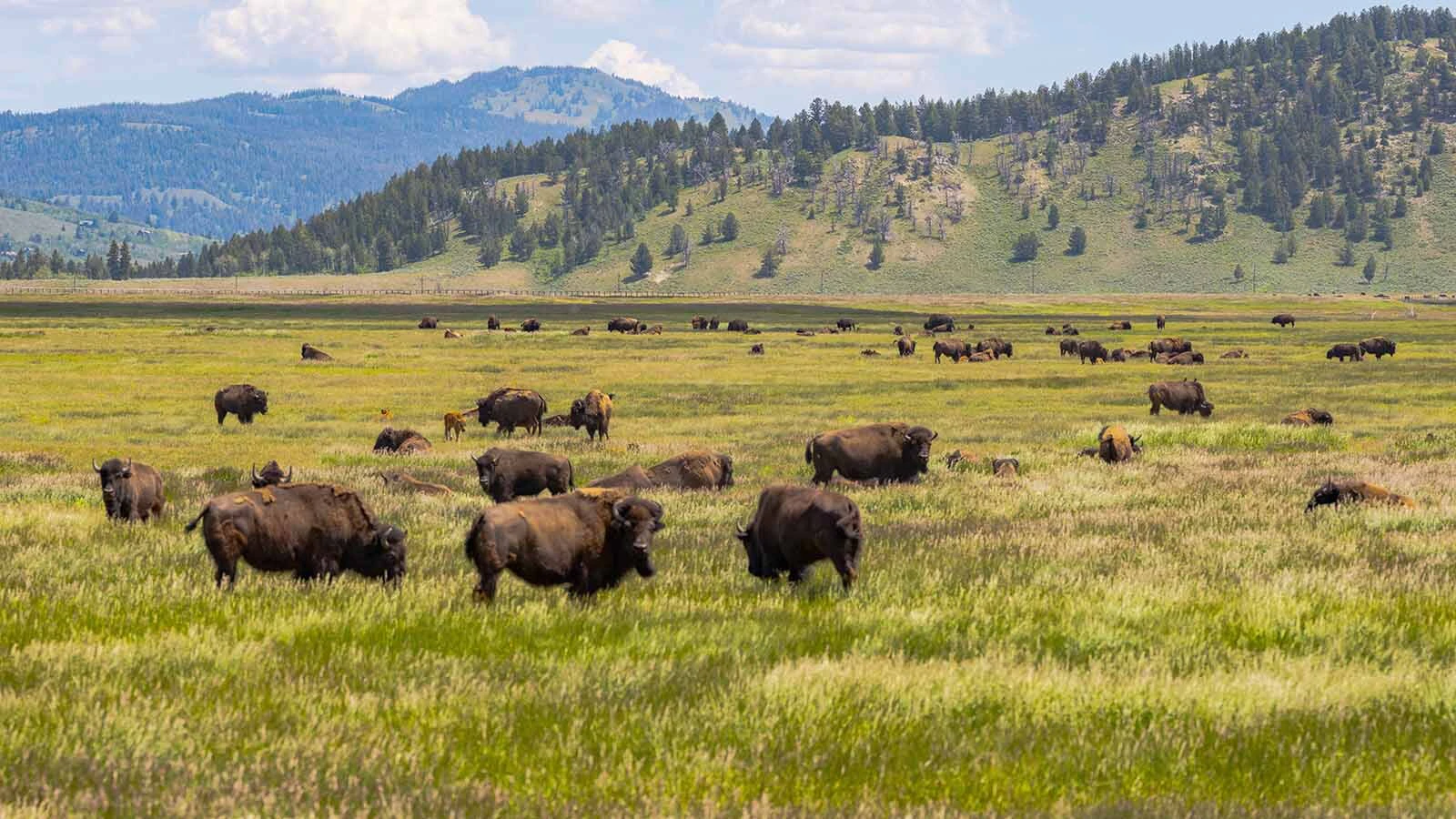
The bison are contained within fences on roughly 600,000 acres of habitat south of Malta, Montana, in the Missouri Breaks country, according to American Prairie.
The BLM grazing allotments in question are within that habitat area.
Since bison are the area’s natural grazers, they help restore prairie habitat, according to the group.
Court Victory
U.S. District Judge Brian Morris on Friday issued an injunction blocking the removal of the bison.
That should allow the bison to stay on the allotments for now, American Prairie stated.
“The court’s ruling recognizes what American Prairie has argued from the beginning, that the Taylor Grazing Act does not require a grazing operation to focus exclusively on production and ignore conservation or restoration,” said Mary Cochenour, attorney for American Prairie, in a Friday statement.
“The court found that American Prairie’s bison qualify as livestock under the Act and that we have demonstrated a likelihood of success on the merits,” she added.
Ranching And Conservation
Handrich said the direction of the Montana case also helps ensure the future of Wyoming bison ranching.
“We need to follow all the same protocols, such as brucellosis vaccines” that cattle ranchers are held to, he said. “If bison weren’t classified as livestock, I would not be allowed to raise them here."
He said the case also seems to have good implications for restoring bison to parts of their natural historic range for conservation purposes.
Jason Baldes, director of the Wind River Tribal Buffalo Initiative, has headed efforts to restore bison herds on the Wind River Indian Reservation.
He declined to comment on the specifics of the Montana case. However, in the big picture, bison are vital to land and wildlife conservation, Baldes said.
“Anywhere bison can be restored to, the landscape is a good thing, for the land and native plants and animals,” he said.
Bison herd restoration also has profound cultural meaning for Native American tribes, he said.
“It’s unfortunate that we have to fight for this animal to exist,” he said.
For environmental and cultural reasons, “you can’t just replace them with cattle, as much as people would like to believe that,” Baldes said.
Citing one example of what bison provide, he noted that the animals’ hair is frequently used by birds and burrowing rodents for nesting material.
“Bison hair is the second-warmest natural fiber on the planet next to musk ox hair,” he said.


