
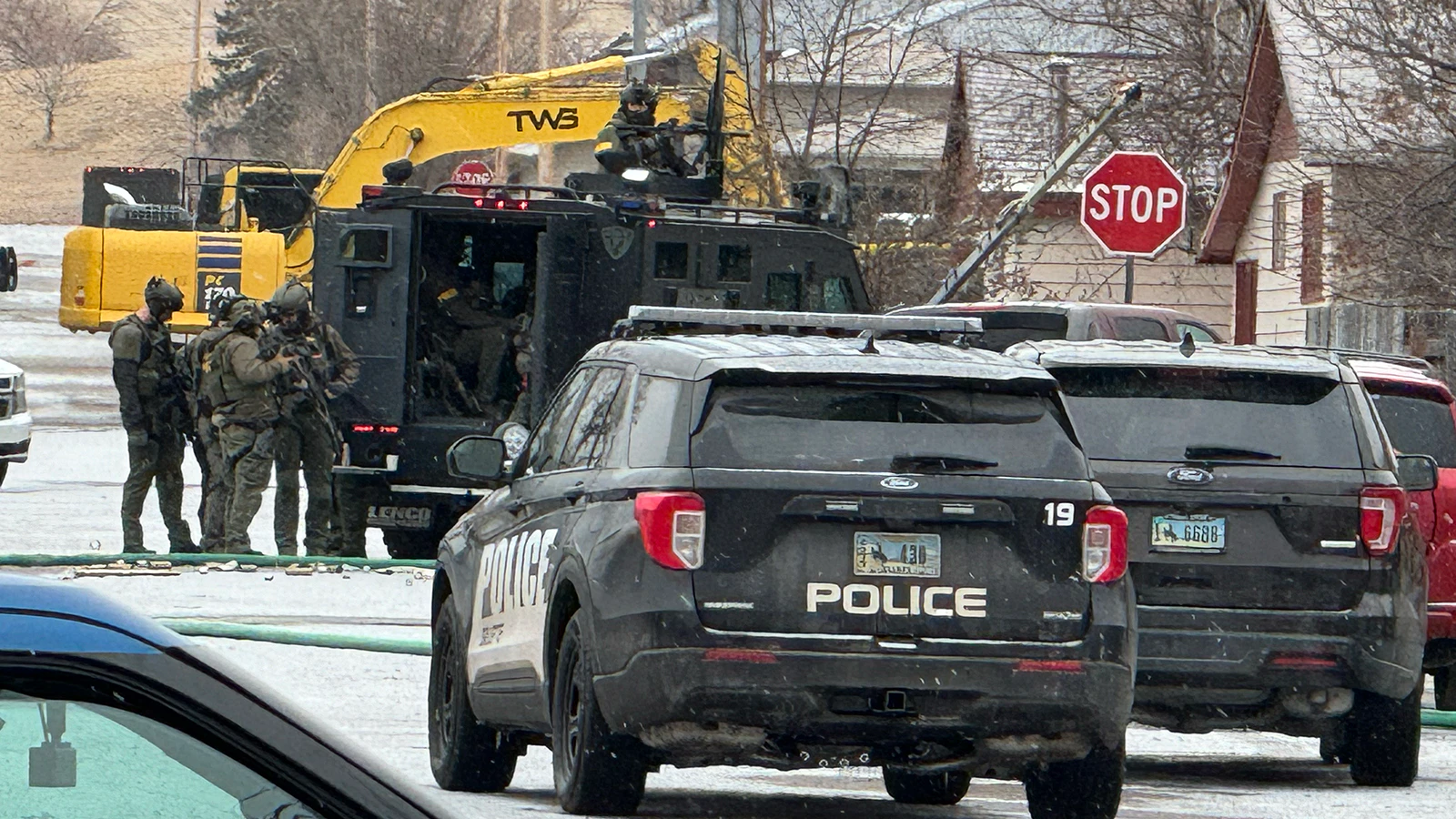
Wyoming police are entering uncharted territory as departments begin experimenting with artificial intelligence capable of narrating body-camera video, transcribing interviews and even writing police reports.
Casper, Evanston and Sheridan are each testing pieces of that technology, bringing AI into a criminal justice system where a machine-generated sentence could eventually become part of the record used to search a home, make an arrest or prosecute a crime — before Wyoming has decided how that work should be preserved, disclosed or challenged.
“My first reaction is good and bad,” said Gay Woodhouse, a former assistant U.S. attorney who later became Wyoming’s first female attorney general.
Woodhouse remembers federal investigations when prosecutors spent weeks combing through hundreds of hours of pole-camera video trained on suspected drug houses, searching for the few moments that mattered.
“We sat there and watched every one of the hundreds of hours,” Woodhouse said. “We were working nights, weekends.”
Artificial intelligence could find those moments in minutes.
The harder question is what happens when it begins deciding which moments matter.
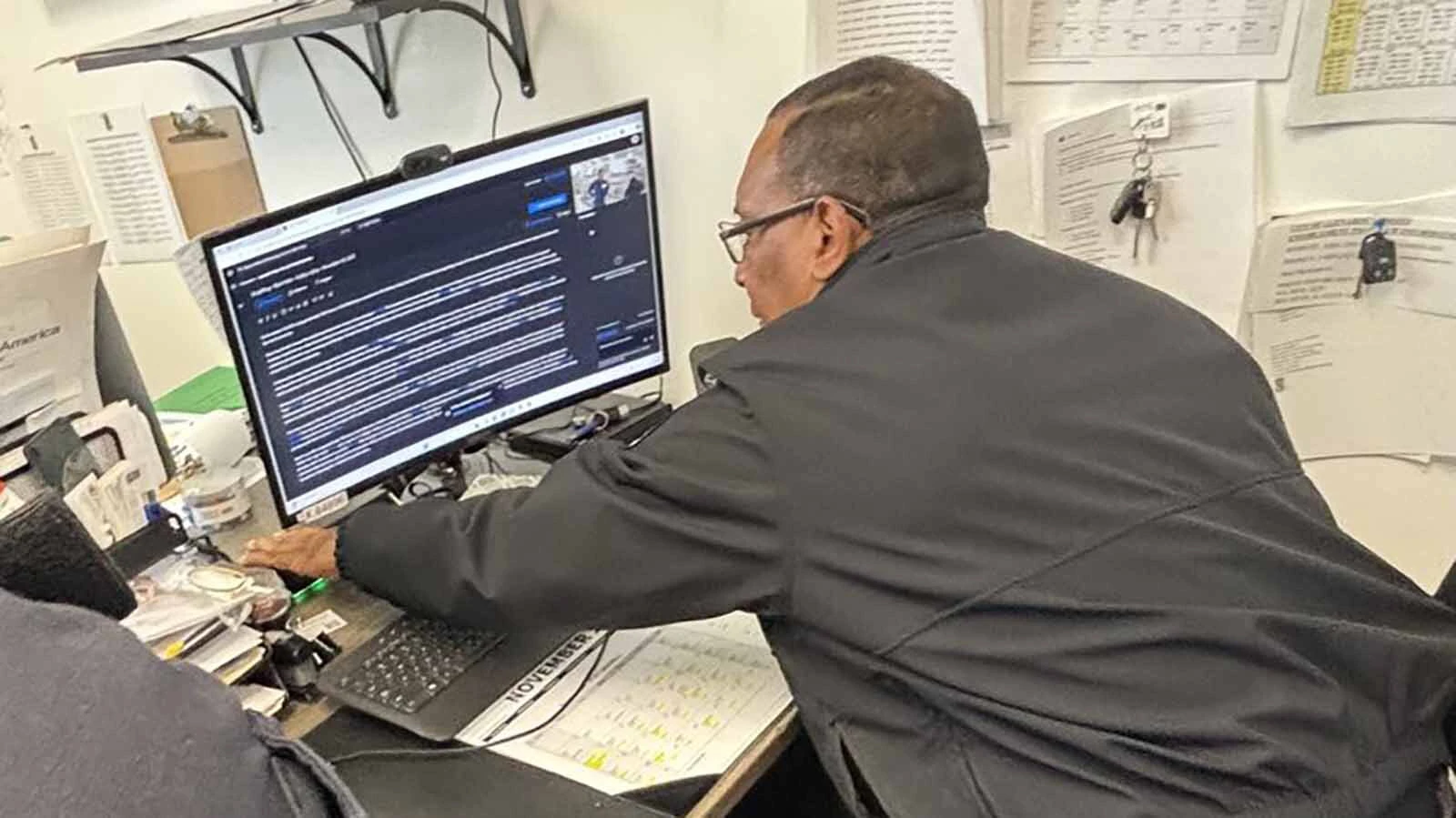
‘Behind The Eight Ball’
Wyoming lawmakers have already begun wrestling with AI in government, although they have not written rules specifically governing AI-generated police reports.
A bill introduced during the 2026 legislative session would have prohibited government agencies from using AI for certain forms of social scoring and biometric identification.
House Judiciary Committee lawmakers amended it to specifically exempt law enforcement uses that include “investigating, reporting or prosecuting” violations of Wyoming’s criminal code.
The bill cleared the committee 7-1 but never reached a vote by the full House.
The language nevertheless put something new into Wyoming’s legislative record: lawmakers were contemplating police using artificial intelligence for “reporting” before the state had decided what should happen to the reports it produces.
No Wyoming law specifically requires an original AI-generated police report to survive after an officer edits it, nor does one require the finished report to disclose that a machine helped write it.
“We're kind of behind the eight ball already, I think, on this,” Woodhouse said. “So we need to get on it.”
She believes the original AI output should be preserved along with the evidence used to produce it, giving prosecutors and defense attorneys the ability to see not only what the officer ultimately signed, but what the machine initially wrote.
“The main thing in criminal prosecutions is disclosure,” Woodhouse said, “and disclosing everything is much easier than trying to hide the ball.”
'AI Isn't Going To Take The Witness Stand'
Casper criminal defense attorney Keith Nachbar is less concerned with who does the typing than with what happens afterward.
“I think it absolutely is uncharted territory," he said about having AI generate police reports.
Police reports have always served two purposes, he said. They create a record of what an officer says happened, and months or sometimes years later, they help that same officer remember it.
An officer writing his own report has to reconstruct the encounter: what he saw, what he heard, what he knew and what he is prepared to defend later under oath.
Nachbar said a conscientious officer putting something on paper presumably has to think, “I better make sure that this statement that I write is true.”
A machine has no such reckoning.
“AI isn't going to be taking the witness stand, and AI doesn't have to be accountable for the statements,” Nachbar said.
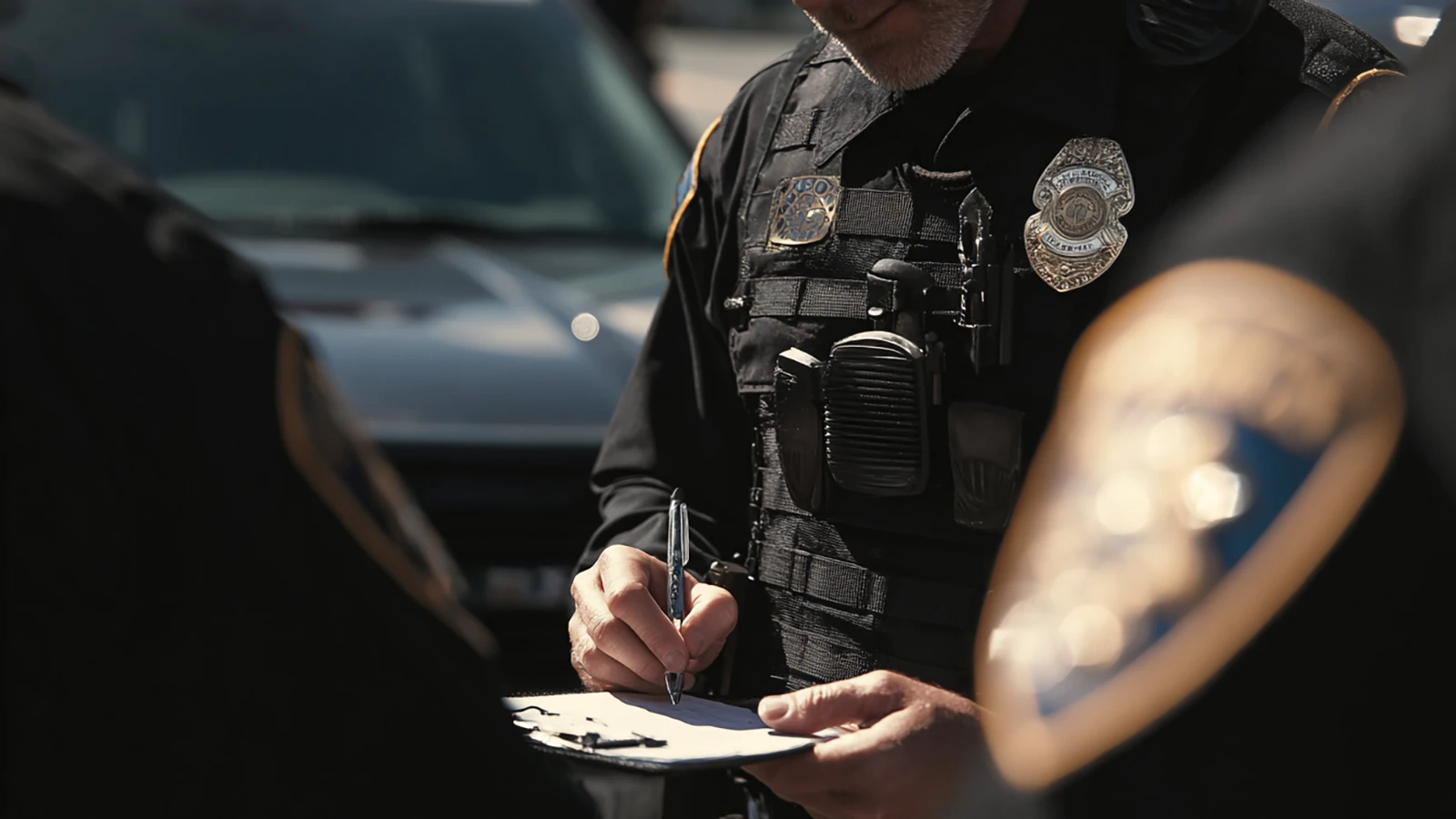
An officer still assumes responsibility when he reviews and signs an AI-generated report. Nachbar worries about the small mistake that survives that review.
Six months later, the officer may no longer independently remember whether a suspect reached toward his waistband or into it, precisely what somebody said or where everyone was standing. He returns to the report to refresh his memory, as officers routinely do before testifying.
If the machine put the wrong detail there first, Nachbar said, the report can begin informing the memory it was supposed to preserve.
“How do you look behind the curtain and figure out what it is that AI thought about?” he asked.
Nachbar would want the untouched AI draft in discovery so he could place it beside the officer’s finished report and see what changed.
‘Validated By An Actual Person’
Evanston Police Chief Mike Vranish sees the other side of the equation every time an officer sits down to write.
His department is testing Code Four, which can turn body-camera recordings into written narratives that officers review, correct and sign.
A police officer can spend a significant part of a shift at a keyboard reconstructing an encounter that just happened on the street.
Detectives can spend hours stopping and starting recorded interviews to transcribe them. Vranish remembers doing that work himself during his years as an investigator.
Artificial intelligence can do much of it in minutes.
“You can't rely on AI as the end-all,” Vranish said. “You put garbage in a computer, you're going to get garbage out.”
His officers are also learning what a body camera — and the machine watching it — cannot know.
A camera can record the inside of a house where a gun has been fired, but it cannot smell the gunpowder hanging in the room. It can record a suspected drunken driver but can't smell alcohol on his breath.
Those details exist only because a human officer was standing there, points out the chief.
“Everything's got to be verified and validated by an actual person,” Vranish said. “And I don't see that ever coming to an end.”
Evanston has not bought Code Four, and Vranish said permanent adoption would require the department to write rules for AI into its policy manual. He also said the department has no interest in concealing when the technology has been used.
Hallucinations
“The thing that worries me about AI in particular is just the ability to hallucinate,” Woodhouse said, referring to the term used when a system produces information that sounds plausible and authoritative but isn't supported by the material it was given.
Utah police have already seen a version so ridiculous it was impossible to miss.
The Park Record reported that while Heber City was considering AI report-writing systems, its police chief told the city council about another Utah department where body-camera audio captured Disney’s “The Princess and the Frog” playing in the background.
The artificial intelligence treated dialogue from the movie as part of the police encounter and eventually produced a report in which an officer turned into a frog.
Heber City ultimately adopted Code Four and has since established a broader municipal policy requiring human review of AI-generated work.
Woodhouse believes Wyoming should establish its own safeguards before those questions arrive in a courtroom attached to a real defendant.
“It'd be awful to lose a case because you used AI and didn't disclose it,” she said.
Nachbar sees the same uncertainty from the other table in the courtroom.
“Now you're introducing people going to jail or being arrested or charged with crimes as a result of somebody perhaps using AI and not being careful about editing it and making sure that it is 100% accurate,” he said.
Vranish's experience has convinced him that artificial intelligence can give officers back hours once spent typing and transcribing. It has also shown him the boundary of what the technology knows.
A machine can watch what the camera watches, record what the microphone hears, and turn both into a polished narrative before an officer can finish typing the first paragraph.
A machine cannot smell the room; nor explain itself from the witness's stand--and when a sentence is wrong, it cannot be held responsible for writing it.
Code Four
The AI technology Evanston police are now experimenting with is the brainchild of a 20-year-old named George Cheng. He and fellow co-founder Dylan Nguyen started building Code Four while students at MIT in April 2025.
Cheng told Cowboy State Daily the technology is now used by about 165 law enforcement agencies, mostly for AI-assisted investigations and report writing, with California, Utah and North Carolina among its earliest adopters.
“I think investigators and officers nowadays are so inundated with data that they can't really focus on the task at hand,” Cheng said.
He hopes Code Four can shoulder some of that volume, sorting through evidence, transcribing interviews and drafting reports so officers can spend more time on the investigative work that still requires human judgment.
Cheng doesn't pretend the technology is infallible, and doesn't promise possible AI hallucinations will disappear, but to put safeguards between a machine's mistake and the police report an officer ultimately signs.
One is an “Easter egg” system Vranish described, which places random words or phrases in reports that officers must identify during review.
The company also uses multiple-choice questions and other checks intended to make officers engage with the underlying material rather than simply accept the computer's narrative.
“If AI can't be perfect, we could try to make it as good as it can be, but then have safeguards in place,” Cheng said.
Cheng sees that human review as more than a temporary precaution while the technology improves. His vision is for AI to handle the growing volume of information confronting police officers without taking over the judgment — or responsibility — that comes with wearing the badge.
Kolby Fedore can be reached at kolby@cowboystatedaily.com.


