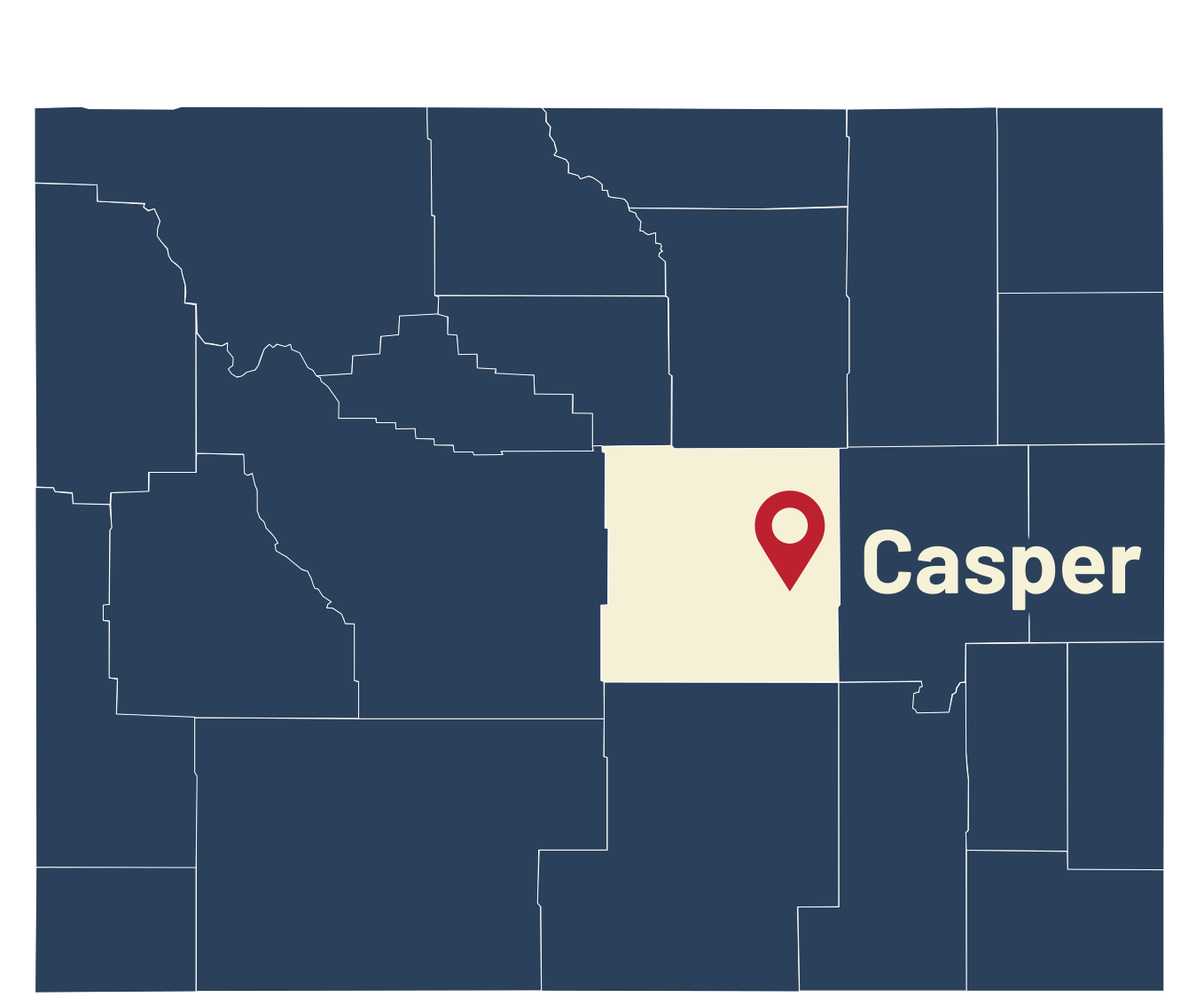
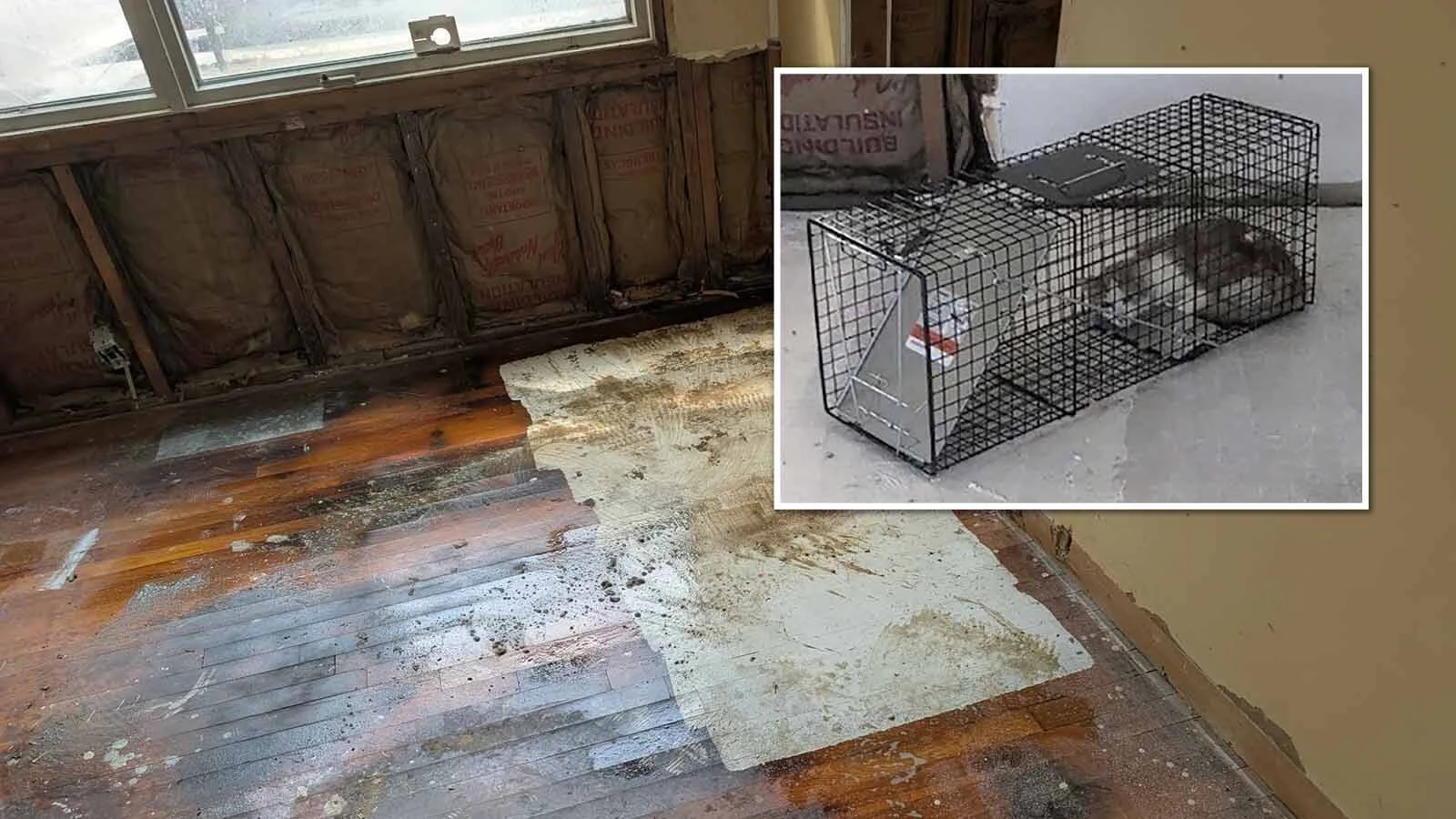
A Casper contractor has spent weeks trying to make a trashed house livable again, tearing out urine-soaked flooring, ripping down drywall and digging moldy cat food from clogged drains.
There’s just one problem.
The cats refuse to move out.
As recently as this week, feral cats were still finding their way inside the Casper house through a crawl space that Dustin Crapo can’t figure out how to completely seal.
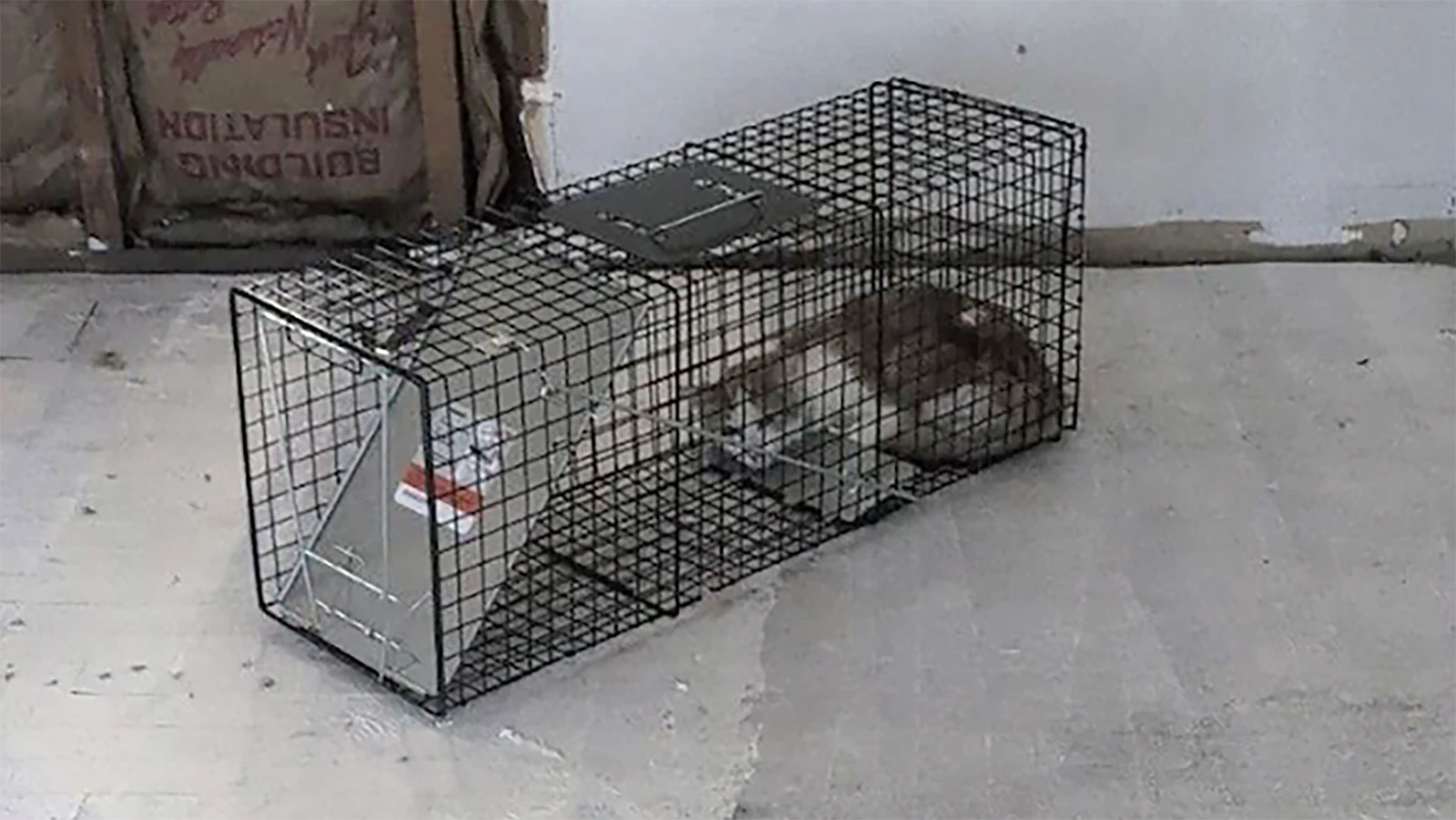
He has a live trap set inside, but even if he catches one, Crapo isn’t entirely sure what he’s supposed to do with it.
“I thought I had the cat problem resolved, and clearly I don’t,” he told Cowboy State Daily. “Not exactly sure how to proceed.”
It’s the latest chapter for the "cat squatter house,” a property Crapo said he believes might have helped multiply a feral-cat population now roaming several blocks of the surrounding neighborhood.
It’s also left the Casper native frustrated after he called the city for help and was told its employees neither trap feral cats nor pick them up after somebody else does.
“What do my tax dollars pay for if I’m doing all their work for them?” asked Crapo.
Seven Litter Boxes
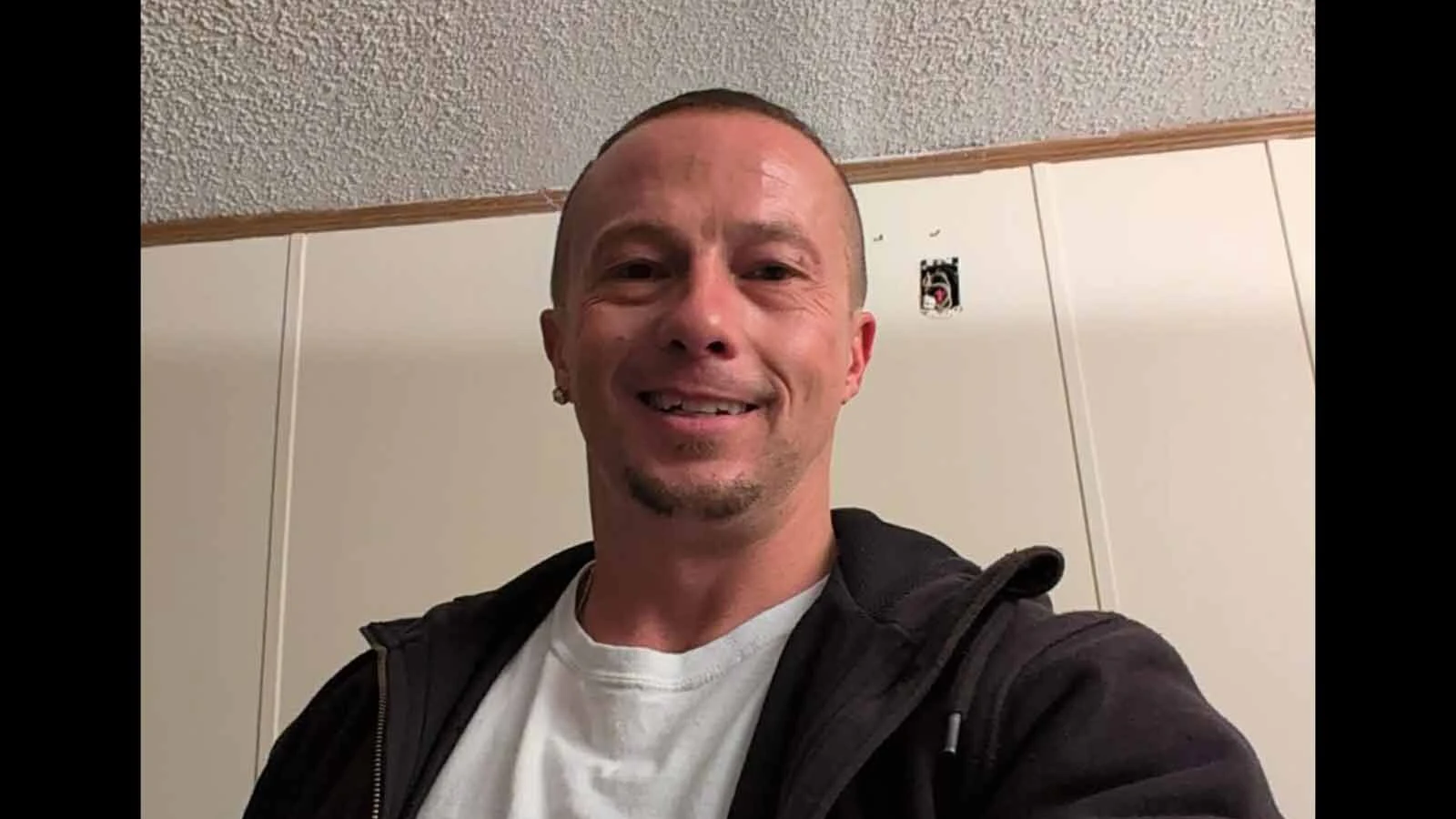
Crapo has been doing construction and remodeling work since 1997. He was hired to rehabilitate the property after it was purchased by a real estate acquisition company.
He first walked through the house in May.
“I believe there were seven litter boxes in the living room,” he said. “And it was bad.”
They scratched and shredded trim. Windows were caked with grime.
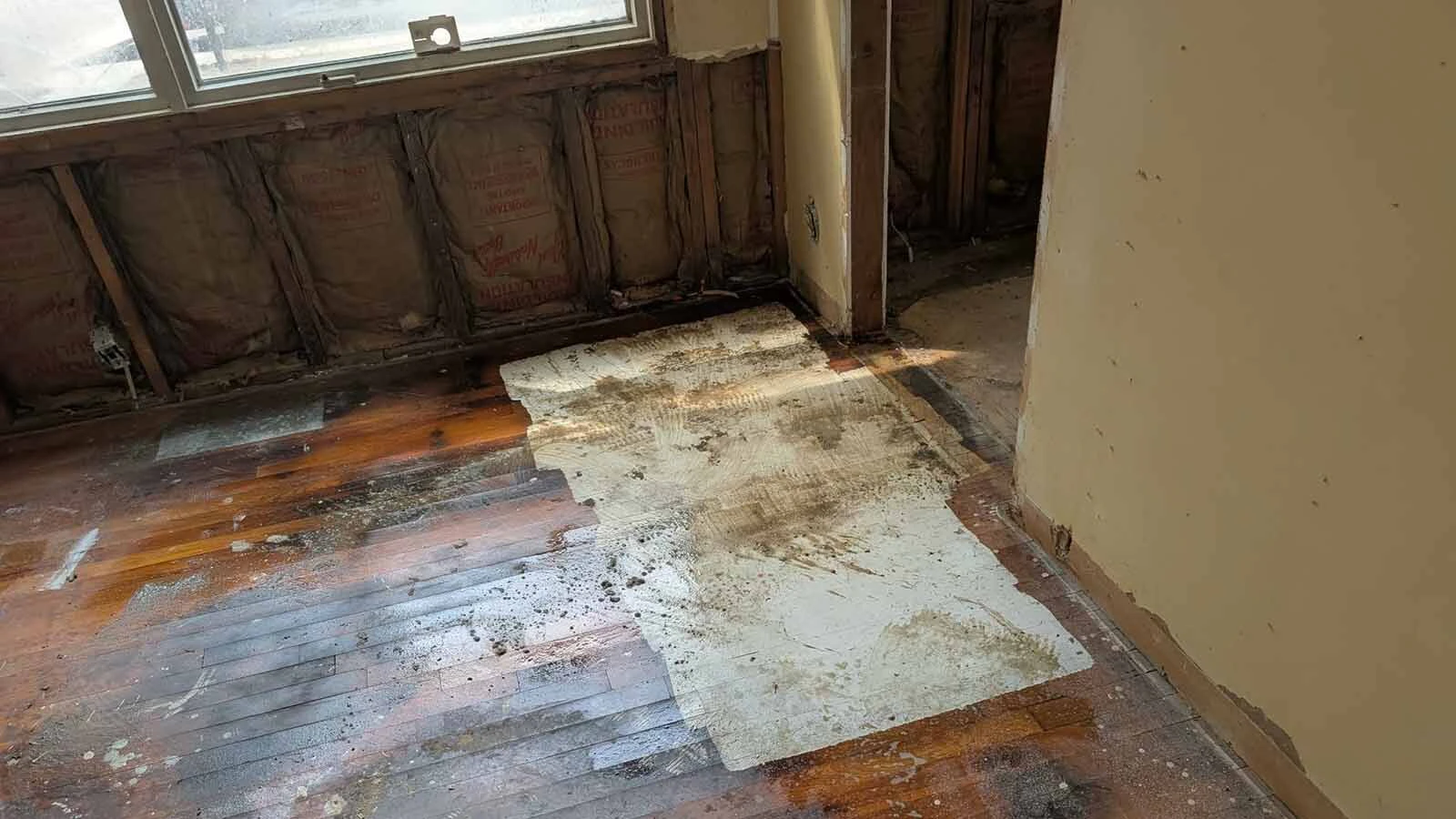
First, he pulled up the carpet. The padding underneath, he said, was stuck to the floor with cat urine.
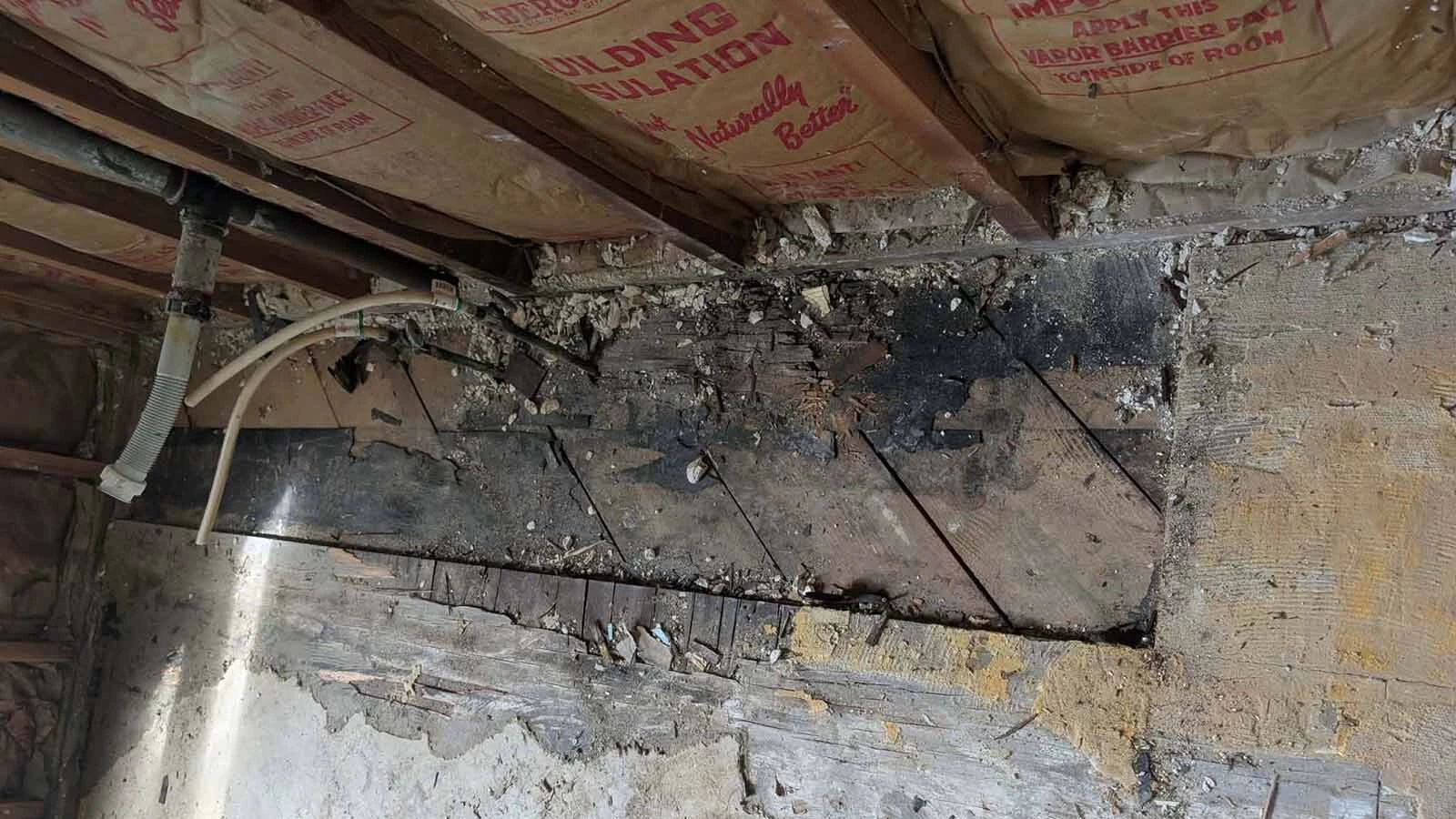
Since then, Crapo estimates he has removed all the flooring, about one-third of the drywall and damaged cabinets and trim.
“Moldy cat food was stuffed all the way down the drain,” Crapo said. “It almost made me puke both times. I had to pull that out.”
The lingering stench has been nearly impossible to erase.
Crapo first treated the house with an enzyme. Then came concentrated Simple Green, followed by what he described as "essentially bleach". He mopped everything, treated it with enzyme again and began coating the house with Kilz odor-blocking primer.
Even after all that, the smell lingers.
And there is evidence of the cats nearly everywhere.
Crapo said he hoped another coat of primer would finally kill the remaining odor, but he realized more work was still ahead.
A neighbor recently told Crapo that less than a year ago she counted 22 different cats around the property, he said.
The company that purchased the house had already trapped six before Crapo started the remodel, according to him.
Those cats, he said, were taken away, sterilized and then returned to the area.
Trap-Neuter-Return
Crapo's predicament comes as Casper has fundamentally changed its approach to feral cats.
Years ago, feral cats brought into Metro frequently faced euthanasia. The city has since embraced trap-neuter-return, commonly called TNR, as a way to control the population without killing otherwise healthy community cats.
Casper's ordinance now specifically allows feral cats to be trapped, sterilized, vaccinated against rabies, ear-tipped for identification and returned to the territory where they were captured.
Metro's TNR program became operational in July 2025 with grant support from Best Friends Animal Society. According to the Casper Police Department's 2025 annual report, 145 feral cats were trapped, sterilized and returned by the end of that year.
The philosophy is straightforward: Sterilized cats can no longer produce kittens, and returning them to their established territory can gradually reduce a colony without euthanizing the animals.
For a contractor trying to empty a house of cats, however, the practical reality can be considerably messier.
Crapo said he was not given an explanation for why Metro wouldn't trap or retrieve the cat he caught.
“No,” he said. “I’m still curious.”
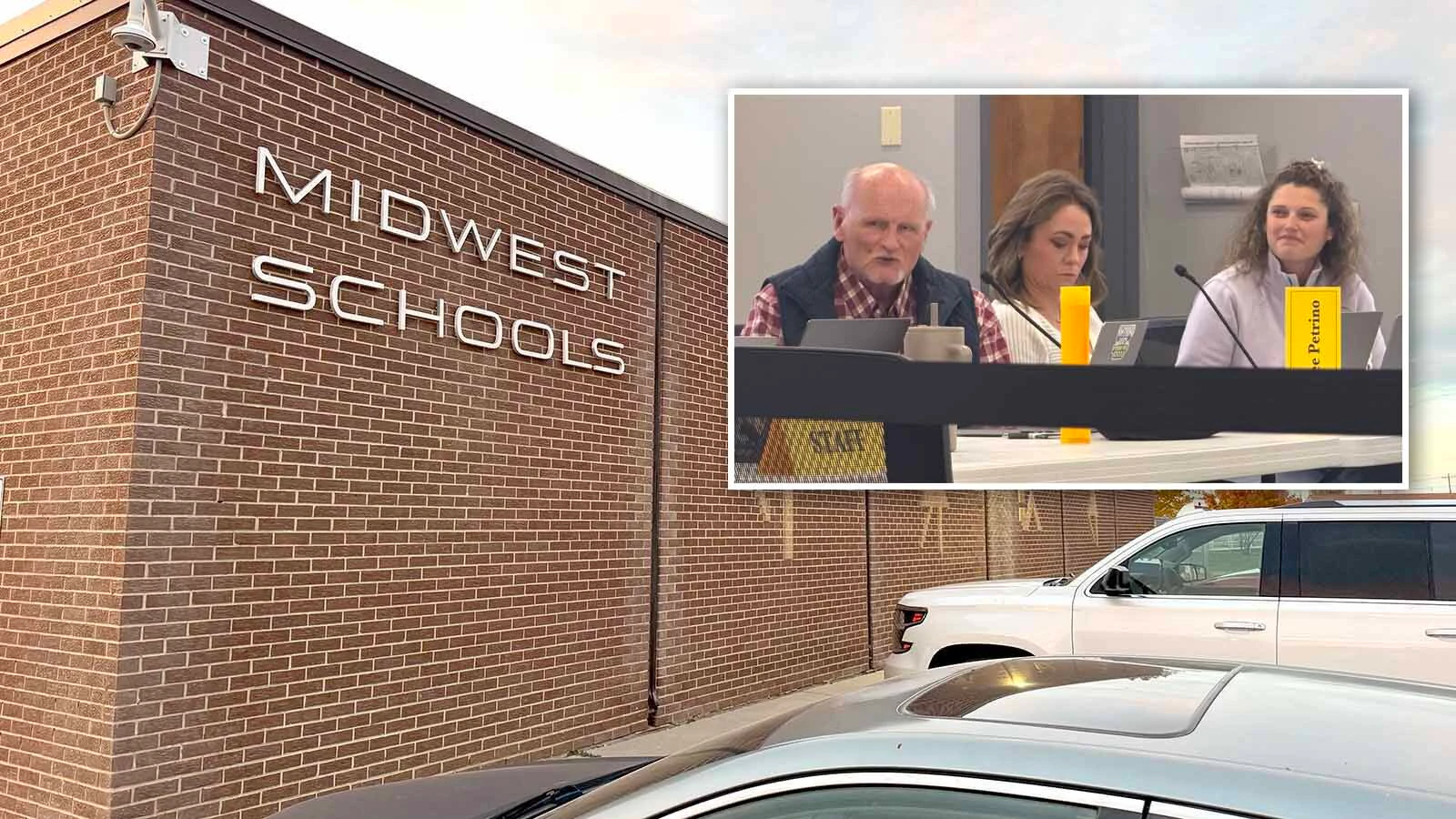
Cowboy State Daily asked Metro Animal Services about Crapo's account, its policy for responding to feral-cat complaints and how the city's TNR program is intended to work in situations where cats are repeatedly entering and damaging a residence, but Metro did not respond.
‘Polishing A Turd’
For most people, the house would be a nightmare.
For Crapo, it's also his line of work.
“The trade term is polishing a turd,” he said.
Crapo said another Casper property he helped rehabilitate was on the verge of being condemned and contained more than 1,000 used syringes, along with cat urine and vomit.
That house was eventually renovated and sold for $340,000, he said, "but the cat house may be worse."
With syringes, at least he could see the hazard, carefully pick it up and dispose of it.
Crapo's employee wears a respirator while working. He uses a dust mask and said he has been doing his laundry almost every night after coming home.
“We put off the hardest part kind of to last, just because we were both dreading it,” he said.
Crapo said the original estimate for the remodel didn't include anything approaching the cleanup he encountered.
“I spent the better part of two weeks just cleaning,” he said.
Fortunately, he said, the company that hired him understood what he had walked into.
Now What?
The cats themselves have proven considerably more difficult to renovate out of the property.
After calling Metro for help, he decided to take matters into his own hands. He found a live trap.
About a week later, he caught a cat.
“I called Metro and told them, ‘Well, I trapped it for you. You gonna come get it?’” Crapo recalled.
Crapo said he was told he could bring the animal to Metro after 1 p.m., but by around noon he learned the shelter was already full.
“So I didn’t know what to do with this cat,” he said.
Eventually someone online volunteered to take the cat, but when the woman arrived with a carrier, Crapo said the cat ran away.
He's back where he started.
“I’m not sure what I’ll do if I do again,” he said. “I hope I’ll find somebody that’s nice enough to take the cat.”
Kolby Fedore can be reached at kolby@cowboystatedaily.com.