
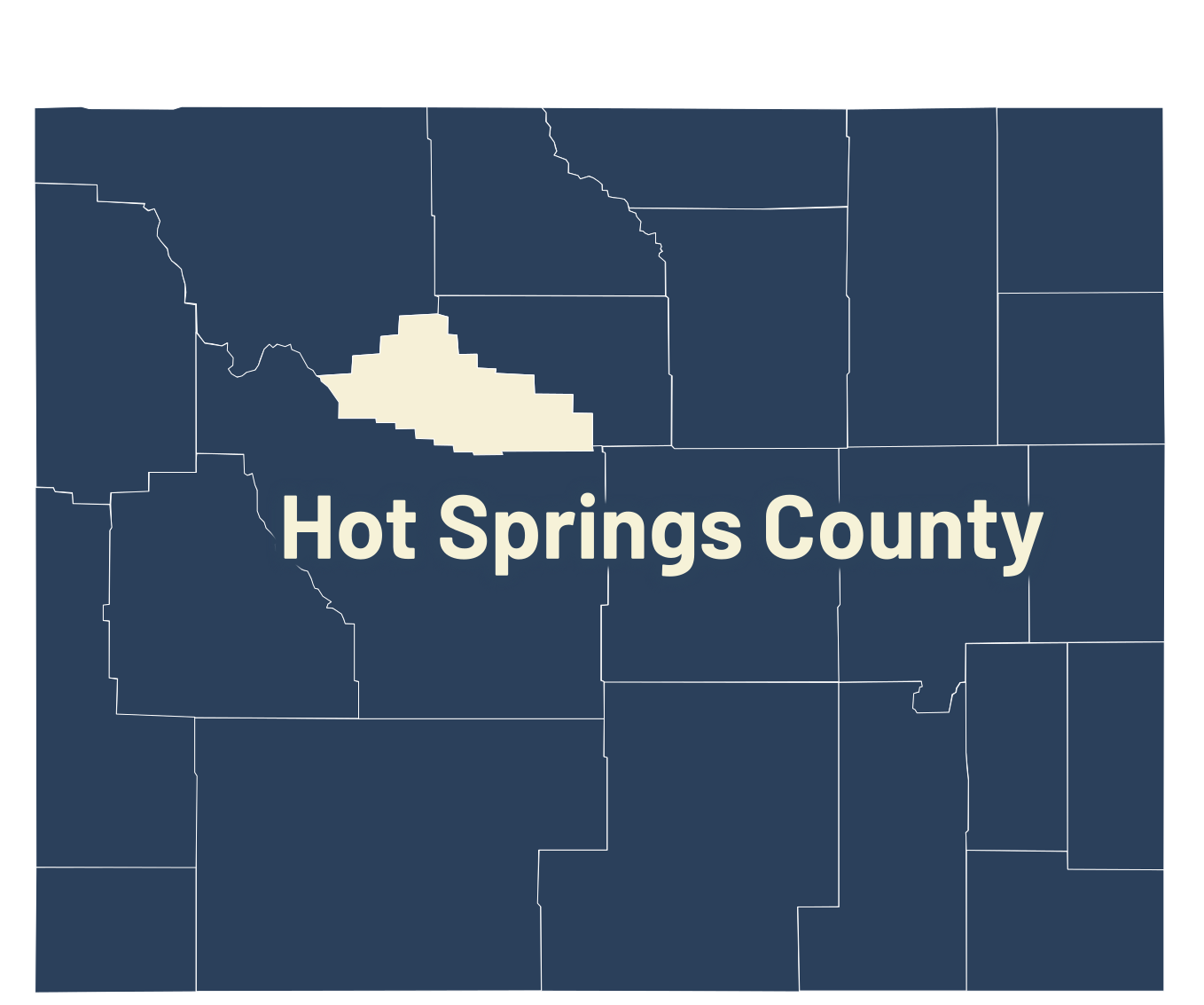
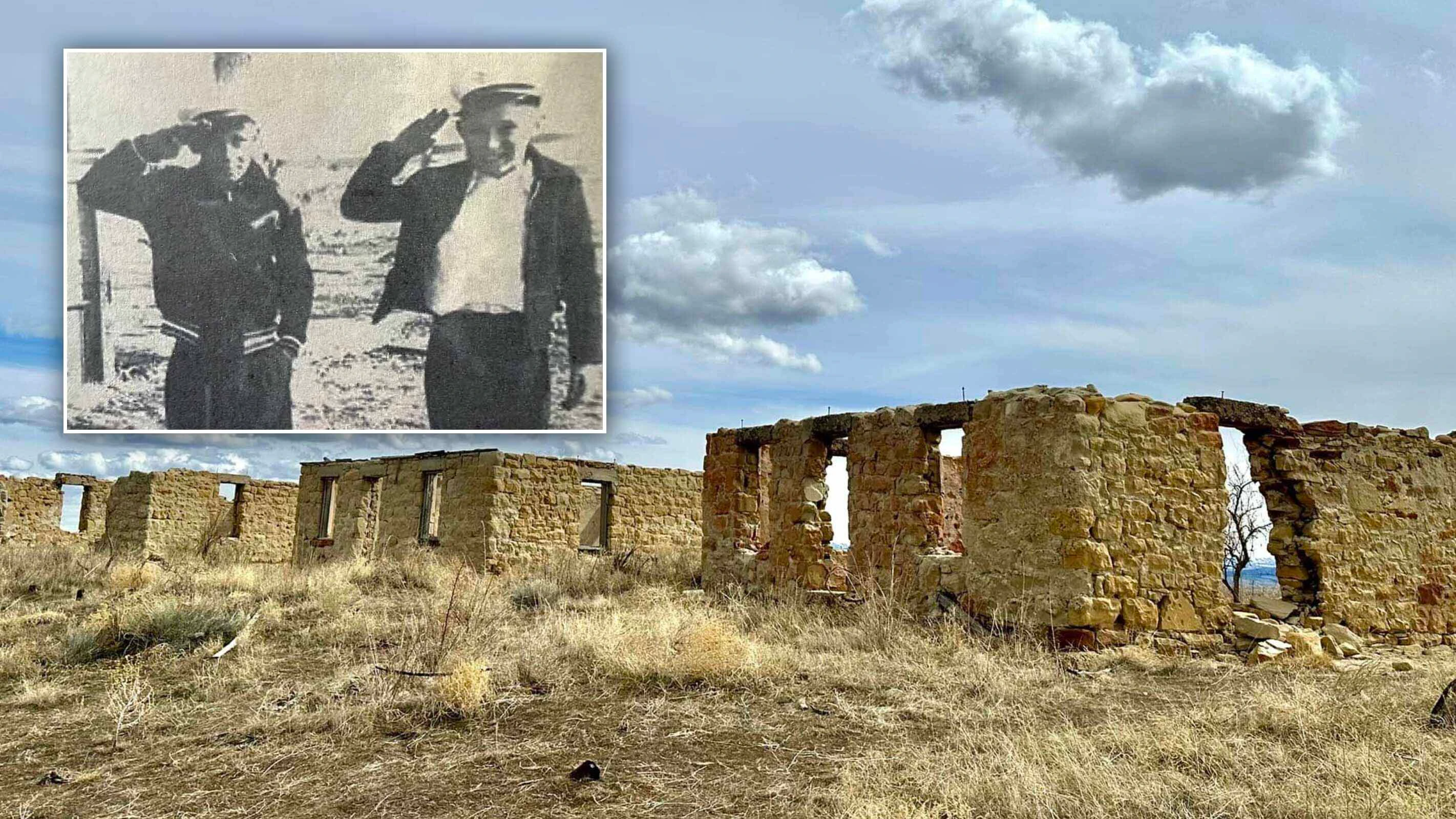
Gebo was a small coal town in Hot Springs County that was becoming a ghost town by the time World War II broke out.
Beginning in 1932, the once busy mines were being closed permanently and families were moving away, with only a few remaining to work in smaller private mines. Then World War II called away the young men of Gebo to serve as soldiers, many of them still teenagers.
A handful of patriotic young boys left behind, all younger than 12, were determined to contribute their own wartime efforts, remembers one of them, Donald “Duke” Bolich. Bolich and his friends formed the Junior Marines and believed they were just as dedicated as any who were serving abroad.
“We all tried to be good soldiers, and whenever any of us got out of line, you sure heard about it from the rest of the group,” Bolich, 93, told Cowboy State Daily. “I think the added discipline was good for all of us.”
Bolich said that whenever they heard of a soldier coming home on furlough, the Junior Marines would gather at the schoolhouse and march to the soldier's home to sing the Marines' Hymn.
“When the family would come outside to see what was going on, we would salute the soldier and then march back to the school,” Bolich said. “We never gave any thought to the fact that they might have been in the Army, Air Force or Navy.”
Bolich chuckled at his youthful ignorance and said that when he was older he learned the soldiers and their parents got a kick out of watching the Junior Marines perform, especially if the soldier being serenaded was not an actual Marine.
The Teenage Soldiers
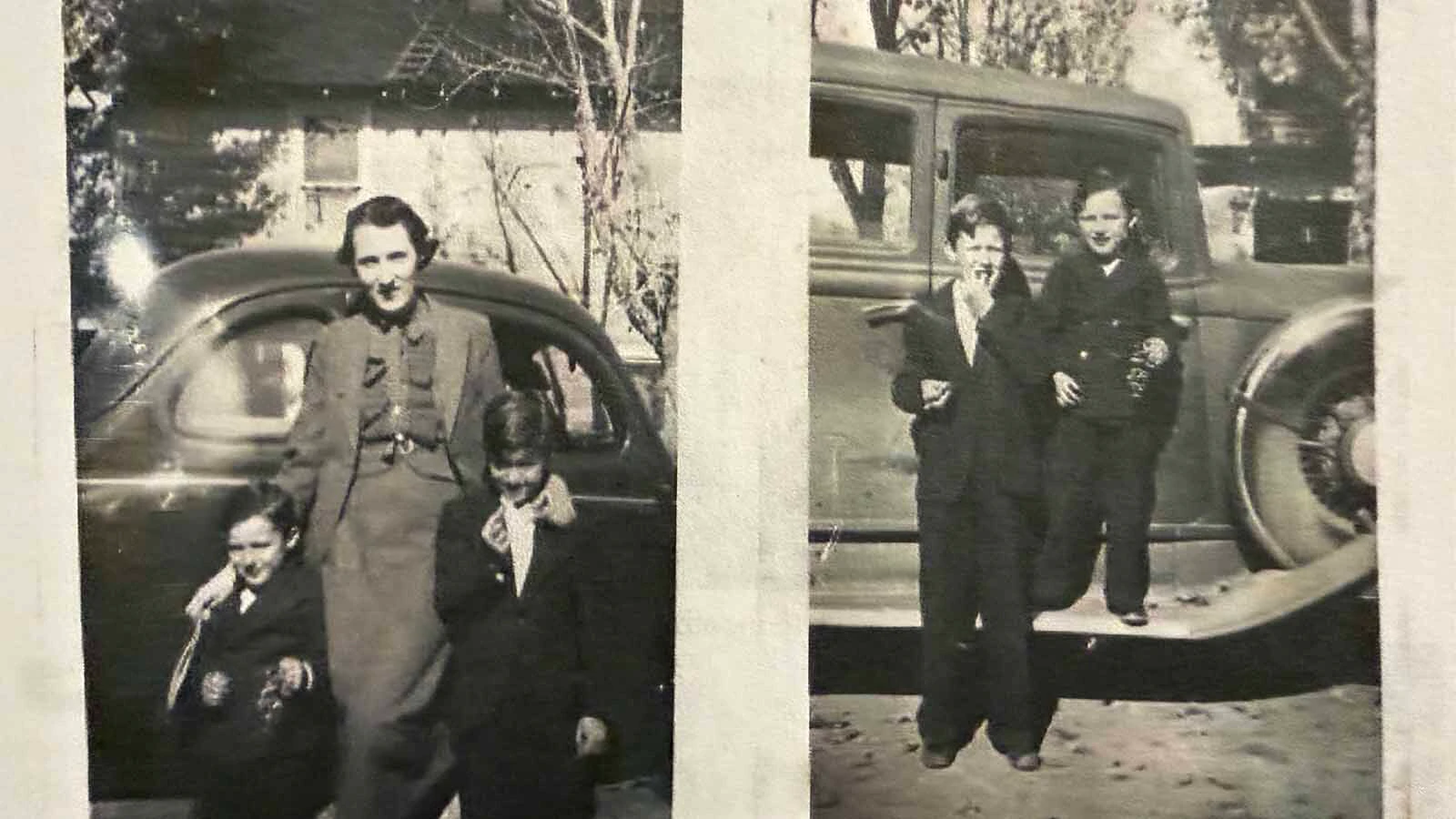
The Junior Marines were inspired by two Gebo teenagers who had both enlisted on the same day.
Stanley "Dutch" Wedlock, 18, had graduated from Thermopolis High School and volunteered in the Marines. His younger brother, Lee, also volunteered to the Marines although he was only 16.
“Lee lied about his age so he could volunteer,” Bolich wrote in his memoirs, “Gebo, Living in a Coal Camp”. “At that time, there was such a demand for manpower that the War Department did not take the time to examine everyone's birth certificate. In fact, many of the soldiers could not produce a birth certificate, so if you looked 18, you were accepted.”
After their boot camp, Dutch and Lee were assigned to different Marine divisions. They were not to see each other for the next three years.
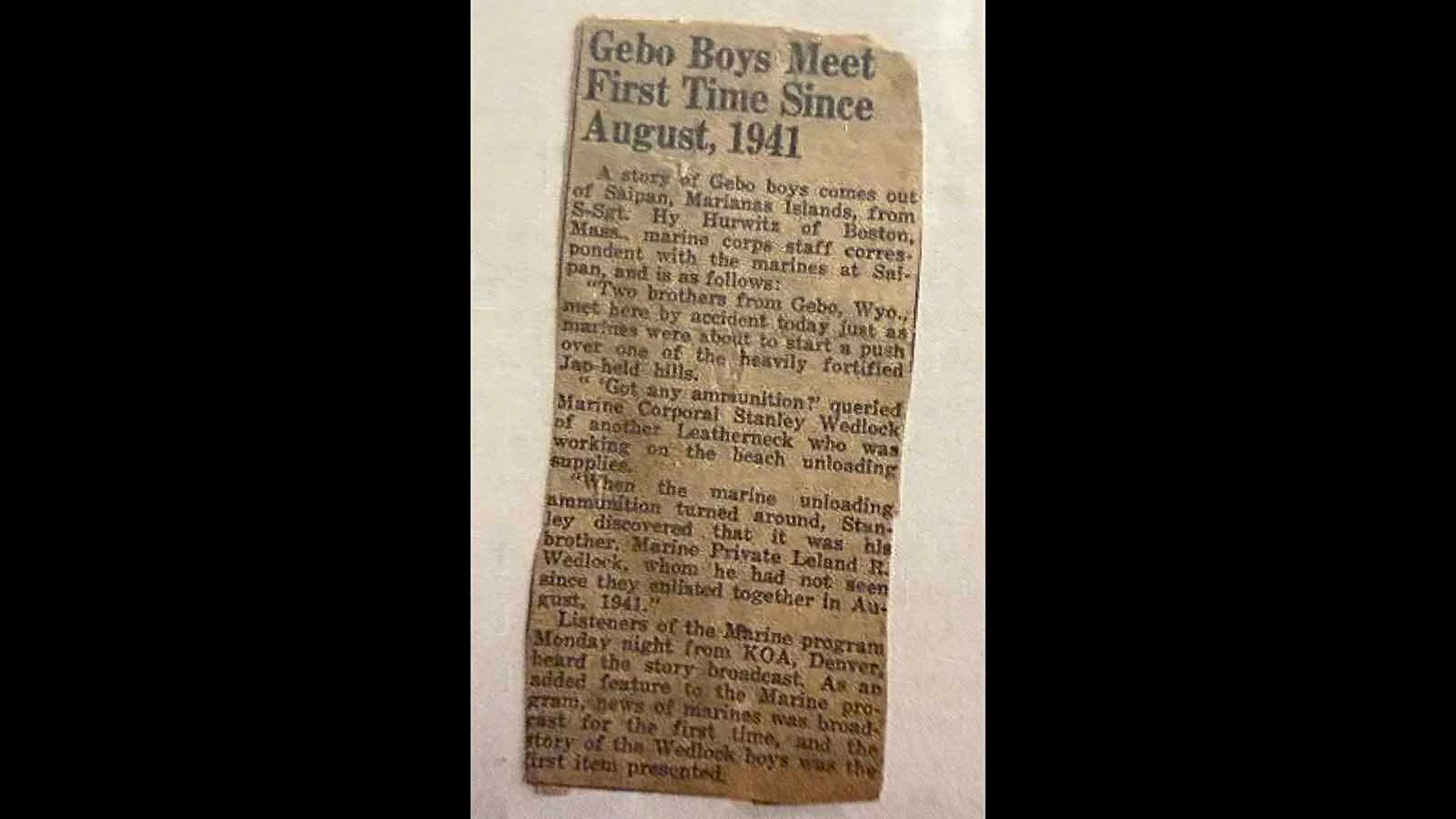
A miraculous story about the two young soldiers was broadcast to the world by the Denver Radio Station KOA and picked up by The Associated Press in July 1944.
“A story of Gebo boys comes out of Saipan, Marianas Islands,” Staff Sgt. Hy Hurwitz, a Marine Corps staff correspondent, reported. “Two brothers from Gebo, Wyo., met here by accident today just as Marines were about to start a push over one of the heavily fortified Jap-held hills.”
Marine Cpl. Stanley Wedlock had run out of ammunition and turned for help from another ‘Leatherneck’ who was unloading supplies on the beach.
“Got any ammunition?” Wedlock asked.
When the Marine unloading ammunition turned around, Wedlock discovered it was his younger brother, Pvt. Leland R. Wedlock, whom he had not seen since they enlisted together in August, 1941.
During the war, Hurwitz, one of the official correspondents for the 18th Marines, wrote dozens of human-interest stories from Tarawa, Saipan, Tinian, and later campaigns.
He was so impressed with this chance encounter that Hurwitz sent a press release and the story circled the world, including as the first presented on a new Marine program airing on KOA radio in Denver the following Monday.
“It was a rare experience that two Marines from a little town in Wyoming should meet during a battle on an island in the middle of the Pacific Ocean,” Bolich said.
Young Marines
Their youngest brother, Bob Wedlock, 12, was instrumental in forming the Junior Marines, according to Bolich.
“As patriotic youngsters, we all decided that we would join this group,” Bolich said. “All of the boys in the camp wanted to join.”
Bolich was one of the youngest at age 10 and the other boys who joined he named as Jack Toth, Fritz Jurovich, Joe Bandich, Pete Cavalli, Kenny Halbert, Jack Bretthauer, Buddy Cammock, Jim Hughes, Ken Bolich and Jim Isbell.
“In order to be sworn in, you had to be able to sing the Marines' Hymn,” Bolich said. “Once you did your performance, they would allow you to be a Junior Marine.”
Ken Bolich, 12, found Navy officer caps in a catalog for about a dollar. The boys all saved money so they would have their ‘uniform dress.’
“They weren’t Marine hats but were Navy officer hats, but we got them and wore them,” Bolich said. “Boy, we were something. We felt like we were helping because people we knew were in the war.”
The Rubber Gun Rifle
Once accepted as a Junior Marine, the boys were required to build a rubber gun rifle they would hold against their shoulders as they marched.
The boys would draw the outline of a rifle on boards they salvaged from the houses being torn down in Gebo. Sig Nelson, the grocer in Kirby, was also recruited into their wartime efforts. He would bring them wooden boxes from his store specifically for their guns.
“We would take a small axe and chop away a lot of the wood,” Bolich said. “When that was done, we moved on to using a knife to make a nicer finish.”
When the rifle was smooth, the boys would nail a heavy piece of string to the end of the "barrel" of the rifle. Four notches were carved on the top of part of the barrel. Their ammunitions was from old inner tubes from the inside of car tires. The Junior Marines would then cut pieces out of the rubber about an inch wide.
“One tube gave us enough ammunition for our whole squad,” Bolich said.
To fire their guns, they would place one end of the rubber across the front of the barrel, stretch it backward, and place the band into one of the notches over the string. They could pull up on the string, which released the stretched inner tube.
They used the rubber gun rifles when they played war, and if you were hit by the rubber tube piece, you were out of the fight.
“We drilled regularly in the flat area just north of the town, on the old football field, which was used by the high school before the high school was closed,” Bolich said.
They would pick teams, then head up into the hills behind Gebo Hill for their wars.
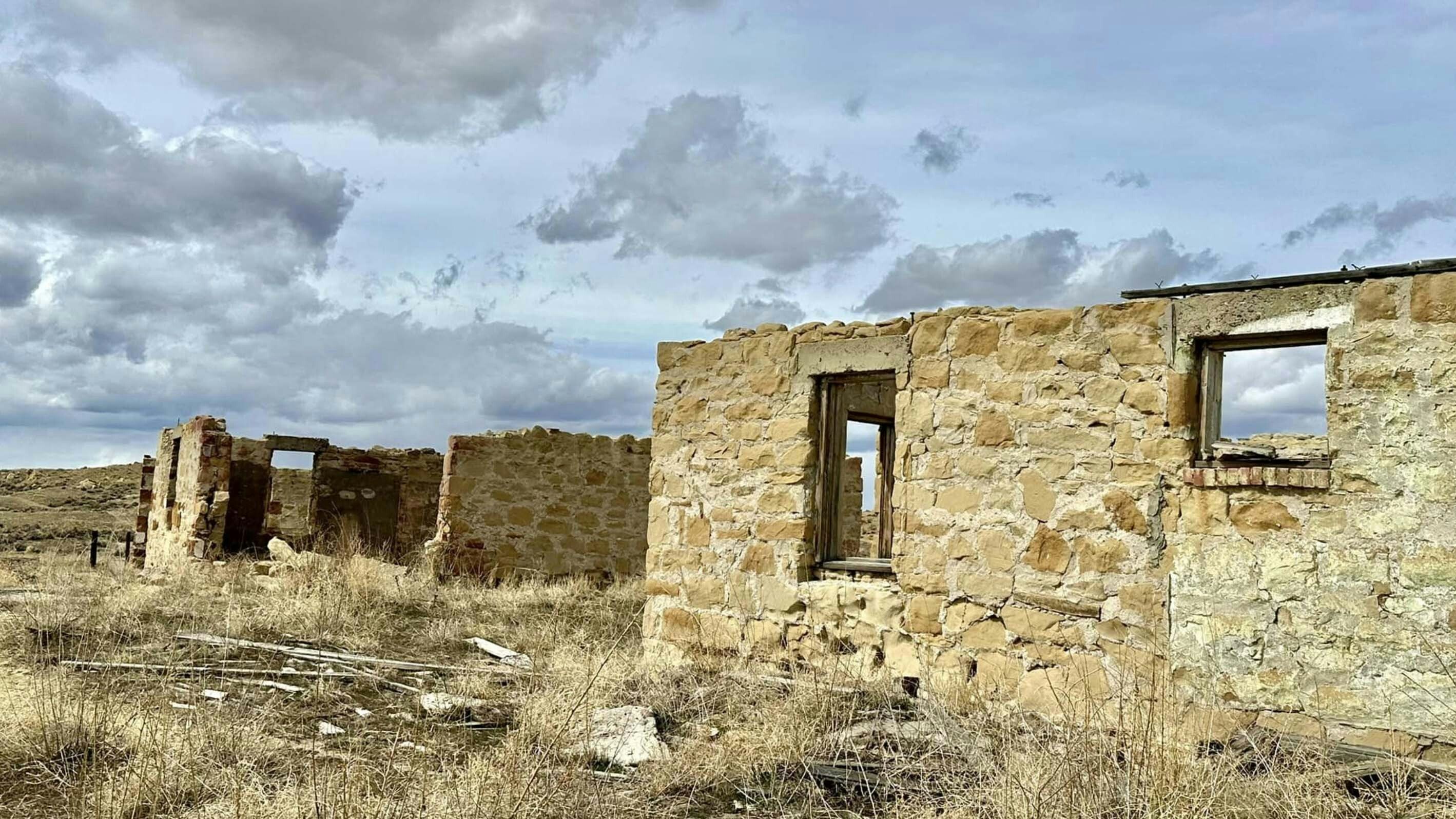
Remnants of Gebo, Wyoming (Courtesy: Lesleigh Ann Schaefer) 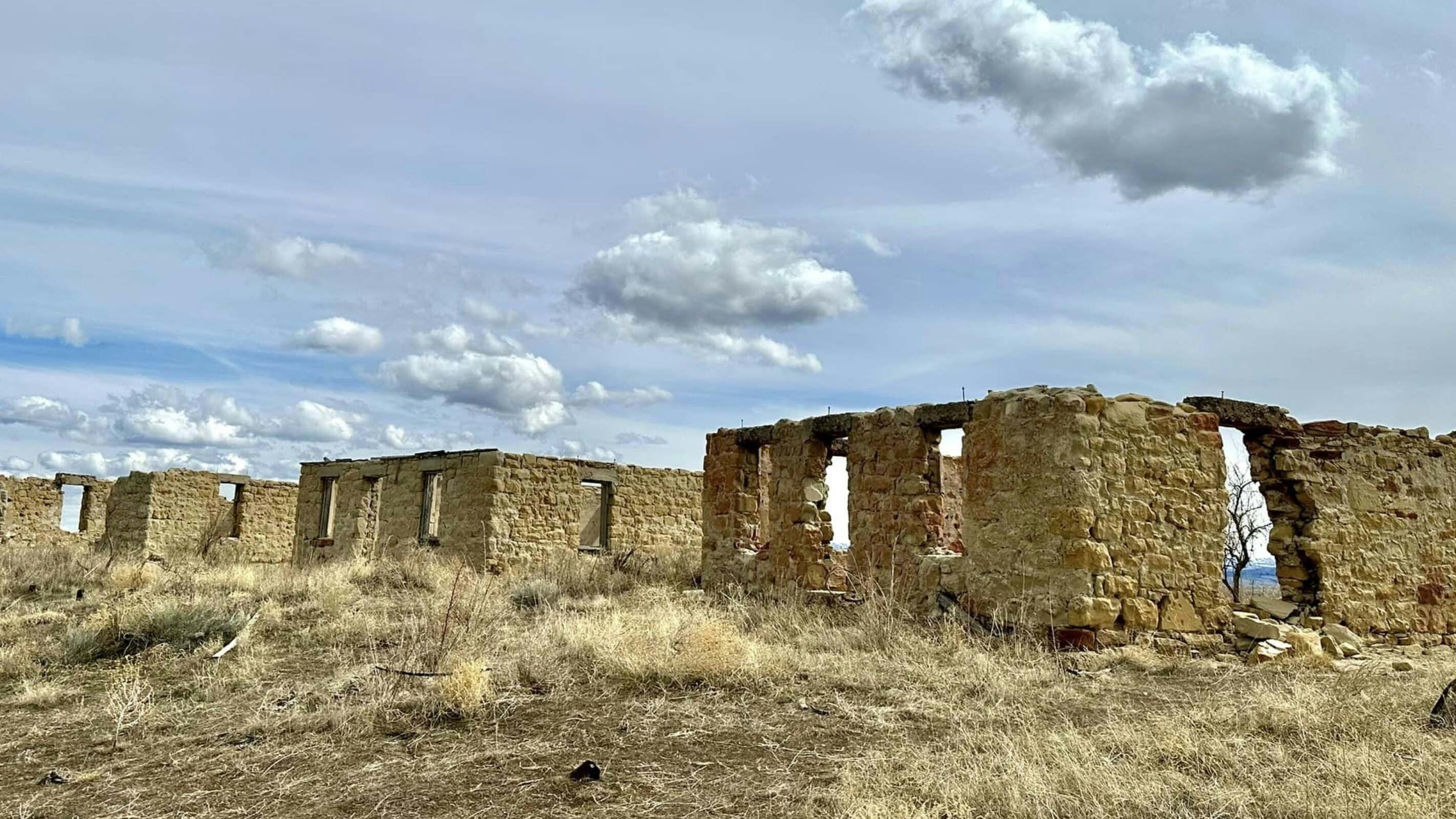
Remants of the town of Gebo, Wyoming (Courtesy: Lesleigh Ann Schaefer) 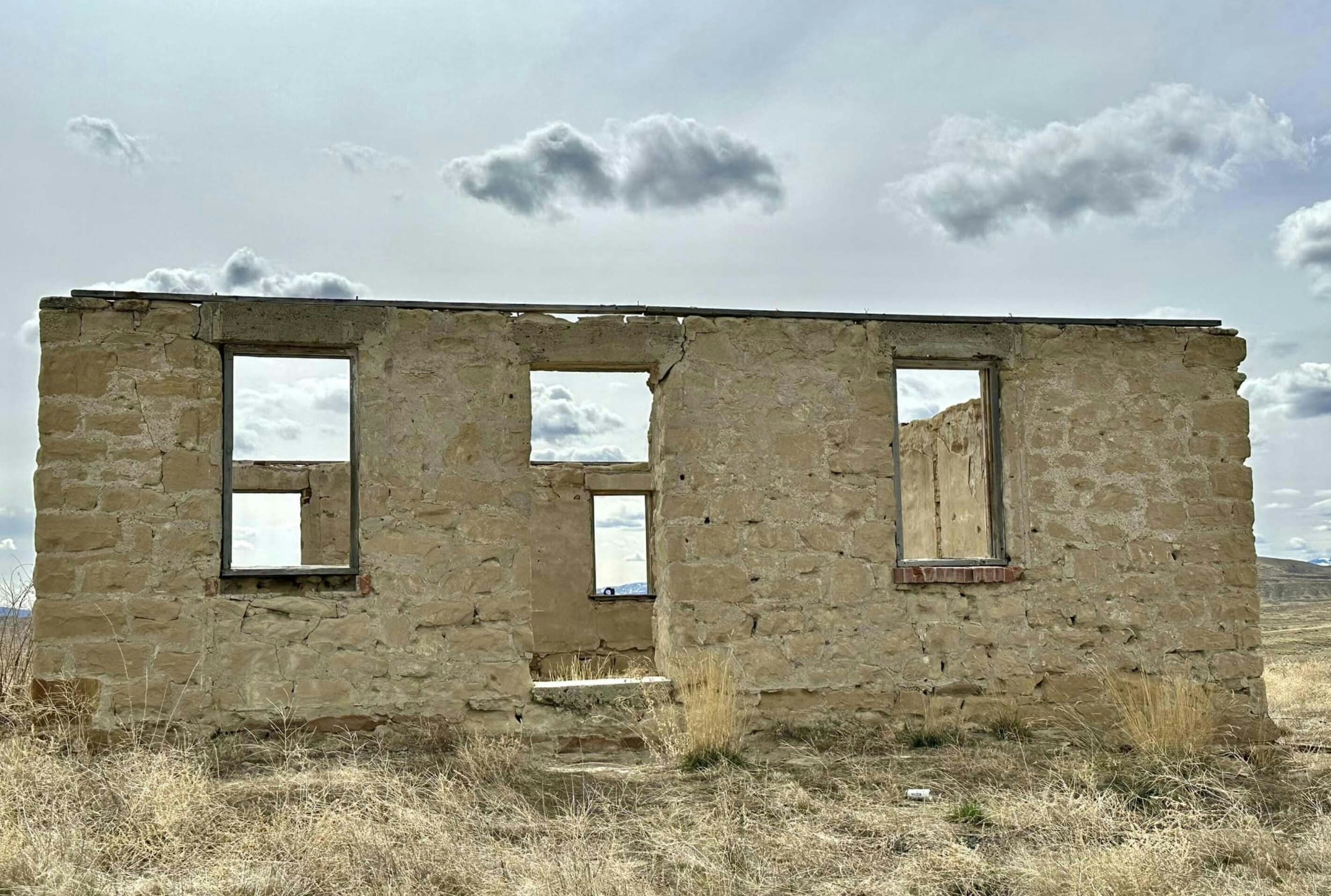
Remnants of Gebo, Wyoming (Courtesy: Lesleigh Ann Schaefer) 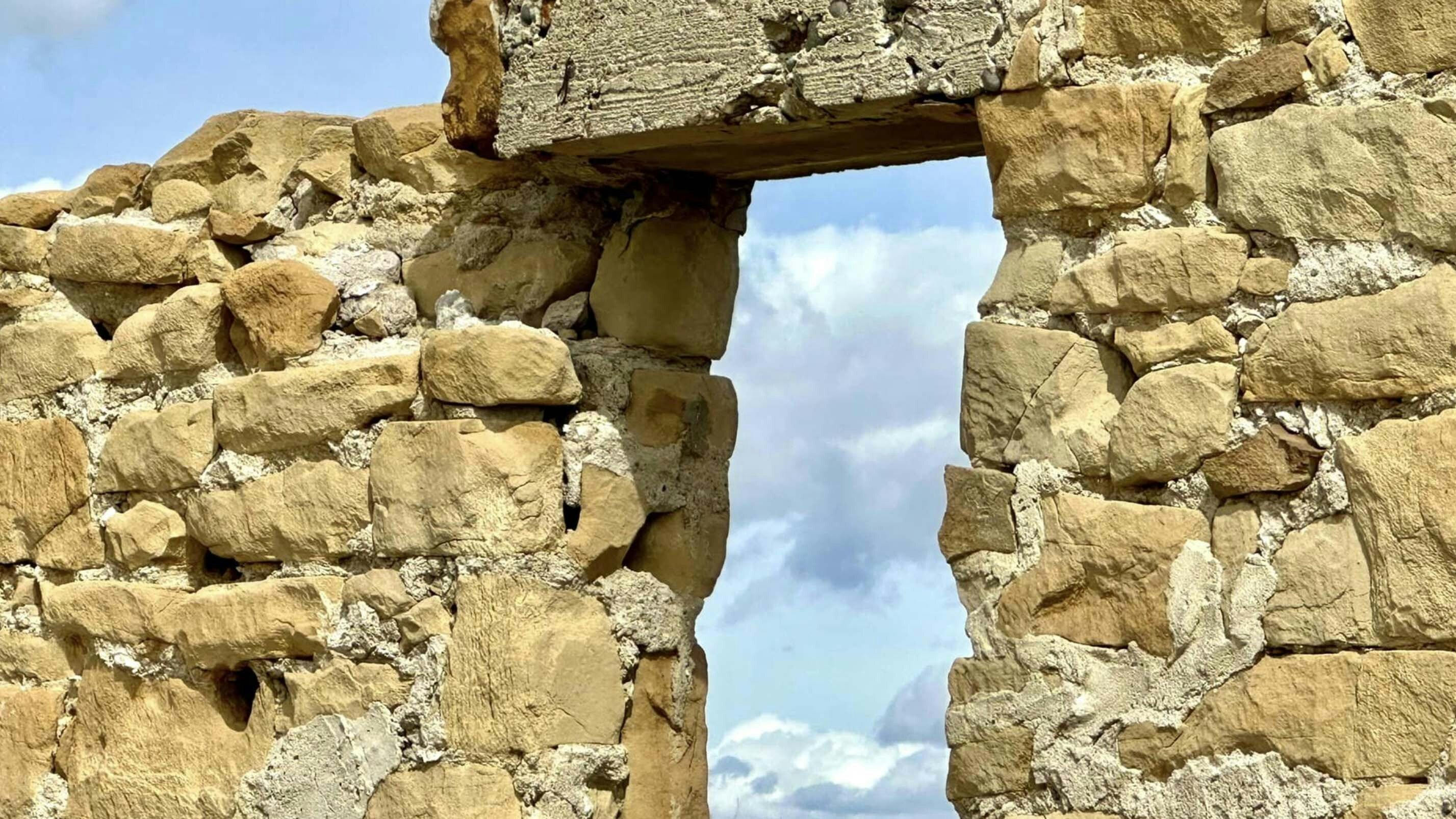
Remnants of Gebo, Wyoming (Courtesy: Lesleigh Ann Schaefer) 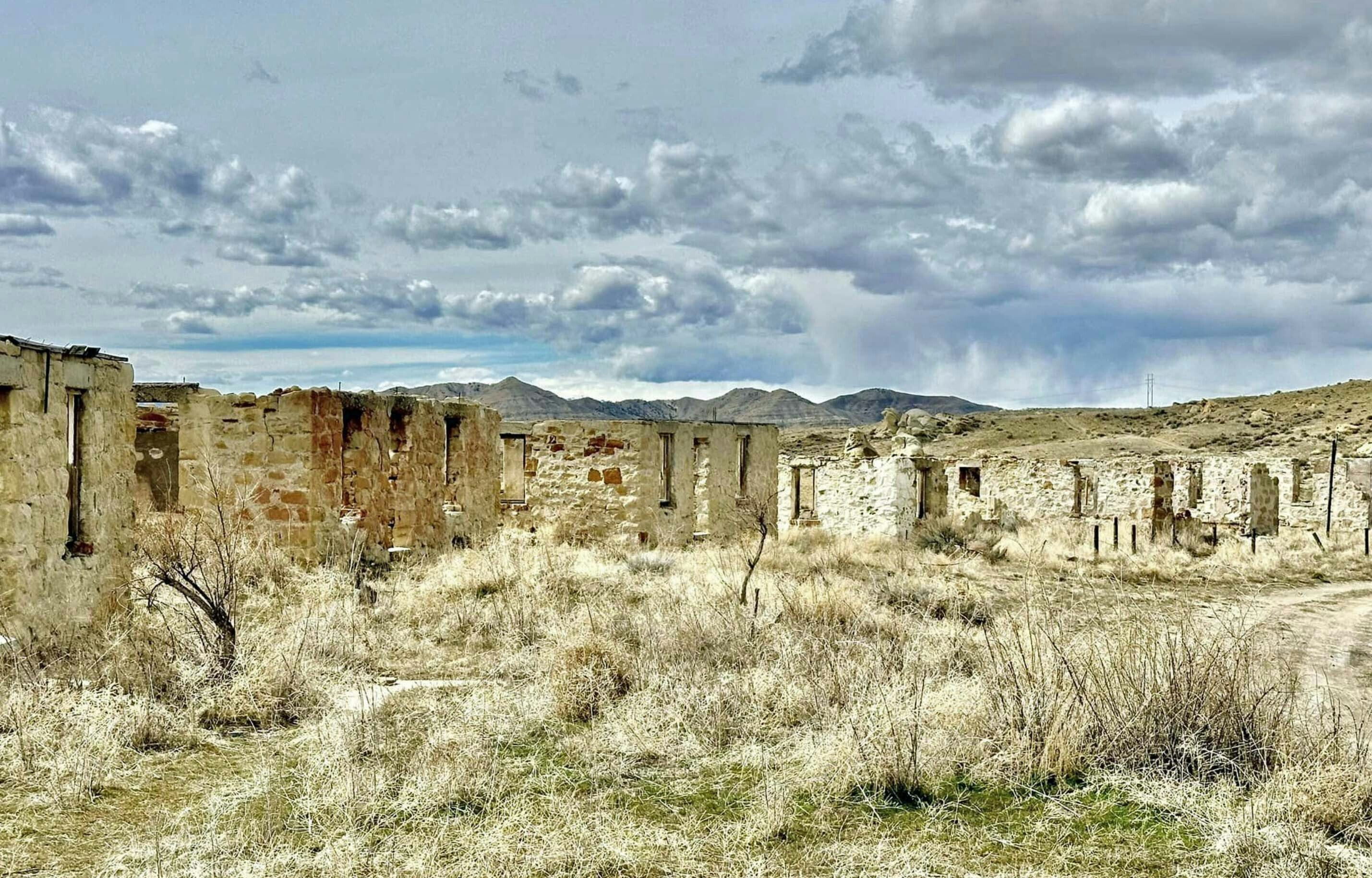
Remnants of Gebo, Wyoming (Courtesy: Lesleigh Ann Schaefer)
Scrap Metal Effort
“Our job was to help the war situation,” Bolich said. “We were really busy.”
Aside from singing the Marines’ Hymn to returning soldiers, waging their own wars in the Gebo hills and playing basketball, the Junior Marines were salvaging iron.
“The county was directing a scrap iron drive for the war, so we, as Junior Marines, worked hard to do whatever we could to help,” Bolich said. “We always got together, and our job was to help the war effort. We went up to the mine in Gebo and started hauling stuff away.”
They got spikes out of the railroad, and would haul a rail over to the vacant lot where the old basketball gym used to be to pile up the scrap metal. Once a month, a big truck would come to Gebo to gather it all.
“Since Gebo was being dismantled as a coal mining town, there were lots of items left that people did not take with them,” Bolich said. “We went into abandoned houses, collected whatever metal was left there.”
They also got the privilege of legally breaking windows.
“We were always aware of any house that was being torn down and obtained permission to get rocks and throw them to break windows,” Bolich said. “We would line up like baseball pitchers do and see who had the most accurate arm.”
Bolich said Pete Cavalli had the best pitching arm of the Junior Marines.
“Since the mine was no longer working, we were very efficient in picking up pieces of metal there,” Bolich said.
They would all pitch in to carry a rail and made it a military endeavor.
“When we all were in position, someone would call out, ‘lift' and we would lift the rail altogether and then wait for the 'forward march, hut, hut, hut' orders,” Bolich said. “We would all march in step to take the rail to the metal stockpile. I often wonder if some Gebo people saw us and just laughed.”
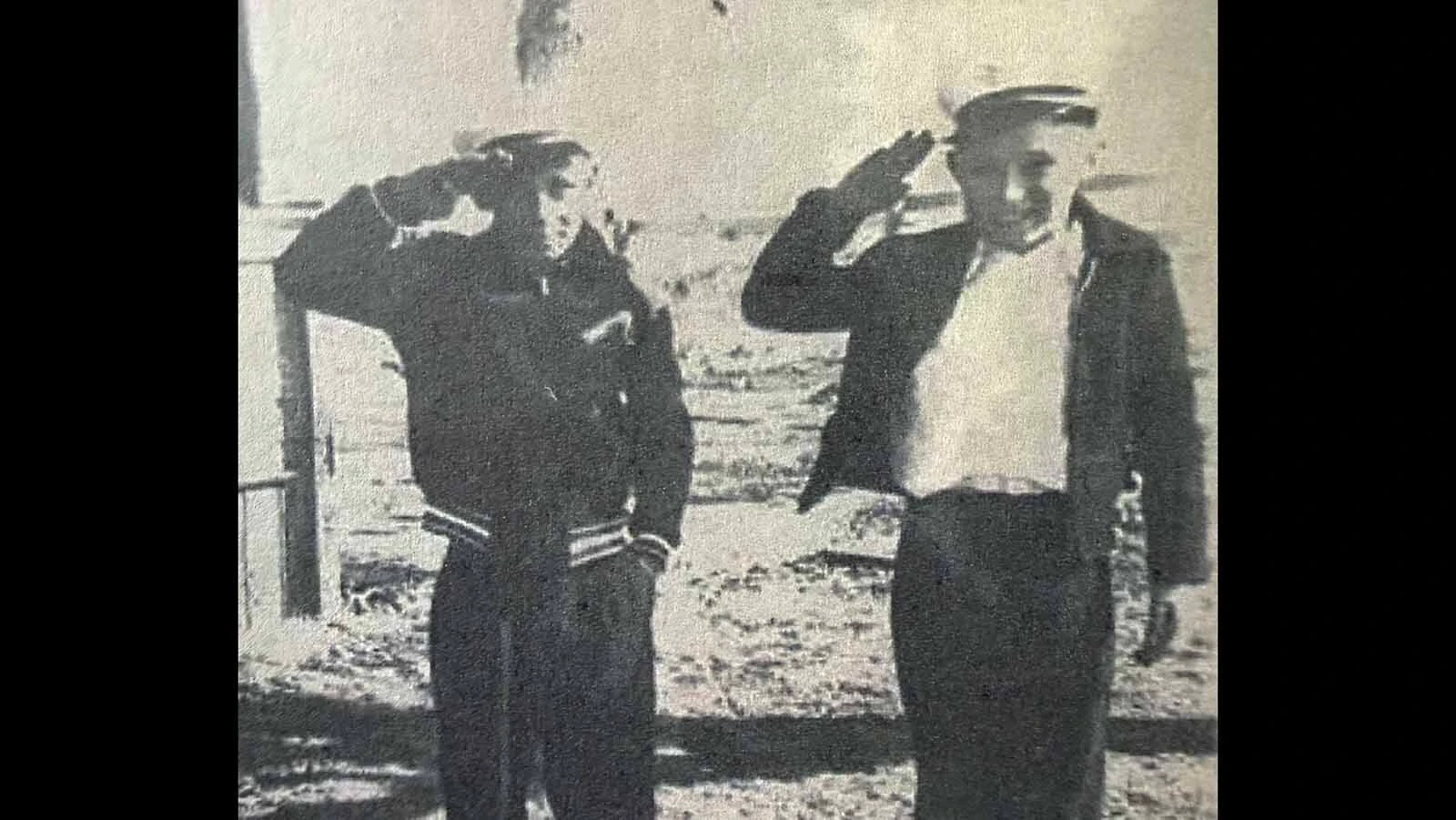
During World War II in the coal town of Gebo, young boys too young to go to war, formed the "Junior Marines." Jim Isbell and Donald "Duke" Bolich were two devoted members who spent their summer marching in drills, singing the Marine's Hymn, making homemade rifles and salvaging scrap metal — all part of their own wartime efforts. (Donald "Duke" Bolich) 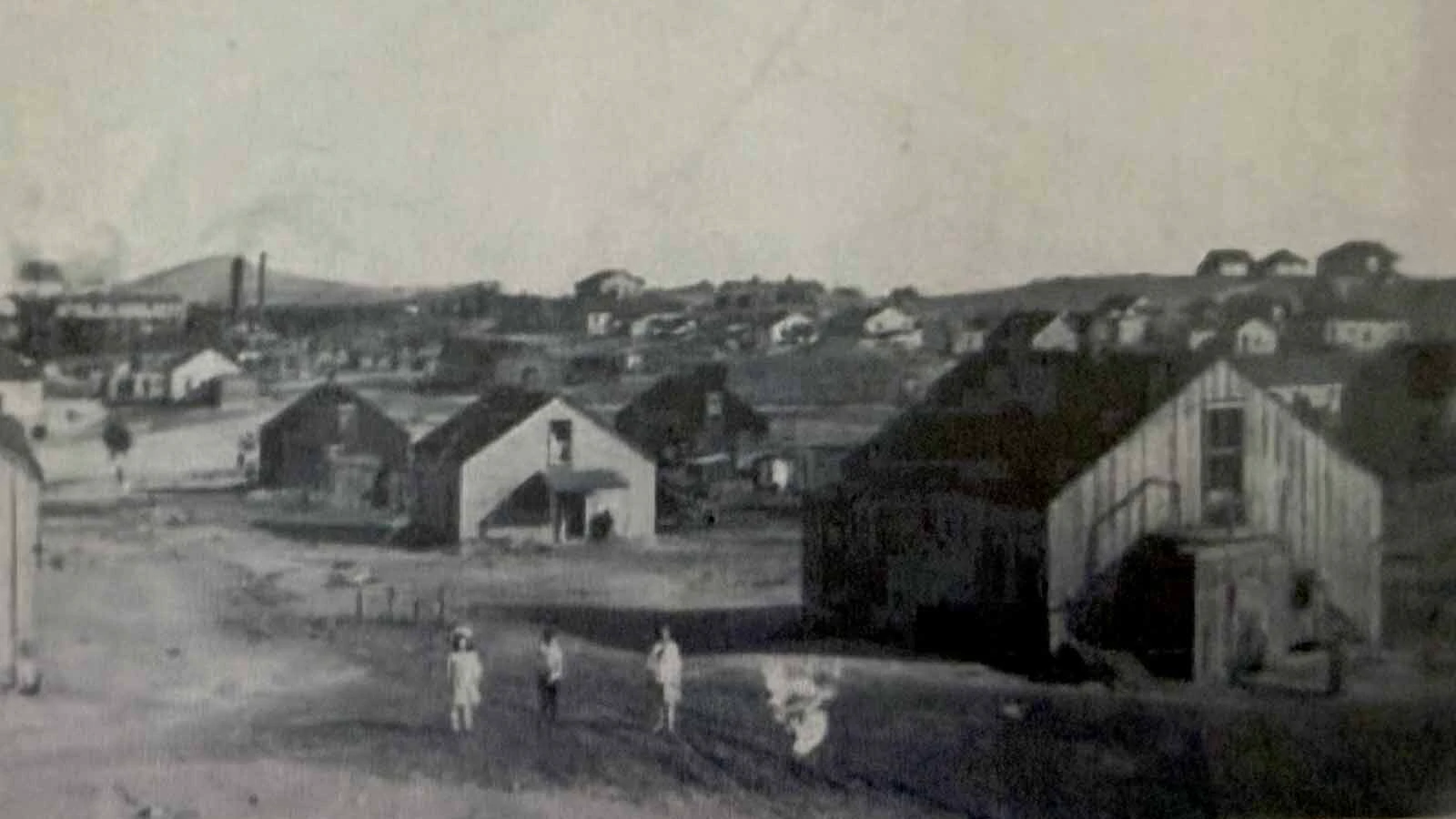
By the time World War II broke out, the coal town of Gebo was already dying. The coal mines were closing and only small private mines remained opened. Families were moving away and young men were called to the war instead of the mines. (Donald "Duke" Bolich) 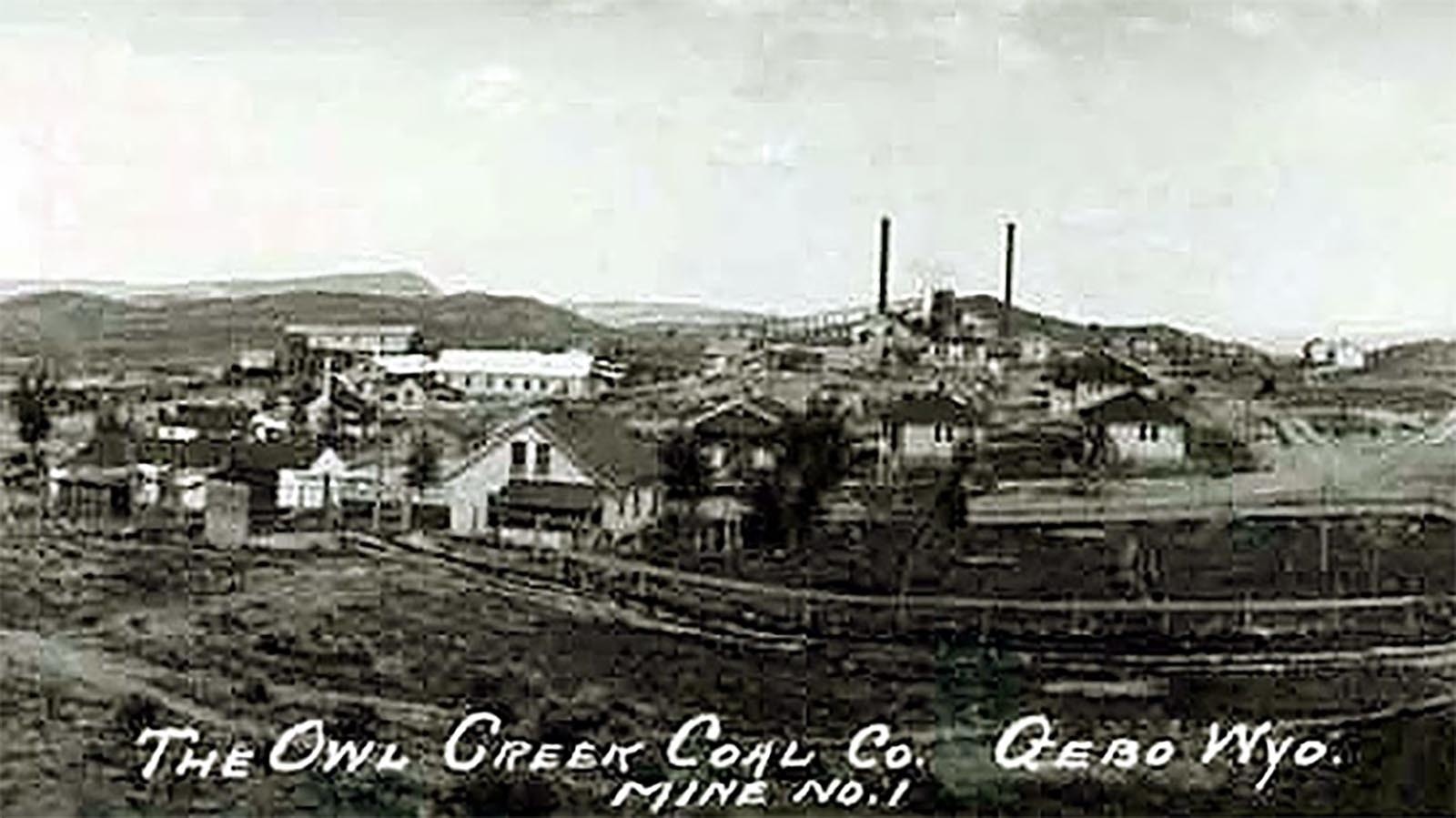
The Owl Creek coal mine during the heyday of the Wyoming town of Gebo. 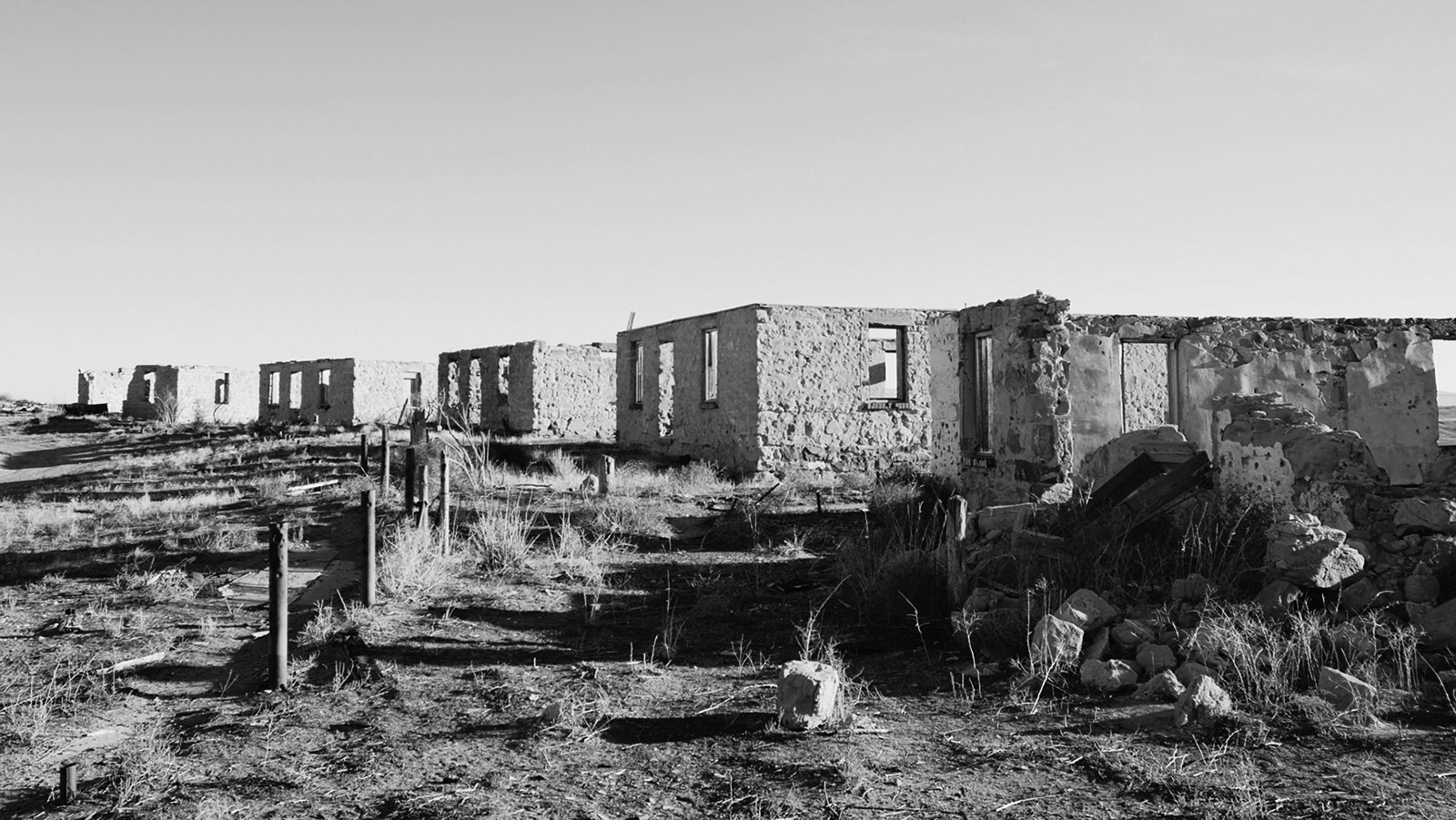
Now a ghost town, Gebo was once a booming Wyoming mining community. (David Cohn via Flickr)
Proud To Be Junior Marine
Bolich recalled trying to get the wheel off an ore car and being chased off by a worker who was on the tipple.
"You get the hell out of there — we use those wheels," the worker yelled. “Leave that alone!”
Bolich said he took his wagon and hurried home with what little scrap he was able to salvage.
His time as a Junior Marine soon came to an end, despite the war still being fought. Bolich’s own family moved into Thermopolis when he was in the fifth grade. Despite no longer being in the Junior Marines, Bolich said their wartime efforts continued.
“When we left Gebo, my brother got a job because so many men were in the Army, Navy or Marines,” Bolich said. “Ken started washing dishes at the Manhattan Café and I shined shoes for Steve Ely because it was hard to buy shoes.
“Leather went to the military, so Steve would repair the shoes, and I would shine them up. I got a dollar a day.”
As Bolich looked back at his childhood war efforts, he said that he was proud to be a Junior Marine. He would still sing the Marines' Hymn, no matter which branch the soldierserved.
Jackie Dorothy can be reached at jackie@cowboystatedaily.com.


