
CASPER — His name is in the Wyoming Aviation Hall of Fame, he was a longtime pilot for Amoco, and an aviation mechanic and an air racer sought out for his expertise.
Despite an initial seventh-grade education, U.S. Army veteran James “Jim” Good would go on to teach mechanics at a technical college, achieve an aircraft mechanic’s airframe and power plant license, and an air transport pilot rating, the highest level commercial pilot’s license.
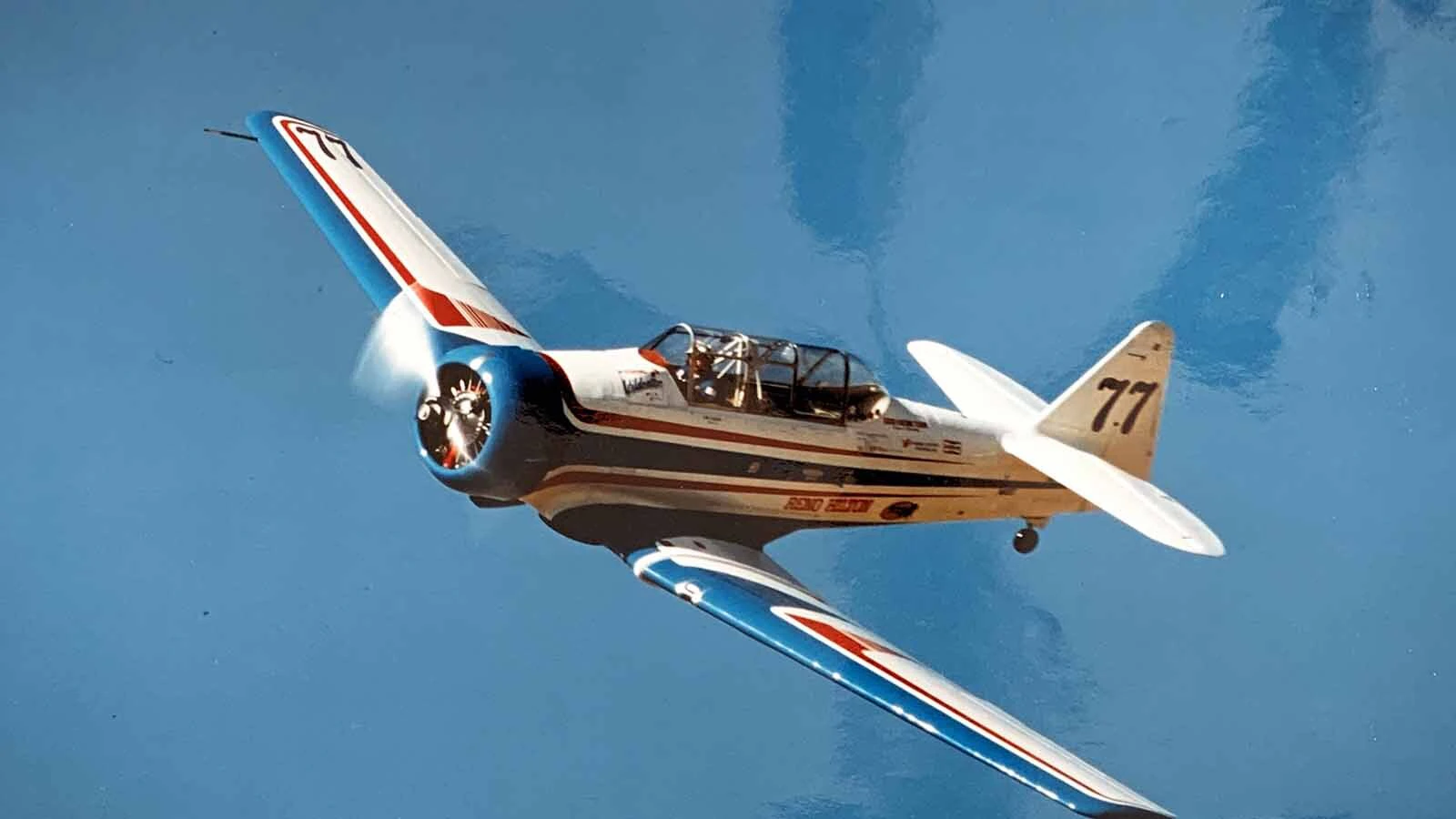
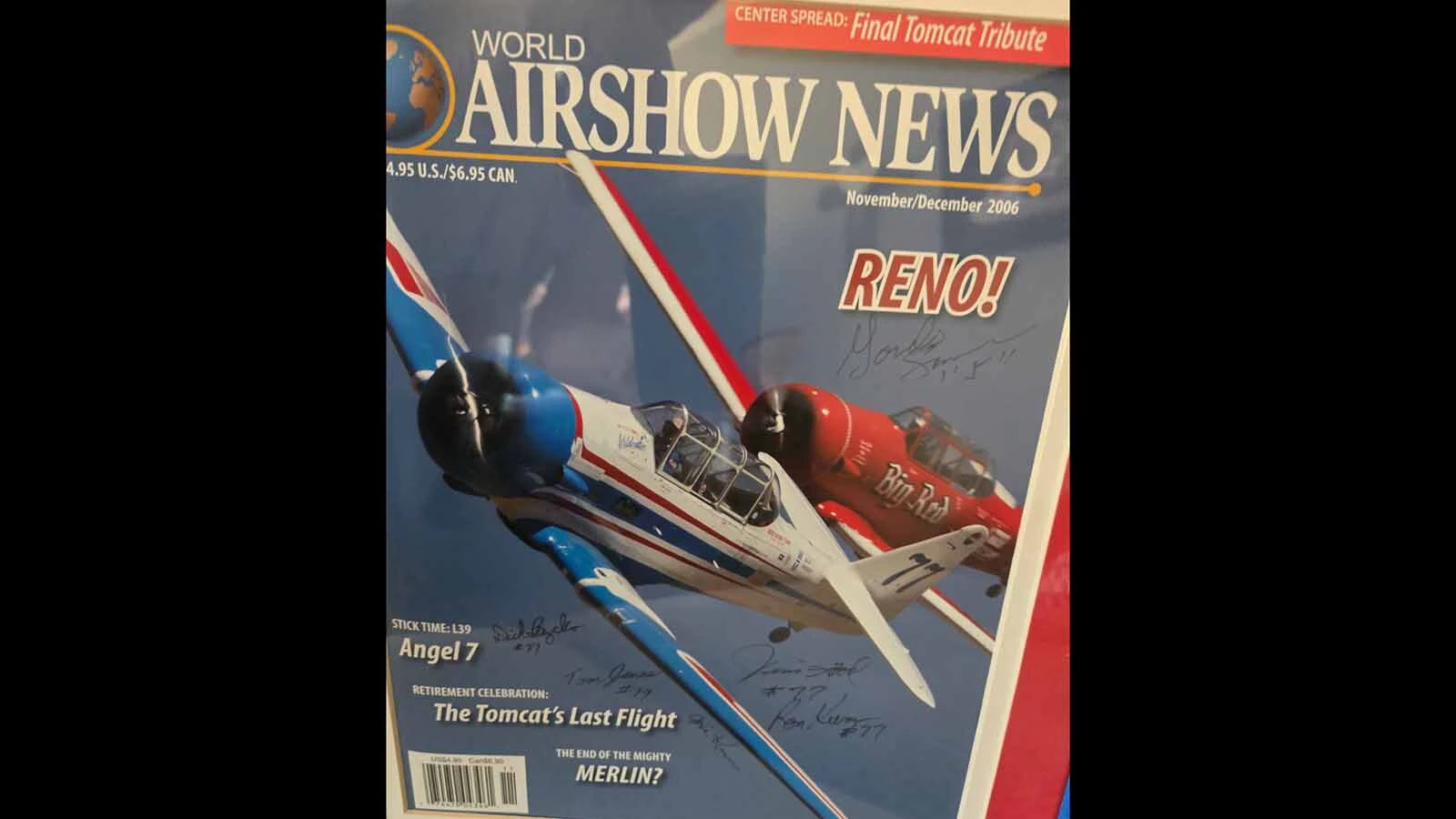
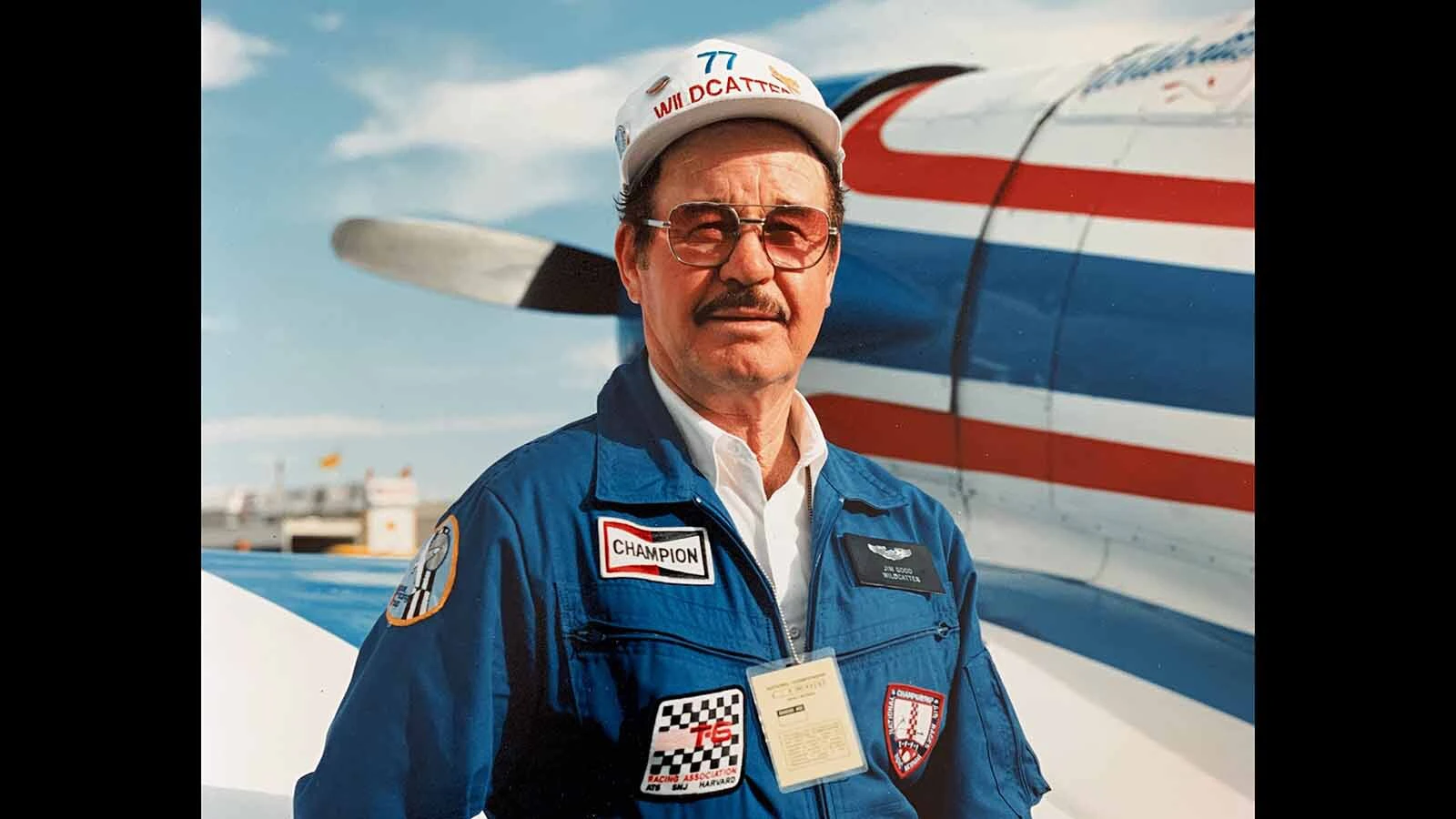
His mechanical abilities allowed him to rebuild Soviet MiG-15 fighter jet and German Messerschmitt fighter planes, and be competitive at the Reno Air Races in his famous World War II-era T-6 Texan turboprop called "Wyoming Wildcatter.”
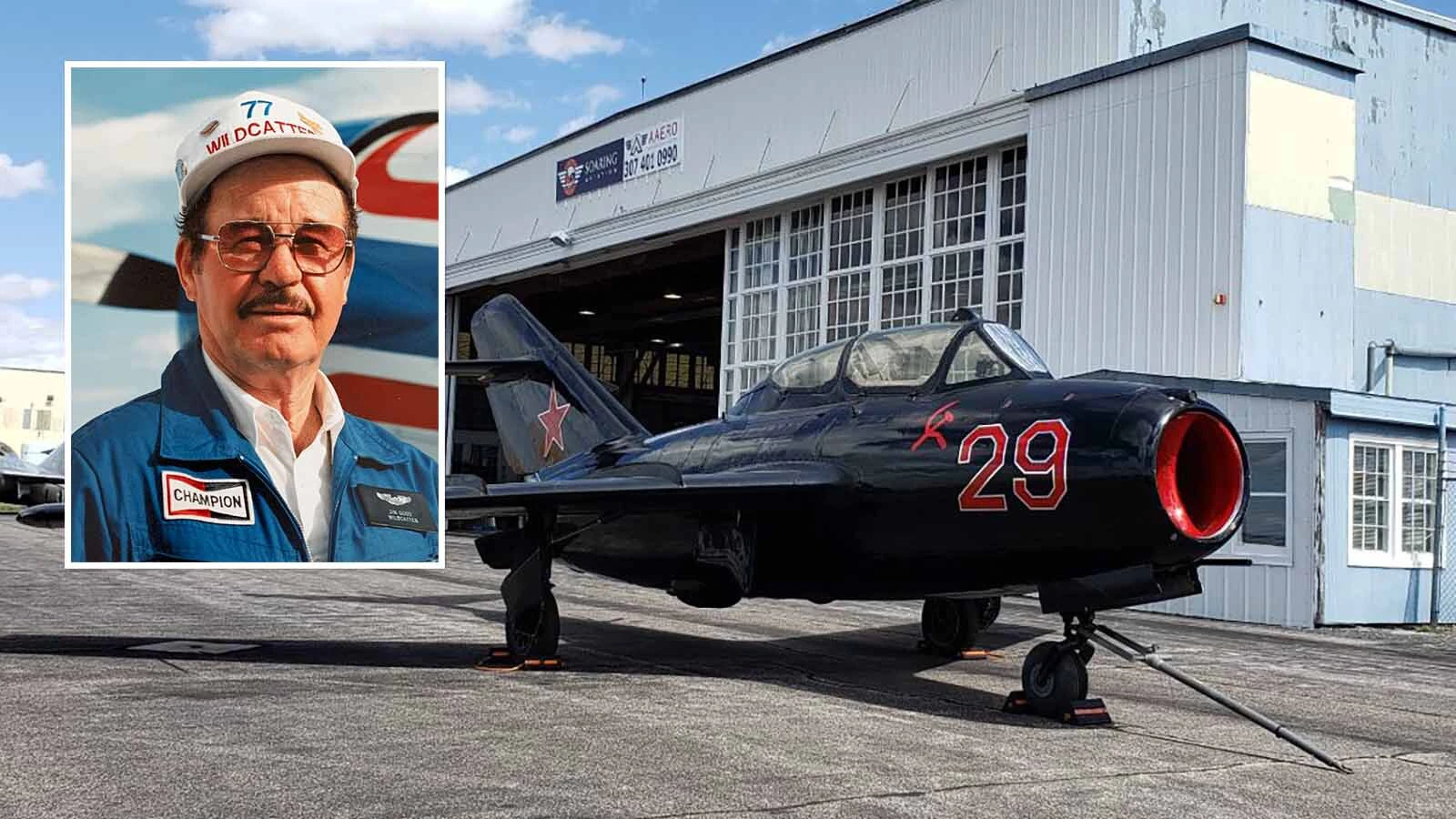
He bought two Soviet MiG-15 fighters from the Polish military in 1994, and after 10 years of restoration he finished one of the fighters and told the Casper Star-Tribune in 2004 that “it’ll fly.”
His son said the issue with the MiGs was that after the 9/11 terrorist attacks, the U.S. government clamped down on pilots who had old warbirds over concerns about the potential for terror.
Because of those regulations and requirements, his dad never flew the jet, but had fast-taxied the craft down the runway to ensure its potential to fly.
The jet became one of the draws to the museum he opened in his hangar dedicated to veterans and aviation.
The MiGs have since been donated to the National Museum of Military Vehicles in Dubois.
An Aviation Legend
Jim Good’s skill in the air had him not only racing pylons at the Reno Air Show, but also spending years flying 50-75 feet above oil pipelines across a multi-state daily basis to check for leaks.
He also helped organize local air shows and bring in war birds for them, flying many of the planes himself.
“I’m very proud of what my dad did for aviation,” said Ed Good, Jim Good’s only son who for a few years kept open his dad’s veterans and aircraft museum at the Casper/Natrona County International Airport hangar, where his dad operated for years.
Ed Good documented his dad’s accomplishments and nominated him for the Wyoming Aviation Hall of Fame, and was happy to see he was selected to join the hall in 2016 and know about the honor before he died the same year at 83.
Wiring House At 13
Jim Good was born in Fremont, Nebraska, but his family moved to Edgemont, South Dakota, where he spent most of his formative life.
His father, a construction worker, died in a fall working on an armory building in Edgemont when the future pilot was 5 years old.
His wife and six children were left struggling.
“It was very hard for the family, particularly his mom, to get everyone raised and put food on the table,” Ed Good said. “He had only a seventh-grade education at at the age of 15.
“After serving in the South Dakota Guard, my Grandma Good signed for him to go into the United States Army.”
While his need to work meant he had to leave school, Jim Good showed early on that he had a lot of smarts and understanding of all things electrical and mechanical.
While a seventh-grader, he wired his family’s house for electricity.
A neighboring rancher knew the young man’s abilities and asked him to fix an irrigation pump, promising him a rabbit for his pay, Ed Good said.
His dad went over to the field where the pump was, took a nail out of his overalls that he used to keep his straps pinned up, applied it to the pump and got it working.
The story goes that the rancher then reneged on his promise of the rabbit, so Jim dad went back and removed the nail and the pump stopped working.
“That’s one of our old favorite stories about him,” said his son. “But he was always a mechanical genius and it served him well throughout his life.”
While in the Army, Jim Good was sent to Germany with the 1st Division and became part of the Berlin airlift. His service from 1948 to 1952 qualified him as a Korean War veteran.
Once out of the service, the young man moved to Thermopolis to be near his sister and her family.
He and worked on ranches, in the oil field, and as an apprentice blacksmith among other jobs.
Jim Good also became a teacher of automotive mechanics at a technical college there.
He met and married his wife, Dixie, in 1954, and they had two children, Ed and his sister Jimmie.
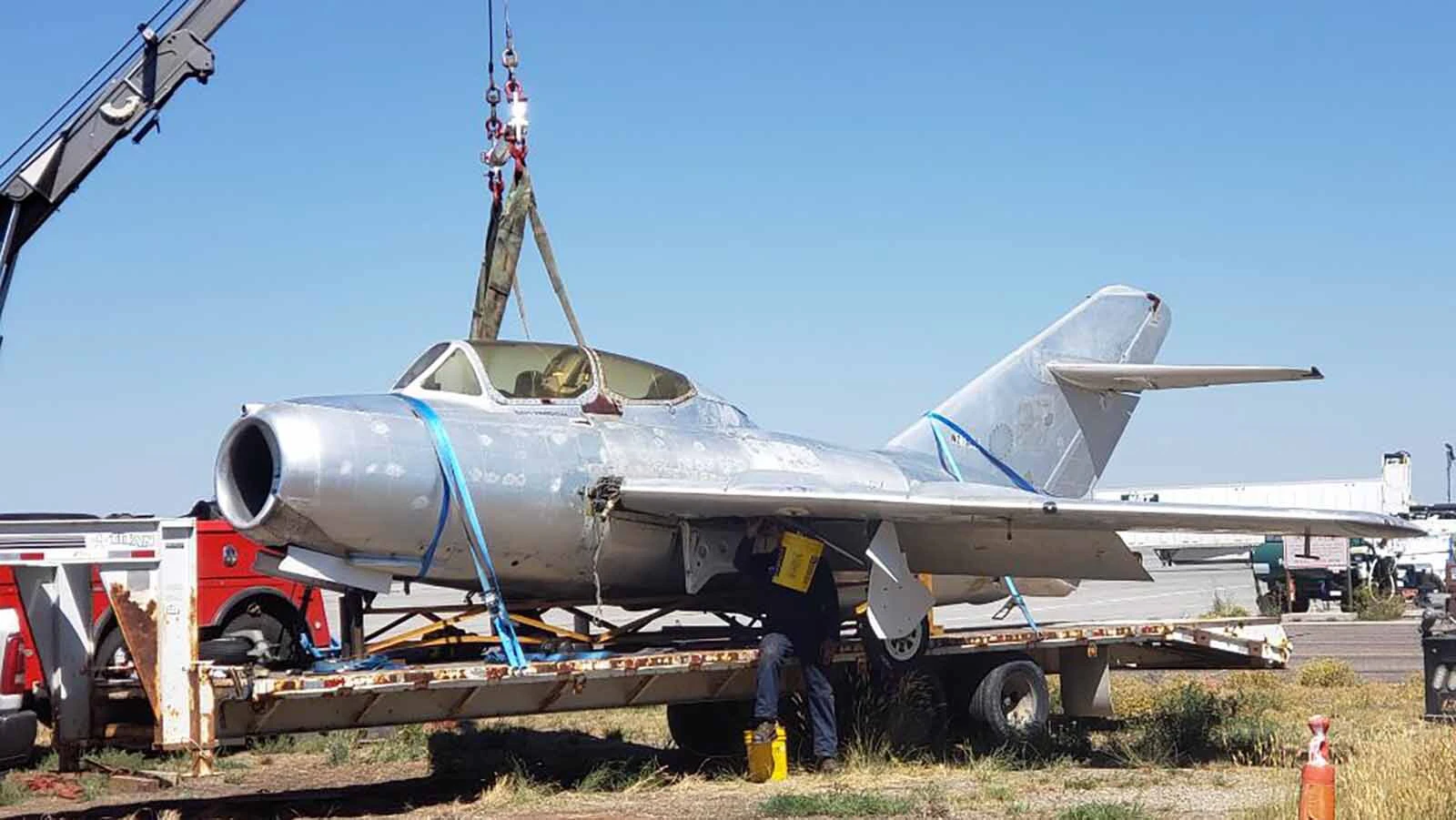
Jim Good purchased two Soviet-era MiG fighters from Poland. (Provided by Ed Good) 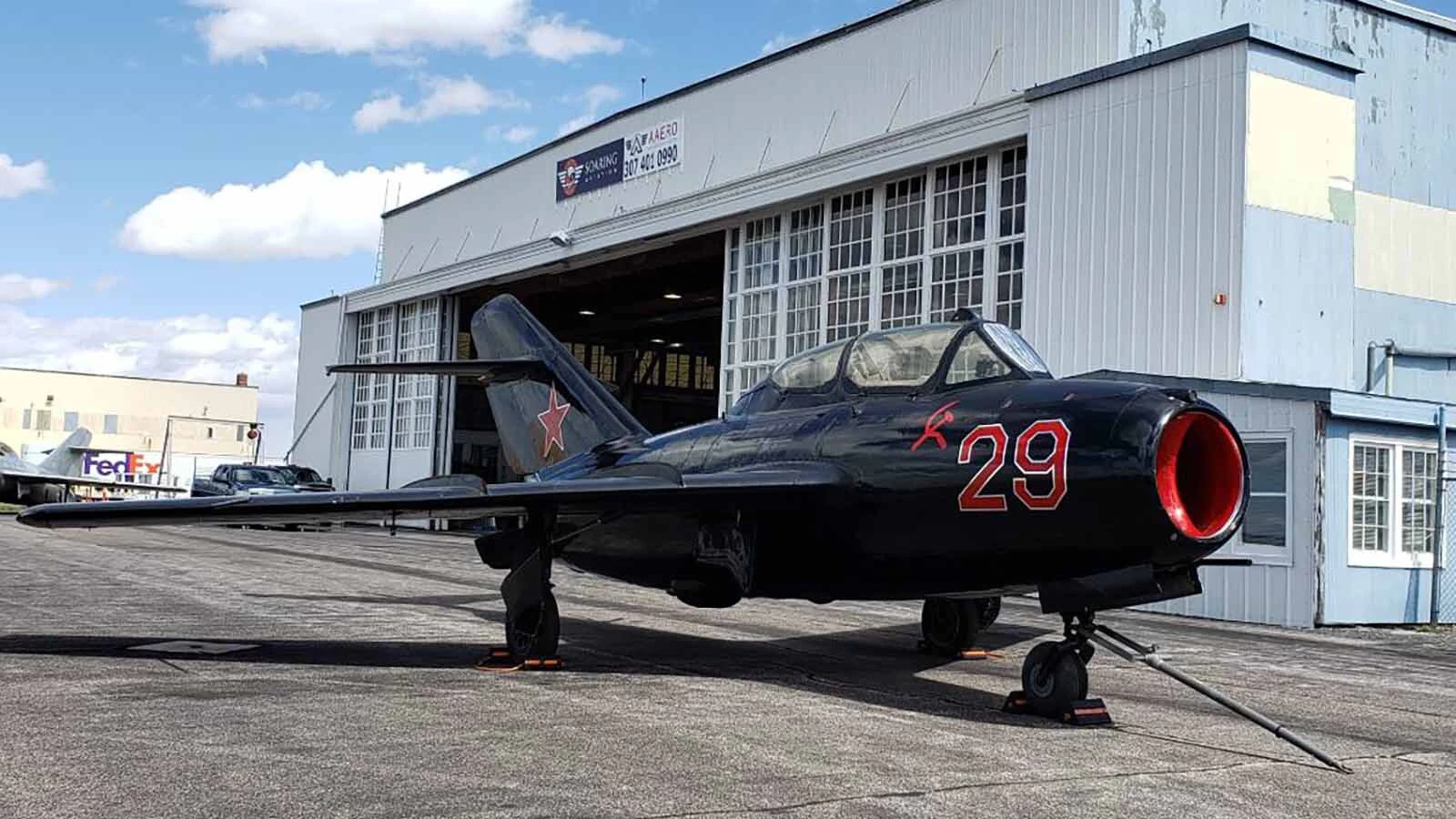
Jim Good spent 10 years restoring a Cold War-era Soviet MiG-15 aircraft. (Provided by Ed Good) 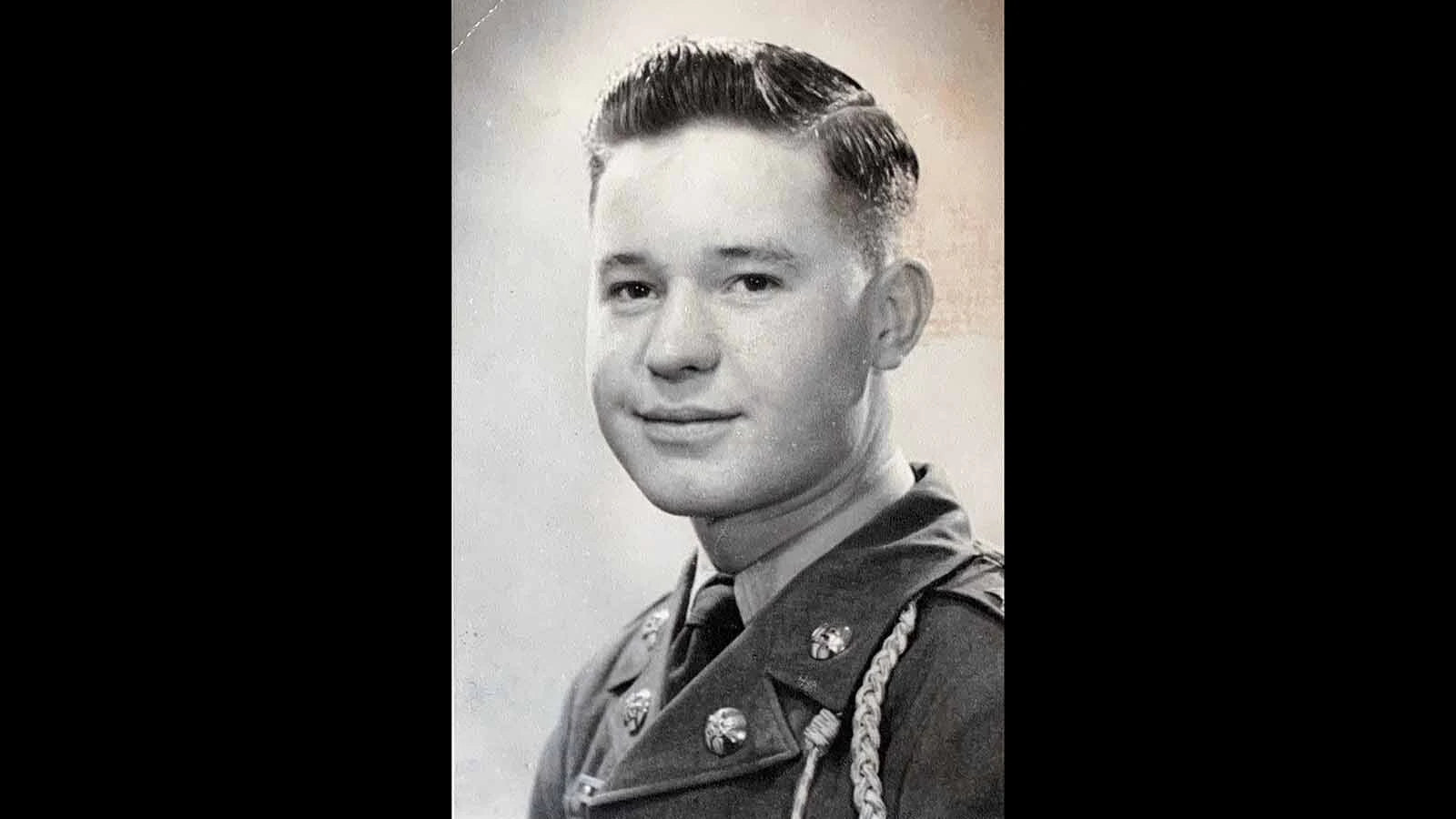
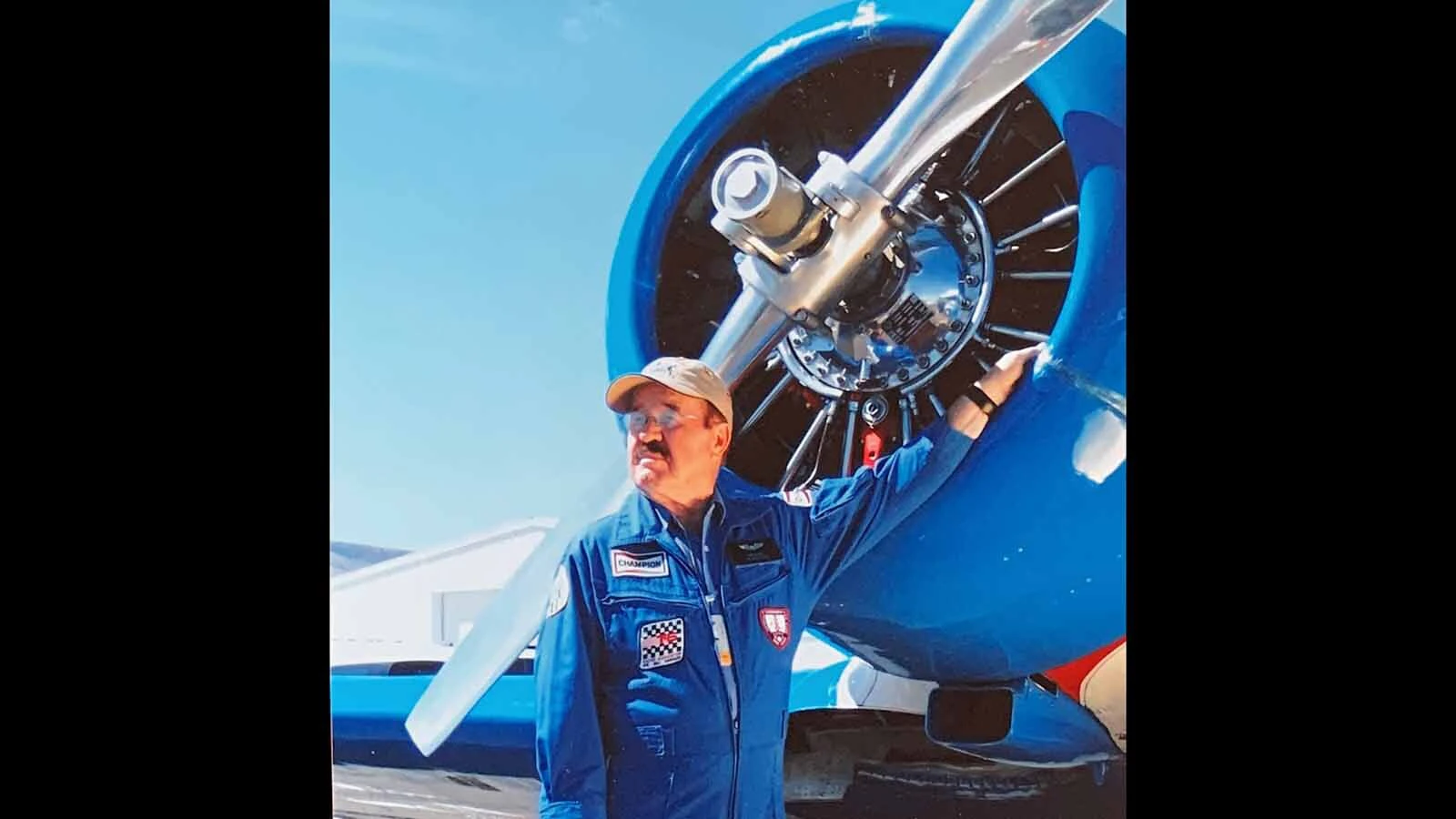
Jim Good enlisted in the U.S. Army when he was 15 years old. (Provided by Ed Good)
Starting To Fly
In Thermopolis, Jim Good started working on his private pilot’s license and with his brother-in-law, bought a Cessna 172.
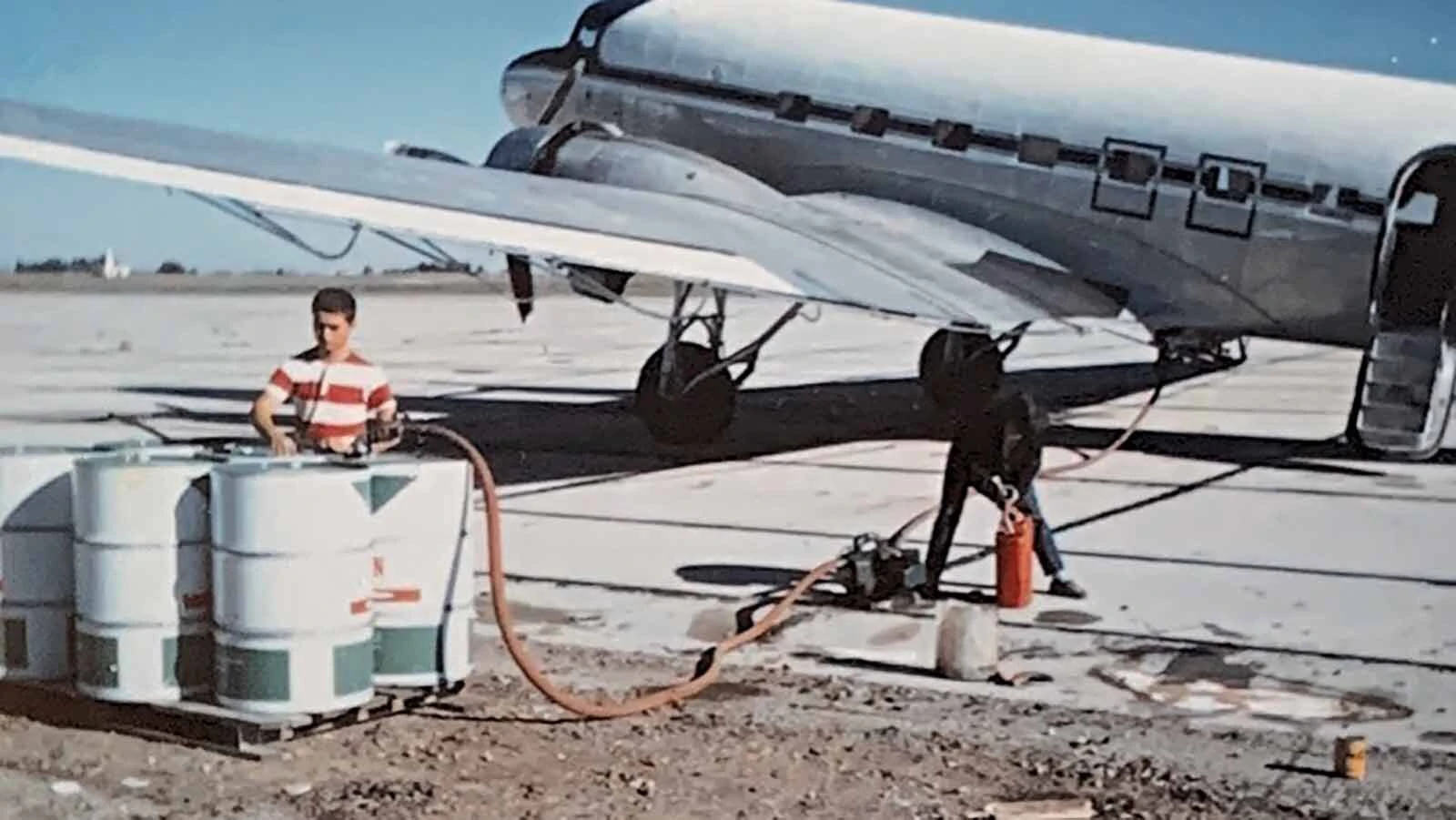
He pursued advancing his license and became friends with Mel Christler, who owned Christler Flying Service in Greybull. He was offered a job doing fabrication on the company’s airplanes, which included twin-engine DC-3s and Lockheed Constellation aircraft.
Ed Good said Christler was a World War II pilot who flew twin-engine cargo planes over the famous Burma “hump” from India to China, supplying Chinese forces who were allies to the U.S.
Christler had bought the surplus planes for the company’s services.
The company specialized in spraying for fire ants and other insects across the country.
Ed Good said his dad’s blacksmith and metal working knowledge helped them develop an airfoil to put on the back of an aircraft with an augur in the middle that took dry chemical from a hopper and spread it out toward the ground behind the wings.
At the same time, Jim Good was pursuing his airframe and power-plant license while upgrading his piloting capabilities.
Before he left the company, he was flight engineer on the Lockheed planes, sat in the right seat as co-pilot on DC-3s and then became a DC-3 pilot.
“He would be gone for months at a time to Tupelo, Mississippi, and other places,” Ed Good said. “They did the entire Gulf Coast spraying for fire ants for at least a year. They went all the way up to Canada and around the United States.”
Among the planes owned and used at Christler were a former Lockheed Constellation that served as Air Force One for President Dwight Eisenhower called Columbine II and another one called the Bataan that was used by Gen. Douglas McArthur.
Working for Christler, Jim Good became acquainted with a pilot for Amoco who flew pipelines for the oil company. When that pilot was being transferred to fly jets out of Chicago, he recommended Jim as his replacement.
The Good family moved to Casper, and from 1972 until his retirement in the early 1990s, Jim Good flew thousands of hours of low-level flight inspecting pipelines in a turbo-charged Cessna Centurion 210.
Sometimes his son accompanied him.
“That’s one of the most difficult, challenging kinds of flying that there is,” Ed Good said.
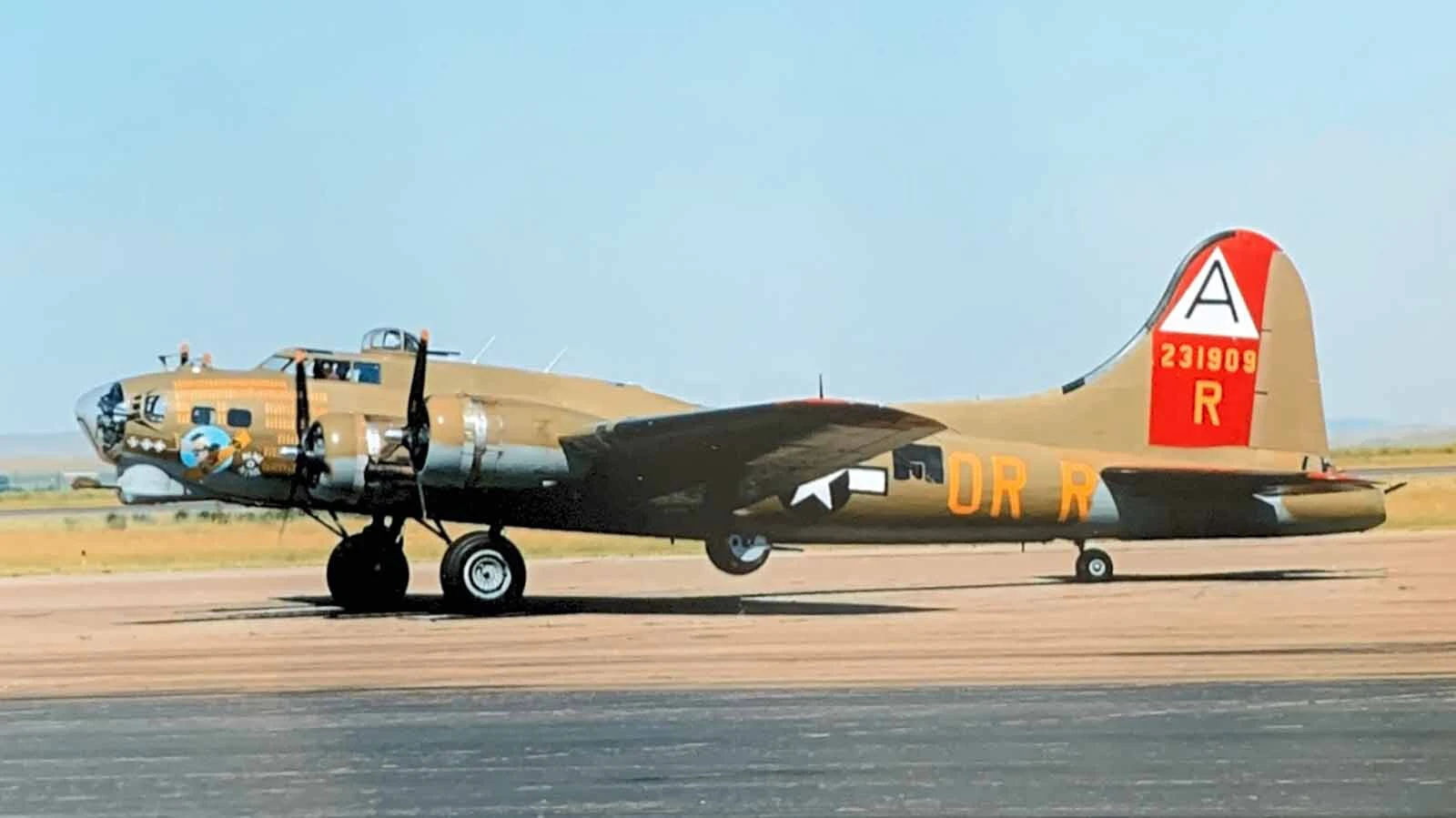
Humble Pilot
Wyoming Aviation Hall of Fame board member Dean McClain of Torrington agrees.
As a young flight instructor in Casper in 1977, McClain recalled when Good came to him for a flight review ride due to new FAA regulations that mandated pilots have one every two years regardless of their experience.
“The flight instructors are like the bottom rung, they are the newest of the new people in aviation,” McClain said. “I was brand new, the ink wasn’t even dry on my flight instructor’s (certificate).”
McClain said Good at that time had years flying Amoco’s pipelines as well as with Christler.
When Good showed up, he brought his poodle that accompanied him on his pipeline flights across the country.
McClain remembers him as gracious, humorous and a veteran pilot who took the requirement in stride.
“The dog had more hours in an airplane than I did,” McClain said. “There was a little comedy back and forth. I think the only question I asked was, ‘Who’s buried in Grant’s Tomb’ or something stupid like that and signed his book. He got a big laugh out of it.”
McClain said Jim Good was always approachable and a resource for many in Wyoming’s aviation industry and beyond.
In addition to his professional flying, Jim Good joined a group of Casper-based aviators called the Tired Iron Racing Team in the early 1980s that had a couple of P-51 fighters, B-25 bomber, and the T-6 Texan advanced training fighter.
During that period he became a check pilot on the B-25 and flew many old warbirds, including the T-6.
Ed Good said when the Tired Iron group disbanded, his dad bought the T-6 fighter and started racing the fighter every year at the Reno Air Show in the mid-1980s until 2007, when he quit flying because of his wife’s health.
He needed to spend more time at home caring for her.
Safety First
Jim Good was known by the racers for his mechanical and technical abilities, and also for his safety protocols.
“They had regular safety meetings before and during races to proactively prevent anything happening to any of the pilots,” Ed Good said. “So, that was something he saw as one of most important contributions to racing, keeping everyone safe.”
Ed Good said that without the finances of some of the racers for new engines and other gear, his dad flew very competitively at Reno.
He typically called the Wyoming Wildcatter his “old girl” and loved trying to get as much performance out of the fighter as possible.
As a mechanic, Jim Good put together several planes during his career.
The Casper Star-Tribune sent a reporter with Good in a open cockpit stunt plane over the North Platte where he flew upside down for a story on July 13, 1979.
The reporter wrote that Good’s stunt plane could do all the things the old barnstormers did in the 1930s with him at the controls.
“Good bought the plane three years ago on the East Coast. Although it was manufactured in 1941, no one put the kit together until Good hauled it across the country in a U-Haul truck,” the story says. “It took him eight months to put the pieces together.”
Good also bought and put together a biplane that hangs from ceiling in The Hangar restaurant in Bar Nunn.
Newspapers articles from the 1970s and into the first decade of this century from time to time depict his skills, mechanical ingenuity and aerial exploits.
His airframe and mechanical ability allowed him to put together a World War II Messerschmitt Bf-109 fighter for the Military Aircraft Restoration Corporation of Chino, California, in a two-year project.
‘Spectacular Crash’
When he tried to take it up on a maiden flight on May 27, 1986, it crashed as he was about to lift off the runway.
McClain saw it happen.
“We were all standing there in front of the hangar when it took off and lost the wheel (due to) a wheel bearing and went out of control and off the runway and end over end,” he said. “It was a spectacular accident and he wasn’t hurt too badly. I think he was bruised up.”
The German fighter was demolished.
During Jim Good’s flying career, he had opportunities to fly the P-51 fighter as well as the Douglas A-26 Invader bomber and the Martin B-26 Marauder. He also had a few hours in jet aircraft, occasionally serving as copilot on jets for Amoco.
During a career that included 40,000 hours in the air, he served as an FAA airframe inspector, administered FAA flight exams, hosted the Experimental Aircraft Association at his hangar and recruited groups such as the Commemorative Air Force who fly vintage warplanes to Casper on various occasions.
Helping Others
Jim Good enjoyed helping other pilots the most, especially younger ones, his son said.
“I can remember people walking into the hangar, and the first words out of his mouth were always, ‘What can I do for you?’” his son said. “And if he could do something without charging for it, that was really fulfilling to him.”
The veteran pilot learned that he would be honored with entry to the Wyoming Aeronautics Hall of Fame just a few weeks before he died on April 24, 2016.
Ed Good said his dad was humble about it, but the honor meant a lot to him.
“He said, ‘Well, I know there are a lot of other people who are equally qualified as I am,’” Ed Good said. “But I know it made him very happy.”
McClain said Good represented the best in Wyoming aviation and he experienced his graciousness and help as a young pilot.
“His whole career was in Wyoming, so that’s a big thing,” McClain said. “The other thing you have to be before we nominate anyone is they have to be outstanding in their character.
“Jim was top notch. I never talked to anybody who didn’t like Jim.”
Dale Killingbeck can be reached at dale@cowboystatedaily.com.


