
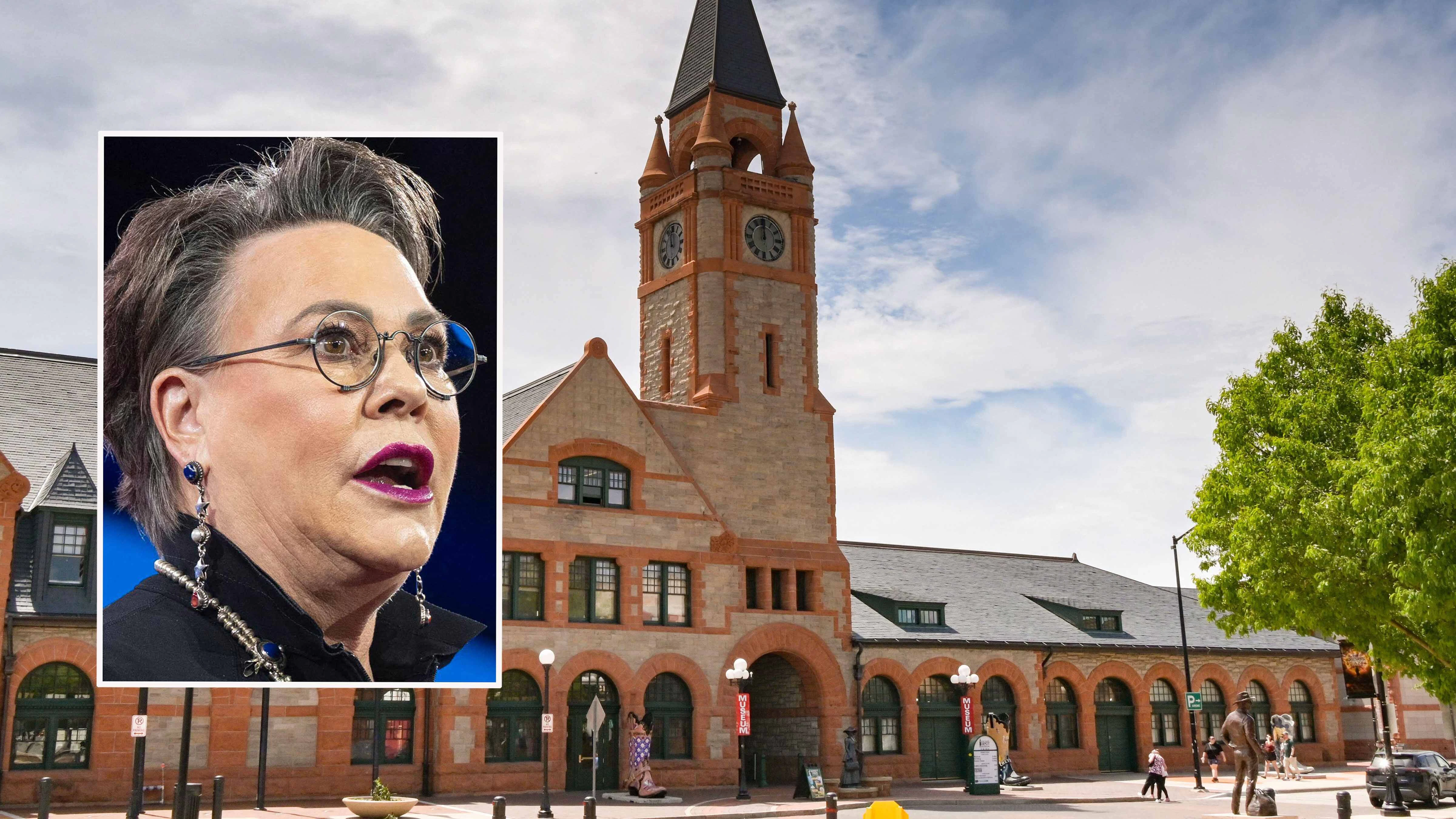
Wyoming U.S. House Rep. Harriet Hageman was one of 22 Republicans to vote against making daylight saving time permanent as the House passed the Sunshine Protection Act on Tuesday.
For Wyomingites tired of changing their clocks every spring and fall, the vote was a big step toward ending the twice-yearly ritual that has been a divisive issue in the Cowboy State and across the nation.
The 308-117 vote advances the act to the Senate, which if approved would make daylight saving time permanent.
Most Americans would stop changing their clocks twice a year and instead remain on daylight saving time year-round, although states could choose to observe permanent standard time instead.
Hageman told Cowboy State Daily in a statement that her vote was made with Wyoming in mind.
"The Sunshine Protection Act robs Wyoming farmers and ranchers of precious sunlight and ensures the first hours of a student's day is in darkness,” she said. "The government isn't funded, our elections aren't secure, and Wyoming's legacy industries need help.
"I will not vote for a time-wasting bill that puts Wyoming in the dark."
If enacted, the legislation would mean later winter sunsets but also later winter sunrises, giving people more daylight in the evening while making mornings darker.
Another Opportunity
Wyoming has been preparing for this possibility for years.
In 2020, the Wyoming Legislature approved a trigger law authorizing the state to adopt permanent daylight saving time if Congress first changes federal law and neighboring Mountain Time states enact similar laws.
As a result, Tuesday's House vote alone would not change anything for Wyoming.
Even if the bill ultimately becomes law, Wyoming would continue changing its clocks until the conditions outlined in state law are met.
Former state Rep. Dan Laursen, R-Powell, sponsored Wyoming's trigger law and spent years advocating for permanent daylight saving time.
When the U.S. Senate unanimously passed a similar version of the Sunshine Protection Act in 2022, Laursen told Cowboy State Daily he hoped Americans had changed their clocks for the last time that November.
Instead, the proposal stalled in the House before reaching then-President Joe Biden.
Now, four years later, Laursen believes Congress has another opportunity.
"It's fantastic news," he said Tuesday. "I'm feeling hopeful."
Laursen said he hopes the Senate can "get something figured out" after unanimously approving a similar bill four years ago.
Asked what message he would send senators, Laursen said, "Let's do it," he said. "Trump wants it. I want it."
Long-Running Debate
Supporters of the legislation argue ending the twice-yearly clock changes would eliminate an unnecessary disruption while giving Americans more usable daylight after work and school.
House Energy and Commerce Committee Chairman Brett Guthrie, R-Kentucky, said permanent daylight saving time would improve traffic safety, strengthen the economy and give people "more time to exercise outside, visit family, attend concerts and sporting events."
"It also means more sunlight at the end of the day so Americans can return safely from work and children can return safely from school," Guthrie said.
Not everyone agrees.
The American Academy of Sleep Medicine supports ending the twice-yearly clock changes but argues that Congress should instead adopt permanent standard time, saying it better aligns with the body's natural circadian rhythms and promotes healthier sleep.
If daylight saving time became permanent, Wyoming would experience later winter sunrises and later sunsets, leaving many children and commuters traveling before sunrise while extending daylight later into the evening.
Senate Faces Familiar Decision
The legislation now heads to the Senate, which unanimously approved a similar version of the Sunshine Protection Act in 2022 before it stalled in the House.
Its prospects this time are uncertain.
Wyoming's congressional delegation is split on the issue.
While Hageman voted against the House bill, Sen. Cynthia Lummis has previously backed making daylight saving time permanent, calling the twice-yearly clock changes "an unnecessary disruption" and saying advances in technology have made the original reasons for changing clocks obsolete.
Sen. John Barrasso has taken a more cautious position.
Last spring he told Cowboy State Daily, "Every time we have to change the clocks, I hear about this issue at home in Wyoming.
"While it would certainly be easier to not have to change our clocks, there are some real concerns with sending our kids to school in the dark. Congress must thoroughly debate all of the potential impacts before taking any action to change daylight saving time on the national level."
Asked Tuesday about the bill's chances in the Senate, Barrasso told reporters, "We'll see. You know, we had passed something like that once before, and then the House hit the snooze alarm on it, and we'll see what happens when it gets here."
Even if the Senate approves the bill and Trump signs it into law, Wyoming would not immediately stop changing its clocks.
The state's trigger law requires not only congressional approval, but also neighboring Mountain Time states to adopt permanent daylight saving time before Wyoming could make the switch.
Cowboy State Daily reached out to Barrasso's office Tuesday for additional comment on the House-passed legislation but did not receive a response before publication.
Kolby Fedore can be reached at kolby@cowboystatedaily.com.


