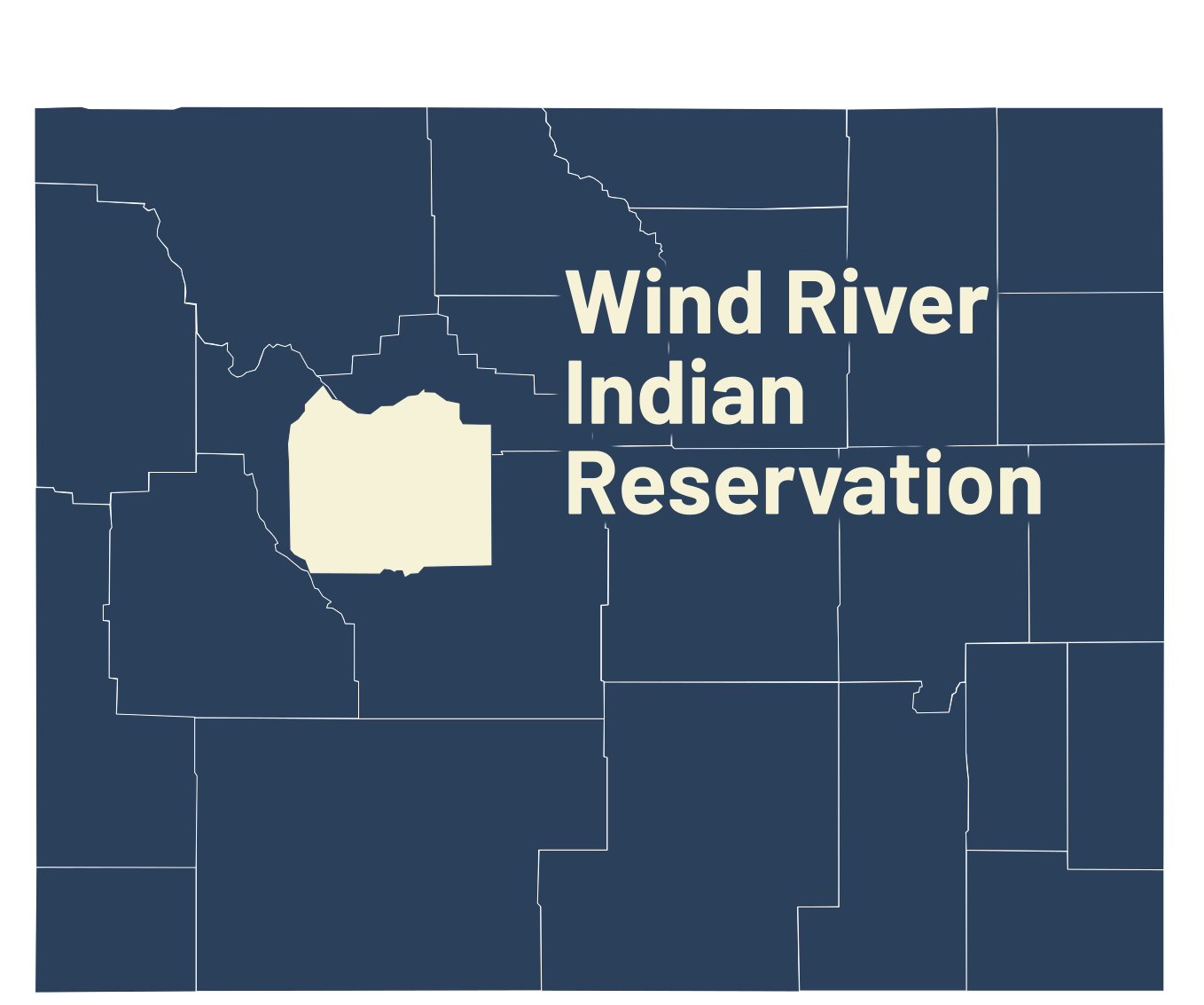
Toa, a puppy on the Wind River Indian Reservation, didn’t have a name yet when he was recently rescued by a family in Ethete, which found him with a fishing line tied to his right front leg.
Some children were reportedly seen swinging him around by the line, severely injuring the leg. But thanks to the family that found Toa, his leg was not only eventually amputated he also helped find the 14 brothers, sisters and cousins from whom he had strayed.
It was a dramatic rescue, but one of many made possible by Yola’s Pet Rescue in Cheyenne, which focuses on getting stray and feral dogs wandering the reservation spayed and neutered, then finding people who will adopt them.
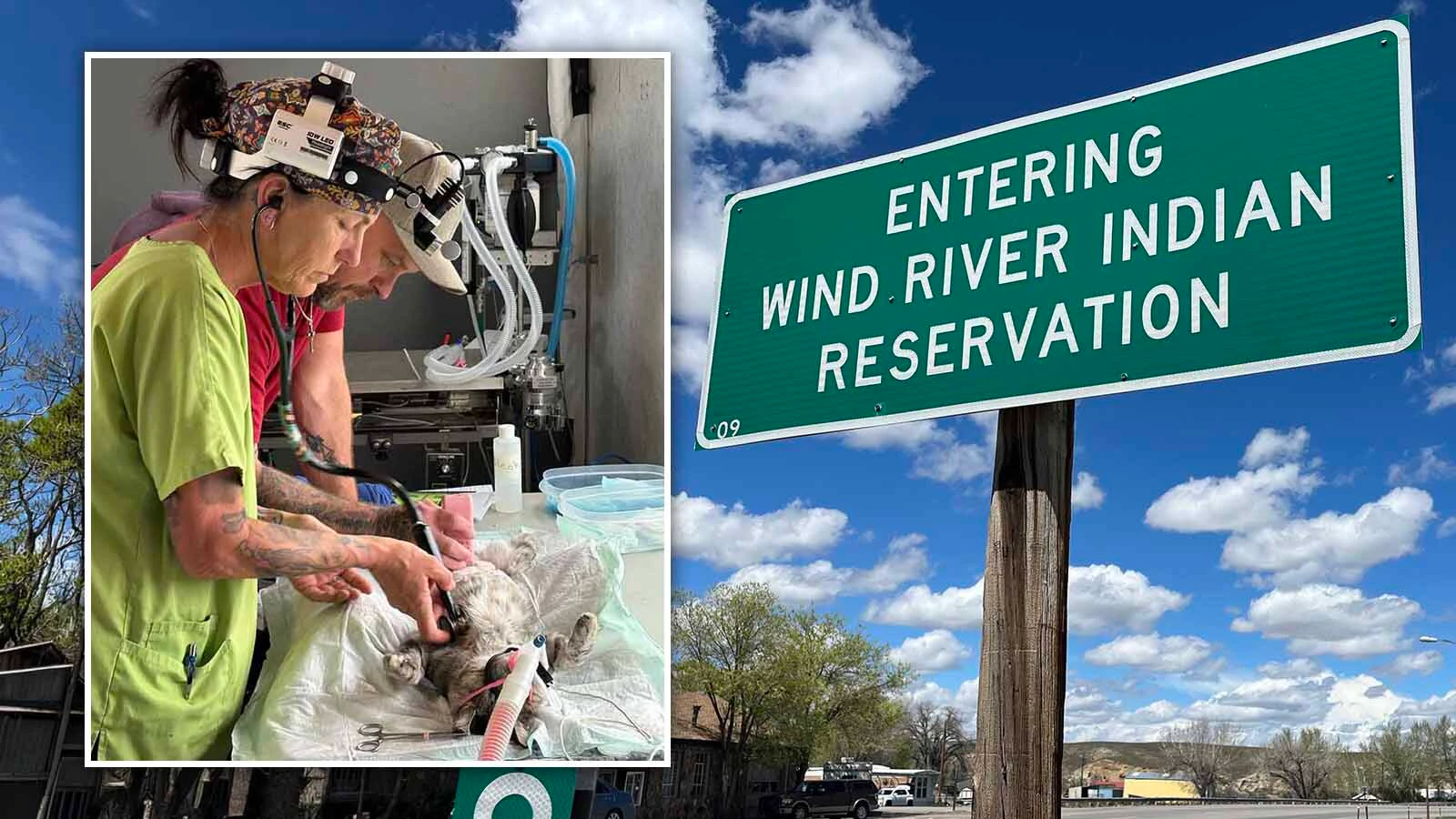
JM Marschner, who opened the clinic in 2017, told Cowboy State Daily she and her volunteers have worked with other rescue groups to find more than 3,000 dogs and cats on the reservation.
Marschner said she started working there because there are so many stray and feral dogs, and the reservation doesn’t have a veterinarian or animal shelter. The closest vets are in Lander and Riverton.
Two Large Litters
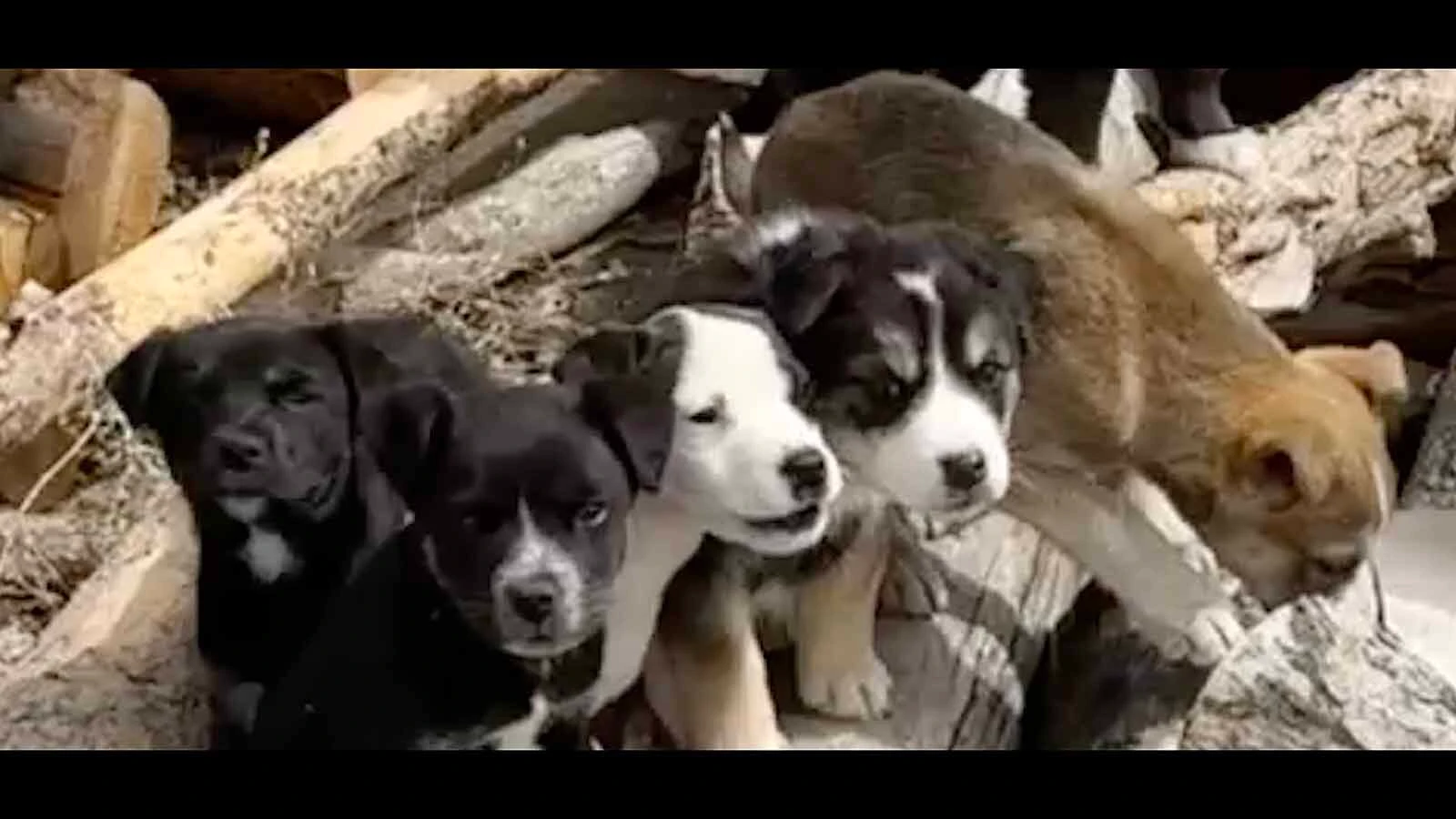
When Toa was found, a call went to Yola’s Pet Rescue late on a Saturday night. Marschner dispatched one of her volunteers to the scene to meet the woman who rescued Toa, and together they discovered 18 other puppies from two litters.
Four later died, and Marschner said while “it was touch and go” for the three smallest pups, 14 survived and were sent to the Laramie Animal Welfare Society.
Toa didn’t make that trip because a veterinarian had to perform an emergency amputation. After some recovery time, he joined the rest of his puppy pals in Laramie.
That’s where he got his name, plus much love and attention from the staff and volunteers.
Corina Slyman of LAWS said dogs brought to the clinic can’t be adopted until they’ve been spayed or neutered, had their vaccinations, and been microchipped. LAWS works to arrange for foster homes, but doesn’t have enough space to keep rescued dogs.
“We mainly take care of puppies who come in, and many need to be bottle-fed and have special care,” Slyman said. “We work with other animal clinics in the region to get them adopted once they can be.”
Slyman said Toa looks is a strong candidate for adoption.
“The tough little guy is doing really well,” she said.
Problem On The Reservation
The Wind River Indian Reservation, like many others in North America, has had a large dog population for generations. Many of these “rez dogs” run loose, with no owners.
Without a clinic like Yola’s, the numbers won’t decrease. Even with the clinic and animal lovers like Marschner and a half-dozen volunteers, it’s a constant and expensive challenge.
“A lot of the houses on the reservation don’t have fences, so the dogs aren’t contained,” Marschner said. “So that’s part of the problem. If we find a dog we think may be lost, we post them on Pet Finder.”
Another huge factor is unwanted animals being abandoned, though Marschner is quick to note that people in Riverton and Lander turn their dogs loose on the reservation, too.
“It’s not just a tribal problem,” she said.
Kisandra Roberts of Kinnear has been a Yola’s volunteer for about four years, after leaving a Lander animal hospital where she’d worked for 14 years.
Roberts said often people don’t own the animals in their neighborhood, but they feel badly and want to help if dogs have puppies under their porch or in their sheds.
"Before they know it, people can have 10 or 20 dogs,” she said. “And each female can have about 20 puppies a year. Kids will bring home a puppy and say they want to keep it when it’s young and cute. But when they’re no longer in the puppy stage, they’ll just kind of leave it to fend for itself.”
Roberts, who owns a rescued rez dog, said abandoned dogs “pack up” because they instinctively want to be with other like-minded dogs. She said a lot of feral dogs “absolutely won’t let us come anywhere near them.”
Marschner said it’s a never-ending battle.
“Mothers tend to have big litters, then they continue to have puppies,” she said. “It’s hard to find and catch many of these dogs so we can take them to a clinic and have them fixed.”
Spay & Neuter Cruiser
Marschner’s rescue organization has a mobile unit dubbed the “Spay & Neuter Cruiser” for clinics, but she said it’s usually more efficient to find a place in the community they’re serving.
Yola’s next mobile clinic is set for the Casper Health Fair on July 11-12. Spay and neuter clinics will also be conducted in Wheatland and also on the reservation later this month.
“Once we made the announcement in Casper, we were sold out in about an hour,” Marschner said. “That shows what the need is. We have a waiting list, but I don’t think we’ll be able to accommodate them.
“We set up like a ‘M*A*S*H*’ unit, with all of the medical supplies and equipment,” she explained.
The equipment alone cost about $40,000, and Marschner said each clinic costs between $4,000 to $5,000.
The group largely depends on donations from individuals and grants from groups or companies. Marschner said she does her work for free.
“The critical piece to running the clinics is finding a vet and a vet tech,” she said. “That’s our biggest challenge. I think we’ll see more vets willing to participate.”
All spay and neuter operations on the reservation are free. In other places Yola’s helps subsidize the cost and negotiates a lower fee with veterinarians who agree to do the work so it’s more affordable for dog owners.
Yola’s makes monthly trips to the reservation to deliver dog food, and has also brought dog houses with straw for outdoor pets.
Expensive Surgeries
The clinic has an annual budget between $60,000 and $70,000, Marschner said. The majority is spent on veterinary services, and the remainder is mostly used for dog food and spay and neuter clinic supplies.
“The money can go quickly,” she added. Toa’s amputation cost $900. If a rez dog has an encounter with a porcupine, which happens frequently, the medical bill can top $1,000.
“A lot of dogs will follow the river, and the super curious ones will go after the porcupines,” Roberts said.
The subsequent fights never go well for the canines. Vets must anesthetize the dogs to remove quills, a process that can take hours and might need to be done multiple times.
“People can’t afford to take them to the vet, and if they don’t get care, they starve to death because they can’t eat,” Marschner said. “We always want to help with emergency care, like Toa’s amputation, but it does add up.”
Rez Dogs Are Popular
Roberts said many people want to adopt rez dogs and are willing to drive several hundred miles to do so, for several reasons.
“I transported three the other day clear down to Utah,” she said. “They get adopted pretty quick. People feel bad about what they’ve been through.”
But the dogs’ tough lives seeking food and shelter are part of what makes people satisfied when they adopt one.
“They are very resilient,” Roberts said. “They’ve gone through so much, and just evolved over time to be able to withstand extreme heat, extreme cold. Things like rattlesnake bites don’t seem to phase them that much.”
She said her niece had a rez dog that ate about 10 pounds of chocolate, which is usually lethal to dogs.
“Her dog got into a platter of chocolate, ate it and was fine,” Roberts recalled. “That’s so crazy and unheard of. But these dogs build up a tolerance that most of your purebreds aren’t going to have. Reservation dogs have a tendency to outlive them, too.”
The dogs Marschner and her volunteers find on the reservation are mixed breeds.
“We typically see Australian shepherd cattle dogs, mixed with a little Husky, German shepherd; that’s probably the most common mix,” she said. “Probably some pit too. They’re smart dogs.”
Emotional Toll
Marschner said the work takes an emotional toll on her and the other volunteers.
“It’s hard, no one wants to say no to puppies, or euthanize puppies, but there are just a lot of them all over,” she said. "There are days, especially when you see the starving dogs and animals we try to save. That happens a lot. We had a Bullmastiff, starved and skin and bones. She weighed 52 pounds, and now she’s up to 120.”
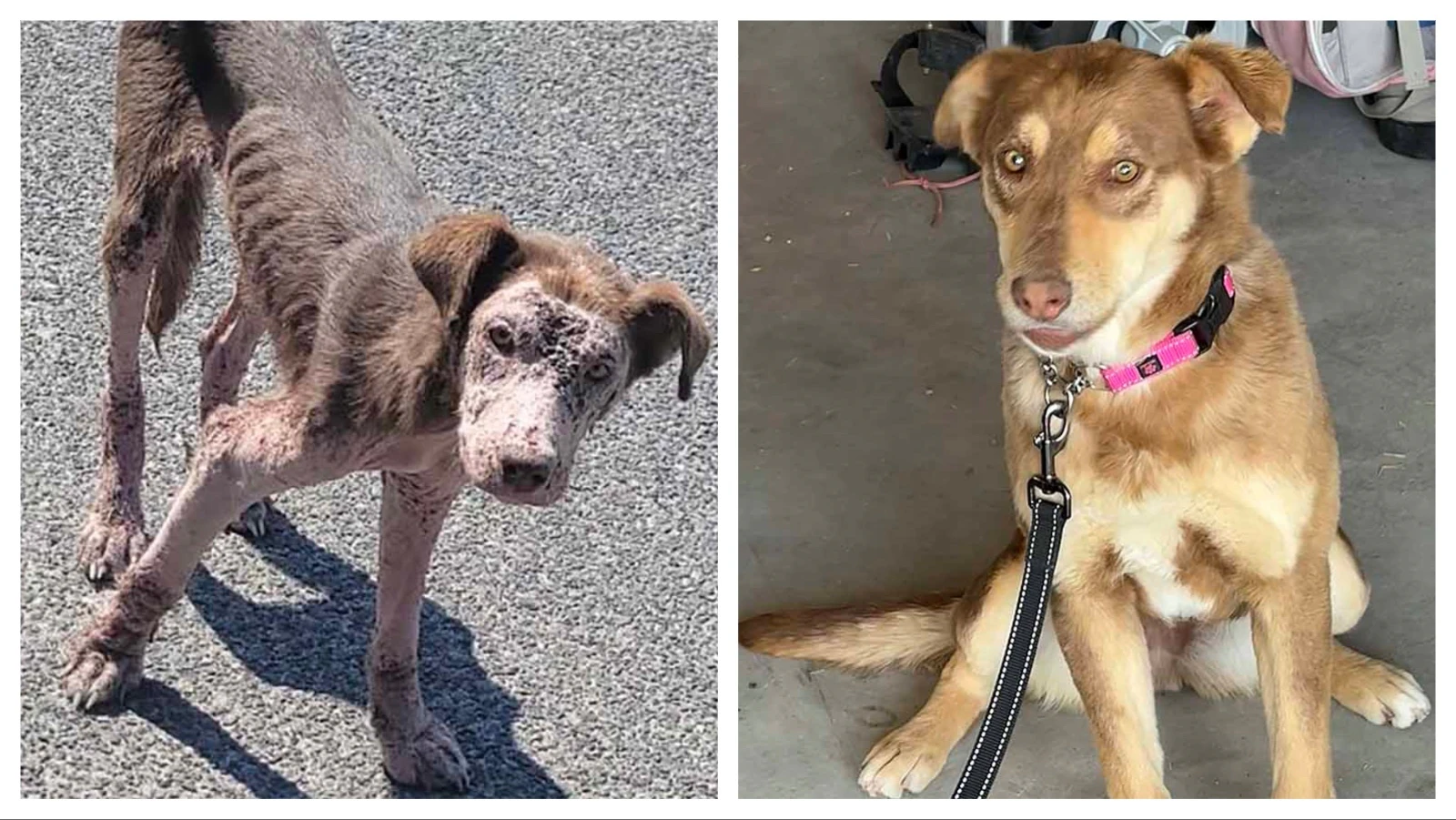
Marschner said a dog named Willow also “touched a lot of hearts.” She weighed 22 pounds, about half normal weight. Willow had mange, so no fur or hair.
“It took us two to three weeks to find her after the initial sighting,” she said, adding that she's healthy now after being adopted by a Cheyenne Realtor.
It Started With Yola
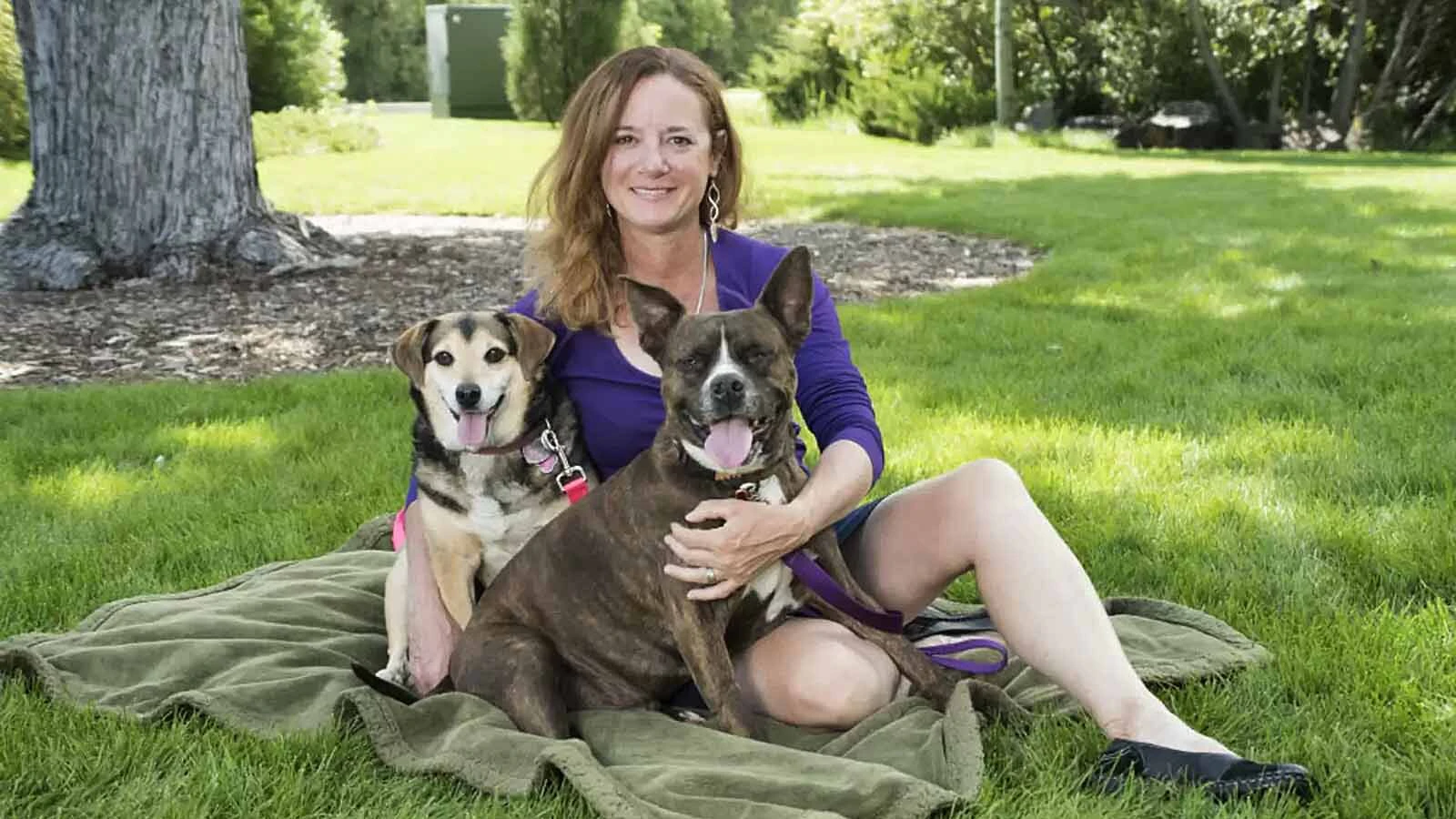
Marschner had been a volunteer at her local animal shelter for 25 years, but her personal mission to help rescue dogs began in 2017, when she met the clinic’s namesake, a 5-year-old beagle-shepherd mix named Yola.
Military veteran John White was Yola’s owner. He adopted the once-stray dog from a Wyoming shelter, but when White was diagnosed with terminal cancer he needed a new caretaker for his pet.
“He posted on Craigslist a plea for a home for his dog written in (Yula’s) voice,” Marschner said.
The post went viral, leading to more than 1,000 people applying to take Yola. Like the others, Marschner wrote a brief essay, and White chose her to be Yola’s new owner.
When Marschner picked up her new dog, White was too sick to see her. One of his friends asked her if she’d also consider giving White’s other dog, a bulldog-boxer mix named Boogy, a new home.
“How could I possibly say no?” Marschner said, so the pair came to live with her. They had many happy years together before Yola died from cancer. Boogy, who later lived with Marschner’s mother, died two years ago.
Yola lives on through the rescue clinic that bears her name. For puppies like Toa and others that desperately need help, Marschner said the clinic will continue its work to see that “no unwanted puppy is left behind.”
Kerry Drake can be reached at Kerry@CowboyStateDaily.com