A small team of volunteers will shoulder heavy packs and follow a string of pack mules into bear country this summer on a narrow trail that leads deep into Wyoming’s Shoshone National Forest.
Their destination isn’t a scenic vista or a famous fishing hole. It's a weathered lodge built in 1890 that is slowly but surely falling apart.
It was built on a steep hillside in the nation’s first federally protected forest by one Abraham Archibald Anderson.
The rugged mountain artist studio turned ranch house is where Anderson would begin a fight to save the wilderness from burning down around him.
That fight would take him to the nation’s Capitol and reshape America’s emerging national forest system, even as it laid a foundation for Yellowstone and Grand Teton national parks.
HistoriCorps Regional Program Manager Michael Guillot is overseeing the project to save Anderson’s 136-year-old historic cabin.
“He saw a lot of what was happening with unregulated forestry in the area and some of the development that he felt was accelerating without the right kind of guardrails,” Guillot told Cowboy State Daily about the impact of Anderson on public lands policy. “So, he became a big supporter and advocate for clarifying the role of our forest reserve. He’s considered one of the first.”
Anderson’s headquarters for the effort was the Palette Ranch cabin he built in 1890 to serve as his art studio in what is today known as the Shoshone National Forest, which was also the nation’s “first forest.”
That makes the cabin integral to the birth of America's conservation movement.
“These structures should be saved,” Guillot said. “But they are hard to do. They’re hard to get to, and they’re hard to coordinate. But we are uniquely positioned as an organization to take on these kinds of projects.”
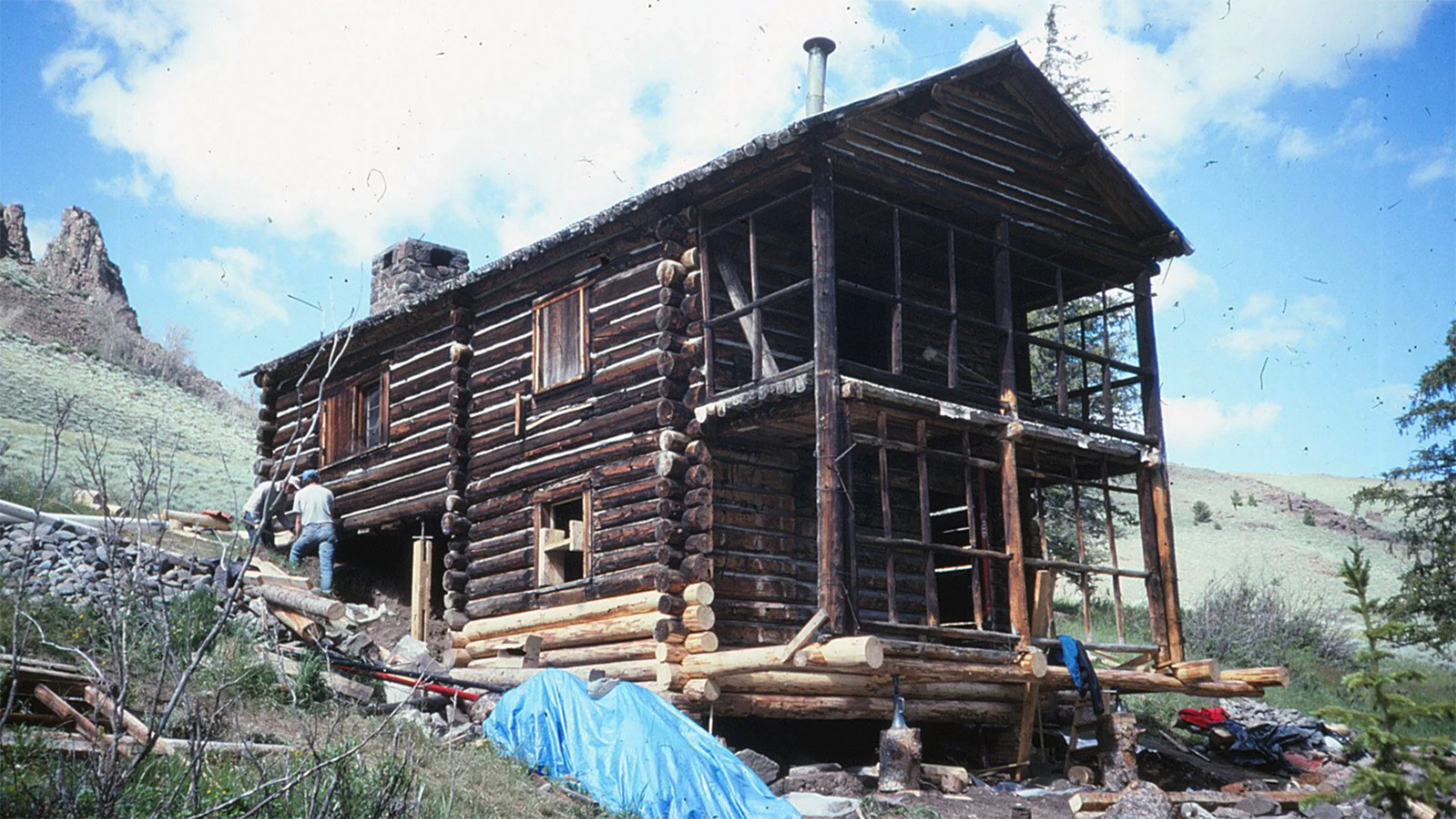
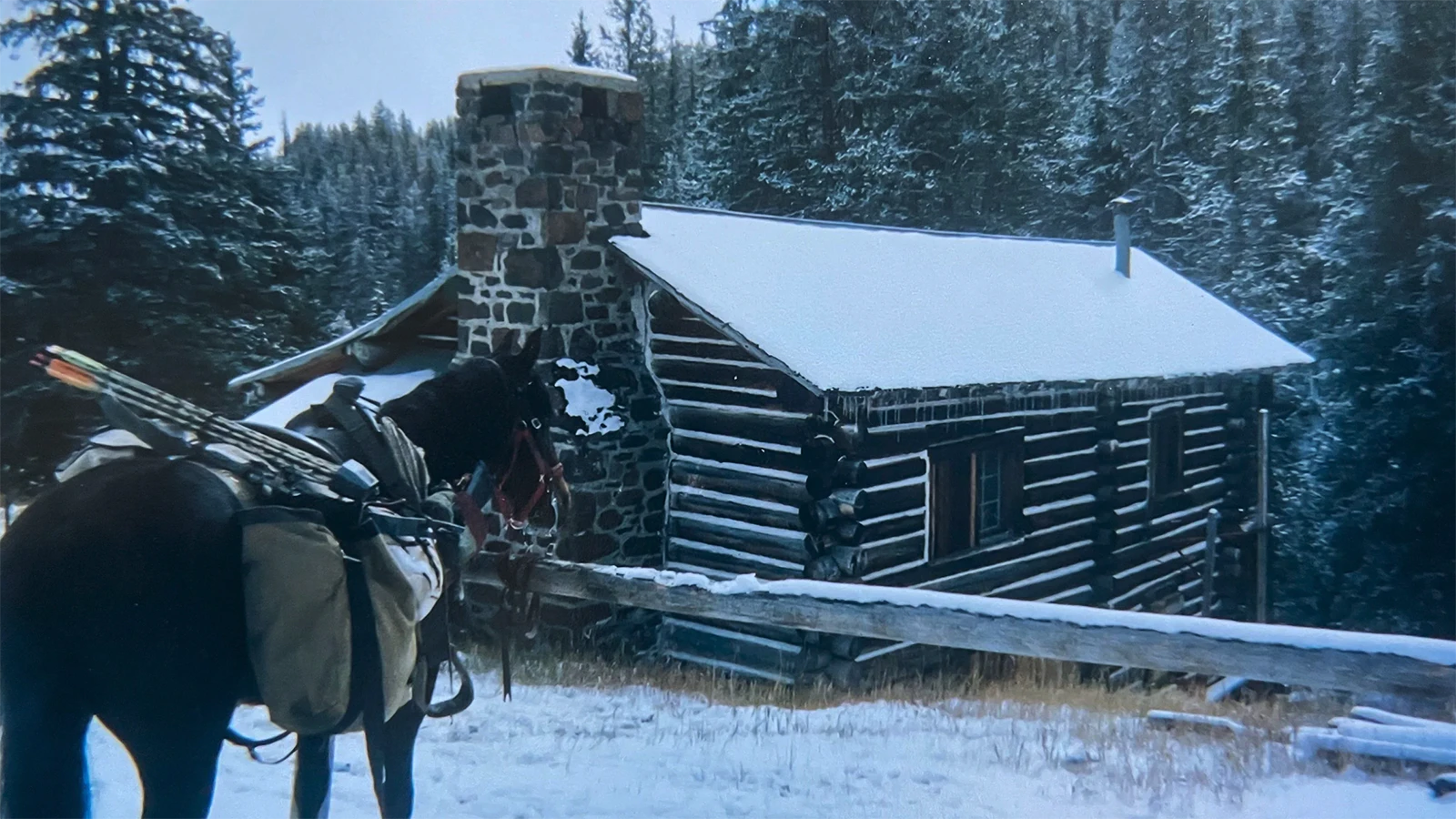
A HardCorps cabin rescue in bear country will breathe new life into the historic Anderson Lodge, where America’s forest reserve system finally became real. (HardCrops Photo) 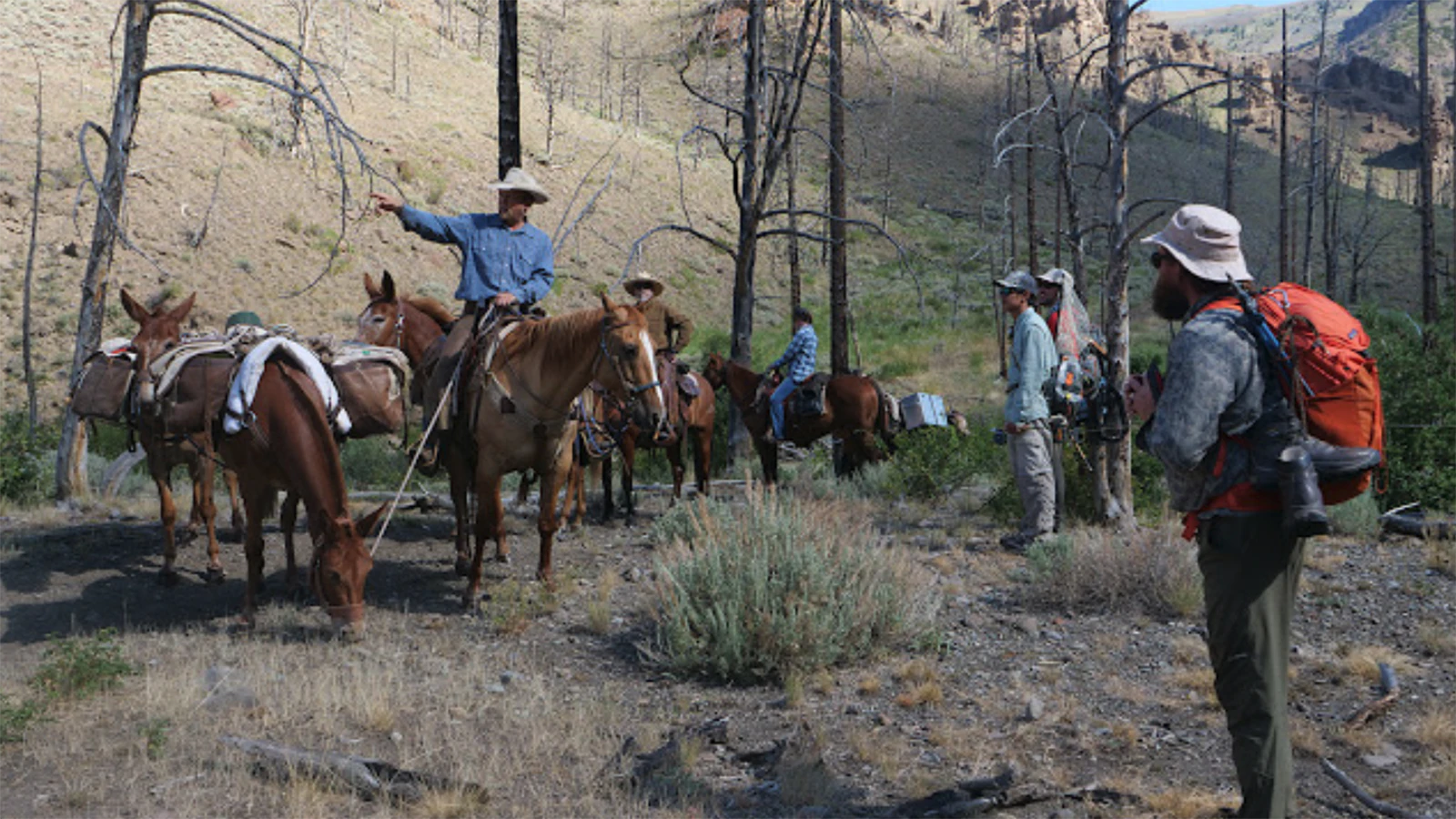
A HardCorps cabin rescue in bear country will breathe new life into the historic Anderson Lodge. (HardCrops Photo) 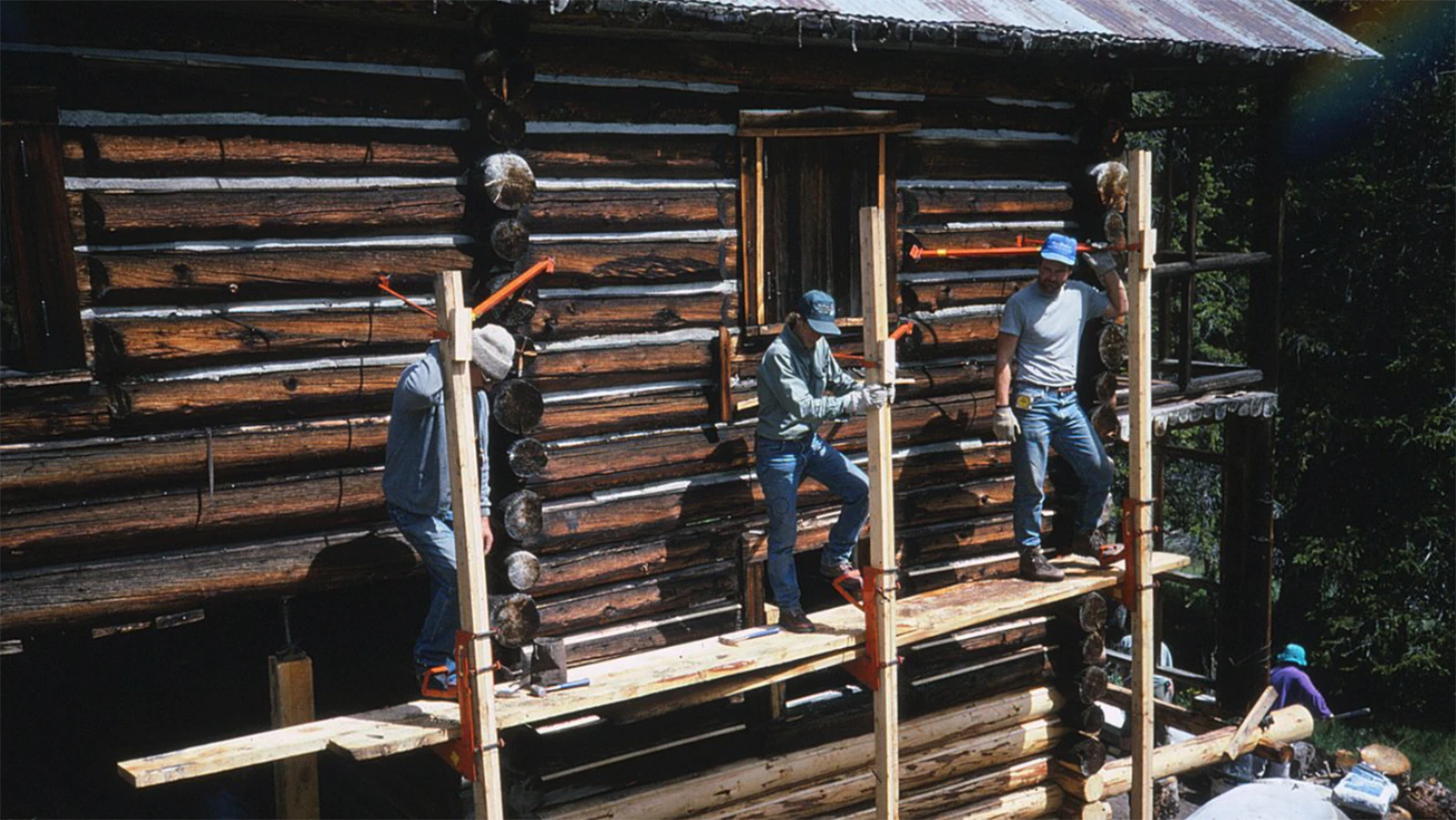
A HardCorps cabin rescue in bear country will breathe new life into the historic Anderson Lodge, where America’s forest reserve system finally became real. (HardCrops Photo) 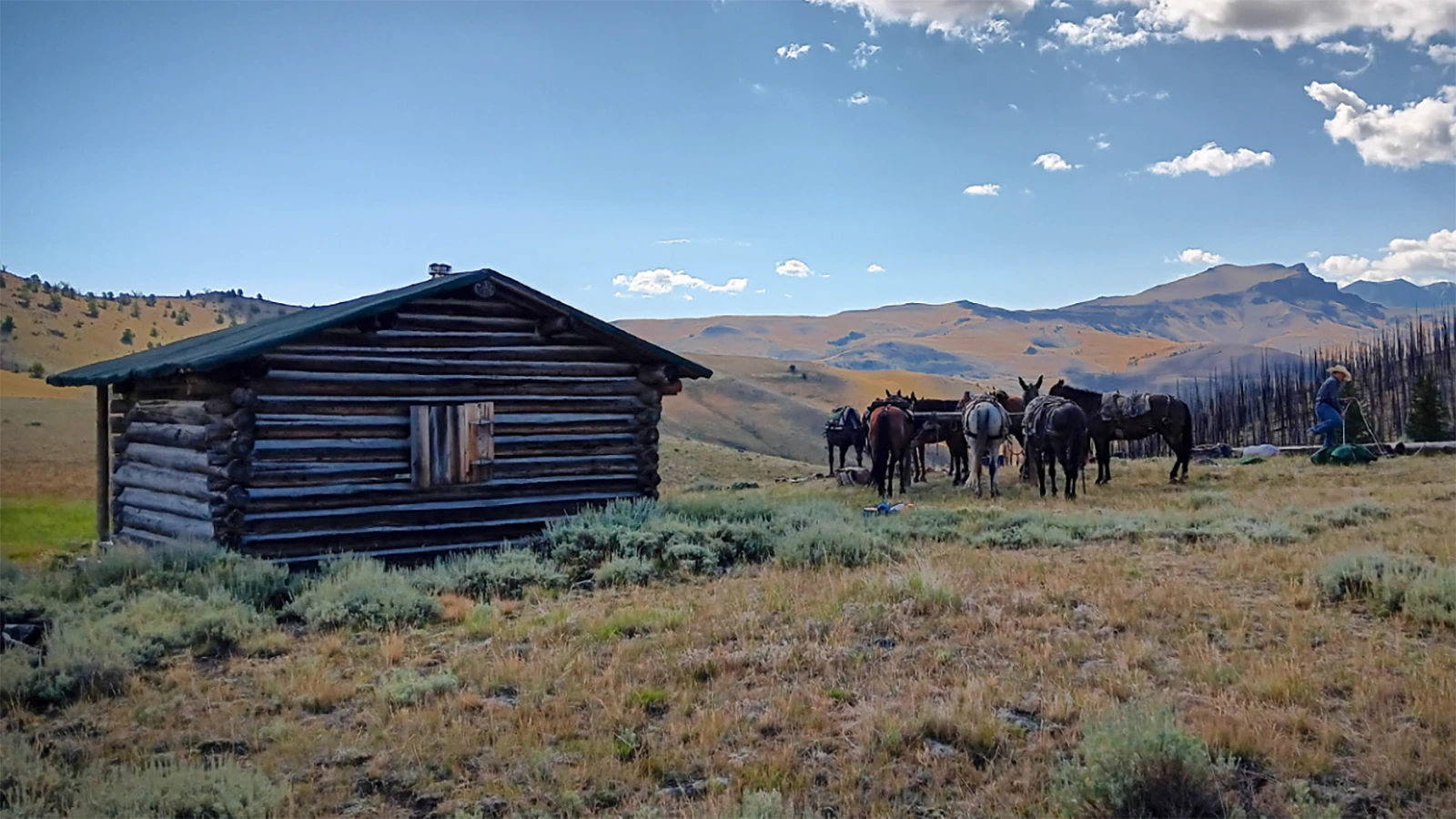
The view from Anderson Lodge is spectacular. (HardCrops Photo) 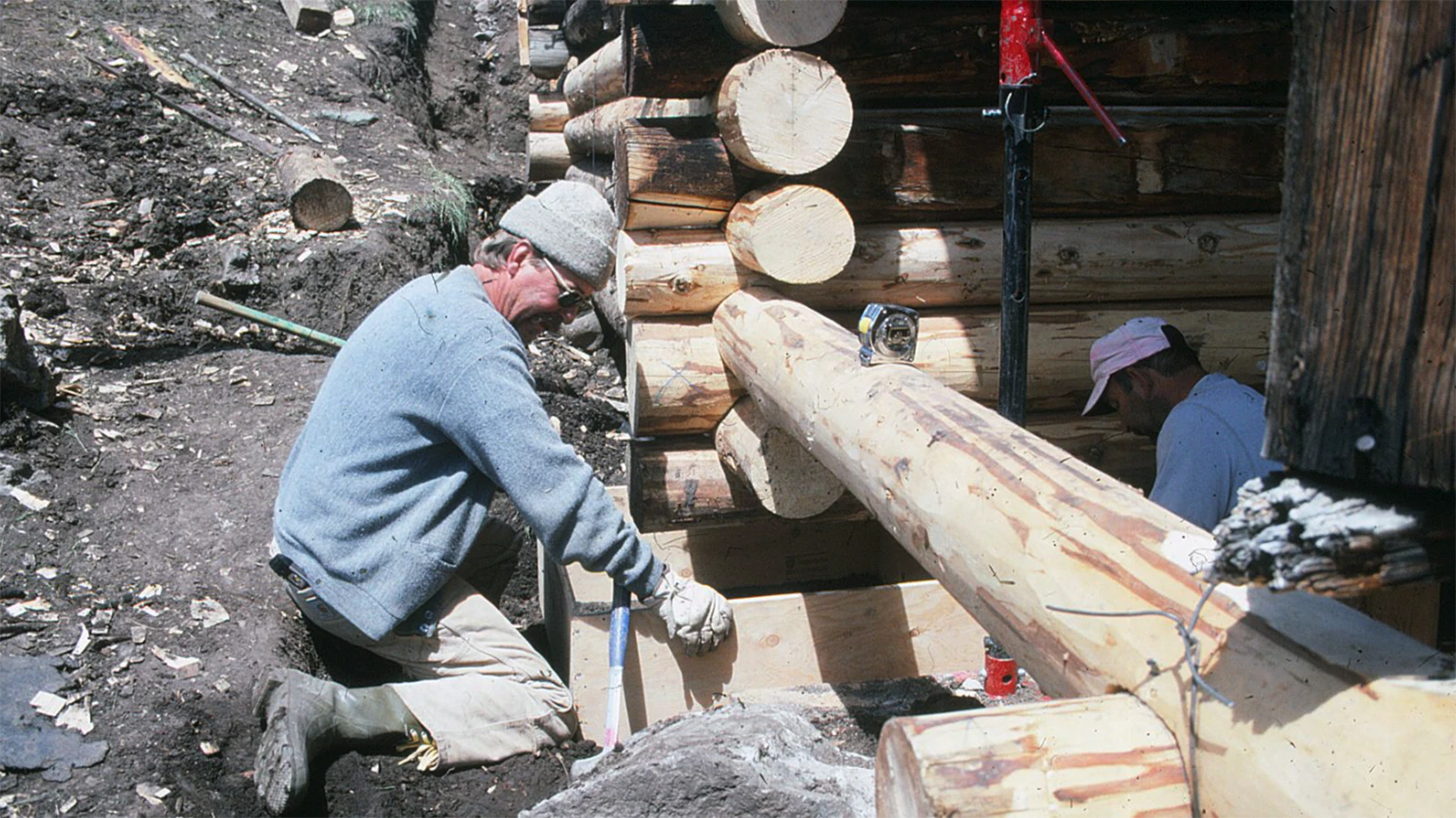
A HardCorps cabin rescue in bear country will breathe new life into the historic Anderson Lodge, where America’s forest reserve system finally became real. (HardCrops Photo)
The Palette Ranch
Anderson didn’t come to Wyoming to begin a conservation movement — at all.
He was born into a wealthy family in New Jersey in 1847, which allowed him to pursue his two main passions in life, hunting and painting.
He discovered the territory that would become Wyoming on an 1883 hunting trip in between Paris and New York excursions, and he was struck by the spectacular hunting and the equally spectacular scenery.
That prompted Anderson to buy a residence at the head of a valley near the Greybull River, a place he called Palette Ranch No. 1, as well as two additional ranches at lower elevations that he called Palette No. 2 and Palette No. 3.
He built his mountain artist studio — the Anderson Lodge that HistoriCorps is working to save — in 1890, about 6 miles west of his main ranch headquarters.
One summer, he even brought along two female models for nude portraiture to this just-finished, rustic mountain retreat.
That prompted local cowhands to name one of the adjoining creeks “Warhouse,” a polite version of what they thought was really going on in Anderson’s studio.
Warhouse Creek and Warhouse Trail still remain as colorful reminders of this history.
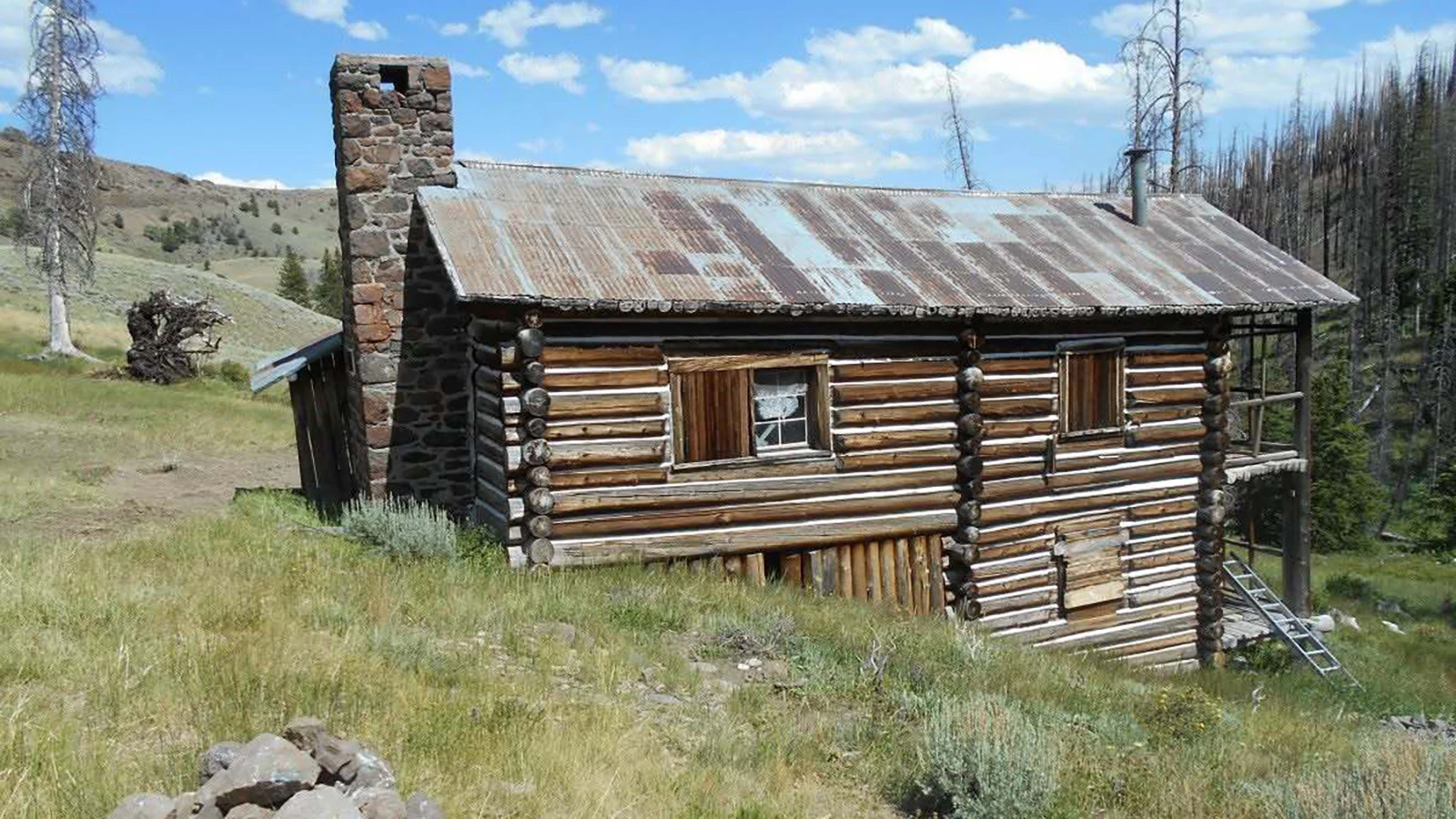
The historic Anderson Lodge in Wyoming's remote Shoshoni National Forest. (Meeteetsewy.com) 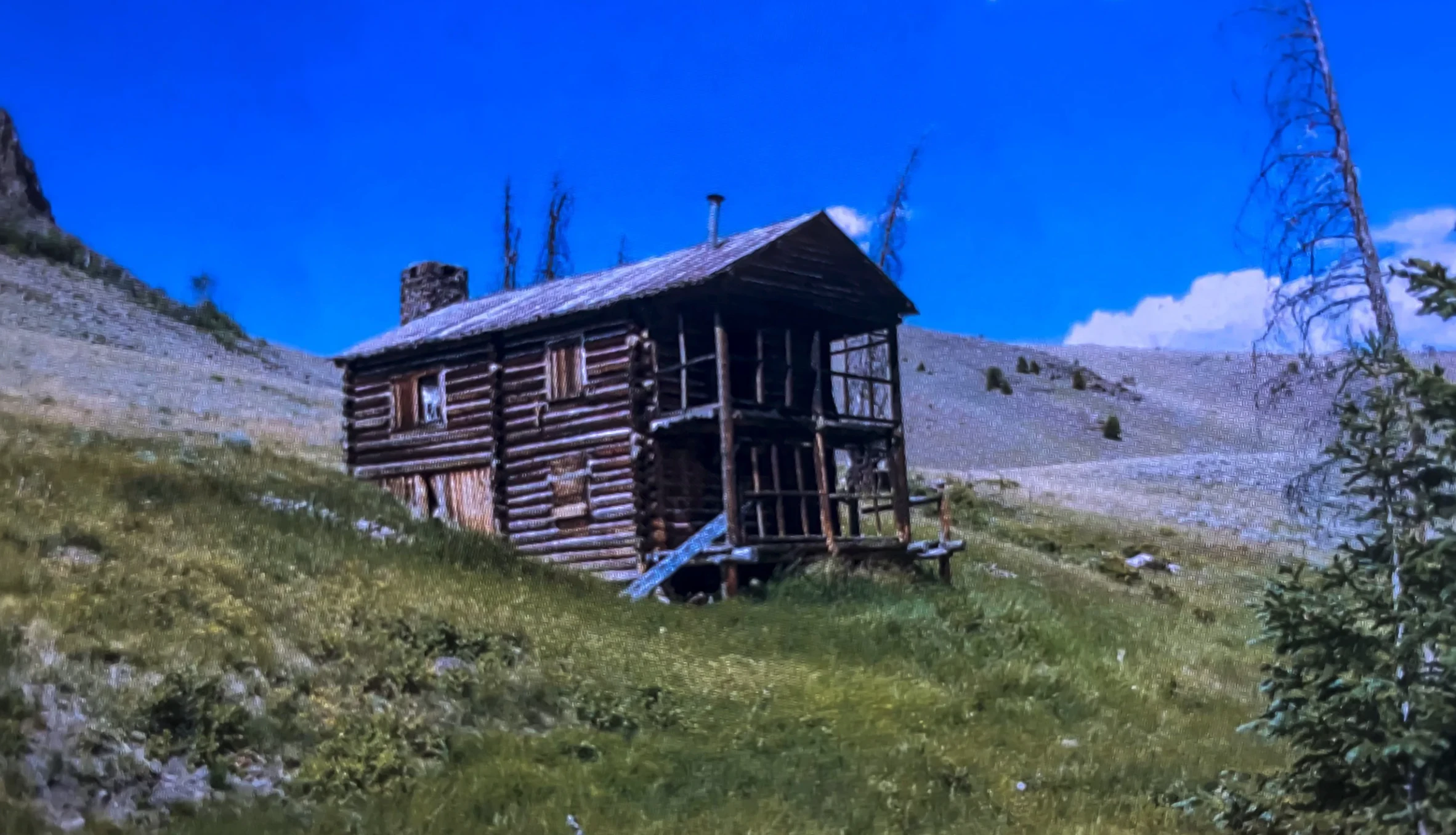
The historic Anderson Lodge in Wyoming's remote Shoshoni National Forest. (Meeteetsewy.com) 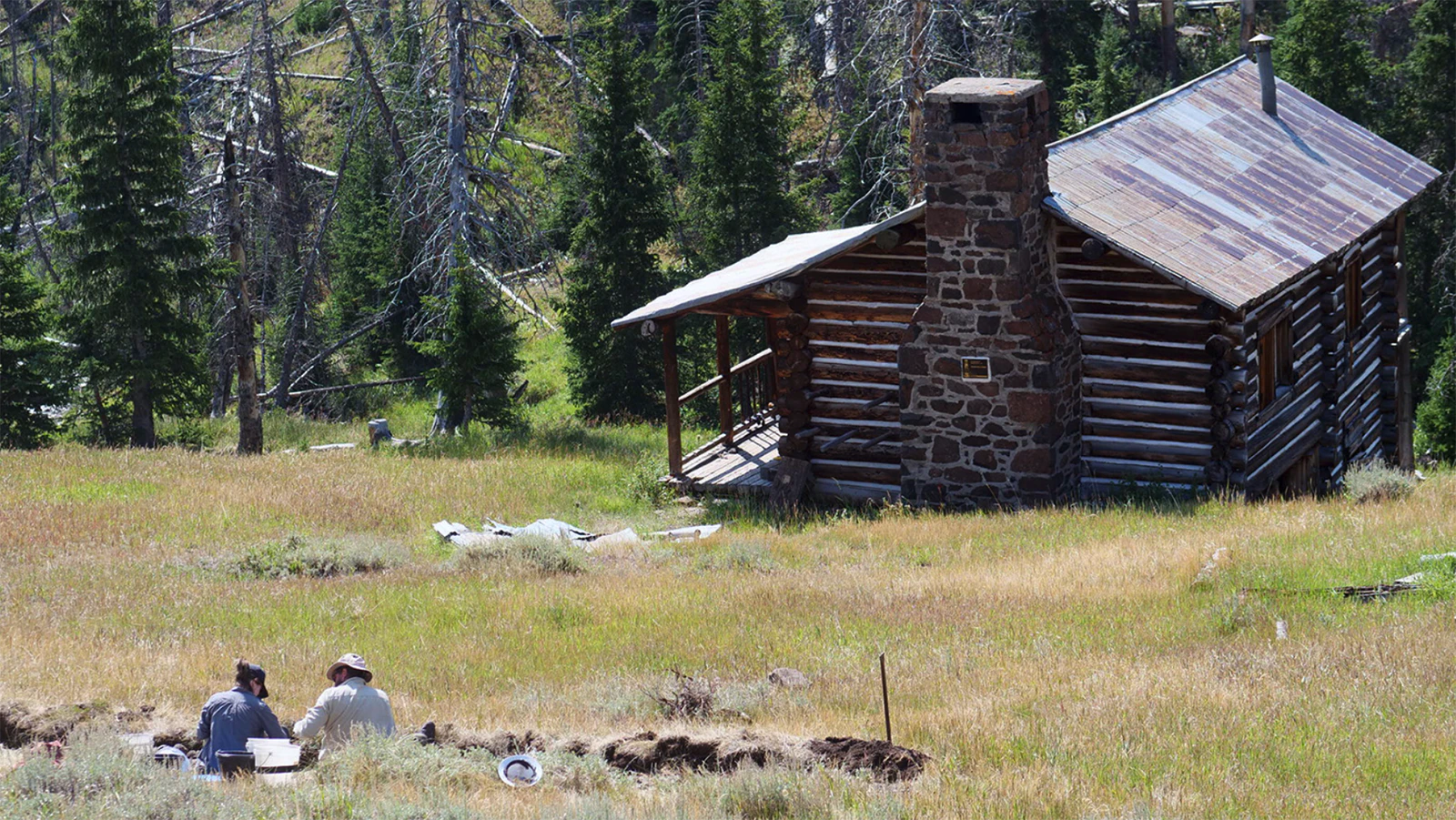
Anderson Lodge was built onto a hillside to serve as an artist studio for Abraham Archibald Anderson. (HardCrops Photo) 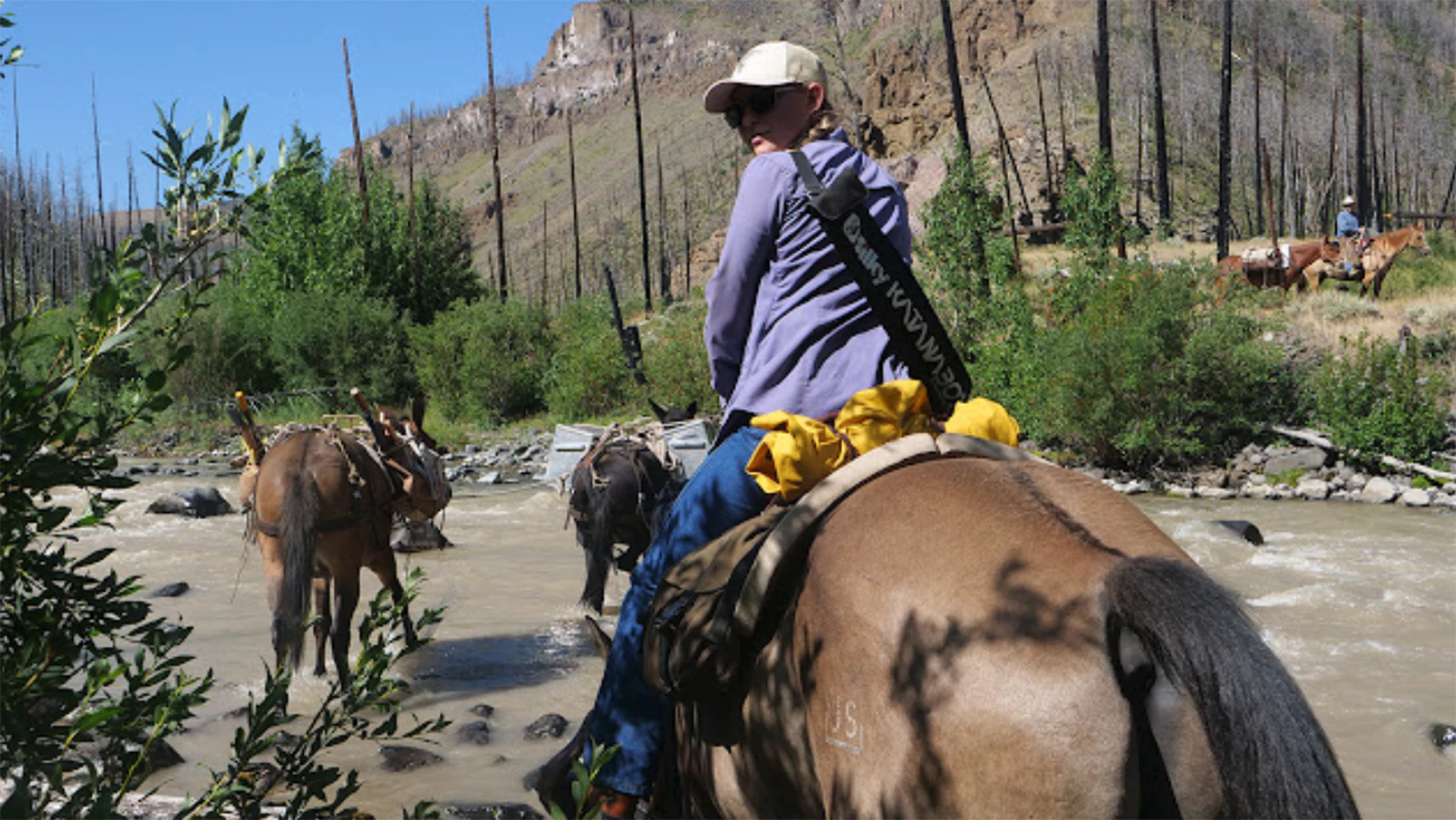
A HardCorps cabin rescue in bear country is an adventure with a purpose. (HardCrops Photo)
Burning Down The Wilderness
Anderson made many trips into the adjacent mountains for ranching, hunting, and painting.
Through that, he witnessed the devastation that was being caused by unsupervised grazing and unregulated hunting and tourism.
Forage was being deliberately destroyed and timber stands burned in clear-cut fashion to make herding easier, as well as develop new forage fields.
The fires were destroying watersheds, as well as threatening his home and his ranch.
That prompted Anderson to join national efforts advocating for real conservation of the resources in Yellowstone. He took a map to President Theodore Roosevelt to advocate that a new boundary be set for the Yellowstone Forest Reserve, as well as plead for better enforcement of existing rules.
Not long after that in 1902, Roosevelt not only enlarged and renamed the area the Yellowstone Forest Reserve, he also appointed Anderson as its special superintendent.
Anderson wasted no time in his new role.
He immediately started surveying the 13,000-mile reserve boundary, accomplishing the work with a small crew in three months’ time. He created new districts with new supervisors whose mission was to tackle the problems caused by unregulated grazing as well as other issues.
Anderson continued in his role until 1905, and served for a time as the game warden of Wyoming as well.
He was among the first in the nation to manage public rangelands and timberlands.
To assist the state in managing its big game herds, he established game refuges throughout the reserves — a legacy that lives on to this day.
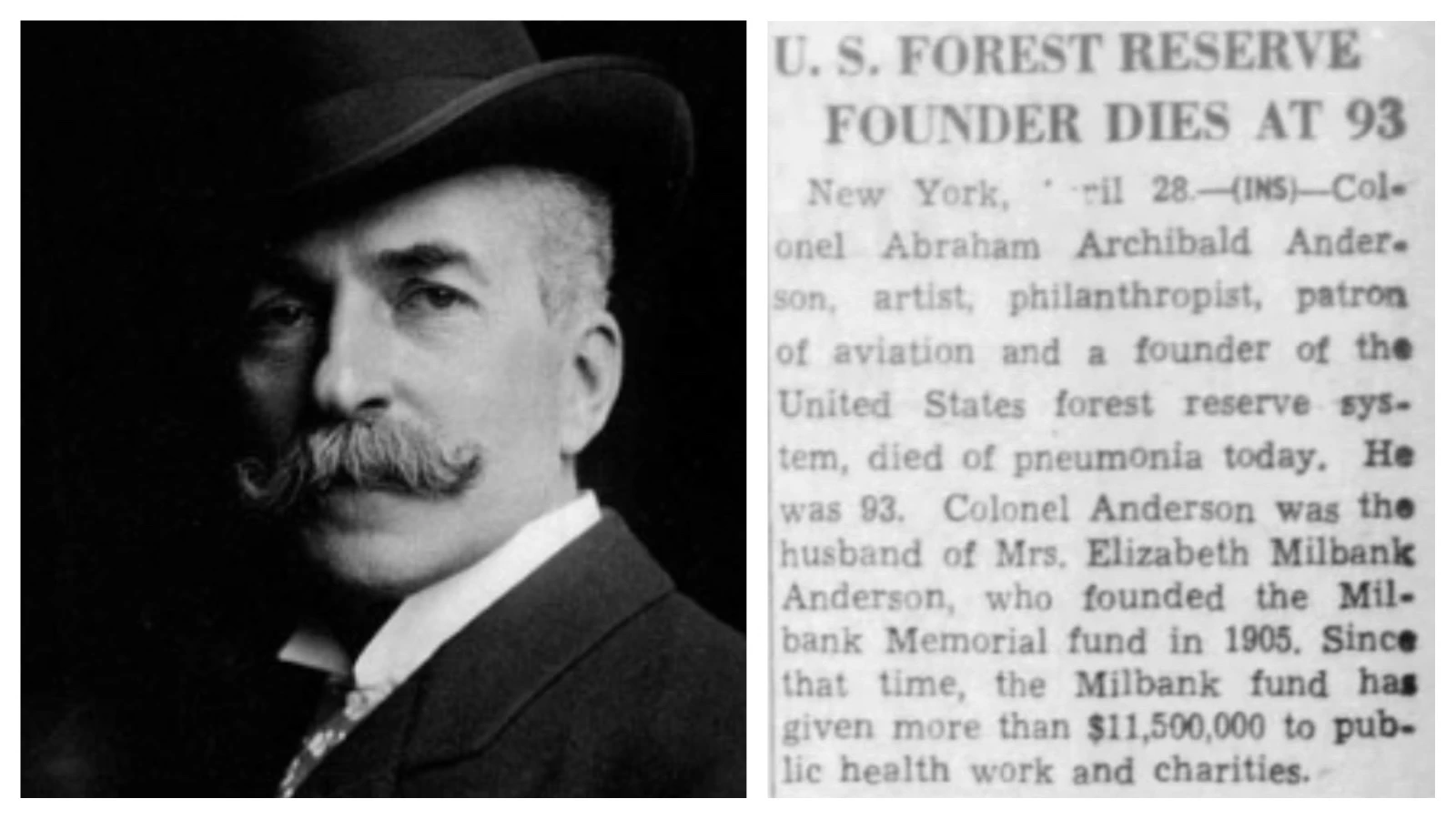
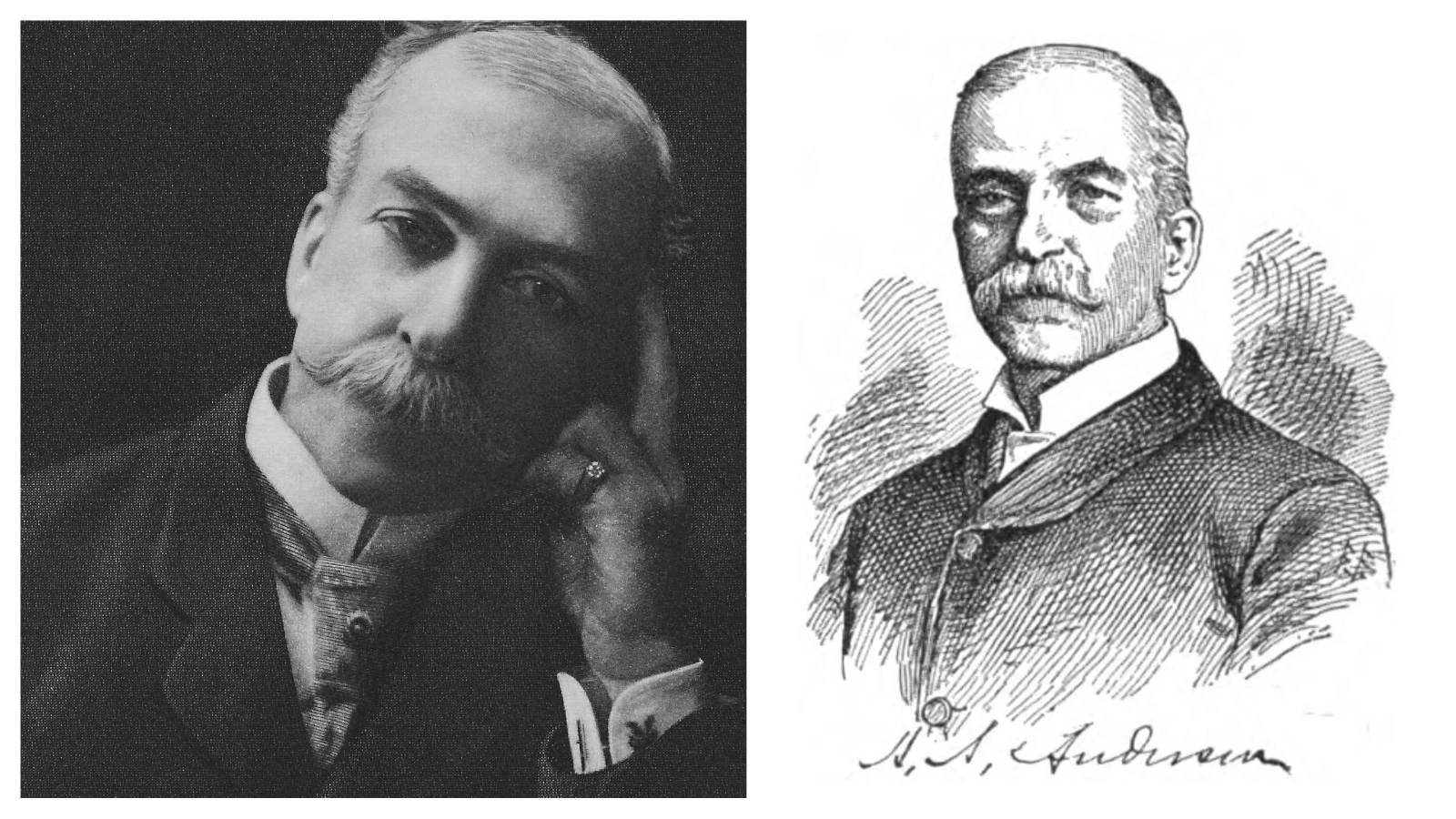
Abraham Archibald Anderson 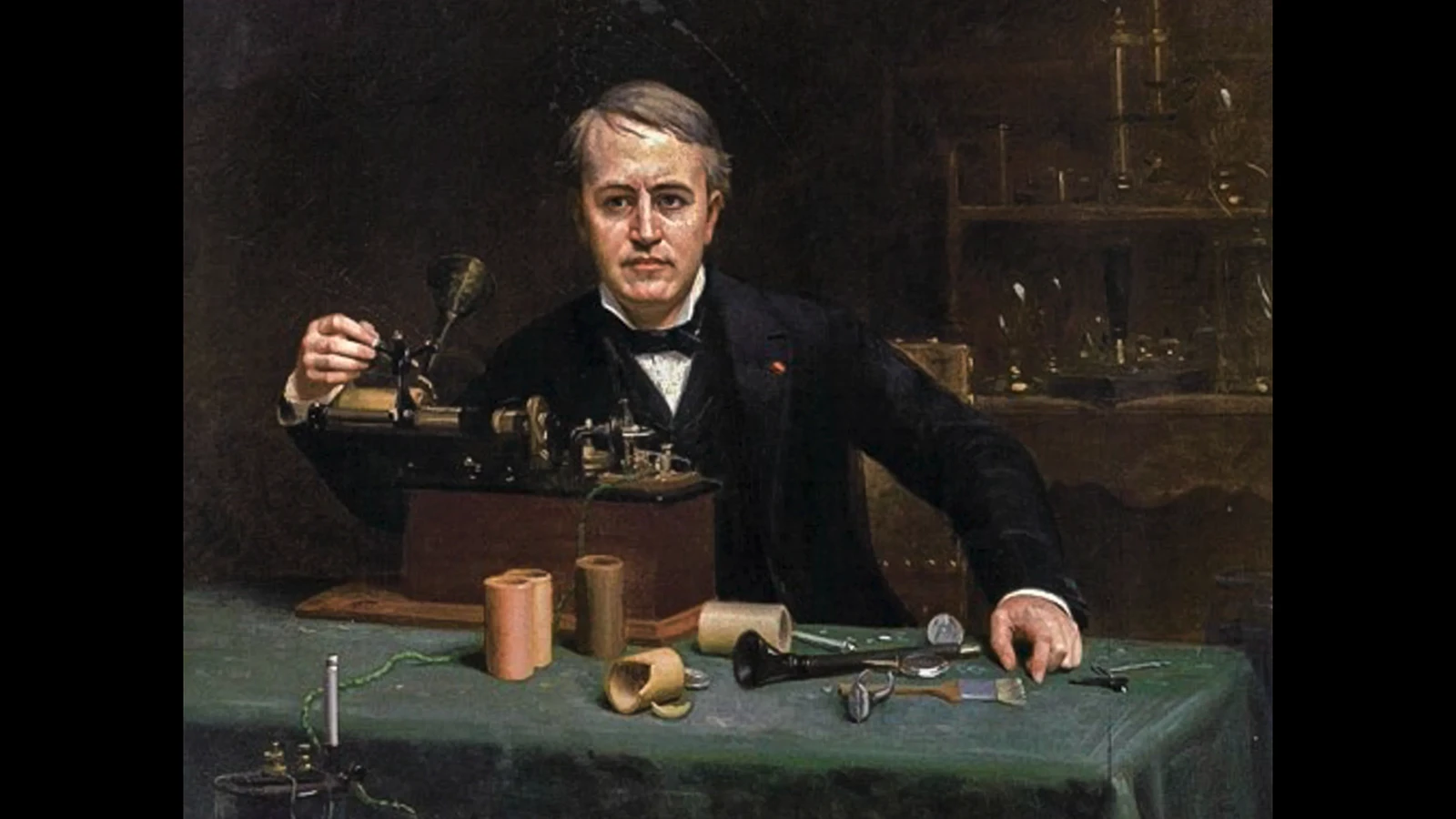
A portraid of Thomas Edison painted by Abraham Archibald Anderson. (Meeteetsewy.com)
Wilderness Designation Adds To Difficulty
The work to save Anderson’s cabin will be grueling, Guillot said, and the logistics involved are complex, starting with just getting volunteers, tools, and materials to the site.
Because it is a federally designated wilderness area, no mechanized tools or equipment are allowed. That means no chainsaws, nail guns, or anything like that.
The wilderness designation also means every hand tool and all materials must be carried in and out by human hands or pack mule for the entire 7.5-mile trail from the Jack Creek trailhead.
This includes food and tents to sleep in, as well as all 3,000 pounds of materials and tools for the stabilization project itself.
Once volunteers hike in, they’ll work five days straight at elevation in true bear country, filtering all their water from local sources and packing out every scrap of food and trash they bring in.
The remoteness of the location means forethought is a requirement of the job. There’s no running to Lowe’s if something was forgotten, and there are no easy exits for bad weather.
Because of the difficulty of this project, HistoriCorps has capped the number of volunteers to no more than eight for safety’s sake. That means more work for fewer hands to jack up and crib the century-old cabin that was built onto a sliding hillside.
Why Some Volunteers Prefer HardCorps
Because of the project’s many challenges, HistoriCorps’ Anderson Lodge project has earned its own designation.
It’s known as a “HardCorps” project, meaning only volunteers who have high levels of skill in both carpentry and the wilderness should apply.
For volunteers like Leisa Grant, it’s the difficulty that is the draw.
She’s part of a growing segment of travelers no longer content with just leaving no trace. They want to see the world and make a difference while doing it.
“I love the idea of being part of a small group of people who are dedicated to preserving history,” she told Cowboy State Daily. “We see a lot of places around that are long gone. And it’s neat to see in some ways, it’s like a skeleton where something died. But it’s never coming back.”
Grant has both wilderness and carpentry skills, which is what brought her to HistoriCorps first as a volunteer and now as an employee. Being able to use both skills to see the country and save history has been uniquely satisfying, she said.
“You’re working on stuff where you’re trying to emulate and make that structure exactly like it was when the first people put it up,” she said. “And I think our volunteers are absolutely in love with that idea. We have a strong core of regular volunteers who have become friends over time.
“It’s a special experience, whether you’re a volunteer or a field staff member, which is why I like to do both.”
The areas she’s gotten to see and explore are also places she would never have even known about but for HistoriCorps.
“They are beautiful, breathtaking, raw places,” she said. “Almost always on public lands like BLM and Forest Service. It’s just a neat opportunity to go somewhere that you never even knew existed.”
Renée Jean can be reached at renee@cowboystatedaily.com.