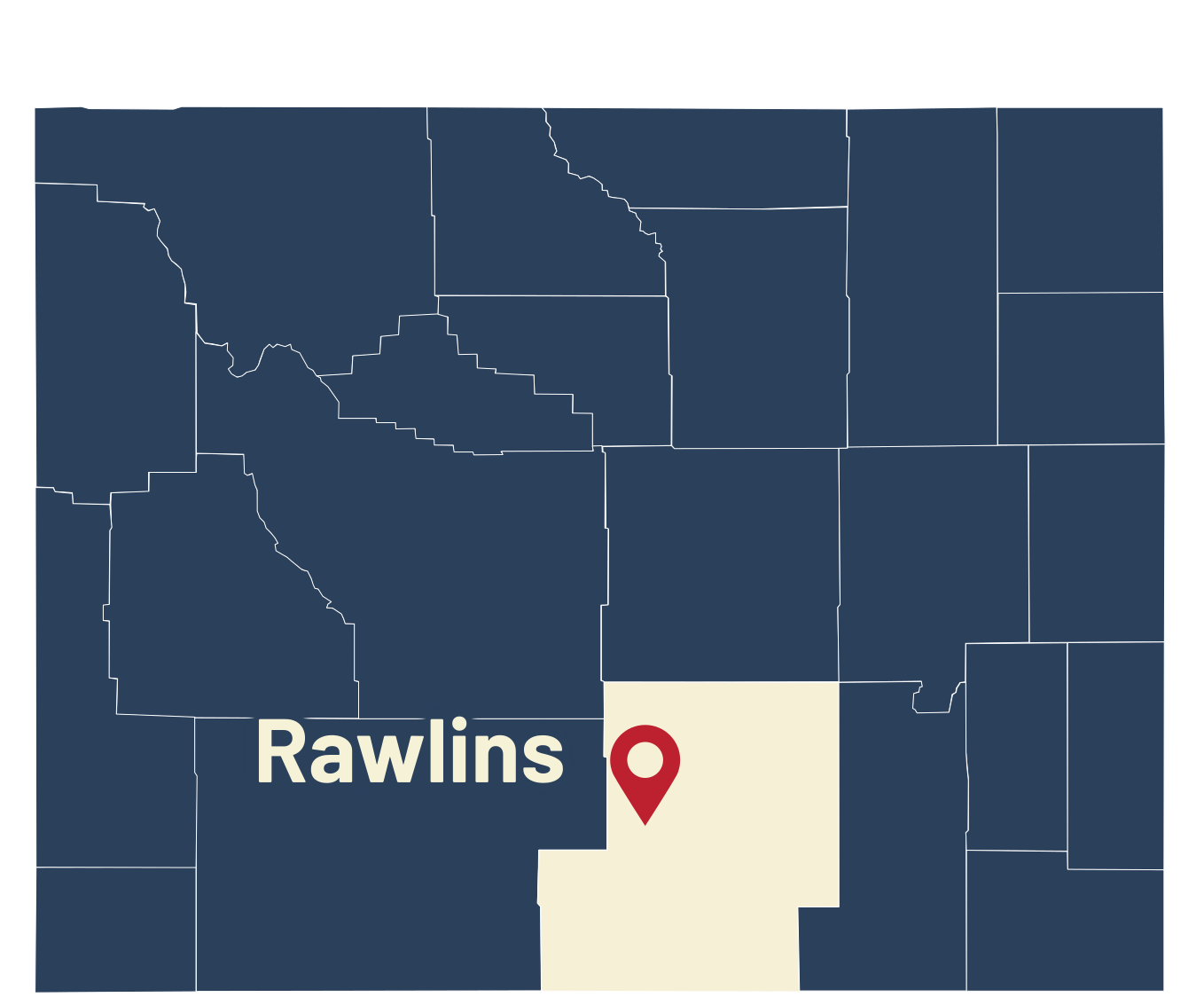
The Haitian truck driver convicted of killing one Rawlins EMT and severely injuring another in a catastrophic Interstate 80 crash more than three years ago is asking the Wyoming Supreme Court to overturn his convictions, claiming prosecutors failed to prove the one thing jurors had to find beyond a reasonable doubt: that he acted recklessly.
Saviol Saint Jean, who was convicted last September after a weeklong jury trial in Sweetwater County, filed his opening appeal brief Tuesday.
Rather than claiming juror misconduct or errors by the trial judge, Saint Jean's attorneys contend the evidence itself wasn't enough to support guilty verdicts for aggravated homicide by vehicle and aggravated assault and battery.
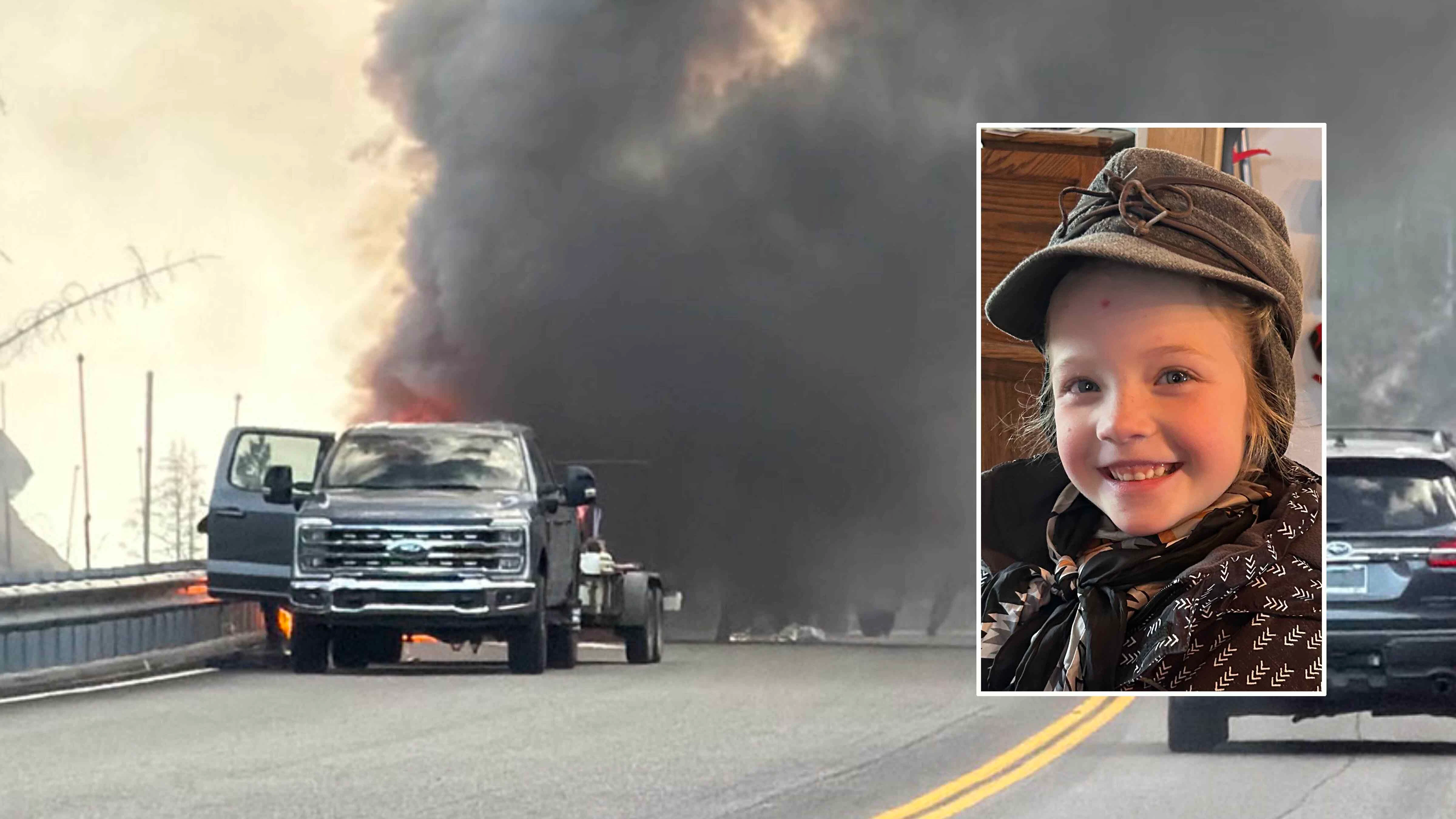
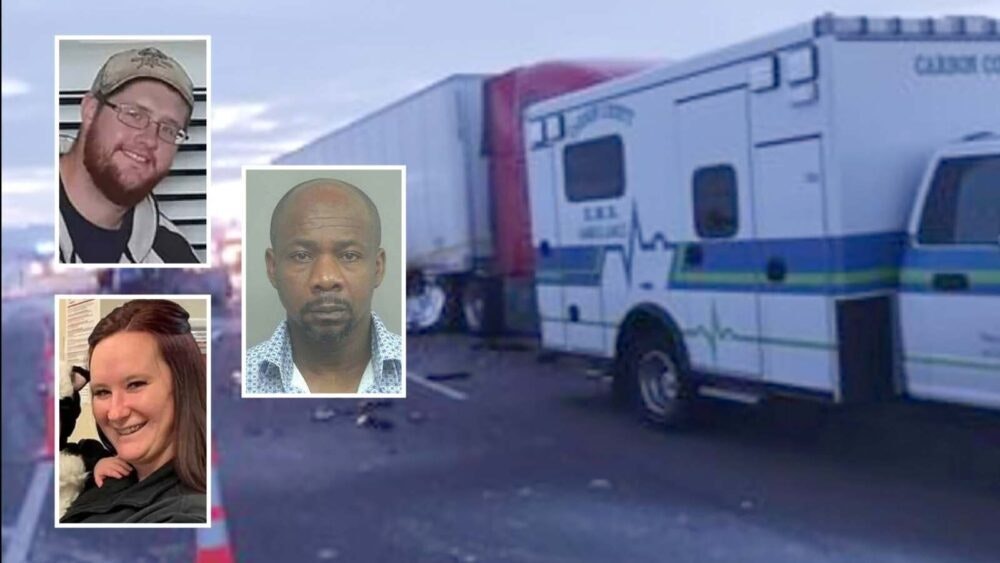
The case stems from the predawn hours of Dec. 21, 2022, when Saint Jean's semitrailer slammed into a parked ambulance that had responded to an earlier crash on Interstate 80 near Green River.
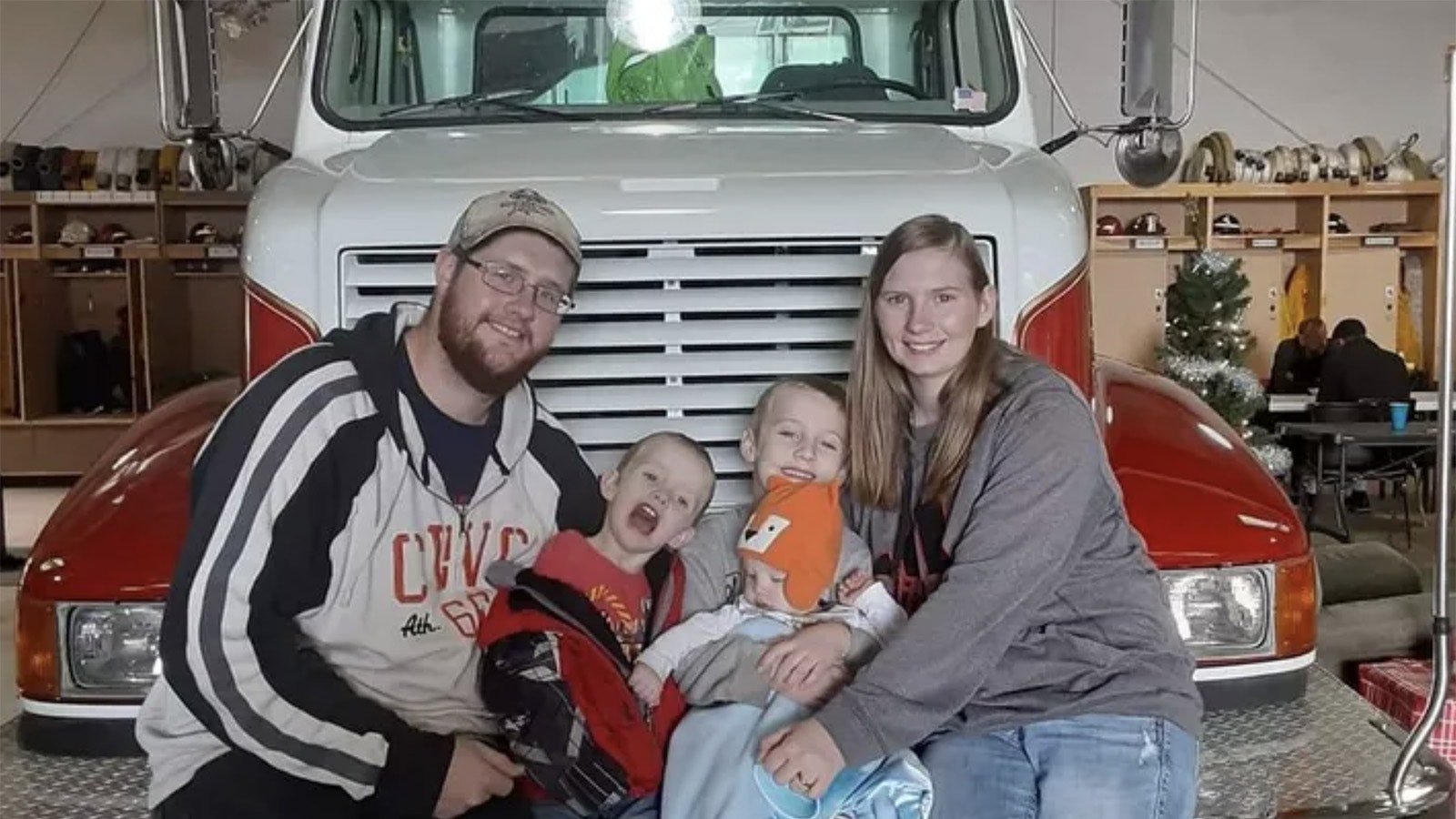
The collision killed Rawlins EMT Tyeler Harris and seriously injured ambulance driver Tiffany Gruetzmacher.
Earlier this year, then-Sweetwater County District Court Judge Richard Lavery sentenced Saint Jean to serve 12-14 years in prison, saying Harris' death was "preventable" while acknowledging Saint Jean had shown genuine remorse.
During sentencing, Saint Jean apologized through an interpreter, telling Harris' family he wished he could "turn back time" and had never intended to hurt anyone.
Now he is asking the state's highest court to erase those convictions.
Reasonable Doubt?
The appeal focuses almost entirely on one legal question: whether prosecutors proved Saint Jean acted recklessly.
Under Wyoming law, prosecutors had to convince jurors that Saint Jean consciously disregarded a substantial and unjustifiable risk — not simply that he made a mistake or caused a terrible crash.
"The state failed to prove, beyond a reasonable doubt, that Mr. Saint Jean acted recklessly," Assistant Appellate Counsel Brittany Thorpe wrote.
Instead, Thorpe argues, the evidence showed Saint Jean "misperceived the risk and defaulted to his training, which told him to slow down and change lanes."
'Like The Las Vegas Strip'
Jurors heard dramatically different explanations during last September's trial.
Sweetwater County Attorney Daniel Erramouspe argued the crash scene was impossible to miss.
"It was lit up like the Las Vegas Strip," he told jurors during closing arguments, pointing to emergency lights, flashing hazards and other truck drivers who had safely navigated the area before Saint Jean arrived.
Erramouspe argued Saint Jean tried to "thread the needle" between disabled vehicles instead of slowing enough to safely negotiate the scene, calling that decision reckless.
The prosecution also emphasized that another commercial driver encountered the same wreck moments earlier but successfully avoided it.
Saint Jean's trial attorney, Joseph Hampton, painted a very different picture.
He argued Interstate 80 had become an extraordinarily dangerous maze after an initial collision between another semitruck and a pickup hauling a trailer blocked both lanes of travel with wreckage and debris.
The interstate, Hampton argued repeatedly, should have been closed before Saint Jean ever arrived.

'Imperfect Decisions'
Those same arguments now form the backbone of Saint Jean's appeal.
According to this week’s appeal, the initial crash blocked the right lane with one semi while trailer debris clogged the left lane. Another commercial truck stopped on the left shoulder after narrowly avoiding the wreckage, leaving little room for approaching traffic.
The appeal adds that no one had deployed emergency triangles, flares or warning cones before Saint Jean reached the scene. Instead, the brief argues, flashing emergency lights were the primary warning to approaching drivers.
Attorneys also point to trial testimony that investigators could not determine the ambulance's exact location before it was struck.
"There was very little evidence" showing exactly where the ambulance had been parked, the appeal notes, citing Wyoming Highway Patrol testimony.
The defense says Saint Jean wasn't ignoring danger.
Instead, the appeal argues he responded exactly as he had been trained.
Testimony highlighted throughout the filing says Saint Jean reduced his speed by at least 20 mph, changed lanes away from emergency lights and began braking after realizing the ambulance was actually occupying the lane he had entered.
Commercial driving instructors testified during trial that slowing down and moving away from emergency vehicles is nationally accepted CDL training.
The appeal also points to defense experts who testified Saint Jean likely misjudged the ambulance's location because of glare from emergency lights, darkness and the unusually complex geometry of the crash scene.
One defense expert testified that drivers often recognize hazards but still make imperfect decisions when confronted with sudden emergencies.
According to the appeal, Saint Jean wasn't distracted by a cellphone, wasn't listening to the radio, and wasn't fatigued. His attorneys also note he had only been driving commercial trucks for a few months and had traveled that stretch of Interstate 80 only a handful of times.
Comparing Cases
Saint Jean's conduct doesn't resemble other Wyoming aggravated vehicular homicide cases that have survived Supreme Court review.
Thorpe contrasts Saint Jean's case with previous decisions involving drivers who inhaled intoxicants before driving, knowingly drove while dangerously fatigued or sped recklessly through traffic while ignoring obvious hazards.
Instead, the appeal relies heavily on a 2020 Wyoming Supreme Court decision overturning another aggravated vehicular homicide conviction because prosecutors failed to prove the driver consciously disregarded fatigue before a fatal crash.
Like that case, Thorpe argues, Saint Jean may have made a tragic mistake, but prosecutors never proved he consciously ignored a known risk.
The Wyoming Attorney General's Office will now file a response defending the convictions before the Wyoming Supreme Court considers the appeal.
The justices could affirm the convictions, reverse them outright or order additional proceedings in district court.
For the Supreme Court, the question is whether the evidence presented to jurors was legally sufficient to prove beyond a reasonable doubt that Saint Jean acted recklessly.
Kolby Fedore can be reached at kolby@cowboystatedaily.com.